Overview
Rayman is a side-scrolling platformer developed by Ubi Soft Paris Studios and originally released on September 7, 1995. The game stars Rayman, a cheerful limbless character whose hands, feet, and hair float independently from his body, giving him a visual identity unlike anything else in the genre at the time. The evil Mr. Dark has stolen the Great Protoon and scattered the Electoons across six worlds, and Rayman's job is to track them all down and set things right.
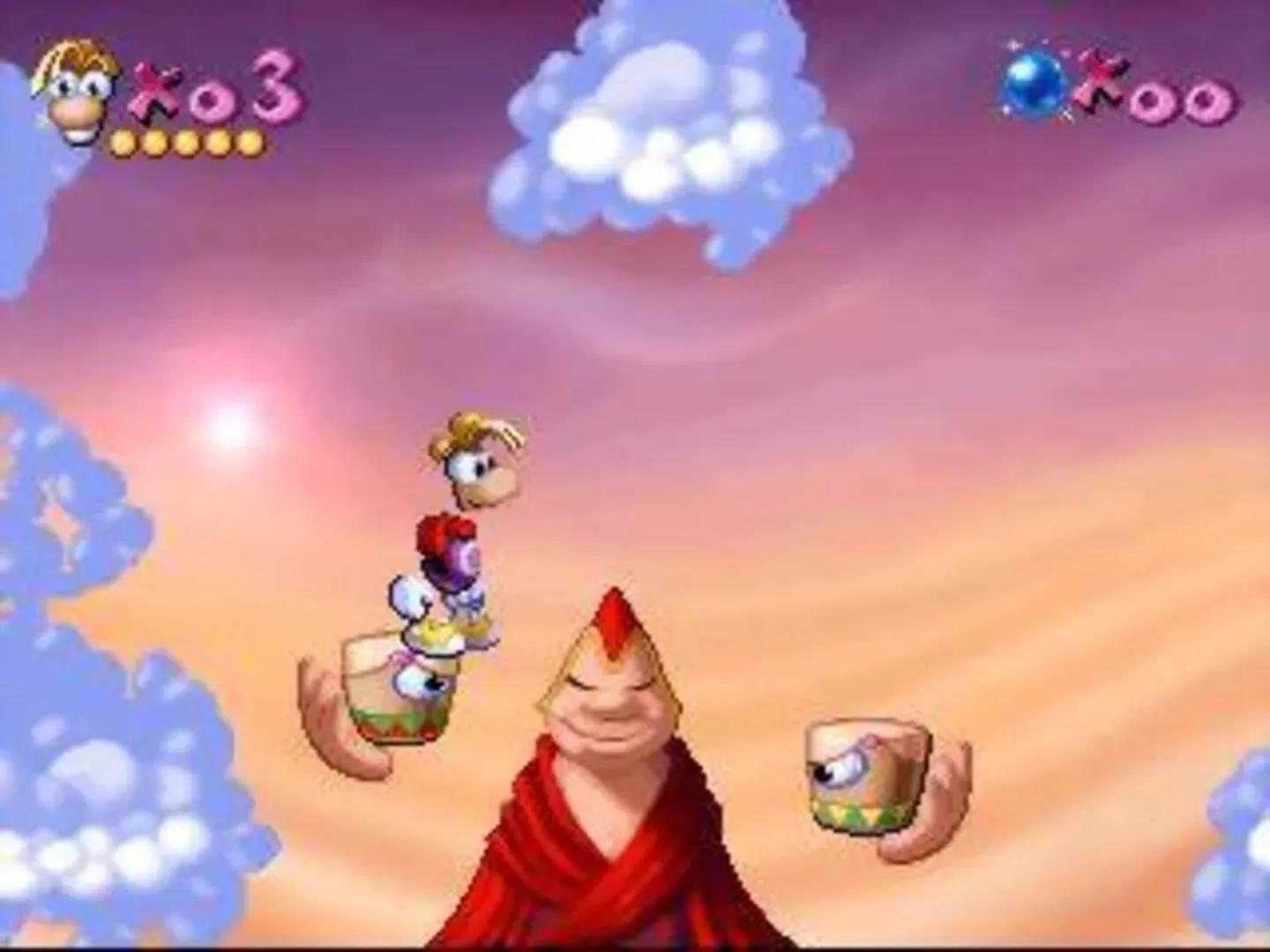
The story keeps things simple by design. Betilla the Fairy is defeated early on, leaving Rayman to gradually earn back the abilities she granted him. New powers unlock as you progress, including the ability to throw his detached fists, charge up a stronger punch, and use his helicopter hair to extend jumps. The Magician pops up between levels to offer minigames, while Tings, the game's collectible currency, buy extra lives and unlock bonus content.

Rayman content image
Gameplay and mechanics
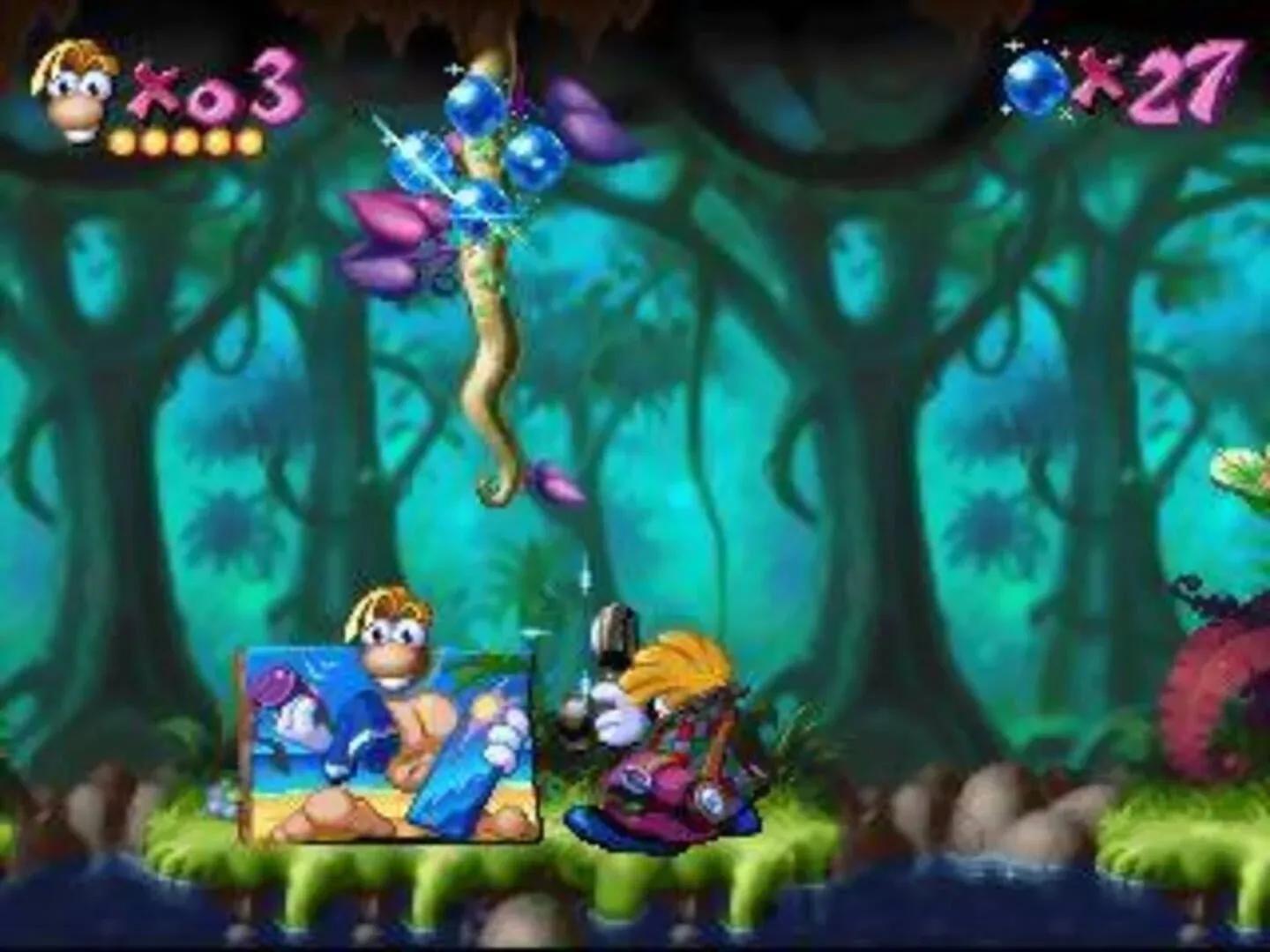
Rayman's core loop centers on collecting Electoons hidden across each level, with cages scattered throughout that need to be destroyed to free them. The platforming starts accessible and steadily tightens, with later worlds demanding precise timing and good use of every ability in Rayman's kit.
Rayman content image
Key mechanics include:
- Fist throw for ranged attacks
- Charged punch for tougher enemies
- Helicopter hair for extended air time
- Flying power-ups for maze sections
- Ting collection for extra lives
The progression system ties directly to exploration. Clearing every Electoon cage in a world is required to unlock the path forward, which pushes players to actually engage with each level rather than sprint through. It's a design choice that rewards thorough platforming over speed running.
Rayman content image
World and setting
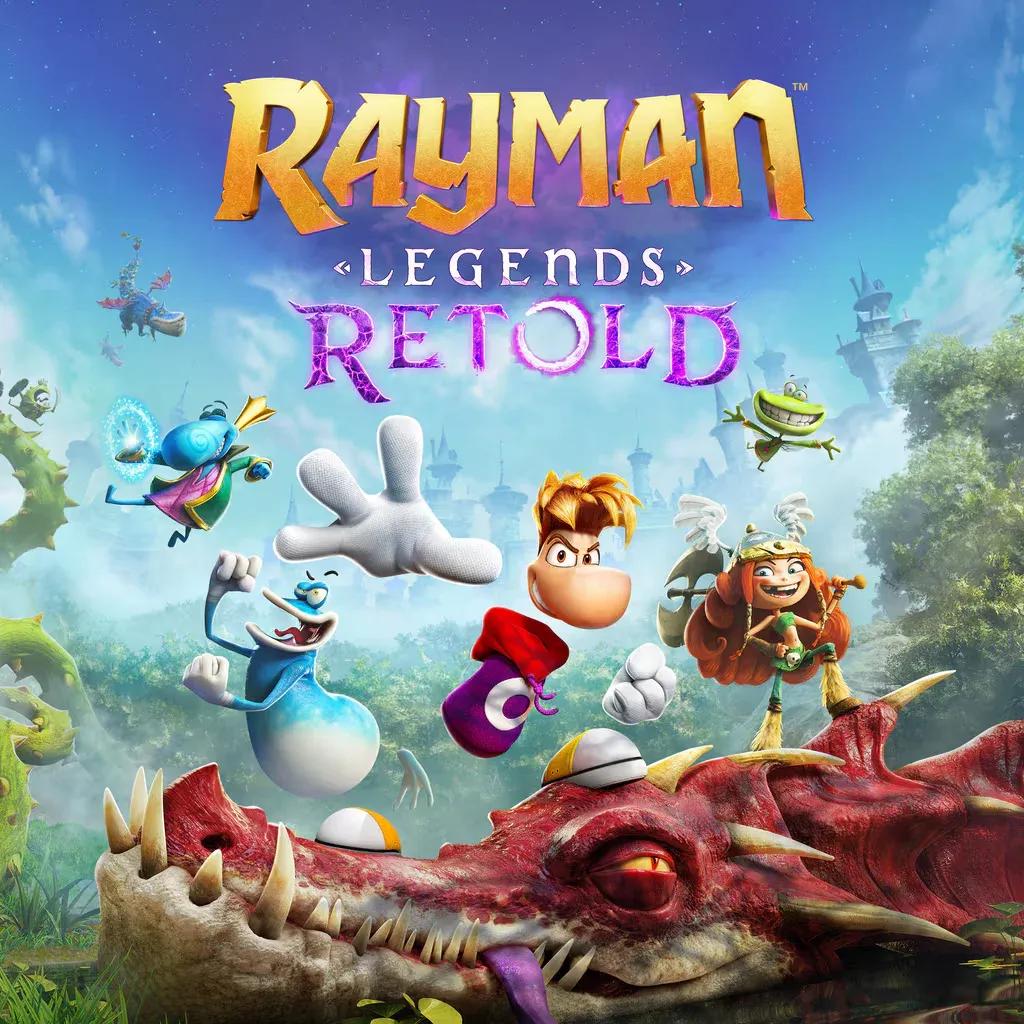
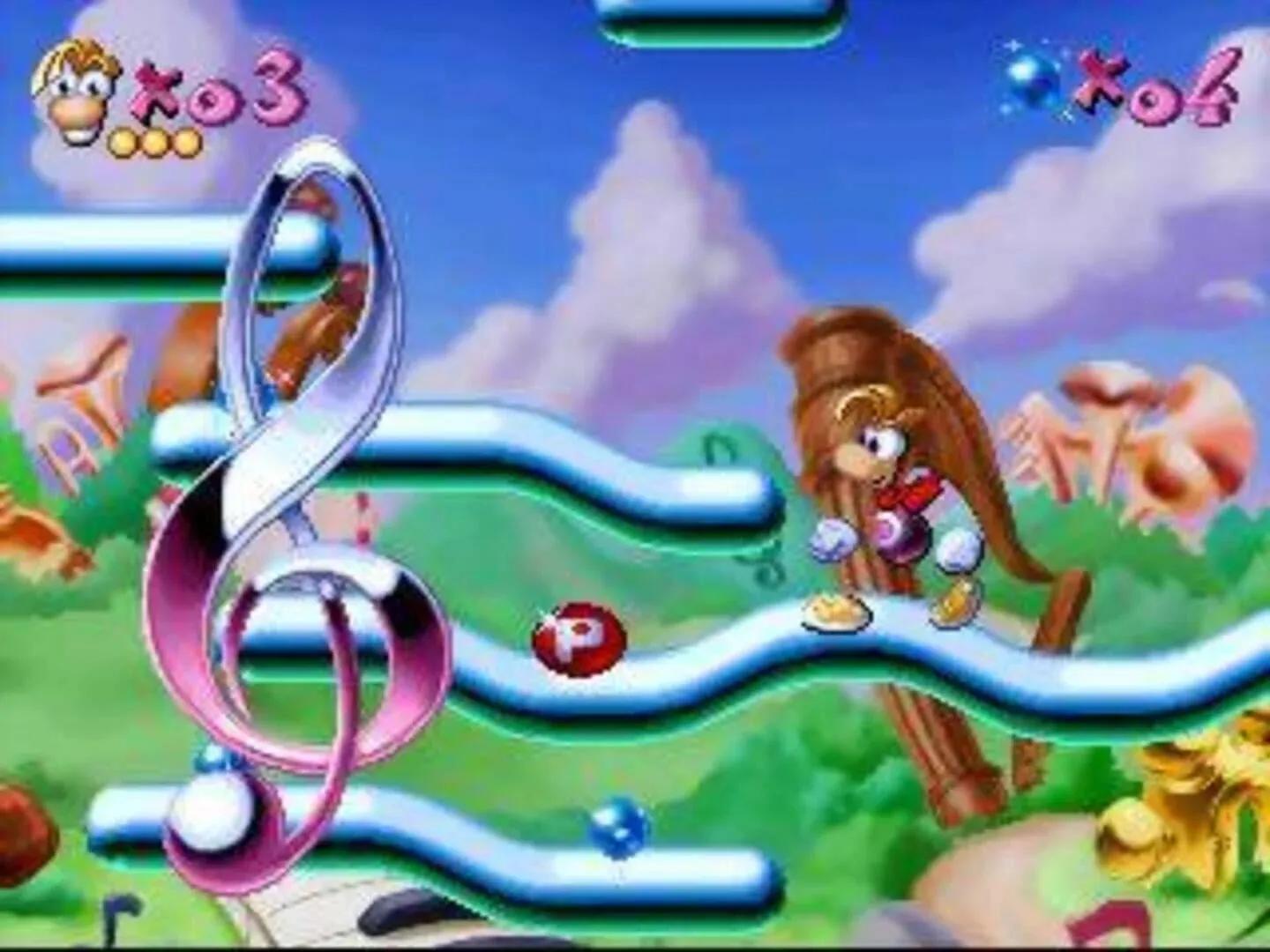
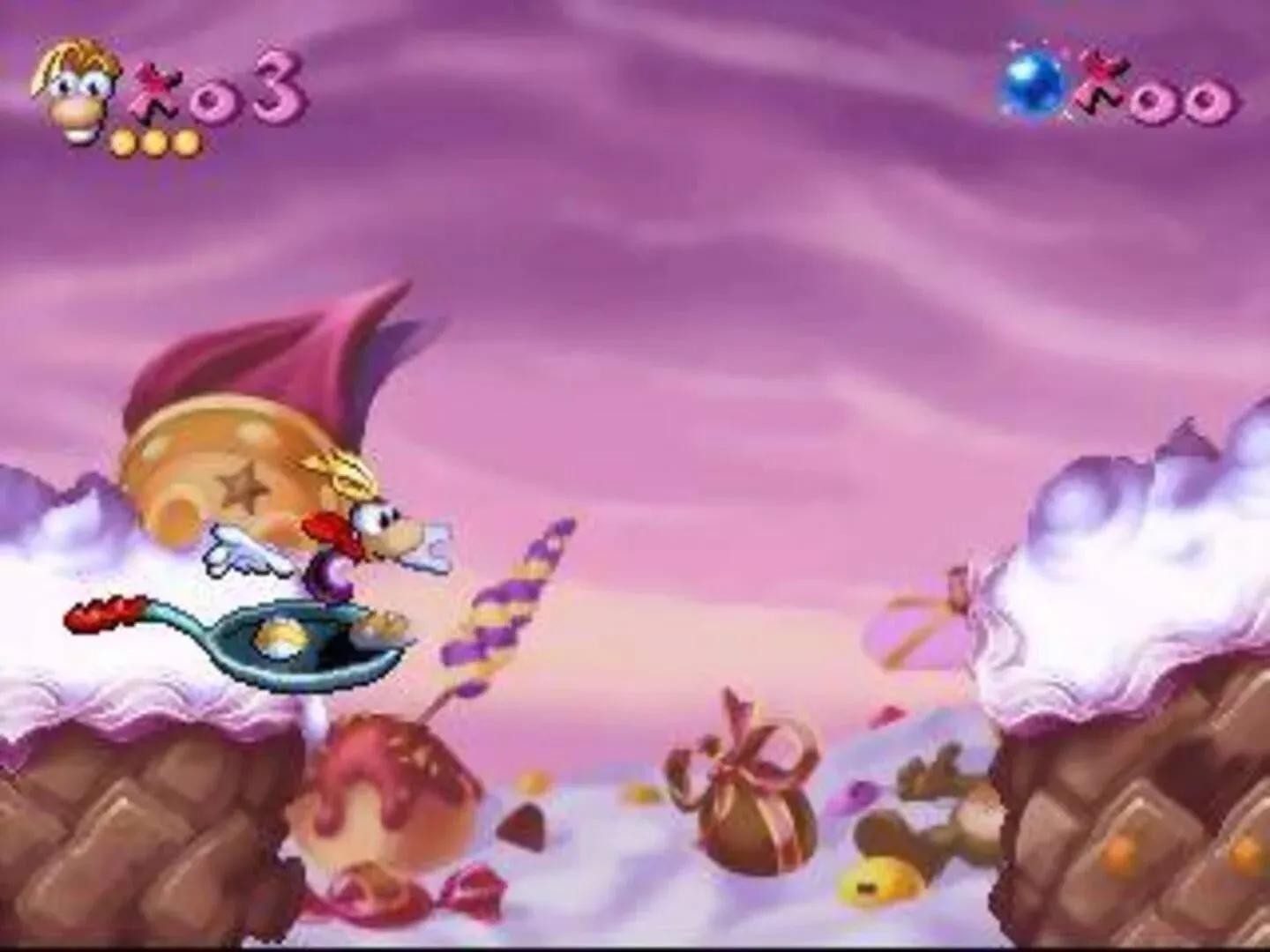
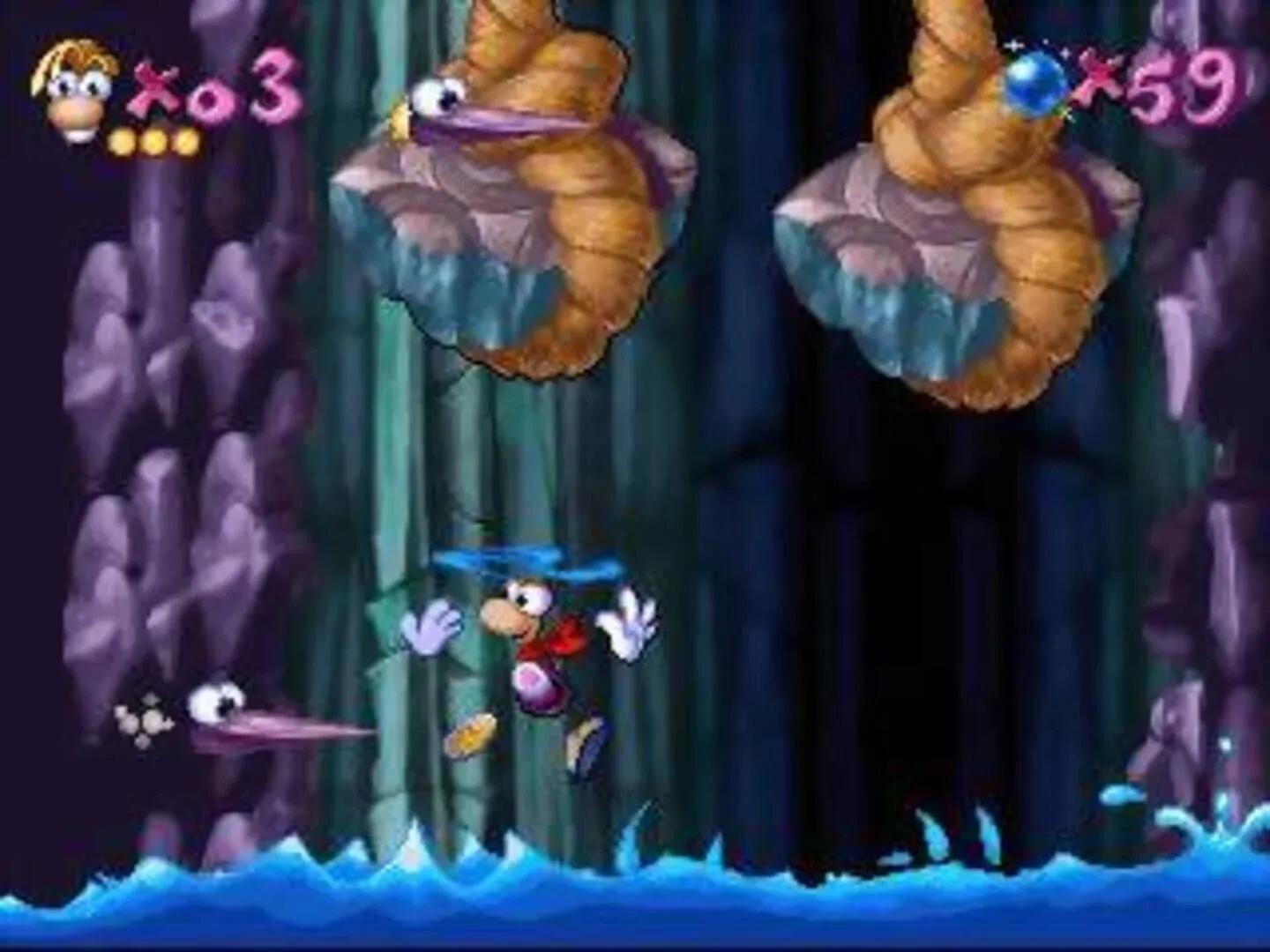
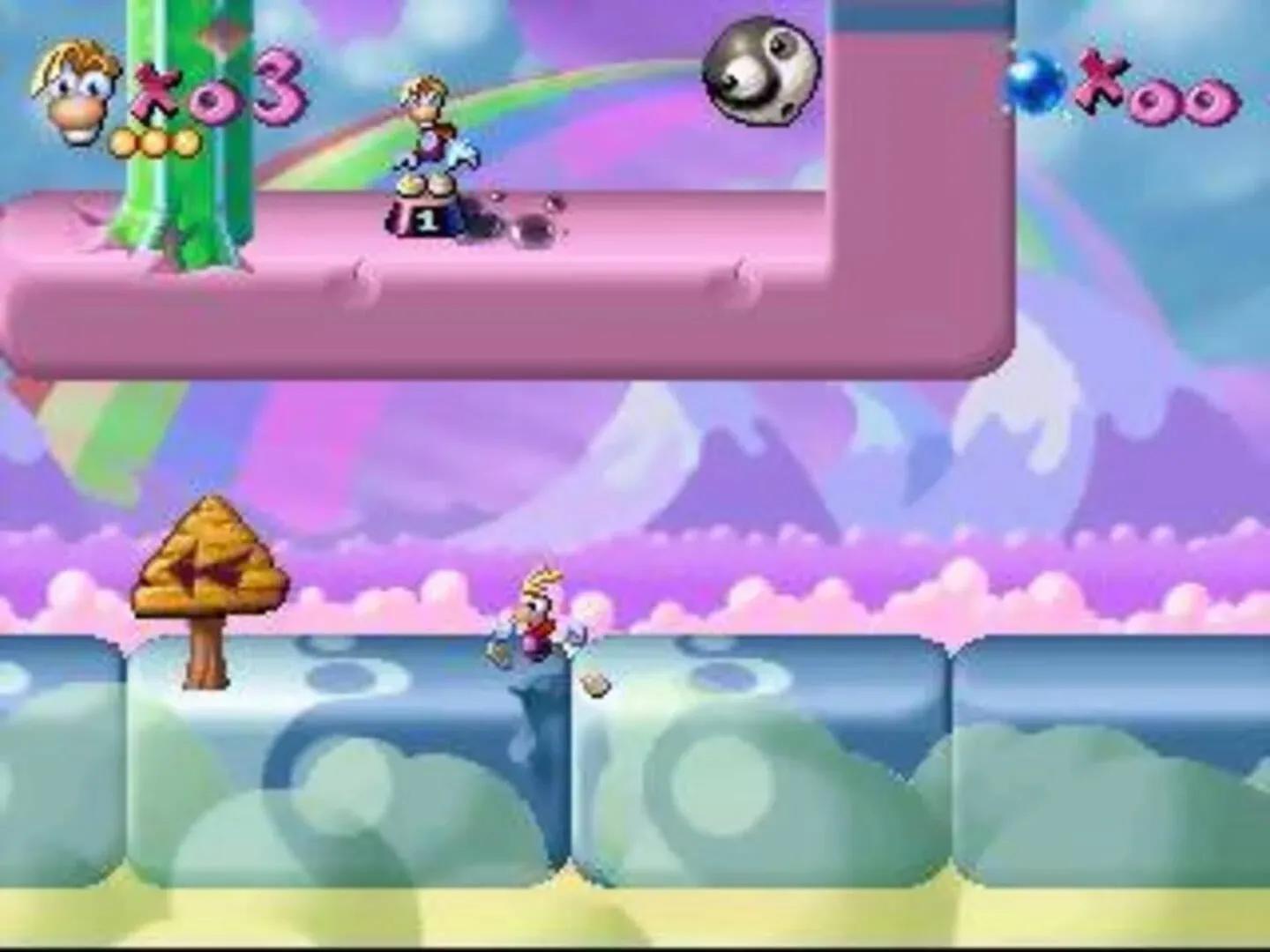
The game spans six distinct worlds, each with its own visual theme and enemy roster. Dream Forest, Band Land, Blue Mountains, Picture City, the Cave of Skops, and Candy Chateau cover a range of environments that feel genuinely varied despite the hardware constraints of 1995. Band Land in particular stands out, with musical enemies and a world built around sound and rhythm that predates Rayman Legends' famous music levels by nearly two decades.
Rayman content image
The hand-drawn art style remains one of the game's most distinctive qualities. Ubi Soft Paris Studios pushed the PlayStation and PC hardware to render colorful, layered backgrounds that held up well against contemporaries like Donkey Kong Country. The character designs lean absurdist, which gives the game a tone that sits somewhere between a children's cartoon and a genuinely challenging platformer.
Impact and legacy
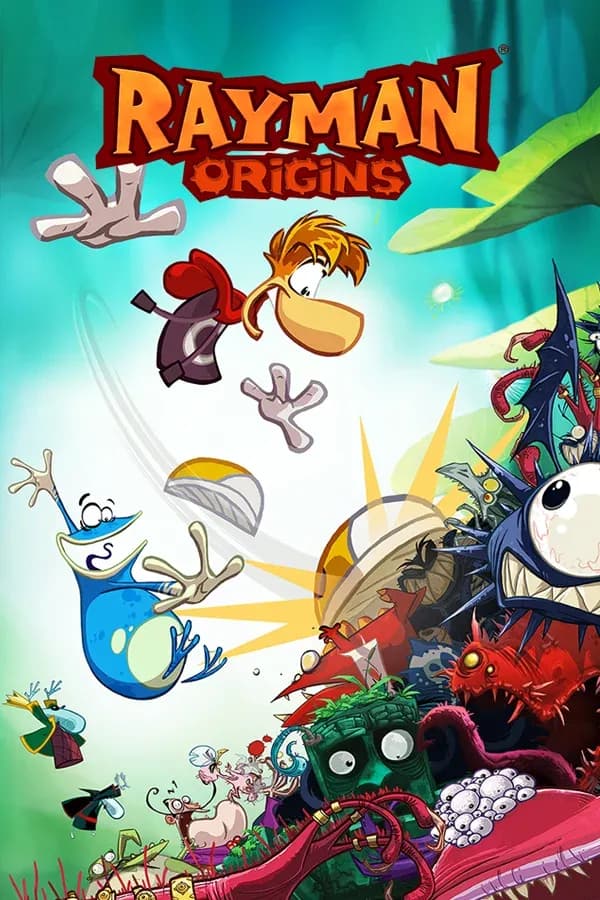
Rayman launched on PlayStation and PC before eventually making its way to Nintendo Switch, Xbox, iOS, Android, and Steam, giving new audiences access to the game that started the franchise. The original's influence on the series is visible in every sequel: the Electoon collection structure, the power-unlock progression, and the emphasis on expressive animation all carry through to Rayman 2, Origins, and Legends.
For players coming to the original after the sequels, the difficulty will feel noticeably steeper. The game has no mid-level checkpoints in its early versions, and some boss encounters require patience and pattern recognition that modern platformers rarely demand. That difficulty is part of what defines the experience. Rayman is a 1995 platformer built to challenge, and it still does exactly that on every platform it currently runs on.