

Biggest discounts, free games, and limited-time offers across every major gaming store.
Never pay full price again.
Overview
Mesmer, developed and published by Rain Games, is a revolution simulator that launched on October 16, 2020 for Windows, macOS, PlayStation, Nintendo Switch, and Steam. The game centers on a once-great city that has collapsed under the weight of its own failures. Players take on the role of an organizer tasked with uniting the population, building momentum, and ultimately storming the castle to forge something better from the ruins.
The core premise is deceptively simple: the city of Mesmer has failed its people, and revolution is the only path forward. But executing that revolution requires navigating a web of social dynamics, strategic decisions, and RPG-style encounters where every interaction carries weight. Rain Games built the game around the idea that no single conversation is throwaway, each one shapes the movement.
Mesmer content image
Gameplay and mechanics
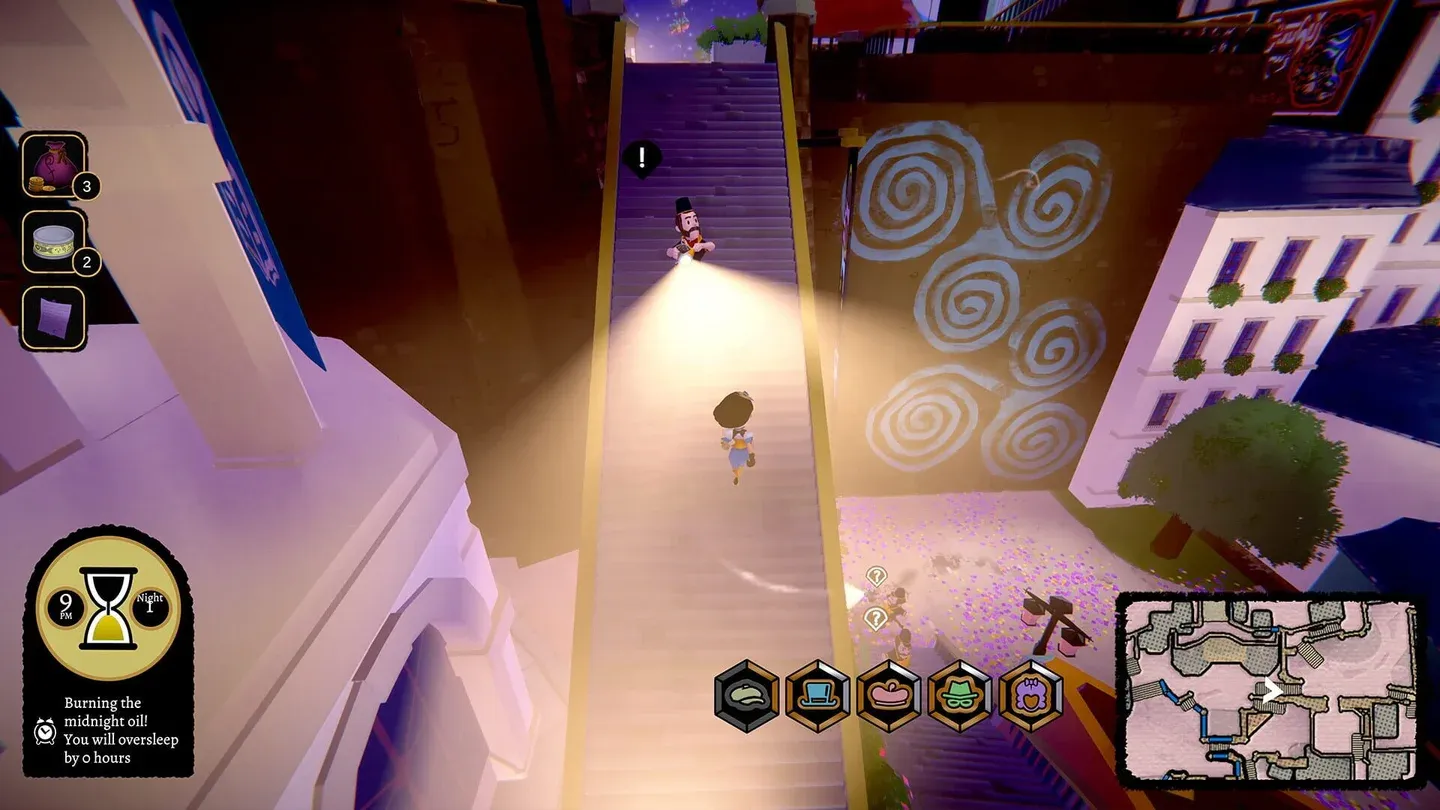
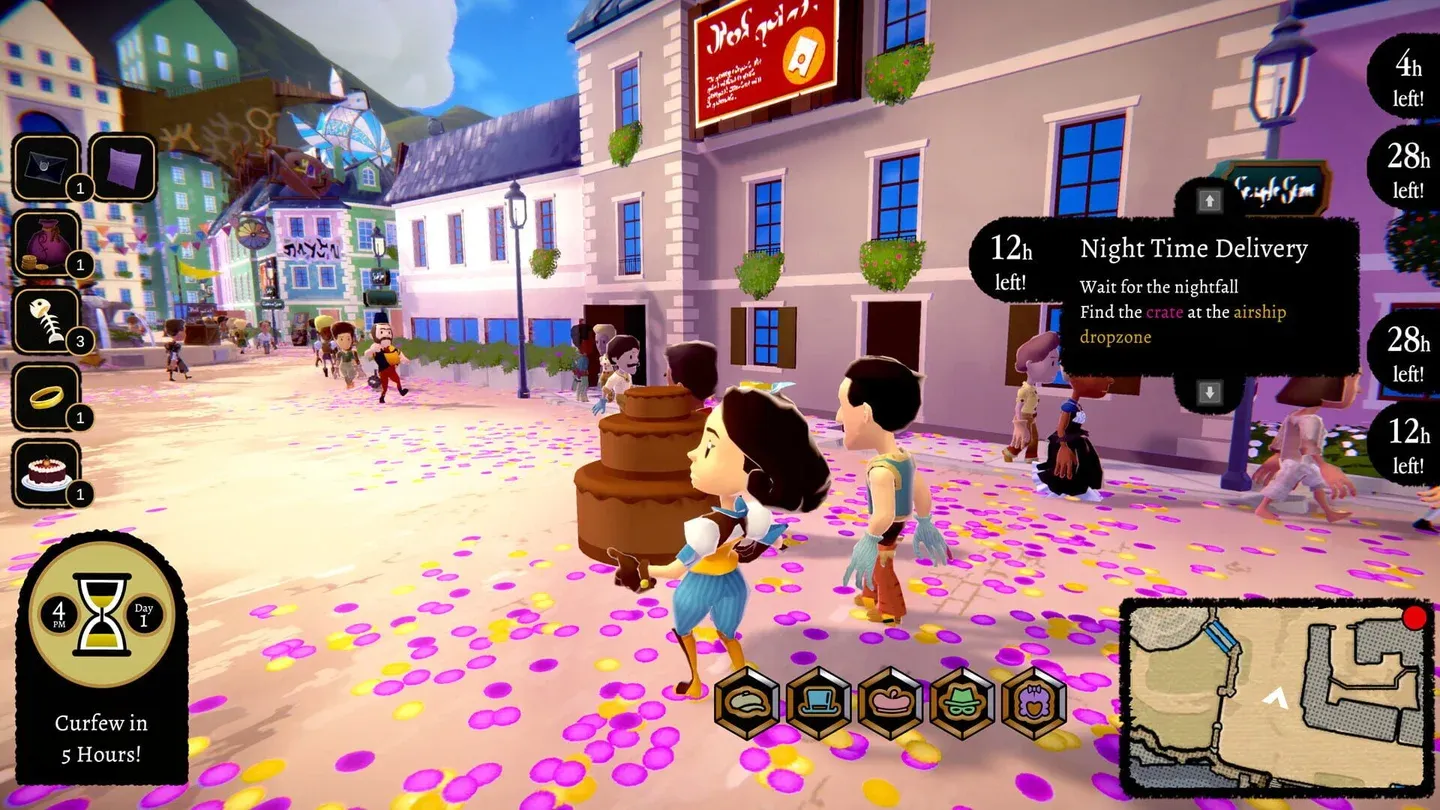
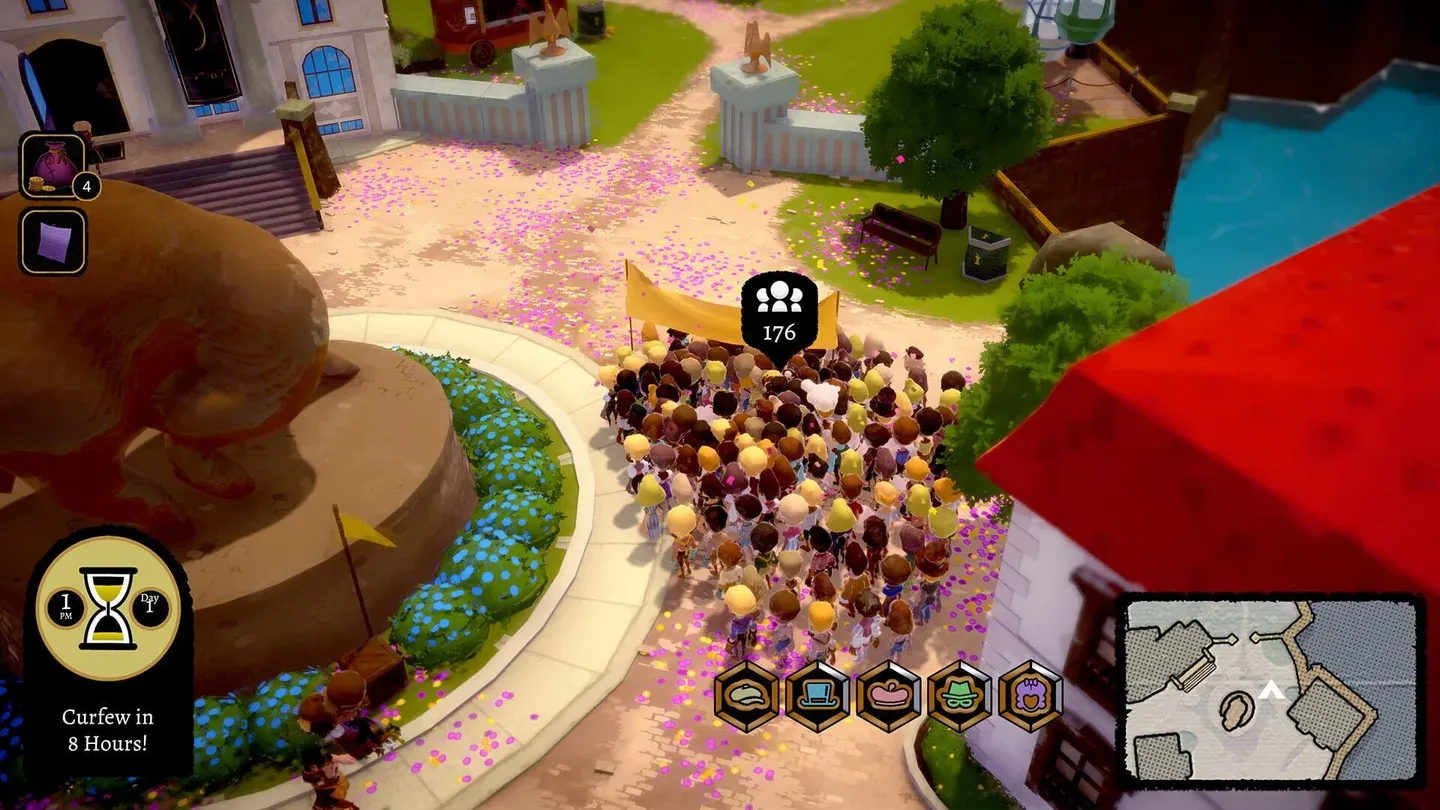
At its heart, Mesmer is a turn-based encounter system wrapped around a social strategy loop. Players move through the city engaging citizens, building trust, and expanding their coalition. The revolution simulator framework means progress isn't measured in experience points alone, it's measured in people won over and factions brought into the fold.
Mesmer content image
Key gameplay elements include:
- Citizen encounter system
- Coalition-building progression
- Strategic castle assault
- RPG-style decision trees
- City-wide faction management
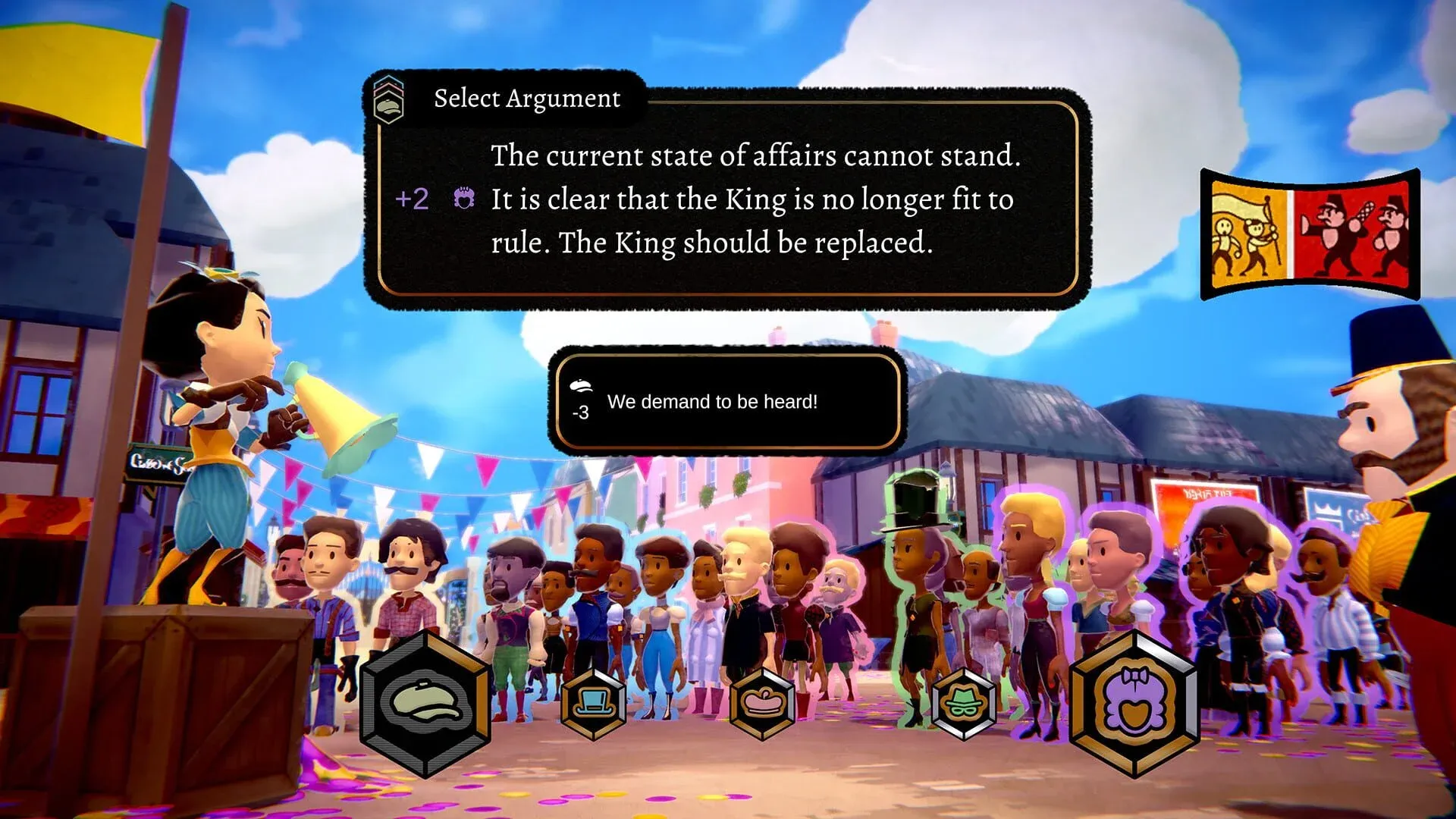
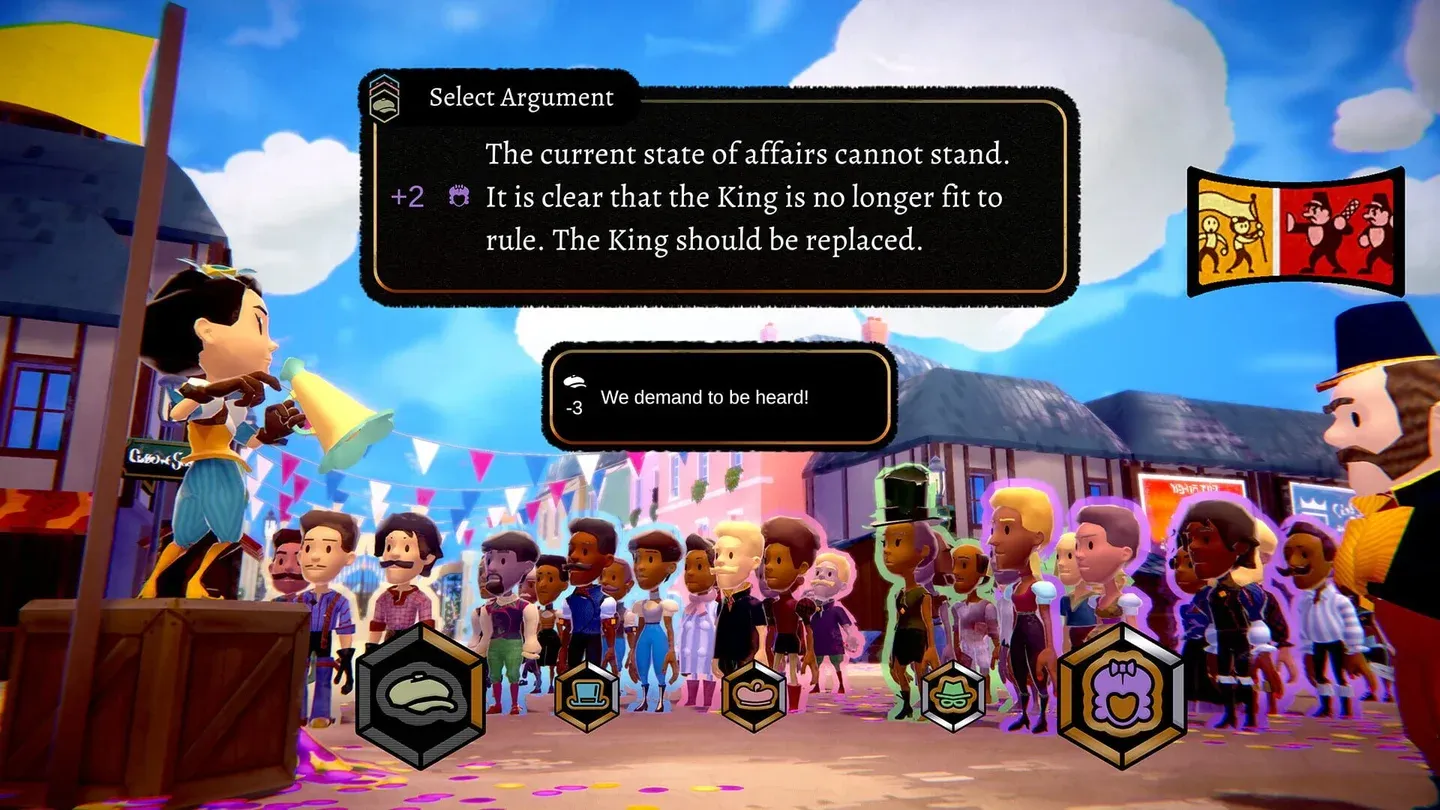
The encounter design is where the game earns its genre-blending label. Conversations function like tactical puzzles, with dialogue choices feeding directly into the broader strategic picture. A poorly handled exchange can fracture an alliance; a well-timed argument can swing an entire district.
Mesmer content image
What makes Mesmer different from other RPGs?
Most RPGs ask players to save the world through combat. Mesmer asks players to save a city through persuasion and organization. The revolution simulator angle sets it apart from conventional RPG structure, there are no dungeons to clear, no monsters to grind. The obstacles are systemic: apathy, mistrust, and a power structure that won't give up without a fight.
Rain Games leaned into the indie space to build something with a specific political texture. The game doesn't shy away from the idea that change requires collective action, and that collective action is messy, fragile, and constantly at risk of collapse. That thematic specificity gives Mesmer an identity that few games in the RPG-strategy hybrid space share.
World and setting
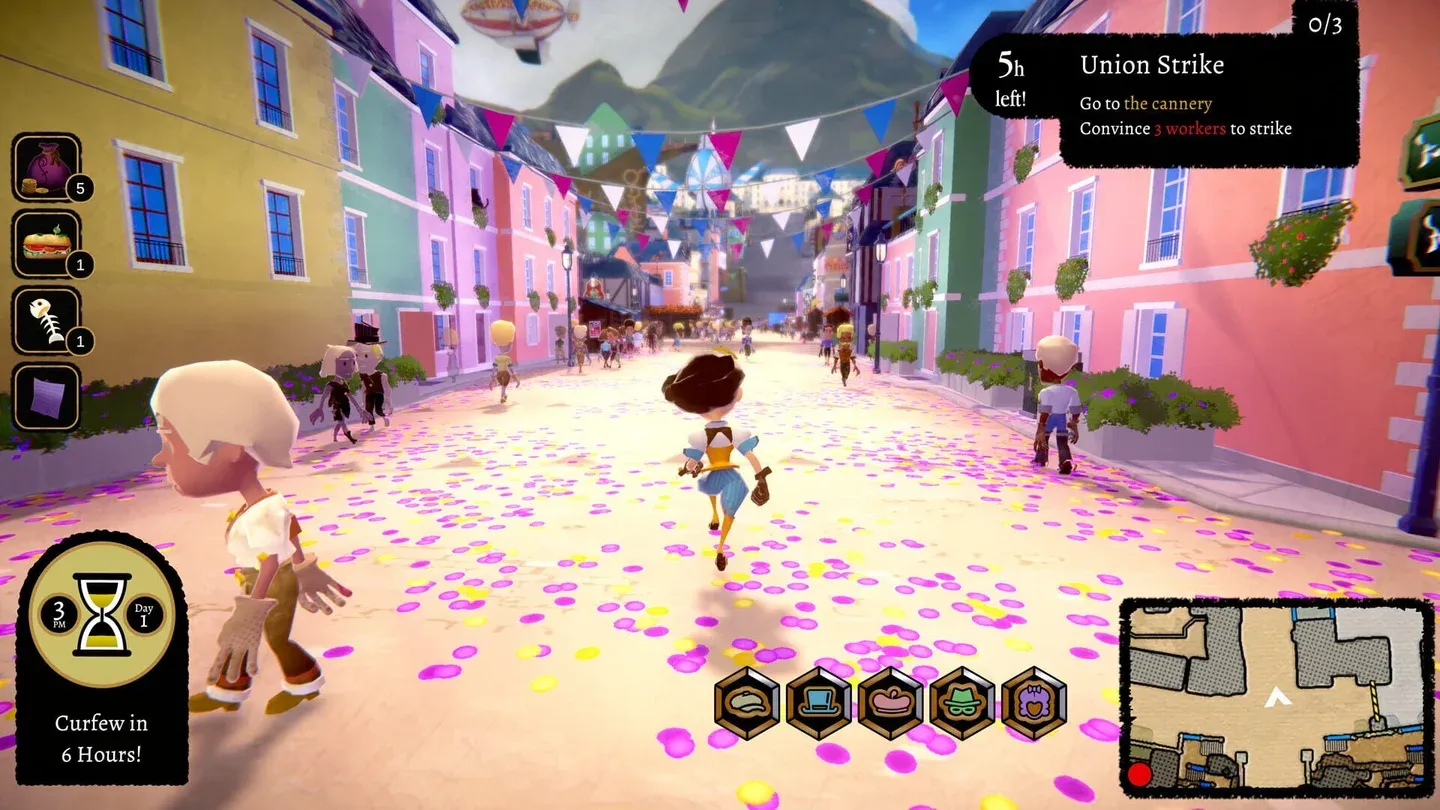
The city of Mesmer carries the weight of its own history. The game presents it as a place that was once genuinely great, the pearl of the old world, as the story frames it, before decay set in. That contrast between past glory and present failure gives the setting an emotional texture that purely mechanical games rarely achieve.
Mesmer content image
The art direction reinforces this tone. Rain Games built a visual style that feels worn and lived-in rather than polished, matching the game's themes of neglect and resistance. The city doesn't look like a fantasy backdrop; it looks like a place people actually inhabit, which makes the stakes of the revolution feel grounded.
Content and replayability
Mesmer's replayability comes from the branching nature of its encounter system. Different coalition compositions, different dialogue paths, and different strategic approaches to the final assault produce meaningfully different outcomes. The simulation layer means that player choices ripple outward in ways that aren't always immediately visible, rewarding players who revisit the game with a different approach.
For players drawn to narrative-driven strategy games and indie RPGs with strong thematic identity, Mesmer offers a focused, purposeful experience built around a single compelling question: what does it actually take to change a broken system?