
Biggest discounts, free games, and limited-time offers across every major gaming store.
Never pay full price again.
Overview
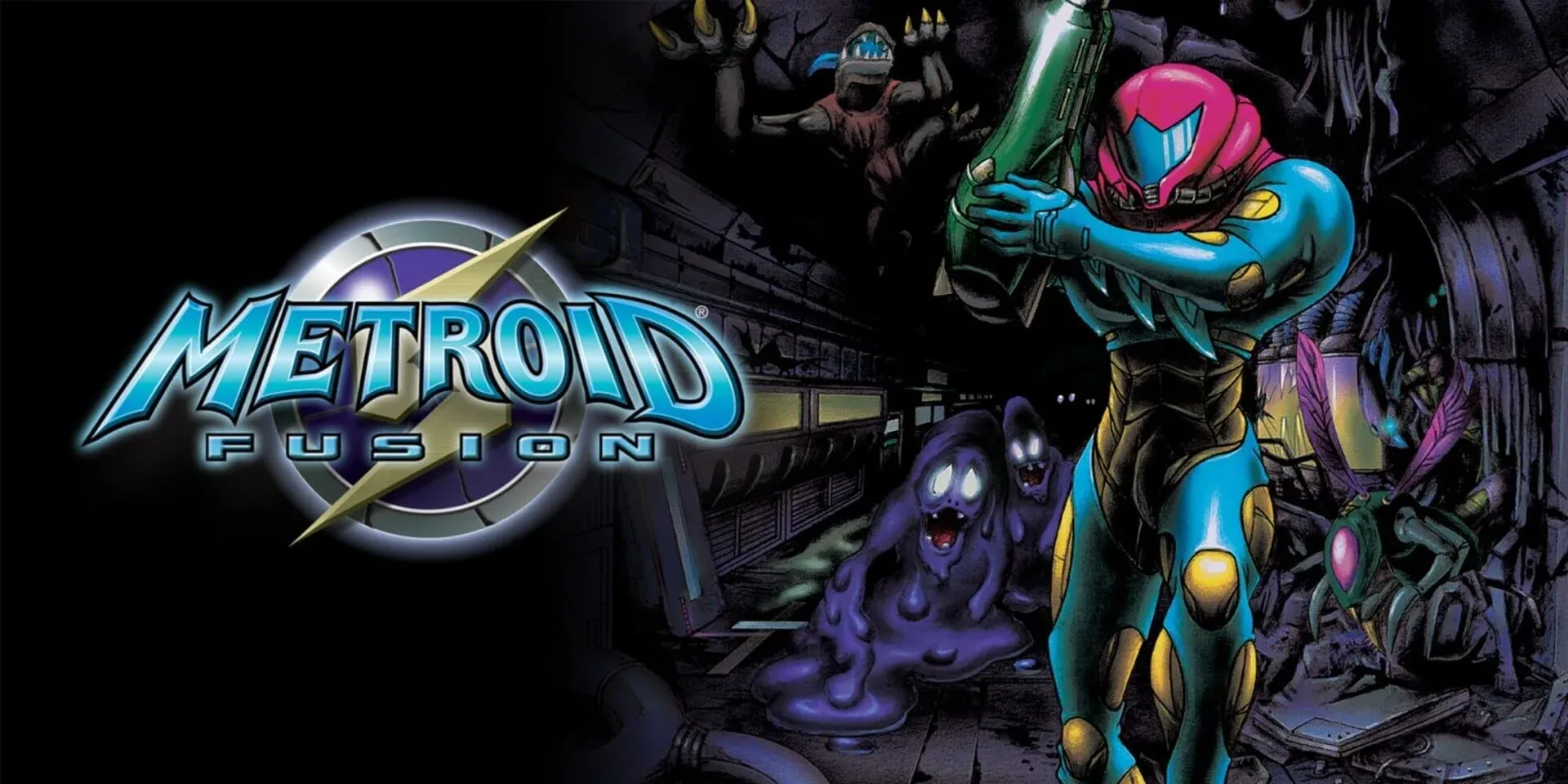
Released in November 2002 alongside the GameCube's Metroid Prime, Metroid Fusion takes a sharp turn from the series' open-world Metroidvania formula. Nintendo R&D1 built a more linear, story-driven experience without abandoning the core loop of exploration, upgrades, and backtracking. The Biologic Space Laboratories station serves as the setting: a sprawling facility divided into distinct sectors, each mimicking a different planetary environment and each crawling with X Parasites.
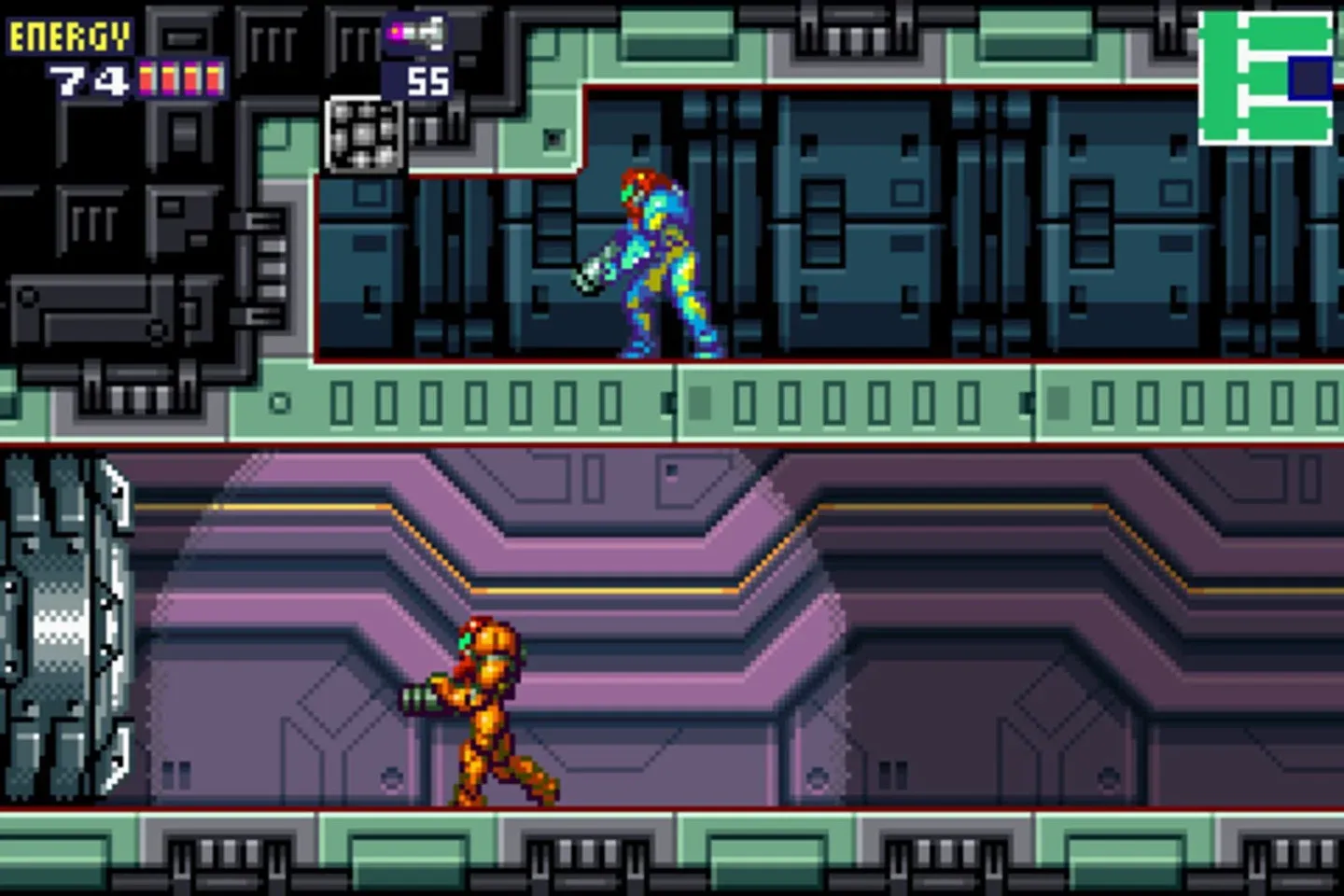
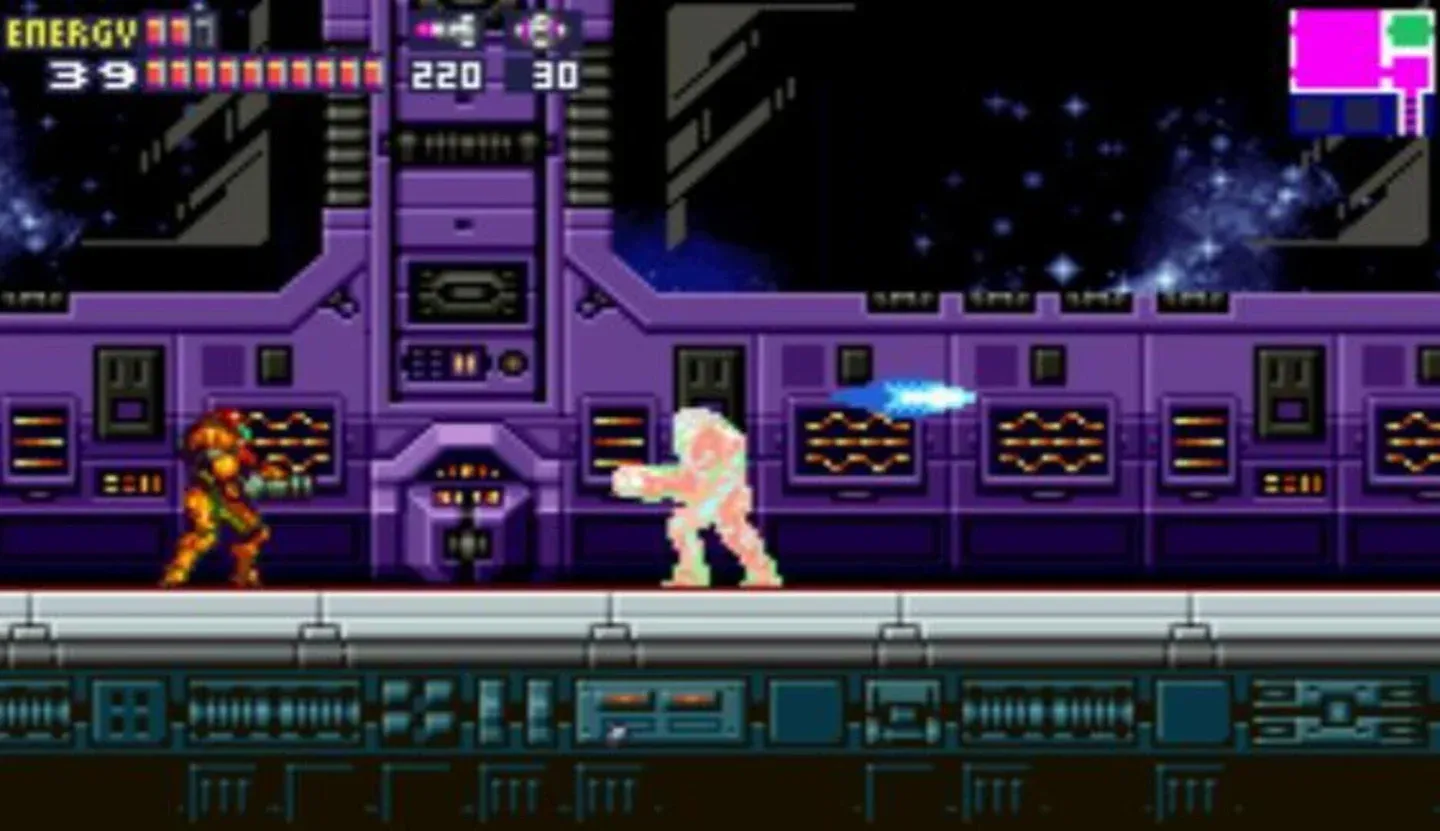
The X Parasite is the game's central mechanic and its best idea. These organisms infect and replicate the DNA of any creature they consume, producing perfect copies. When the X get hold of Samus's original Power Suit, they create the SA-X, an enemy that looks exactly like a fully-powered Samus and is functionally unstoppable in the early game. Encounters with the SA-X are not fights. They are escapes, and the tension they generate is unlike anything else in the series.
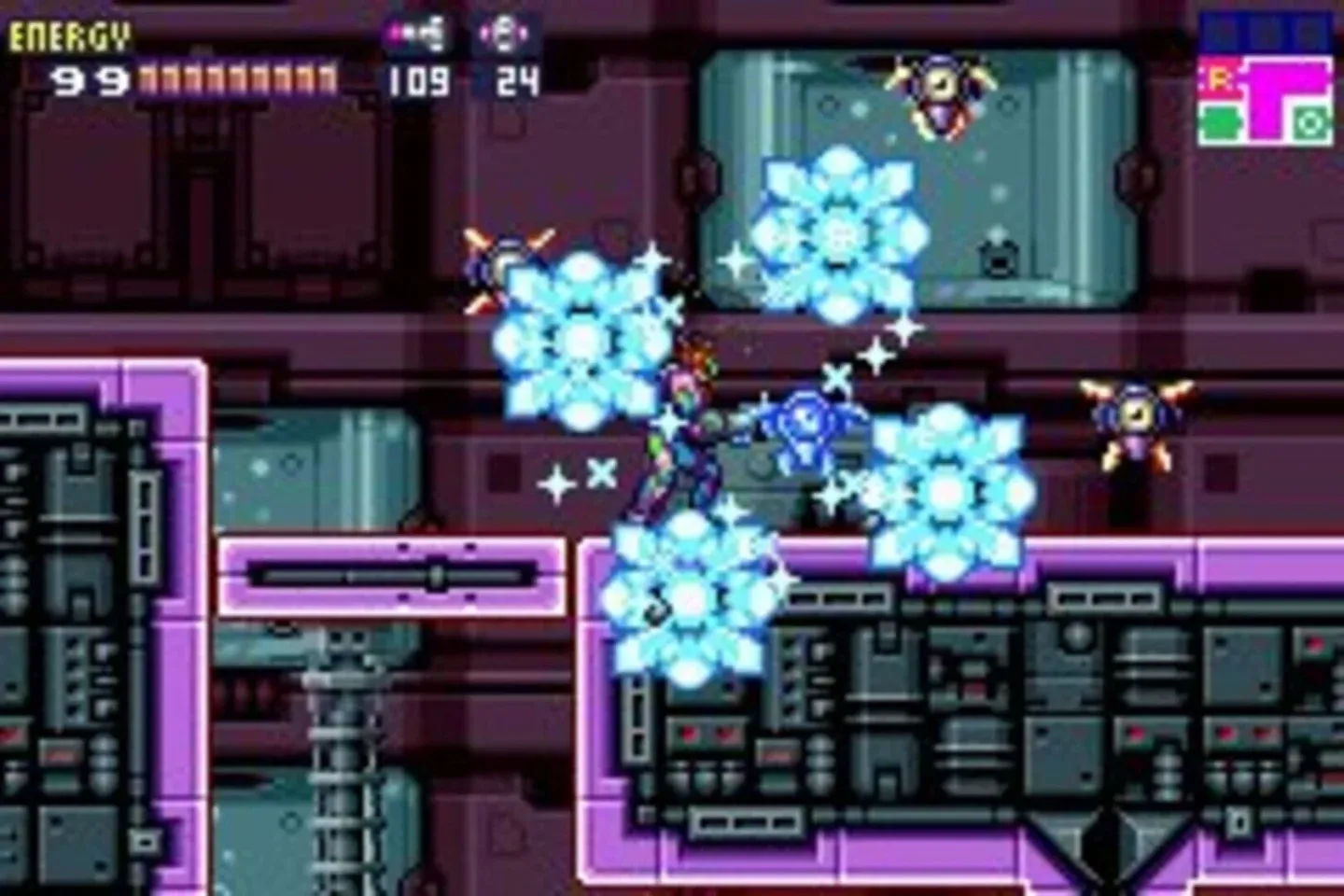
Samus herself is fundamentally changed. The Metroid vaccine that saves her life strips away her cold resistance, making her newly vulnerable to ice attacks. Her Power Suit is rebuilt from scratch over the course of the game as she absorbs Core-X to reclaim lost abilities, which reframes the standard Metroid upgrade loop as something personal and urgent.
Metroid Fusion content image
Gameplay and mechanics
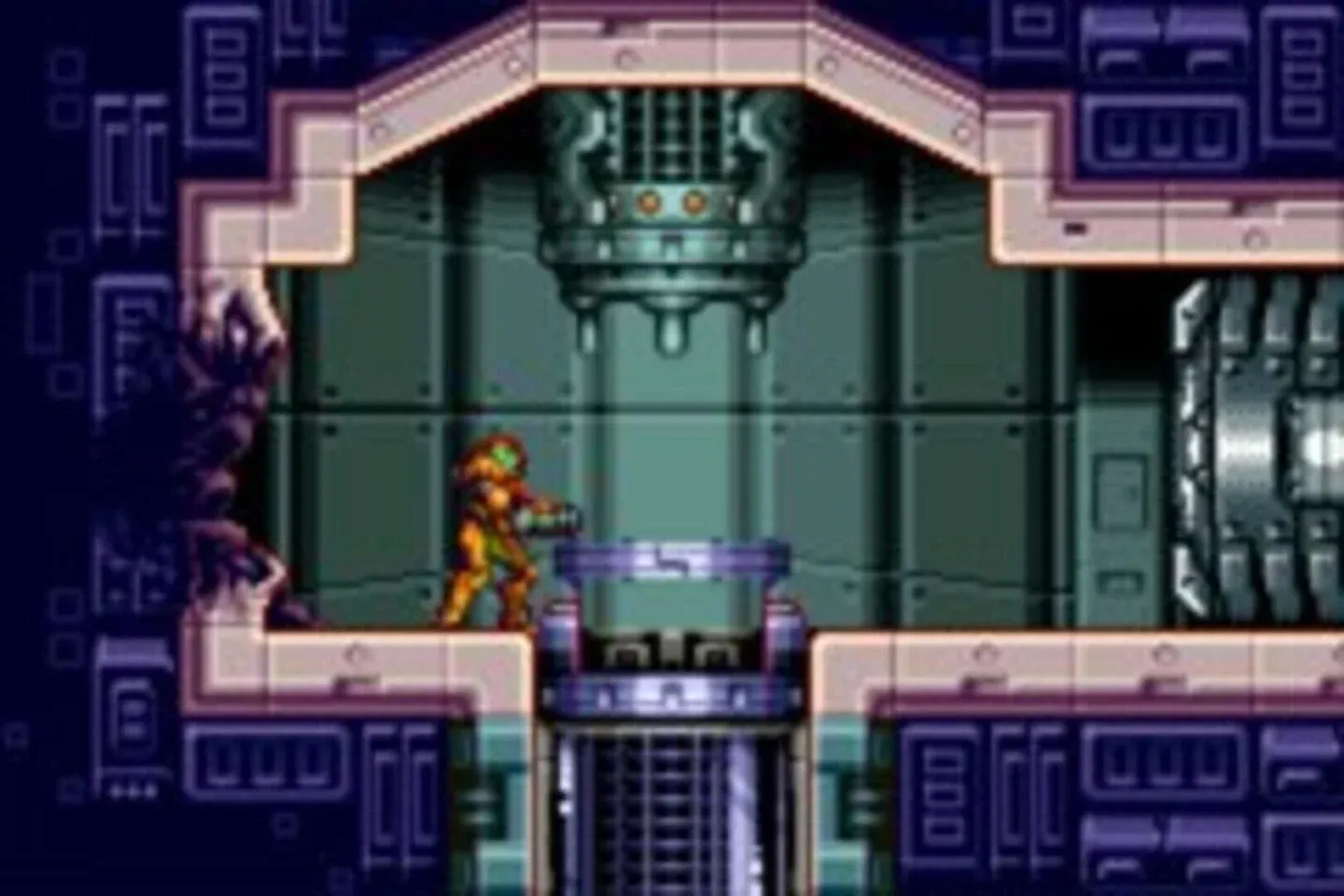
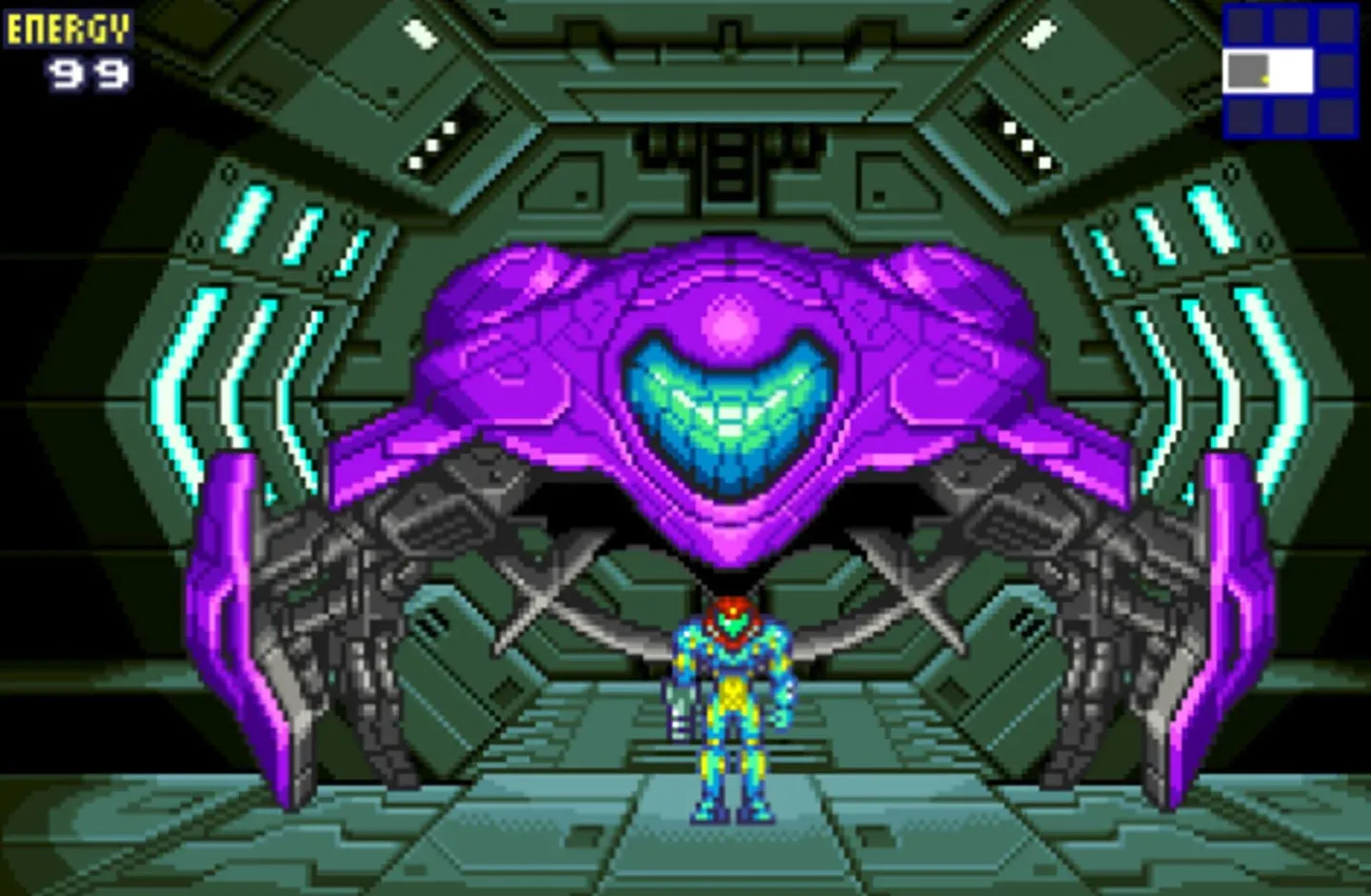
Metroid Fusion's structure is more directed than previous entries. Objectives come through Navigation Rooms, where Adam, the AI based on Samus's former commanding officer, issues mission briefs. This gives the game a narrative momentum that earlier Metroid titles deliberately avoided.
Key mechanics include:
- Absorbing X Parasites to restore health and ammo
- Ability-gated sector access requiring specific upgrades
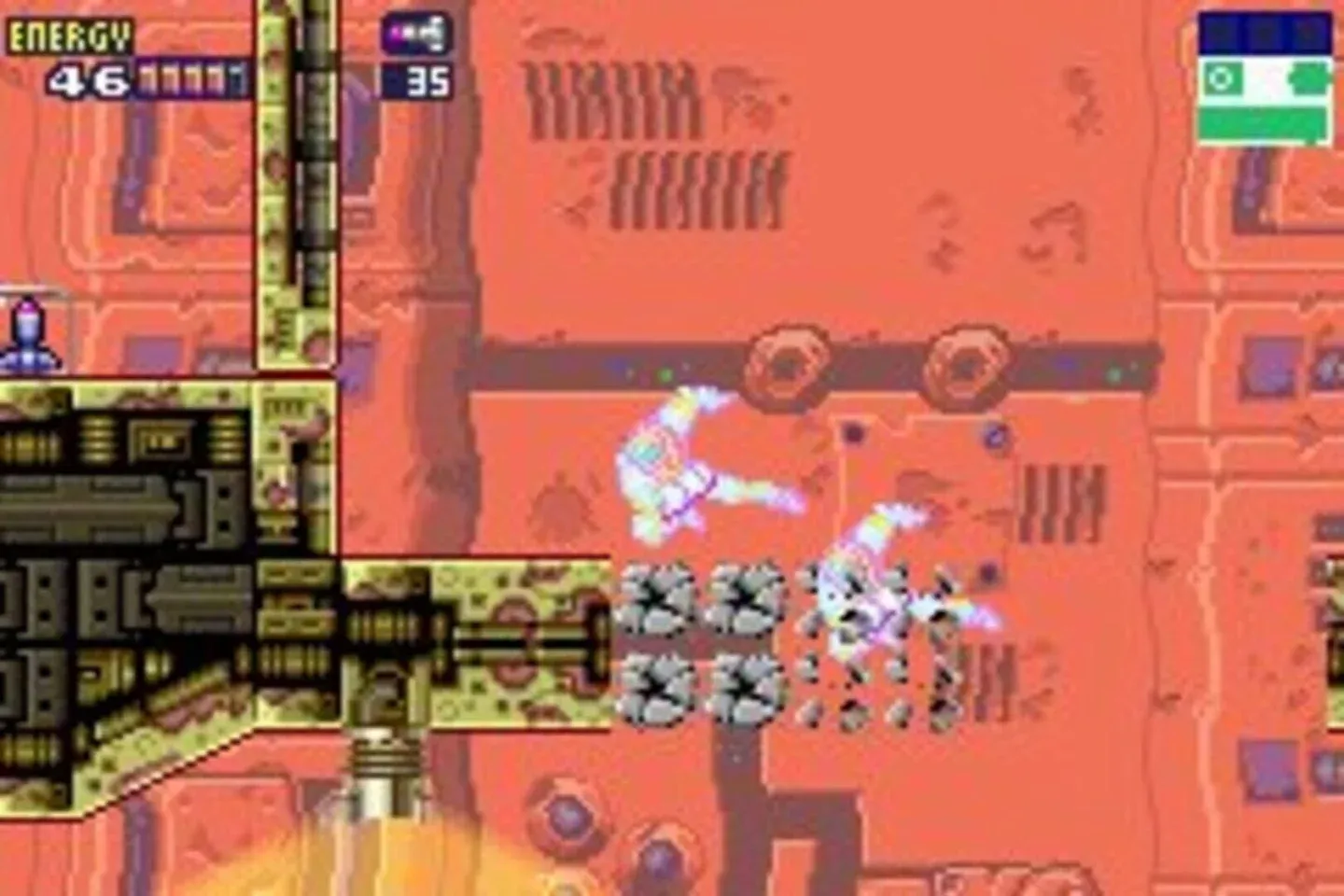
- SA-X pursuit sequences that force evasion over combat
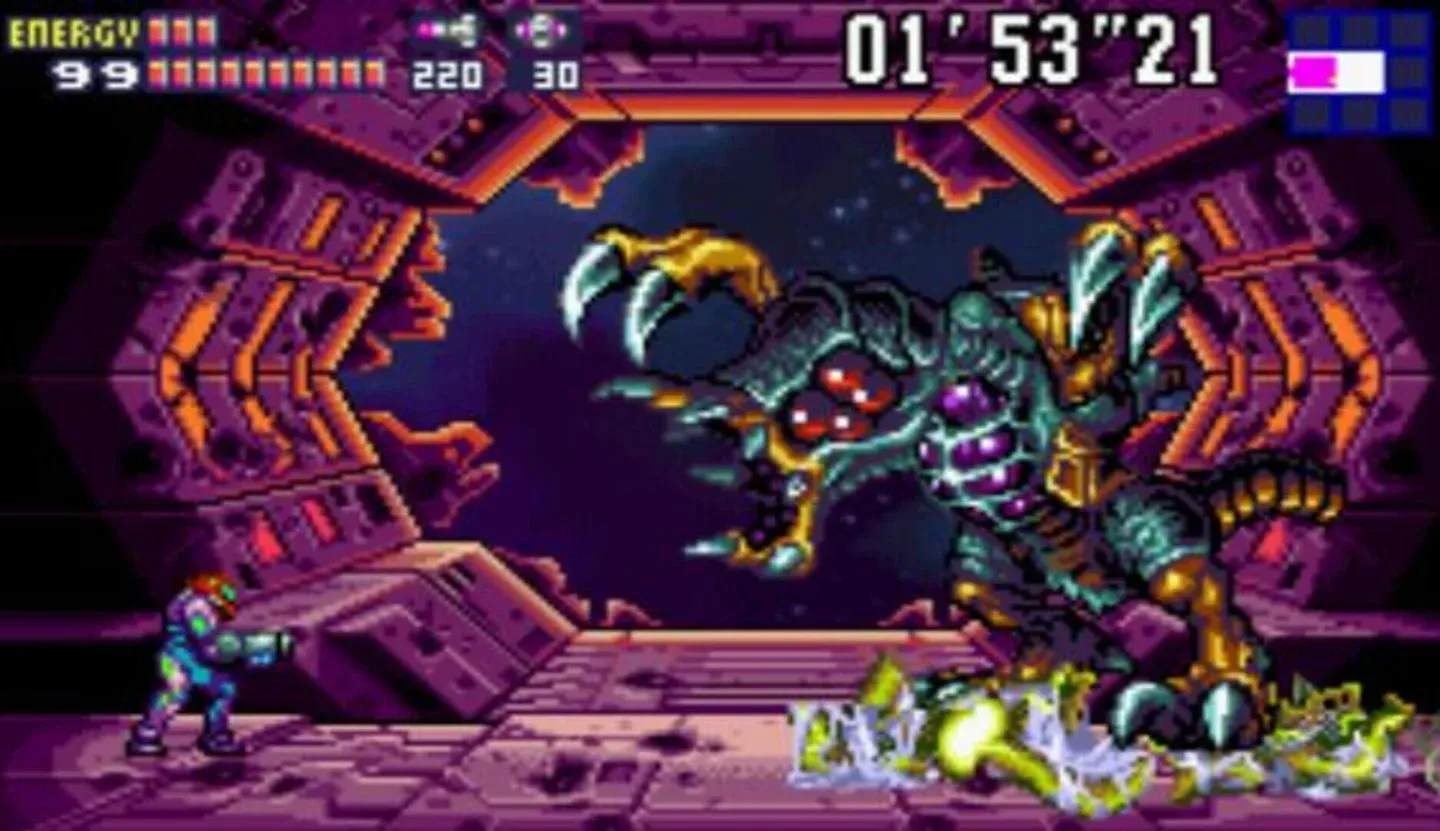
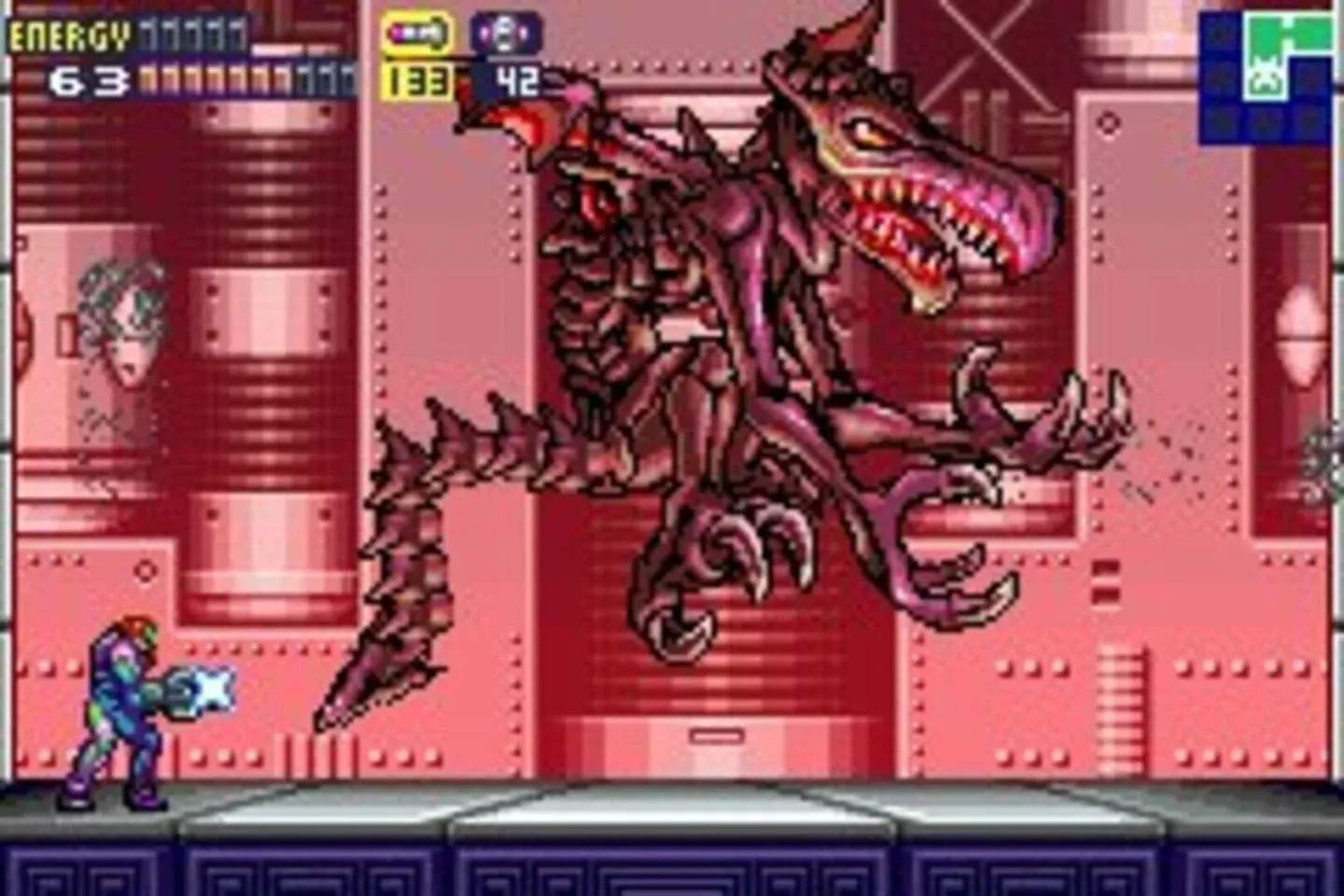
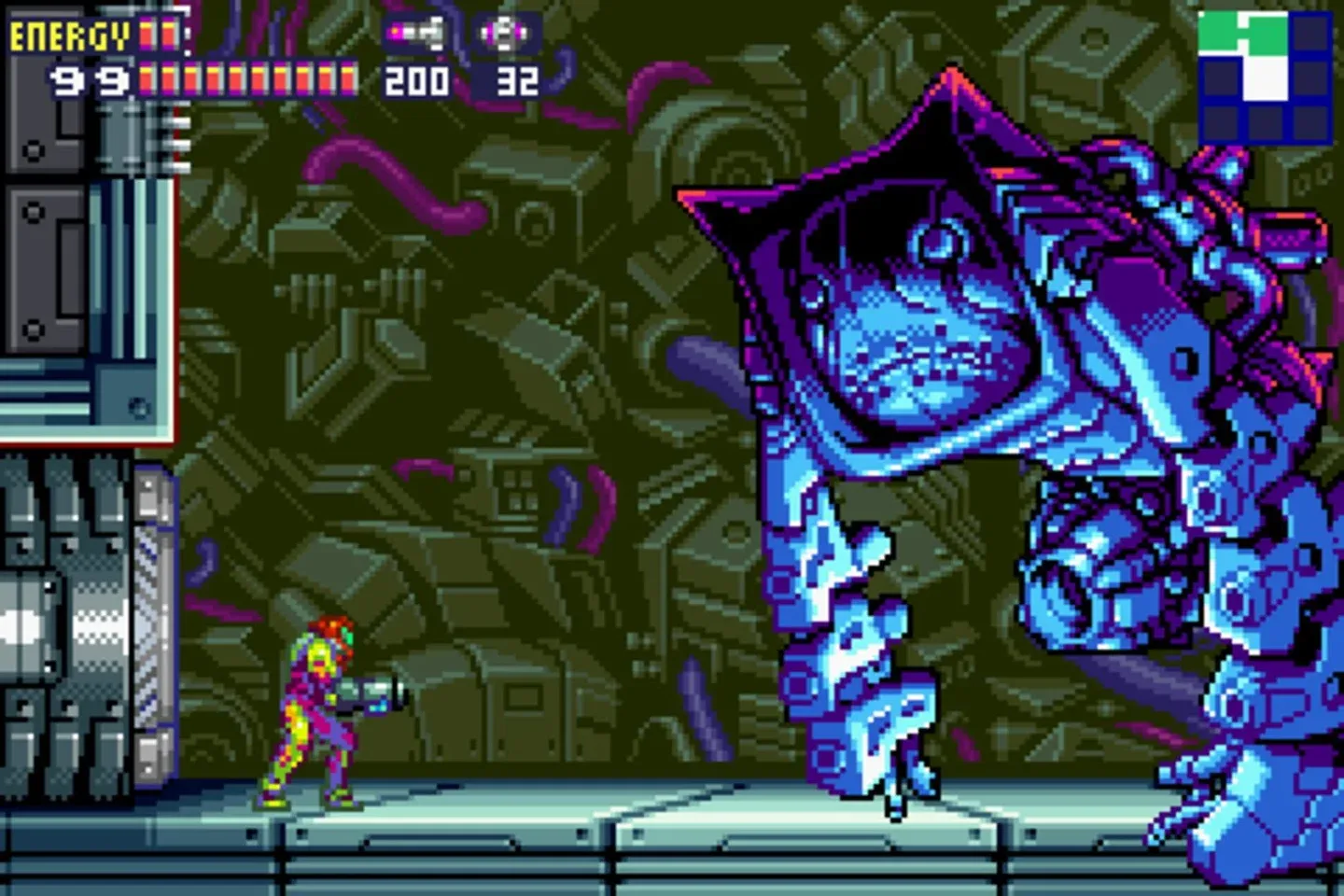
- Core-X boss encounters that restore Samus's suit functions
- Sector-specific environmental hazards tied to each biome
The directed design does reduce the sense of discovery that defines Super Metroid, but it replaces it with pacing. Rooms feel purposeful. Boss fights escalate in a way that reflects Samus's growing power rather than arbitrary difficulty spikes.
Metroid Fusion content image
World and setting
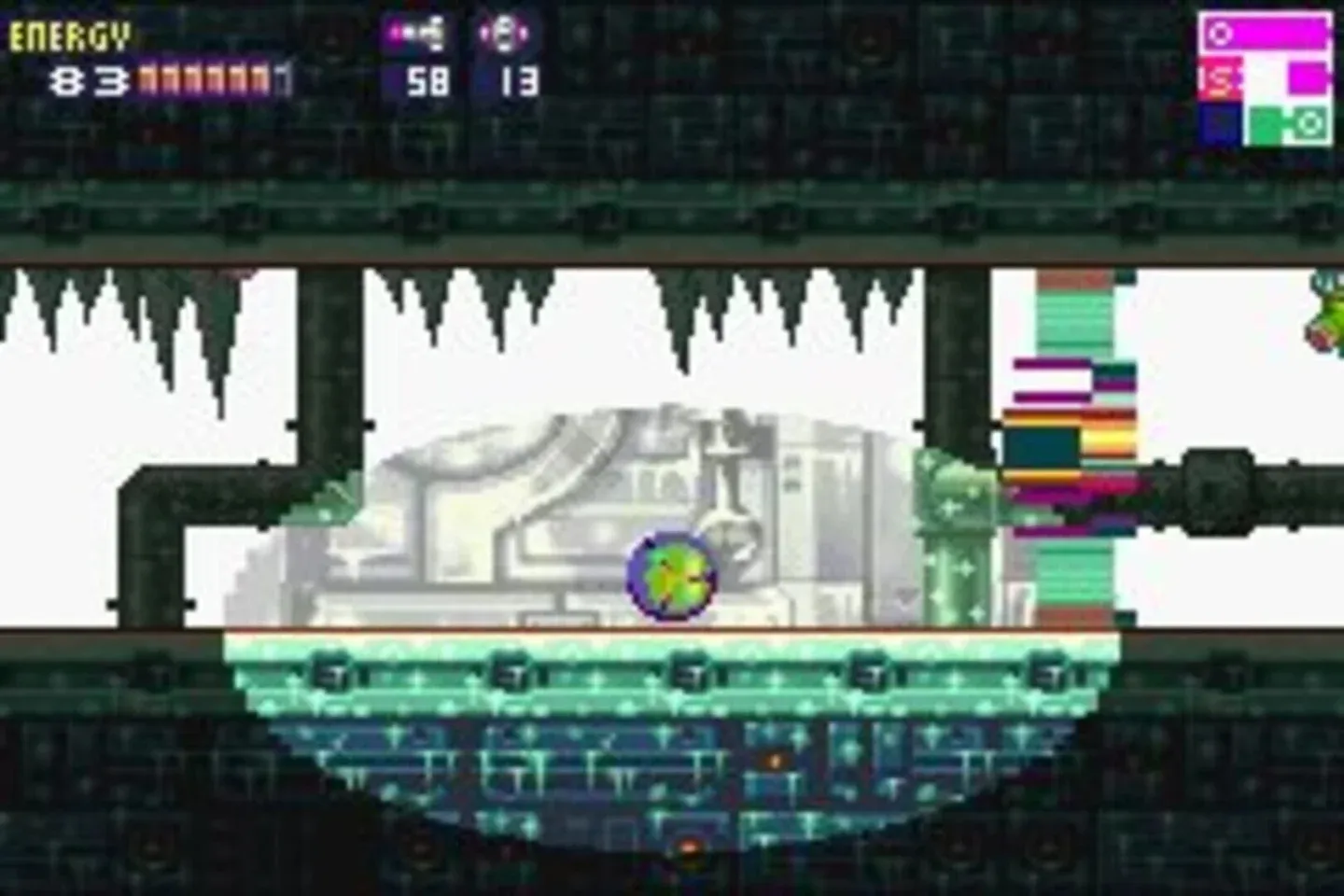
The BSL station's sector layout is one of Fusion's smartest design choices. Each sector replicates a distinct ecosystem, from frozen tundra to tropical jungle to aquatic environments, giving the game visual variety without ever leaving the station. The environments feel claustrophobic in the best way, reinforcing the sense that Samus is trapped somewhere that was never meant for her.
The story itself is the most dialogue-heavy in the series up to that point. Samus's internal monologue fills in her history with Adam Malkovich, her complicated relationship with the Galactic Federation, and her growing unease about what she's fighting for. The ending, where she crashes the station into SR388 to eradicate the X entirely, is a rare moment of genuine moral weight in a Nintendo game.
Metroid Fusion content image
Impact and legacy
Metroid Fusion sits in an interesting position in the series' history. It sold well, won awards, and introduced story elements that Metroid Dread built on directly nearly two decades later. The SA-X became one of gaming's more memorable horror-adjacent antagonists, and the Fusion Suit design remains one of the most visually distinctive looks Samus has ever had.
For action-adventure fans who value atmosphere and tight progression over sprawling open maps, Fusion delivers a focused experience that holds up. The side-scrolling combat is sharp, the upgrade loop is satisfying, and the threat of the SA-X keeps tension high even when the mission objectives are routine. It is not the most open Metroid game, but it is arguably the most confident one.
Metroid Fusion content image