Overview
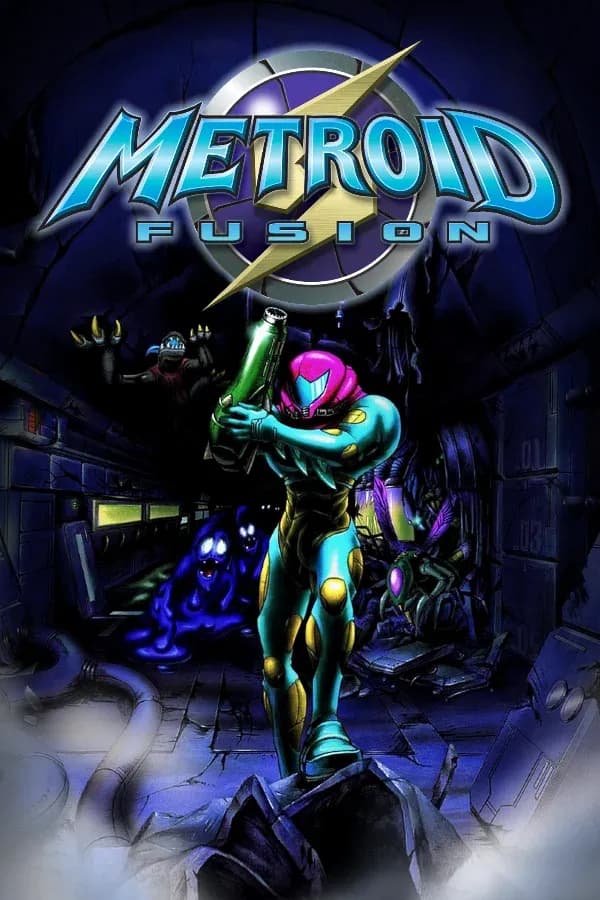
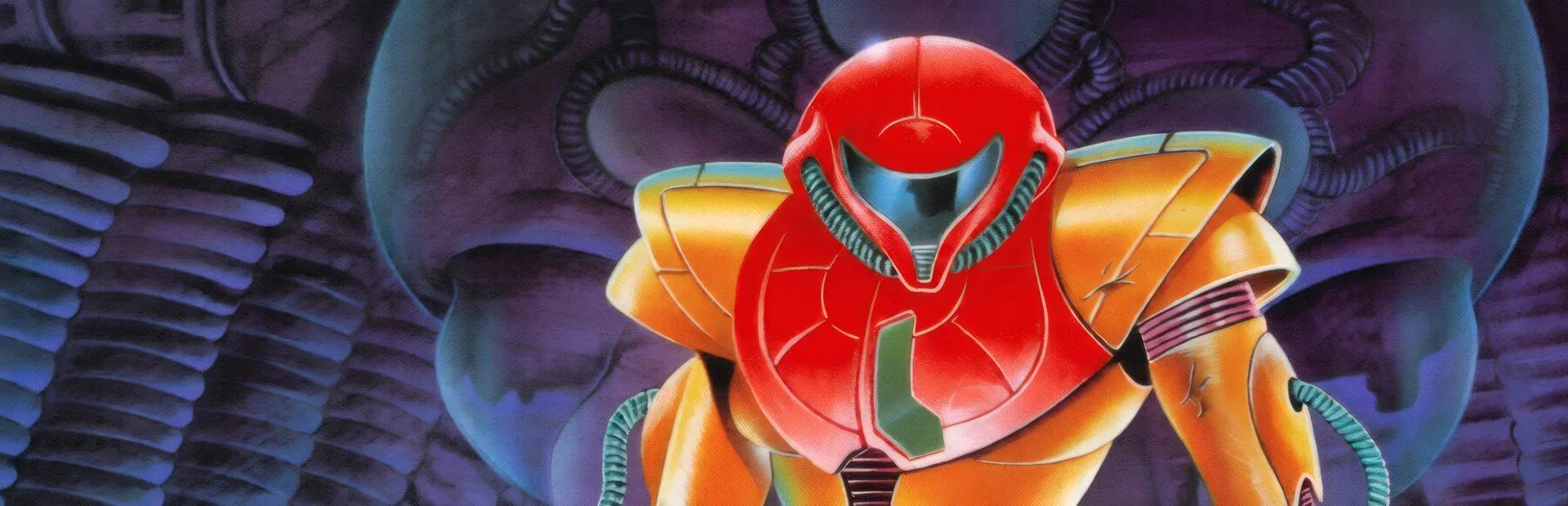
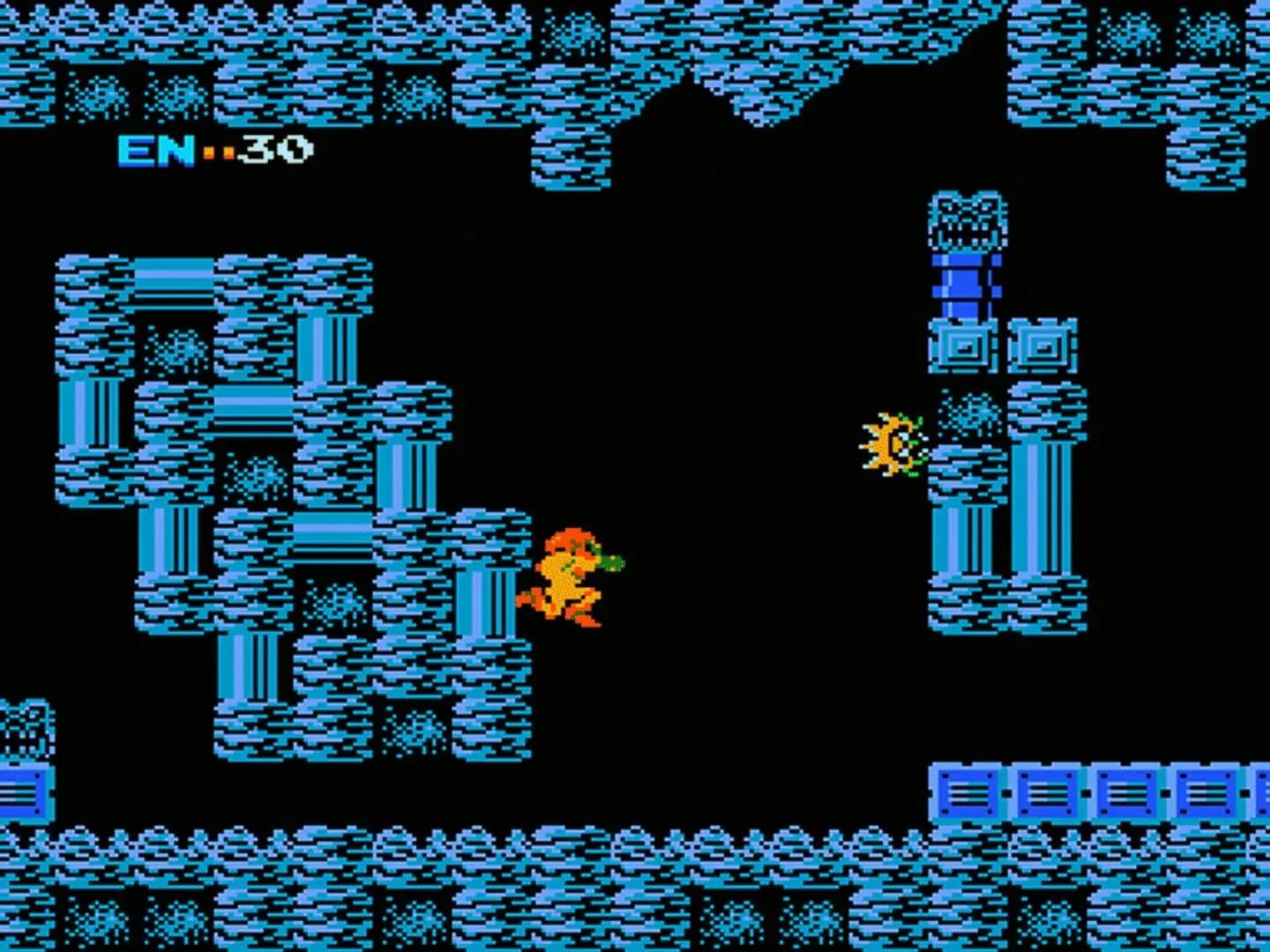
Metroid is a sci-fi action-platformer released in 1987, developed by Nintendo R&D1 and published by Playtronic. Players take control of bounty hunter Samus Aran inside Zebes, a fortress planet riddled with secret passageways and hostile alien life. The mission is to prevent Mother Brain, the intelligence controlling Zebes, from unleashing the Metroid creatures as biological weapons capable of wiping out the galaxy.
The game's structure is built around exploration and gradual empowerment. Samus begins with limited gear and must scour interconnected environments to find upgrades that unlock previously inaccessible areas. That loop of exploration, discovery, and backtracking became one of the most influential design frameworks in gaming history, spawning an entire subgenre that bears the Metroid name.
Metroid content image
Gameplay and mechanics
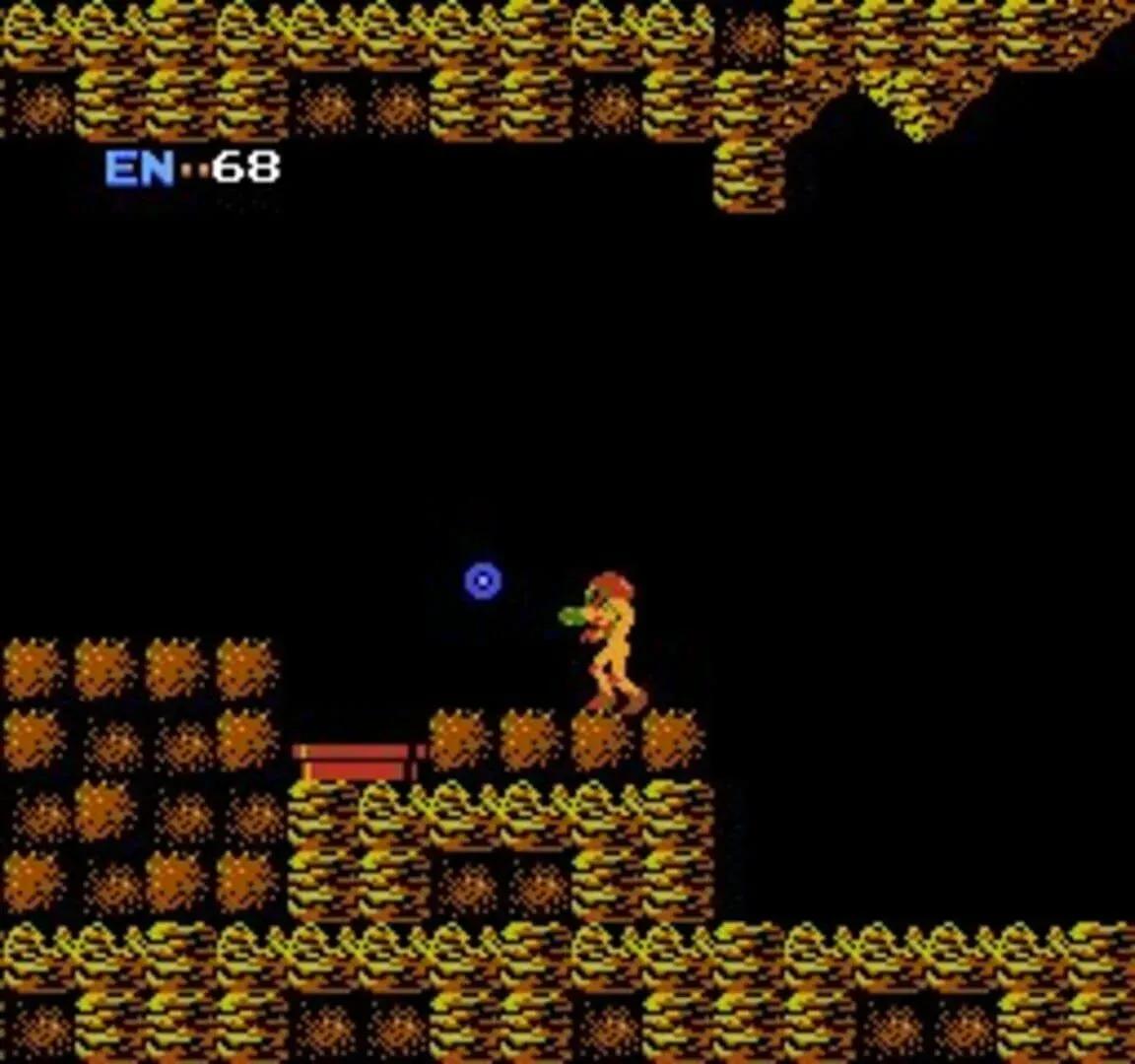
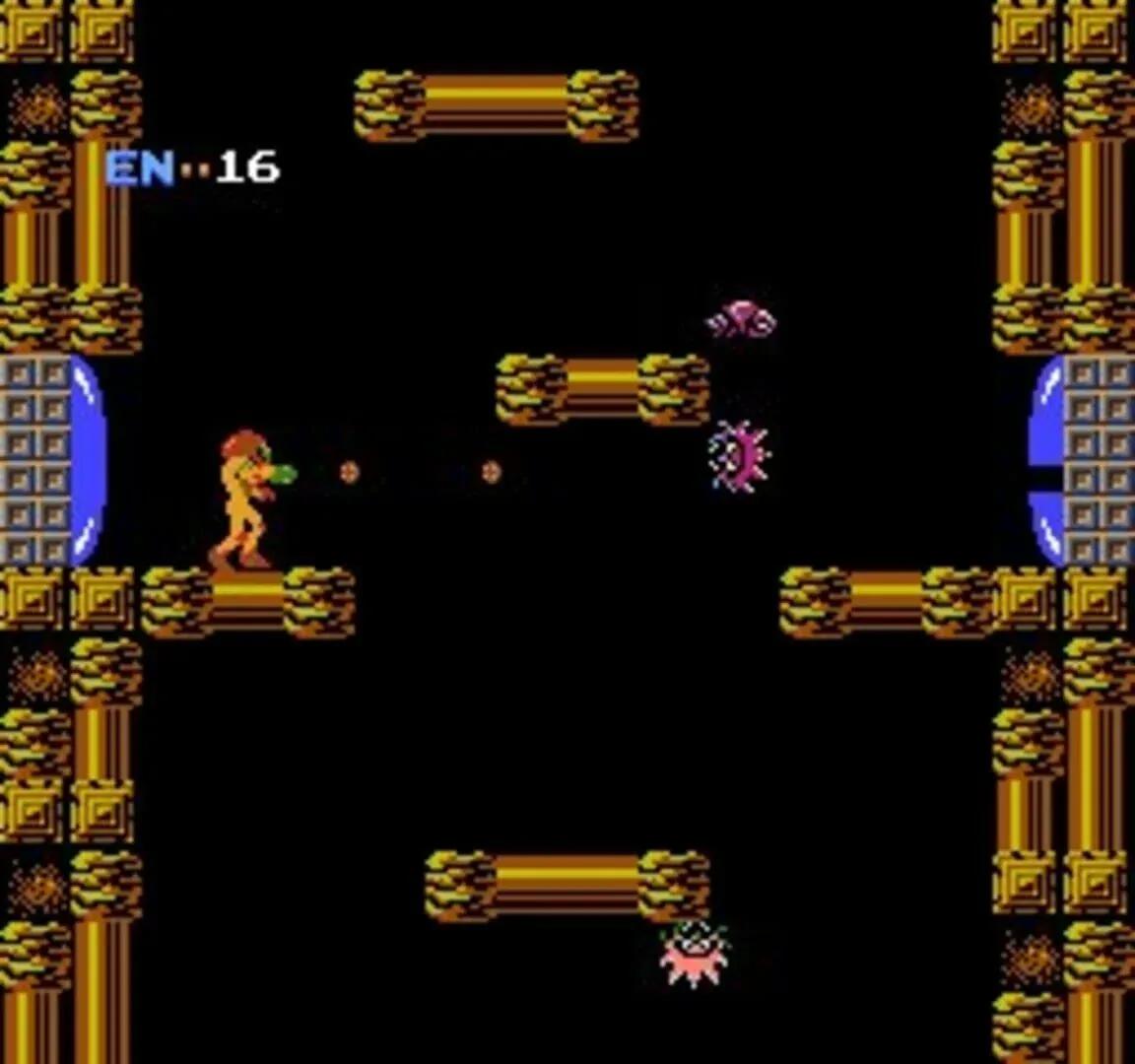
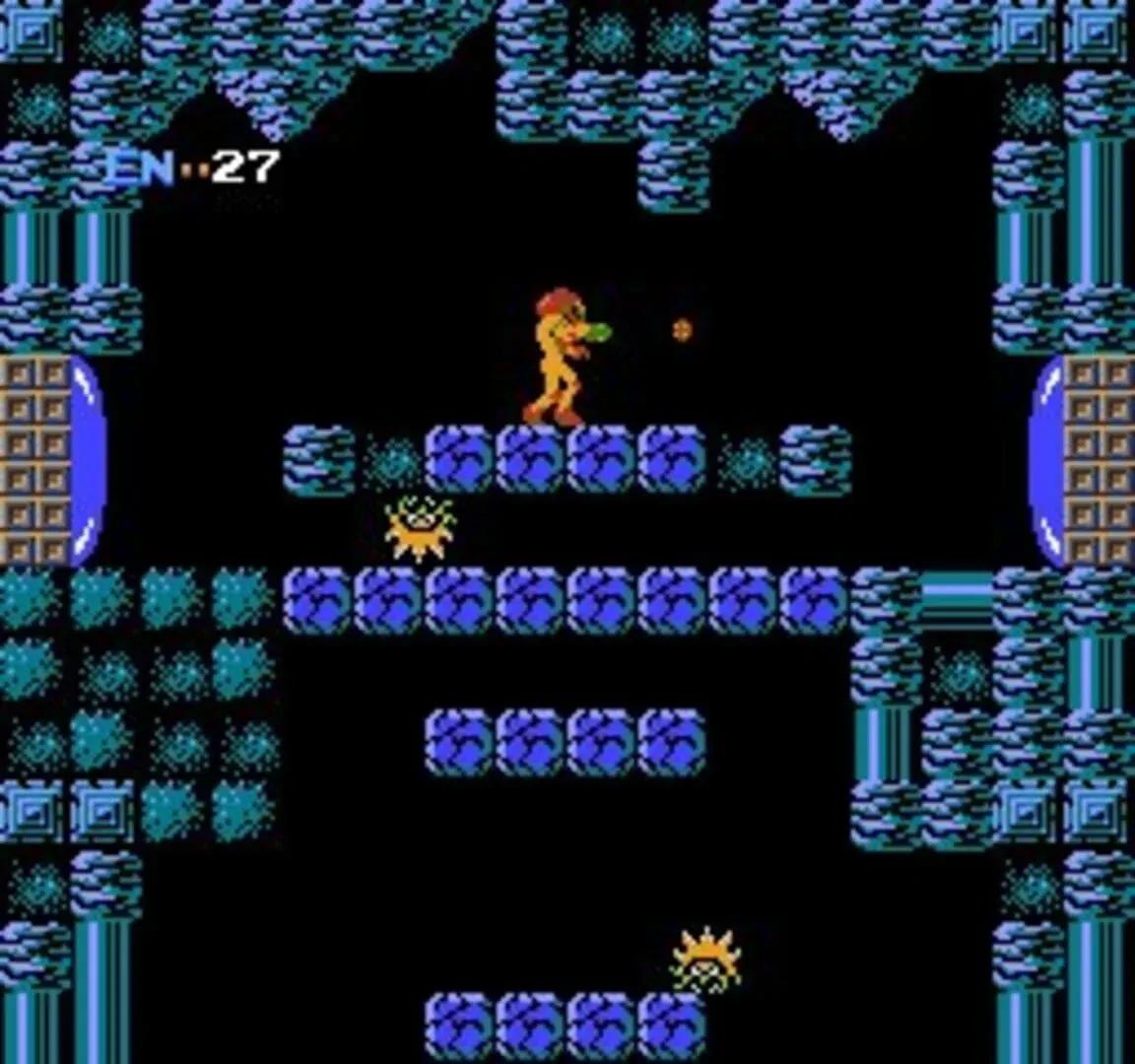
At its core, Metroid is a side-scrolling shooter with strong platforming and exploration elements. Samus moves through Zebes's sprawling cave systems, blasting enemies, navigating environmental hazards, and hunting for power-ups hidden behind destructible walls and secret passages.
Metroid content image
Key mechanics include:
- Ice Beam: freezes enemies, doubles as platforms
- Wave Beam: fires through walls and obstacles
- High Jump Boots: expands vertical reach significantly
- Varia suit: reduces environmental and enemy damage
- Morph Ball: allows passage through narrow tunnels
Progression is non-linear by design. The order in which players collect upgrades affects which areas become accessible and how difficult certain encounters feel. That freedom gives Metroid a replayability that few games of its era could match.
World and setting
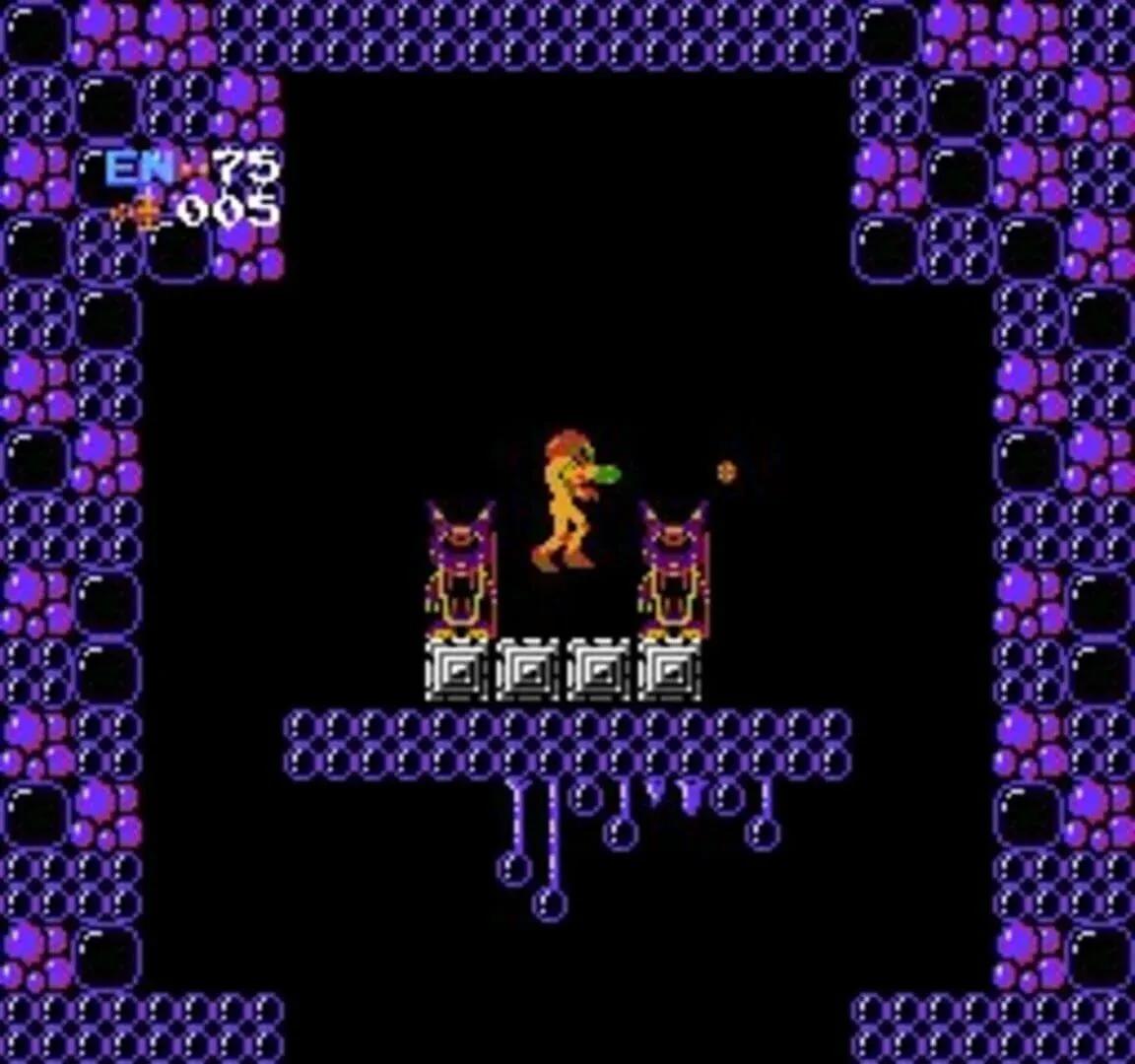
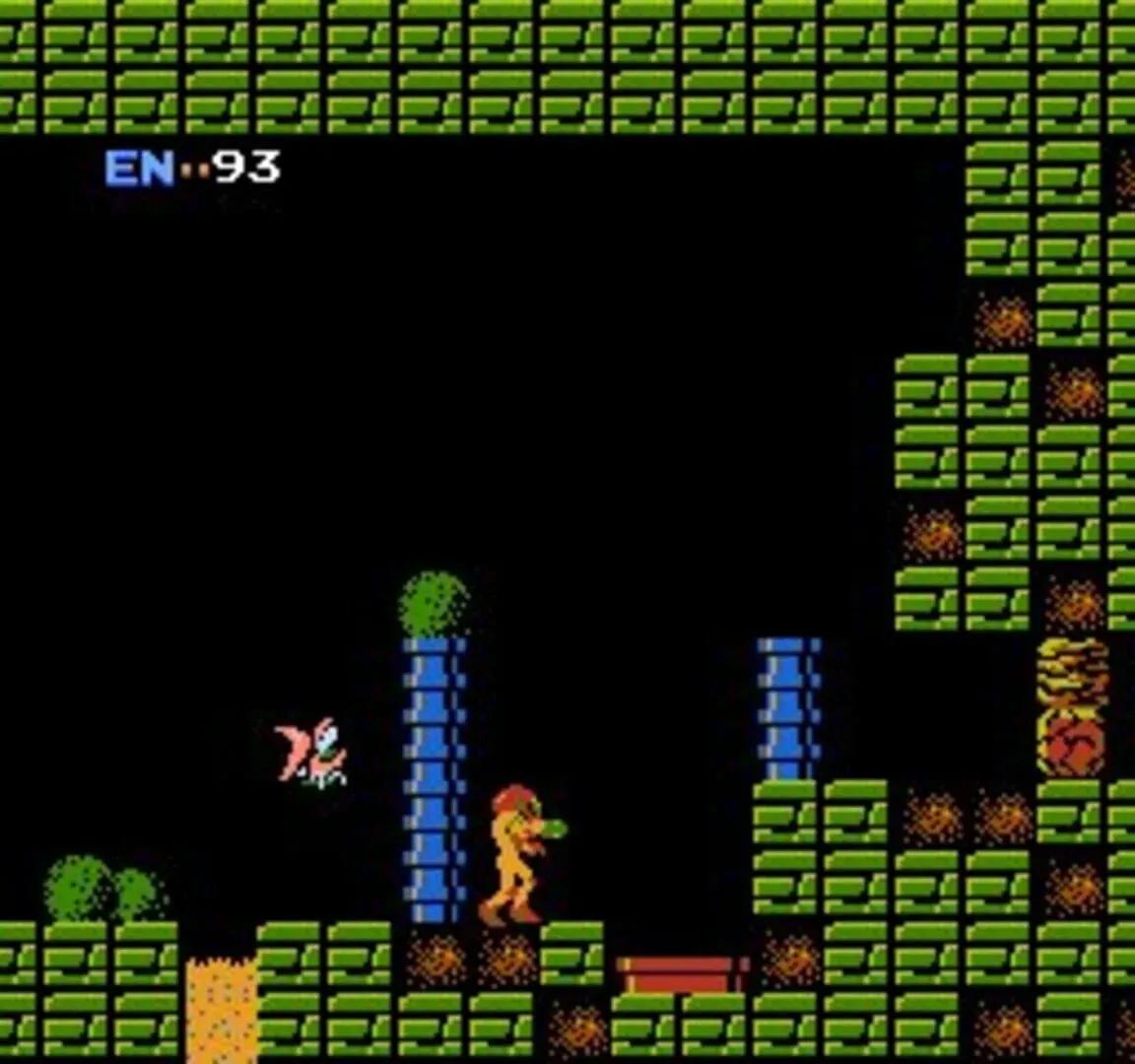
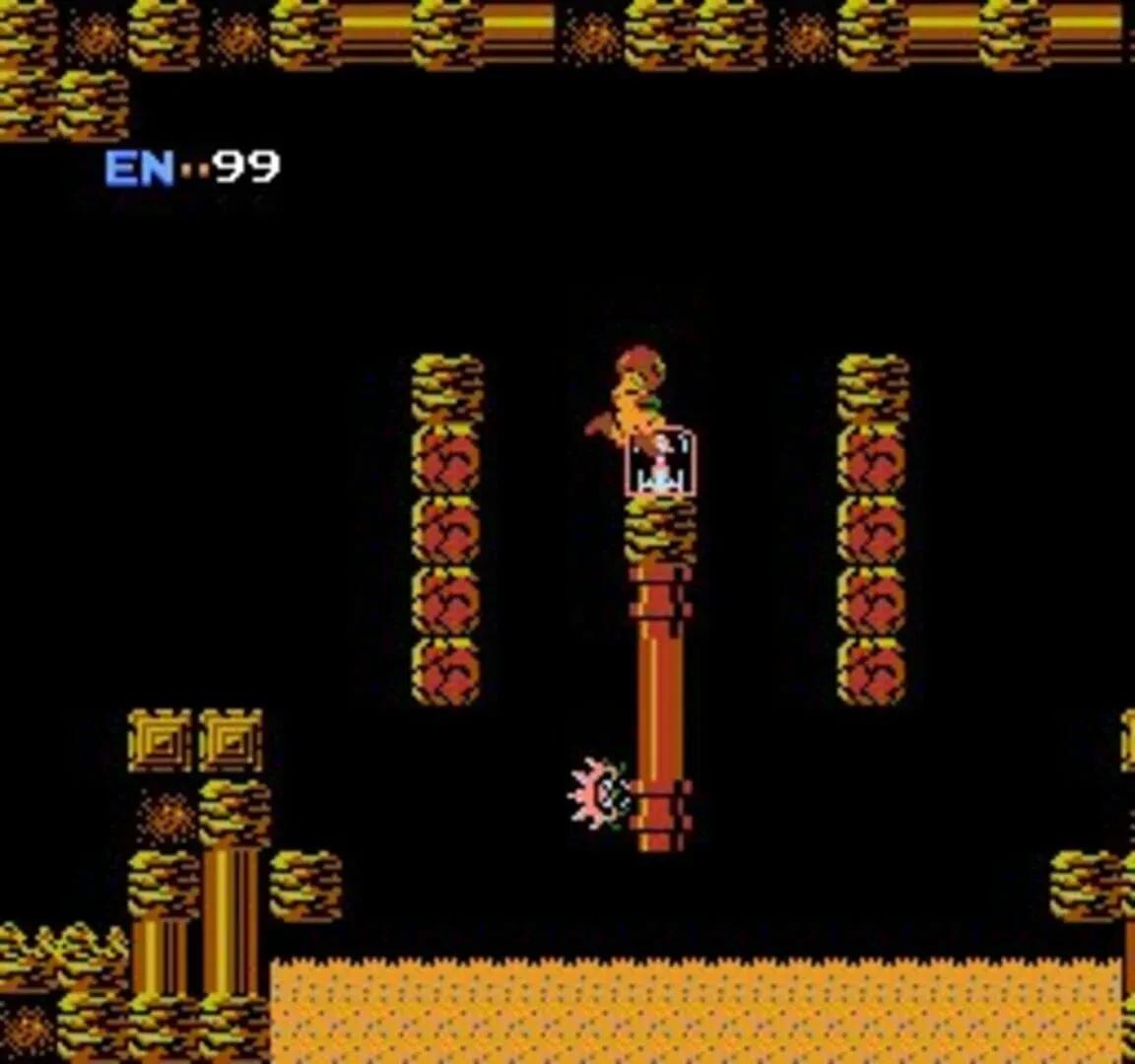
Zebes is a cold, hostile planet built from interconnected zones with distinct visual identities and enemy types. Brinstar's cave networks give way to the volcanic depths of Norfair, each area escalating in difficulty and environmental hostility. The atmosphere is deliberately isolating. There is no map, no hand-holding, and almost no exposition beyond the opening setup.
Metroid content image
That silence is part of what makes Zebes feel alien and genuinely threatening. The Metroid creatures themselves are parasitic life forms that drain energy on contact, and the game frames them as a galactic-scale threat rather than just another enemy type. The confrontation with Mother Brain at the game's end brings everything together in a climactic boss encounter that defined the template for final battles in action games for years afterward.
Impact and legacy
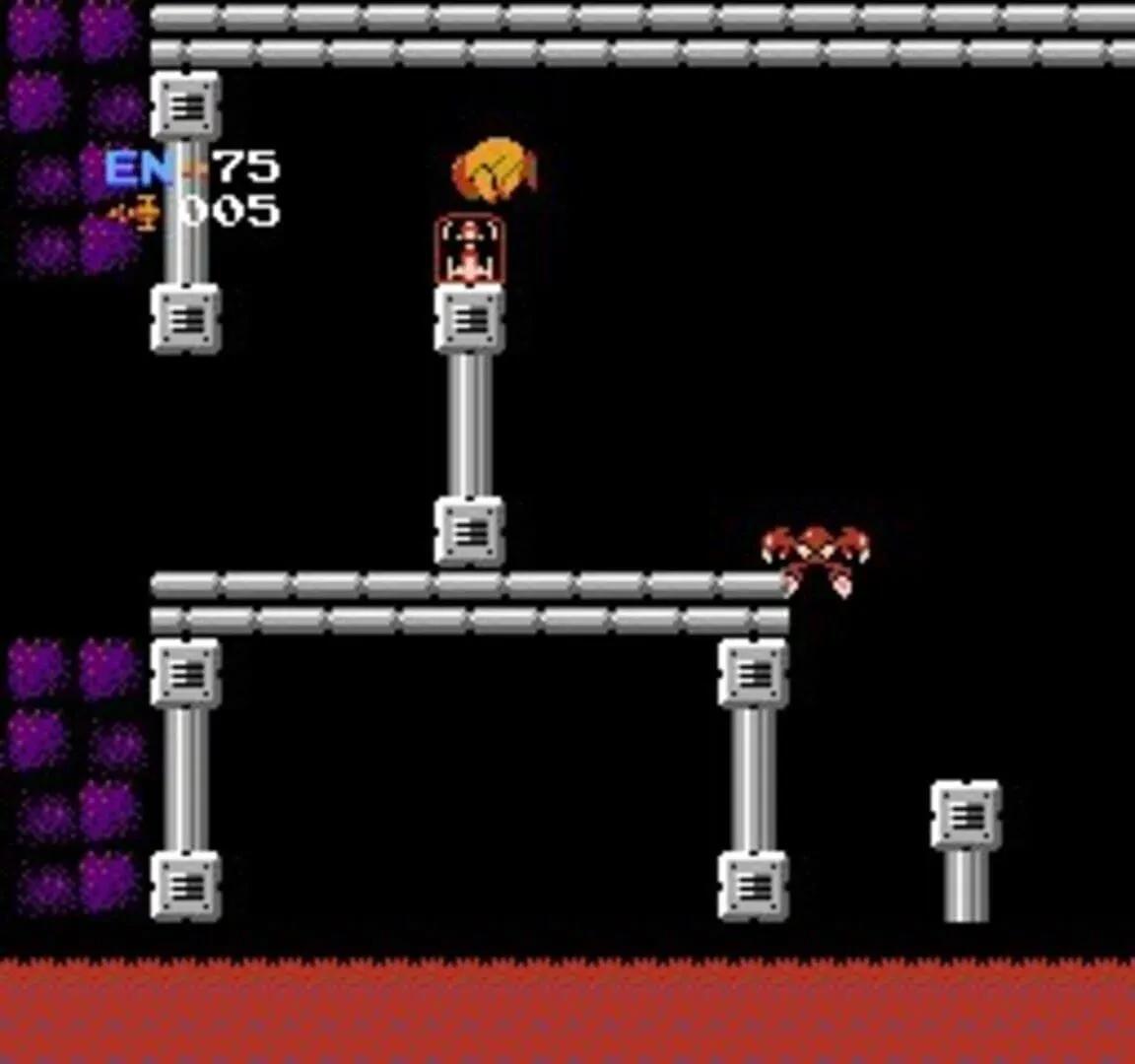
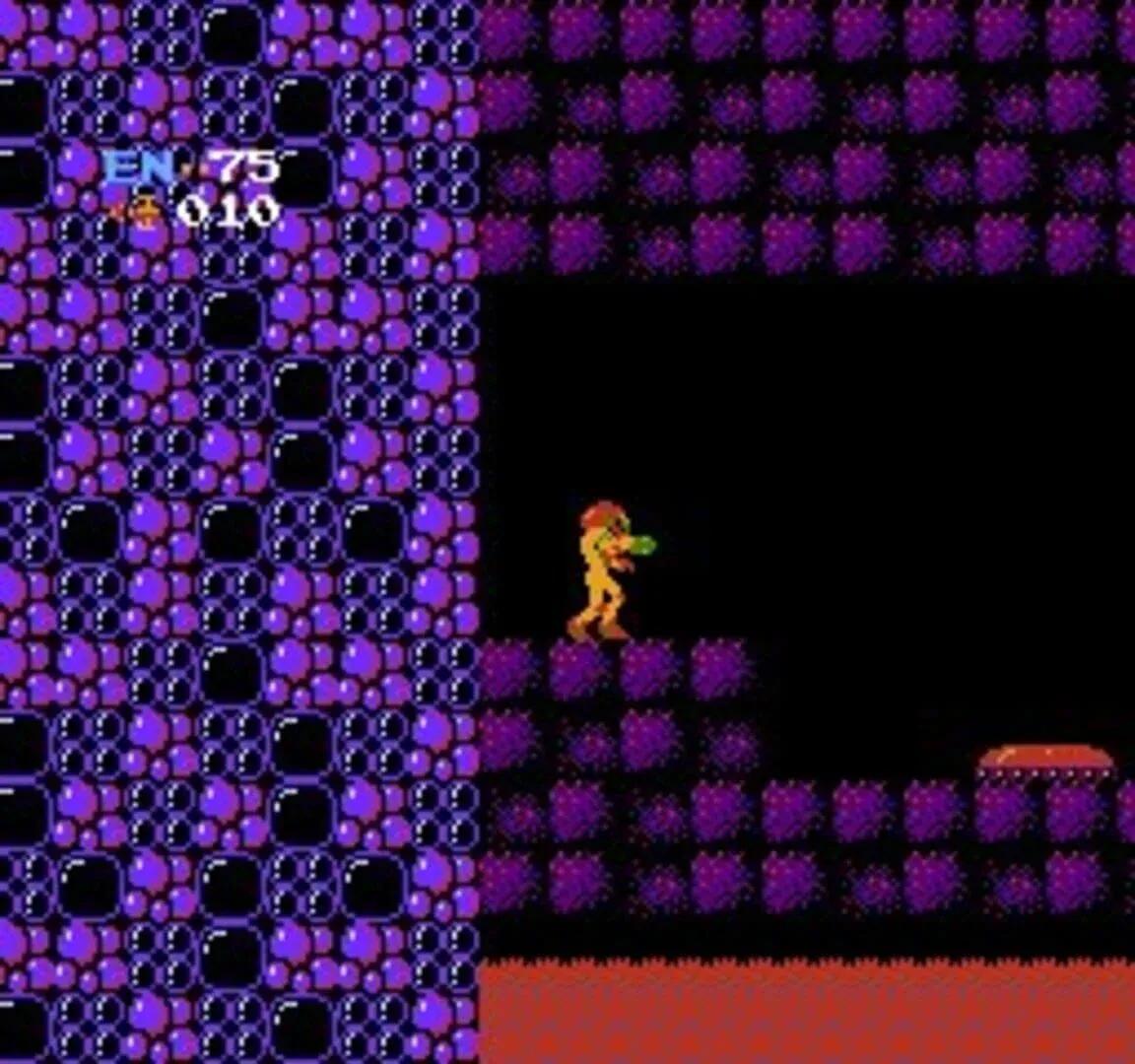
Metroid's influence on the action-adventure genre is hard to overstate. The game's non-linear map design, ability-gated exploration, and atmospheric world-building became foundational principles that developers still reference and build on today. The "Metroidvania" label applied to hundreds of modern games traces directly back to the design philosophy introduced here in 1987.
Metroid content image
The game also made history with its hidden reveal that Samus Aran is a woman, a detail that surprised players who assumed the armored bounty hunter was male. That moment remains one of gaming's most memorable surprises. For players discovering Metroid now through its PC availability, the game holds up as a tight, demanding, and genuinely atmospheric platformer shooter that rewards patience and curiosity in equal measure.