Overview
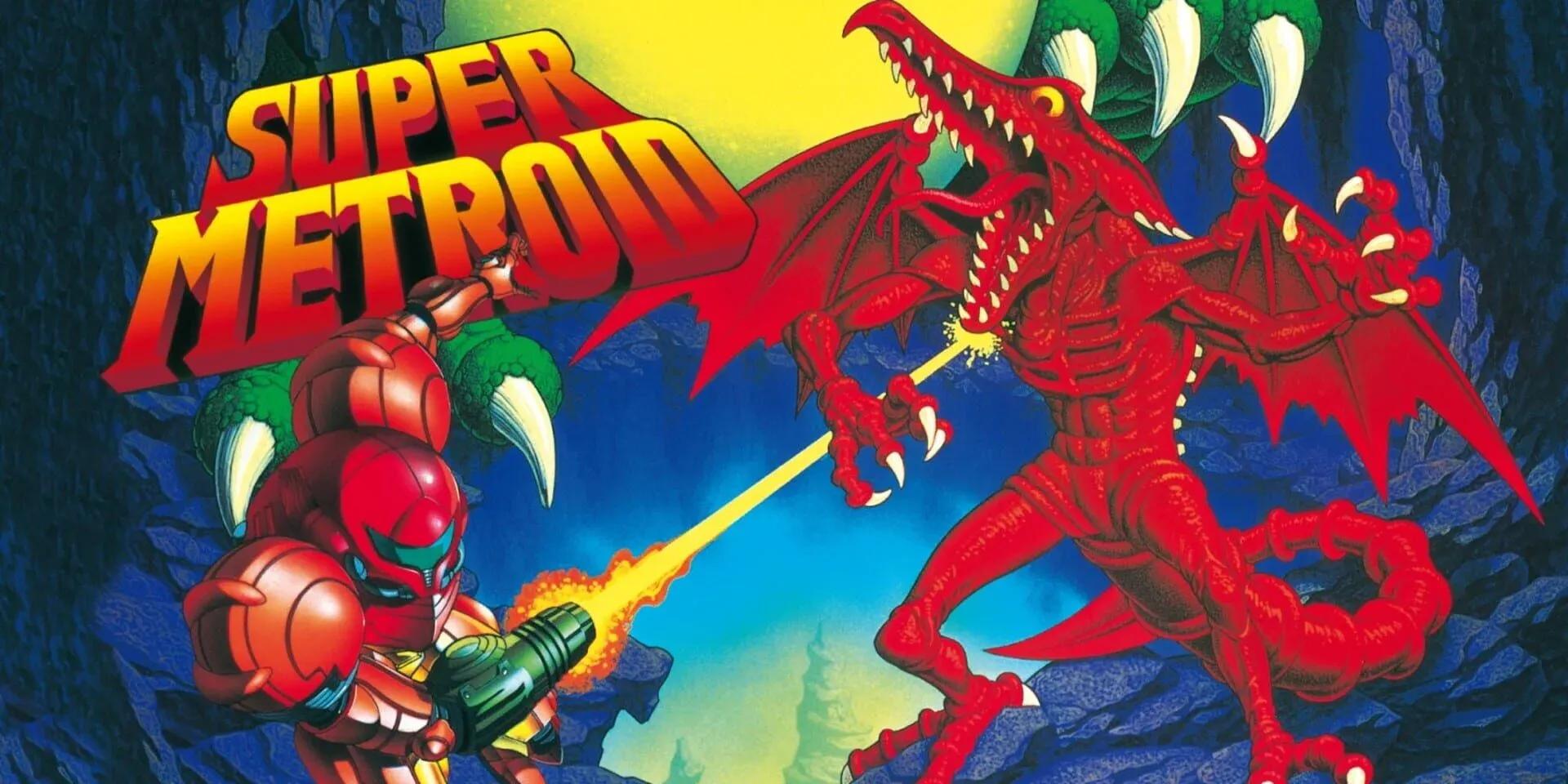
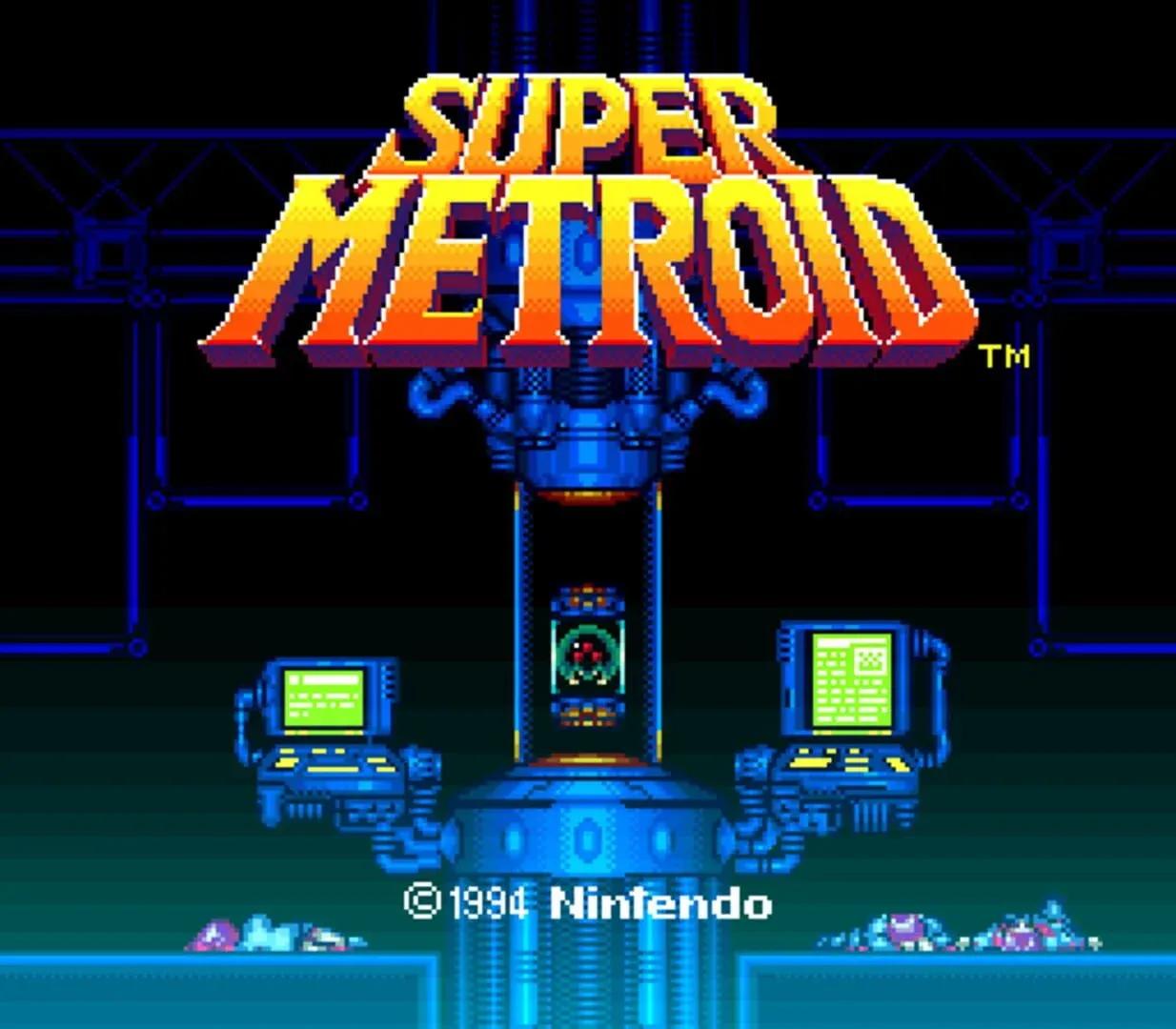
Super Metroid arrived on the Super Nintendo in March 1994, and Nintendo R&D1 packed an entire philosophy of game design into a single cartridge. Samus Aran, the galaxy's most capable bounty hunter, returns to Zebes after the Space Pirates steal the last surviving Metroid hatchling from Ceres Space Colony. Ridley triggers the station's self-destruct and flees, and Samus follows. The premise is lean, told almost entirely through environmental storytelling rather than cutscenes.
The game never stops to explain itself. A lone scientist's body slumped in a corridor, a collapsed tunnel that didn't exist on your last visit, the eerie silence of Maridia's underwater caverns: Super Metroid communicates through atmosphere. That restraint was deliberate, and it's a big reason the game still resonates with players discovering it for the first time in 2026.
Gameplay and mechanics
The core loop is built around exploration and ability gating, the structural DNA that would later define an entire genre. Samus starts with basic equipment and steadily acquires items that open previously inaccessible areas:
Super Metroid content image
- Grappling Beam for crossing large chasms
- X-Ray Scope to locate hidden passages
- Morph Ball for navigating tight tunnels
- Super Missiles and Power Bombs for breaking new barriers
- Space Jump for near-infinite aerial mobility
Super Metroid content image
Controls feel deliberate and weighty in a way that rewards learning. Wall-jumping and the later-discovered technique of sequence breaking, where skilled players bypass intended item acquisition order entirely, give the movement system far more depth than its 16-bit origins suggest. The interconnected map of Zebes rewards backtracking not as a chore but as a genuine discovery loop.
World and setting
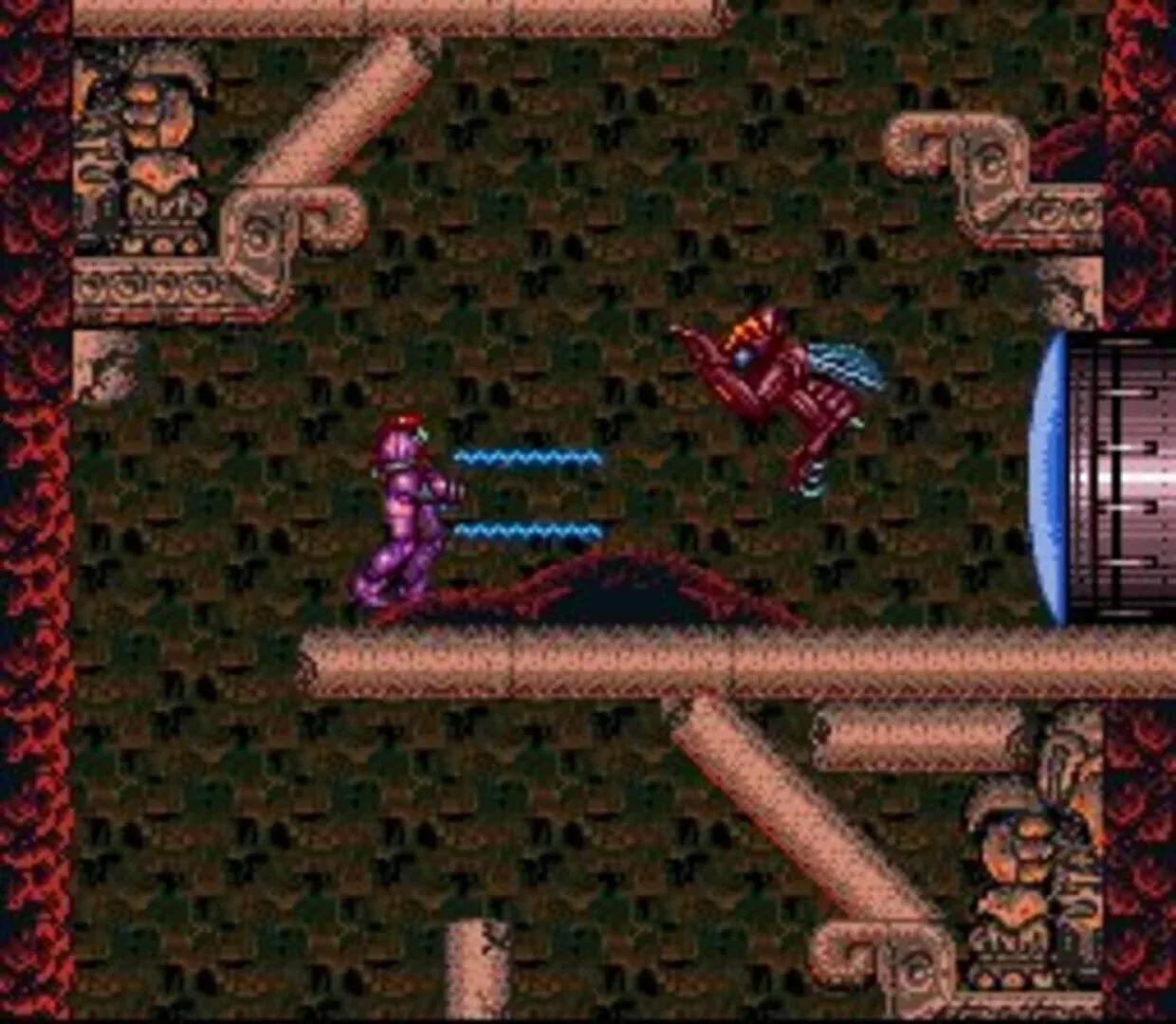
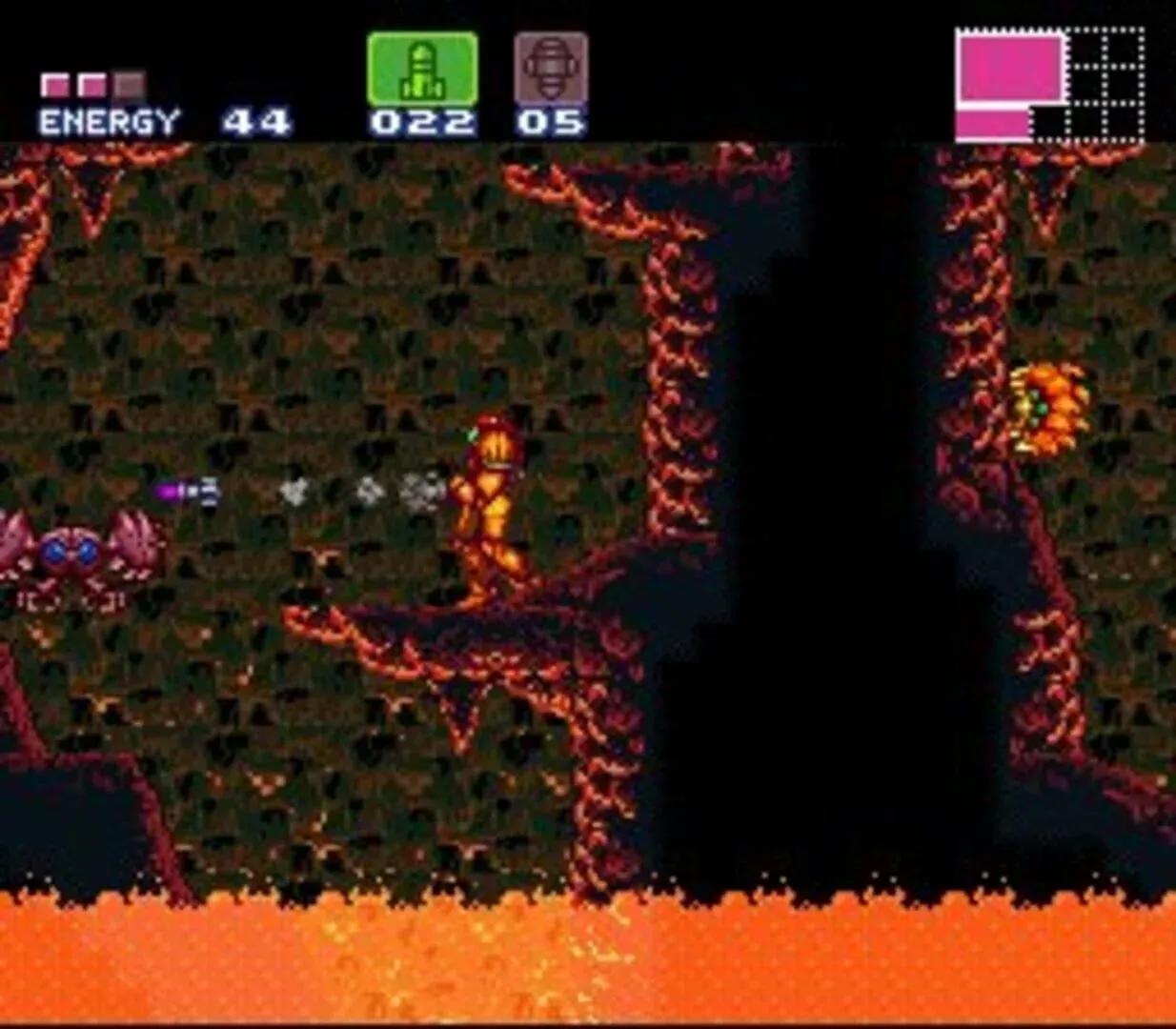
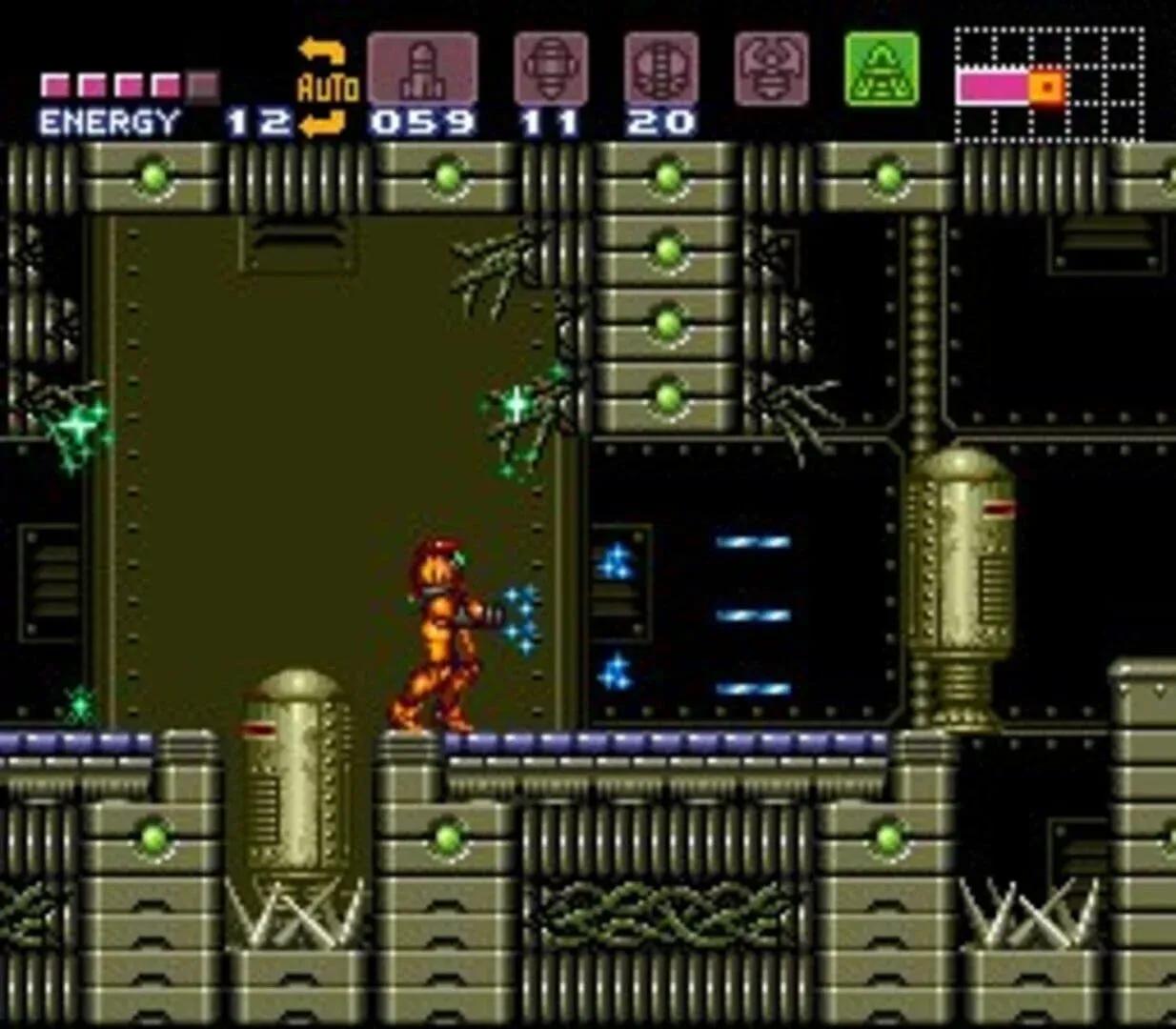
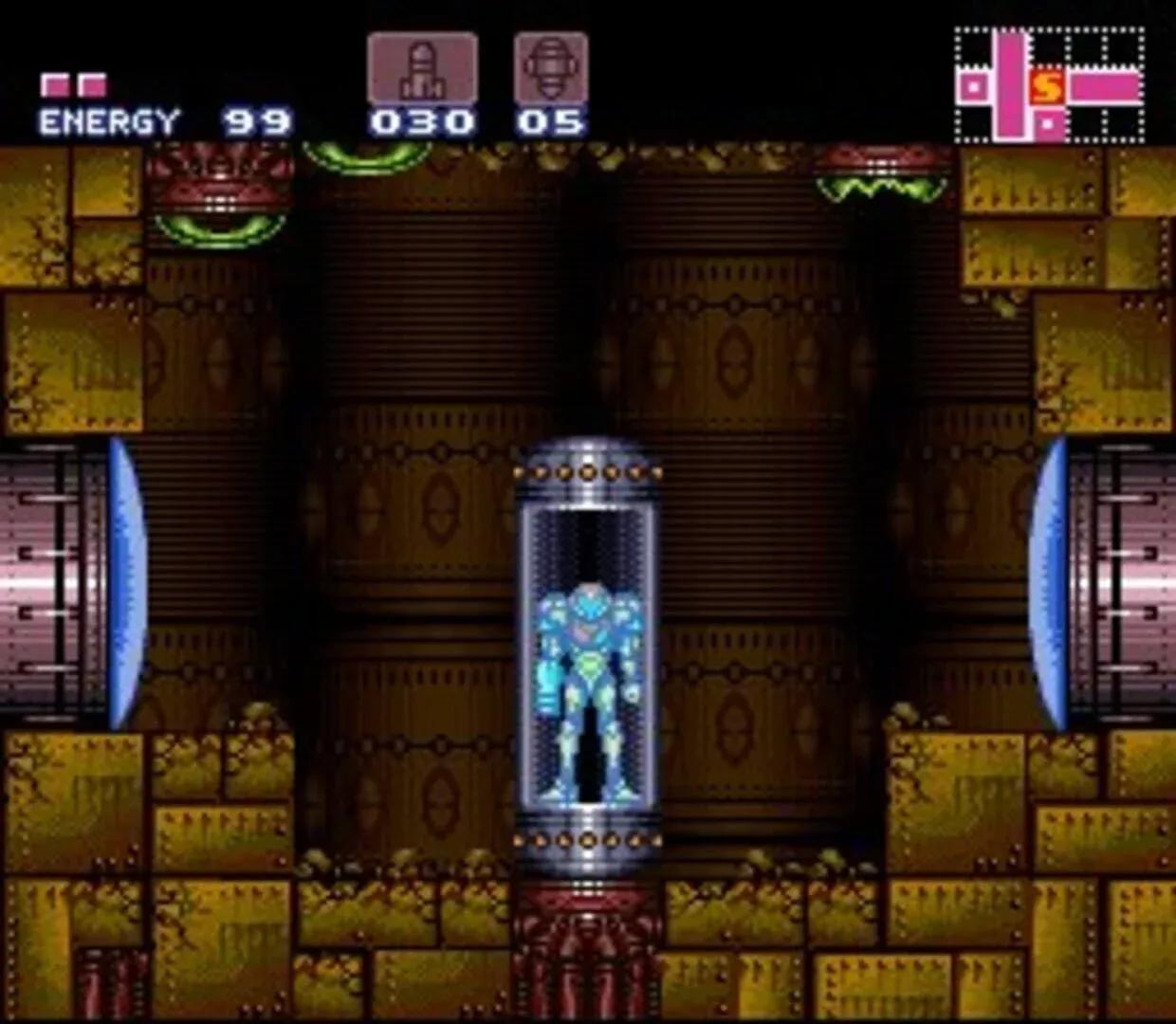
Zebes is one of gaming's great hostile environments. Each region has a distinct visual identity and tone: the crumbling ruins of Brinstar, the lava-drenched Norfair, the sunken corridors of Maridia, and the oppressive industrial dread of Tourian. Nintendo R&D1 used the SNES hardware's Mode 7 effects sparingly but memorably, and Kenji Yamamoto's soundtrack remains one of the most atmospheric scores in the medium.
Super Metroid content image
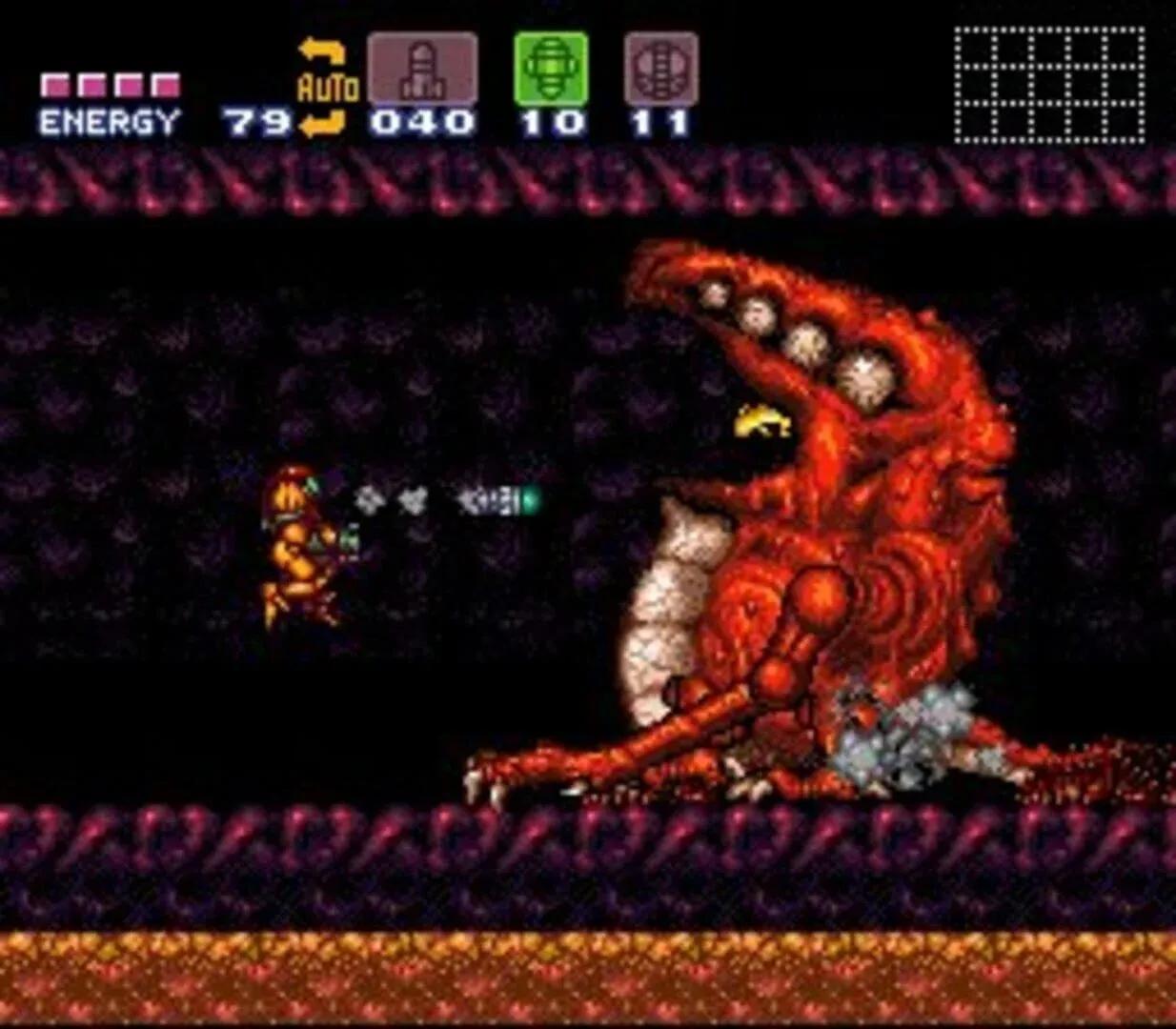
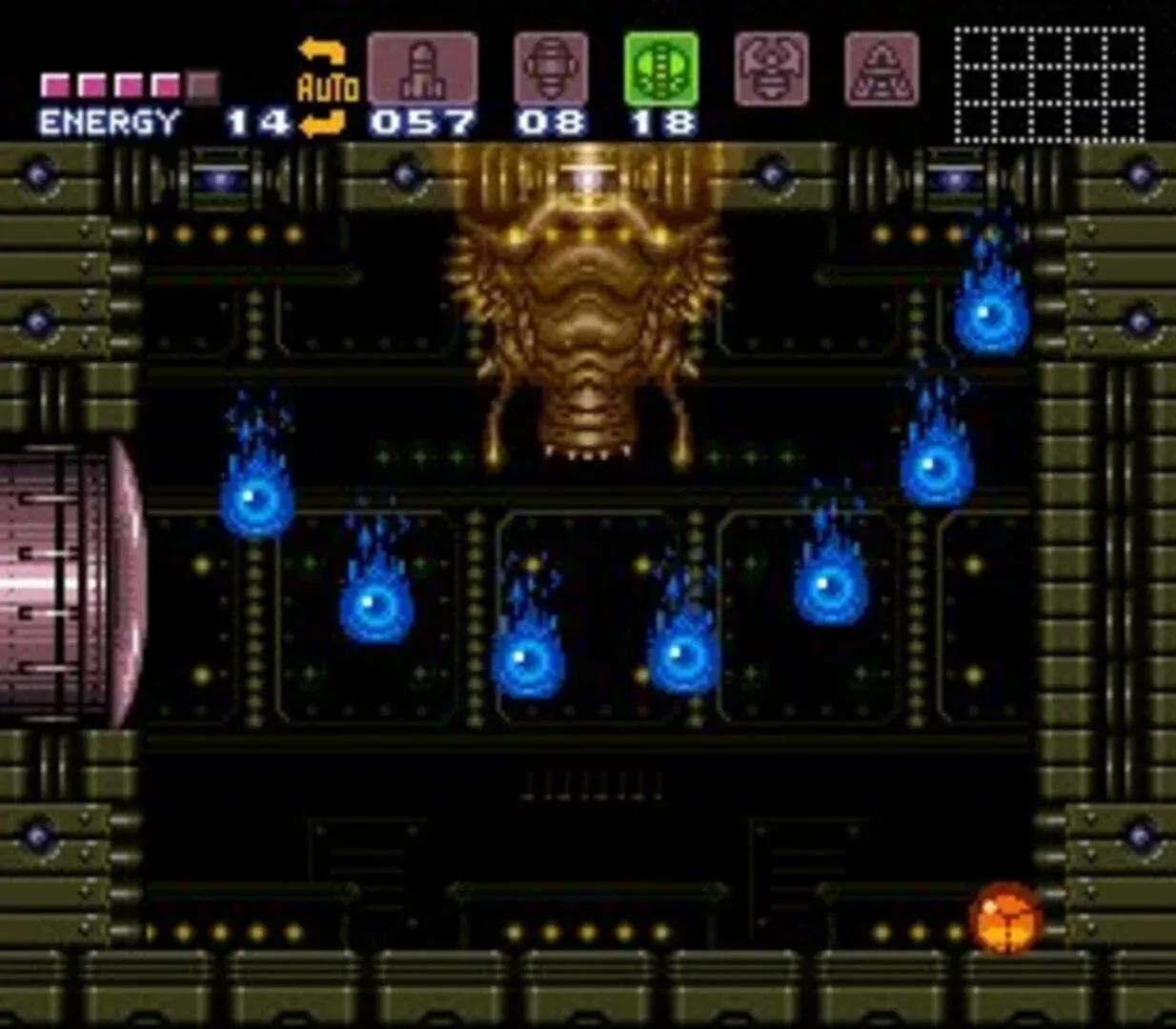
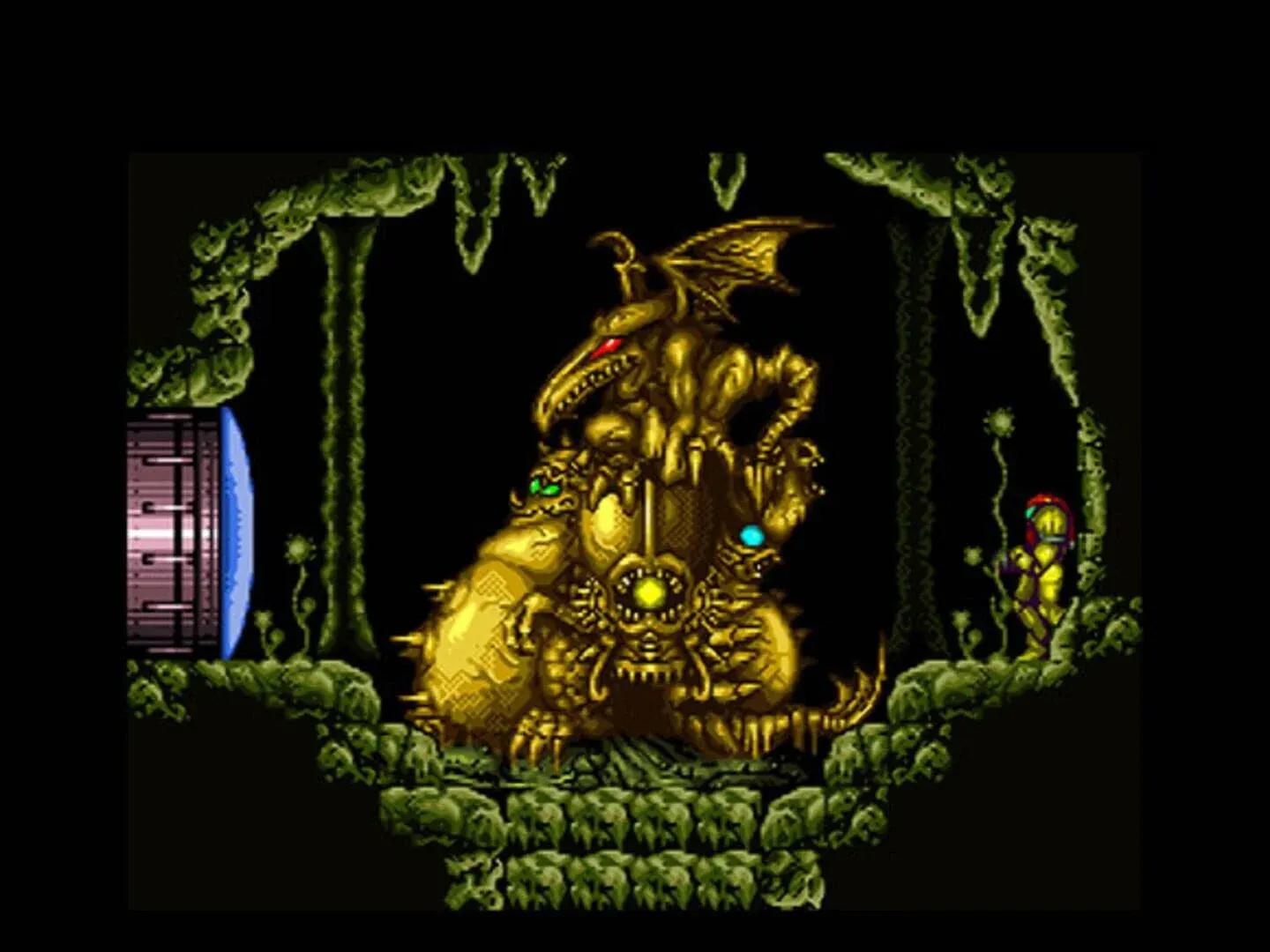
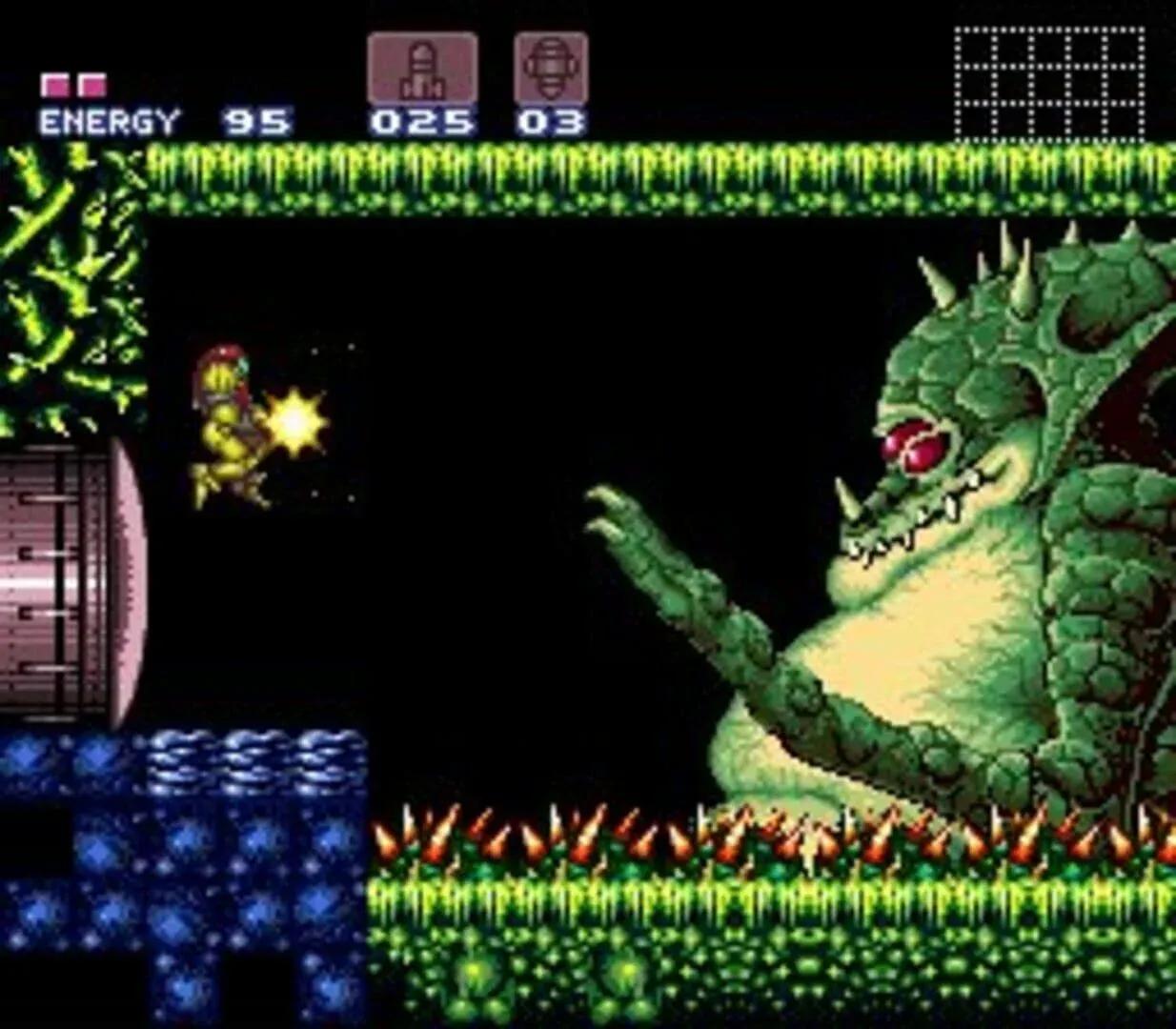
The boss encounters anchor the exploration. Kraid, Phantoon, Draygon, and Ridley each occupy their own domain and demand different strategies. The final sequence in Tourian, facing a resurrected Mother Brain, is still a genuinely affecting piece of game design that earns its emotional payoff without a single line of dialogue.
Impact and legacy
Super Metroid sits at the foundation of an entire genre taxonomy. The term "Metroidvania" exists specifically because this game, alongside Castlevania: Symphony of the Night, established the template: non-linear map exploration, ability-locked progression, and an emphasis on player-directed discovery. Dozens of independent developers have cited it as a direct influence, and the speedrunning community around it remains active decades after release, with runners still finding new optimizations in routes that have been studied for thirty years.
Super Metroid content image
The game's handling of environmental narrative, where story beats arrive through observation rather than exposition, influenced how designers approach world-building across genres far beyond action-platformers. Super Metroid didn't just age well. It set a standard that most games released since have yet to match.