


Minecraft Dungeons II completely rebuilds how enchanting works. Gone is the original game's system of hoping a weapon dropped with the right pre-rolled buffs. Now you find Enchant Books in the world, build a personal library, and pay the Enchantsmith in Brave Haven to stamp any book onto any gear slot you choose. That freedom is the point, and it means the decisions you make with your Soul Corrupted currency matter far more than anything the loot table hands you.
This guide ranks every confirmed book by its mechanical impact, explains the three-tier progression system with actual numbers, and tells you exactly how to spend without wasting the essence you farmed off glowing mobs. These ranks are based on pre-release demo footage and confirmed pre-launch data, so treat them as a strong launch-week foundation rather than a post-patch final word.
How does the enchantment system work in Minecraft Dungeons II?
Three distinct systems share the word "enchant" in this game, and mixing them up will cost you currency. Keep them separate from the start.
Random item Effects come pre-imbued on gear when it drops. They do not cost anything to activate and cannot be changed at the Enchantsmith. The quality of these passive Effects should inform which piece of gear you bother stamping books onto in the first place.
Talisman passives sit in three dedicated slots and scale as they level. Those belong on a separate list entirely.
Enchant Books are the library system. You find them on the Overworld road and inside dungeons, they enter your personal collection, and the Enchantsmith stamps them onto a weapon, armor piece, or artifact slot of your choosing. Developer footage shown at gamescom 2026 confirmed you can apply books to any gear slot, and that the library itself has no cap. The bottleneck is always the currency and the decision, never the shelf space.
Soul Corrupted enemies, the blue-glowing mobs found on the Overworld and in The Sift, are the source of that currency. Skipping them because a room looks clear is how you arrive at the Enchantsmith with a great book and nothing to spend.
Each confirmed enchantment also has a three-tier progression. Higher tiers increase numerical values, add quantity, or extend duration. Ancient Alchemy, for example, grants 30 Souls at Tier 1, 45 at Tier 2, and 60 at Tier 3. Artifact Amplifier extends artifact effectiveness for 6 seconds at Tier 1, 7.5 at Tier 2, and 9 at Tier 3. Healing Smite activates its Regeneration Well at a 20% chance at Tier 1, rising to 35% at Tier 2 and 50% at Tier 3. Ender Mines creates 2 explosive mines at Tier 1, 3 at Tier 2, and 4 at Tier 3.
Full confirmed enchantments list
Thirteen enchantments have been confirmed ahead of launch. Each reaches a maximum of three tiers.
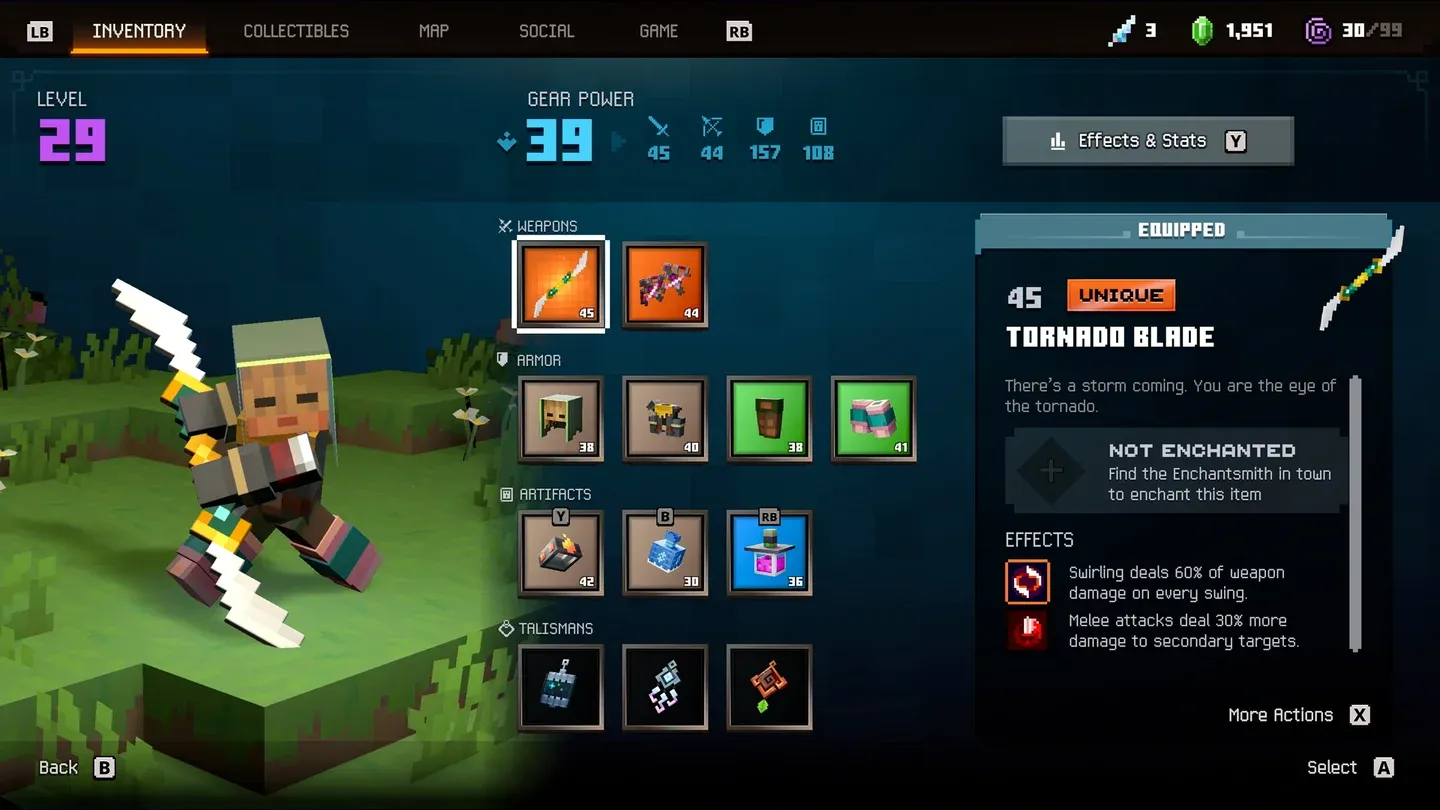
All 13 confirmed Enchant Books
S-tier: books that rewrite a loadout
These are the enchantments that define how a build plays, not just how hard it hits.
Arrows on dodge roll is the most-discussed book from every pre-release demo. Every evasion fires a volley from your equipped ranged weapon. On a charged bow you dodge into position and clear a room without stopping to aim. On a Trickbow, bounce shots hit groups automatically. The book scales with the bow in that slot, so upgrading your ranged weapon directly upgrades every dodge. This is the book that defines the mobility-ranged archetype Mojang kept demonstrating.
Somersault grants an additional roll charge. On its own that reads as a quality-of-life pick. Once arrows-on-dodge is stamped, every extra roll is an extra volley. The two books multiply each other's value in a way that neither does alone.
Dynamo increases the damage of your next attack after rolling. Combined with Somersault, rolling becomes both a defensive tool and an offensive trigger. The loop is: roll to reposition, Dynamo procs, hit hard, roll again.
Fire on arrows applies a burning status to every shot. The burn ticks after the hit, meaning a pack crowding a doorway continues taking damage while you reposition. Stacked with arrows-on-dodge, every roll lights targets. Against bosses with trace attacks, the ticks keep dealing damage during windows where you need to move away.
A-tier: strong books that fit a job
These do not define a build on their own, but they are correct picks for the fights already shown.
Healing Smite creates a Regeneration Well after kills at a 20% base chance, scaling to 50% at Tier 3. In co-op that well benefits the whole party. In solo play it turns kill-heavy corridors into sustain windows without spending an artifact slot on a healing item.
Artifact Amplifier extends artifact effectiveness by up to 9 seconds at Tier 3. If your loadout leans on frequent artifact activation, this book stretches every use. It pairs naturally with builds that already have Essence of Efficiency in a talisman slot.
Ancient Alchemy converts health potion use into 60 Souls at Tier 3. For soul-focused builds that fund the Enchantsmith or run soul-dependent artifacts, this turns a defensive action into a resource generation event.
Piercing lets ranged projectiles pass through enemies. Against packed Overworld roads or tight dungeon corridors, one arrow hitting four targets in a line is better than four separate shots. The value is in enemy density, not in single-target fights.
Frost Crescent adds a frost wave to melee attacks. Crowd control on a melee weapon buys spacing, which matters against Copper Monstrosity dashes and Warden booms that punish greedy positioning.
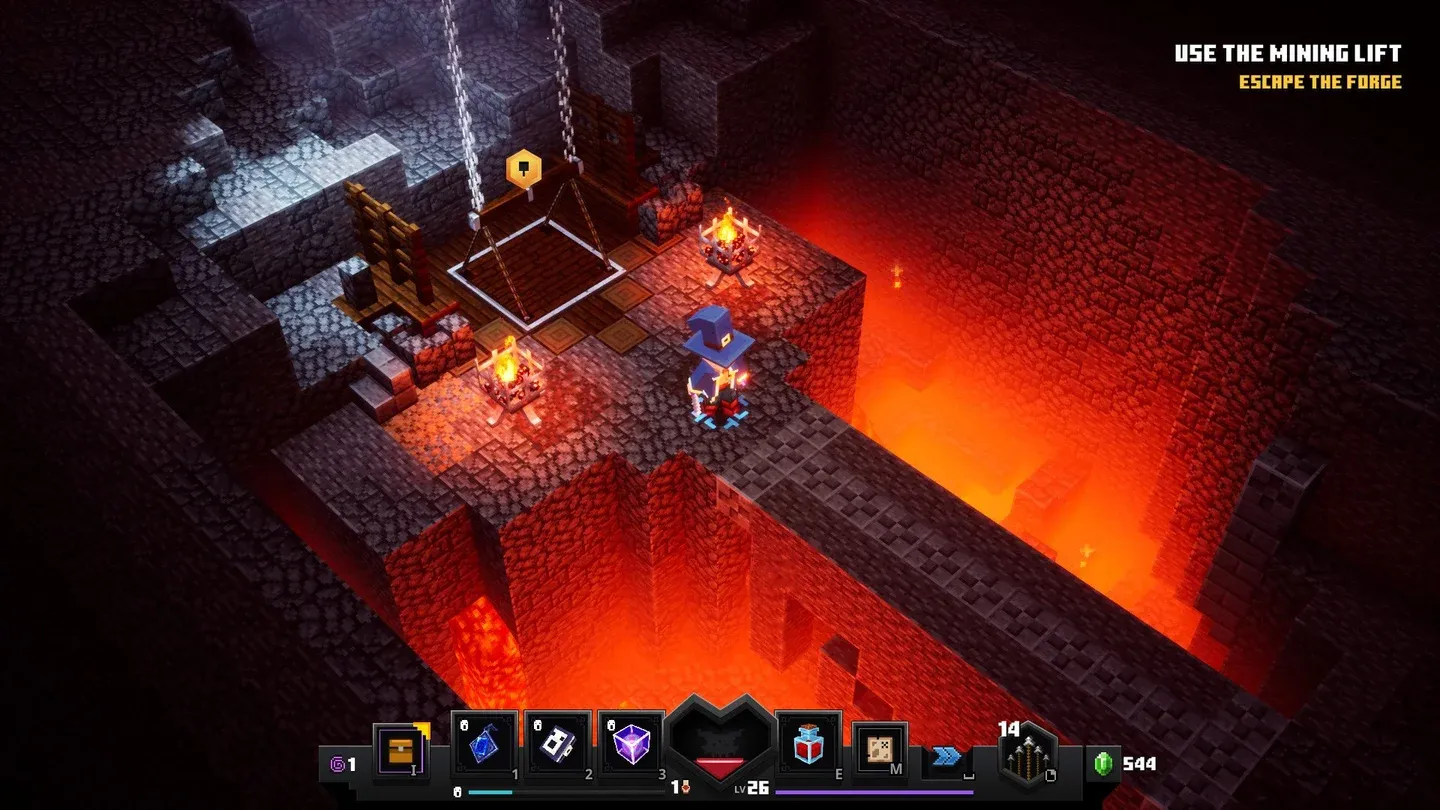
Arrows-on-dodge in combat
B-tier: useful, not a personality
Thundering gives weapon attacks a chance to spread lightning damage. Useful against groups but passive in a way that S and A books are not. It does not open a new play pattern.
Lightning Surge adds a lightning wave to melee attacks. Similar ceiling to Thundering. Reliable damage addition on a melee slot when no higher-priority book is waiting.
Poison Fog creates a poison wave on melee hits. Damage over time has value in longer fights but does not contribute to the aggressive cadence the sequel is built around.
Shadowcloak gives a chance to activate Shadowcloaking after a kill. The proc-based nature makes it unreliable as a primary defensive tool. Useful if you are already winning; less useful when you need it most.
Apply B-tier books when no S or A option is available, or when a slot is already covered and you are filling the remaining space.
C-tier: boss-specific or highly situational
Any book whose value only applies to stationary targets or a single enemy type belongs here. Ender Mines at Tier 1 creates 2 mines, scaling to 4 at Tier 3. The setup time required makes it a deliberate placement tool rather than a fluid combat option. Against the Twisted Warden in a phase where movement is restricted it has a role. On the Overworld road it is dead weight most of the time.
Park C-tier books in your library. Storage costs nothing. Stamping a bad book costs Soul Corrupted currency you wanted for something else.
What are the best enchantment combos by playstyle?
The right book depends on what your build is actually trying to do. Here is how the confirmed list maps to each approach.
Mobility and ranged builds
Somersault plus Dynamo plus arrows-on-dodge is the demo-era chase combination. Roll more, fire more, hit harder on the attack that follows each roll. Pair with a charged bow or Trickbow from the confirmed weapons list and the loop runs continuously.
Soul builds
Ancient Alchemy at Tier 3 generates 60 Souls per health potion use. Combined with the Twisted Tooth talisman, which increases souls gained by 40% at Level 1, and Essence of Efficiency, which cuts artifact cooldowns by 4%, you fund the Enchantsmith and your artifact rotation from the same resource pool.
Melee area builds
Frost Crescent, Fire Aspect, and Lightning Surge each add an elemental wave to melee attacks. Pick one based on what the dungeon needs: frost for crowd control, fire for damage over time on packs, lightning for spread damage. Running two of the three on the same weapon creates redundant verbs. Pick the tag for the dungeon, not for a screenshot.
Co-op and support builds
Healing Smite at Tier 3 creates Regeneration Wells at a 50% chance per kill. In a four-player session that well is shared. Artifact Amplifier extends the active window on support artifacts. These two books together form a passive support layer without requiring a dedicated healer role.
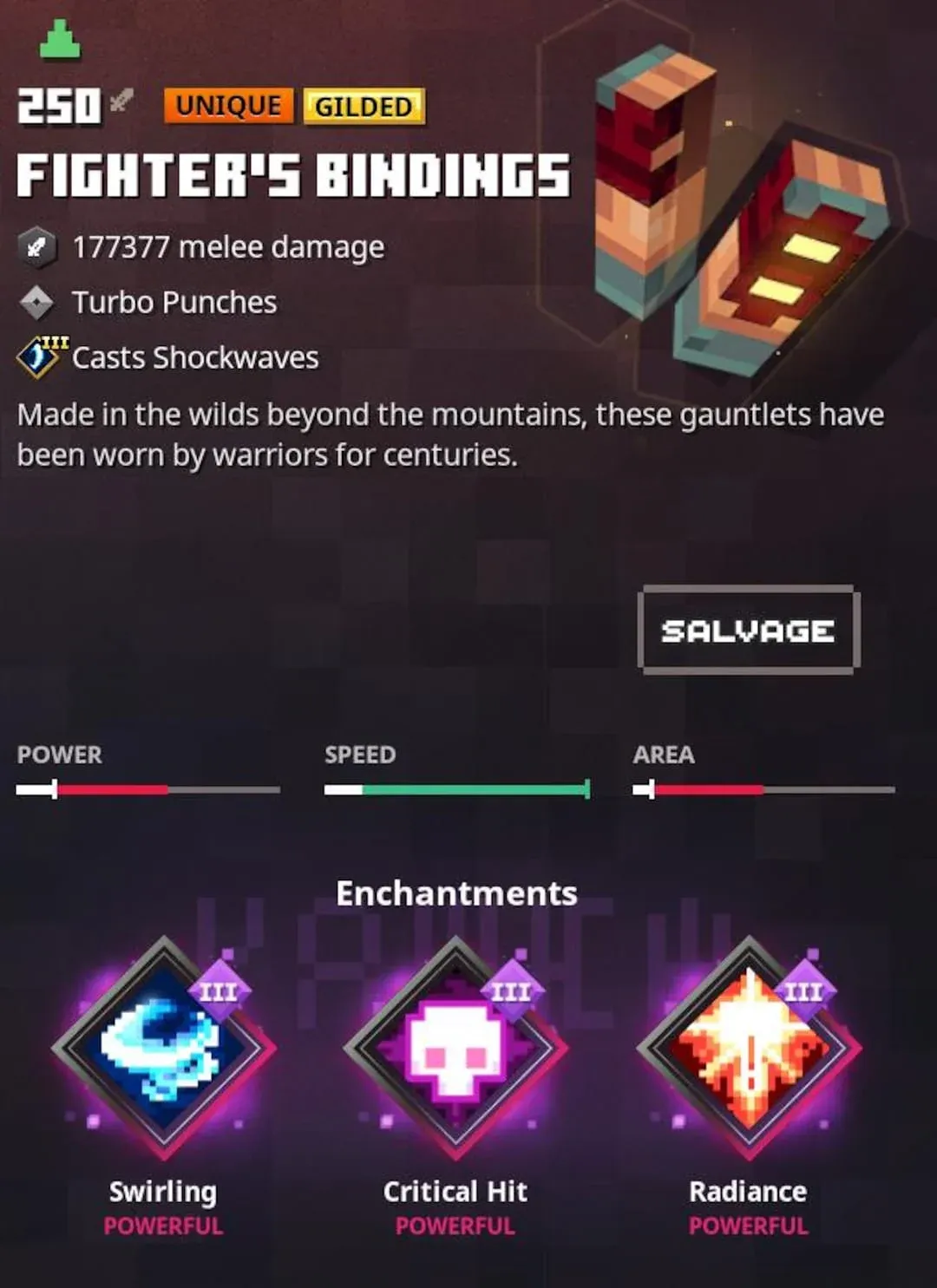
Enchant Book personal library
How to spend Soul Corrupted currency without wasting it
The currency loop is simple but easy to mismanage under pressure.
- Kill every Soul Corrupted enemy you see. The blue glow on the Overworld and in The Sift is your budget. Skipping those rooms is skipping the Enchantsmith.
- Check the pre-imbued Effects on a piece before stamping anything. A great book on gear with a weak passive Effect is a wasted slot. Farm a better base item first.
- Read the full Effects and Enchantments list after each stamp. Two books that say the same verb in different words are duplicate spending.
- Save enough currency to stamp your preferred S-tier book onto a Blacksmith-capped favourite. An S-tier verb on a throwaway sword is still a wasted book.
- If two party members find the same book, that is not a problem. The library is personal. The bottleneck is always currency and the decision about where to spend it.
For a full look at what else launches with the game, the Minecraft Dungeons II guides hub covers everything from pre-order bonuses and edition breakdowns to the complete trophy and achievement list so you can plan your progression from day one.