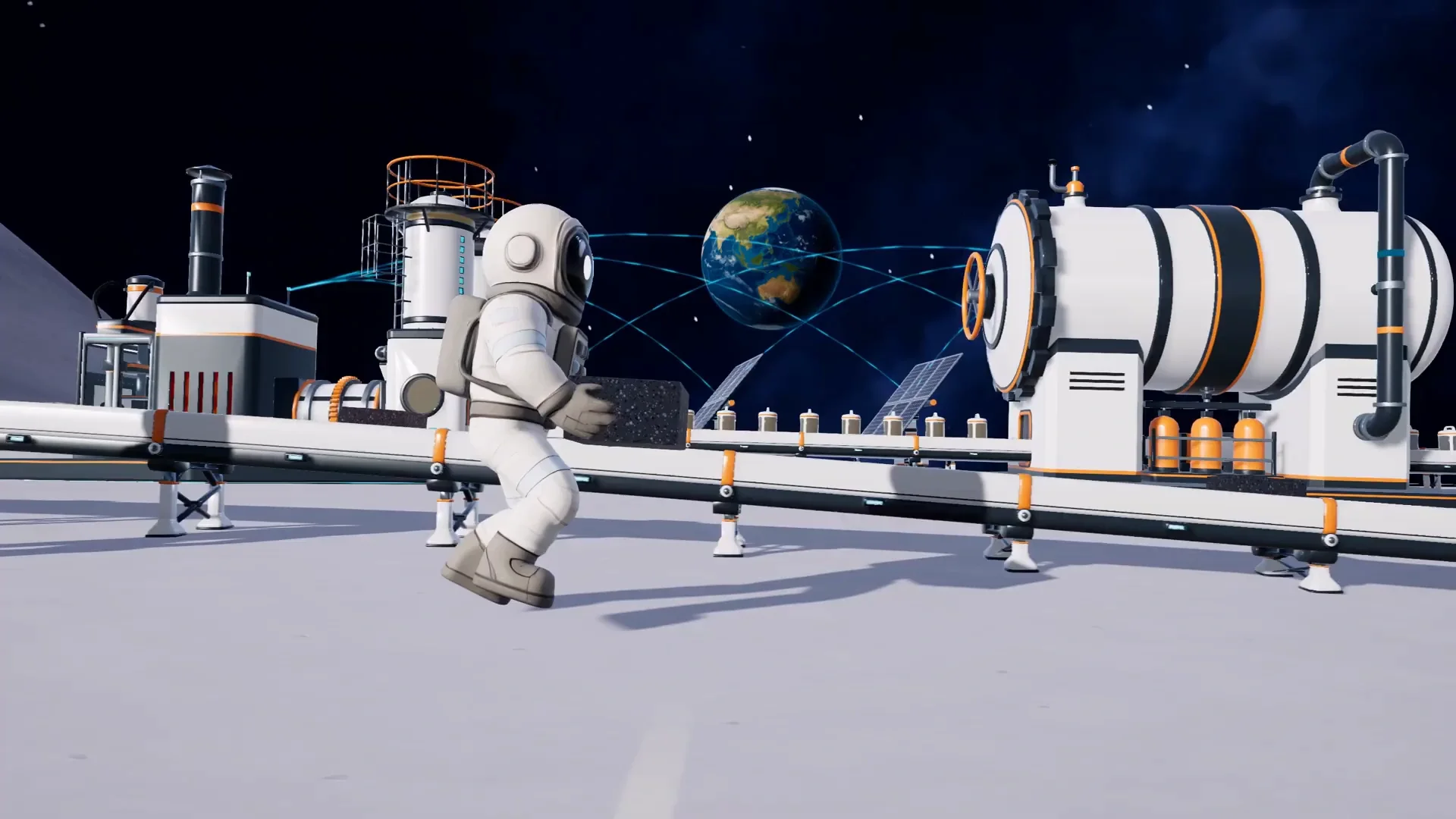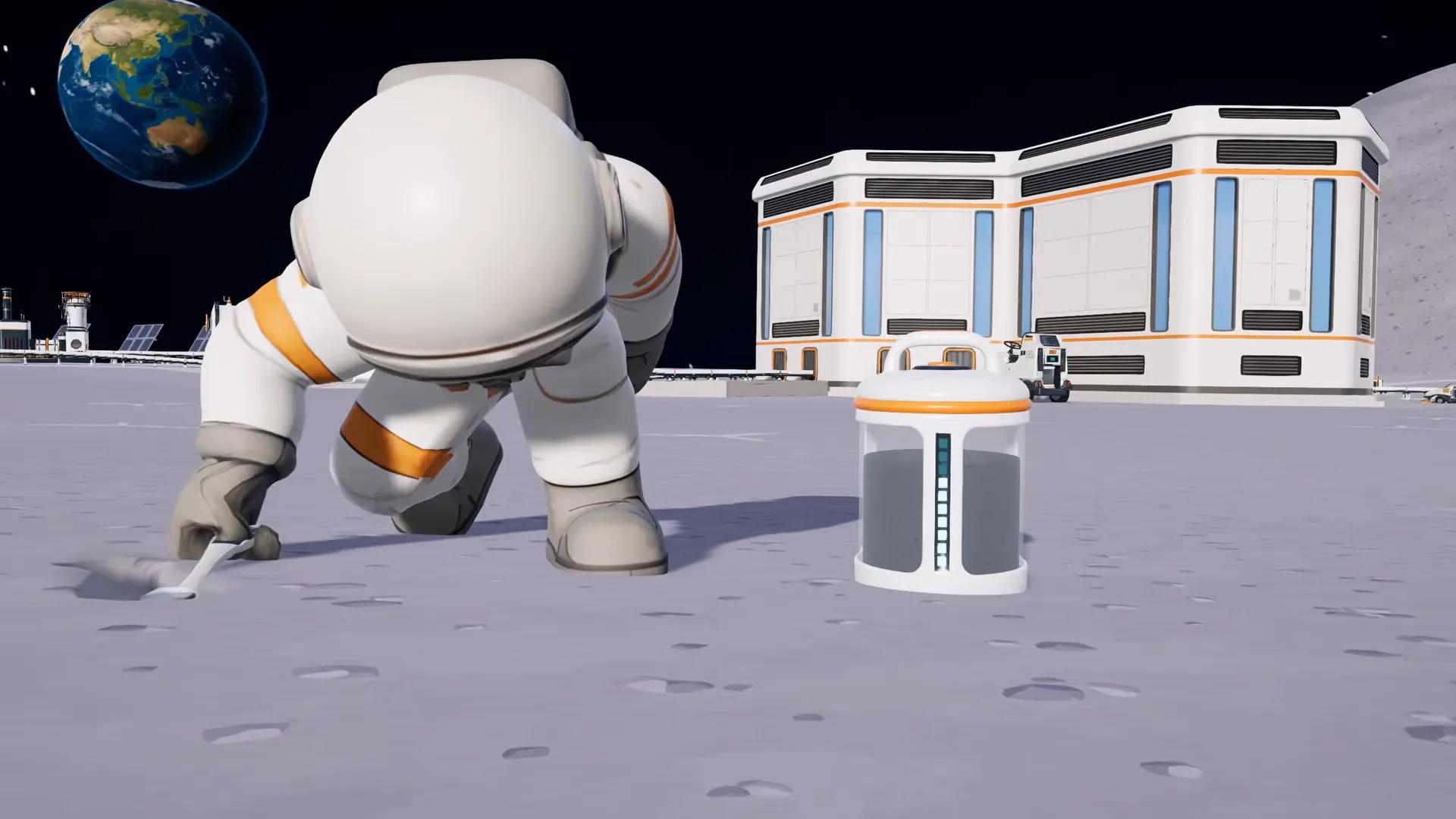

Running a factory on the Moon sounds straightforward until your Pressure Chamber goes dark at 2 AM and you have no idea why. Power management in Moon Sweepers is one of those systems that barely matters early on and then becomes the thing that breaks your entire production line once you start stacking machines. Solar generation, battery storage, and the day-night cycle all interact in ways that aren't immediately obvious, so here's exactly how it works.
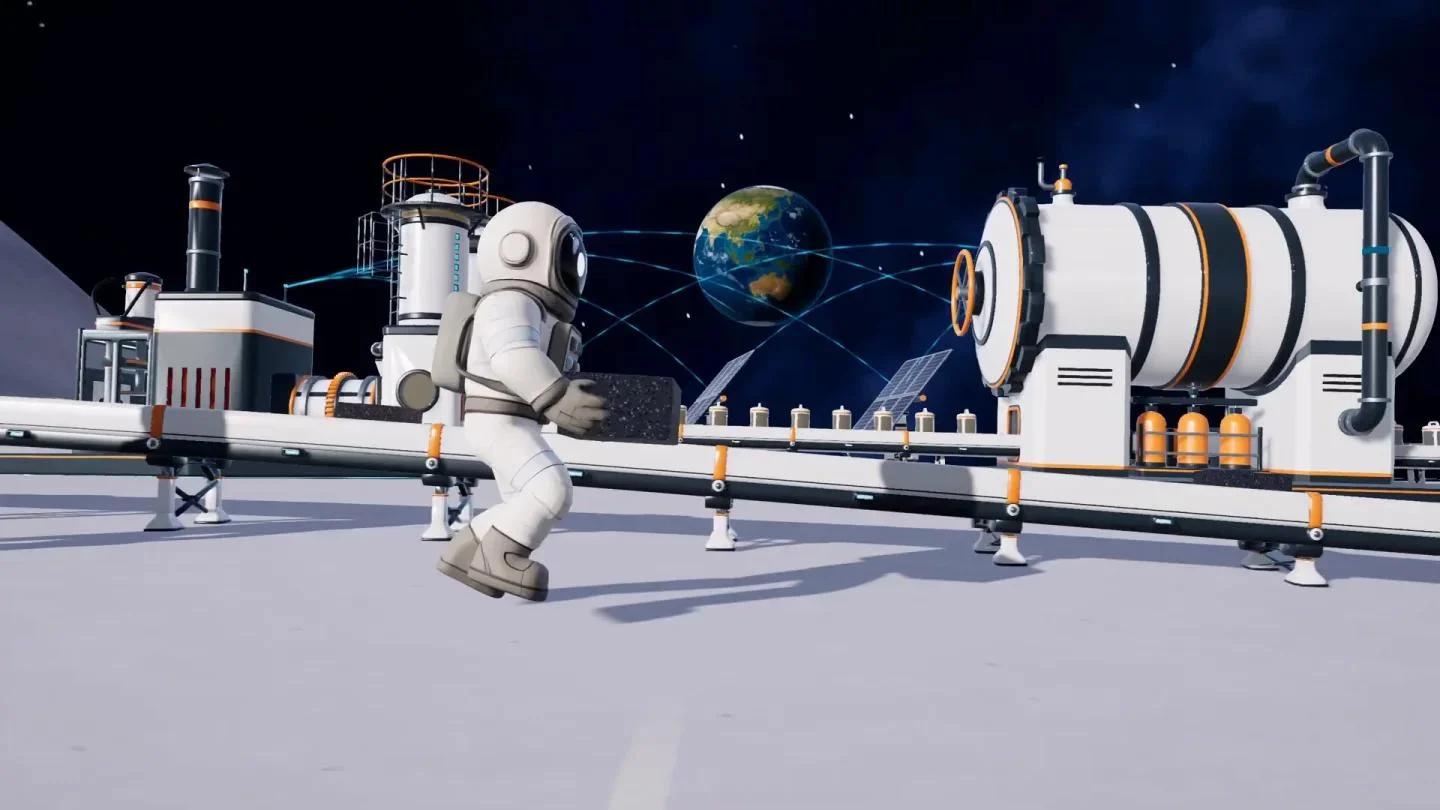
Solar Post placement near machines
How do you get power in Moon Sweepers?
Electricity comes from solar equipment, which you'll find in the Power section of the building menu. Two options are available: the Solar Post and the Solar Twin (M). Both convert sunlight into electricity, but the Solar Twin produces significantly more output per unit.
Once placed, solar equipment feeds into the power network that your machines draw from. The key thing to understand early is that power demand scales fast. A single Solar Post won't carry a Pressure Chamber on its own, and if you're planning to add a Stone Press later, you'll need to think about your power infrastructure well before you can afford the machine itself.

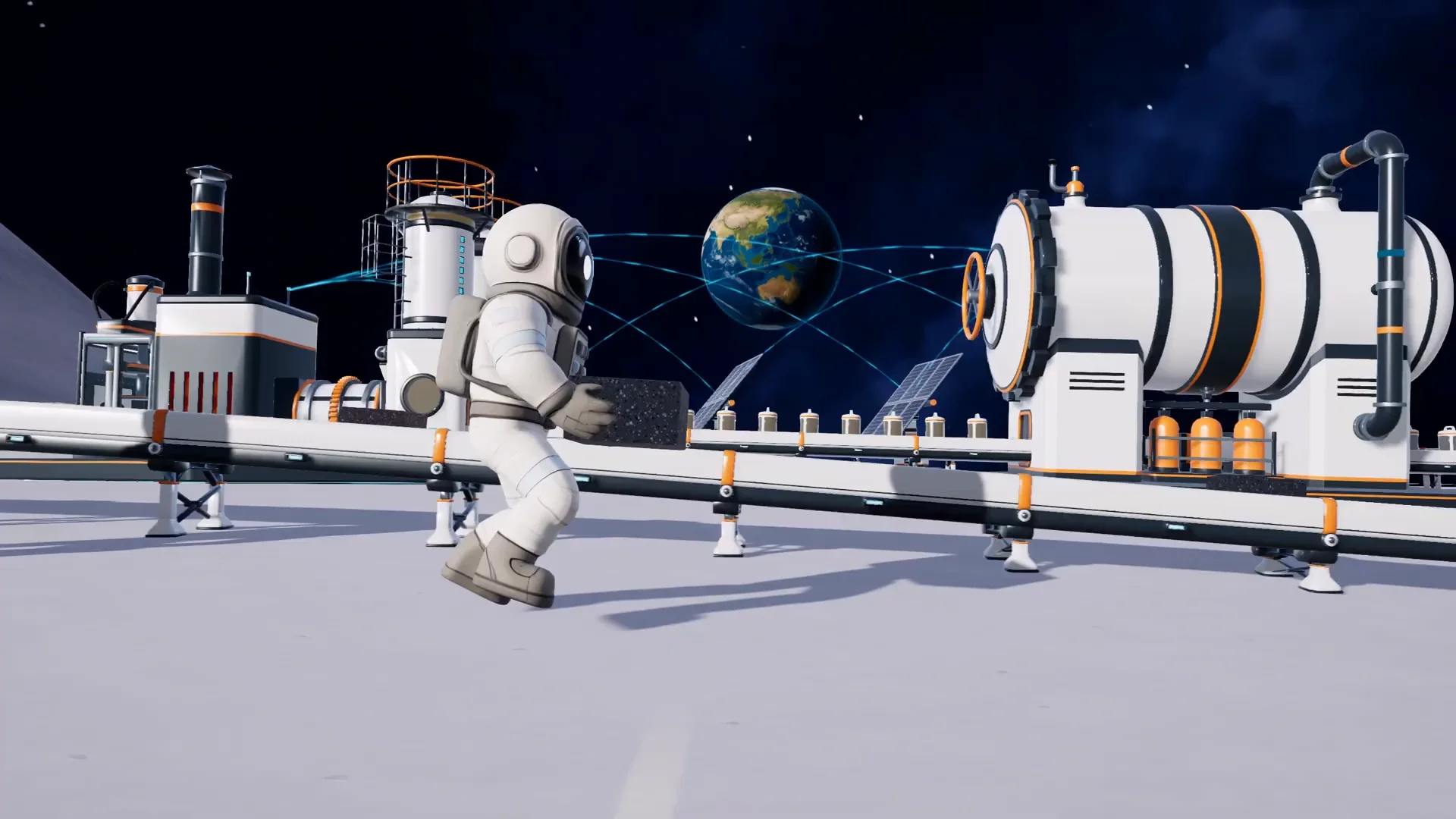
Moon Sweepers solar panel and machine power requirements
Every piece of solar equipment generates a fixed amount of electricity, and every processing machine consumes a fixed amount. The math is simple once you know the numbers.
| Equipment | Power (kW) | Role |
|---|---|---|
| Solar Post | 3 kW | Generation |
| Solar Twin (M) | 7.5 kW | Generation |
| Pressure Chamber | 10 kW | Consumption |
| Stone Press | 18 kW | Consumption |
These are listed values. Actual available output still depends on sunlight, so matching generation to consumption only works reliably during daylight hours.
How many solar panels do you need for a Pressure Chamber?
The Pressure Chamber draws 10 kW. One Solar Post generates 3 kW, so you need at least four Solar Posts to clear that threshold (12 kW combined, leaving 2 kW of headroom).
Two Solar Twin (M) units are a cleaner solution at 15 kW combined, and they take up less space while leaving more room for future machines. If you're planning to eventually run a Stone Press alongside the Chamber, starting with Solar Twins now saves you from rebuilding the power setup later.
How many solar panels do you need for a Stone Press?
The Stone Press is the heavier load at 18 kW. Six Solar Posts hit exactly 18 kW, while three Solar Twin (M) units reach 22.5 kW with some buffer.
The more relevant number is the combined demand when both machines run together. A Pressure Chamber and Stone Press together consume 28 kW. Four Solar Twin (M) units generate 30 kW, which covers that combined load with 2 kW to spare. That's the minimum solar setup worth targeting if you're running a full Moon Sand and Moonstone production line.
Stone Press 18 kW power draw
How do batteries and nighttime power work?
Solar generation drops to zero when the sun goes down. That's where battery storage comes in. Batteries hold charge built up during daylight hours and release it to keep machines running after sunset.
Larger solar equipment, including the Solar Twin (M), has storage integrated into the unit, so you aren't always building separate battery structures. During the day, any generation that exceeds your current consumption goes into storage. Once the sun sets, your factory draws from that reserve.
When the stored charge runs out, machines stop. That's it. They won't restart until electricity becomes available again, either from sunrise or additional generation capacity.
Why does your factory stop at night?
The most common cause is straightforward: generation hits zero at sunset and the batteries don't have enough stored charge to last until morning. Check the power status display for current generation, current consumption, and remaining battery charge. If generation is zero and batteries are empty, your machines have no electricity source.
The fix is either more Solar Twin (M) units to increase daytime storage capacity, or accepting that some machines will idle overnight and scheduling production accordingly.
Why aren't your machines working?
Power isn't always the problem. Before buying more solar equipment, run through this checklist:
- Check solar generation against total machine consumption in the power display.
- Check remaining battery charge, especially if production stopped overnight.
- Confirm the machine is actually connected to the intended power network.
- Verify that input materials are reaching the machine (lunar dust for the Pressure Chamber, Moon Dust and Moon Sand for the Stone Press).
- Check that the output side isn't blocked by backed-up materials or a misaligned conveyor.
- If you recently added new equipment, recalculate total factory power demand.
A Pressure Chamber with a full hopper of lunar dust but insufficient power will sit completely idle. Equally, a Stone Press with 30 kW of solar behind it won't run if its Moon Sand supply is missing. Both look the same from a distance: nothing is moving.
How should you power a larger factory?
The short answer: never build a power system that exactly matches your current demand. The moment you add another machine, you're already underpowered.
A practical approach for scaling up:
- Calculate total consumption for every machine you plan to run, not just the ones currently placed.
- Add a generation buffer of at least 10-15% beyond your calculated demand. Two Solar Twin (M) units for a single Pressure Chamber gives you 5 kW of headroom, which is enough to absorb the Stone Press requirement later without an emergency rebuild.
- Monitor battery levels at dusk. If the charge is low before the sun fully sets, you need more generation capacity before the night cycle becomes a production bottleneck.
For a Pressure Chamber and Stone Press running together, four Solar Twin (M) units at 30 kW is the reliable baseline. Anything less and you're gambling on whether the batteries hold out.
For a full breakdown of which machines to prioritize and when to buy them, the best upgrades guide covers the upgrade order in detail. If you're also looking to automate dust collection so your machines have a steady material supply, the J.O.O.N.A.S. setup guide explains how to get that system running. For everything else, the full Moon Sweepers guide collection has you covered.