Overview
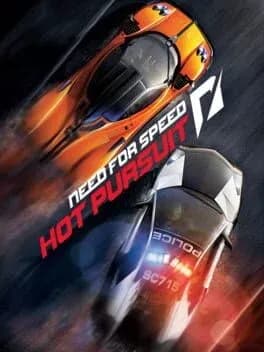
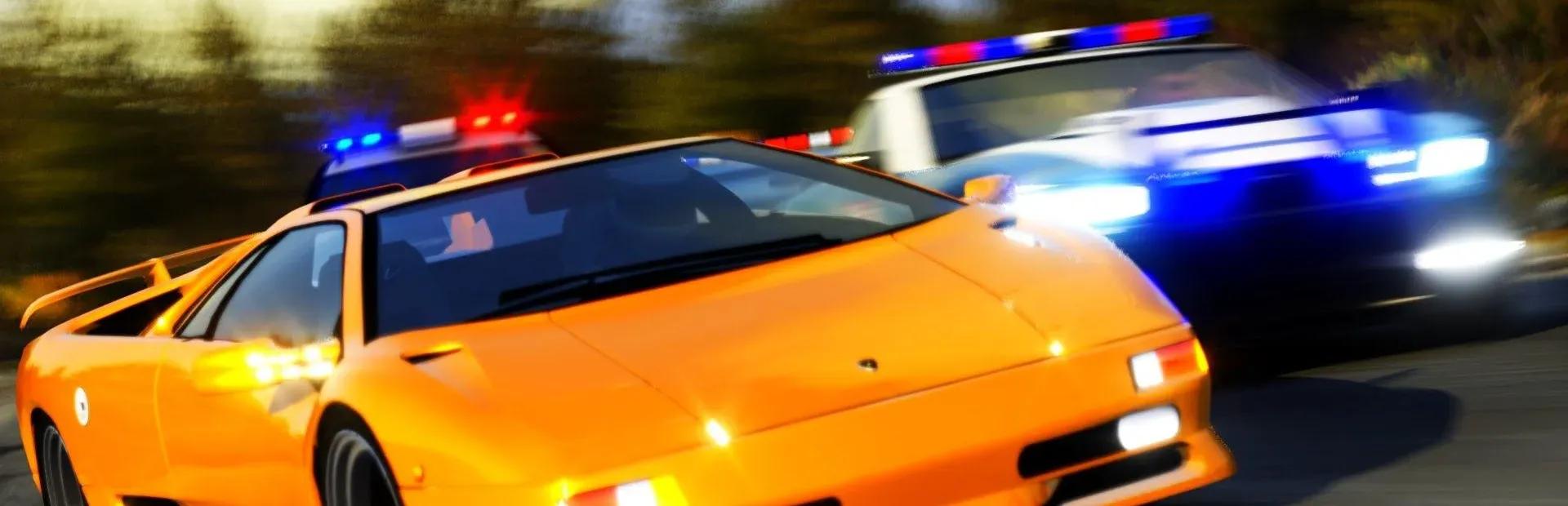
Need for Speed III: Hot Pursuit arrived in March 1998 and immediately separated itself from the competition by making police chases a core mechanic rather than a background threat. EA Seattle built the game around a simple but compelling premise: drive some of the world's most exotic cars at illegal speeds across open scenic roads, and deal with the consequences when law enforcement shows up. That tension between raw speed and the threat of getting caught gives the game an energy that pure lap-based racers rarely match.
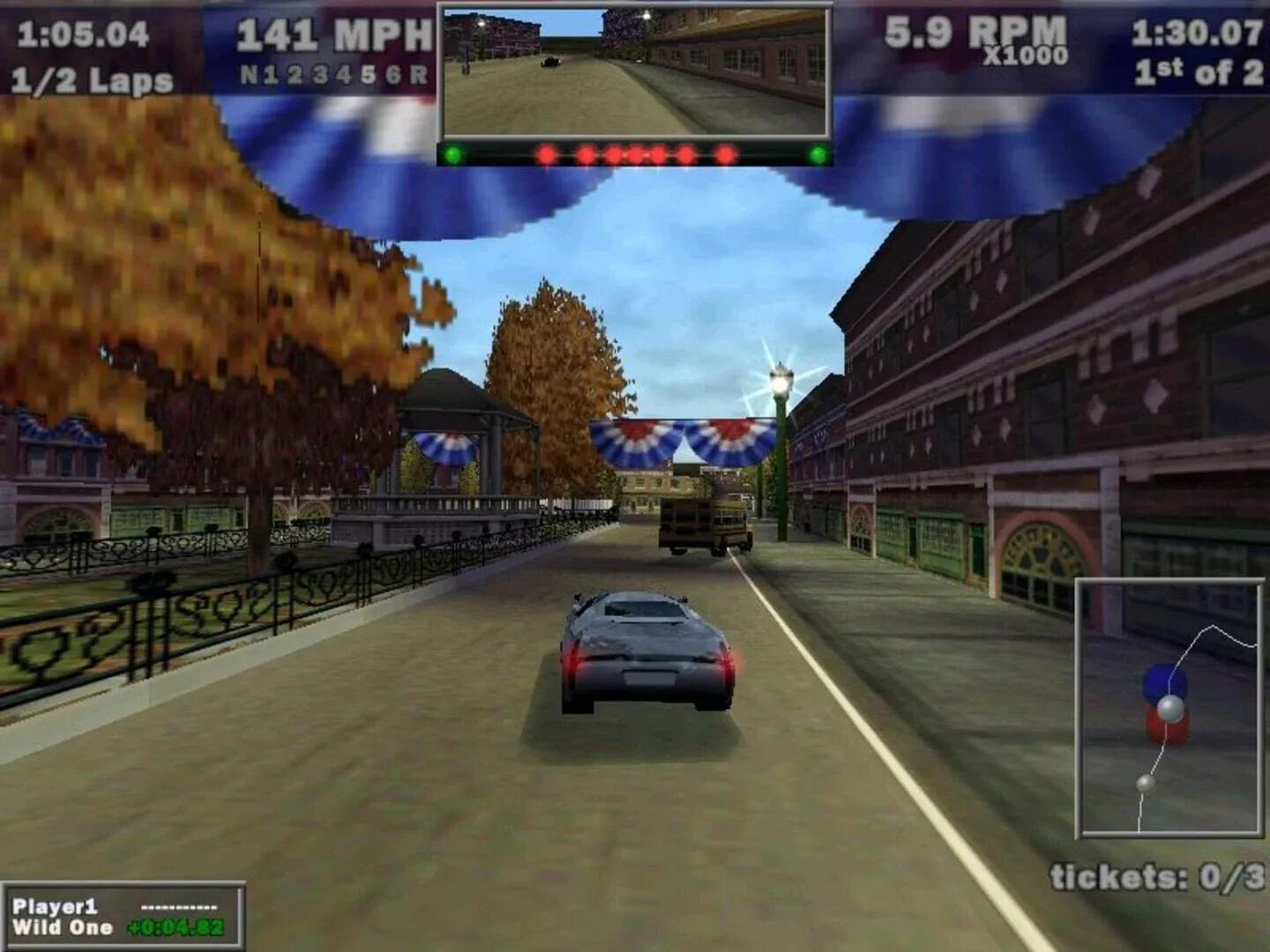
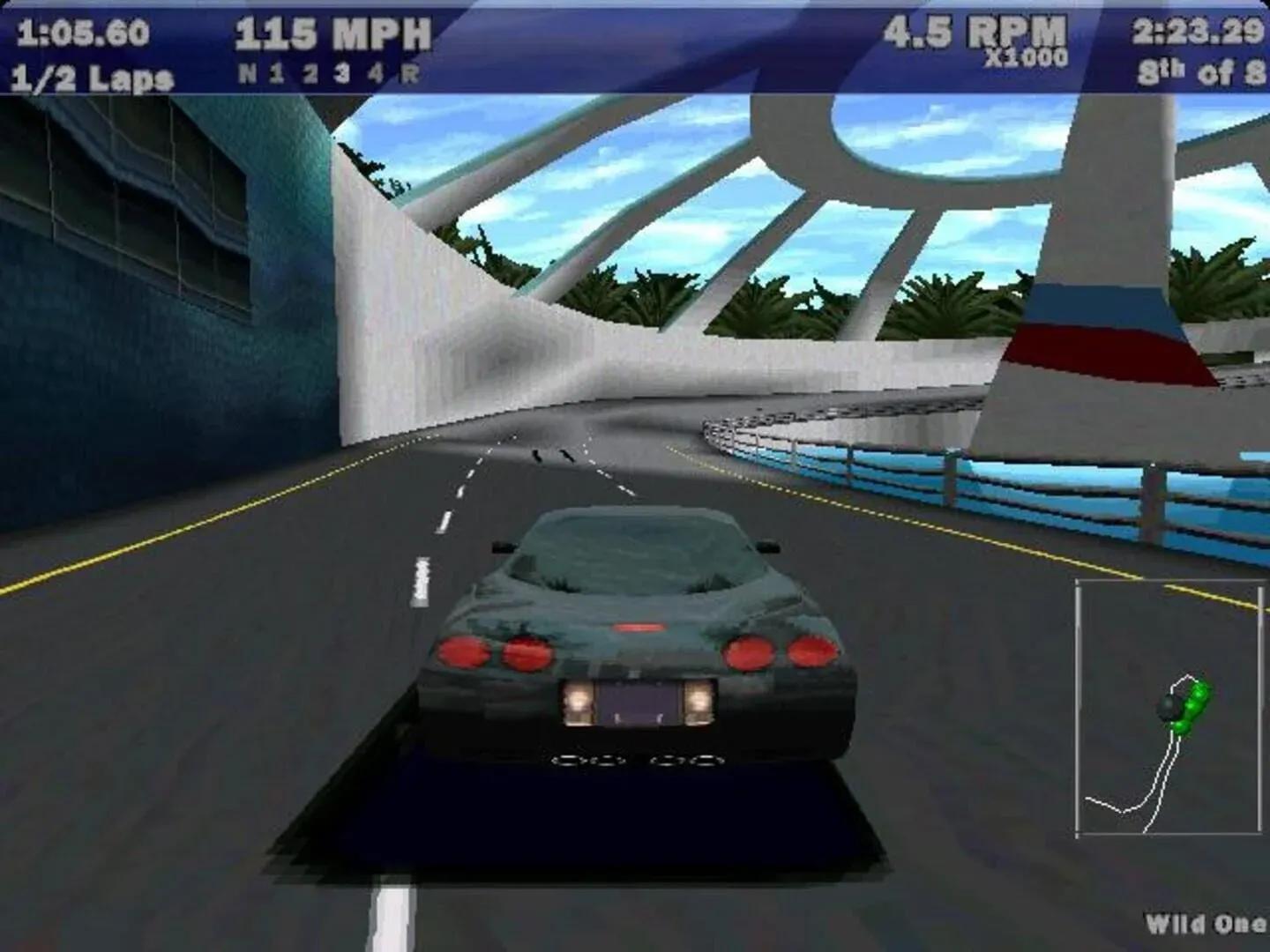
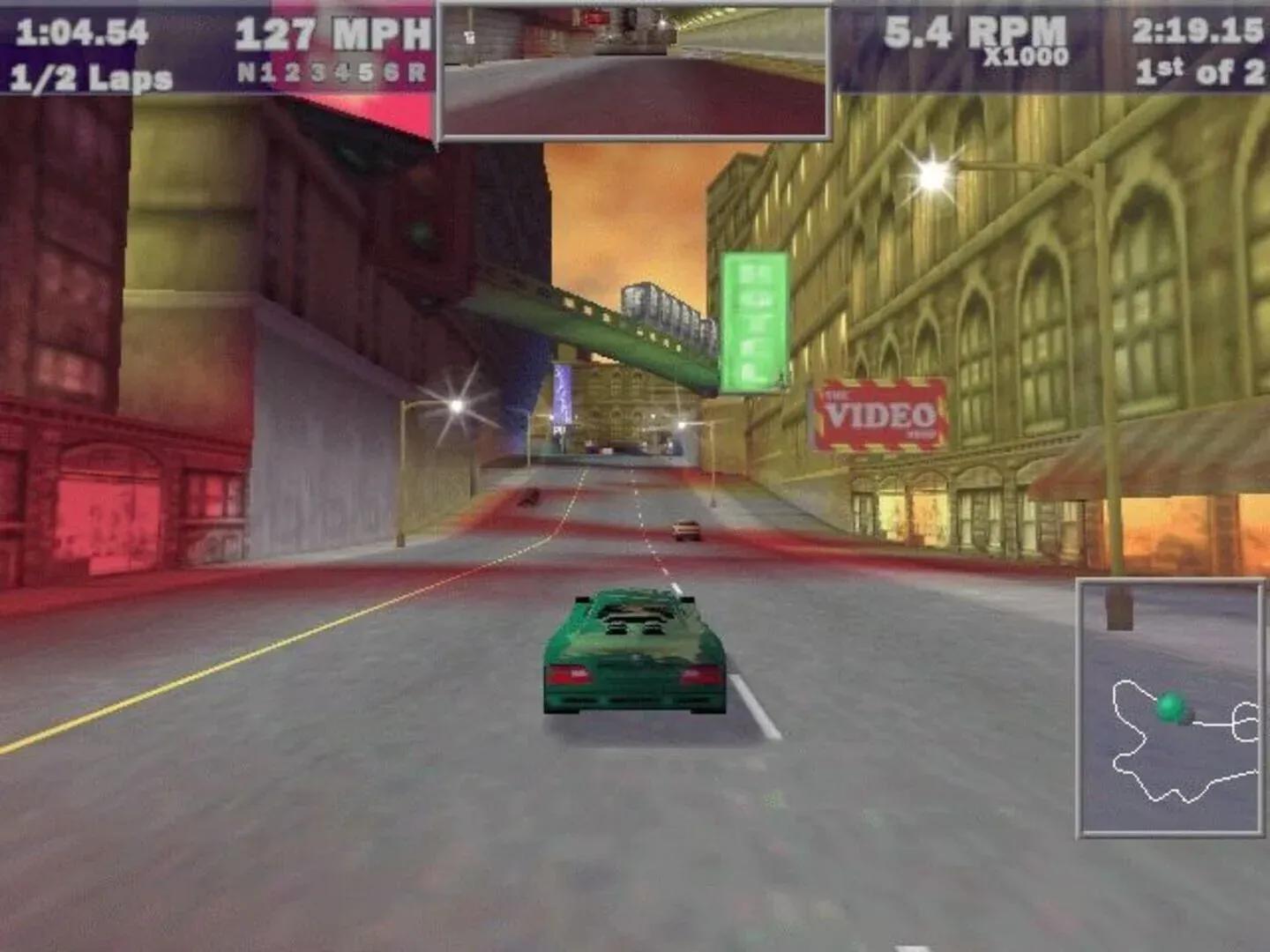
The track design leans into the fantasy hard. Roads wind through forests, mountain passes, and coastal highways, each one feeling less like a circuit and more like a stretch of real road you were never supposed to drive this fast on. Three difficulty settings and multiple race modes give players enough structure to progress without making the game feel like a chore.
Need for Speed III: Hot Pursuit content image
Gameplay and mechanics
The core loop in Hot Pursuit is straightforward and satisfying. Pick a car, pick a track, and go as fast as the game will let you. The key features that define the experience include:
- Police pursuit system with escalating response
- Exotic licensed car roster
- Multiple race modes including tournament and single race
- Switchable police perspective
- Scenic open-road track design
What makes the pursuit system work is the escalation. Police start with a single patrol car and ramp up to roadblocks and helicopter surveillance if you keep evading. Playing as the cop flips the script entirely, turning the game into something closer to an interception puzzle than a straight race.
Need for Speed III: Hot Pursuit content image
What cars does Need for Speed III: Hot Pursuit feature?
The car roster was a genuine selling point in 1998. EA Seattle secured licenses for some of the most desirable exotics of the era, including vehicles from Ferrari, Lamborghini, and Porsche. Each car handles differently enough that swapping between them changes how you approach a track. Faster cars demand more precise braking; slower ones let you carry corner speed more aggressively. The selection is not enormous by modern standards, but every car in the roster feels like it belongs there.
Impact and legacy
Hot Pursuit is widely credited with establishing the police chase as a staple mechanic in the Need for Speed series. The 2010 Criterion-developed reboot and the 2020 Remastered version both carry the same title because the concept proved durable enough to revisit twice. The original 1998 release holds a specific kind of nostalgia for players who grew up with it on PlayStation or PC, not just because of the cars or the chases, but because the combination of licensed exotics and open-road tracks felt genuinely aspirational in a way that few racing games managed at the time.
Need for Speed III: Hot Pursuit content image
Platforms and availability
The game originally launched on PlayStation and Windows in 1998. A remastered version developed by Stellar Entertainment and published by Electronic Arts later brought the Hot Pursuit experience to modern platforms including Nintendo Switch, Xbox, and PC via Steam and the Epic Games Store. The remaster adds cross-platform multiplayer for up to 8 players and a suite of quality-of-life improvements, while keeping the underlying arcade racing structure intact. For players discovering the series for the first time or returning after years away, the remastered version is the most accessible entry point into what remains one of the most influential police-chase racing games ever made.