Overview
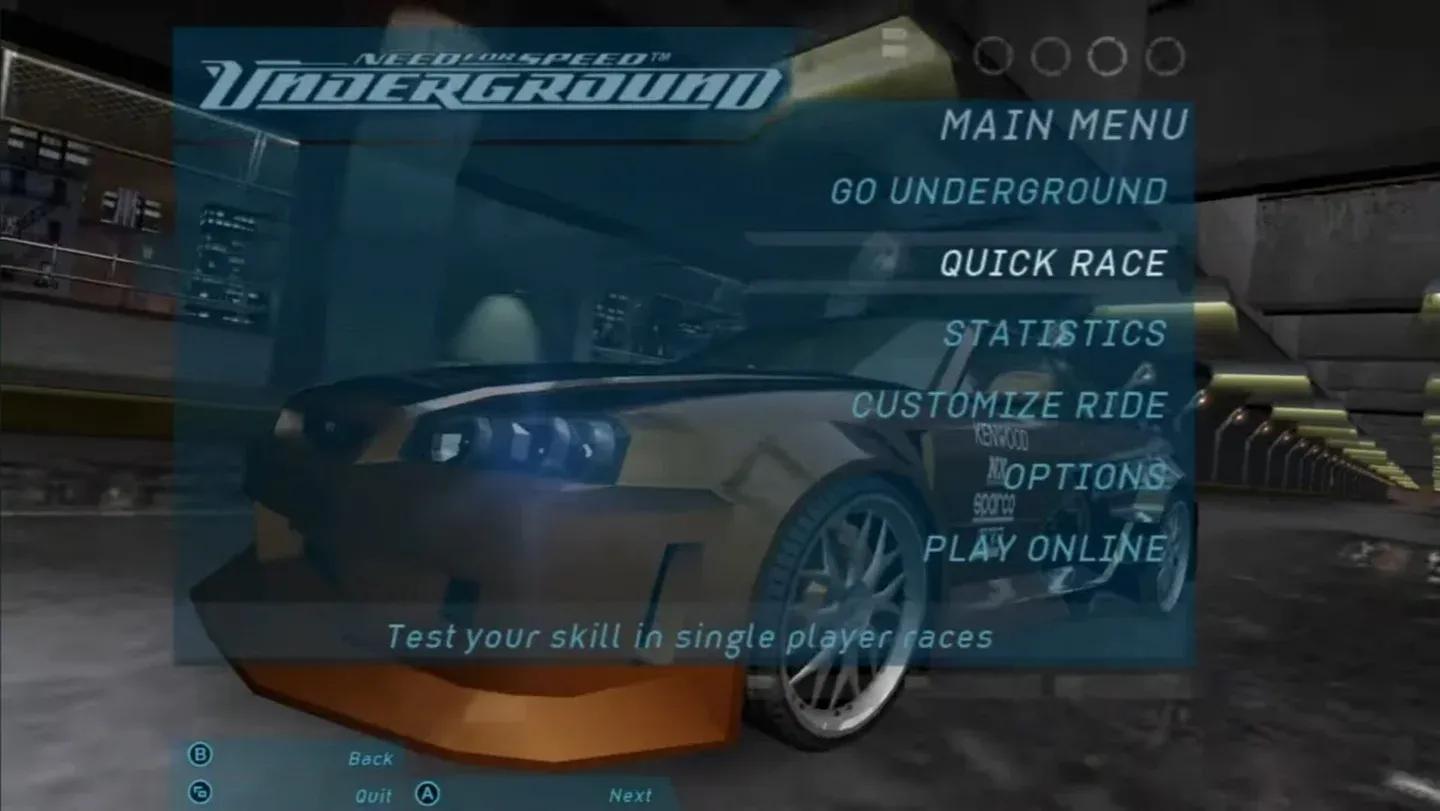
Need for Speed: Underground arrived in November 2003 as the seventh entry in the series, but it felt more like a fresh start than a sequel. Developed by EA Black Box and published by Electronic Arts, it ditched the exotic sports cars that defined earlier NFS games and replaced them with tuner culture, neon-lit streets, and the kind of illegal racing scene that was dominating pop culture at the time. The shift was bold and it paid off, with Underground becoming one of the best-selling racing games of that generation.
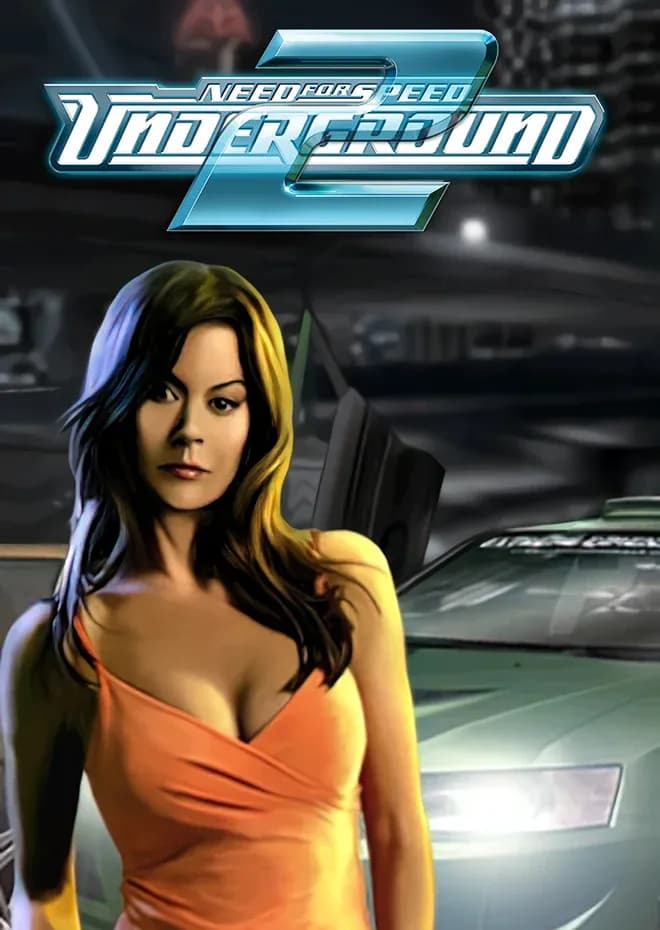
Set in the fictional Olympic City, the game drops you into a career that actually has a narrative spine. You play as an unnamed street racer arriving as an unknown, guided by a contact named Samantha through the city's underground racing hierarchy. The story runs through circuit races, drag strips, and drift competitions, eventually building to a rivalry with Eddie, the top racer in the city and leader of The Eastsiders crew. The plot isn't Shakespeare, but it gives the progression genuine stakes and a memorable cast of characters for a racing game.
Gameplay and mechanics
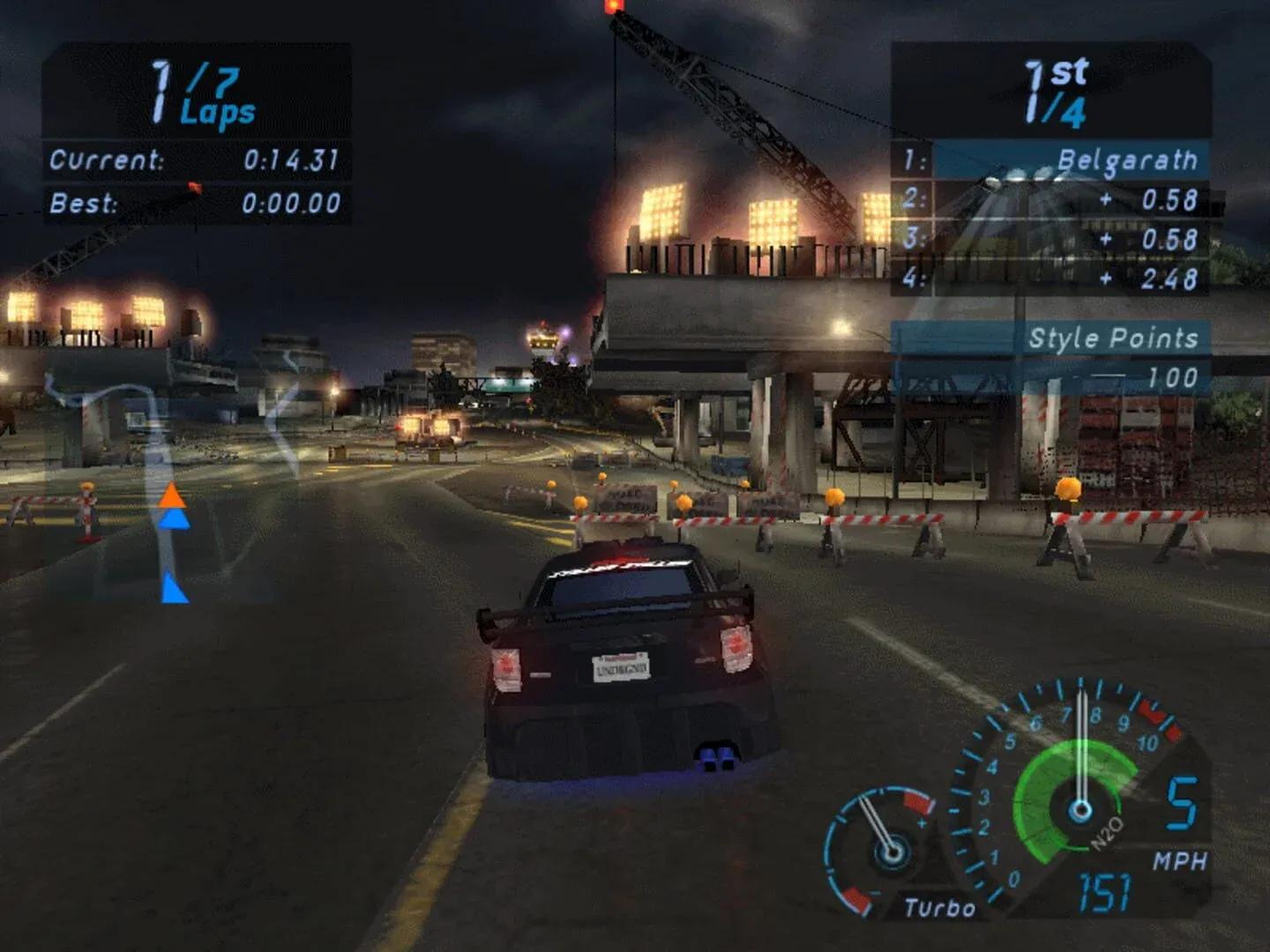
Underground's core loop is straightforward: race, earn money and reputation, upgrade your car, race again. What makes it work is how satisfying each step feels. The key race types on offer are:
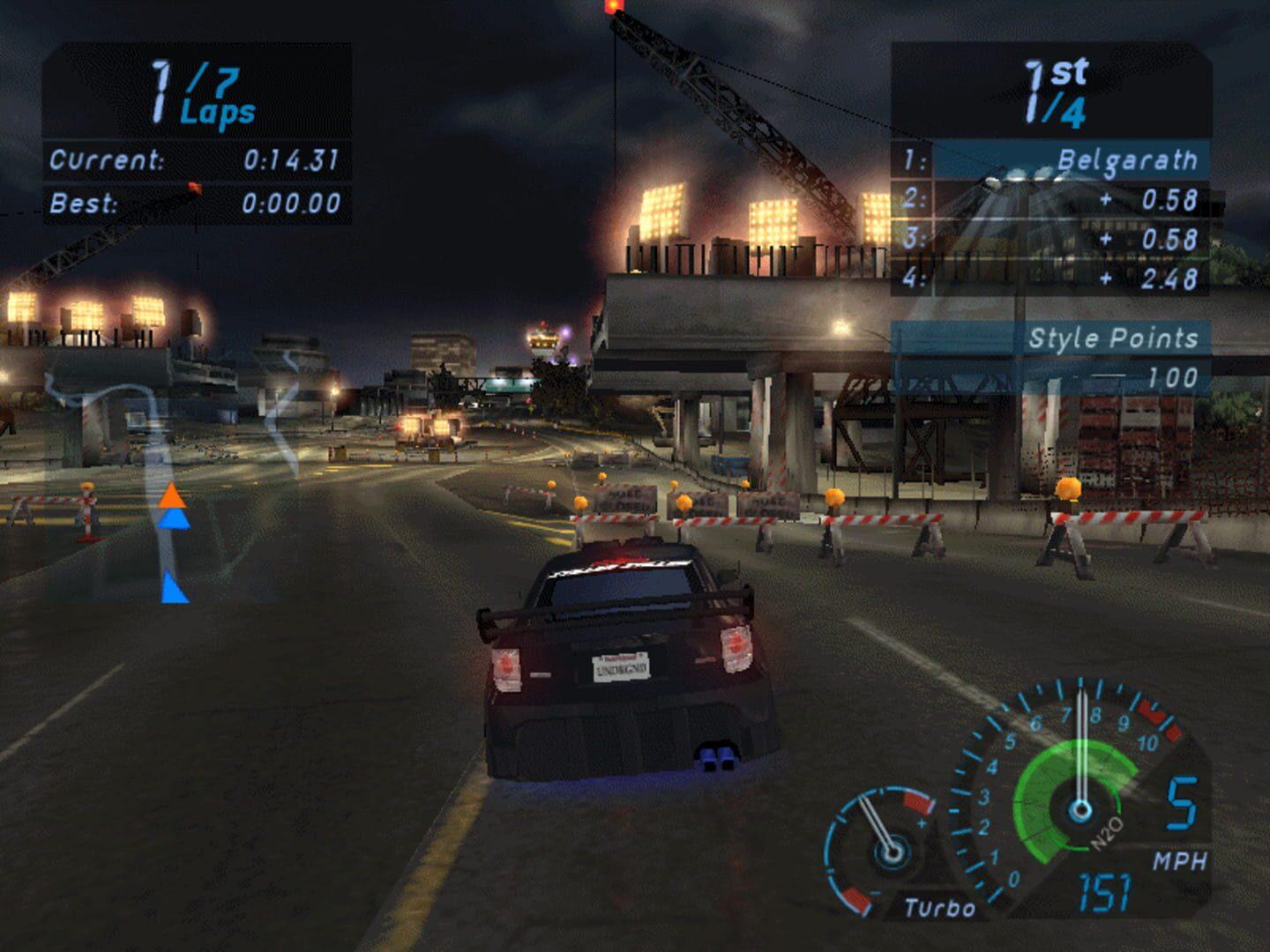
- Circuit racing (multi-lap track events)
- Sprint races (point-to-point runs)
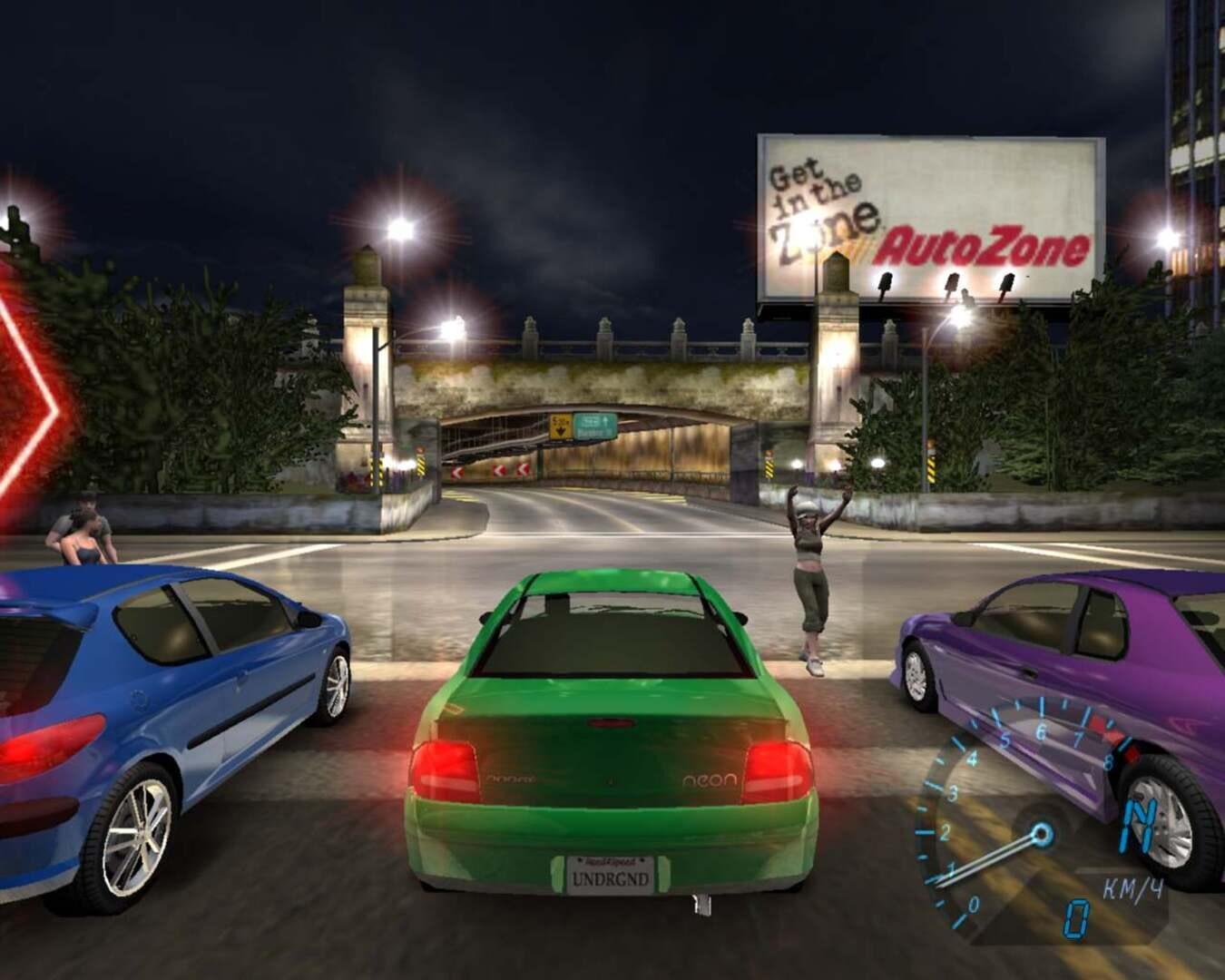
- Drag racing (straight-line reaction and gear timing)
- Drift competitions (scored on angle and style)
Each discipline demands a different approach and rewards different car builds, which keeps the career mode from going stale. Drag racing in particular stands out as its own puzzle, requiring precise gear shifts and lane changes at high speed rather than just raw acceleration.
What makes the car customization so deep?
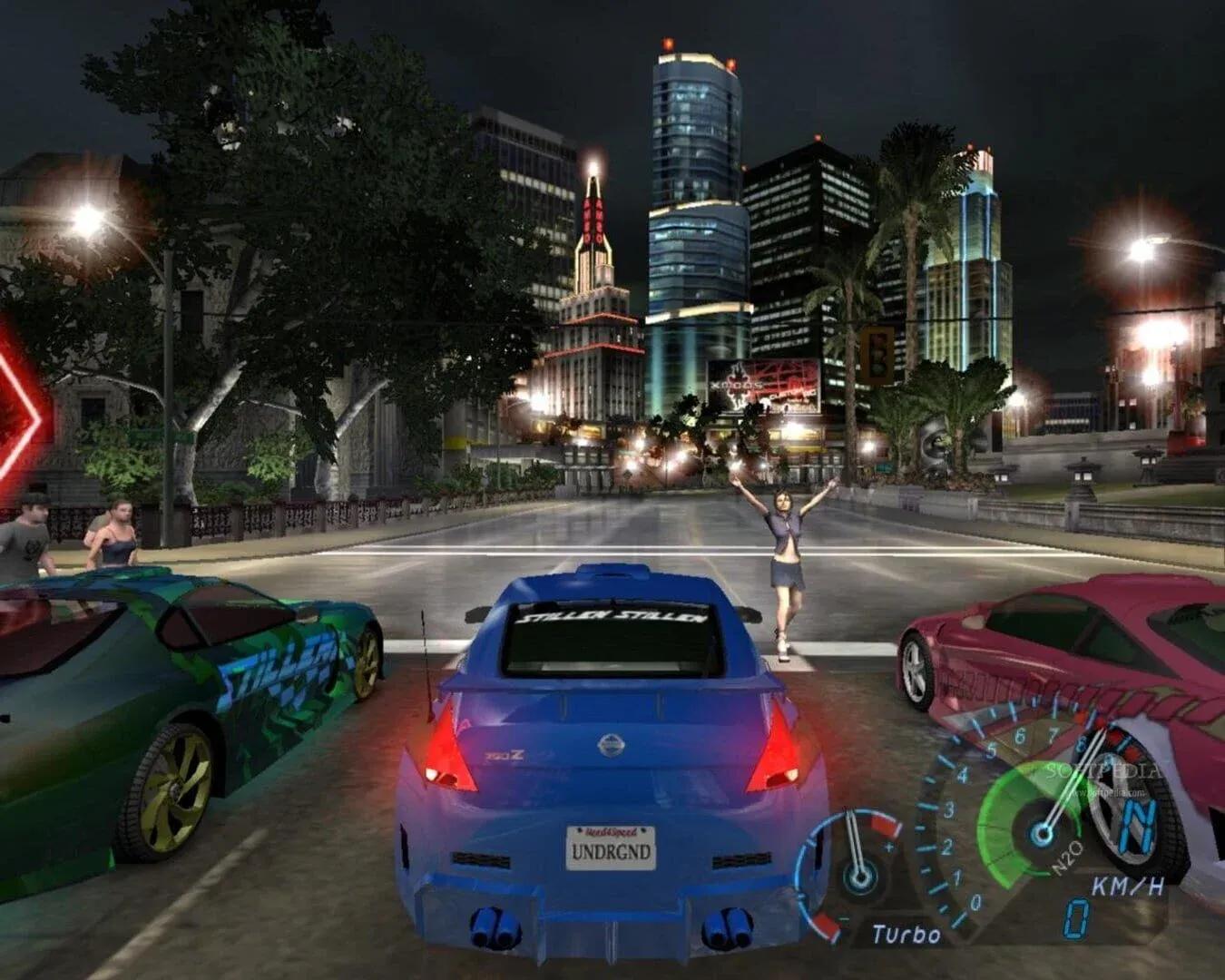
The garage mode is where Underground genuinely separated itself from every racing game before it. Cars can be modified with performance parts covering engine, transmission, suspension, and tires, but the visual customization goes even further. Body kits, spoilers, hoods, rims, window tints, neon underglow, vinyl wraps, and custom paint jobs are all available from real-world brand-name manufacturers. The sheer number of combinations means two players can finish the career with the same base car and have vehicles that look completely different.
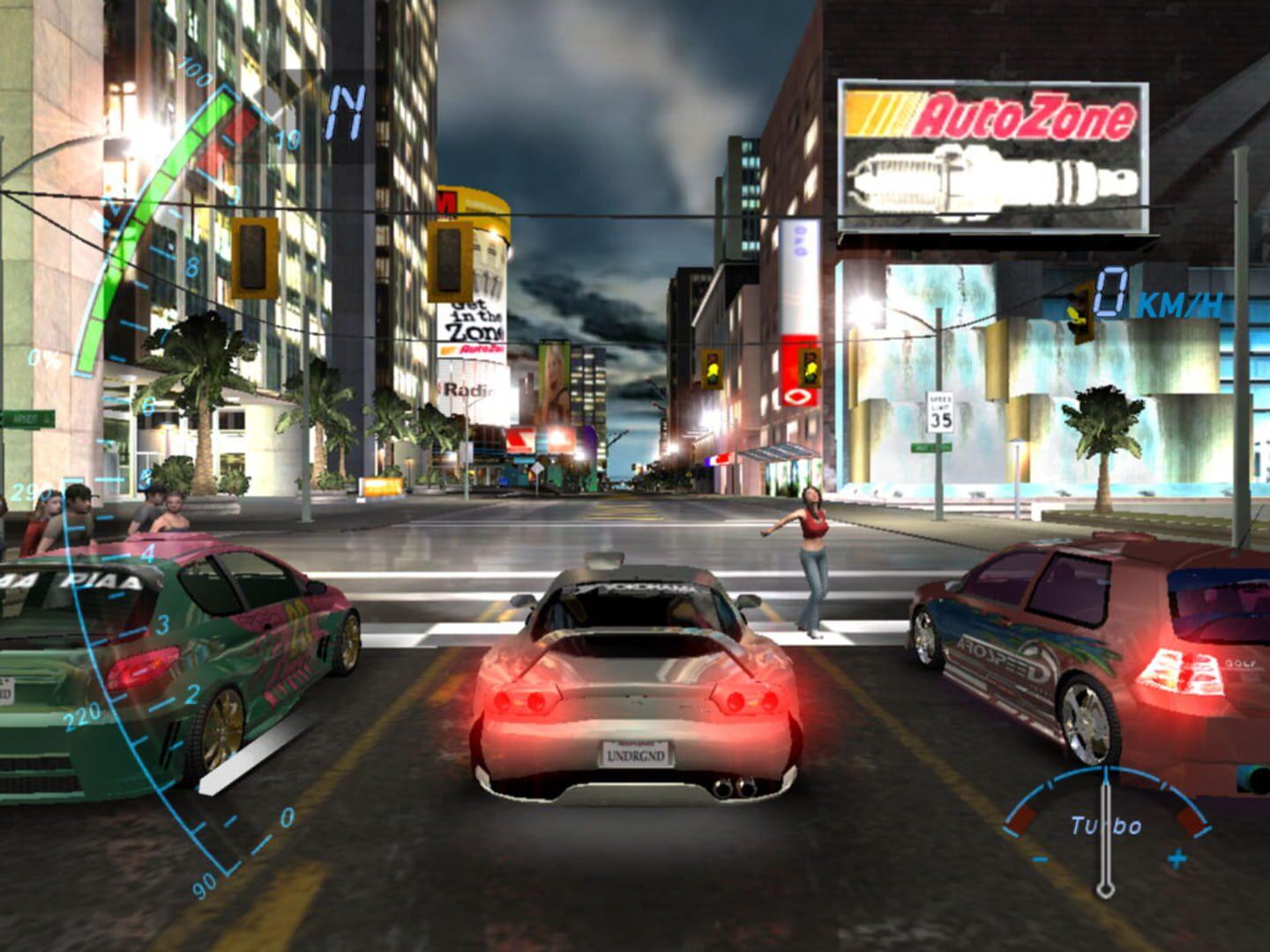
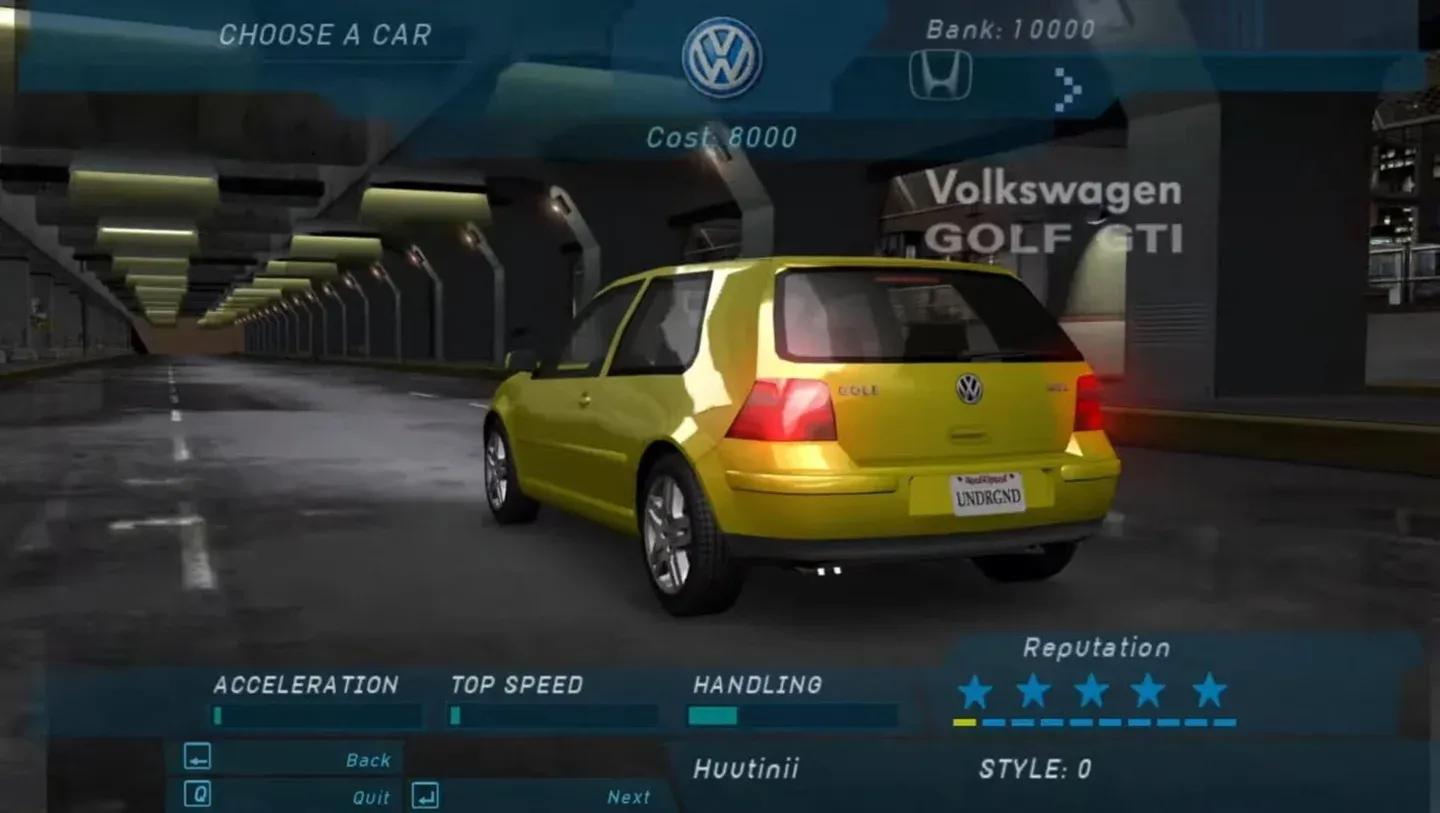
The licensed car roster includes vehicles like the Mitsubishi Lancer Evolution, Subaru Impreza WRX, Nissan Skyline, and Toyota Supra, all of which were cultural touchstones for tuner fans at the time. Every upgrade is visible on the car, which gave the customization system a tactile feedback loop that was rare in 2003.
Visual and audio design
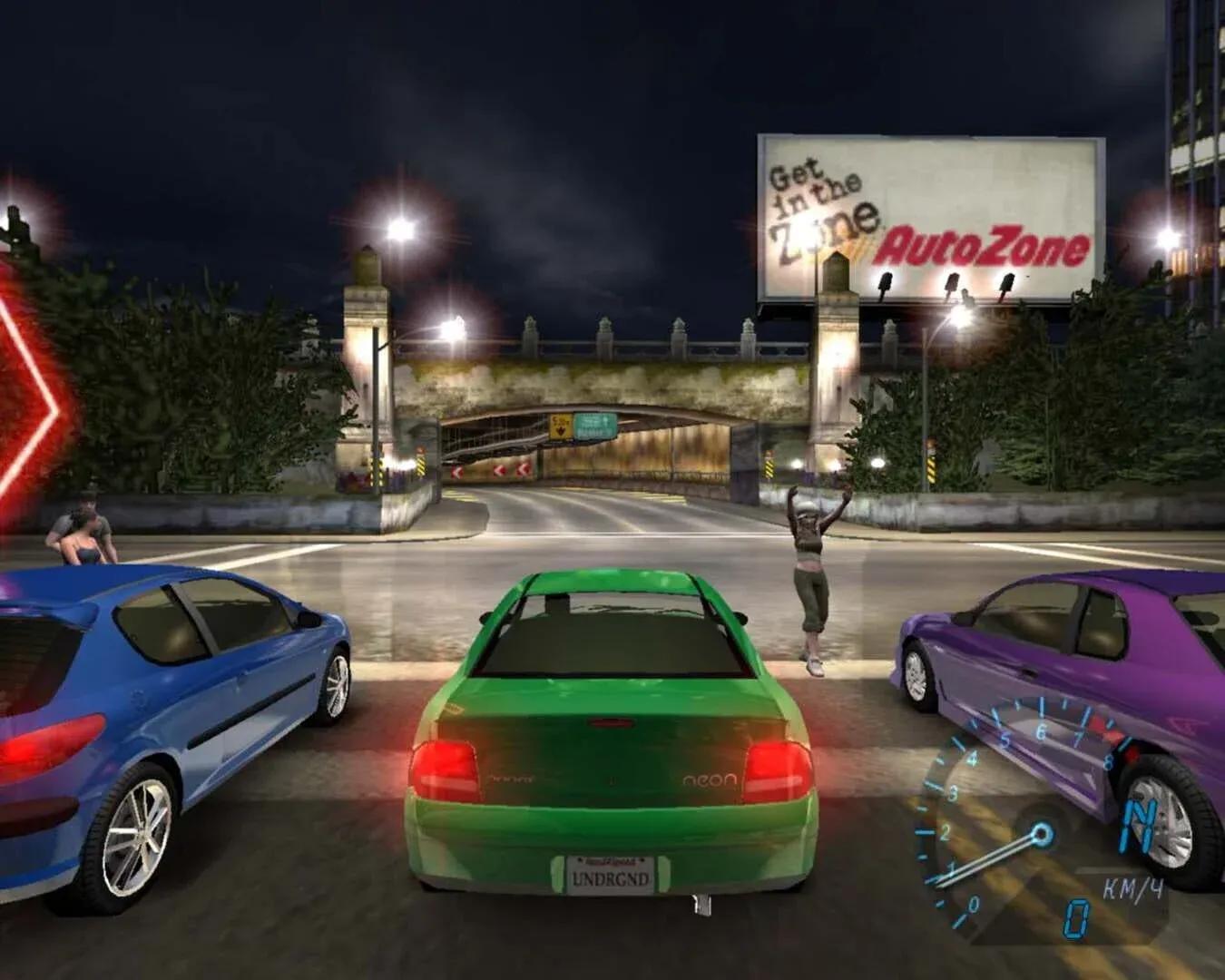
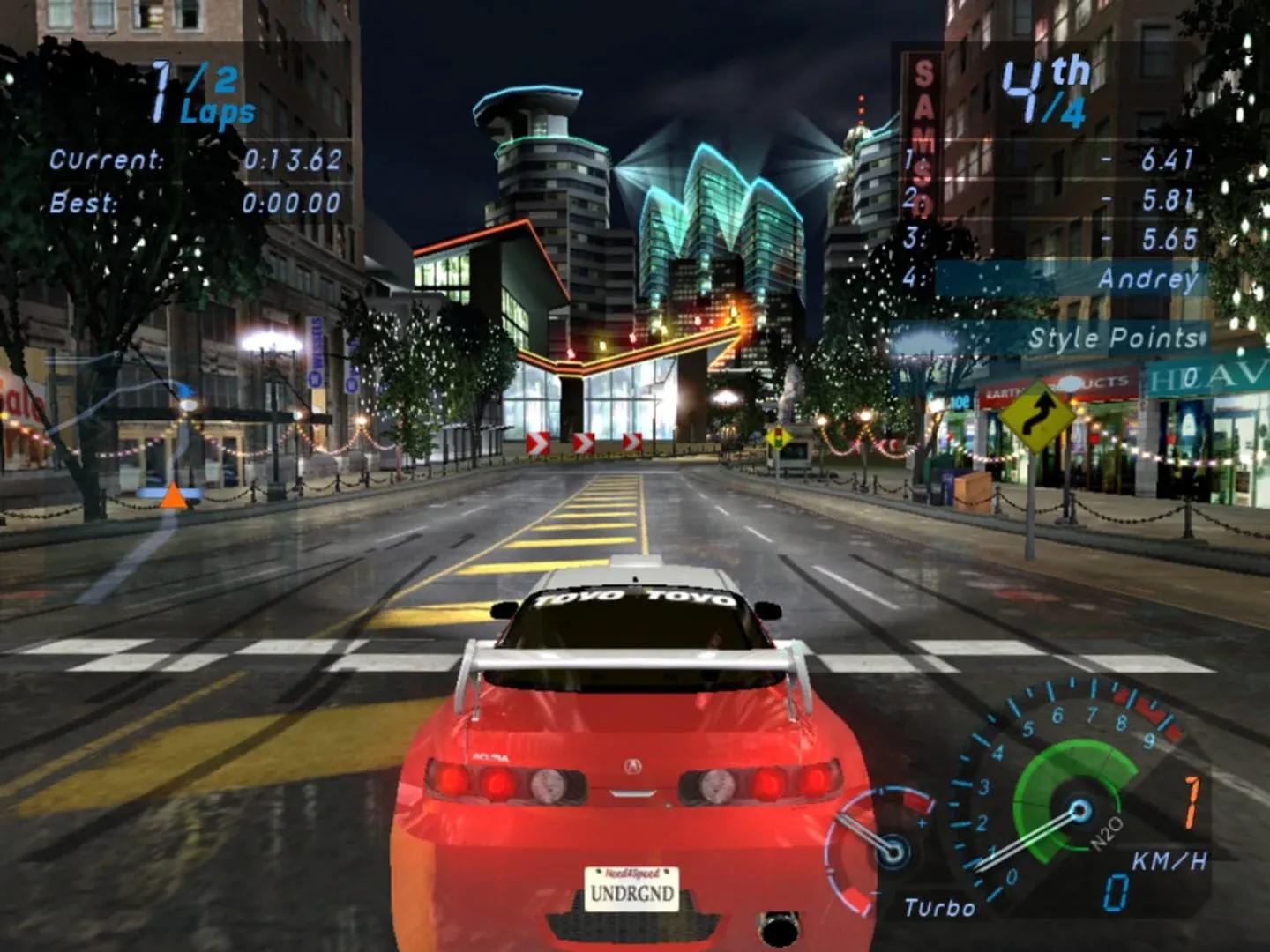
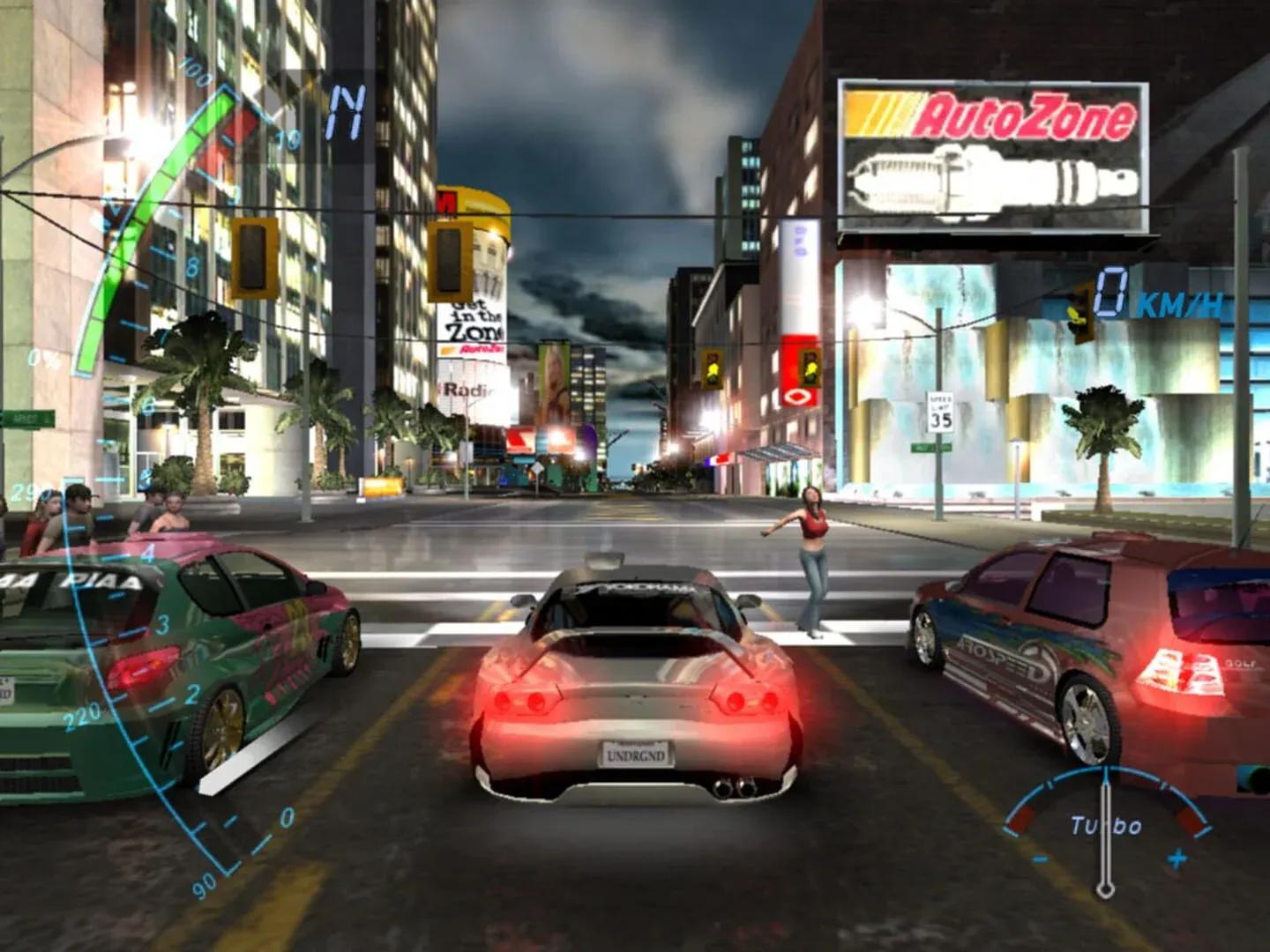
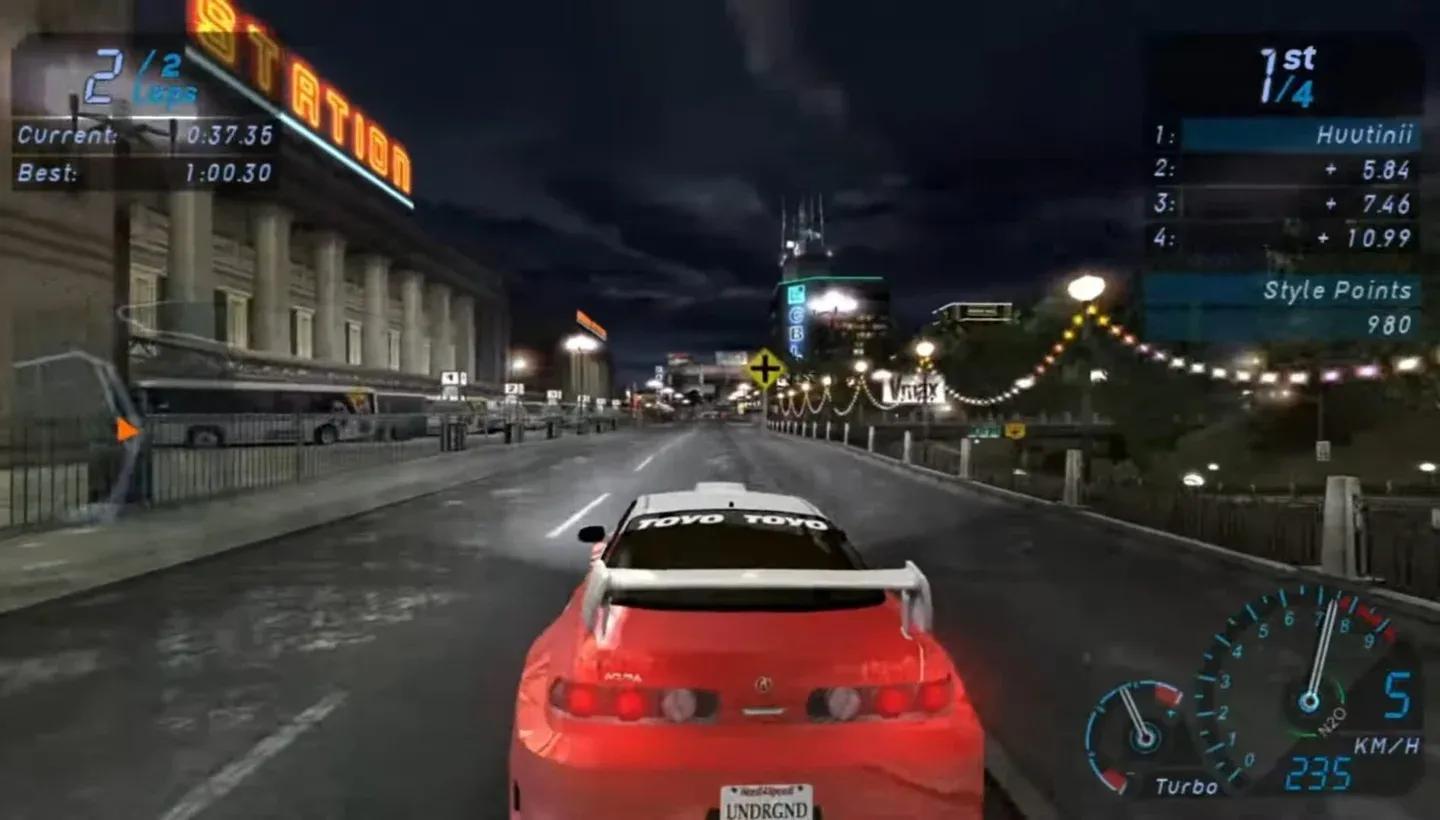
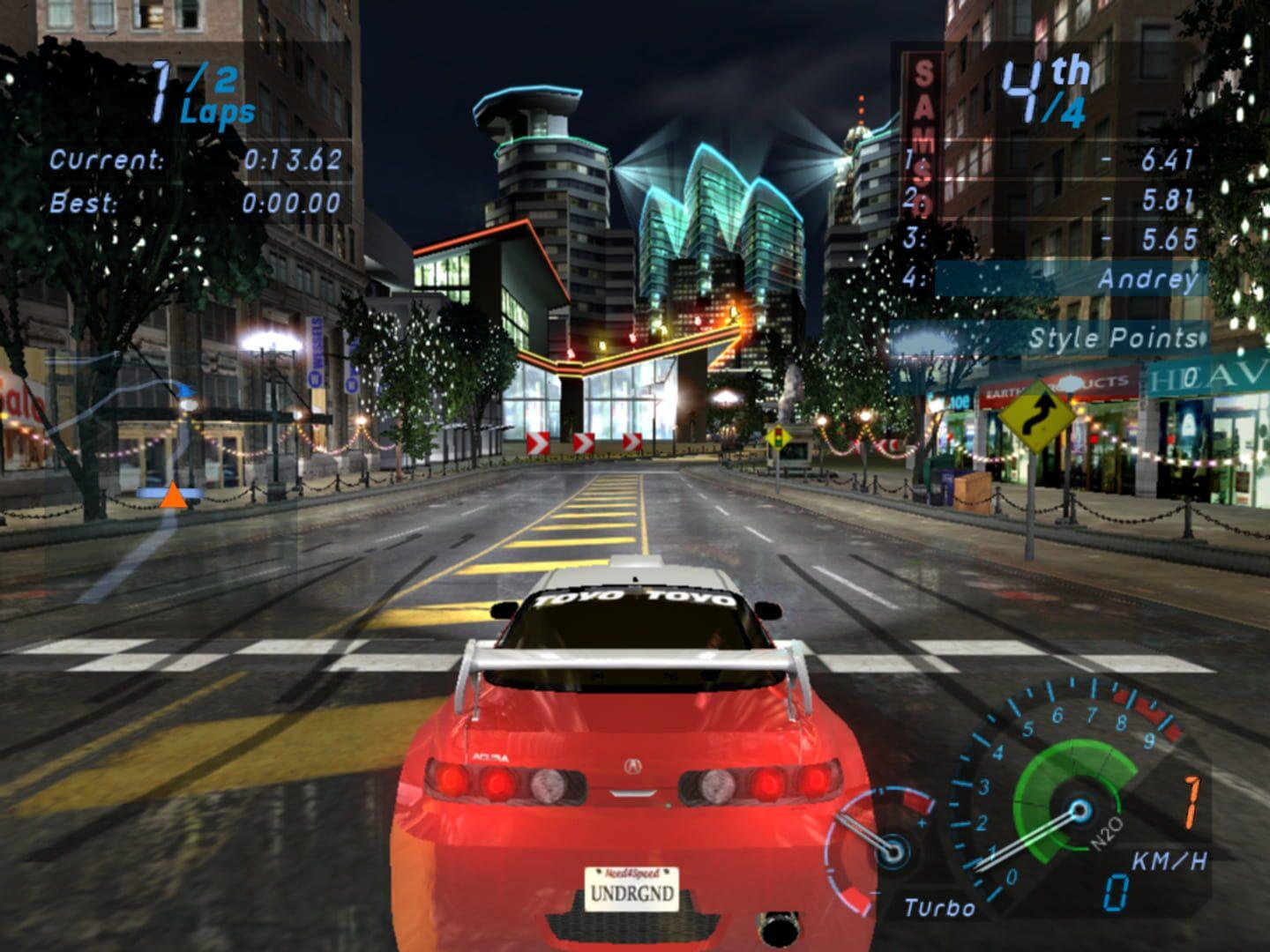
For a 2003 release, Underground's visual presentation holds up in specific ways. The night-only racing environment was a deliberate design choice that let the lighting engine do heavy lifting, with headlights, neon, and streetlights creating a genuinely atmospheric look. Motion blur during high-speed runs was a technical showpiece at the time.
The soundtrack leans hard into early 2000s hip-hop and rock, featuring tracks from artists including Rob Zombie, Mystikal, and Spineshank. It's a time capsule, but an accurate one for what underground street racing culture sounded like in that era. The audio design pairs well with the visual style, and the engine sounds are tuned to make even modest cars feel fast.
Impact and legacy
Underground's influence on the racing genre is hard to overstate. It spawned a direct sequel in 2004 and set the template for the Most Wanted and Carbon entries that followed. The career structure, deep visual customization, and story-driven progression it introduced became standard features across racing games for the better part of a decade. On PC and Xbox, the game remains a reference point for what tuner-style racing games can accomplish when the customization system is built with genuine depth rather than surface-level cosmetics.