Overview
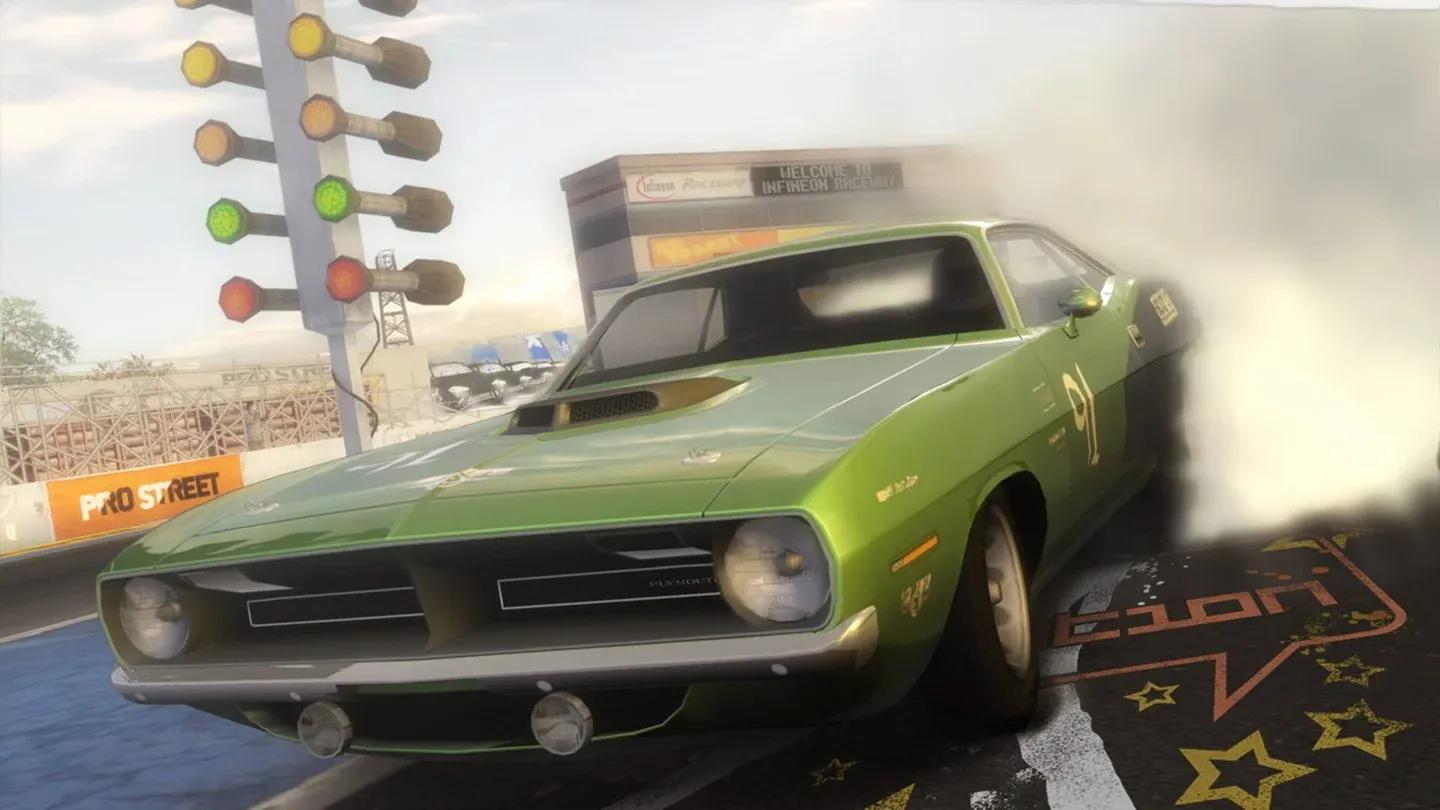
Need for Speed: ProStreet represents a deliberate pivot for the franchise. Released in November 2007 by EA Black Box, it trades the illegal midnight runs of Most Wanted and Carbon for organized race days with real consequences, including a damage system that can total your car if you push too hard. The result is a racing simulation experience that rewards preparation as much as reflexes.
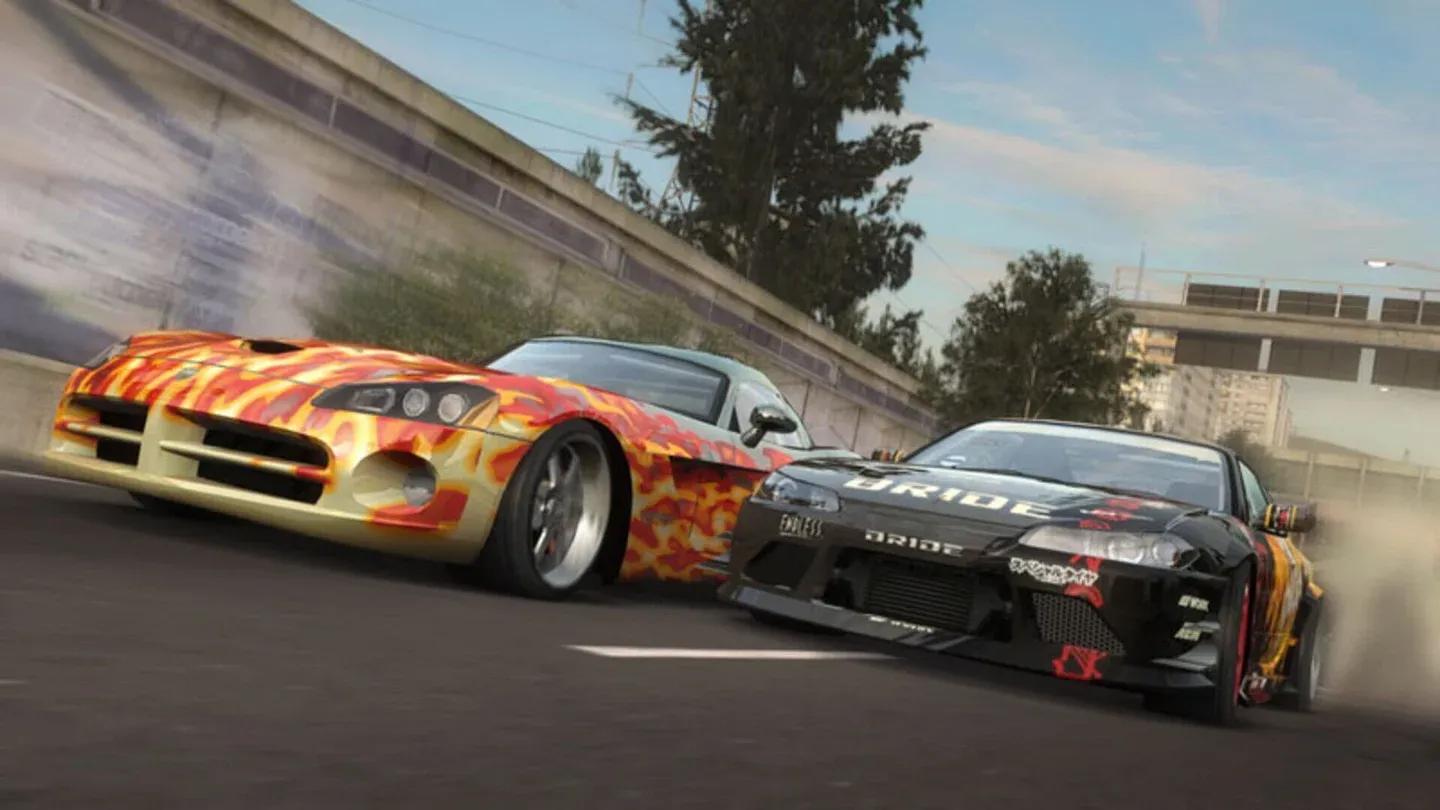
Playing as Ryan Cooper, a street racer with ambitions well above his starting Nissan 240SX, you work through a series of race days spread across real-world locations. Each event is a structured competition, not a free-roam session, and your reputation grows only when you beat the best in their own discipline. Sponsorships follow victories, unlocking better events and parts, building a progression loop that keeps the garage constantly evolving.
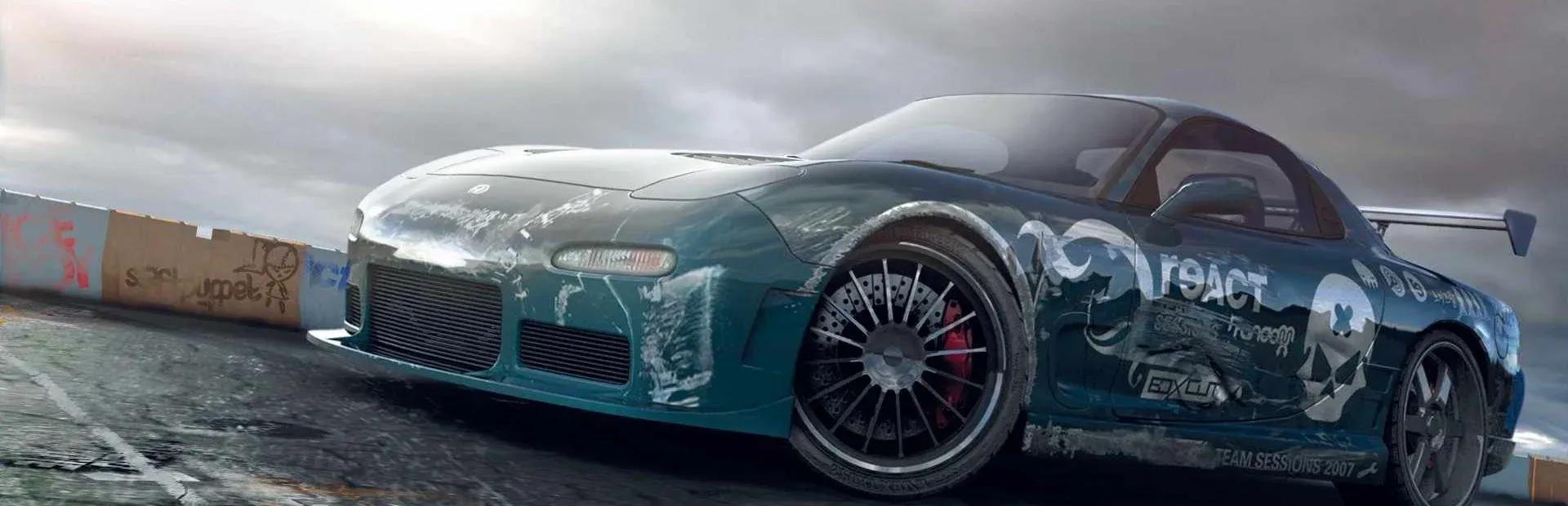
Need for Speed: ProStreet content image
ProStreet's departure from the NFS formula was divisive at launch, and that tension is part of what makes it interesting today. Players who wanted another underground-style street racer felt shortchanged. Players who wanted a game where tuning setups genuinely changed lap times found something the series rarely delivered before or since.
How does the racing structure work?
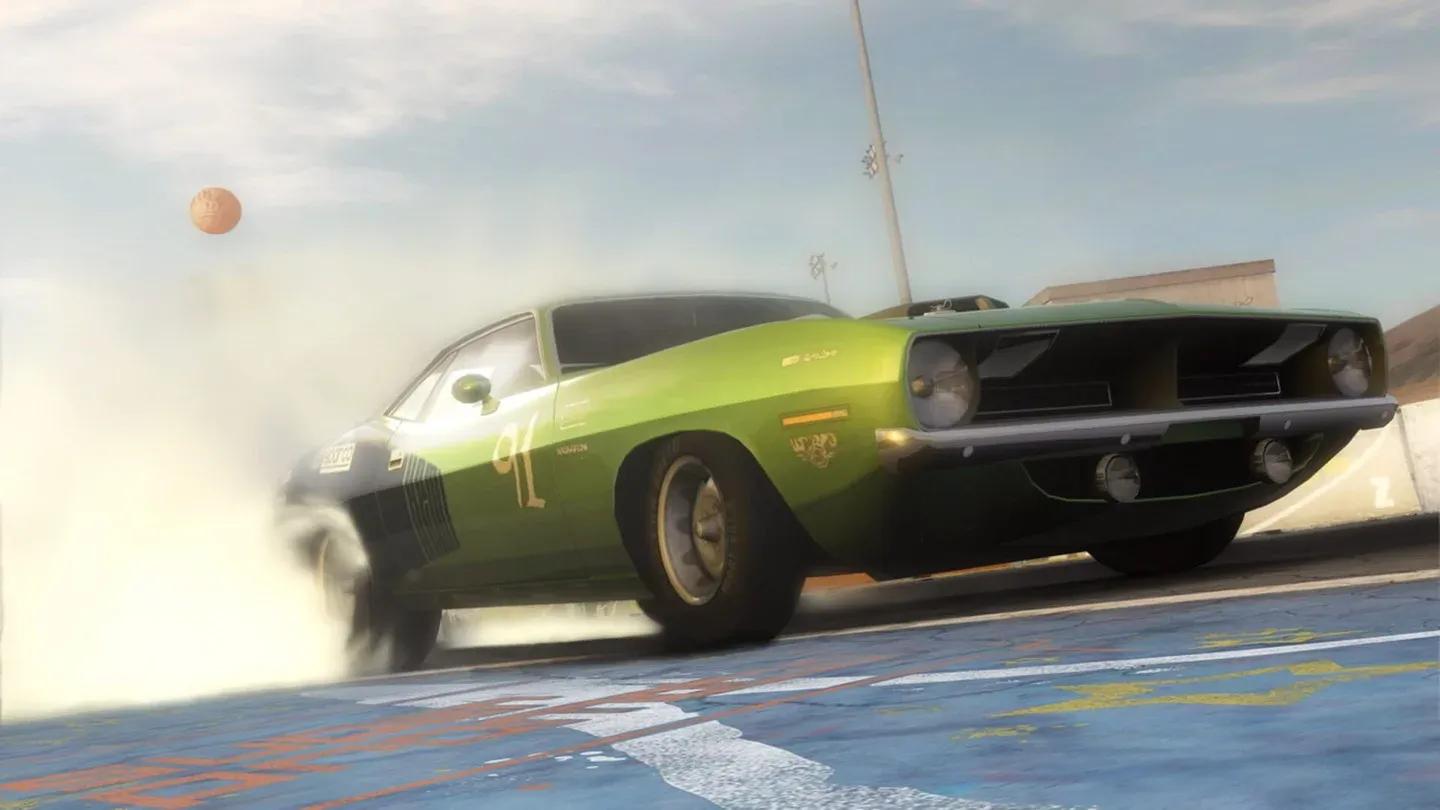
ProStreet organizes competition into four distinct racing disciplines, each demanding a different car build and driving approach:
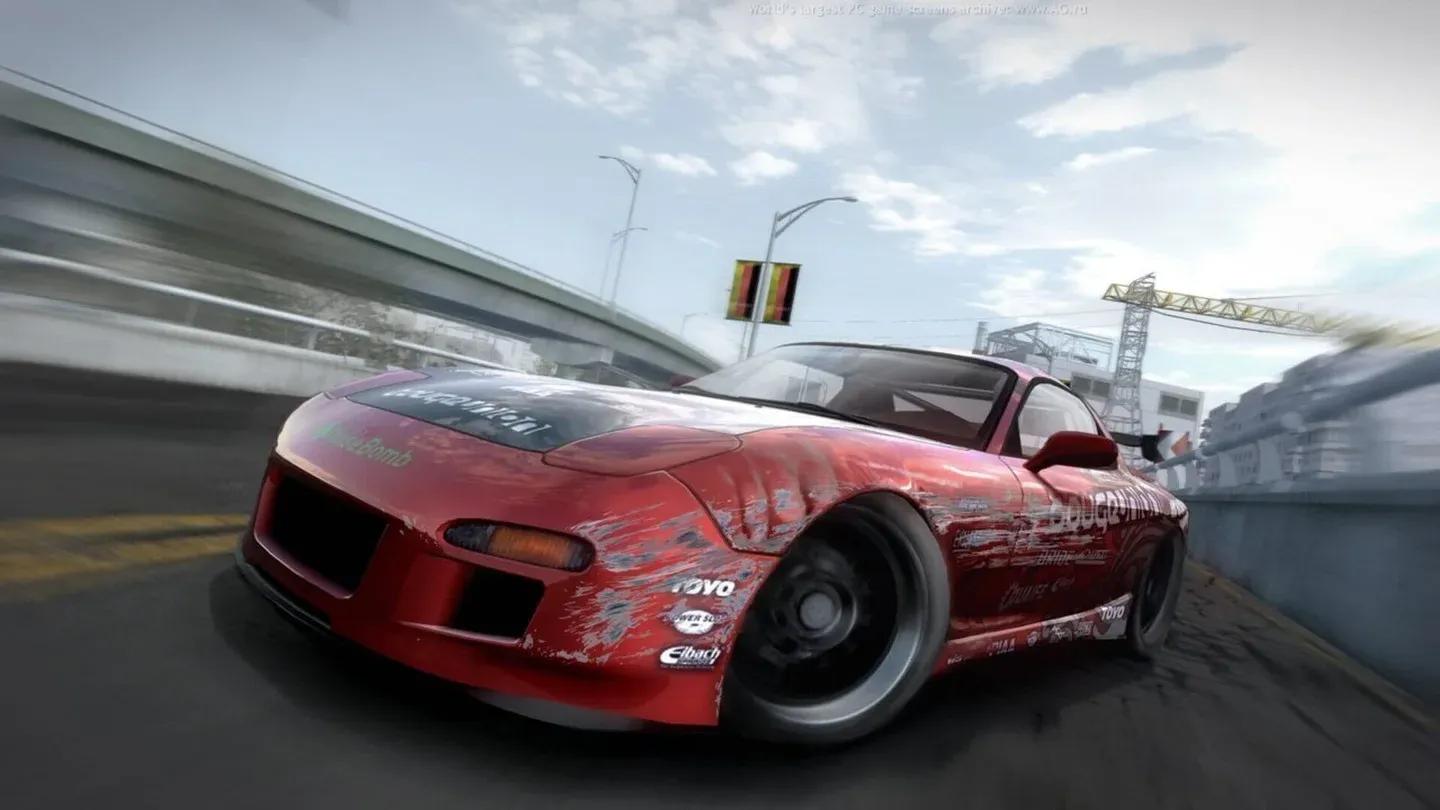
Need for Speed: ProStreet content image
- Grip: traditional circuit racing, lap times matter
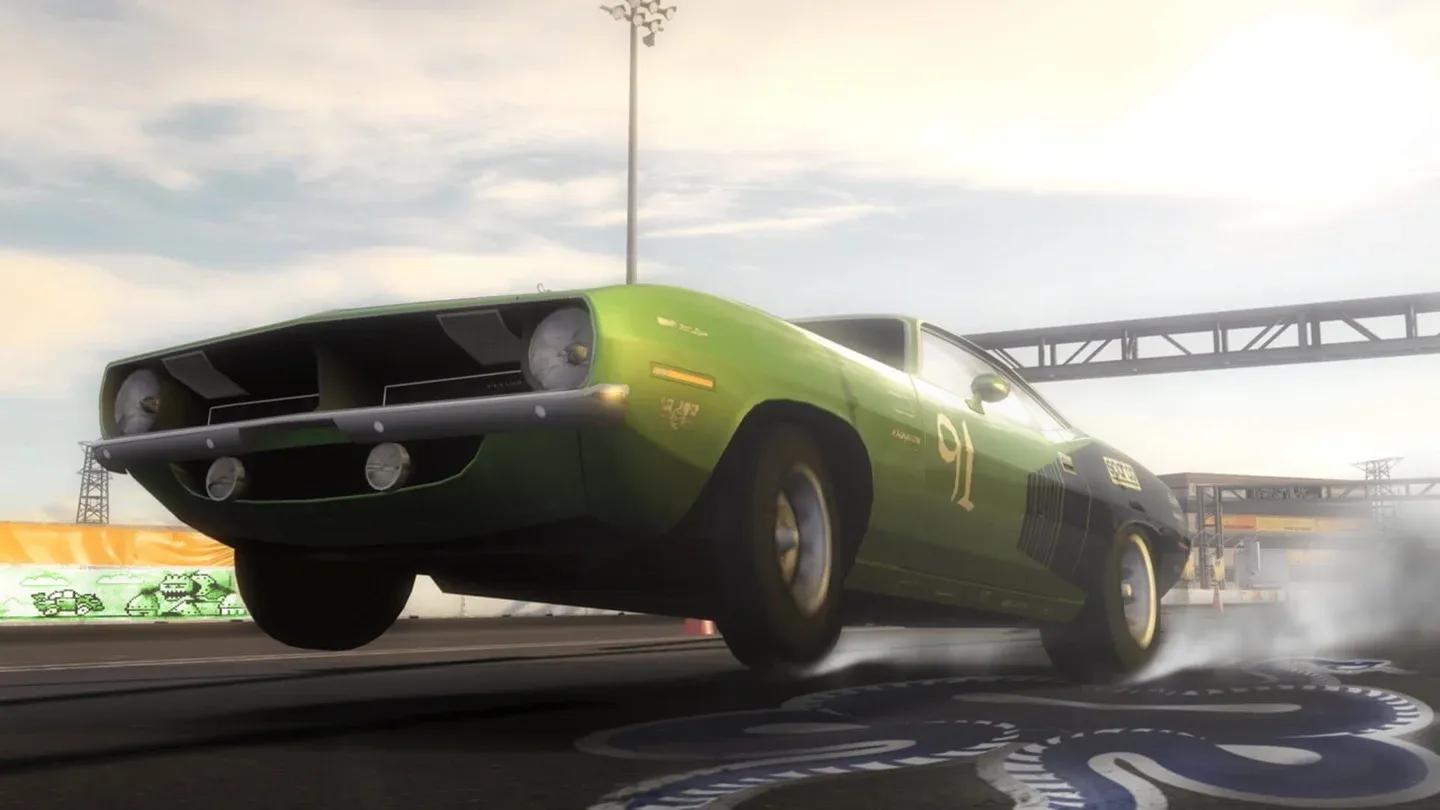
- Drag: straight-line acceleration and gear timing
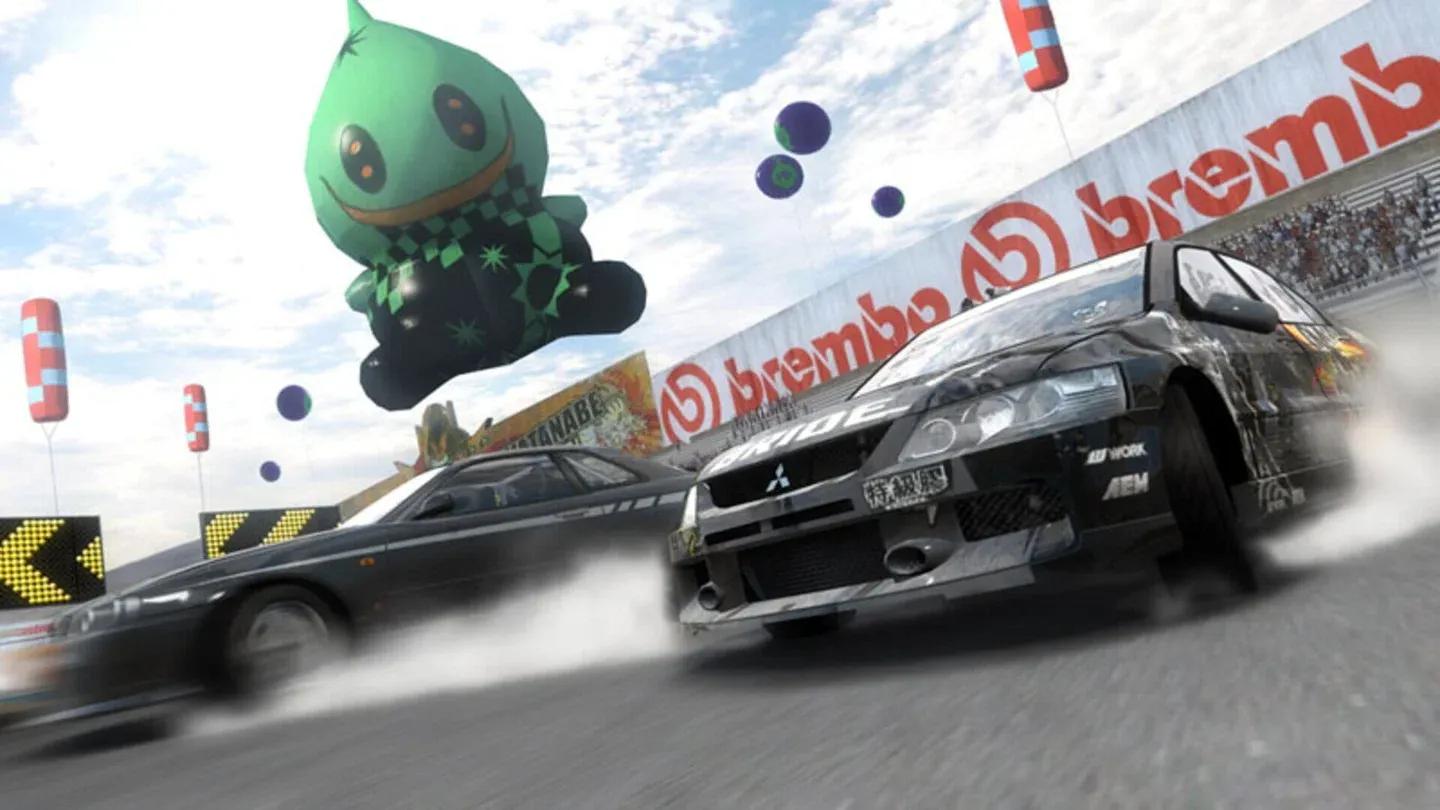
- Drift: scored on angle, speed, and style
- Speed Challenge: top-speed runs across long straights
This multi-discipline format means a car tuned for grip racing will underperform in a drag event. Building a single all-purpose machine is not really an option, which pushes players toward maintaining a garage of specialized vehicles rather than one upgraded hero car. That design choice alone separates ProStreet from most of its contemporaries in the street racing genre.
Car building and tuning depth
The customization system in ProStreet goes deeper than the visual bolt-ons the series was known for. Performance upgrades affect handling, acceleration, and top speed in ways the game actually simulates rather than just representing as stat bars. Dyno tuning, suspension adjustments, and gear ratio settings all feed into how a car behaves on track.
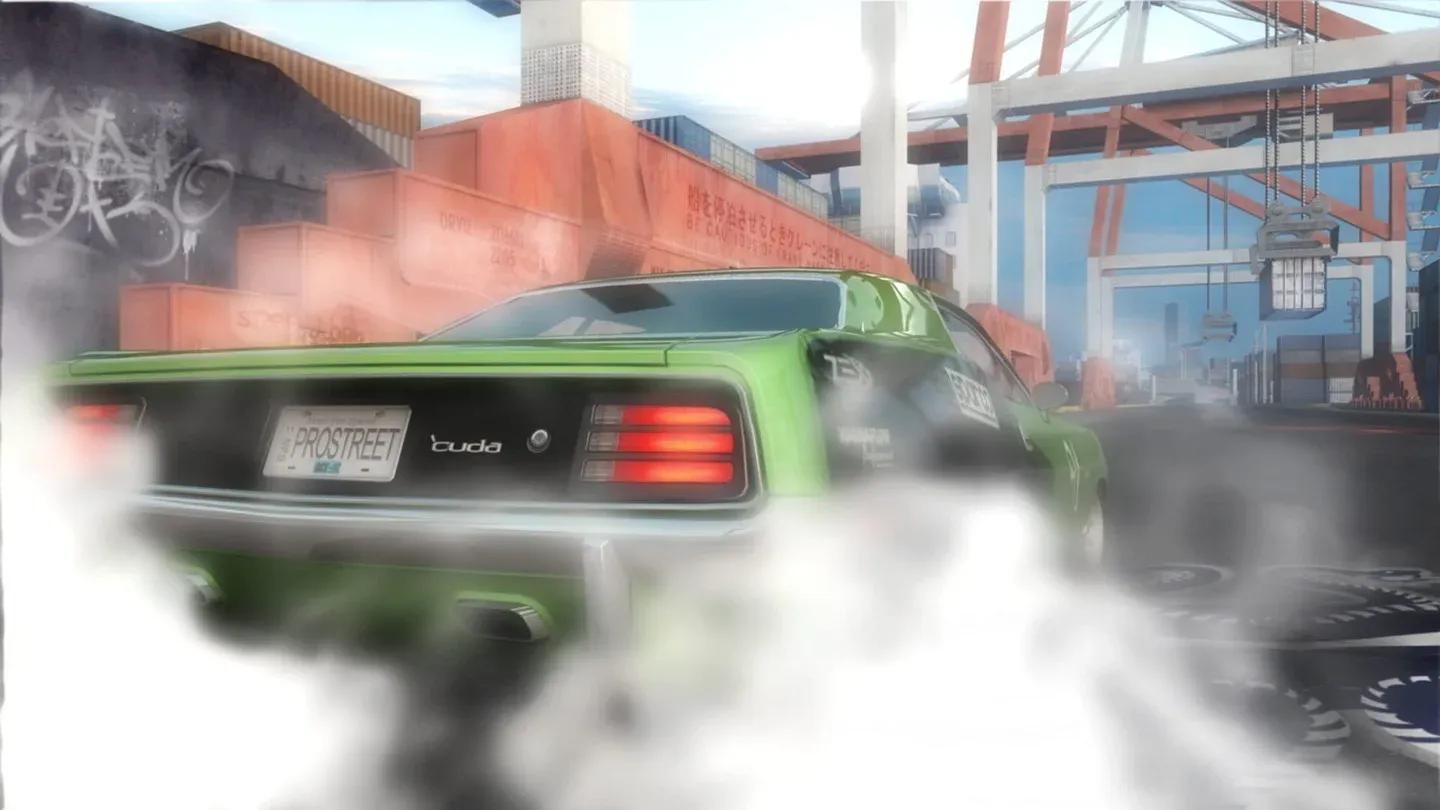
Need for Speed: ProStreet content image
Visual customization remains extensive, with body kits, paint, vinyls, and wheel options carrying over the aesthetic side the series built its fanbase on. The difference is that in ProStreet, looking fast and being fast require separate investment. A car with a premium visual build might still get embarrassed at a speed challenge if the engine tune is wrong.
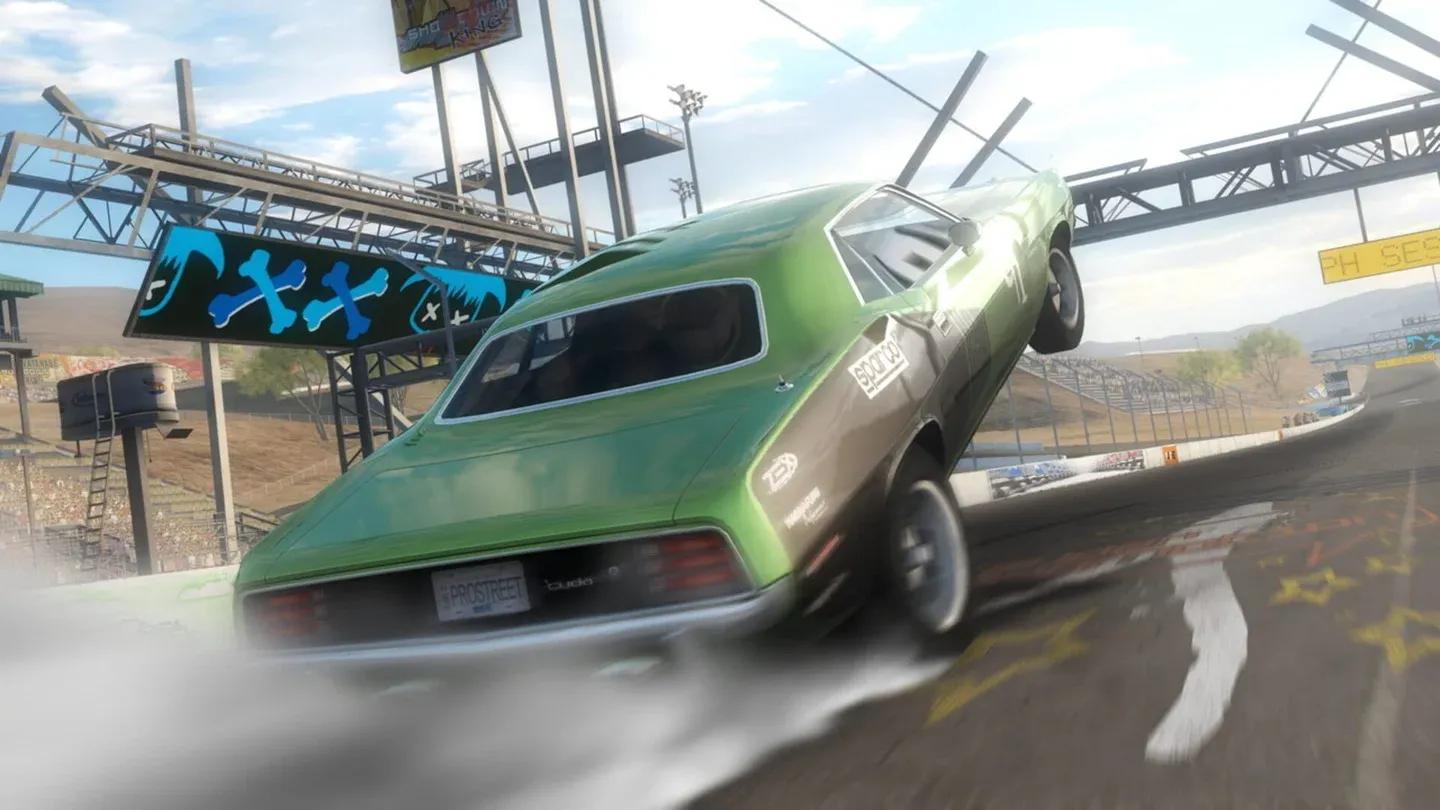
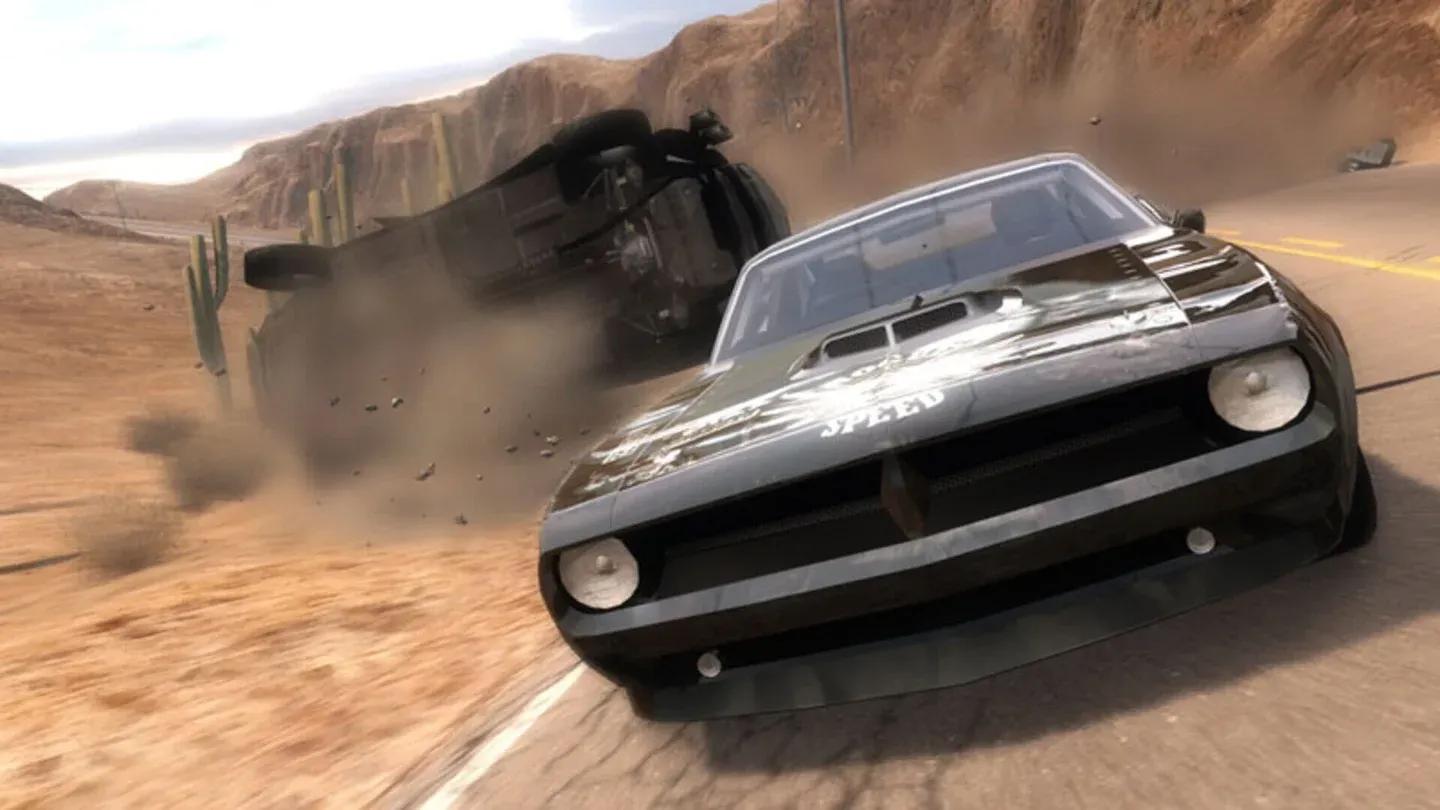
The damage system adds real weight to every race. Collisions leave visible dents and broken panels, and severe crashes can write off a car entirely, forcing a replacement buy from your cash reserves. It creates a risk-reward tension that most arcade racers avoid entirely.
Impact and legacy
ProStreet landed to mixed reviews in 2007, sitting in the low-to-mid 70s across major platforms. Critics appreciated the tuning depth and discipline variety but took issue with the game's handling feel, which sat in an awkward middle ground between arcade responsiveness and full simulation weight. The damage model drew both praise for realism and complaints for punishing casual play.
Need for Speed: ProStreet content image
Looking at it now, ProStreet occupies a specific niche in the NFS catalog as the entry that came closest to a proper racing simulation without fully committing to one. The career structure, the multi-discipline race days, and the garage management loop give it a texture that the series largely abandoned in later years. For players who want a street racing game with genuine mechanical depth and a career mode built around earning your place rather than being handed it, ProStreet still delivers that experience on PC, PlayStation, and Xbox platforms.