Overview
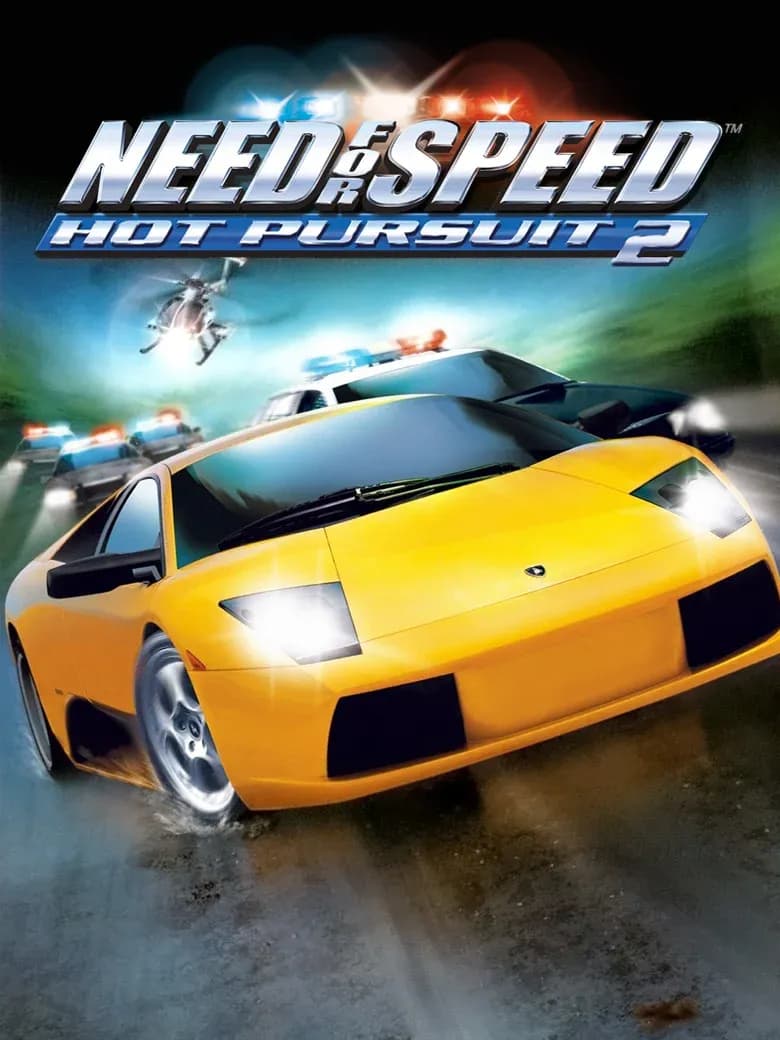
Need for Speed: Hot Pursuit is an arcade racing game developed by Criterion Games and published by Electronic Arts, released in December 2010. Set across the open roads of Seacrest County, a fictional region inspired by the California coastline, it puts players behind the wheel of some of the world's most expensive supercars on either side of a police pursuit. The core tension is simple: racers try to escape, cops try to stop them, and both sides have increasingly destructive tools to make that happen.
The game's structure separates it from most racing titles. Two full careers run in parallel, one as a racer and one as a cop, each with their own progression track, unlockable vehicles, and equipment. Completing events earns bounty, which levels up your profile and opens access to faster cars and more aggressive gear. Seacrest County itself spans desert highways, coastal cliffs, mountain passes, and dense forest roads, giving pursuits a sense of real geography rather than a series of disconnected circuits.
Gameplay and mechanics
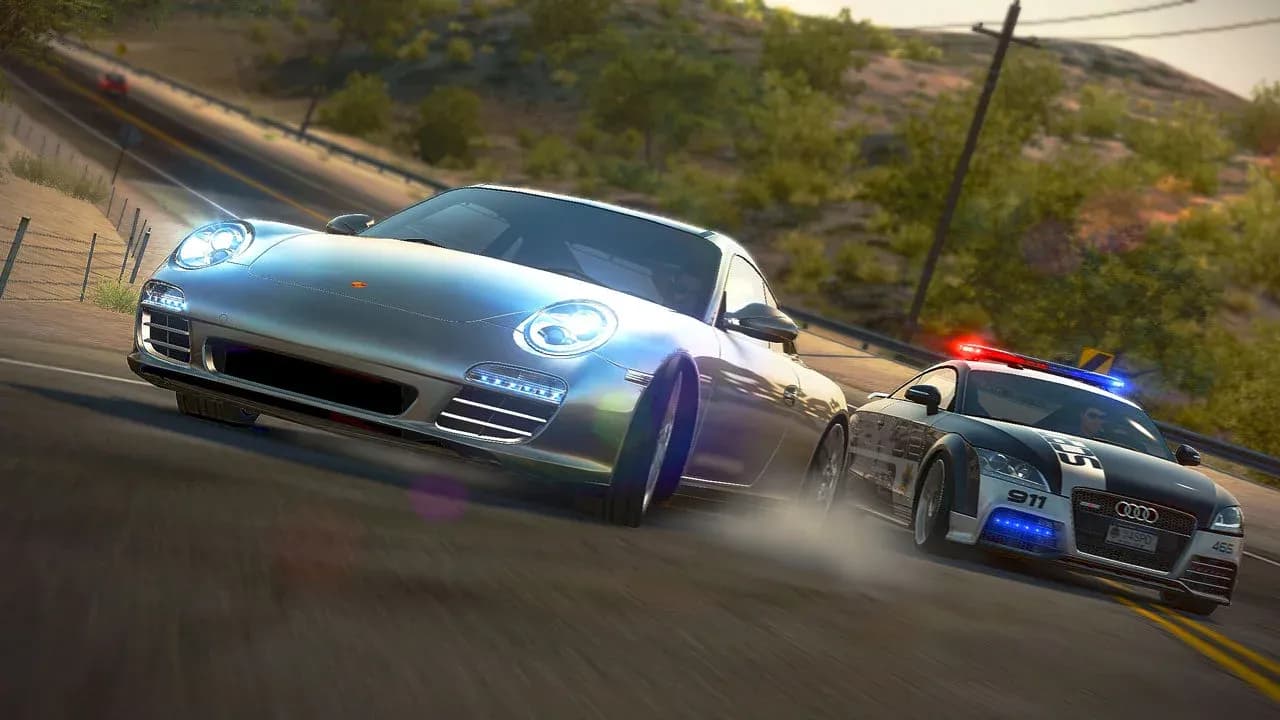
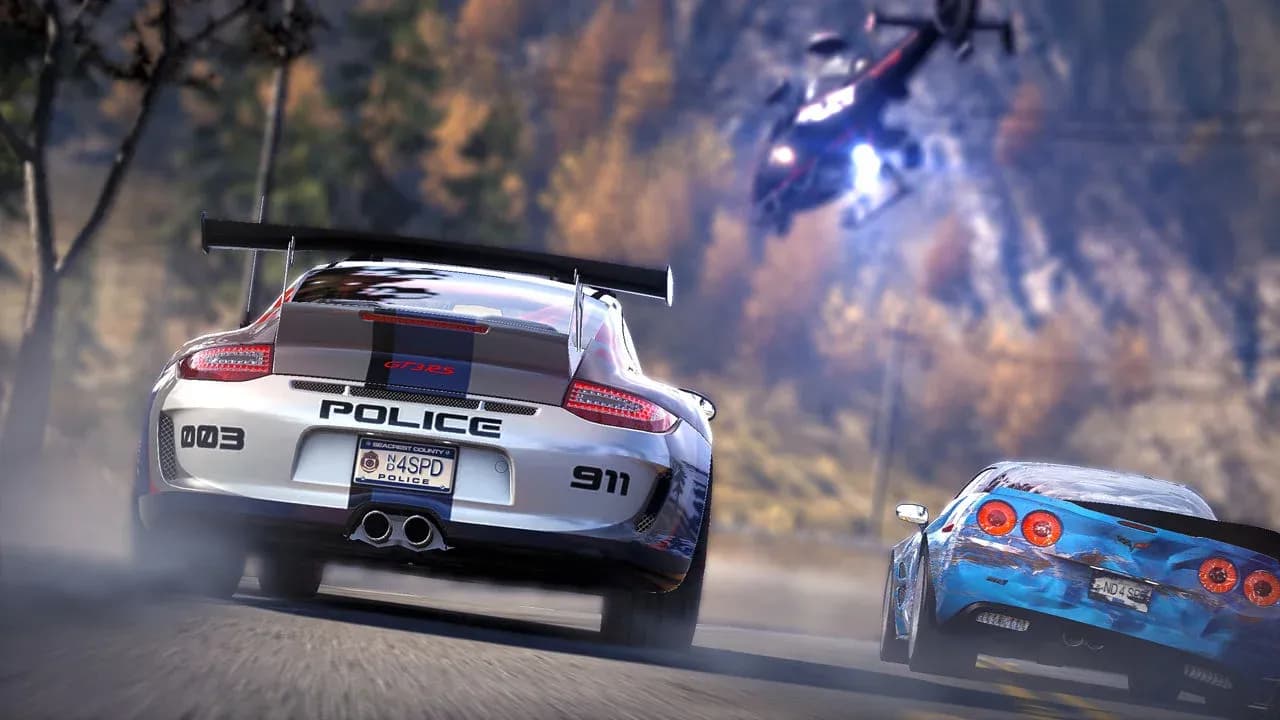
The driving model sits firmly in arcade territory. Cars feel fast, responsive, and satisfying to throw into corners without demanding the precision of a simulation racer. The real depth comes from the pursuit system and the weapons attached to it.
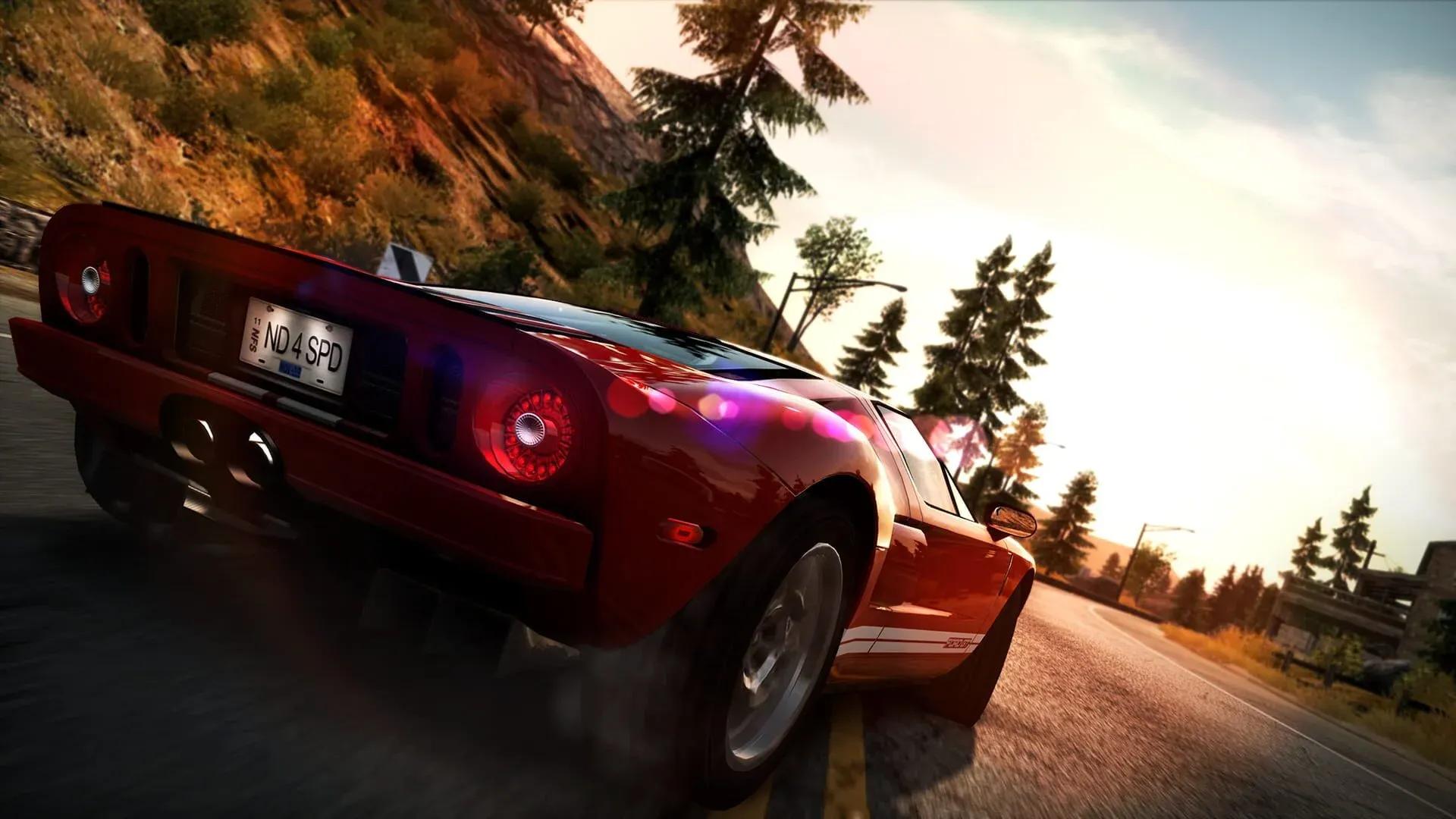
Need For Speed: Hot Pursuit content image
Key mechanics across both career paths:
- Spike strips and roadblocks for cops to cut off escape routes
- Jammers and EMPs available to both sides
- Helicopter support called in during high-level chases
- Turbo boosts earned through near-misses and drifts
- Bounty multipliers that reward risky driving
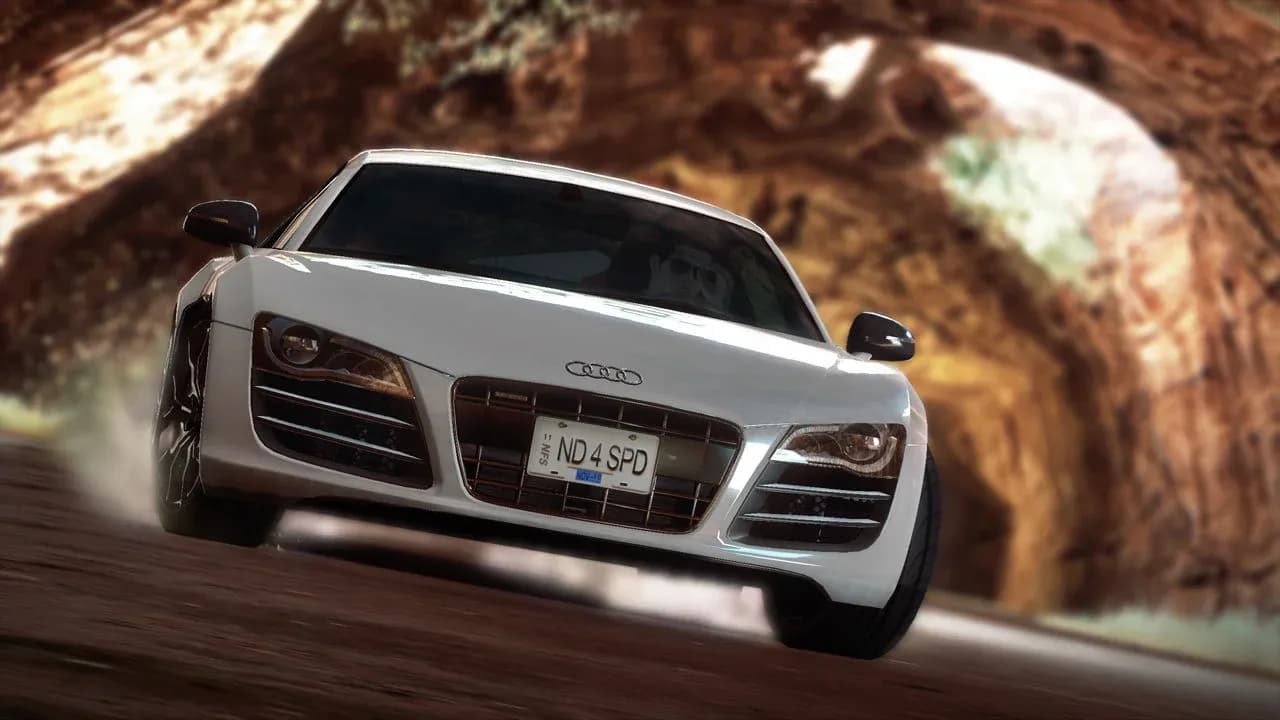
The asymmetry between cop and racer loadouts keeps both careers feeling distinct. Playing as a cop prioritizes coordination and cutting off angles; playing as a racer rewards improvisation and route knowledge. Neither side gets everything, which means switching between careers genuinely changes how you approach the same roads.
Need For Speed: Hot Pursuit content image
What cars does Hot Pursuit feature?
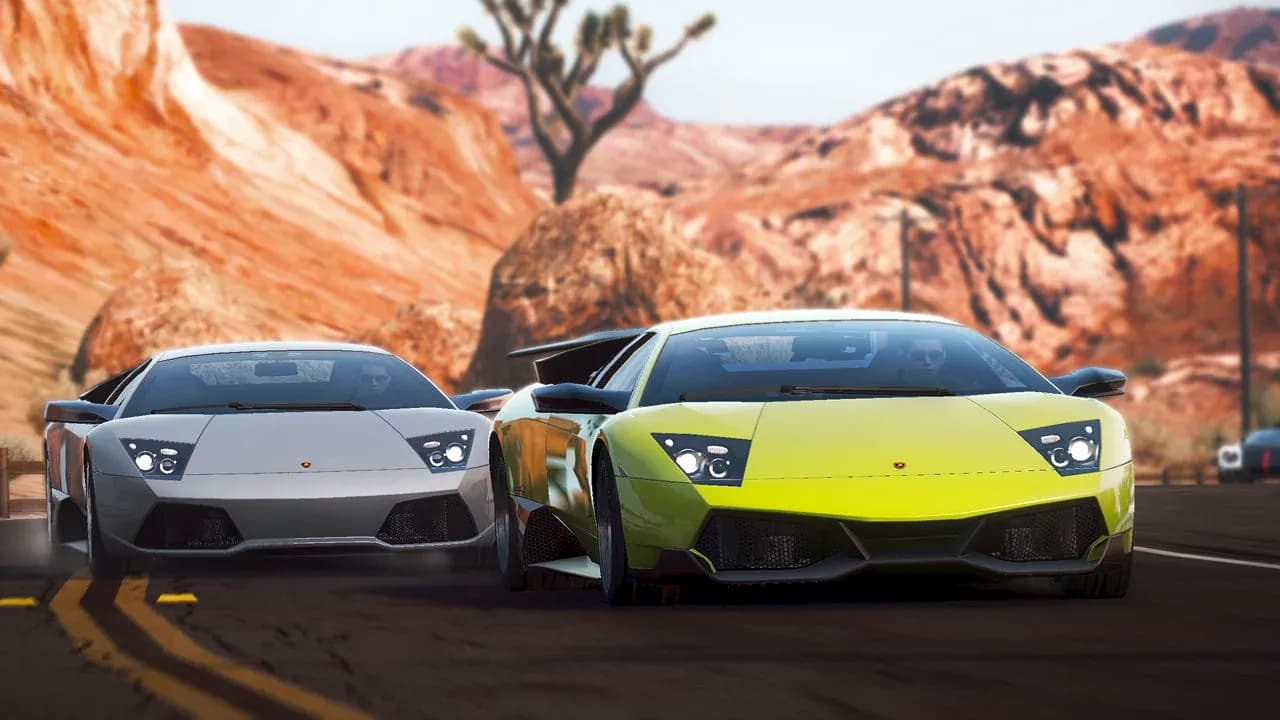
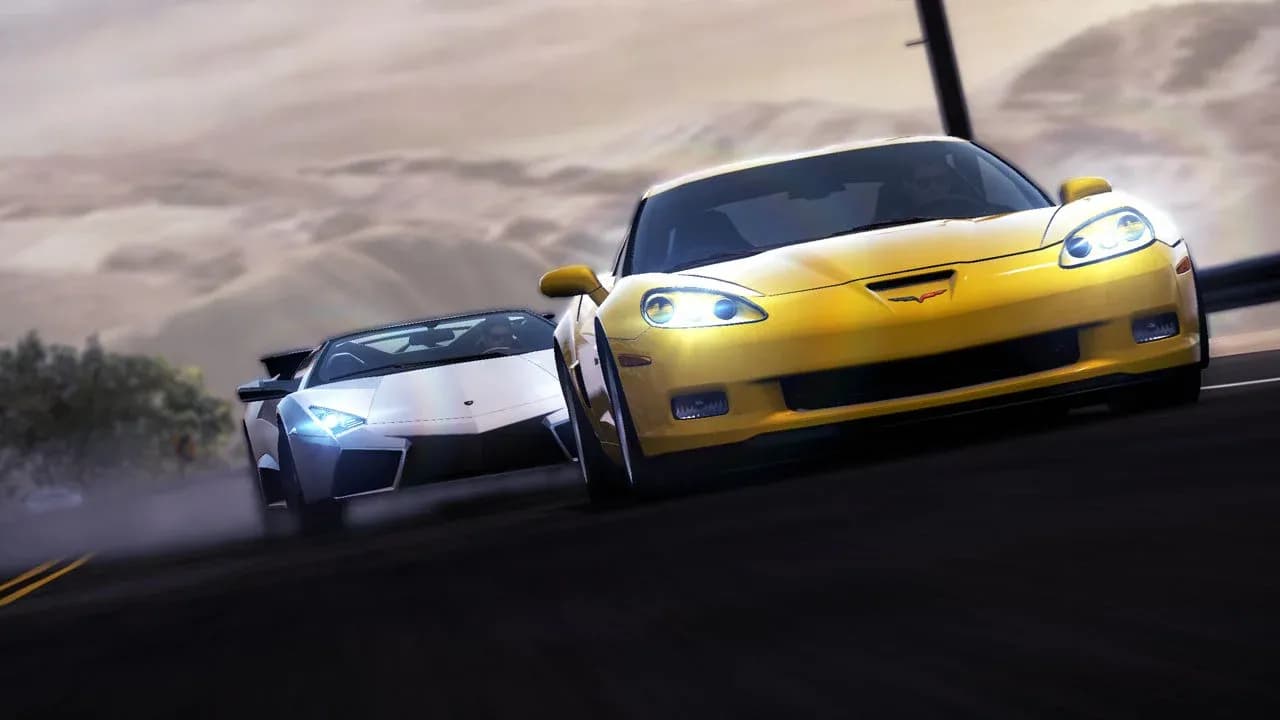
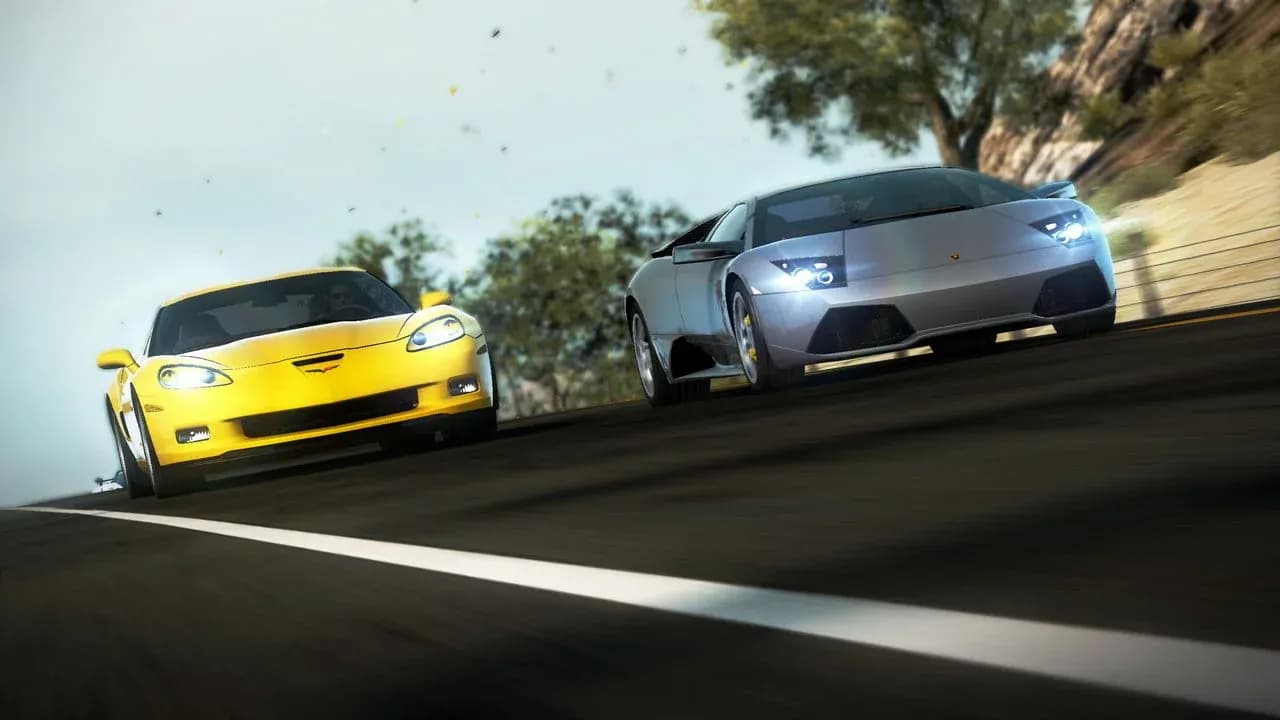
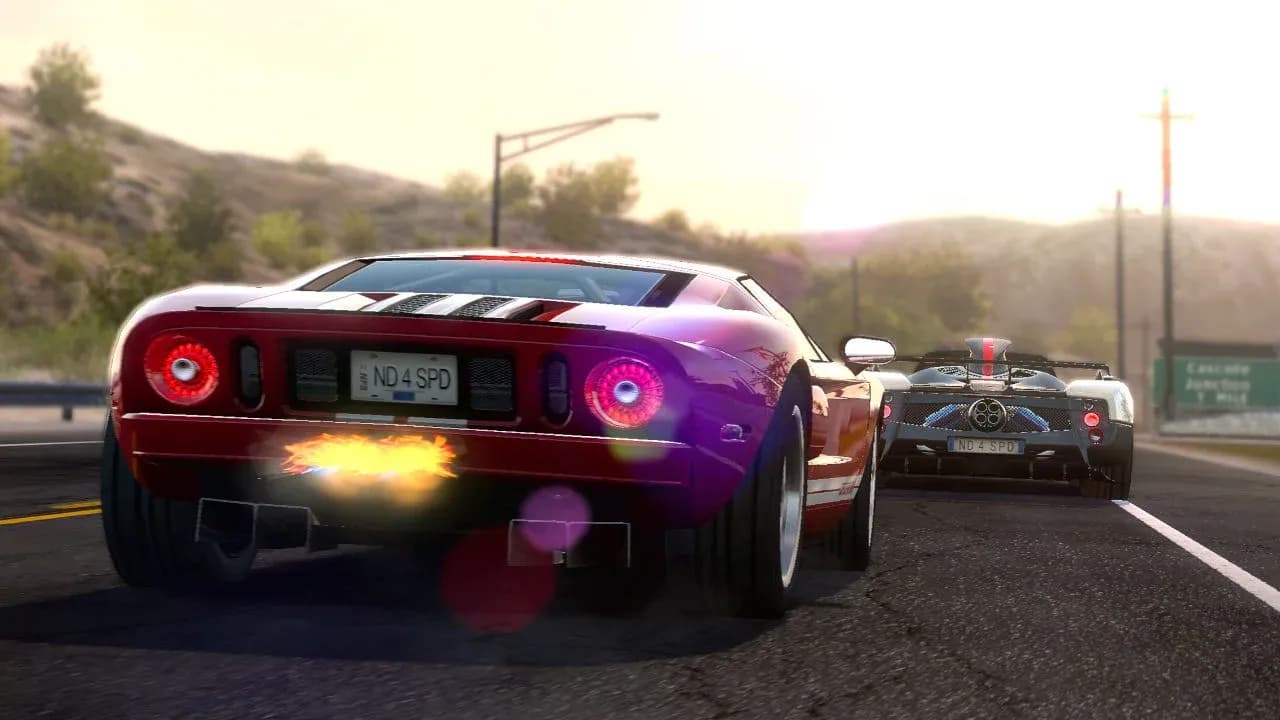
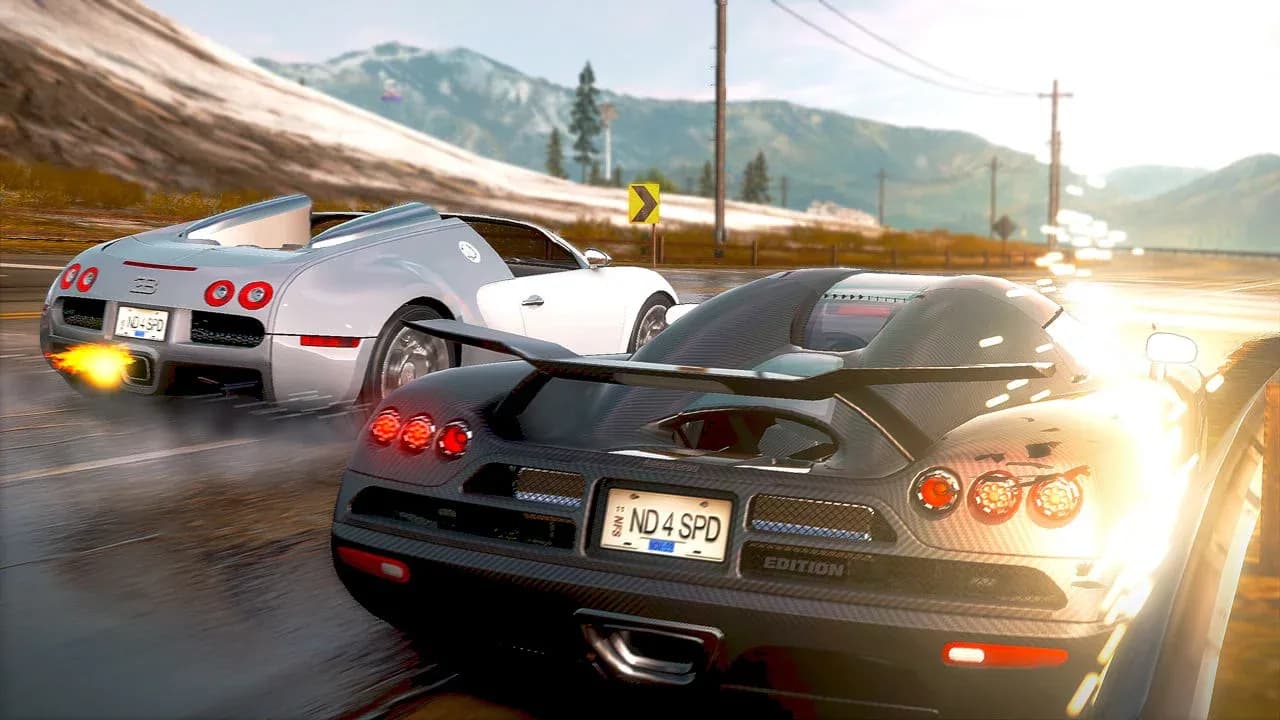
The car roster is one of the strongest in the series at the time of release. Both cop and racer garages include manufacturer-licensed exotics: the Lamborghini Reventon and Murcielago sit in police interceptor slots, while racers get access to the Pagani Zonda Cinque, Koenigsegg CCX, and Bugatti Veyron among others. These aren't just brand names attached to generic models; each car handles differently and has a distinct top speed and acceleration profile that affects how pursuits play out.
Need For Speed: Hot Pursuit content image
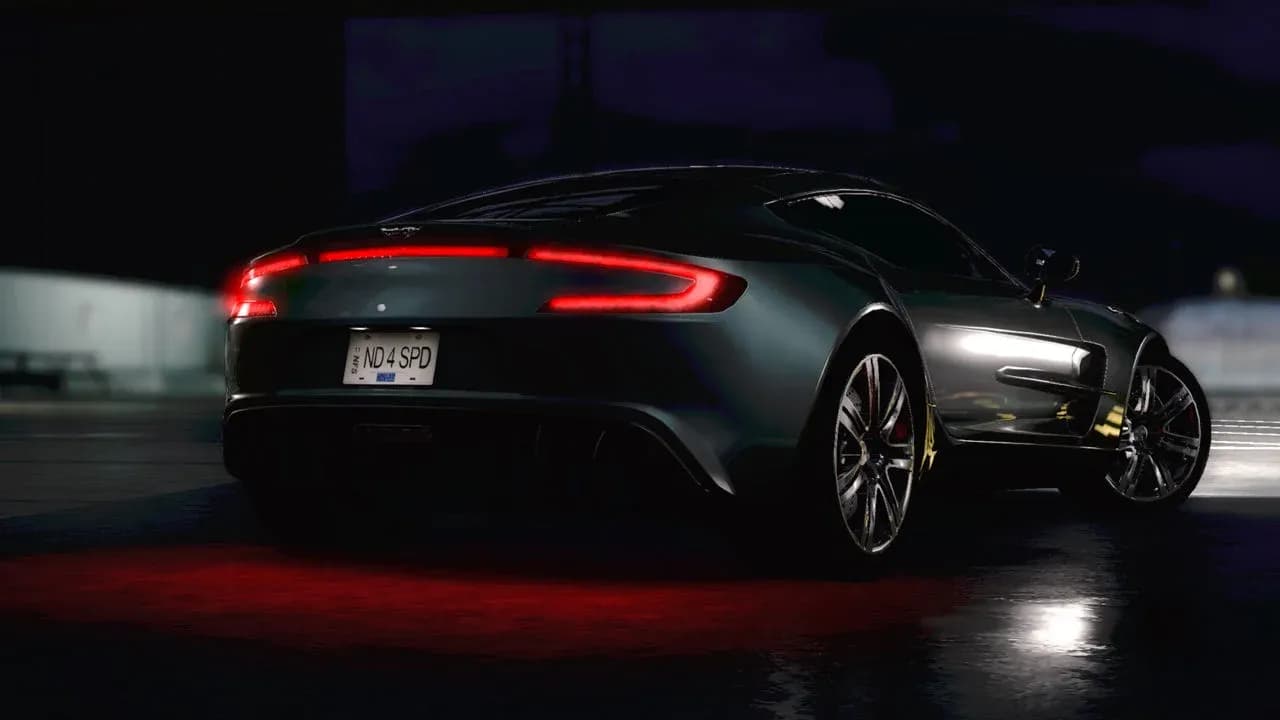
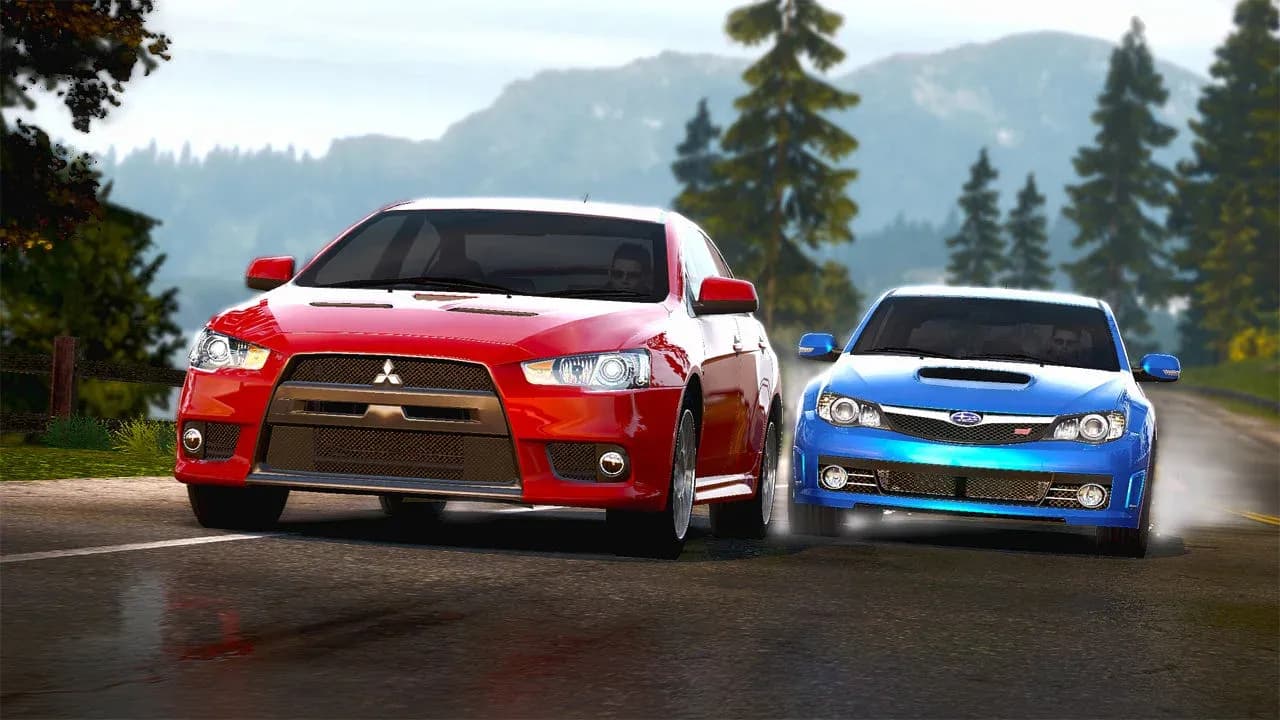
Unlocking higher-tier vehicles requires hitting bounty thresholds in each career, so progression feels earned rather than arbitrary. The fastest cars in both garages are genuinely faster, and that speed difference is noticeable in extended chases.
Need For Speed: Hot Pursuit content image
Multiplayer and social competition
The Autolog system was a genuine innovation when Hot Pursuit launched. Rather than a standard online leaderboard, Autolog connects directly to friends' profiles and automatically generates challenges based on their recent scores and times. Finish a race, and Autolog immediately tells you whether a friend beat your time and by how much, then nudges you to respond. It turns the single-player career into a passive competitive layer without requiring scheduled sessions.
Online multiplayer supports cop-versus-racer matches directly, letting players take both sides in real-time pursuits. The structure holds up well because the asymmetric design that makes the single-player careers interesting translates cleanly into competitive play. A coordinated cop team can genuinely shut down skilled racers, and a racer who knows the roads can slip through traps that should have ended the run.