Overview
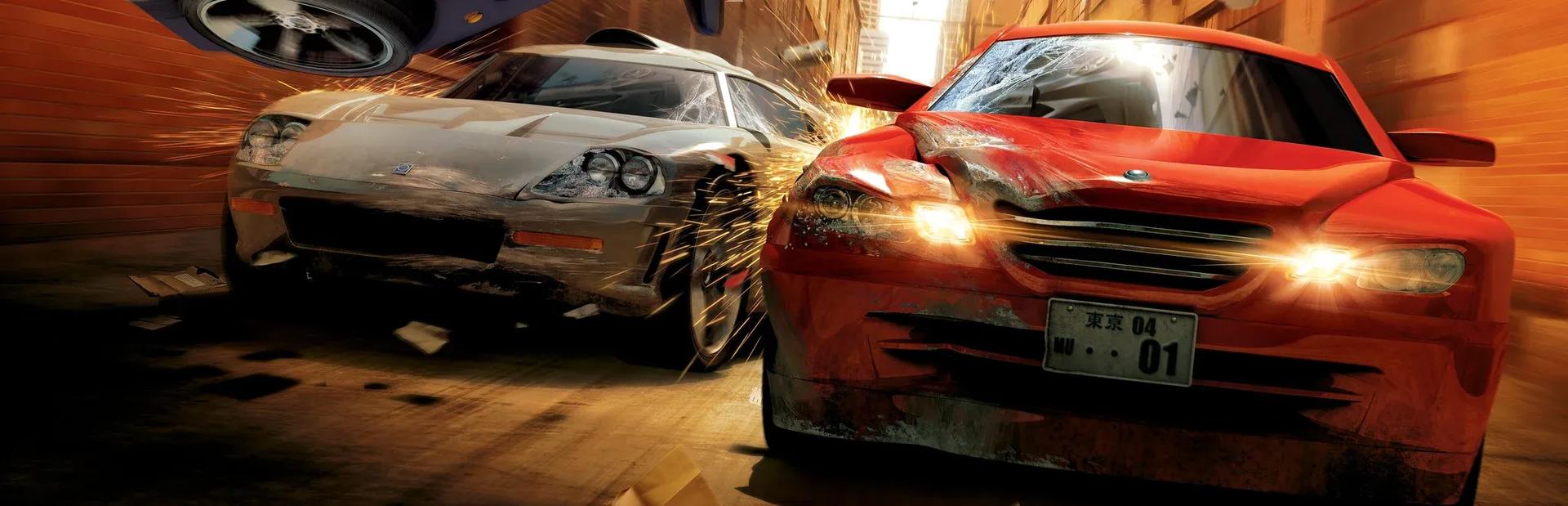
Burnout Revenge, developed by Criterion Games and published by Electronic Arts in September 2005, takes the series' core identity and strips away any pretense of conventional racing. This is not a game about clean lines and careful braking. Rivals are targets, traffic is ammunition, and the boost gauge rewards drivers for doing everything a real road safety course would forbid.
The game runs across 169 events divided into 11 ranks, set across three continents. Players earn their way up through a World Tour by completing events that range from standard circuit races to full chaos modes where survival is a secondary concern. With 77 cars in the roster, progression feels substantial without turning into a checklist grind.
Gameplay mechanics: what makes Burnout Revenge different from other racing games?
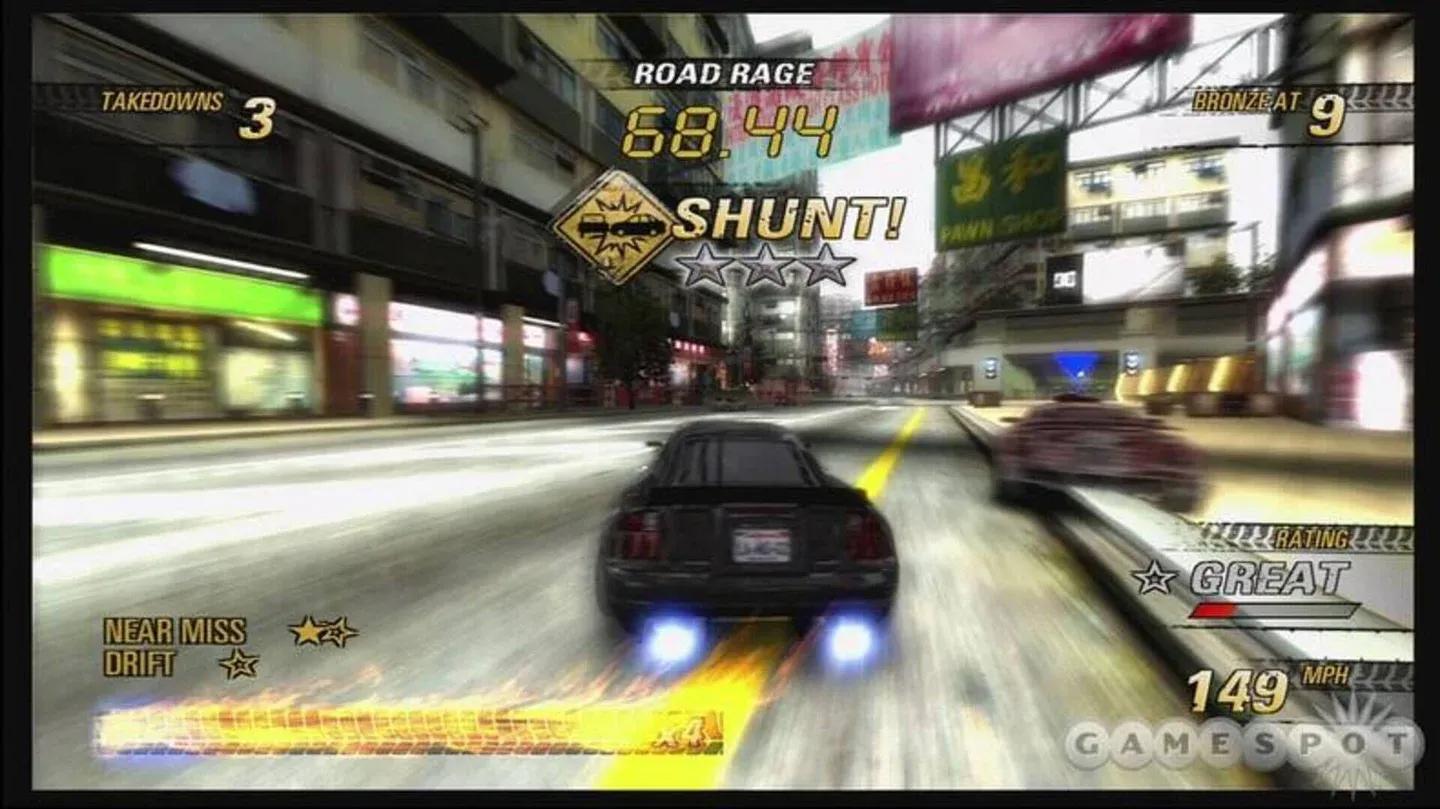
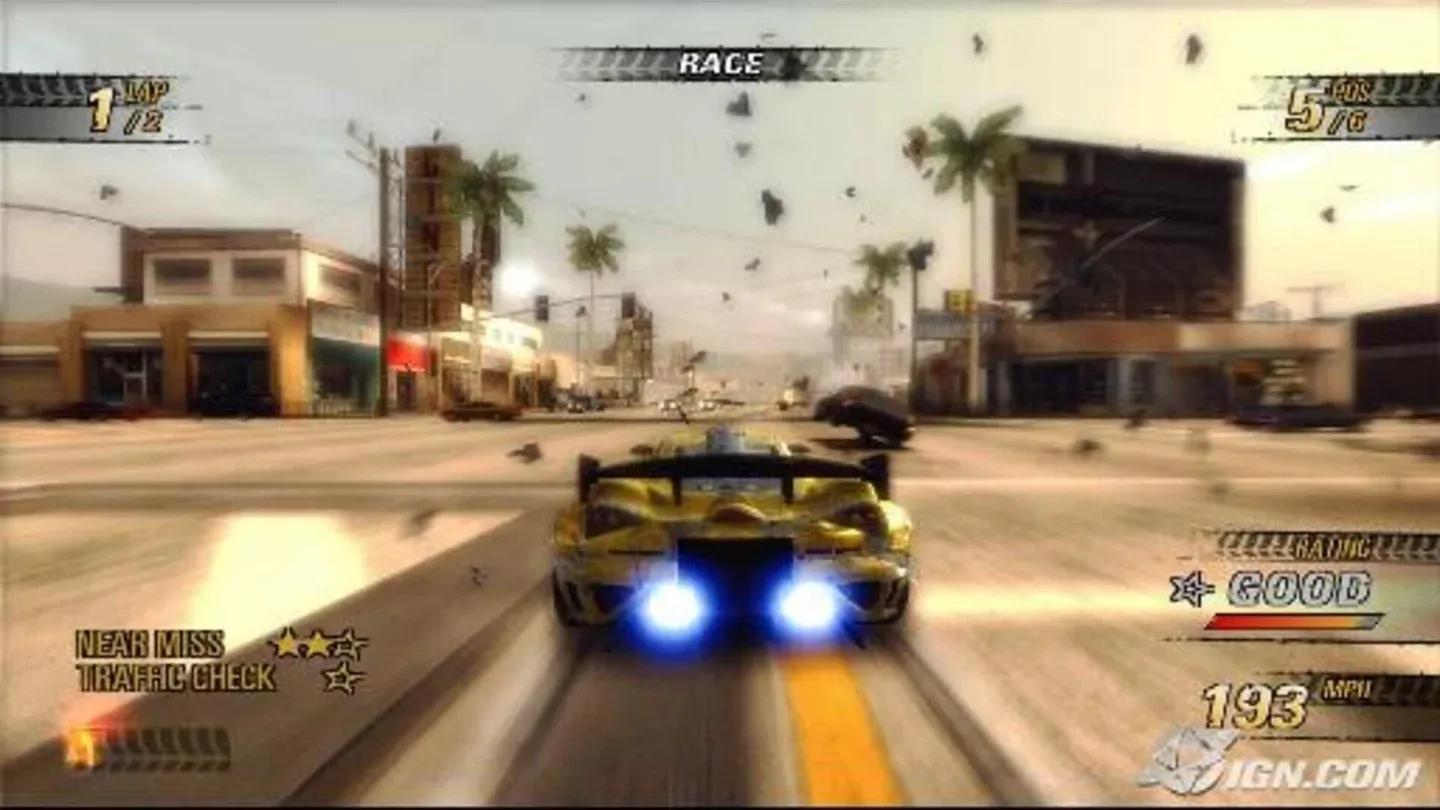
The single defining addition in Burnout Revenge is traffic checking. In previous entries, civilian vehicles were obstacles to avoid. Here, small and medium same-direction traffic can be rammed forward into rivals, turning every congested road into a setup for a Traffic Takedown. It changes how players read the course entirely.
Key mechanics at the center of every race:
- Traffic checking to weaponize civilian cars
- Takedowns that refill and extend the boost gauge
- Revenge Takedowns triggered when a rival takes the player out
- Crashbreaker detonations during crash events
- Boost built through drifting, tailgating, and oncoming traffic
The Takedown system is the backbone of everything. Crashing a rival does not just remove a threat; it extends the boost gauge and fills it completely, creating a feedback loop where aggression generates more speed, which generates more opportunities to attack. Revenge Takedowns add a layer of priority targeting, marking specific rivals with a red arrow after they take the player out.
Game modes and content depth
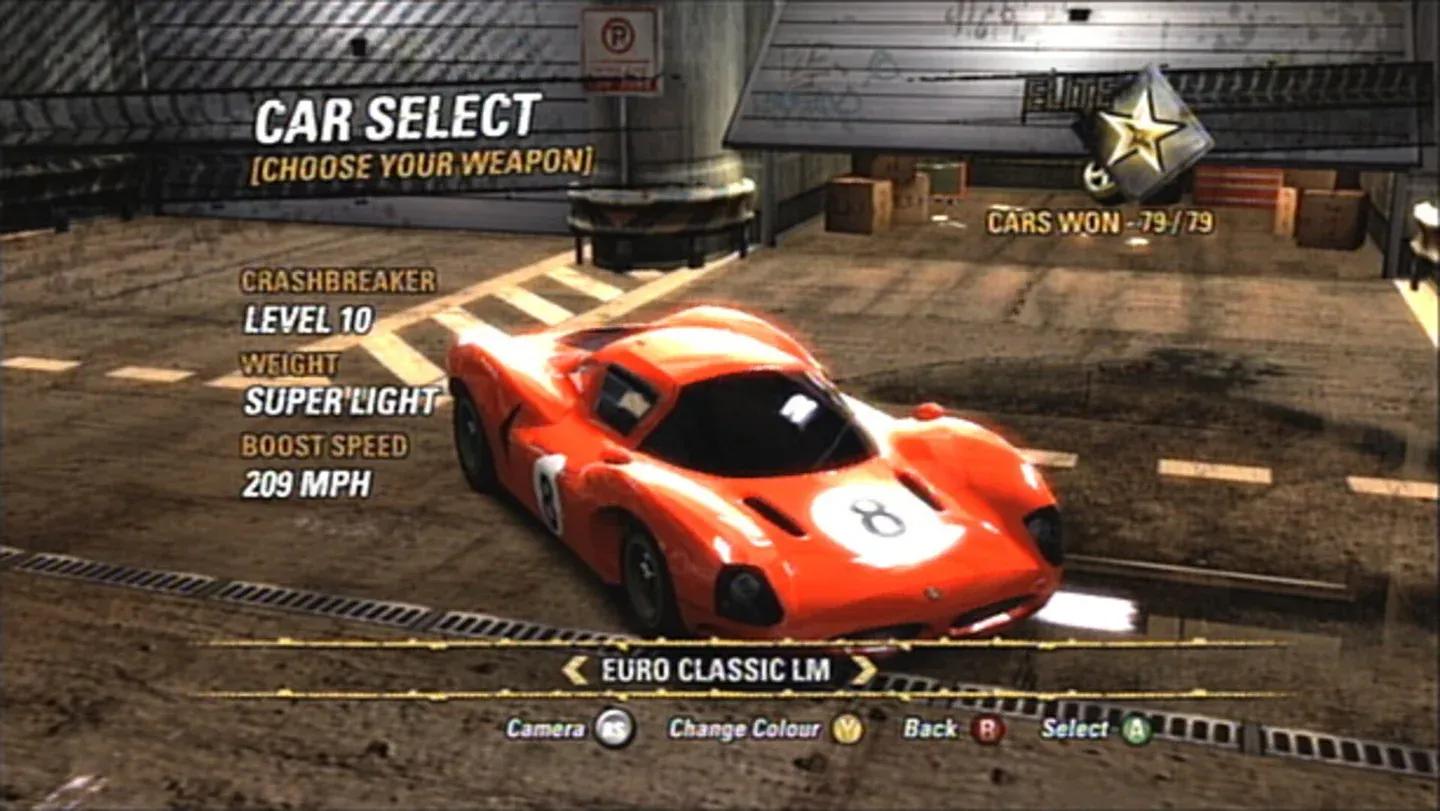
Burnout Revenge offers more variety in its event types than most racing games manage. Road Rage tasks players with causing as many crashes as possible before time runs out or the car is wrecked. Eliminator removes the last-placed racer every 30 seconds by detonating their car. Burning Lap is a single-racer time attack with no distractions. Crash mode drops the player at a junction with one goal: accumulate as many Crash Dollars as possible through chain reactions.
The Crash modes extend into multiplayer with three distinct formats. Crash Battle puts multiple players at a junction simultaneously. Crash Party runs players through rounds in turns. Crash Tour operates like golf, with the lowest score across attempts winning, which flips the usual more-is-better logic in an interesting direction.
Xbox 360 version and technical upgrades
The Xbox 360 release of Burnout Revenge is not simply a port. Criterion upgraded the visuals to match the hardware, added 10 new Crash junctions to the Crash Tour, and rebuilt the online experience around a persistent Revenge Rivals system. That system tracks how many times any two players have taken each other out across sessions, giving the online mode a running score that makes rematches feel personal.
The Burnout Clips feature, exclusive to the Xbox 360 version, allows players to save 30-second clips from any offline race and share them over Xbox Live. For 2005 hardware, that kind of replay sharing was a genuine addition to how players engaged with the game outside of active sessions.
Impact and legacy of Burnout Revenge
Burnout Revenge sits at a specific point in the series where Criterion had fully committed to destruction as the primary mechanic rather than a side feature. The traffic checking system alone changed how the game reads at speed, and the Revenge Takedown structure gave aggressive driving a narrative logic that pure racing rarely achieves. For destruction racing fans, this entry remains one of the clearest examples of a developer building every system around a single, well-executed idea.