Overview
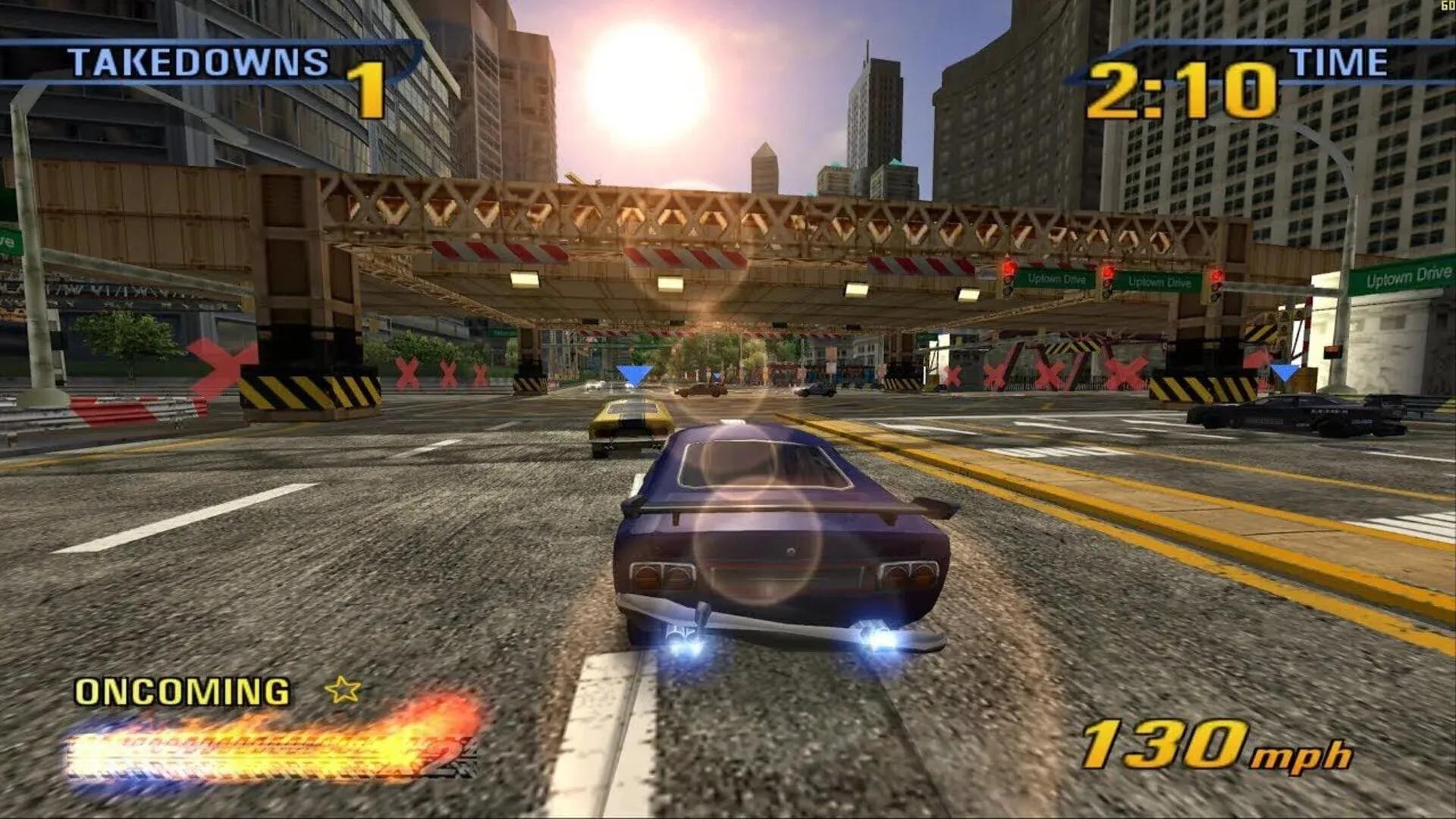
Burnout 3: Takedown arrived in September 2004 from Criterion Games and immediately redefined what an arcade racer could be. The core idea sounds simple: race fast, hit things, earn boost, go faster. The execution is anything but. Every opponent car you send spinning into a barrier fills your boost meter, which means aggression and speed feed each other in a loop that keeps the throttle pinned from start to finish.
Electronic Arts published the game across multiple platforms, and the result was one of the highest-rated racing games of its generation. The blend of traditional circuit racing with deliberate vehicular combat gave Burnout 3 an identity that other racers at the time simply could not replicate. Takedowns are not accidents here. They are the strategy.
Gameplay and mechanics
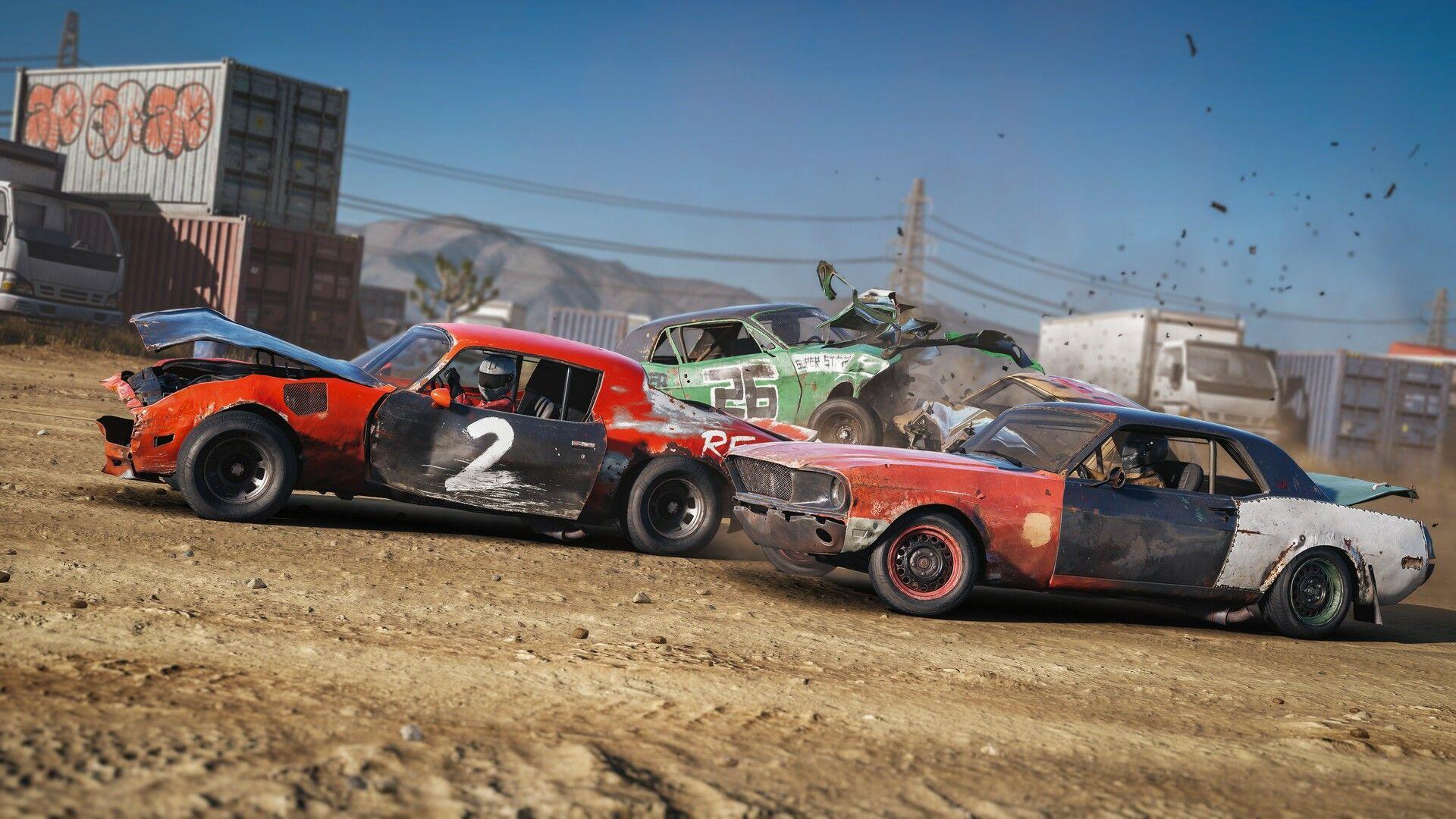
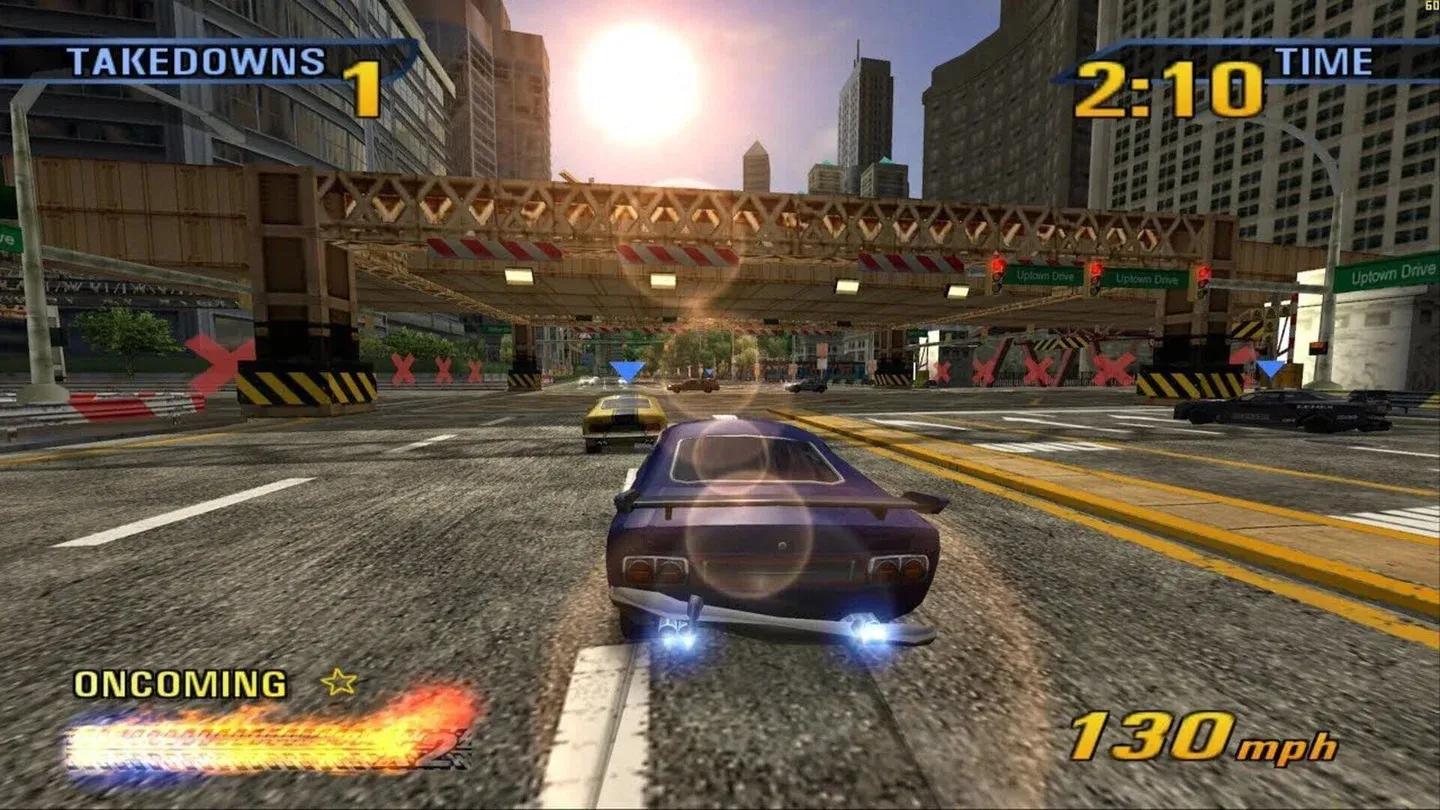
The Takedown system sits at the heart of everything Burnout 3 does. Forcing a rival car into a wall, a truck, or another vehicle rewards you with boost and removes a competitor from the race. Do it consecutively and you chain takedowns together, filling your meter even faster. The result is a racing game where reading traffic and predicting opponent movement matters as much as knowing the track layout.
Burnout 3: Takedown content image
Key mechanics that define the experience:
- Boost earned through risky driving and takedowns
- Crash events rewarding maximum chain-reaction damage
- Aftertouch control to redirect wrecked cars mid-crash
- Over 60 unlockable vehicles tied to race performance
- Skill trophies and front-page headlines as progression rewards
Burnout 3: Takedown content image
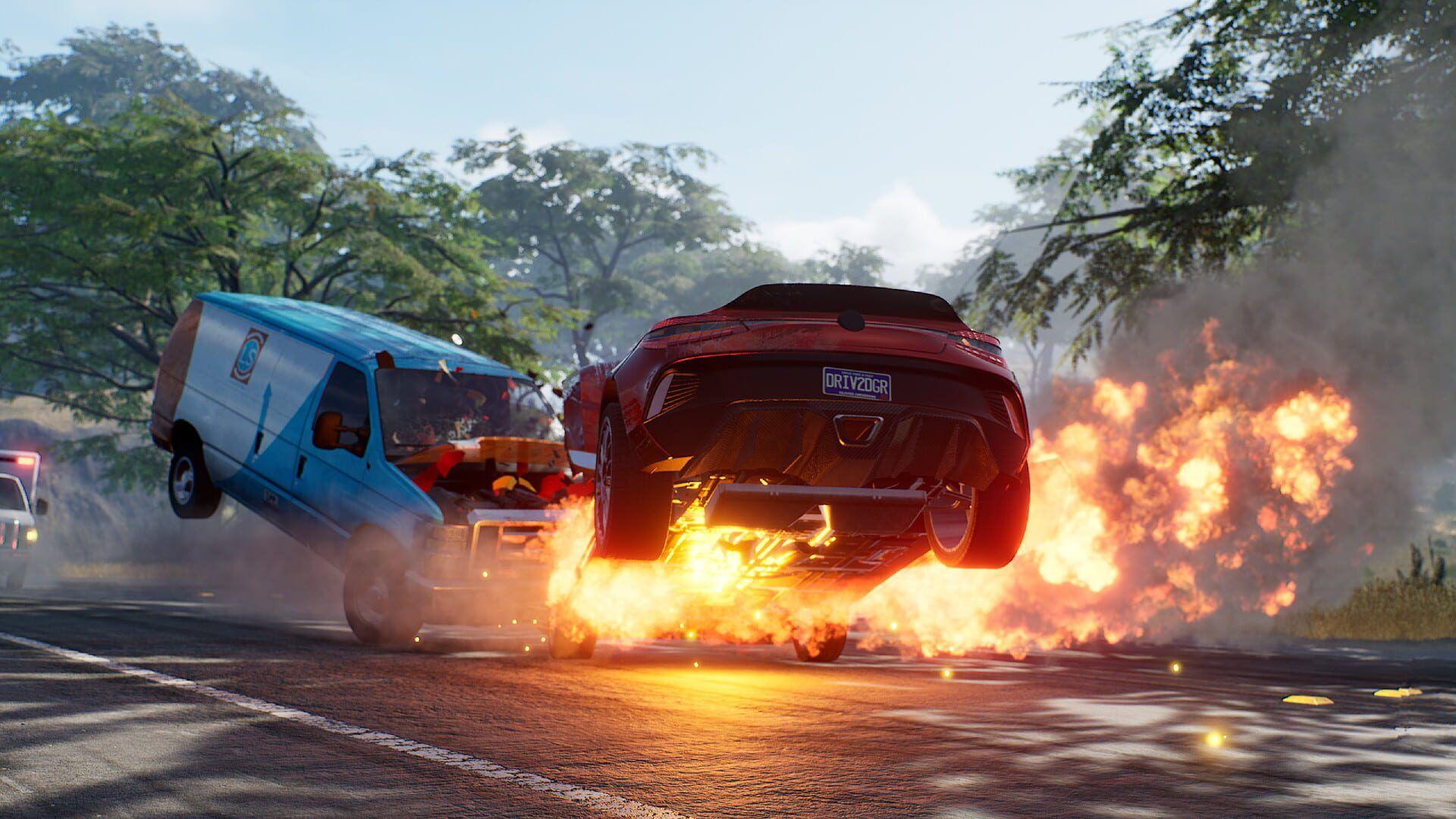
The Crash mode deserves its own mention. Rather than racing, Crash events drop a single car into a busy junction and ask the player to cause as much dollar damage as possible. Aftertouch lets you steer the wrecked vehicle after impact, steering it into gas tankers and buses to extend the pileup. These events are essentially physics puzzles with explosions, and they offer a completely different rhythm from the main race modes.
Innovation and unique features
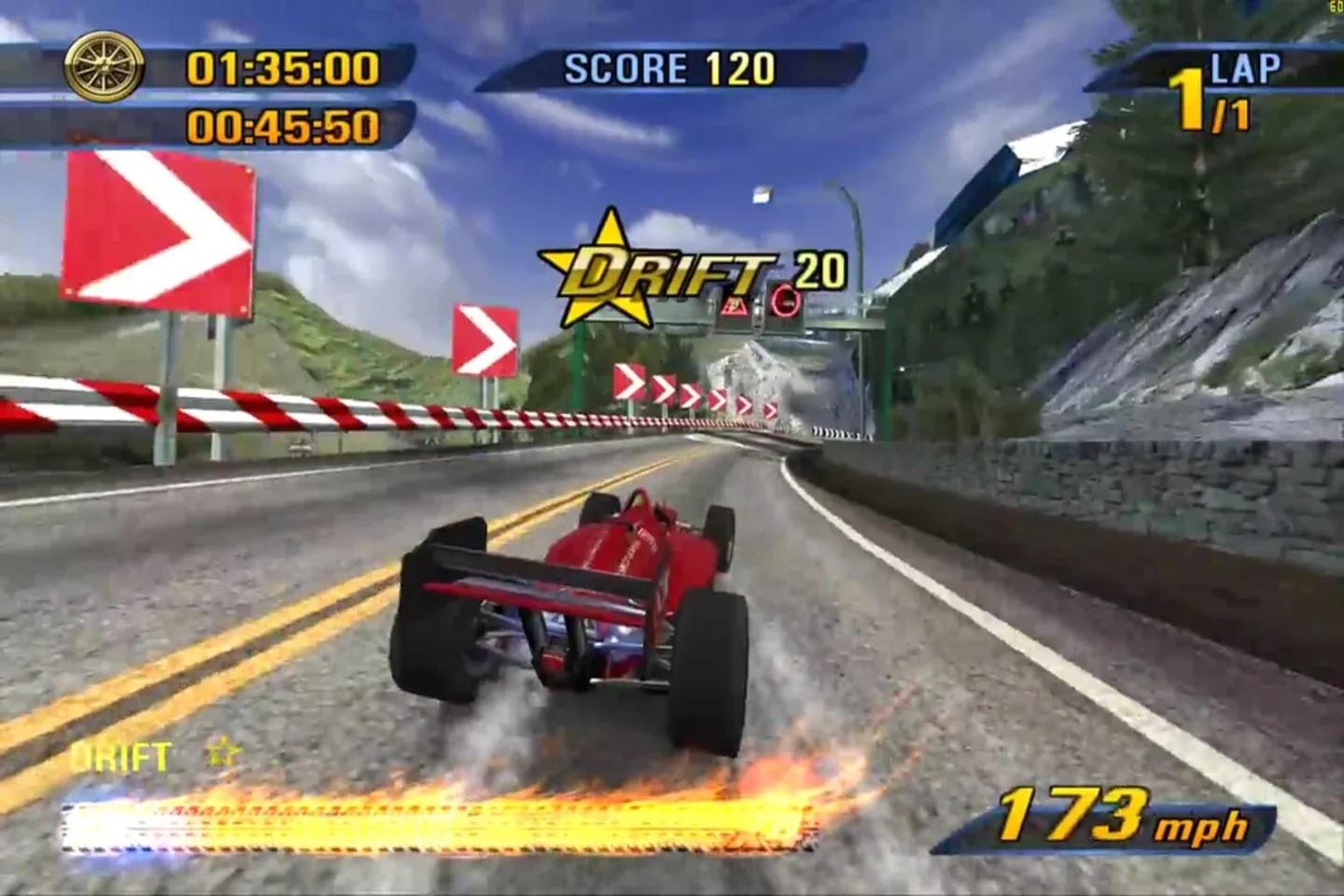
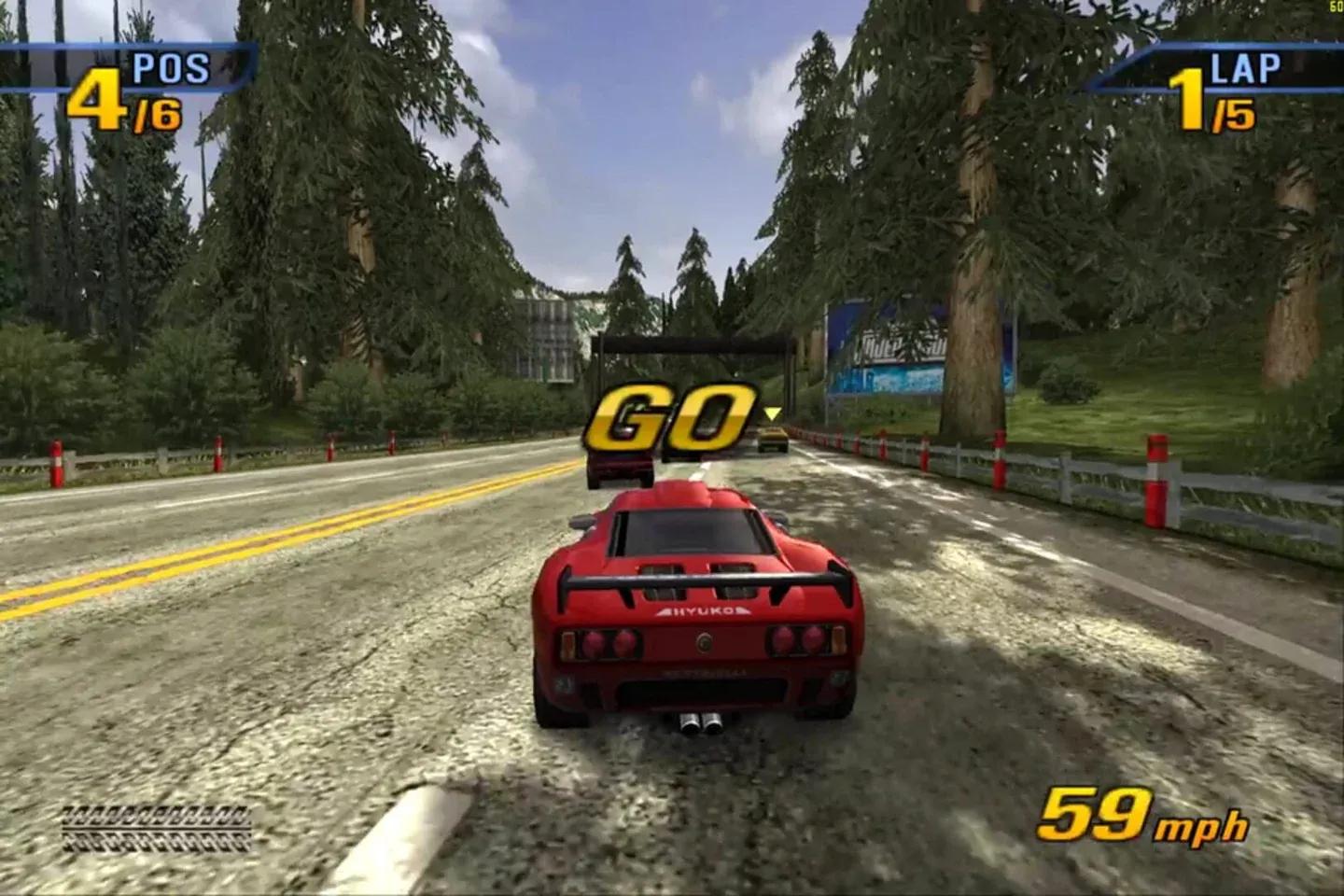
What separated Burnout 3 from other arcade racers in 2004 was the feedback loop between danger and reward. Most racing games punish crashes. Burnout 3 monetizes them. Driving into oncoming traffic fills your boost bar. Narrowly dodging a head-on collision at 150 mph adds to it. The game essentially scores you on how recklessly you drive, then hands you the speed to do it again.
Burnout 3: Takedown content image
The special effects engine backing all of this was genuinely impressive for its time. Slow-motion crash replays, sparks, debris, and crumpling metal created spectacle that racing games had not really attempted before. The visual language of destruction was part of the game design, making crashes feel like rewards rather than failures.
Multiplayer and social
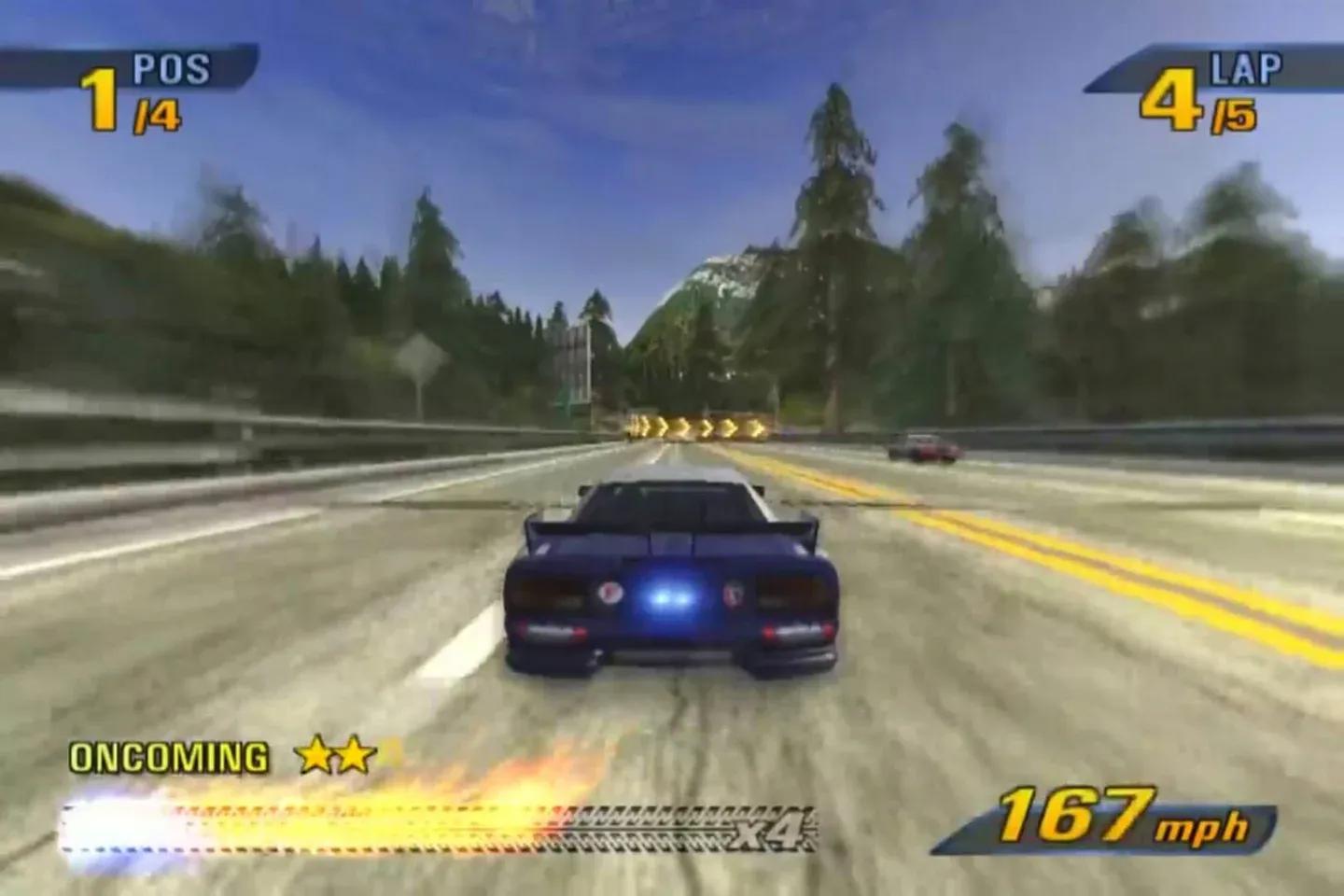
Burnout 3 supports five competitive multiplayer modes locally and extends that competition online for up to eight players. Online racing in 2004 was still finding its footing on consoles, and Burnout 3 was one of the games that demonstrated what aggressive multiplayer racing could feel like with real opponents instead of AI.
The multiplayer structure encourages the same takedown-focused play as the single-player campaign. Racing a human opponent who actively tries to take you out changes the calculus of every corner. Defensive lines, timing boost bursts, and baiting opponents into traffic become genuine tactics rather than optional flourishes.
Burnout 3: Takedown content image
With over 60 race events spanning the USA, Europe, and the Far East, plus dedicated Crash events and a multiplayer suite that rewards the same aggressive driving style as the single-player mode, Burnout 3: Takedown delivers a racing experience built entirely around the satisfaction of controlled chaos at high speed.