Overview
Need for Speed: The Run, developed by EA Black Box and released in November 2011, takes the arcade racing formula in a direction the series rarely revisited. The core hook is simple: Jack Rourke, deep in debt with the Mob, enters an unsanctioned race spanning the entire continental United States, from the Golden Gate Bridge in San Francisco all the way to the Empire State Building in New York City. The prize is the carrot; staying alive long enough to claim it is the challenge.
The race is divided into stages, each with a placement requirement Rourke must hit to advance. Fail to crack the top 150 before Las Vegas, and the run ends. The structure keeps the pacing tight and gives the campaign a natural sense of escalation that most racing games never bother with. Police pursuits, Mob interference, and rival racers all pile on simultaneously, turning what could have been a straightforward point-to-point drive into something closer to a survival run.
Gameplay and mechanics
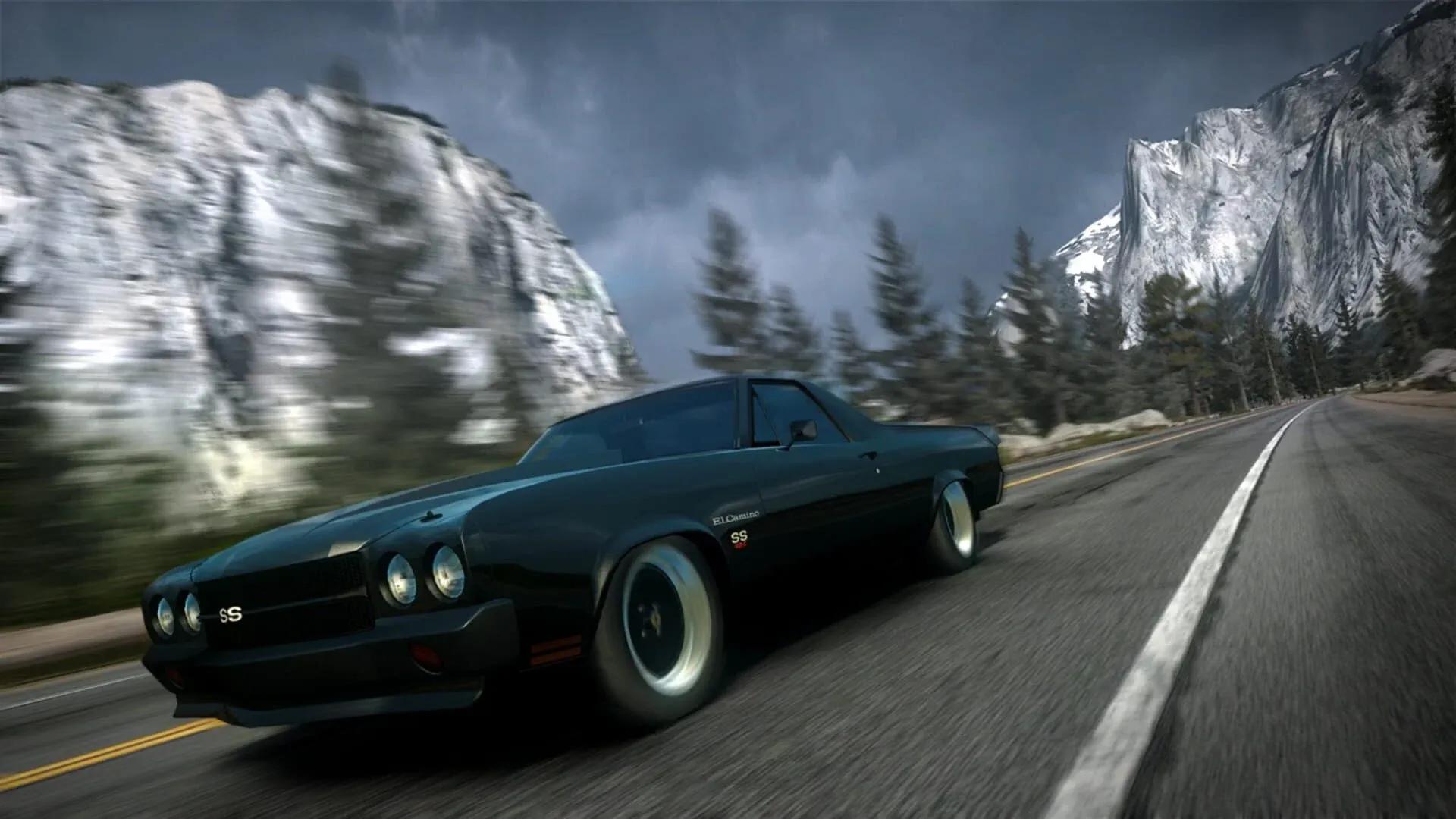
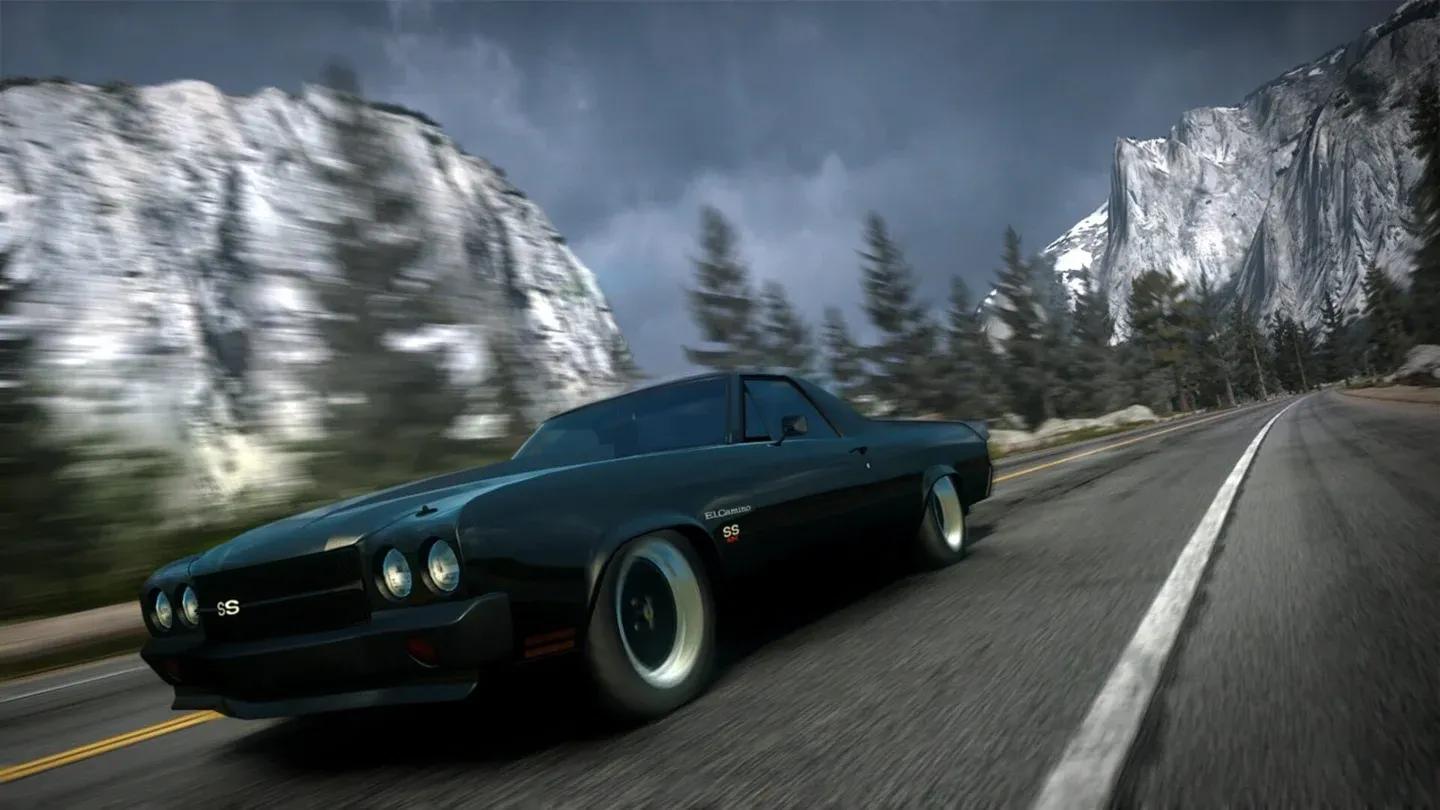
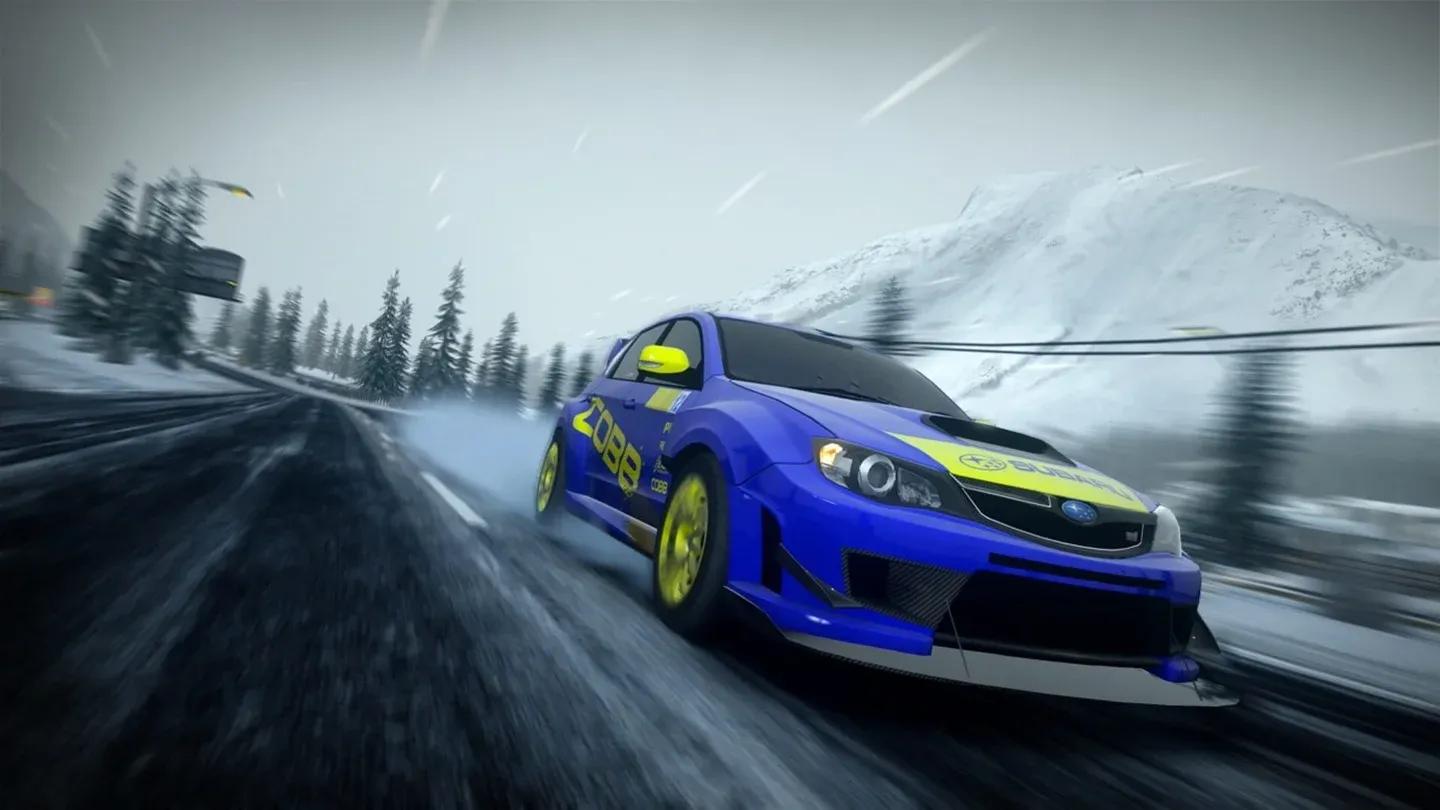
The driving in The Run sits comfortably in arcade territory. Cars feel planted and responsive, and Frostbite 2 handles the physics well enough that high-speed mountain passes and icy switchbacks carry genuine tension. The game does not simulate tire wear or fuel management; the focus is on momentum, positioning, and not getting run off the road by a Mob enforcer.
Need for Speed: The Run content image
Key gameplay features include:
- Stage-based progression with placement cutoffs
- Police pursuits across multiple regions
- On-foot quick-time event sequences
- Unlockable car roster across race stages
- Multiplayer challenge modes
The on-foot sequences, where Rourke exits the car entirely during scripted story moments, drew mixed reactions at launch. They are short and handled through quick-time events, but they do break up the racing in ways that feel more cinematic than mechanical.
Need for Speed: The Run content image
World and setting
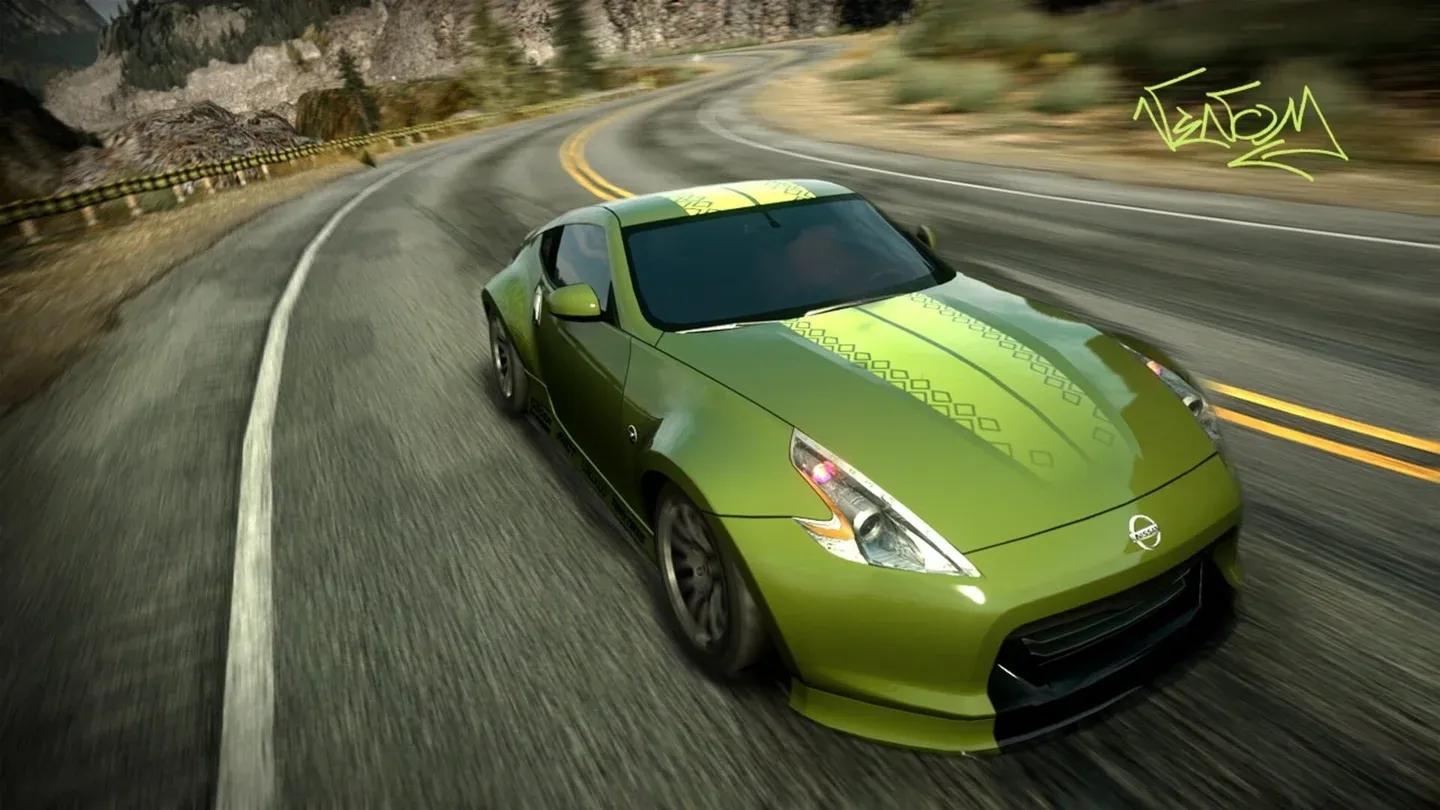
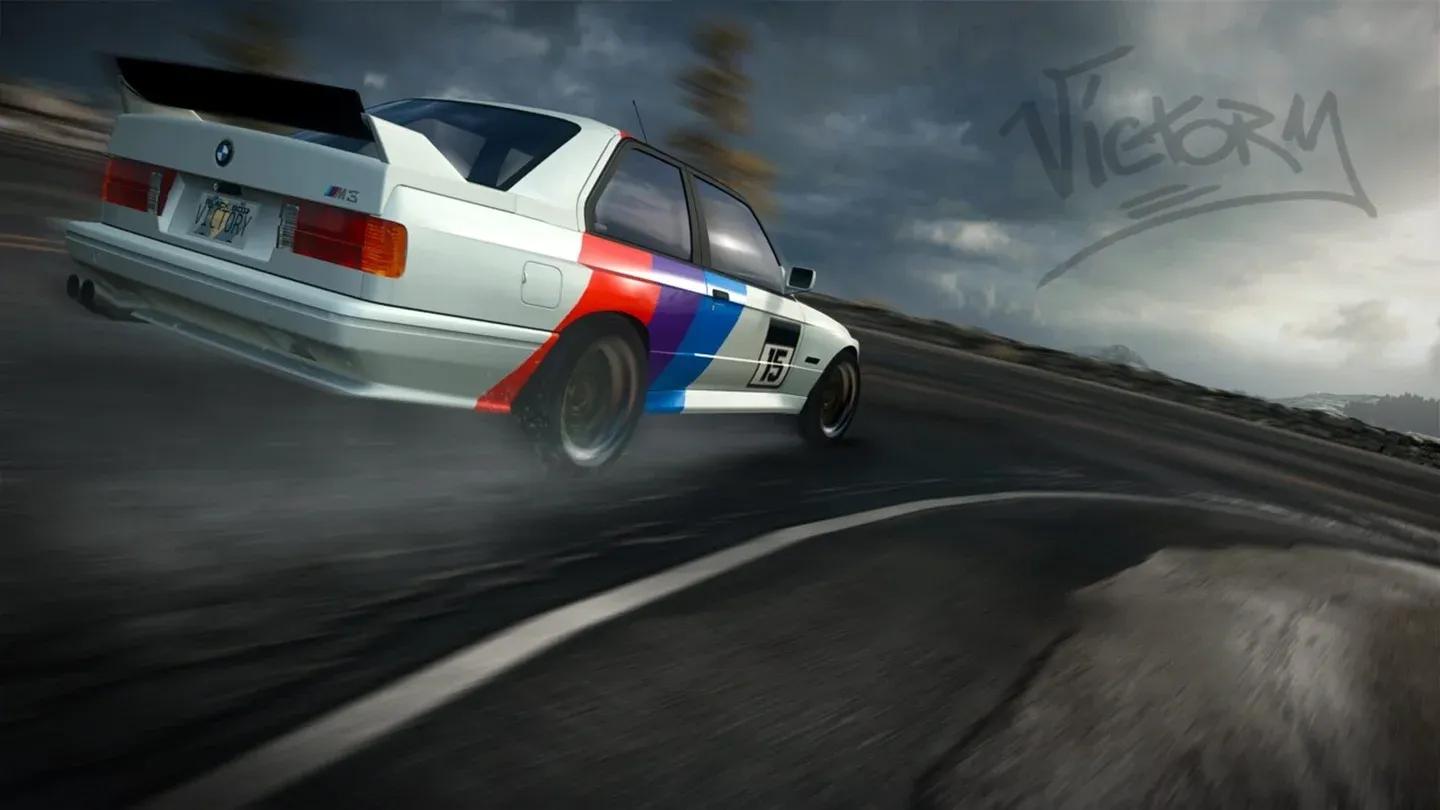
The cross-country route is the game's strongest asset. The Run moves through distinct visual regions: the urban sprawl of San Francisco, the desert highways outside Las Vegas, mountain passes through the Rockies, and the dense city traffic approaching Chicago and New York. Each environment gets its own lighting conditions and weather, and Frostbite 2 renders all of it with a level of detail that still holds up reasonably well.
The story, while not deep, does enough to keep the stages connected. Jack's conflict with Marcus Blackwell, the Mob enforcer pursuing him throughout the race, gives the campaign a recurring antagonist worth racing against. Sam Harper, the fixer who bankrolls Rourke's entry fee, adds a secondary layer of motivation beyond simple survival.
Need for Speed: The Run content image
Does The Run hold up for multiplayer?
The Run ships with an online multiplayer component that lets players compete in stage-specific challenges pulled directly from the single-player campaign. The mode supports up to eight players and tracks performance on leaderboards, giving completionists and competitive racers a reason to return after the story wraps. Autolog, the social comparison system EA carried across several NFS entries around this period, integrates here as well, surfacing friend times and challenge notifications automatically.
The single-player campaign runs roughly two to three hours on a first playthrough, which is short by most standards. The multiplayer modes and time-attack replayability extend that figure, but The Run was always a game built around one focused experience rather than an open-world grind.
Need for Speed: The Run content image
Technical achievement
Frostbite 2 was DICE's engine at the time, fresh off Battlefield 3, and EA Black Box was one of the first outside studios to build on it. The result is a racing game that looks noticeably sharper than its contemporaries from the same year. Environmental destruction, dynamic lighting through tunnels and under overpasses, and dense urban traffic all run without significant hitching on the hardware of the era. The Run arrived on PlayStation 3, Xbox 360, and PC, with the PC version supporting higher resolution output and improved texture detail.