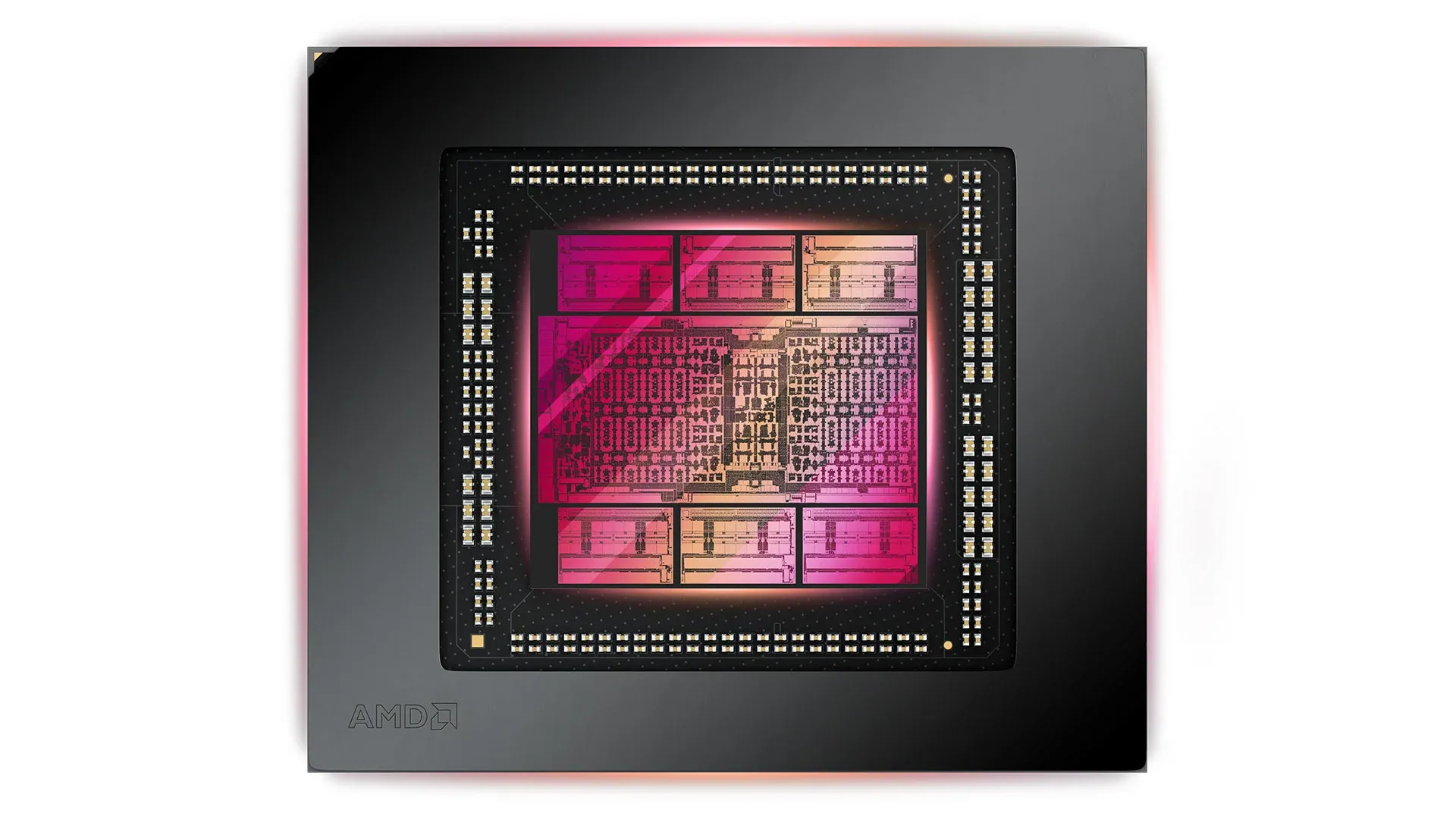


AMD has quietly dropped the first concrete signal that its next-generation GPUs will use GDDR7 memory, buried inside a routine update to its open-source Linux GPU drivers.
The change itself is minimal. A single new identifier, "GDDR7", added to the AMDGPU Linux driver. That's it. One line in a large patch submission. But here's the thing: driver-level changes like this don't happen by accident, and they rarely arrive without a real product behind them.

Use code TRYHARD33 at checkout to redeem this offer before code expires again.
Get 33% Off GAMES+ Subscription
What one line of driver code actually tells us
The current RDNA 4 lineup, including the RX 9070 and RX 9070 XT, runs on GDDR6 memory. Nvidia already made the jump to GDDR7 with the RTX 50-series, so AMD adding GDDR7 identifiers to its driver stack is less of a surprise and more of a confirmation that the company intends to close that gap with its next architecture.
Driver prep work like this typically starts well before a product ships. AMD also added preliminary support for Display Core Next 6 (DCN6) back in July, another unreleased architecture component that points to the same next-gen GPU platform. These breadcrumbs tend to cluster around a product that's at least in late planning, if not early silicon validation.
RDNA 5 and the timeline picture
Putting the pieces together, RDNA 5 is shaping up to launch sometime in 2027, though a push into 2028 remains possible. Current expectations point to a limited initial launch, perhaps just a couple of flagship SKUs, with a broader lineup arriving later. That staggered approach would mirror how RDNA 4 rolled out.
The console angle matters here too. AMD CEO Lisa Su confirmed earlier this year that the SoC powering the next-generation Xbox is "progressing well to support a launch in 2027." Next-gen consoles typically run on a semi-custom version of whatever desktop Radeon architecture AMD has in production, which means RDNA 5 silicon and the next Xbox are likely on a shared development timeline.
For PC gamers trying to squeeze every frame out of current hardware while waiting, our best PC settings guide for WARDOGS covers how to get the most from your existing GPU right now.
The memory situation hanging over everything
GDDR7 adoption isn't purely a performance decision. There's an ongoing memory supply crunch affecting the entire industry, and GDDR7 is not immune to it. Higher-bandwidth memory in tighter supply could affect pricing, availability, and even which GPU tiers actually ship with GDDR7 versus a cheaper GDDR6 option.
The optimistic read is that the supply situation will ease by the time RDNA 5 actually hits shelves. Some industry voices suggest the crunch won't be as severe as feared heading into 2027. The less optimistic read is that premium memory on next-gen cards could push prices higher than anyone wants to see.
What most players miss in these driver-leak stories is that the memory type is just one variable. Bandwidth, capacity, and the memory controller design all determine how much that GDDR7 spec actually translates into real-world gaming performance gains over GDDR6.
Where this leaves AMD's GPU roadmap
Nvidia isn't expected to have a major new architecture ready until 2028 either, which means both red and green teams are essentially running the same long development cycle. For AMD, RDNA 5 with GDDR7 represents a chance to ship a genuinely competitive high-end product before Nvidia's next major push.
The Linux driver addition is small, but the direction is clear. GDDR7 is coming to AMD's next-gen GPUs, DCN6 support is being prepped in parallel, and the timeline points toward a 2027 target that aligns with next-gen console launches.
For anyone building or upgrading a PC right now, the current RDNA 4 cards remain the practical choice. Check out our Crimson Desert best PC settings guide to get the most out of whatever GPU you're running today. For the full range of hardware optimization tips across games, browse our gaming guides to find settings breakdowns for your current setup while the next GPU generation takes shape.