
Call of Duty: Modern Warfare 4 delivers one of the series' most enjoyable campaigns in recent years, combining large-scale military battles with a more grounded perspective on combat. Developed by Infinity Ward, the latest instalment revisits elements of the franchise's earlier campaigns while introducing a new group of characters caught in a conflict on the Korean Peninsula.
Following a three-day review event in Los Angeles, the campaign has emerged as a highlight of the upcoming release. Its approximately six-hour runtime features extravagant action sequences, strong gunplay, and several missions that emphasise the experience of ordinary soldiers rather than elite operatives.
However, the campaign is not without problems. While the new characters provide some of its most engaging moments, the returning Captain Price storyline feels disconnected from the rest of the experience. The narrative also continues the franchise's tendency to simplify complicated international conflicts.
The full review remains in progress, with a final score to follow after launch and further time spent playing against the wider community. For now, the campaign offers several reasons for fans to look forward to the latest Call of Duty release.
A Return to Grounded Military Action
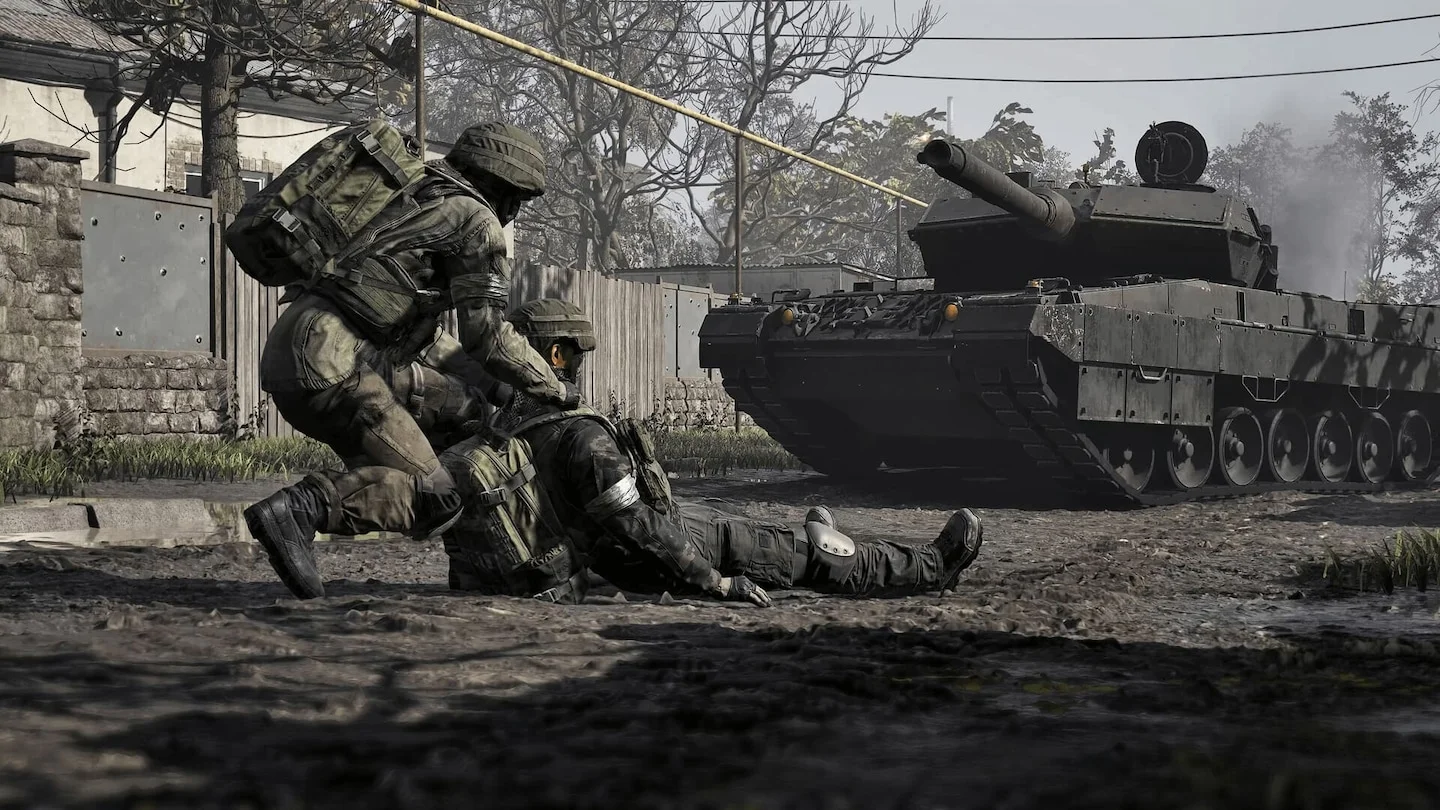
More than half of the six-hour campaign follows a group of young South Korean marines, accompanied by several American soldiers, as they attempt to survive a sudden North Korean invasion. The conflict interrupts their military service, placing the inexperienced squad in a situation far beyond their control.
The characters follow familiar military shooter archetypes, including a serious soldier, a quieter protagonist, and an American marine who regularly uses humour to break the tension. Nevertheless, the group establishes enough personality to make its members worth following.
This approach recalls the earlier Call of Duty campaigns, which often focused on ordinary soldiers navigating overwhelming battles. While those stories were not always realistic, their characters provided a more relatable perspective on the conflicts surrounding them.
In contrast, more recent entries have frequently centred on highly capable operatives tasked with preventing global catastrophes. Modern Warfare 4 finds a welcome alternative by returning to soldiers who are outnumbered, frightened, and struggling to survive.
The shift is particularly effective during missions such as "Mayhem" and "Losing Ground." Both follow attempts to defend the fictional Hajin City against an overwhelming invasion. The battles are chaotic, with the squad facing superior enemy numbers and limited opportunities to turn the situation around.
The characters' reactions help distinguish these encounters from the more conventional power fantasies associated with the franchise. Rather than making every soldier appear invulnerable, Infinity Ward allows the scale of the conflict to make its protagonists seem vulnerable.
Later missions expand the spectacle considerably. "Counter Attack," for example, features a large-scale beachfront assault that demonstrates the production values expected from a major Call of Duty release. Its combination of intense firefights and cinematic presentation provides one of the campaign's most substantial action sequences.
These moments suggest that Infinity Ward has found a more effective balance between spectacle and character-driven storytelling. The campaign retains the franchise's familiar gunplay and cinematic action without relying as heavily on gimmicks associated with battle royale or extraction-based modes.
Sandbox Missions Offer a Different Experience
One of the campaign's most notable strengths comes from its willingness to move away from linear firefights. The mission "Stranded" follows the squad after its aircraft crashes behind enemy lines in North Korea, leaving the soldiers to navigate hostile territory.
The mission introduces a larger, non-linear environment with three primary objectives, optional activities, and a hideout where players can improve their equipment. The crafting system allows players to upgrade weapons, armour, and camouflage, providing additional ways to prepare for encounters.
Its structure offers a significant contrast to the campaign's more explosive opening missions. Instead of pushing players through a sequence of tightly scripted encounters, "Stranded" gives them more freedom to decide how to approach their objectives.
The result resembles a smaller open-world action game, with elements reminiscent of Far Cry. Its quieter atmosphere also reinforces the sense of isolation created by the squad's situation.
Although the change in pacing may initially feel unusual within a traditional Call of Duty campaign, the mission develops into one of its strongest sections. The additional freedom gives players more opportunities to explore the environment and approach combat according to their preferred tactics.
The mission also uses the looting mechanics associated with the franchise's DMZ mode. However, the campaign's map was reportedly designed specifically for this sequence rather than repurposed from Warzone. That distinction helps the mission feel like a deliberate part of the single-player experience rather than an attempt to incorporate an existing multiplayer environment.
The success of "Stranded" raises questions about the campaign's overall direction. The South Korean marine squad provides a compelling foundation for a longer story, and a greater focus on its experiences could have given the narrative more room to develop its characters and explore the consequences of the invasion.
Captain Price's Storyline Feels Disconnected
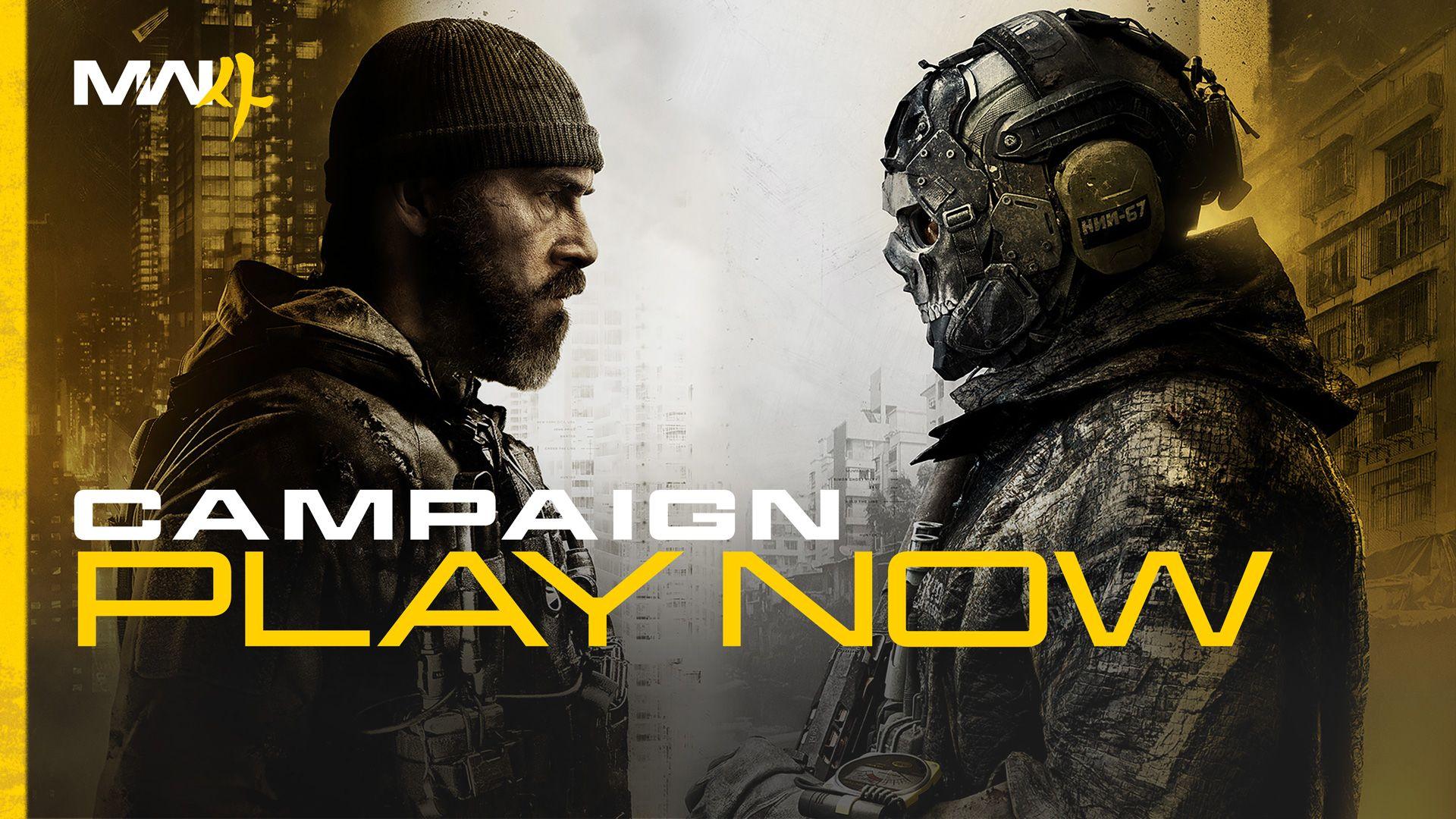
While the new squad provides the campaign's strongest material, Captain Price remains a central figure in a separate storyline. Now a wanted fugitive following events from Call of Duty: Modern Warfare 3, Price continues his efforts amid a conflict that intersects only loosely with the marines' experiences.
The campaign acknowledges that some players may not remember the previous game's events by including an extended recap. However, the additional context does little to resolve the structural problems surrounding Price's role in the story.
His missions revisit several familiar action sequences, including vehicle chases, foot pursuits, and cinematic knife fights. Although these encounters deliver the expected production values, they leave a less lasting impression than the missions centred on the new characters.
The contrast between the two storylines becomes increasingly noticeable as the campaign progresses. The marine squad's experiences provide a grounded perspective on the invasion, while Price's sections feel more concerned with revisiting established franchise elements.
Price also largely disappears from the narrative during its second half, leaving the two storylines feeling even more disconnected. The campaign was presented as the conclusion to the Modern Warfare storyline that began in 2019, but its execution suggests a desire to move beyond the existing narrative rather than bring its various elements together in a satisfying way.
The use of Mads Mikkelsen also appears underdeveloped. His presence could have provided a more imposing antagonist, but the campaign does not give his character enough room to make a lasting impact.
Ultimately, the Price storyline feels like an obligation to satisfy returning fans rather than an essential part of the new campaign. A greater focus on the South Korean marines could have resulted in a more cohesive experience.
A Familiar Approach to International Conflict
Despite its more grounded characterisation, Modern Warfare 4 continues a recurring weakness in the franchise's political storytelling.
The North Korean invasion provides a straightforward foundation for the campaign's military action, but the narrative reportedly simplifies the wider geopolitical situation through a conventional American perspective. This approach risks reducing a complicated international conflict to a familiar conflict between clearly defined heroes and enemies.
The story also follows the series' established tendency to reveal a larger global power operating behind the immediate threat. While the twist provides a familiar framework for escalating the stakes, it does little to distinguish the narrative from previous entries.
This does not prevent the campaign from delivering effective action, but it limits its ability to explore the conflict beyond the immediate demands of the gameplay.
The contrast is particularly noticeable when compared with the campaign's strongest moments. The missions involving inexperienced soldiers facing overwhelming opposition offer a more human perspective on warfare, while the broader political narrative frequently returns to familiar blockbuster conventions.
A more nuanced approach could have strengthened the connection between these two elements. As it stands, the campaign is most effective when it focuses on the soldiers caught in the conflict rather than the geopolitical explanations behind it.
Modern Warfare 4 Campaign Verdict So Far
Call of Duty: Modern Warfare 4 appears to be a welcome return to form for the franchise's single-player campaigns. Its approximately six-hour story combines strong gunplay, large-scale setpieces, and more grounded characterisation to create an experience that stands out from several recent entries.
The South Korean marine squad provides the campaign with a fresh perspective, while missions such as "Mayhem," "Losing Ground," "Counter Attack," and "Stranded" demonstrate the benefits of combining traditional linear action with more open-ended gameplay.
The main weaknesses stem from the disconnected Captain Price storyline and the simplified political narrative. Both prevent the campaign from reaching its full potential, particularly when the new characters offer a more compelling direction for the series.
Nevertheless, the campaign succeeds in making single-player feel like a priority again. Its action sequences, character-driven moments, and varied mission design provide a strong foundation for the wider release.
A final verdict will depend on the full review process, including further time with the game's multiplayer and DMZ components. Based on the campaign alone, however, Modern Warfare 4 looks like an instalment that fans of the franchise's single-player experiences should not overlook.