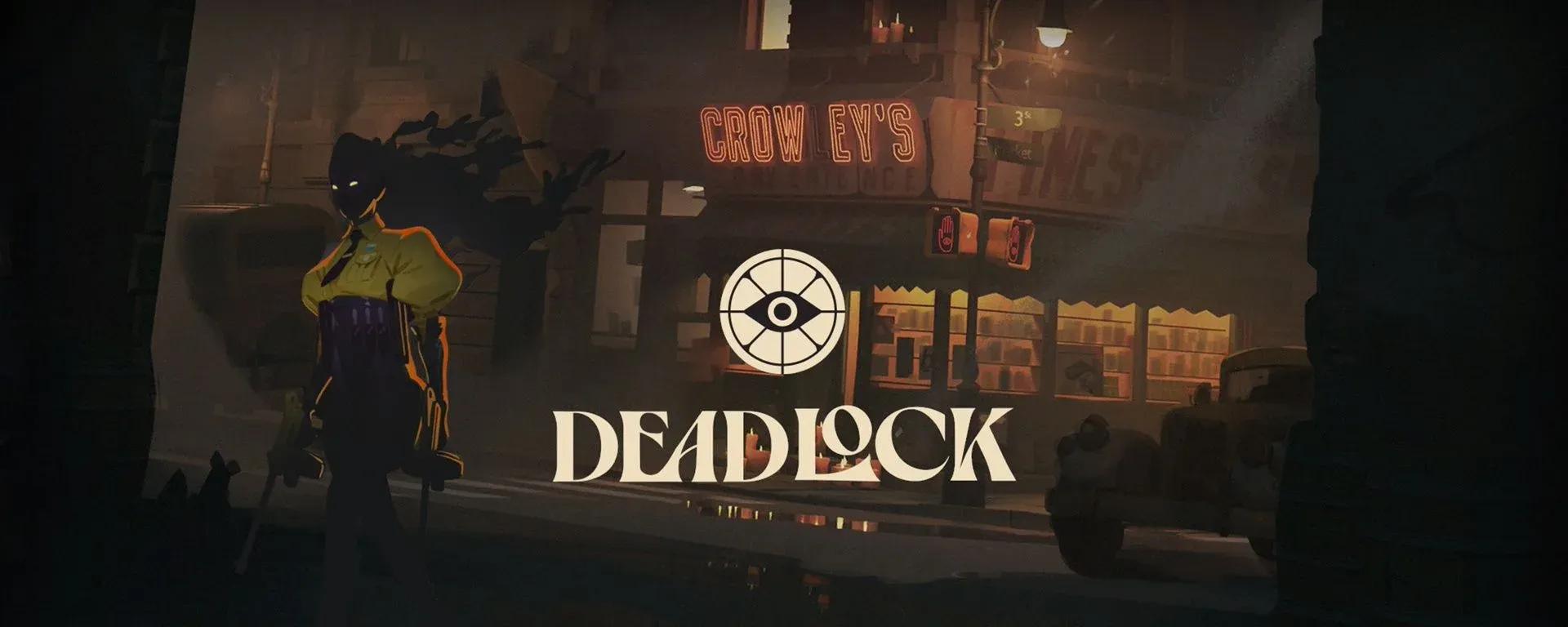

"The city changes at night." That's the clearest way to describe what Valve has done with the City Never Sleeps update for Deadlock, and it undersells how far the game has shifted from the shooter-MOBA hybrid players thought they understood.
Deadlock launched as a genre blend that worked precisely because it kept things readable. Lanes, souls, hero abilities, gunfights. The loop was aggressive but legible. City Never Sleeps tears that legibility apart on purpose, and the result is something that plays more like a survival horror game than anything Valve has shipped before.
What the update actually changes
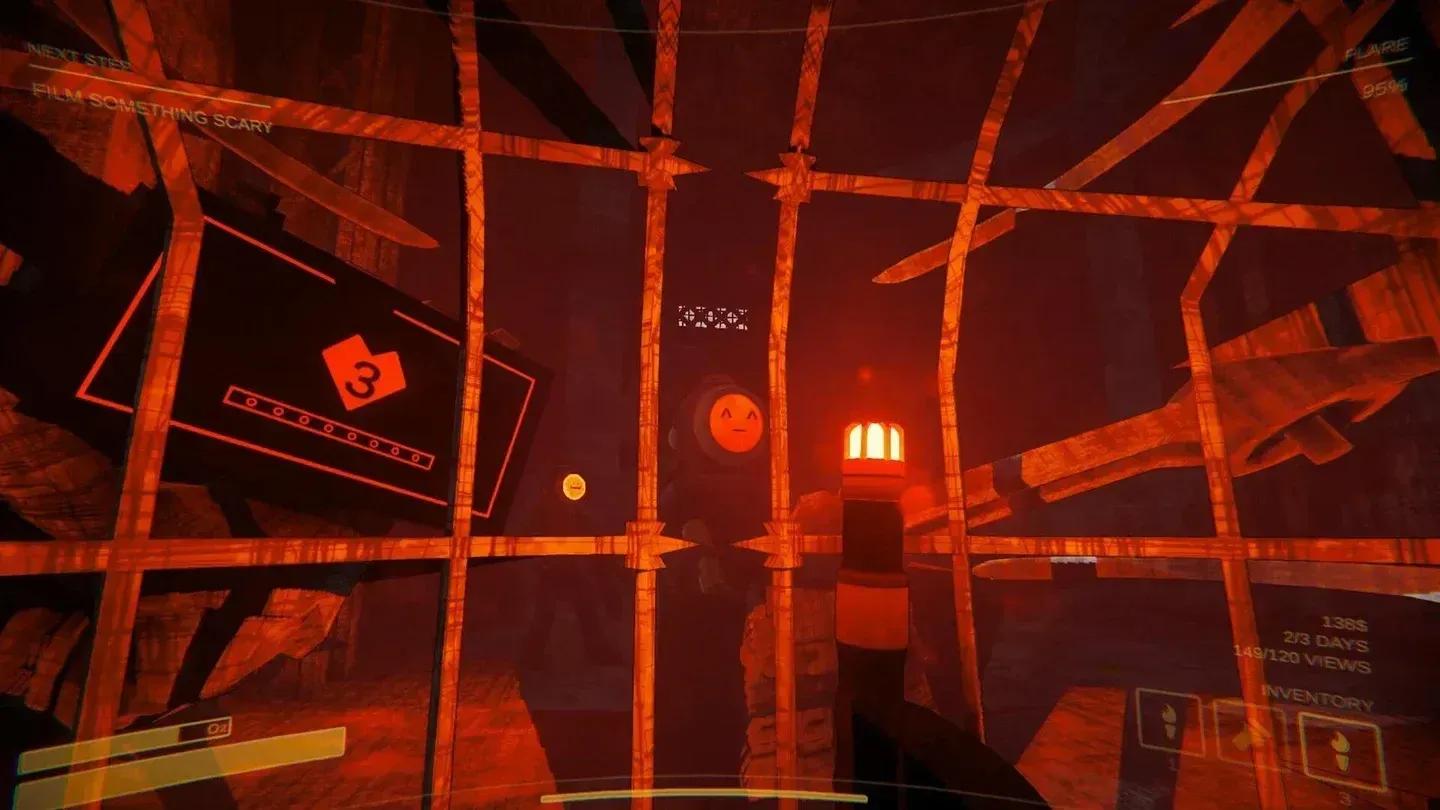
The core shift is environmental. Once a match clock hits a specific threshold, the map enters a nighttime state. Street lighting cuts out across large sections of the city. A fog system rolls in that genuinely obscures sightlines, not just cosmetically but mechanically, shrinking effective vision range for every hero on the map. Familiar chokepoints that players have memorized become disorienting. The minimap loses detail in fogged zones.
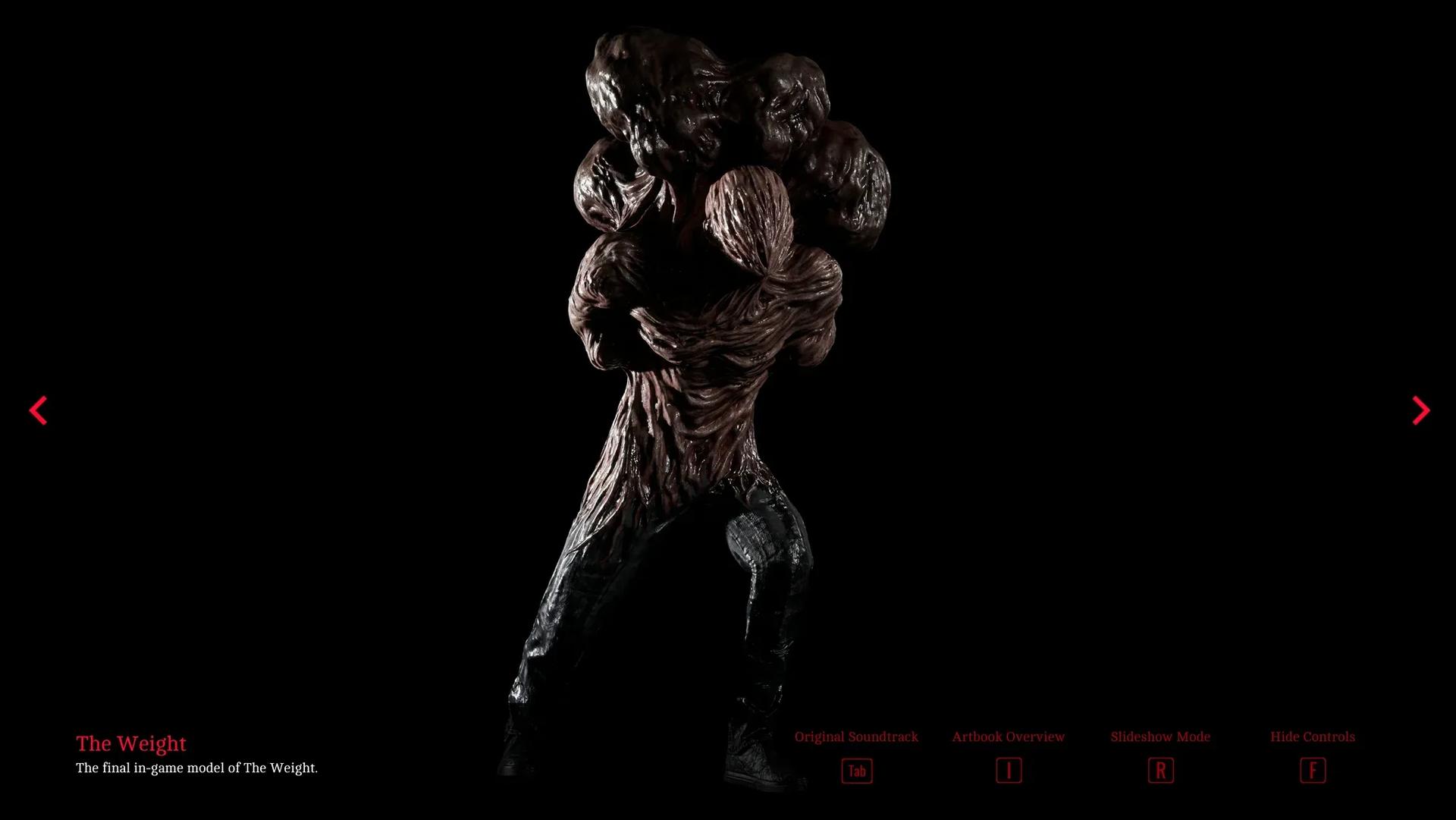
Here's the thing: this isn't a simple day-night cycle bolted onto existing maps. Valve has added new enemy types that only spawn during the night phase. These aren't standard jungle camps. The new creatures move unpredictably, deal significant damage to isolated heroes, and in some cases actively stalk players who linger in fog-heavy corridors. The city stops feeling like an arena and starts feeling like something that wants to kill you.
Soul farming, which has always been the backbone of Deadlock's mid-game economy, becomes a calculated risk after dark. Rotating alone through the outer lanes to collect souls means moving through fog with reduced vision, potentially triggering a creature encounter with no teammate nearby to bail you out. Players who want to understand the laning phase and rotation timing in this new context will need to rethink solo tempo entirely.
The atmosphere is doing real work
What most players miss in early impressions is how much the sound design is carrying the horror angle. The ambient noise during the night phase shifts dramatically. The city's usual mechanical hum drops away, replaced by distant sounds that are hard to place. Footsteps echo differently. The new creatures have audio cues that players are still learning to read, which means the first few hours feel genuinely tense in a way that a competitive shooter-MOBA almost never does.
The visual tone has shifted too. The update adds new environmental details across the city sections of the map, leaning into decay and shadow in ways that feel deliberate. Certain areas that were previously open and well-lit now have collapsed structures and flickering lights. Valve hasn't changed the hero roster's visual design, but the world around them reads completely differently.
How the competitive picture shifts
The key here is that City Never Sleeps doesn't just add atmosphere. It changes which heroes are viable and when. Characters built around long-range poke and vision control lose significant value during the night phase. Heroes with close-quarters burst damage, mobility, or abilities that don't rely on seeing targets clearly become considerably stronger once the fog rolls in.
Objective control during nighttime is where matches are likely to be decided at higher levels of play. Teams that can coordinate rotations through fog, manage the new creature threats, and maintain map presence without relying on vision will have a structural advantage. Players looking to sharpen their mid-game rotation and objective priorities will find the new night phase adds a third layer of decision-making on top of the existing soul economy and team fight timing.
The update also introduces new interactable objects scattered through the city during night phase, some of which provide temporary buffs and others that trigger creature spawns if activated at the wrong moment. The risk-reward calculation around these objects is still being mapped out by the player base, and that uncertainty is part of what makes the current patch feel alive.
A genre experiment with real stakes
Valve has always used Deadlock as a space to test ideas that don't fit neatly into their existing catalog. City Never Sleeps is the most aggressive design swing yet. Turning a competitive action game into something with genuine horror atmosphere mid-match, without abandoning the underlying MOBA structure, is a difficult balance to pull off.
The early read from the player base is that it works, mostly because the horror elements have mechanical teeth. The fog isn't decorative. The creatures aren't optional. The night phase forces adaptation in a way that feels earned rather than imposed. Pro tip: if you're heading into ranked matches this week, spend time in the Deadlock Sandbox mode testing how your hero's effective range changes under the fog system before committing to a build.
City Never Sleeps goes live across all regions this week. The meta is unsettled, the city is dark, and Deadlock is genuinely surprising again.