

Some games launch rough, repetitive, or just plain unfinished. Then the expansion drops and suddenly everyone remembers why they loved the franchise in the first place. It happens more than you'd think, and the examples below aren't edge cases. These are expansions that genuinely outclassed the game they were attached to.

Use code TRYHARD33 at checkout to redeem this offer before code expires again.
Get 33% Off GAMES+ Subscription
The ones that fixed everything the base game got wrong
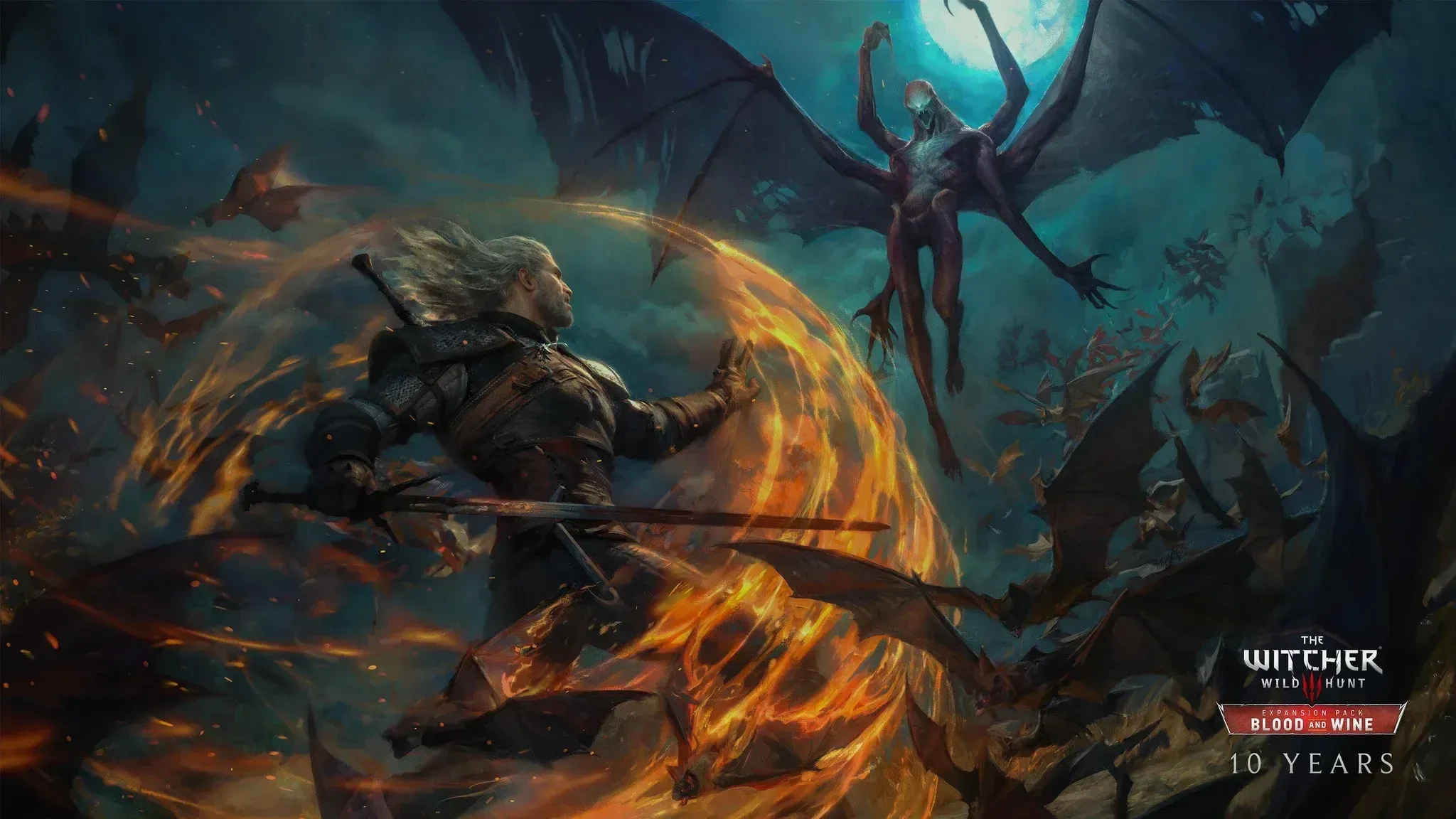
The Witcher 3: Blood and Wine is probably the clearest example in modern gaming. The base game was already strong, but Blood and Wine arrived with a brand-new region in Toussaint, a completely self-contained story, and a level of visual polish that made the original Velen look muddy by comparison. Players who burned out before finishing the main campaign came back specifically for this expansion, and many of them stayed longer in Toussaint than they ever did in Novigrad.
World of Warcraft: The Burning Crusade did something similar back in 2007. Vanilla WoW had rough endgame balance, faction imbalance issues, and a 40-player raid structure that excluded most of the playerbase. Burning Crusade cut raid sizes to 25 and 10, introduced the Blood Elves and Draenei, and gave the game a visual and tonal identity that felt genuinely alien. For a lot of players, Burning Crusade is still the version of WoW they remember most fondly.
Borderlands 2: Tiny Tina's Assault on Dragon Keep is a masterclass in using the expansion format to take creative risks. The base game was fun but formulaic. Dragon Keep threw the whole formula out and built a Dungeons and Dragons parody on top of it, complete with emotional storytelling that hit harder than anything in the main campaign. It was so well-received that it eventually became a standalone release.
Expansions that became the reason to own the game
The Sims 4 is a complicated case. The base game launched in 2014 stripped of features that were standard in Sims 3, including swimming pools and toddlers. The expansions that followed over the years gradually rebuilt what was missing and then some. If you want to figure out which packs are actually worth buying, the best Sims 4 expansion packs guide breaks down all 21 packs by value and gameplay depth, because not all of them hit the same mark.
Red Dead Redemption: Undead Nightmare took a grounded, slow-burn western and turned it into a zombie apocalypse with its own complete story arc. The tonal shift shouldn't have worked. It absolutely did. Undead Nightmare gave players a reason to return to the map after finishing the main game and delivered one of the most memorable standalone experiences of that console generation.
Dark Souls: Artorias of the Abyss added the game's hardest bosses and most lore-dense content as DLC. Players who thought they had seen everything the base game offered found themselves completely unprepared for Manus and Kalameet. The expansion also filled in backstory that recontextualized the entire main narrative.
The free-to-play era and what it changed
Not every expansion comes with a price tag. Palia's Royal Highlands expansion added horses, a new region, and major home upgrade systems to a game that had been building its audience quietly. The expansion pushed the game past 10 million players, which tells you something about what the new content unlocked for the playerbase. If you're jumping in fresh, the Royal Highlands expansion guide covers everything new players need to know before heading into the new region.
Path of Exile operates on a league system where each new expansion effectively replaces the game most players are playing. The Betrayal league, the Delirium league, and several others introduced mechanics so compelling that players who had never touched the base game came in specifically because of the expansion content. The core game became a delivery vehicle for whatever the latest league was doing.
Civilization V: Gods and Kings and its follow-up Brave New World are the textbook case of an expansion completing a game. Civ V at launch was criticized for shallow diplomacy and an underwhelming late game. Brave New World added the World Congress, tourism mechanics, and a cultural victory path that actually felt earned. Most players today who call Civ V one of the best strategy games ever played it with both expansions installed and probably never experienced the base game on its own.
The pattern here is worth paying attention to
Look across this list and a clear pattern emerges. The expansions that outperformed their base games almost always did one of two things: they took a creative risk the base game was too cautious to take, or they fixed a structural problem the launch version shipped with. Dragon Keep went weird. Burning Crusade fixed the raid system. Blood and Wine committed fully to a new setting.
The base game gets you in the door. The expansion is where the developers, freed from the pressure of a launch window, often do their best work.
For more deep dives on expansions, DLC rankings, and what's actually worth your time across every major franchise, the full gaming guides library has you covered.