

Four months of work. Two developers. $361,657 in the first 24 hours.
That's the story of Sir, We Have an Orc Problem, the physics-based tower defense game from two-person studio Mumpitz Games that launched on July 28 and immediately climbed to 15th on Steam's best-sellers chart. For a $10 indie title built by a skeleton crew, those numbers are the kind that make the entire industry do a double-take.

Use code TRYHARD33 at checkout to redeem this offer before code expires again.
Get 33% Off GAMES+ Subscription
From $7K per dev per year to $361K overnight
The context here matters a lot. Before this, Mumpitz released Tiny Auto Knights in November, a game that took around a year and a half to build. After Steam's cut, publisher fees, and other deductions, the team walked away with roughly $30,000 over nine months, which works out to about $7,000 per developer per year. That's below minimum wage in most countries.
After that, the studio dropped from three people to two. The remaining pair, both with over 10 years of programming experience and professional games industry backgrounds, decided to take a different approach: build something smaller, faster, and with a clear hook.
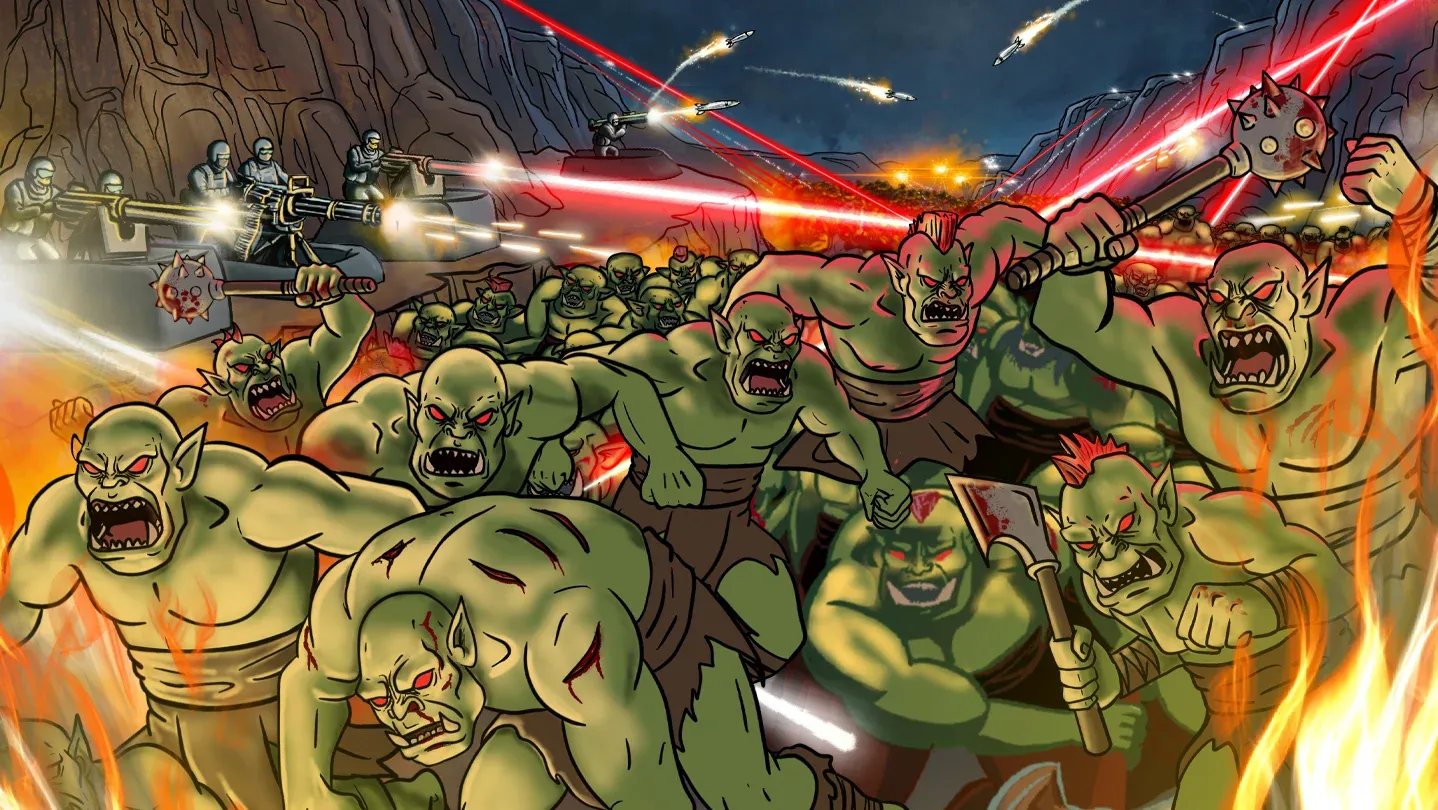
The result was Sir, We Have an Orc Problem. The key here is that they didn't reinvent the wheel. The game is a classic tower defense where you place and upgrade turrets, then watch them grind through waves of physics-simulated orcs. What sets it apart is the sheer scale of that physics simulation, with orcs piling into choke points like a green flood, perfect for bombing runs and area abilities that turn the whole mess into satisfying chaos.
The $200 marketing budget that punched well above its weight
Mumpitz co-lead KaTeKaPe (Kape) shared a detailed post-mortem on the gamedev subreddit, and one number stands out almost as much as the revenue figure: the studio spent just $200 on marketing, specifically for a slot in the Best Indie Games showcase. That's it.
Everything else came from showing early prototypes on social media. The response was immediate. Players started asking for a Steam page so they could wishlist the game before it even had one. The page went live on April 9, and a well-received demo during Steam Next Fest built the wishlist queue further before launch day.
The inspiration for the game was another incremental tower defense called Outhold, which had also reviewed well on Steam. Mumpitz took that foundation, applied their physics tech to push enemy counts far beyond what the genre typically attempts, and shipped it.
What the numbers actually mean after cuts
$361,657 gross is the headline figure, but it's worth understanding what gross means in this context. Steam takes a 30% cut on sales under $10 million, leaving roughly $253,000 before taxes and any other costs. For two developers who were making $7,000 each per year from their previous game, that's still a life-changing outcome from a single launch day.
The game launched at $10 with a 10% launch discount, meaning most day-one buyers paid $9. At that price point, Sir, We Have an Orc Problem sold somewhere in the range of 40,000 copies in 24 hours to hit that revenue figure. The game was sitting at 89% positive on Steam after 550 reviews at the time of writing, which suggests the momentum isn't going to collapse overnight.
"There is a golden era for indie games right now"
Kape's post-mortem doesn't just celebrate the numbers. It tries to explain them, and the thinking is worth paying attention to.
"There was definitely some luck involved, but I strongly believe that there is a golden era for indie games right now," Kape writes. "There are so many devs that just make a fun little game and somehow it sells exceptionally well. You just have to put your game out and let people see and play it. If there's some 'magic' to it, you will know immediately."
That framing echoes a broader conversation happening in the indie space right now. Small, focused games with a single strong mechanical hook are consistently finding audiences on Steam in ways that longer, more expensive projects sometimes don't. Sir, We Have an Orc Problem is a direct example: no complex narrative, no massive art budget, no marketing spend to speak of. Just a physics system that makes tower defense feel fresh and a price point low enough that buying it on impulse is an easy decision.
Kape was also refreshingly honest about the game's visuals. When a Reddit commenter praised it as proof that gameplay can carry a game with limited art, Kape's response was essentially: "It kinda looks bad to be honest. Maybe we can make it a bit prettier soon."
That self-awareness, combined with the game's strong mechanical foundation, is probably part of why the community response has been so positive. Players know what they're getting, and what they're getting works.
What this means for players and the indie space
For anyone looking to pick up Sir, We Have an Orc Problem, it's currently $10 on Steam with a 10% launch discount still running. The physics-driven orc waves and upgrade loop are clearly landing well with the people who've played it, and at that price the risk is minimal.
The broader story here is one that keeps repeating on Steam: a small team with a sharp idea and genuine technical skill can still break through. The platform remains genuinely accessible to developers who understand what players want and can execute on it quickly. Mumpitz went from $7K per developer per year to a launch day that will likely fund their next several projects.
For more on what's worth playing right now, check out our gaming guides covering everything from Gothic 1 Remake two-handed sword locations to how to start the Borderlands 4 Mad Ellie DLC. The indie scene keeps delivering surprises, and this one is worth watching.