
The mini-game discourse around Final Fantasy VII Rebirth has been loud enough to reach the director of the next game in the trilogy, and Naoki Hamaguchi has a clear message for everyone arguing about it: you're debating the wrong thing.
Hamaguchi's take on the quantity argument
Speaking in the latest issue of Edge Magazine, Hamaguchi addressed the ongoing back-and-forth over whether Rebirth had too many mini-games. His response was direct. "I often see debates about whether it's better to have more minigames or fewer," he said. "However, I don't think that discussion really gets to the heart of the matter."
Here's the thing: Hamaguchi isn't dismissing the feedback out of hand. He's redirecting it. The framing of "more vs. fewer" treats mini-games as a volume problem, when his concern is whether players actually want to engage with them in the first place.

The original FF7 was always the benchmark
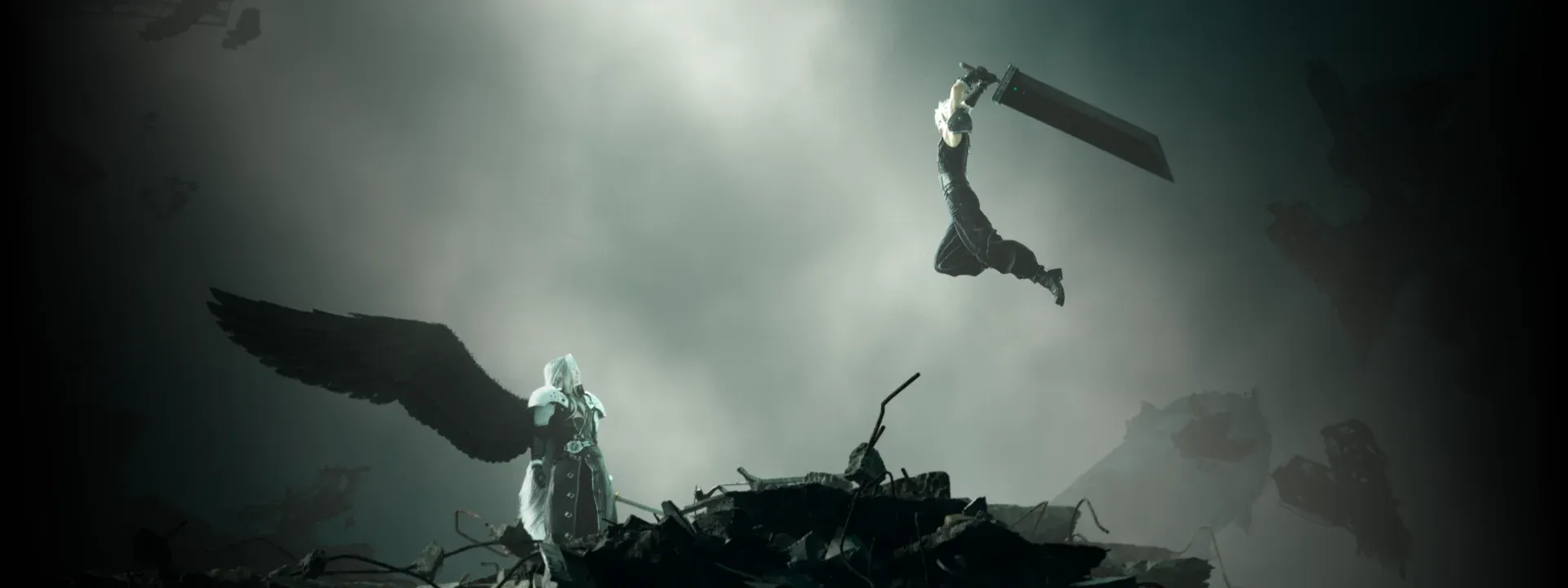
Hamaguchi was clear that loading Rebirth with mini-games was a deliberate, director-level decision, not a miscalculation that slipped through. "The overarching policy that 'the FF7 remakes would offer a gaming experience as rich in minigames as the original' was my decision as director, and I believe that responsibility is mine to bear."
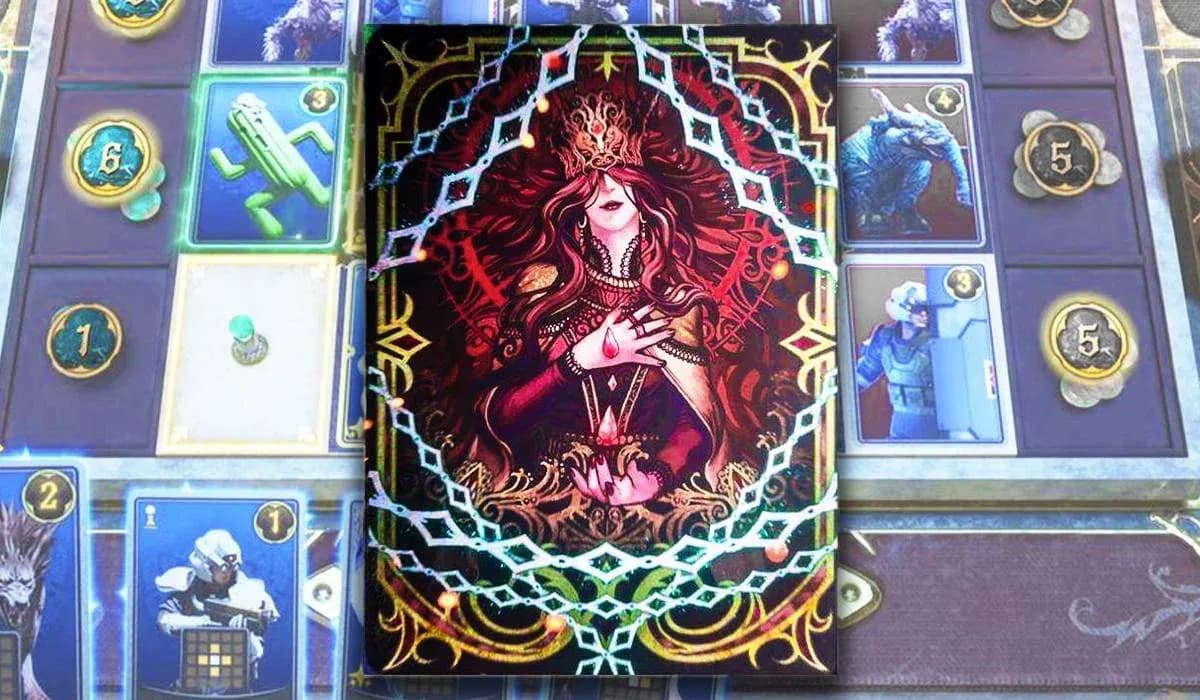
The 1997 original had Chocobo Racing, the Gold Saucer, snowboarding, submarine battles, and a half-dozen other diversions scattered across its runtime. Rebirth's Queen's Blood, Fort Condor, Galactic Survivors, Pirate's Rampage, and the rest are the modern equivalent of that same design philosophy. Hamaguchi sees the mini-game density not as bloat but as a signature of what FF7 is.
Quality of engagement, not headcount
What Hamaguchi actually wants to improve going into Final Fantasy 7 Revelation is the experience of playing those mini-games, not the number of them. "We prioritised ensuring that players engage with the minigames because they want to, rather than feeling like they're being made to play them," he said.
That distinction matters. Rebirth drew criticism partly because a handful of mini-games appeared in mandatory story sequences, putting players who had zero interest in, say, a particular card game in a frustrating position. Hamaguchi seems aware of that friction. His stated priority for Revelation is making engagement feel voluntary and enjoyable, not obligatory.
"I believe that how we can deliver that gaming experience is more important than whether to increase or reduce the number of minigames," he added.
What this means for Revelation's design
Hamaguchi's comments suggest the mini-game philosophy isn't going anywhere for the trilogy's final entry. The key shift, if there is one, will be in how those activities are woven into the experience rather than how many exist. Players who bounced off Rebirth's denser optional content probably won't see a dramatic reduction. What they might see is better integration, clearer opt-in design, and less friction between the critical path and the side content.
This tracks with other things Hamaguchi has said recently about Revelation, including acknowledging that some players found Rebirth's sheer volume of content overwhelming. He's been consistent: the ambition stays, but the delivery can always improve.
For players getting ready to jump into the trilogy's conclusion, the FF7 Rebirth strategy guides collection is worth bookmarking now, especially if you want to get a handle on the combat and side systems before Revelation arrives. And if you're newer to the series, the FF7 Rebirth beginner's guide covers everything you need to get up to speed before the final chapter lands.