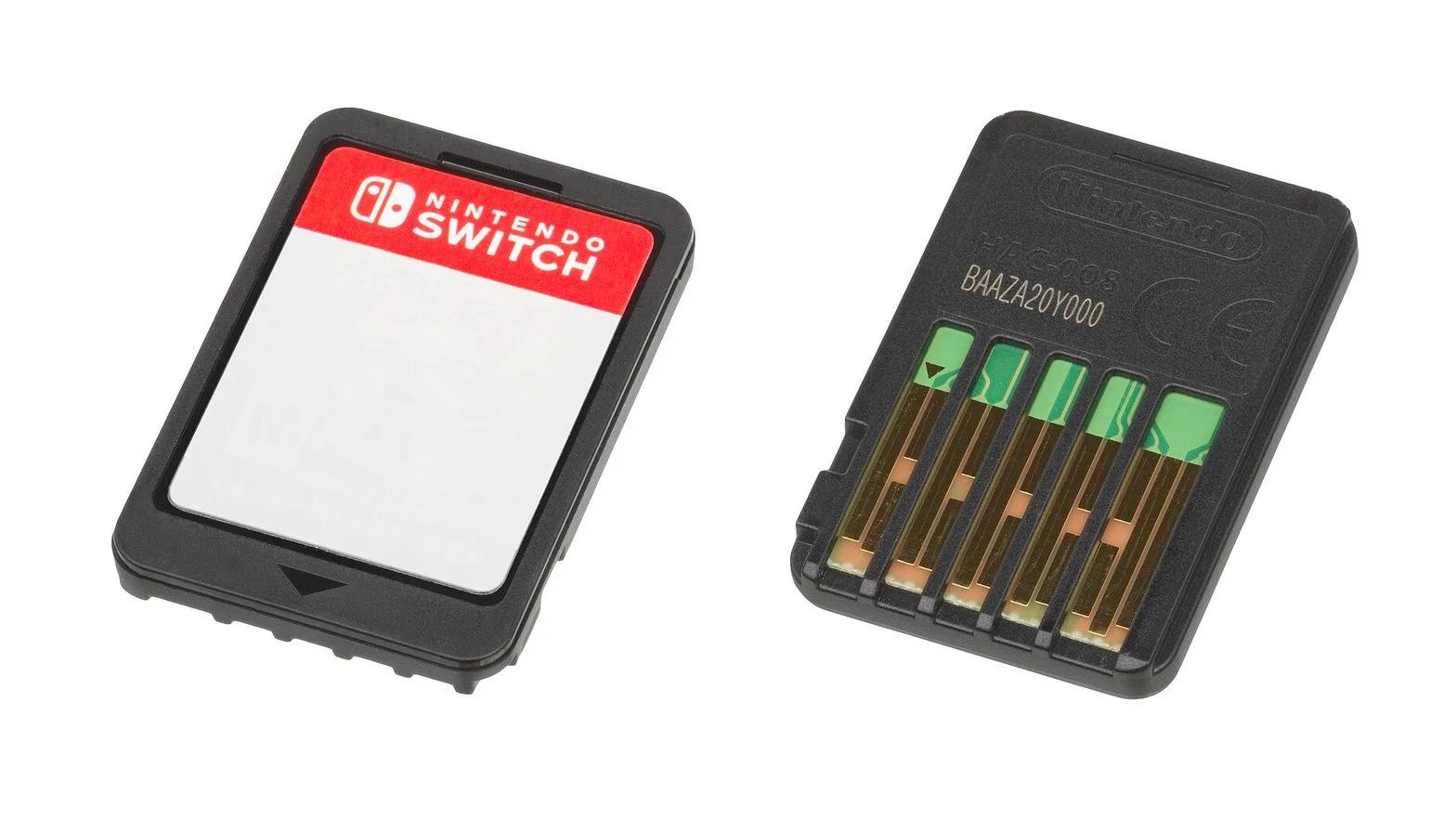

Macronix, a major chip supplier for Nintendo game cartridges, plans to exit ROM manufacturing entirely after ROM products accounted for just 5% of its revenue in Q3 2026. The company is shifting production capacity toward NOR and eMMC memory chips.
What Macronix is changing
Macronix's latest financial results show ROM revenue fell 39% year-on-year, despite increasing 9% from the previous quarter. Its chairman said manufacturing capacity is limited and is being directed toward the company's other memory products.
The withdrawal includes changes to both product development and financial reporting:
- Macronix will introduce no new ROM products.
- The company plans to stop ROM manufacturing entirely.
- Q3 2026 is the final quarter in which it will report ROM sales separately.
NOR and eMMC memory products are the focus of its capacity shift.
What this means for Nintendo cartridges
ROM, short for read-only memory, stores permanently written data. A console can read game code directly from that chip without first installing the data to its internal storage. Nintendo's proprietary game cards use specialized, high-speed ROM technology tailored to its hardware.
Those chips have high manufacturing costs. Publishers already have another physical retail format on Switch 2: Game-Key Cards, which serve as authentication keys instead of carrying the full game data.

Game-Key Cards require a download
A boxed release and a card containing the game are therefore different purchases.
Nintendo's position on physical games
Digital purchases already represent a substantial share of Nintendo's software business. Digital sales accounted for 61.5% of its software sales from April to June.
Nintendo also already charges different prices for some physical and digital editions. Yoshi and the Mysterious Book was priced at $60 on the Nintendo eShop and $70 for a physical copy. That pricing policy began earlier in 2026, before Macronix's exit plans.