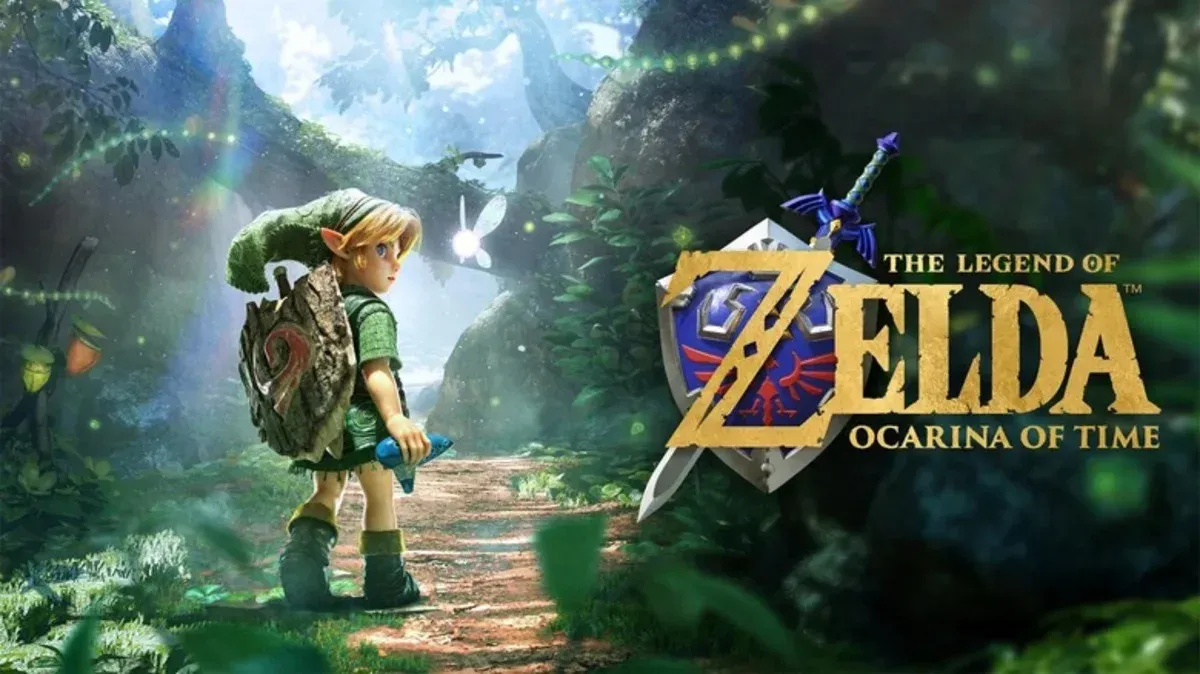

The Legend of Zelda: Ocarina of Time remake for Switch 2 is the highest-reviewed game of 2026 so far, with a 96 Metacritic score as of November 4, ahead of its November 5, 2026 launch.
For players returning to Hyrule, the praise centers on a balancing act: Nintendo has modernized how the adventure feels without replacing the dungeon-led design that defines it. The reception is strong, but the reviews also identify a few places where the visual overhaul loses some of the original's character.
Nintendo's remake moves ahead of this year's field
The remake takes first place ahead of twin-stick shooter Sektori. The Switch 2 Deluxe Edition of the Resident Evil 2 remake follows in third, putting Nintendo's return to Hyrule above both in this year's review standings.
Its reception also places it at number 24 in the all-time rankings. That puts it ahead of games including Half-Life, Metal Gear Solid 2, and Elden Ring, while remaining behind Baldur's Gate 3 and the original Resident Evil 4.
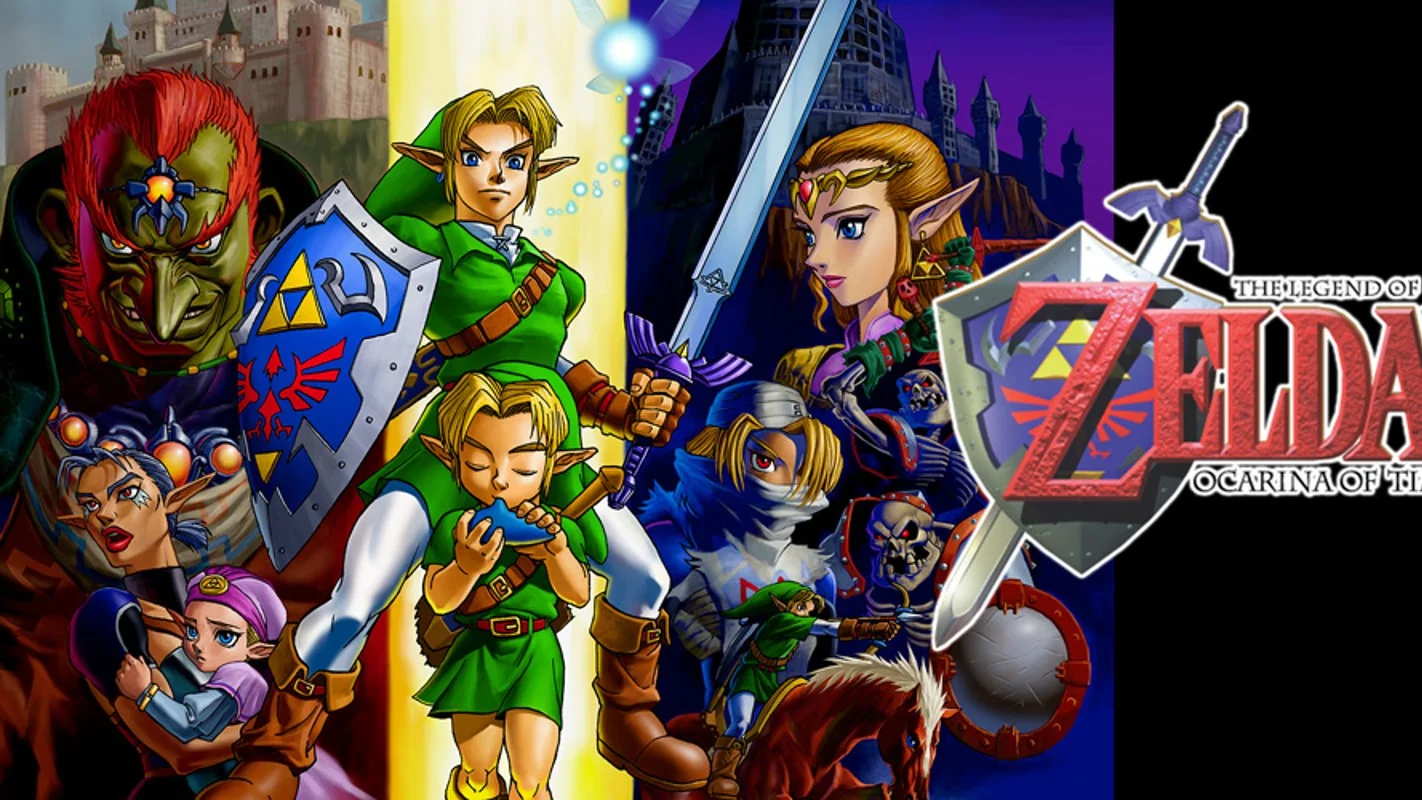
The 1998 Nintendo 64 version of Ocarina of Time still holds the all-time lead. Nintendo's new remake does, however, rank above Ocarina of Time 3D, the 2011 Nintendo 3DS release. This is another return to the series' fifth entry, which was also Zelda's first adventure in 3D.
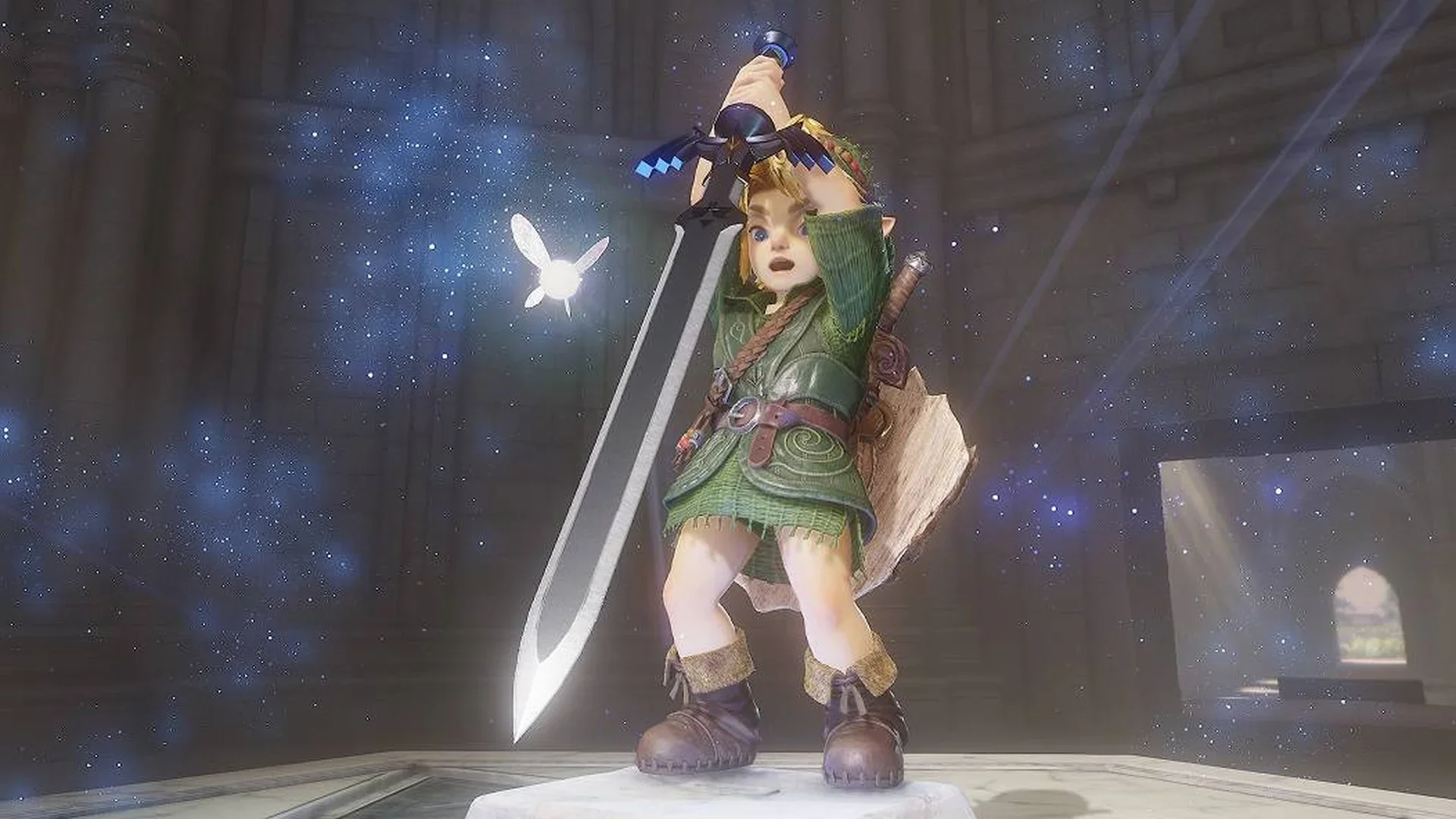
Link draws the Master Sword

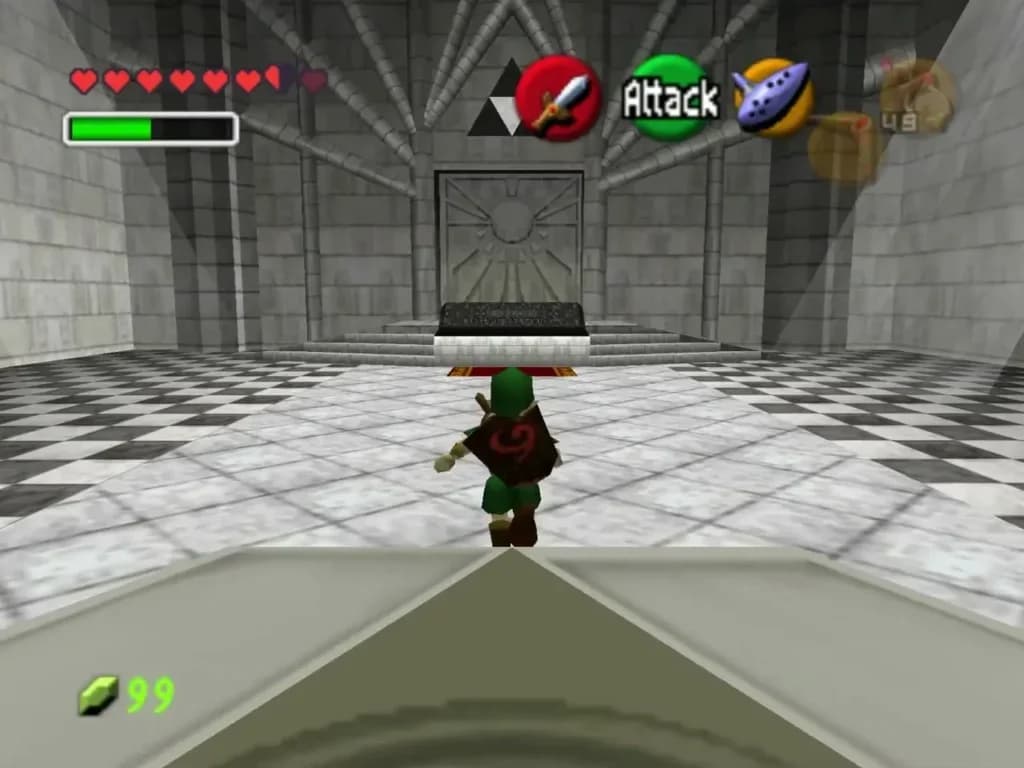
Hyrule's familiar structure gets a smoother ride
Performance is one of the clearest player-facing improvements. The technical leap benefits action sequences, platforming timing, and general exploration, rather than simply making Hyrule look cleaner. Frame delivery is consistently smooth across both ways of playing on Nintendo's console.
The remake's changes compared with the original pair updated movement and presentation with the classic world and dungeon design. Reviews particularly praise gameplay adjustments that help Link's adventure move at a quicker pace.
Two parts of that underlying design receive particular attention:
- Dungeons retain their combination of challenge, playful ideas, and carefully connected spaces.
- Side quests, minigames, and hidden grottos feel individually designed around memorable discoveries, rather than activities repeated to fill the world.
That second point gives Ocarina of Time a distinct identity alongside larger modern adventures. Its smaller diversions earn praise for having a specific purpose, with individual secrets carrying more weight than a long checklist of similar tasks.
The visual overhaul has its critics
The new art direction is the main point of disagreement. Reviews praise the increased visual scale in some areas, but also identify inconsistencies and locations that feel less recognizably Zelda. The criticism is specific: greater detail does not always preserve the distinctiveness of the older designs.
New cutscenes receive a warmer response for expanding the drama around Link's stolen childhood. Despite the updated presentation, reviewers describe an adventure that retains its melancholy and its focus on change and the passage of time, themes already central to the original story.
Nintendo releases the remake exclusively for Switch 2 on November 5, 2026. For launch planning, check the Ocarina of Time remake release date and start times guide.