Mick Gordon does not hedge. At PAX Australia 2026, the Australian composer behind one of gaming's most beloved soundtracks was asked whether generative AI has any place in his creative process. His answer was two words, and neither of them was "maybe."
"F##k AI," Gordon told interviewers at the event, with zero ambiguity.
For anyone who has spent time with DOOM 3 or followed the franchise's evolution, the name Mick Gordon carries serious weight. His work on Doom 2016 turned a shooter's soundtrack into a genuine cultural moment, blending heavy metal with industrial noise in ways that felt genuinely new. That reputation was built on unconventional methods: for Killer Instinct in 2013, he sourced a kangling, a Tibetan instrument traditionally made from human bone, to score the skeletal fighter Spinal. For Doom 2016, he recorded actual chainsaw sounds and fed them into guitar riffs. The results speak for themselves.
Why Gordon thinks AI will always play catch-up
His rejection of AI is not just a gut reaction. Gordon laid out a specific argument for why he believes generative tools are structurally limited, regardless of how sophisticated they become.
"Generative AI is always going to be behind where humans are because it's going to be inherently trained off stuff that humans have already created," he explained. "It creates a large database of what it's been trained on, and then it draws a very logical conclusion on whatever that dataset is. It's always going to be limited by its dataset. It's never going to be in a state where it's going to predict the next thing, the new thing, whatever humans can come up with."
The key here is that Gordon is not making an emotional argument about artistry or soul. He is making a practical one: AI models are, by definition, derivative. They synthesize what already exists. The chainsaw-sampled guitar riff that defined Doom 2016's sound was not a logical conclusion drawn from existing metal tracks. It was a genuinely unexpected move. That kind of lateral thinking is exactly what he believes AI cannot replicate.
The human connection argument
Gordon also pushed back on the broader cultural drift toward AI-generated content, framing it as something that might actually push audiences back toward human-made work.
"Humans are always going to want to interact with other humans. Always," he said. "And I feel this AI stuff is just giving people more reason to abandon this digital infection that we have with our lives now. Humans are always going to chase that human connection."
That is a more optimistic read than most composers in his position might offer. Rather than treating AI as an existential threat to game music, Gordon seems to view it as a filter that will ultimately make authentic human creativity more valuable, not less.
What Gordon is actually working on
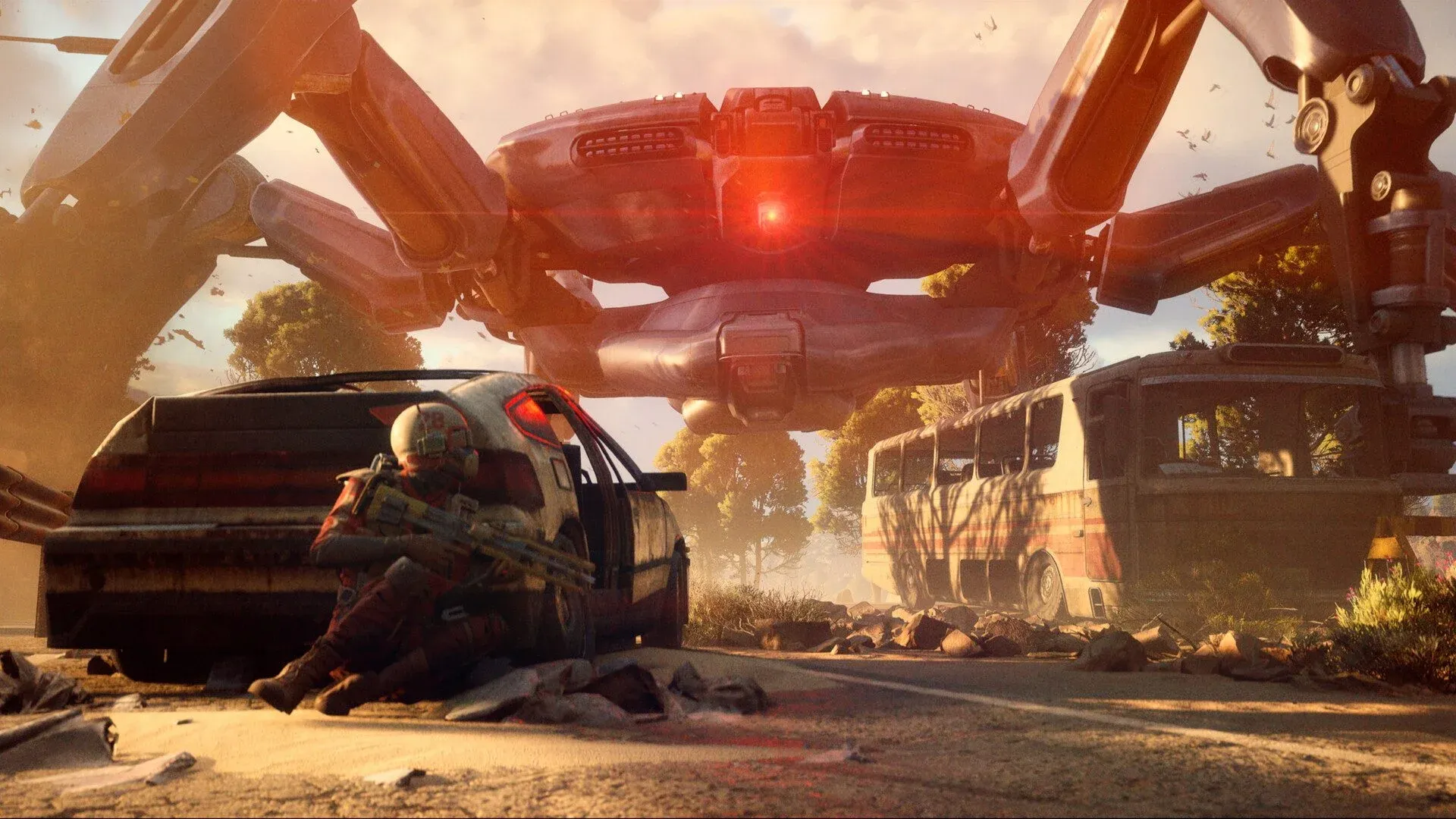
His anti-AI stance is not coming from a place of idleness. Beyond Boltgun 2, Gordon is deep in production on the soundtrack for Defect, a cyberpunk squad-shooter being built by veterans from the Doom and Call of Duty franchises. Both projects are, by his own account, being made the old-fashioned way: with genuine creative decisions, not generated outputs.
For UK fans, there is a live event on the horizon. Gordon is set to headline the RADAR festival in 2027, performing music from the Doom and Doom Eternal soundtracks live with a full band for the first time ever. For a composer whose work has lived almost exclusively through speakers and headsets, that is a significant moment.
If you want to get deeper into the franchise that helped make Gordon's name, the DOOM 3 guides cover the game thoroughly. For a broader look at what else is worth playing across the genre, the full gaming guides hub is a solid starting point.