Overview
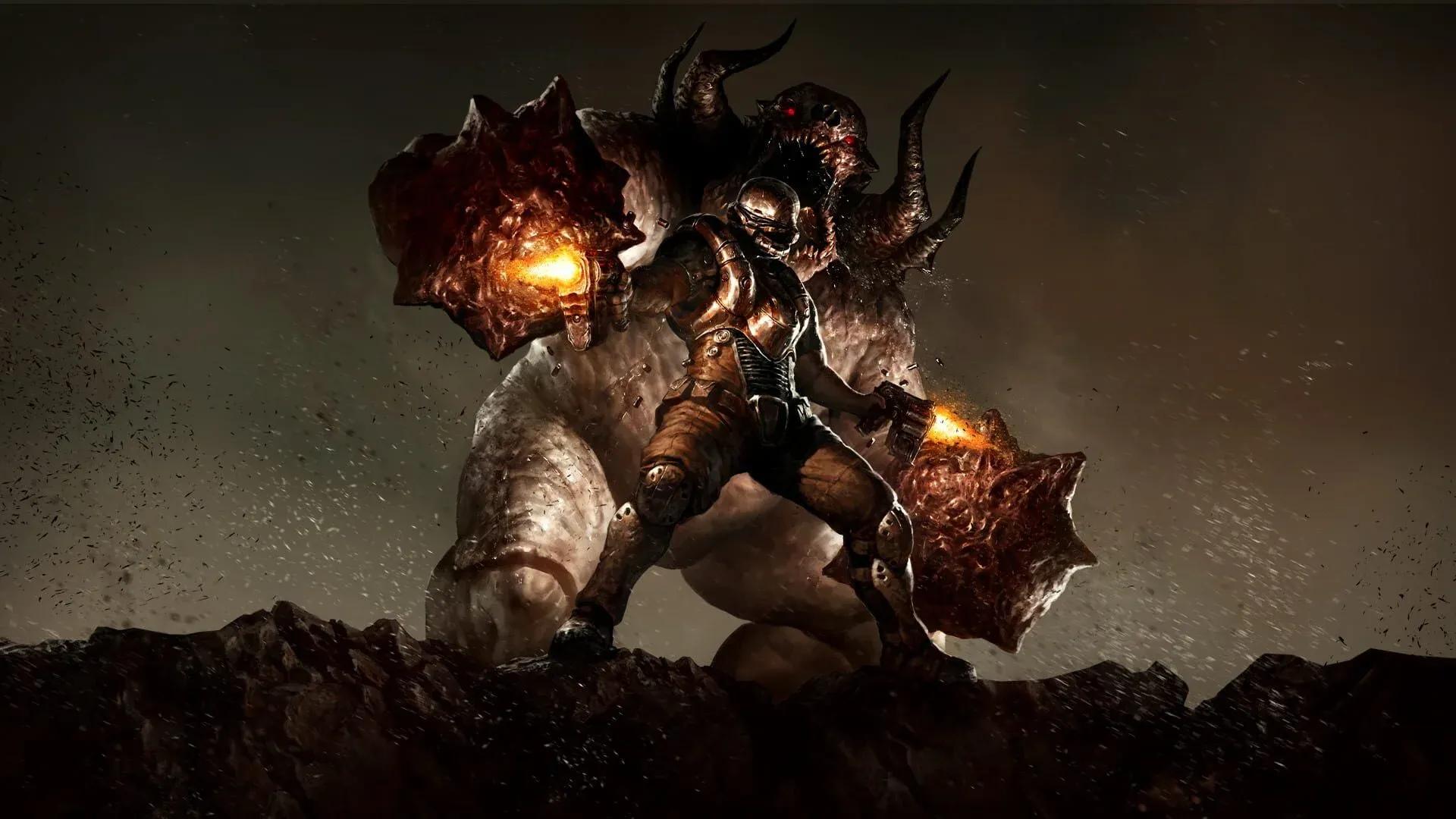
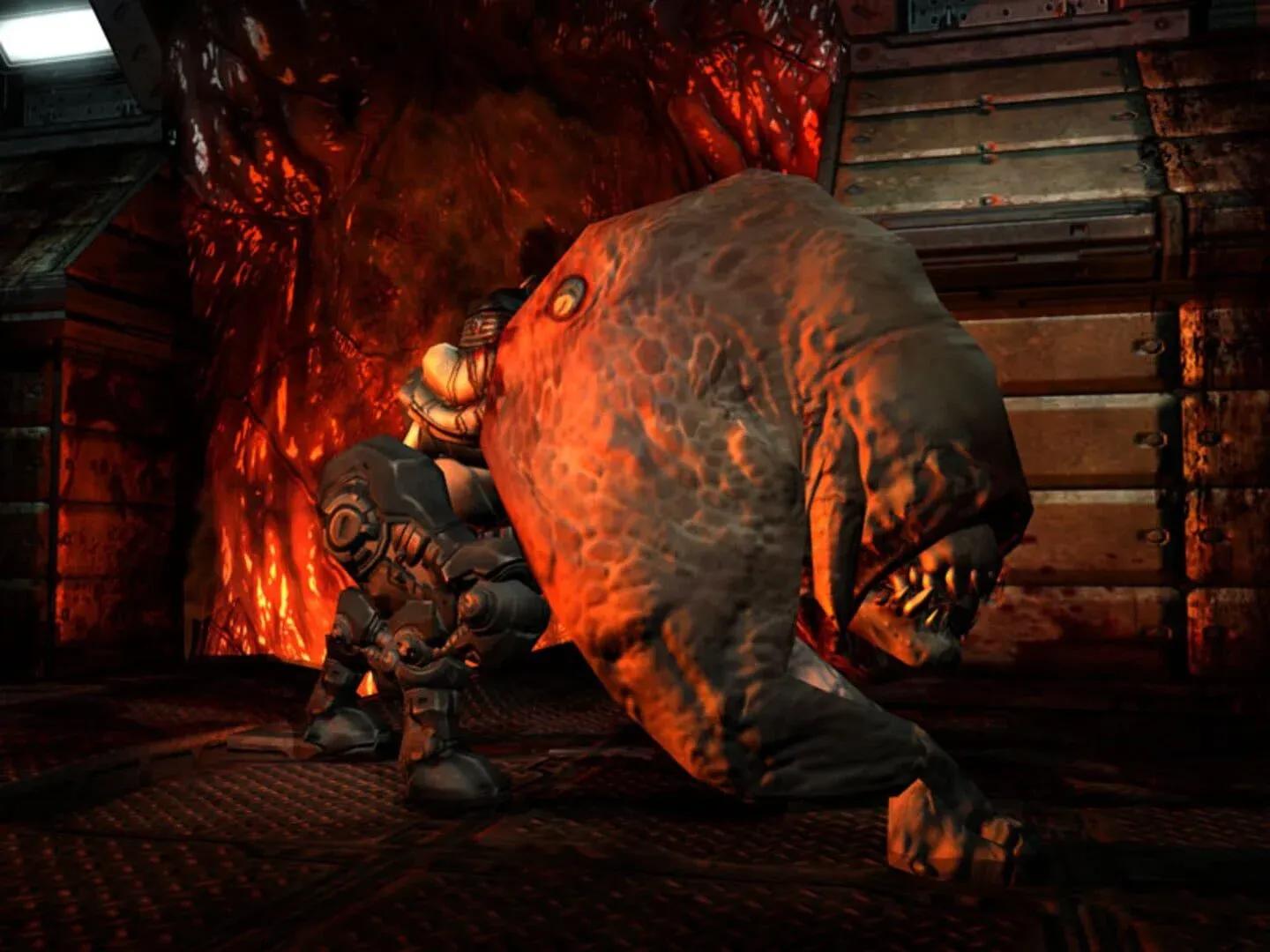
DOOM 3 takes a sharp turn from the arcade-style chaos of its predecessors and leans hard into survival horror. Released in 2004 and later ported across platforms, id Software's third mainline entry trades wide-open slaughter for claustrophobic corridors, flickering lights, and monsters that jump out of the dark. The UAC Mars Research Facility is the setting, and it is a genuinely oppressive place to spend several hours.
The story is straightforward: a teleportation experiment gone wrong tears open a portal to Hell, demons pour through, and you are one of the few marines left standing. There is no grand narrative twist. The tension comes from the environment itself, not cutscene drama. Audio logs and PDAs scattered across the facility fill in the backstory for players who want it, and there is enough there to make the world feel grounded.
DOOM 3 content image
Gameplay and mechanics
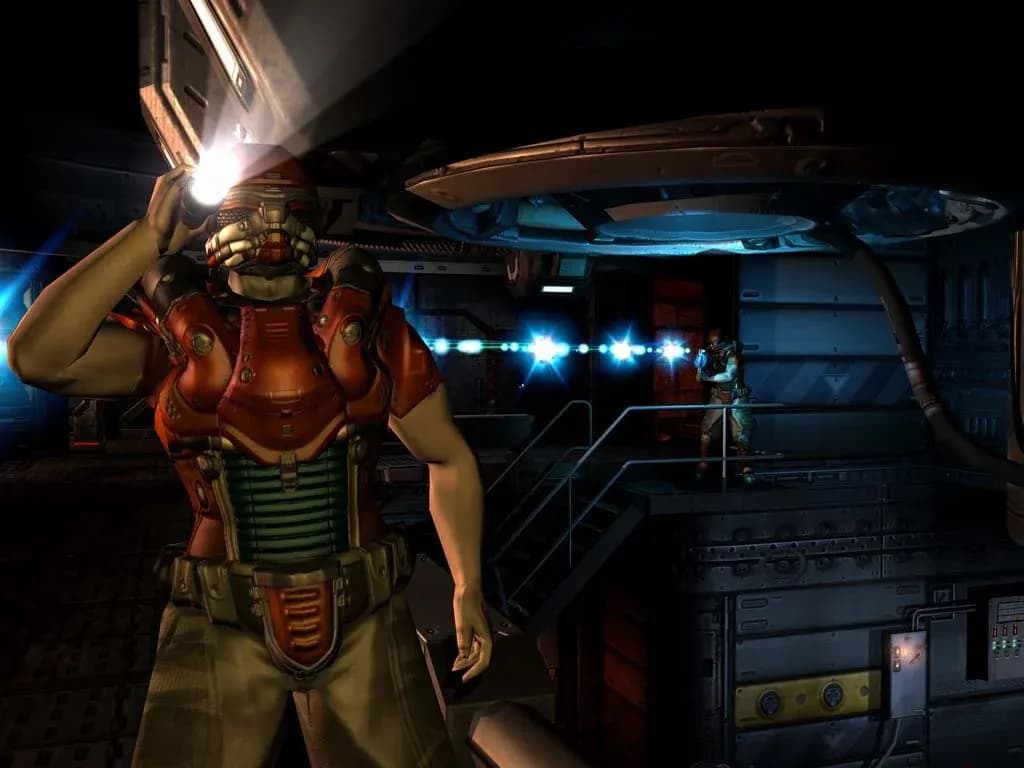
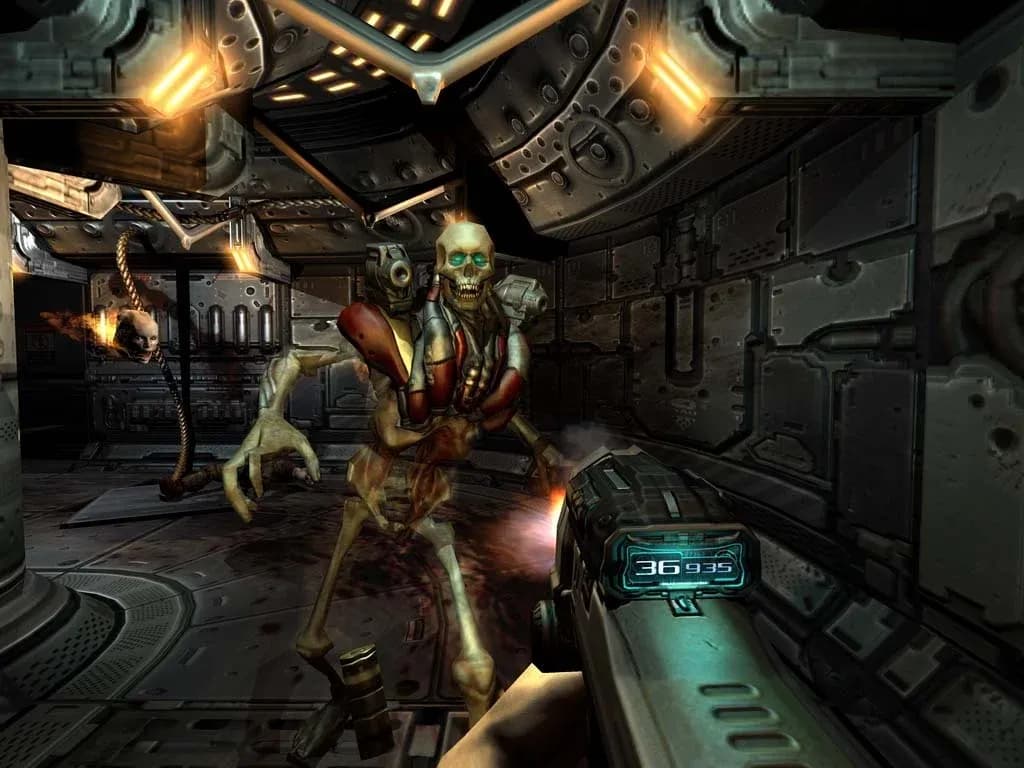
The core loop in DOOM 3 is built around resource management and positional awareness in tight spaces. Ammo runs low, health pickups are spaced out, and the darkness is not just aesthetic, it is a mechanical pressure. The original release famously forced players to choose between holding a flashlight and holding a weapon, a design decision controversial enough that the BFG Edition later added a shoulder-mounted light to sidestep it entirely.
DOOM 3 content image
Key weapons and tools available:
- Pistol and shotgun for early encounters
- Chaingun for sustained fire
- Plasma rifle for mid-to-late game
- Chainsaw for close-quarters desperation
- BFG 9000 as the endgame heavy hitter
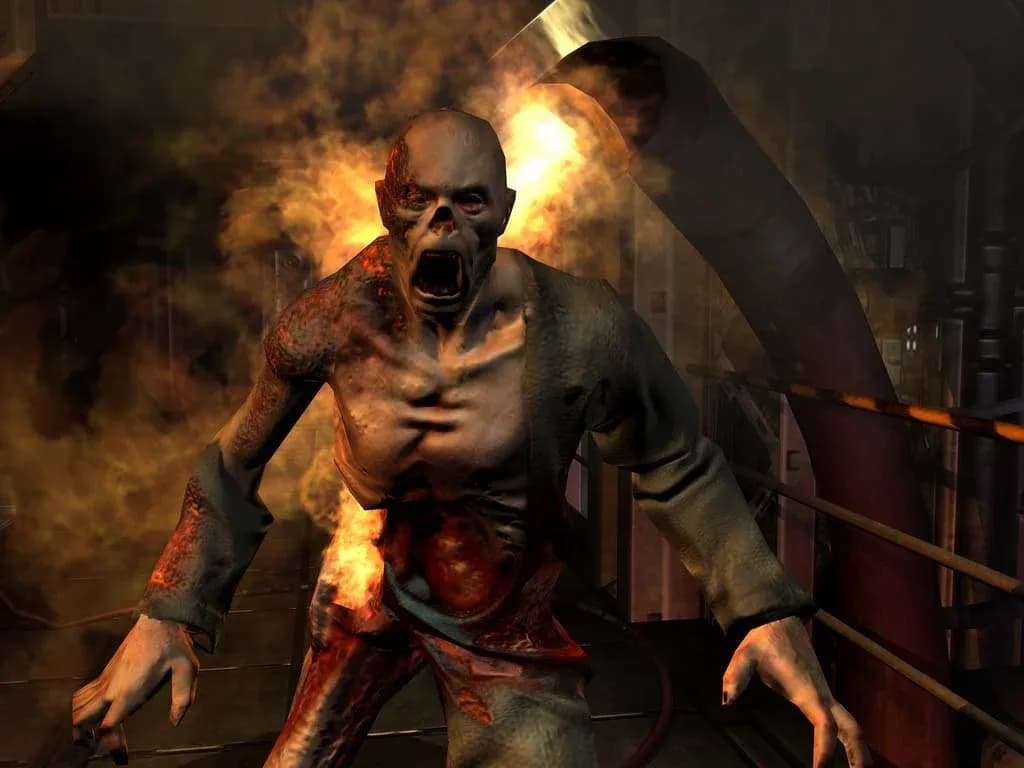
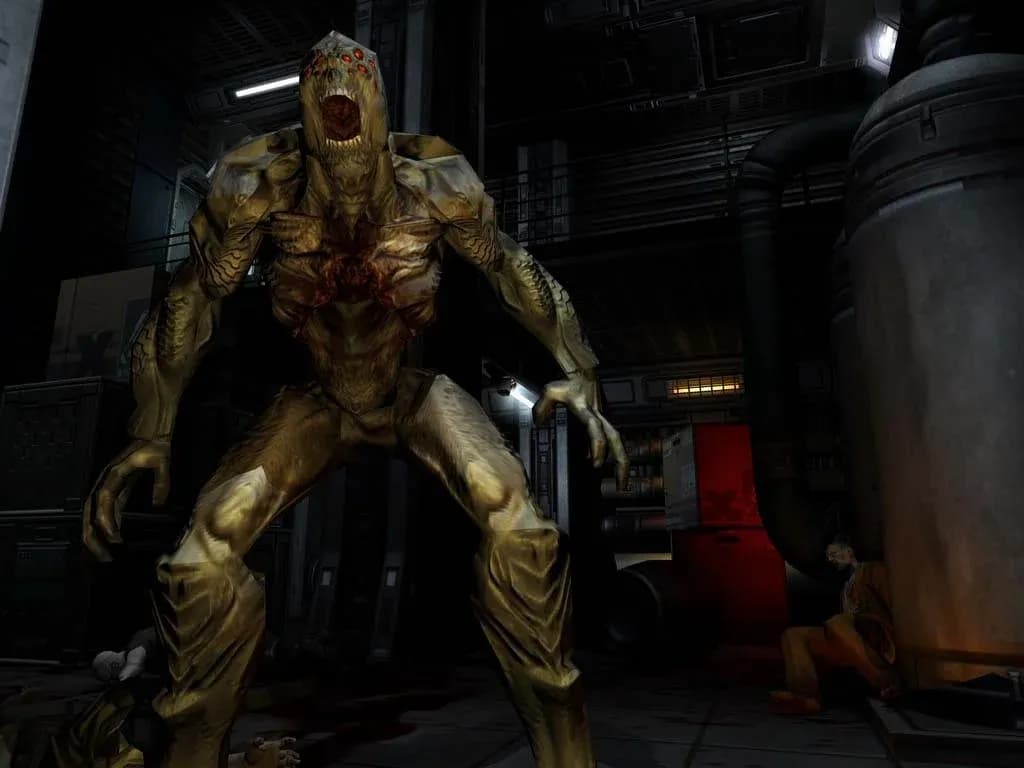
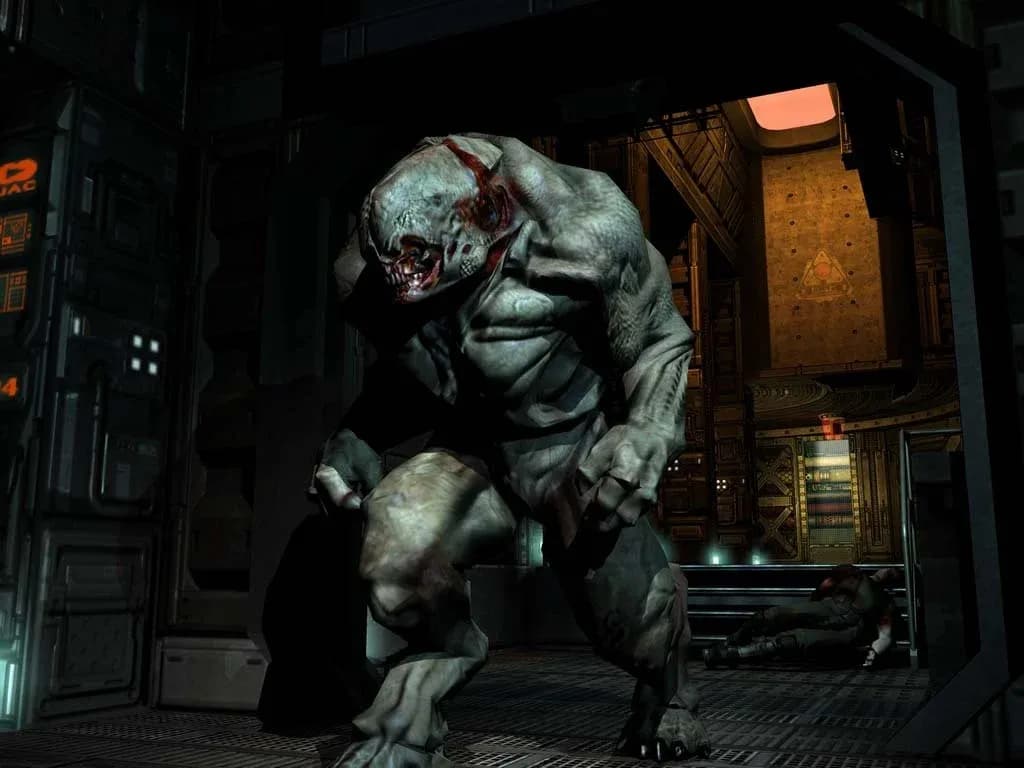
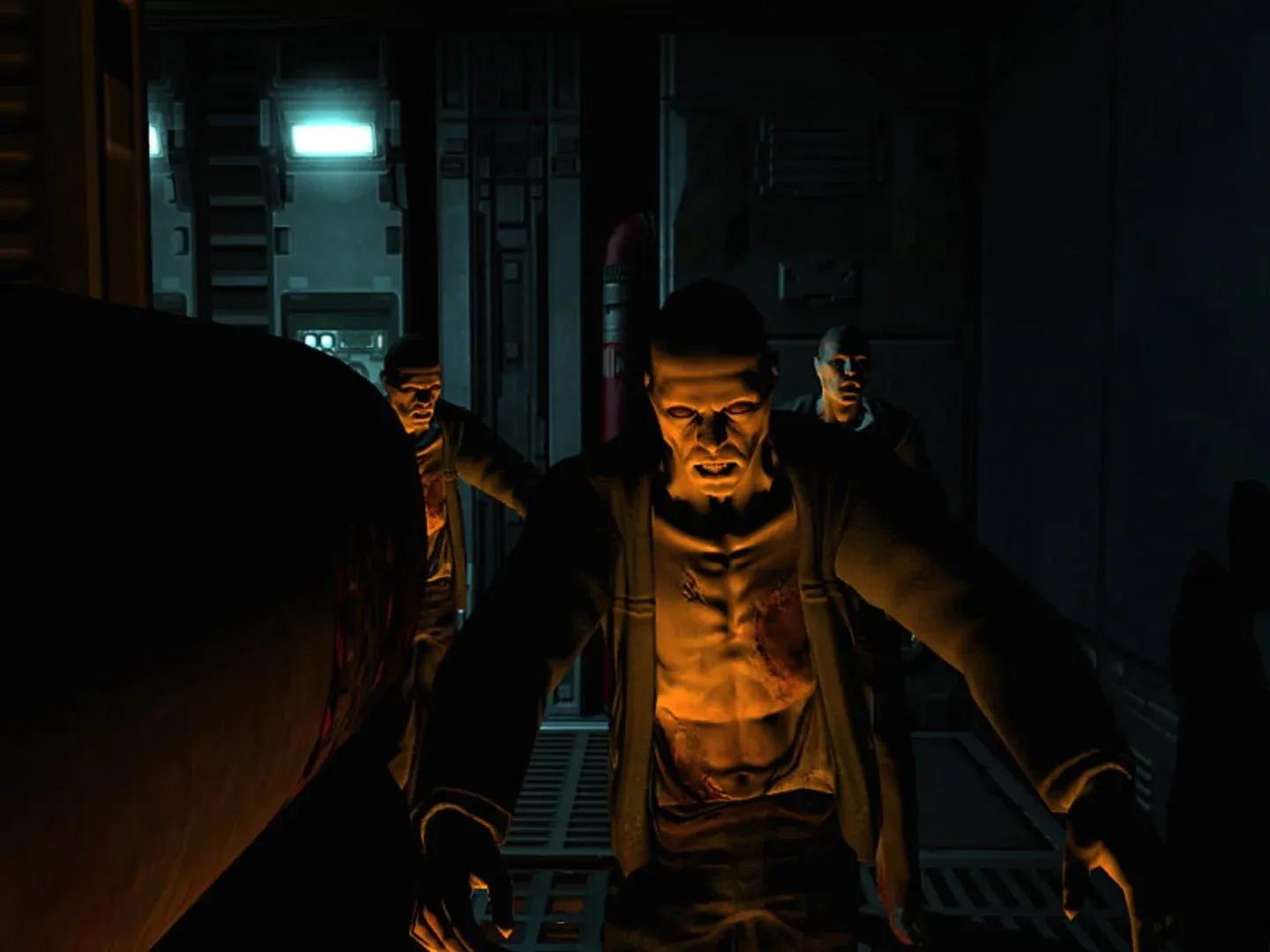
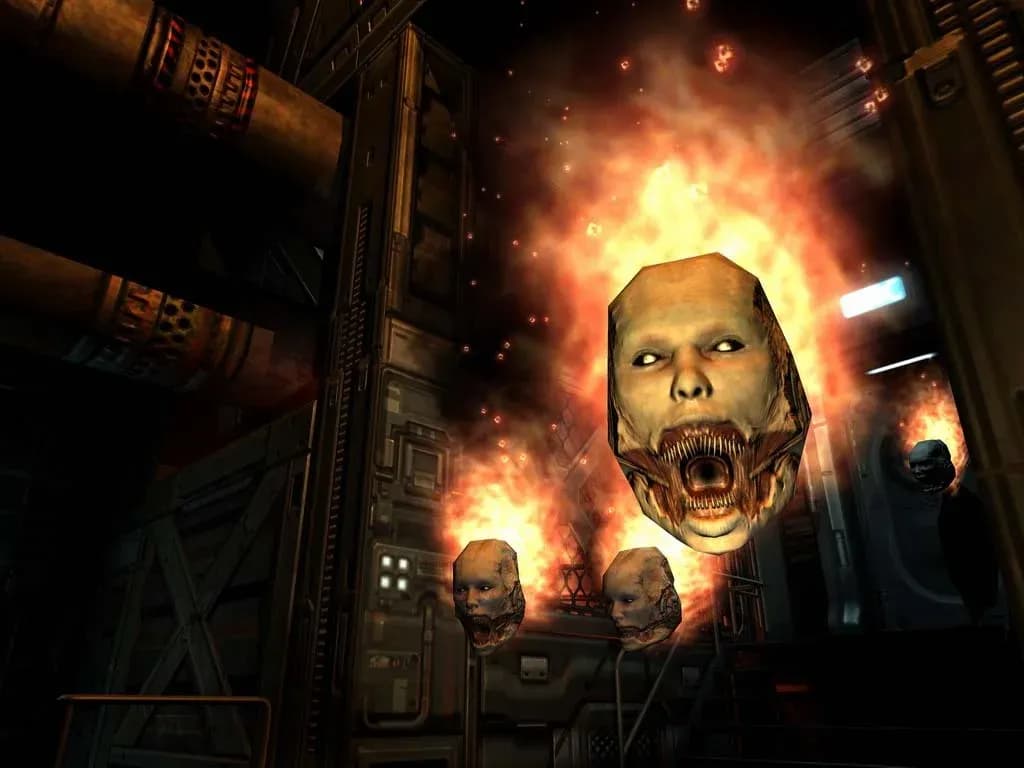
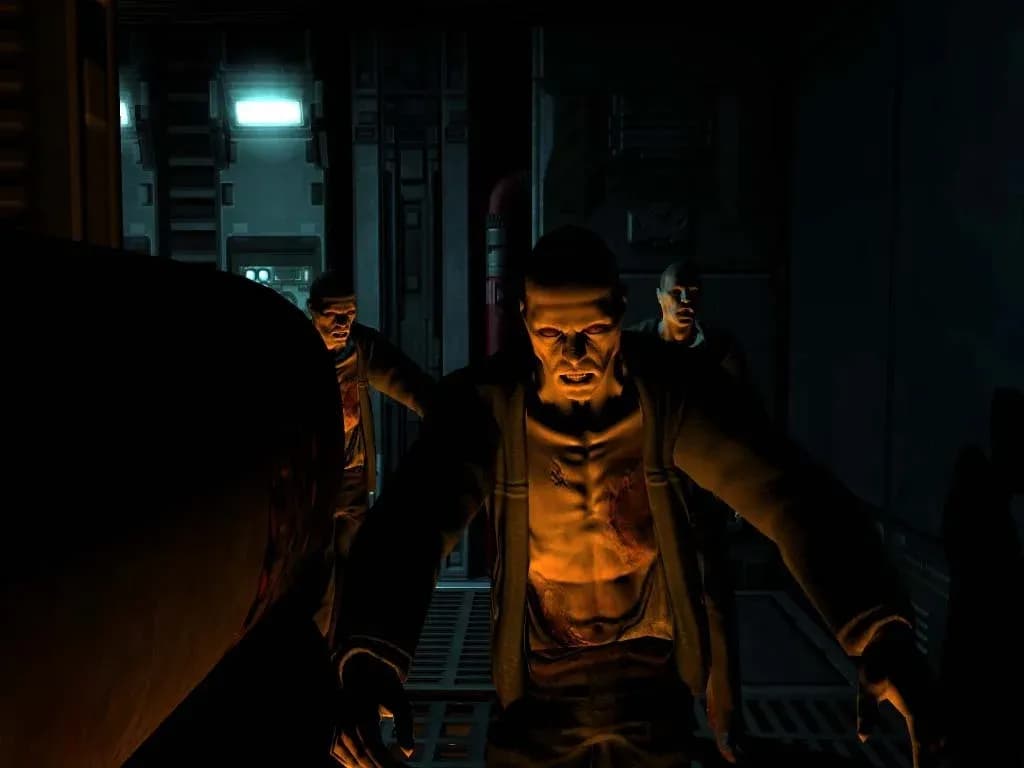
Enemies telegraph their presence through sound design before they appear visually, which makes headphones genuinely useful here. The imp's growl, the zombie's shuffle, the pinky demon's charge, each has an audio cue that rewards attentive players.
World and setting
The UAC facility is built with a level of environmental detail that was remarkable for its time and still reads as coherent world-building. Labs, server rooms, maintenance tunnels, and eventually Hell itself all feel distinct. id Tech 4's dynamic lighting system means shadows behave realistically, and the game uses that constantly to hide enemies and create dread.

DOOM 3 content image
Hell sections shift the visual register entirely, moving from industrial grey corridors to twisted organic architecture. These segments are shorter than the facility levels but serve as effective palette cleansers that remind you the threat is genuinely supernatural rather than just a containment breach.
Impact and legacy
DOOM 3 remains a genuinely divisive entry in the franchise. Players who came in expecting the relentless pace of the original DOOM found something much slower and more methodical. Players who approached it as a survival horror shooter found one of the genre's better examples. The BFG Edition, which added the Resurrection of Evil and The Lost Mission expansions alongside rebalanced lighting, is the version most players encounter today across PS4, Nintendo Switch, and PC.
DOOM 3 content image
The game holds a 4.42 rating from over 5,500 PlayStation Store reviews, which suggests it has found its audience even years after release. As a first-person shooter that prioritizes atmosphere over spectacle, DOOM 3 occupies a specific niche that the later DOOM (2016) and DOOM Eternal deliberately abandoned. That makes it worth playing on its own terms rather than as a stepping stone in the series.