
The man behind Mario has something to say
If you've been side-eyeing Nintendo's recent slate and wondering why two of its biggest Switch 2 releases are games you first played on the N64, Shigeru Miyamoto has a direct answer for you. In a recent interview with Famitsu, Nintendo's legendary producer stepped up to address the remake conversation head-on, and his reasoning goes well beyond nostalgia cash-ins.
Miyamoto's core argument is straightforward: young players today simply don't have easy access to games from a decade or more ago, and remaking them into something more playable for a modern audience is a legitimate way to meet real demand.
What Miyamoto actually said
Here's the lowdown directly from the producer himself:

"Some people might say there are a lot of remakes, but after five years, a lot of people have outgrown games and stop playing them. Young people today don't have the opportunity to play games from 10 years ago, so remaking them to be more playable and releasing them again is a good way to meet the demand. Letting people know the original games also leads to future developments, so we've been actively pursuing that recently."
That second part is the one worth paying attention to. Miyamoto is essentially signaling that remakes aren't just archival projects. They're test beds. The commercial and critical performance of a remake can directly greenlight a new entry in a series, which is exactly what Star Fox fans have been hoping to hear.
Star Fox launched on Switch 2 in June and was met with widespread acclaim for its production values and tight gameplay. The key here is that its success could be the argument Nintendo needs internally to finally push the franchise forward with something original, rather than retelling the Star Fox 64 story for a third time.
Nintendo's 2026 output tells a fuller story
The remake-heavy narrative doesn't fully hold up when you look at what Nintendo has actually shipped this year. Splatoon Raiders, Rhythm Heaven Groove, Tomodachi Life: Living the Dream, Yoshi and the Mysterious Book (check out the all compatible amiibo guide if you're jumping in), Pokemon Pokopia, and Mario Tennis Fever are all original or new-series releases. That's a genuinely diverse slate sitting alongside just two remakes.
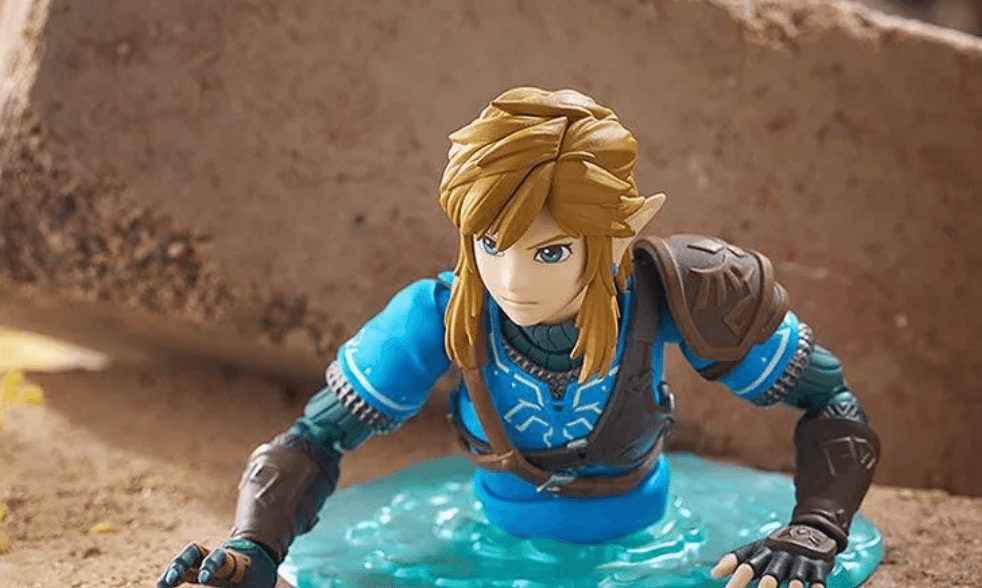
The criticism tends to land harder on specific franchises than on Nintendo's output as a whole. Star Fox is the obvious example: the last three entries in the series have all been retellings of the Star Fox 64 story. Zelda, by contrast, balances remakes with consistent new mainline entries, so the Ocarina of Time remake reads more like a companion piece than a crutch.
The argument for remakes that most players miss
What most players miss in this conversation is how Nintendo uses remakes as developer training grounds. Smaller or newer studios get handed an established game with a defined scope, learn the franchise's design language, and prove themselves before being trusted with something original. MercurySteam's path from Metroid: Samus Returns to Metroid Dread is the cleanest example of that pipeline working exactly as intended.
The Fatal Frame II: Crimson Butterfly remake follows a similar logic for horror fans getting acquainted with a series that skipped a generation of players. If you're heading in fresh, the what to know before you play guide covers everything from wraith mechanics to Minakami Village survival basics.
The balance question is real, but Nintendo's 2026 release cadence makes it hard to argue the company is coasting. The more interesting question now is whether the Ocarina of Time remake, currently still largely under wraps, arrives as a careful restoration or something that takes genuine creative risks with one of the most analyzed game designs in history.
For more coverage as that one develops, keep an eye on our gaming guides hub for breakdowns the moment new details drop.