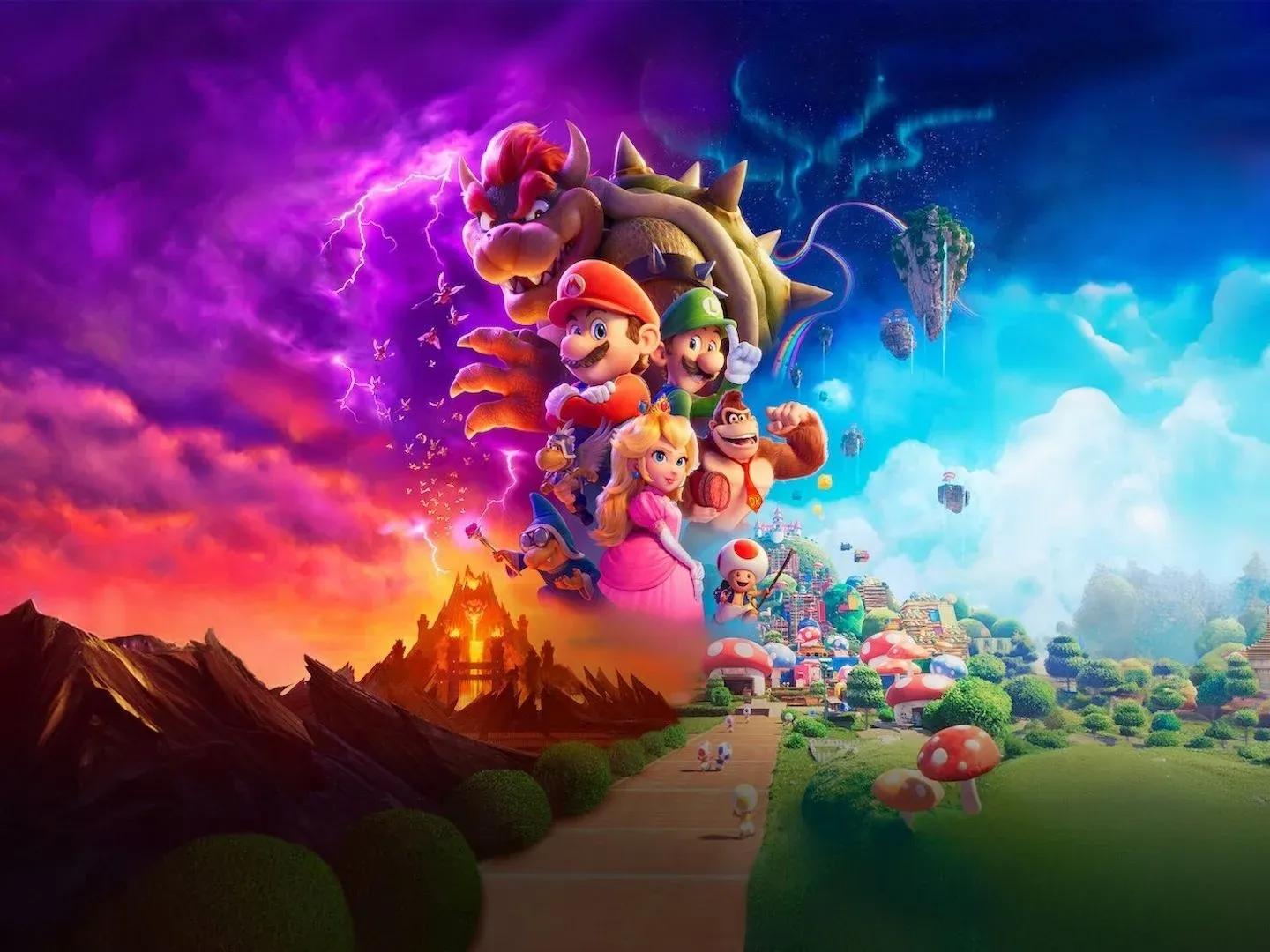

"We have an idea to include Fox in the script for The Super Mario Galaxy Movie, so we should make a new Star Fox game."
That's Shigeru Miyamoto, speaking in the latest issue of Famitsu, and it's one of the more candid things Nintendo's legendary producer has said in years. The quote confirms what many fans had quietly suspected: Nintendo's game development pipeline and its film ambitions are no longer running on separate tracks.
The three games Miyamoto named
Miyamoto confirmed three specific titles were greenlit with the Mario movie franchise directly in mind. The Star Fox remake was developed to ride the momentum of Fox McCloud's appearance in The Super Mario Galaxy Movie. Princess Peach: Showtime was built alongside the first Super Mario Bros. Movie, with the two productions influencing each other's direction. Yoshi and the Mysterious Book came about because Nintendo locked in Yoshi as a character for The Super Mario Galaxy Movie early in production and wanted a matching game ready to go.
The relationship isn't purely one-directional either. Miyamoto explained that having Princess Peach: Showtime in development actually pushed the film team to make Peach a more active presence in the first movie. The games shaped the films just as much as the films shaped the games.
How Nintendo decides which characters cross over
Here's the thing: Nintendo has a long-standing internal rule that characters from different IP worlds don't cross over, with Smash Bros. as the sole carved-out exception. Pikmin is also treated as a special case, with its characters allowed to appear in any other Nintendo world.
The Super Mario Galaxy Movie broke that rule by including Fox McCloud, and Miyamoto was surprisingly candid about how that decision landed. "Even though we broke the rules we'd followed up until now, it was surprisingly well received," he said. The manga comparison he used is telling: Nintendo saw the Fox crossover less as a franchise collision and more as the kind of unexpected guest appearance that makes serialized storytelling more interesting.
But don't expect the floodgates to open. Miyamoto was direct about where the line sits. Samus showing up in a Mario film? "It would definitely get a bit too complicated," he said. The crossover logic requires a compelling narrative reason, not just fan enthusiasm.
What this means for Nintendo's release strategy
The bigger picture here is that Nintendo is now explicitly coordinating game releases with film release windows. That's a meaningful shift from how the company has historically operated, where games were developed on their own timeline and films were largely separate licensing ventures.
For players, this means the characters showing up in Nintendo's films are likely to have new games either already available or close to launch. It's a media strategy that mirrors what major film studios have done with tie-in games for decades, but with Nintendo's own IP and far more control over both sides of the equation.
Miyamoto framed it as an ongoing approach: "I think we will continue to move forward while maintaining a positive relationship between our games and other media initiatives." That's as close to a strategic roadmap statement as you'll get from him.
What most players miss is that this also works in reverse. If a game is deep in development, it can influence what a film does with its characters. Princess Peach: Showtime is the clearest example of that, where a game in production actively made a movie's protagonist more compelling.
Mario Tennis Fever and the broader Nintendo Switch 2 push
The movie-linked releases aren't the only place Nintendo is building out its character roster right now. Mario Tennis Fever on Nintendo Switch 2 is another title leaning into the broader Mario universe, and if you're picking it up, the Mario Tennis Fever shots, modes, and controls guide covers everything from Fever Shot mechanics to character selection. For players going after completion, the Mario Tennis Fever unlock guide maps out all 38 fighters and 30 rackets.
The Famitsu interview is a rare window into how Nintendo's top brass actually thinks about its IP strategy. With The Super Mario Galaxy Movie already out and more films presumably in development, the question of which Nintendo characters get the next game treatment just became a lot more interesting to track.