

The announcement fans have waited 28 years for
The rumors were right. Nintendo officially revealed a full remake of The Legend of Zelda: Ocarina of Time during a Nintendo Direct broadcast, confirming the N64 classic is coming to Nintendo Switch 2 with a 2026 release window. The timing is deliberate: this year marks the 40th anniversary of the Legend of Zelda series, and Nintendo is treating the remake as the centerpiece of that celebration.
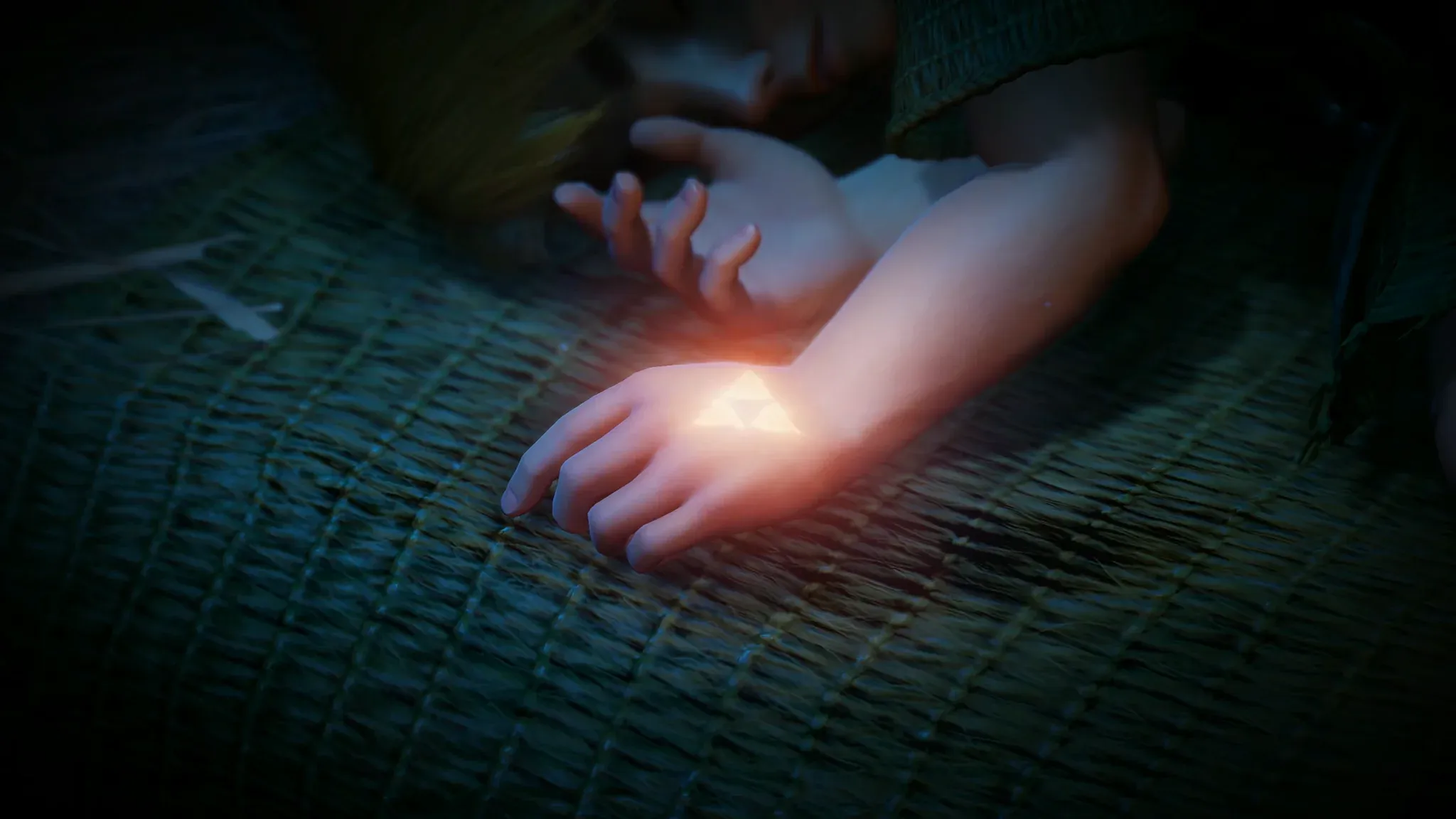
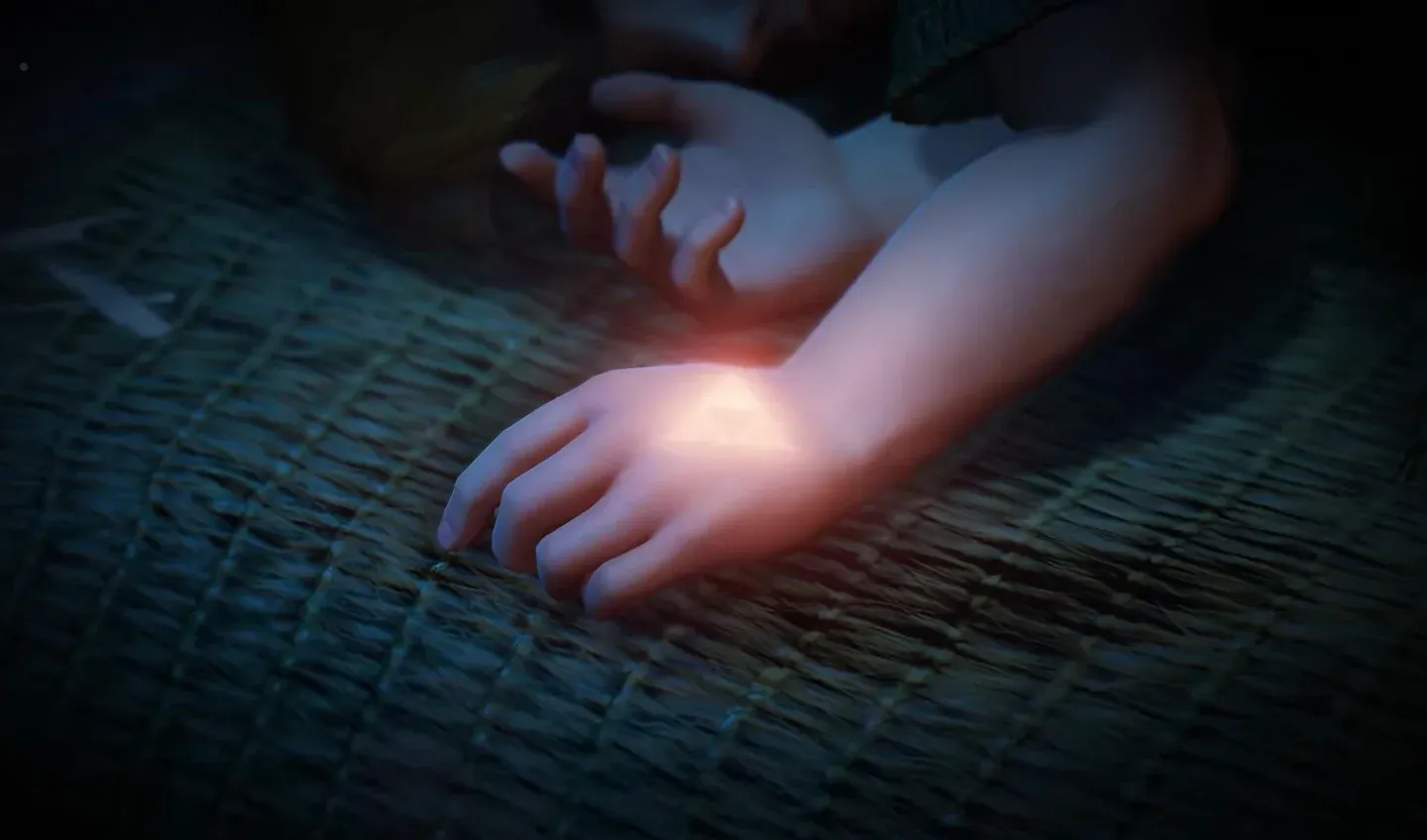
The reveal trailer is brief, narrated by the Great Deku Tree, and mirrors the opening scene of the 1998 original. Young Link is shown sleeping restlessly, but with one key difference: the Triforce glows on the back of his left hand, something that never happened in the N64 version. It's a small detail, but it signals that this isn't a straight port with a coat of paint.
This is a full rebuild, not a remaster
Nintendo's own description of the project, briefly published and then pulled, described it as "the N64 classic reborn as a full remake for Nintendo Switch 2" with "updated designs and timeless gameplay." That language matters. This isn't the 3DS treatment from 2011, which added stereoscopic 3D and some quality-of-life tweaks while keeping the original structure mostly intact. The Switch 2 version is being built from scratch.
The trailer backs that up. Character models for Link, Navi, Princess Zelda, Impa, Saria, and Darunia have all been completely redesigned. The environments, including Hyrule Castle Town and various temples and dungeons, feature new lighting systems and high-resolution textures. Every hair on Link's head is visible. The art direction sits somewhere between realistic and stylized, and it's already dividing people.
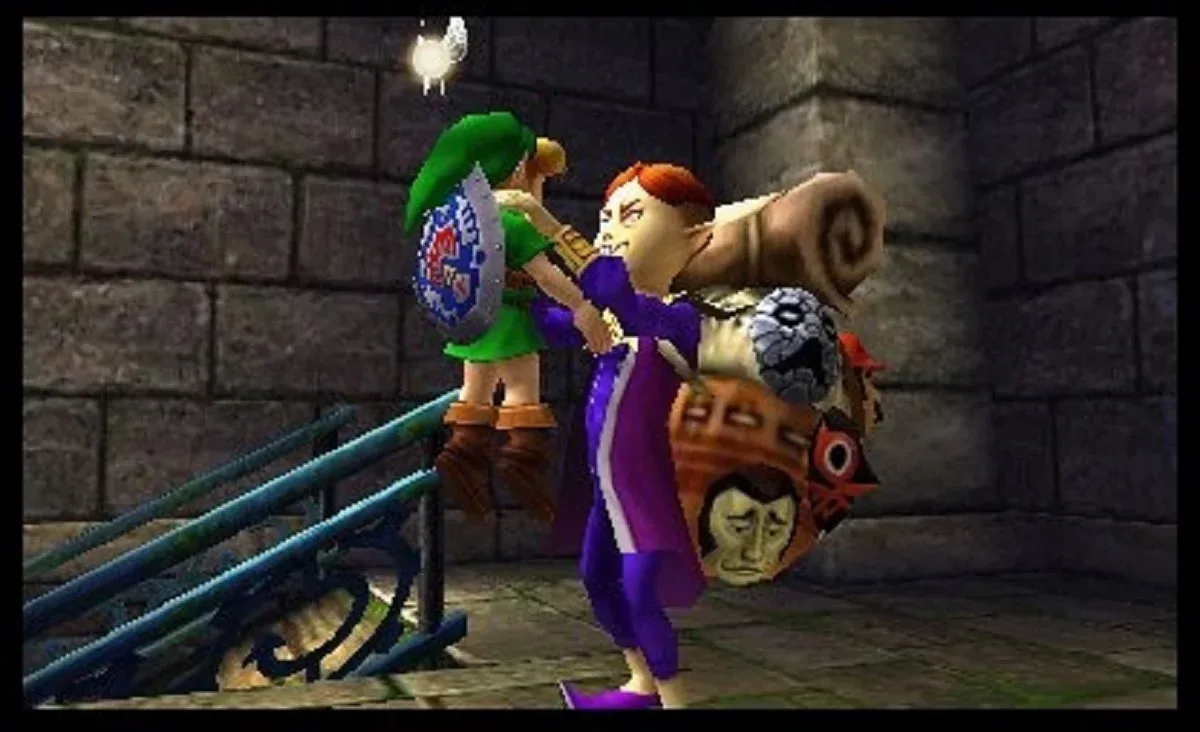
For context, the original Ocarina of Time launched in November 1998 and introduced concepts like Z-targeting and context-sensitive buttons that became standard in 3D action games for decades. Remaking it means every design decision will be judged against that legacy.
What's actually changing
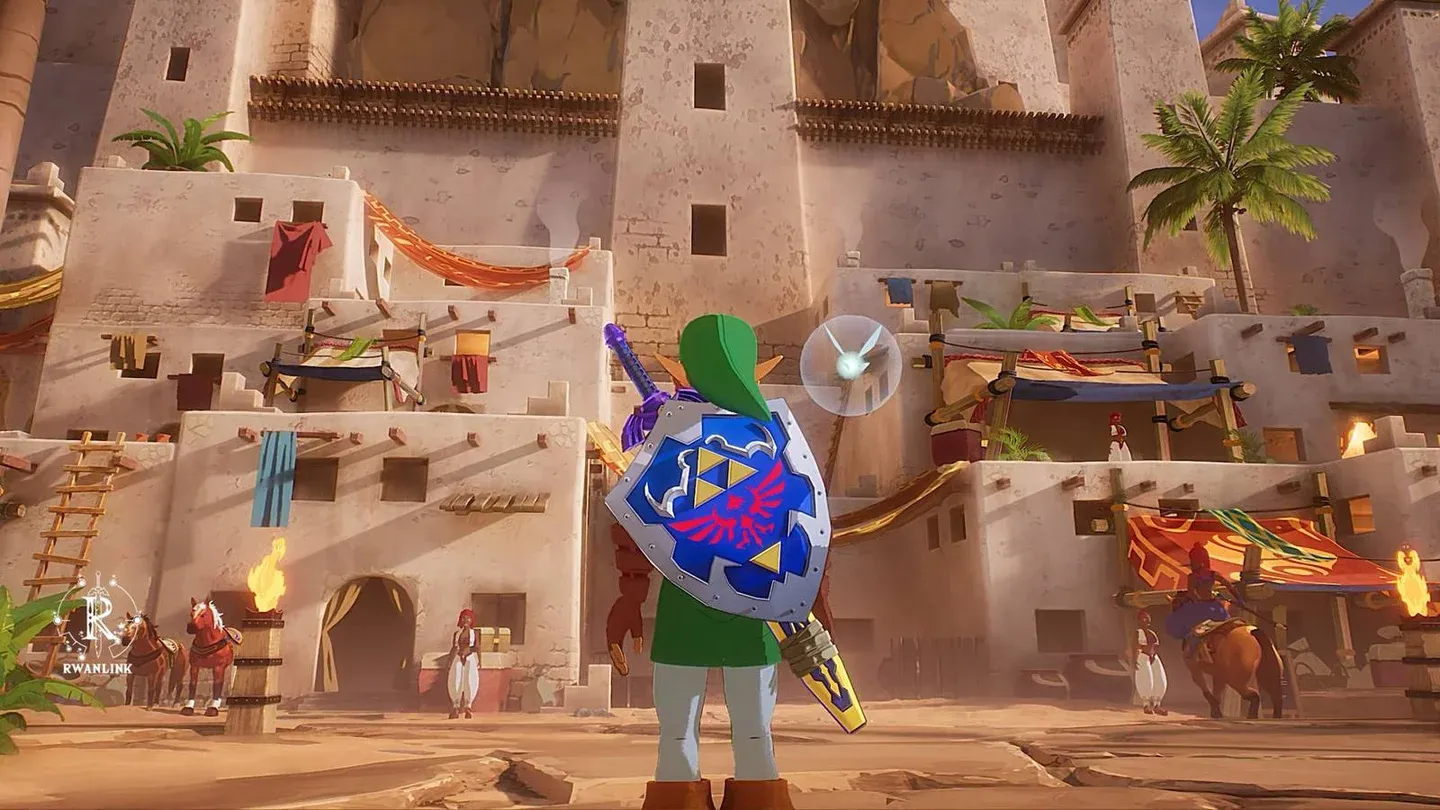
Based on what Nintendo has shown and the ESRB rating that surfaced (E10+, rated for Animated Blood and Fantasy Violence), here's what's confirmed or strongly indicated:
- Graphics rebuilt from the ground up with high-resolution models, real-time lighting, and detailed environmental assets
- Redesigned character appearances across major and minor NPCs
- New orchestral music arrangements with a broader range of instruments, while keeping the original melodies intact
- New cinematic elements, including the narrated opening sequence with the Great Deku Tree
- Voice acting appears likely given the new cutscene direction, though no cast has been confirmed
- The Triforce mark on young Link's hand suggests the story is being fleshed out with new details not present in the original
- The removal of "suggestive themes" from the ESRB description compared to older ratings hints the Great Fairy's design may have been toned down
A Digital Foundry analysis of the teaser footage suggested the game runs at 1440p/60fps without DLSS, which has led some to speculate a full open-world rework is unlikely given Switch 2's hardware constraints. The original game's structure, linear dungeons and all, appears to be staying.
The release date question
Nintendo has confirmed 2026 but hasn't narrowed it down further. Fire Emblem: Fortune's Weave is slated for September, and Switch Sports Resort lands in October, which leaves a November or early December window looking most plausible for the Zelda remake. Nintendo also confirmed the 2026 release date to investors in recent financial reports, so a delay into 2027 seems unlikely barring something significant.
Pricing hasn't been officially announced. An early pre-order listing placed it at $59.99, but given this is Zelda and a full ground-up rebuild, $69.99 feels more likely. Reports of a special edition Zelda-themed Switch 2 console and Pro controller have also surfaced, which would make sense as a holiday bundle.
The broader Zelda franchise isn't slowing down either. A live-action Zelda film directed by Wes Ball, starring Benjamin Evan Ainsworth as Link and Bo Bragason as Princess Zelda, is set to open in theaters on April 30, 2027.
The real question is whether it can live up to the original
Here's the thing: remaking Ocarina of Time is one of the hardest assignments in gaming. The original isn't just well-regarded, it's been cited as one of the best games ever made for nearly three decades. That's not a bar you clear by adding better textures.
The art direction is already the flashpoint. The jewel-toned colors and realistic character detail in the trailer are a significant departure from the muted, watercolor-adjacent palette of the N64 version, which suited the game's darker second half. Whether that new visual identity holds up across the full game, or whether it feels jarring once you're inside the Water Temple, is something we won't know until a proper gameplay reveal.
That said, Nintendo has earned some trust here. The Link's Awakening remake in 2019 took a bold visual direction and mostly pulled it off. The question is whether a game this beloved, with this much emotional weight attached to it, can survive the kind of scrutiny it's guaranteed to receive.
For everything you need on the original before the remake arrives, the Ocarina of Time guide collection is a solid place to revisit the dungeons, items, and story beats that made the N64 version what it was. And if you want to explore more Nintendo coverage and walkthroughs across the board, the full gaming guides hub has you covered.