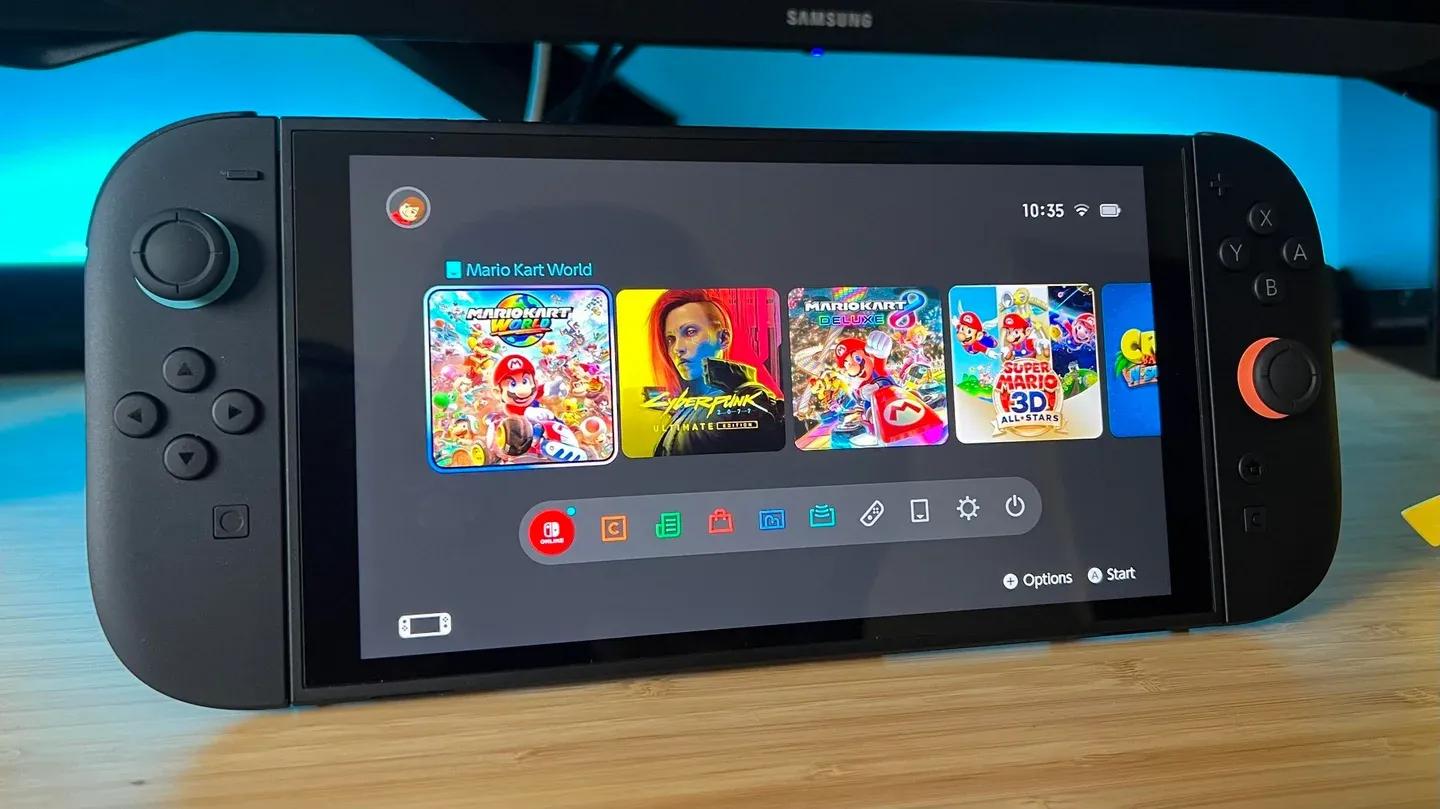

The Nintendo community has questions, and this week's Nintendo Life mailbag (issue 38) put three of the biggest ones front and center: where does Super Smash Bros. go from here, how much better can Switch 2's Mouse Mode get, and what does a genuine Nintendo revolution actually look like in practice?
These are the kinds of questions that don't have clean press-release answers. They require reading between the lines of what Nintendo has shipped, what it hasn't, and what the community is clearly hungry for.
The Smash question nobody has a clean answer to
Super Smash Bros. Ultimate launched in 2018 and spent years as the definitive version of the franchise, with a roster that ballooned to over 80 fighters. The question now is whether Nintendo builds on that foundation for Switch 2 or starts fresh with a smaller, tighter roster and new mechanics.
Here's the thing: both paths carry real risk. A direct sequel that tries to match Ultimate's fighter count faces enormous licensing costs and development overhead. A soft reboot that trims the roster will face immediate backlash from players who spent years unlocking and mastering specific characters. Nintendo has not confirmed anything publicly, which means the community is doing what it always does: speculating loudly and often.
What most players miss in this debate is that the engine itself may be the bigger story. Switch 2's hardware opens the door to faster loading, higher-resolution stages, and physics improvements that were simply out of reach on the original Switch. Whatever the next Smash looks like, it should feel noticeably different to play, not just look better.
Mouse Mode has room to grow, and players know it
Switch 2's Mouse Mode launched as a genuinely novel control option, but the mailbag reflects a community that sees potential not yet fully tapped. Star Fox on Switch 2 is one of the clearest examples of Mouse Mode being used in a meaningful way, where precision aiming changes how the game actually plays rather than just being a novelty toggle.
If you want to see how deep that system goes, the Star Fox Switch 2 multiplayer guide breaks down Mouse Mode alongside Pilot and Gunner roles, GameShare, and online play. The gap between casual Mouse Mode use and optimized play is wider than most players realize.
The fan conversation centers on whether Nintendo will push developers to build Mouse Mode into more genres beyond shooters and strategy. Real-time games, puzzle titles, and even certain RPG interfaces could benefit from cursor-based input. The hardware is there. The question is whether first-party and third-party developers treat it as a core option or a footnote.
What "revolution" actually means for Nintendo right now
The word gets used loosely, but the mailbag letters push at something specific: Nintendo has a history of changing the rules rather than just upgrading the specs. The Wii's motion controls, the DS touchscreen, the Switch's hybrid form factor. Each one redefined what a Nintendo platform was for.
Switch 2 has Mouse Mode, GameShare, and a significantly more powerful chip. Whether any of those constitute a "revolution" depends on how developers build around them over the next two to three years. GameShare in particular has a lot of untapped potential for local multiplayer experiences that don't require everyone to own the game.
MOUSE: P.I. For Hire is a good example of a game leaning into Switch 2's quirks in ways that feel purpose-built rather than ported. If you're playing it, the Baseball Cards minigame guide covers how to earn Prize Tokens and unlock the X1 D-Mousifier before the window closes.
The honest answer to the revolution question is that Nintendo rarely announces its next big idea before it's ready to show it. The community will keep speculating, the mailbag will keep filling up, and the next genuinely surprising thing Nintendo does will probably arrive with less warning than anyone expects.