

There's a hard truth a lot of PlayStation fans don't want to hear.
I've slowly come to this realization over the past few years, and it's not an easy pill to swallow.
Just take a look at the July 2026 top downloads report on Sony. It was basically all the games we've complained about for the past 10–15 years: Call of Duty, 2K, Fortnite, and FIFA.
And the more time passes, the more I see Sony double down on their stance, the more I realize that Sony isn't lost or confused.
Sony isn't ignoring what people really want. Maybe Sony is looking at the actual customers who play on their consoles the most and spend money every month , but we're the ones still judging the business through the lens of the PlayStation we grew up with.
The reality isn't that Sony doesn't know what old fans want. It's that what we want just doesn't matter as much anymore.
Sony is not building PlayStation around you or me anymore.
Not the version of you that grew up with memory cards, demo discs, platinum trophies, midnight launches, and shelves full of blue PS4 cases. Not the version of you that still wants Sly Cooper, inFamous, Resistance, Killzone, Jak and Daxter, or some magical return to the PS2/PS3-era personality PlayStation used to have.
That version of PlayStation still exists in your head. It exists in your nostalgia. It exists in YouTube comments, Reddit threads, and Twitter arguments every time Sony announces another remaster, another PC port, another digital-only SKU, another live-service push, or another “why is this not the game I personally wanted?” moment.
But as a business?
Sony has moved on.
And the uncomfortable part is: they probably made the correct business decision.
Use code TRYHARD33 at checkout to redeem this offer before code expires again.
Get 33% Off GAMES+ Subscription
The New PlayStation Customer Does Not Care About Your Nostalgia
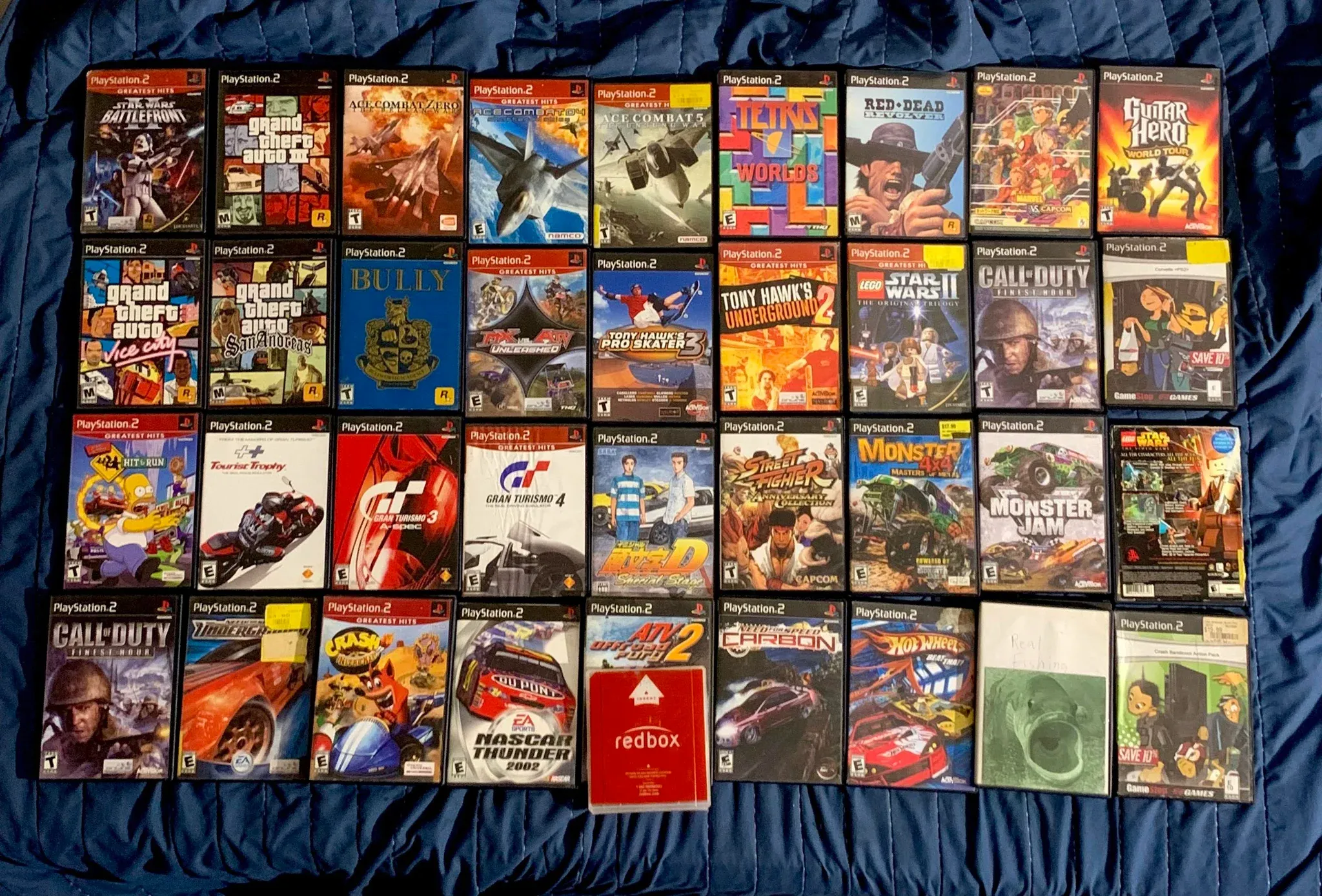
Older PlayStation fans, like you and me, talk about physical games like they are sacred objects.
And honestly, I get it. There is something different about owning a game physically. Holding it. Lending it to someone. Seeing it on a shelf. Knowing that even if the storefront changes, even if licensing gets weird, even if some corporation decides to hike prices, even if some executive somewhere decides a game is no longer worth maintaining, you still have something.
But that is not how the newer generation sees games.
A lot of younger players have grown up buying everything digitally. Their music is digital. Their movies are digital. Their friends are online. Their skins, battle passes, subscriptions, saves, libraries, and identities are tied to accounts, not discs.
So when older gamers say “I won’t buy a PlayStation without a disc drive,” Sony hears that. Then Sony looks at the numbers.
In Sony’s FY2025 results, 78% of PS4 and PS5 full-game software units were sold digitally, and in Q4 that number hit 85%. Physical software revenue was about ¥125.1 billion, roughly $836 million, while digital full-game software brought in ¥1.055 trillion, roughly $7.1 billion, and add-on content brought in ¥1.36 trillion, roughly $9.1 billion.
Physical software was only around 3% of PlayStation’s total Game & Network Services revenue. So no, physical games are not irrelevant. But they are clearly not the center of the business anymore.
So when you say, “But I still buy discs,” you are not wrong.
You are just not the majority Sony is chasing.
It Is Not About Games You Love. It Is About Games People Actually Buy.
This is where the conversation gets even more painful for me.
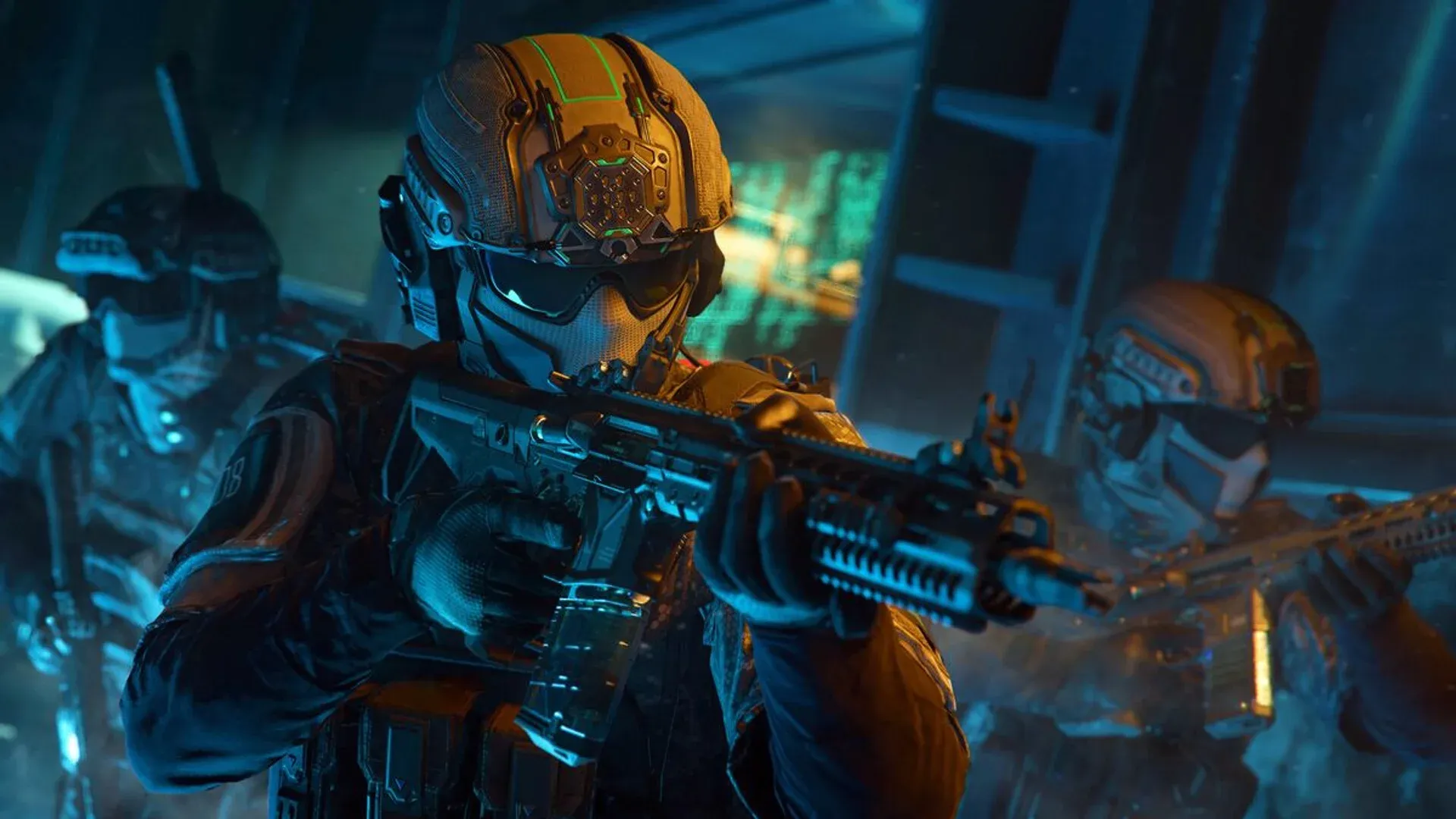
Older PlayStation fans often complain that gaming has become too dominated by Call of Duty, Fortnite, Madden, NBA 2K, EA Sports FC, battle passes, collaborations, skins, and annualized releases.
But sadly, those are the games people keep buying and playing.
According to Circana’s 2024 U.S. sales data, the best-selling premium game of the year was Call of Duty: Black Ops 6. The rest of the top five included EA Sports College Football 25, Helldivers 2, Dragon Ball: Sparking! Zero, and NBA 2K25.
Five of the top ten were sports games or sports bundles.
That is the market speaking very loud and clear.
You might want Sly Cooper. The market wants the new Call of Duty.
You might want inFamous. The market wants NBA 2K.
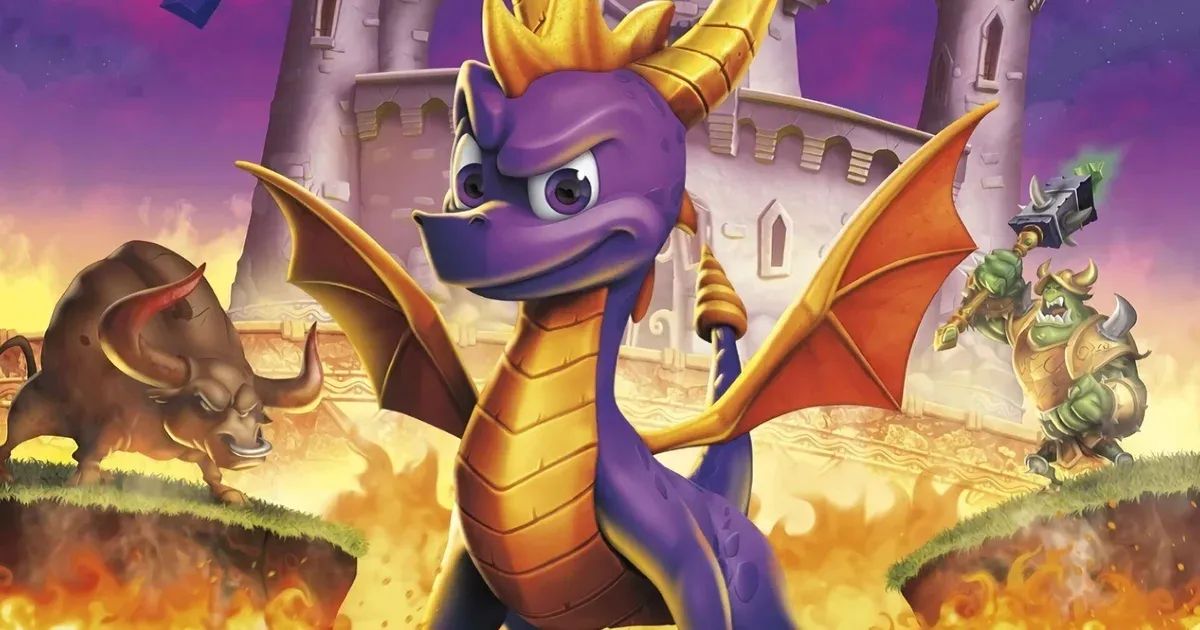
You might want Spyro. The market wants more Fortnite collabs.
And before anyone gets mad, this is not me saying those old games are bad. I love that era. That era gave Sony its identity; heck, I'd love nothing more than a new inFamous game.
But nostalgia does not equal revenue. Sony knows this, and sadly, so do you and I. We don't have as much time to play games anymore - the new generation does. And that's who Sony is after now.
Sony’s First-Party Games Underperform
This is the part people miss.
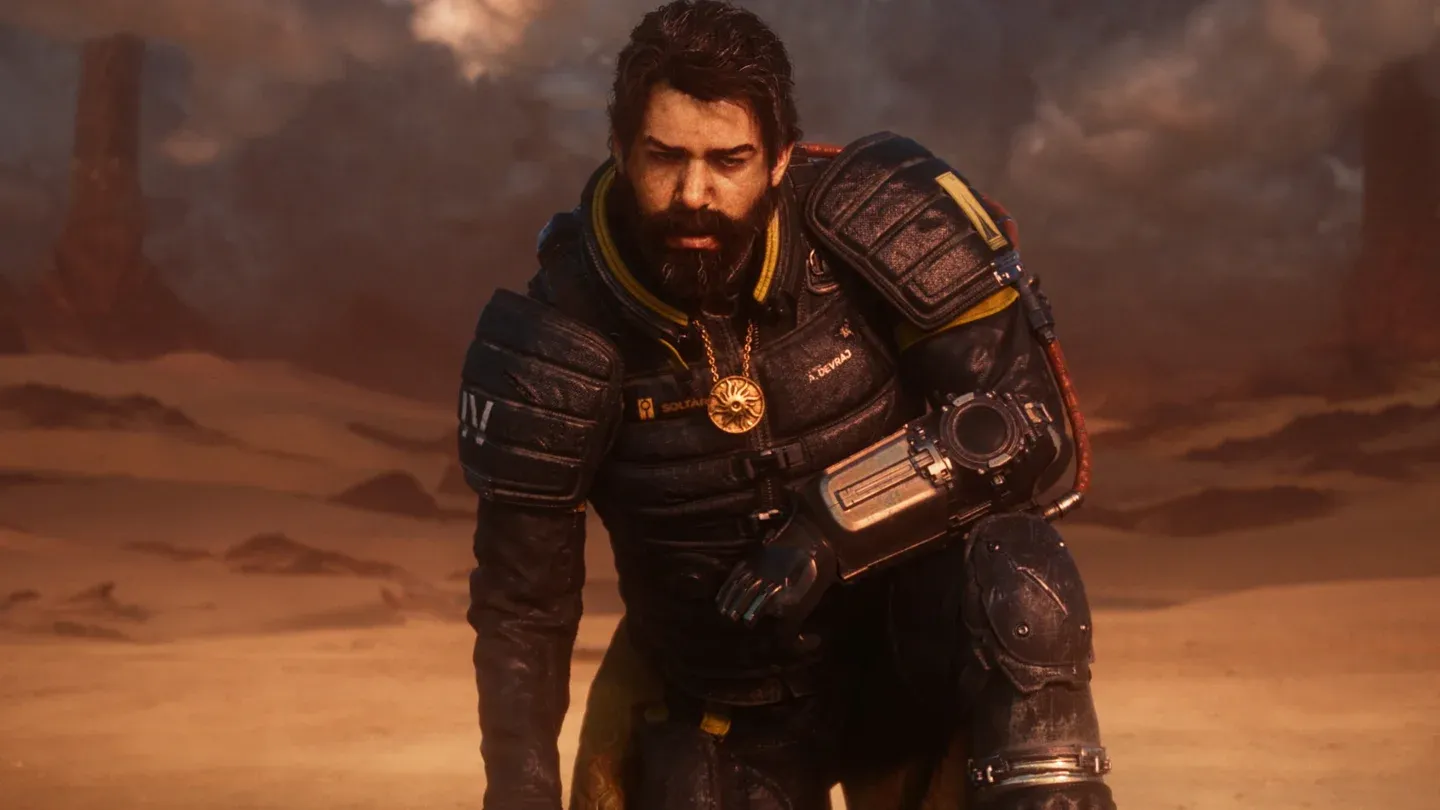
Most PlayStation fans often talk as if Sony’s entire business is built around first-party exclusives. God of War. Spider-Man. The Last of Us. Ghost of Tsushima. Horizon. That is the brand mythology.
But Sony’s own investor materials say first-party software is a minority of overall PlayStation software sales.
In FY2025, Sony reported 317.9 million full-game software units sold across PS4 and PS5. First-party titles accounted for 32.1 million of those. That is about 10%.
First-party games matter because they sell the idea of PlayStation. They create the emotional reason to enter the ecosystem.
But once you are inside the ecosystem, the money is everywhere else: third-party games, add-on content, PlayStation Plus, microtransactions, digital purchases, and recurring spending.
Sony said it pretty clearly in its June 2026 Game & Network Services Q&A: the company is focused on profitable growth, recurring revenue, customer lifetime value, and monetizing its user base.
That doesn't feel good reading it back. But it is honest.
The Painful Truth
This is why the shift feels personal. If you are 25, 30, 35, or older, PlayStation probably feels like part of your life story.
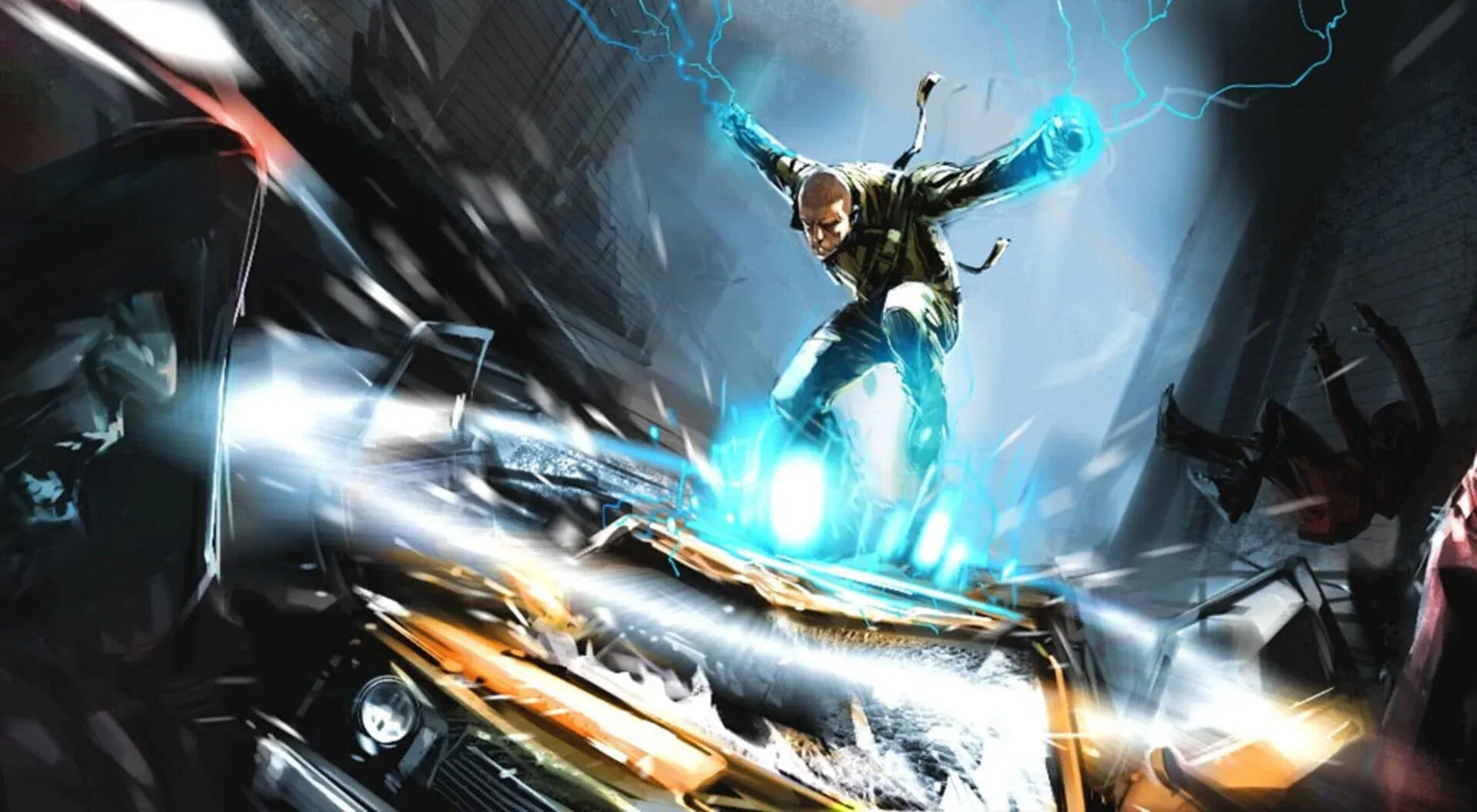
You remember where you were when you first played Crash Bandicoot. You remember Spyro. You remember Metal Gear Solid. You remember the PS2 startup sound. You remember when inFamous felt like the future. You remember when buying a console felt like joining a culture, not just logging into a platform.
So when Sony makes decisions that clearly aren't aimed at you, it feels like a betrayal.
But maybe that is the wrong word.
Sony did not betray you. But Sony no longer needs you as much as it used to.
And maybe that is an even colder truth.
We grew up with PlayStation, so it is easy to feel like you should have a vote in what PlayStation becomes. But companies do not run on seniority. They run on spending behavior.
And the spending behavior says younger, digital-first, always-online, service-friendly players are more valuable than the older fan who buys three physical single-player games a year and complains online the rest of the time.
Again, harsh. But once again, true.
Sony Is Not Chasing The Past
The future of PlayStation is not really about the box under your TV. It is about the account.
Your PlayStation account is the store. It is your friends list. It is your purchases. It is your subscriptions. It is your trophies. It is your recurring payments. It is your identity inside Sony’s ecosystem.
That is why digital matters so much. That is why PlayStation Plus matters. That is why add-on content matters. That is why Sony cares about monthly active users, engagement, retention, and lifetime value.
A disc is a transaction. An account is a relationship Sony can monetize for years.
And once you understand that, almost every frustrating PlayStation decision starts making more sense.
This Does Not Mean Old PlayStation Fans Are Wrong

I want to be clear about something.
Older fans like you and me, are not wrong for wanting physical games. We are not wrong for wanting preservation. We are not wrong for missing Sony’s older IP. We are not wrong to feel that PlayStation has become more corporate, more cautious, more sterile, and more obsessed with margins.
A lot of that criticism is fair.
The problem is that being morally right does not mean you are commercially powerful.
You can be correct that physical ownership is better for consumers. You may be right that the old IP deserves another chance. You can be correct that gaming loses something when everything becomes a storefront, subscription, season pass, or engagement funnel.
And Sony can still look at the money and decide you are not the priority.
Sony still cares about PlayStation.
It cares about PlayStation as a platform, a store, a subscription business, a digital library, a services ecosystem, and a long-term profit engine.
What it does not care about as much anymore is your specific emotional memory of what PlayStation used to be.
The new PlayStation customer wants Fortnite, Call of Duty, 2K, Madden, subscriptions, convenience, crossplay, digital libraries, and whatever their friends are playing tonight.
Sony is choosing the customer who is still forming habits, not the customer who is mostly defending memories. And yes, that sucks.
But maybe accepting it is healthier than pretending the next showcase is finally going to be the one where Sony says, “You know what, we built the whole future around the guy asking for a Sly Cooper remake in the comments.”
They didn’t. They won’t.
PlayStation is not mine or yours anymore. It is theirs now.
And that's unfortunately, the sad truth.