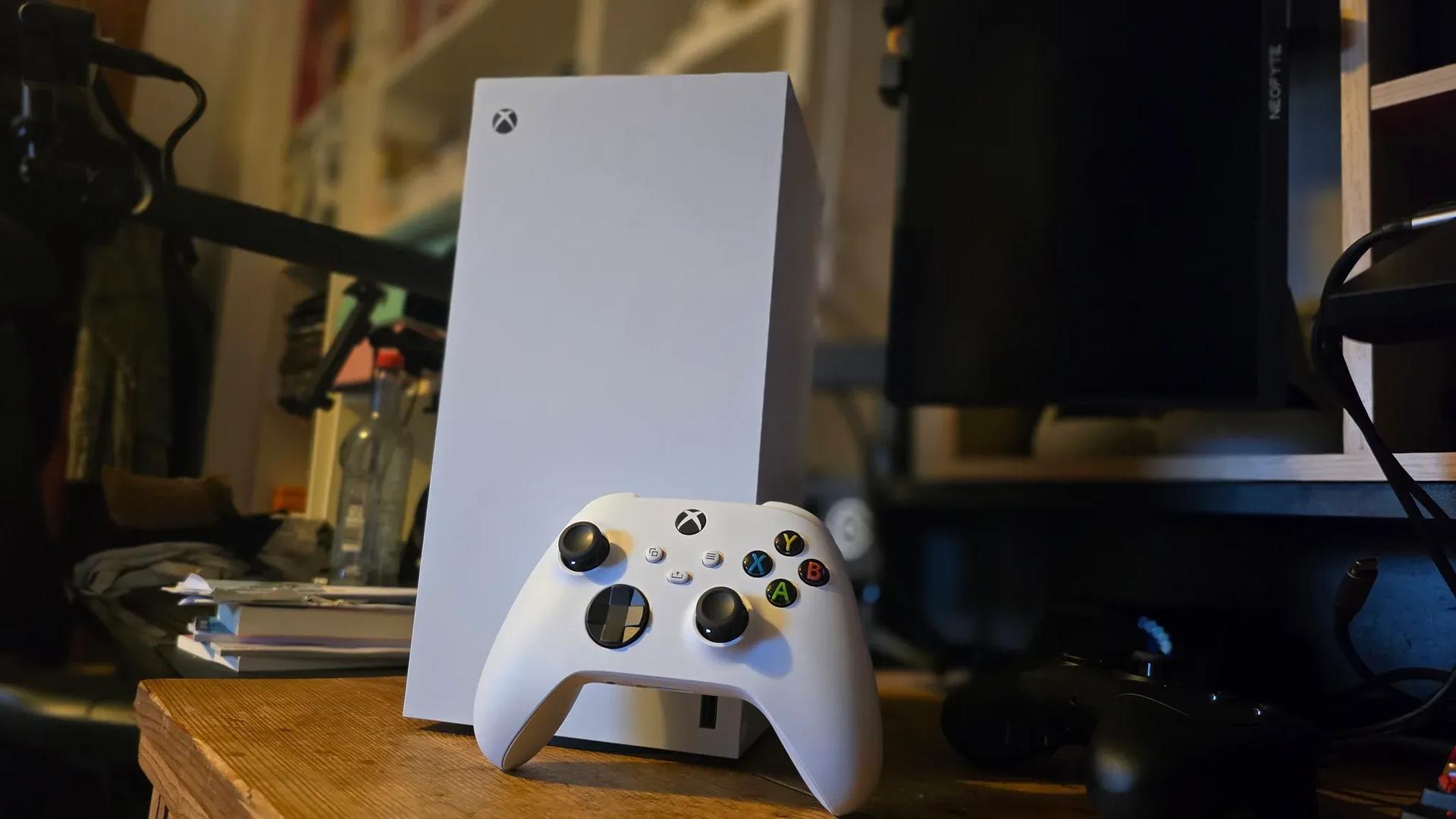

If you've been wondering why Xbox keeps nudging players toward digital purchases, the answer might be simpler than corporate strategy: the hardware to play physical games is becoming harder to build.
A report from Jez Corden of Windows Central, published this week, includes sourced claims that the supply chain for optical disc drive components is "collapsing." Assembly lines are reportedly moving away from the tech entirely as more consumers choose digital-only hardware. The implication is that Xbox may not be choosing to abandon physical media so much as being pushed toward that outcome by manufacturing realities.
How Xbox got here
The timing of this report is notable. Xbox just announced its disc-to-digital program is launching for Insiders this Monday. The program covers thousands of eligible games spanning current and past Xbox generations, letting players convert physical game ownership into digital licenses. Those licenses stay tied to the player and can reportedly be transferred to a new owner if the physical disc is sold or given away, which is a similar concept to how Nintendo handles game key cards.
That program sounds convenient on the surface. But the supply chain story reframes it. The disc-to-digital service starts looking less like a feature and more like a transition tool for a world where disc drives simply stop being manufactured at scale.
Here's the thing: this is not the same situation as Sony's. PlayStation has confirmed it will stop producing physical media for its games in 2028, but Sony has also confirmed it will continue supporting existing physical discs beyond that point. Sony's timeline is deliberate. Xbox's situation, if these sourced claims are accurate, may be less planned and more reactive.
The broader shift killing optical drives
This is not purely an Xbox problem. The optical disc drive market has been shrinking for years across PCs, laptops, and consoles. Fewer devices ship with disc drives as a default. Digital storefronts have replaced physical retail for a large portion of players. When demand drops far enough, manufacturers stop investing in the production lines that build the components.
What's different here is the suggestion that the collapse is happening faster than the console industry expected. If assembly lines are actively pivoting away from optical drive components right now, that creates a real ceiling on how long any console maker can continue offering disc-based hardware, regardless of what players want.
For Xbox specifically, this matters because Microsoft has been selling disc-less versions of its consoles alongside disc-equipped ones. The Xbox Series S launched without a drive entirely. The disc-to-digital program fits neatly into a world where the disc drive becomes a legacy accessory rather than a standard feature.
What this means for players who still buy physical
If you're someone who buys physical games for resale value, collection purposes, or just because you prefer owning a disc, the picture here is not great. The disc-to-digital program does offer a way to preserve your library in digital form, which is worth paying attention to if physical support starts winding down faster than expected.
The broader concern is what happens to backward compatibility for disc-based games if drive components become scarce. Microsoft hasn't addressed that directly, and the disc-to-digital program converting licenses is one answer, but it doesn't cover every scenario.
For Xbox hardware fans looking to get the most out of their setup in the meantime, check out our gaming guides for platform-specific tips across Xbox hardware. If you're playing on ROG Xbox Ally X specifically, our ChainStaff ROG Xbox Ally X settings guide covers the best performance profiles for handheld play at 900p and 1080p.
The disc-to-digital program going live for Insiders this Monday is the immediate next step to watch. How smoothly that rollout goes, and how quickly Microsoft expands it beyond the Insider program, will say a lot about how seriously the company is treating the physical-to-digital transition right now.