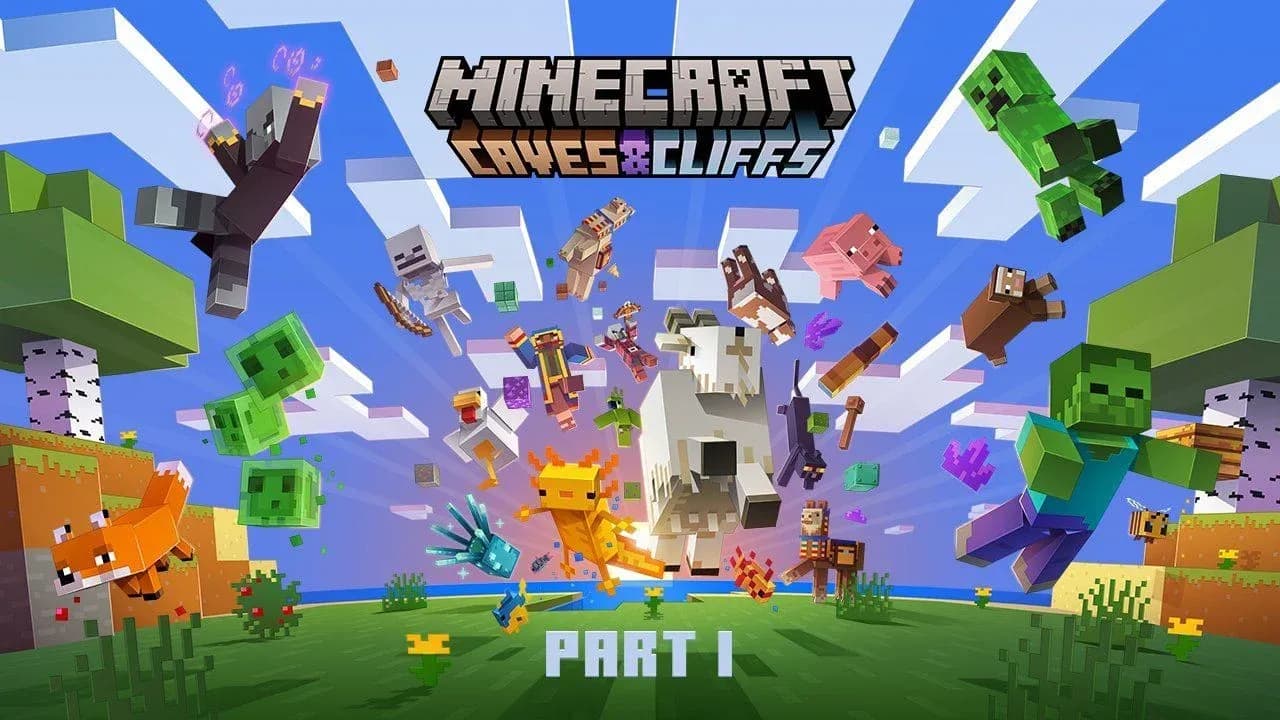

Microsoft has announced XP, a brand-new licensing division built to squeeze more commercial value out of Xbox's biggest surviving franchises, while simultaneously revealing that Minecraft developer Mojang has a new CEO with a background rooted firmly in tech platforms rather than game studios.
The two announcements landed together on October 8, 2026, and together they paint a clear picture of where Microsoft thinks Xbox's future money is coming from.
What XP actually is
XP is headed by Kayleen Walters, the former president of Mojang, and pulls together licensing capabilities that Xbox says have been scattered across different internal teams for years. Matthew Ball, Xbox's chief strategy officer, framed it plainly: "Our ambition at Xbox is to be the number one entertainment company in the world."
The division breaks down into four pillars:
- Xbox Pictures - film and TV adaptations (think the Fallout series and the Minecraft movie)
- Xbox Products - merchandise
- Xbox Places - live events and theme park-style attractions
- Xbox Partnerships - brand collaborations and creator deals
Here's the thing: this isn't a surprise pivot. Xbox boss Asha Sharma already signalled earlier this year that the company would pursue "the right partnerships" and "the right operating model" to keep Xbox viable. XP is that model taking shape. The Minecraft movie and Fallout TV show both performed well enough commercially to validate the approach, and XP is the formal infrastructure to do more of it, faster.

Mojang's incoming CEO has a very specific background
Maria Angelidou-Smith is taking over from Walters at Mojang. Her CV includes nearly a decade at Meta working across Facebook's groups, events, creators, search, profile, and monetisation functions. After that, she led product at HR software company Personio and then Reddit.
Games industry experience? None listed. Sharma addressed this directly in her announcement post: "We wanted someone who has built products for communities at enormous scale, who is deeply technical, and who understands how creators, product, technology, and monetisation come together."
The key here is that framing. Sharma isn't describing a game director or a creative lead. She's describing a platform operator. Minecraft, with its hundreds of millions of registered players, is being treated as a product ecosystem first, a game second. That's a deliberate choice, and Angelidou-Smith's background maps almost exactly onto Sharma's own profile, which also leans heavily on tech leadership rather than game development.
The studios that didn't make it through
The uncomfortable context around all of this is what Xbox has already discarded. Double Fine, Arkane, Undead Labs, Compulsion, and Ninja Theory have all faced cuts or closure as part of the restructuring. There's a reasonable argument that franchises like Psychonauts or South of Midnight might have had longer commercial lives if XP-style licensing had been actively pitching those properties to Hollywood and streaming platforms years ago, rather than leaving them to survive on game sales alone.
Instead, the licensing push is concentrating on the properties Xbox still has standing: Minecraft, Fallout, and whatever else survives the current round of cuts. Obsidian, now folded under Bethesda, is reportedly working on a new Fallout game, which fits neatly into the XP model of keeping franchise IP active across multiple formats simultaneously.
What this means for players is that Minecraft's development direction will increasingly be shaped by leadership whose instincts come from scaling social platforms and optimising creator monetisation. Whether that produces better updates for the people actually playing the game is the open question. If you want to stay across everything happening in the game itself right now, the Minecraft guides collection covers the current state of play in detail, including our best Minecraft mods picks for players looking to get more out of the game while the corporate restructuring plays out above it.