
Advertisement


Overview
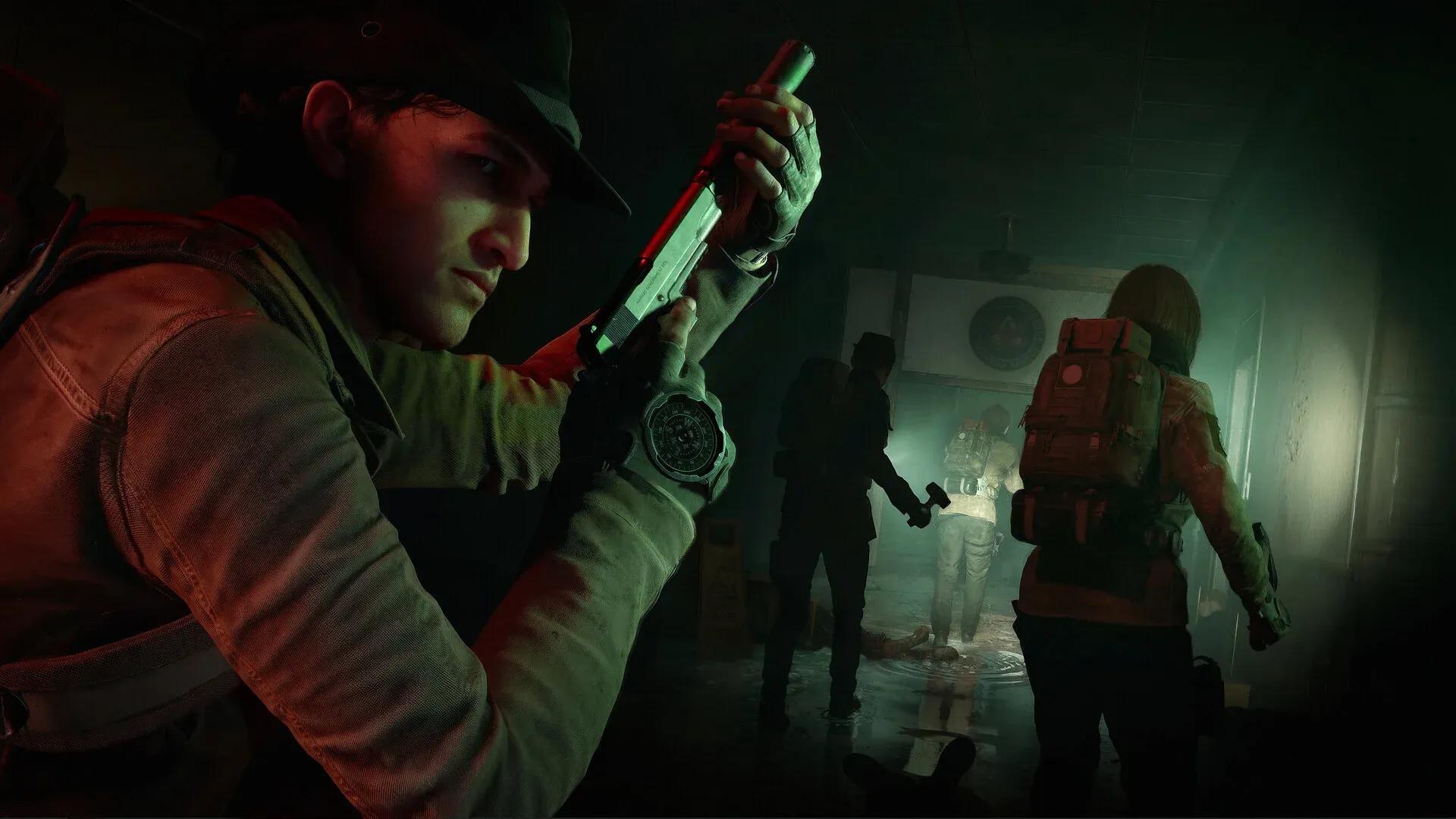
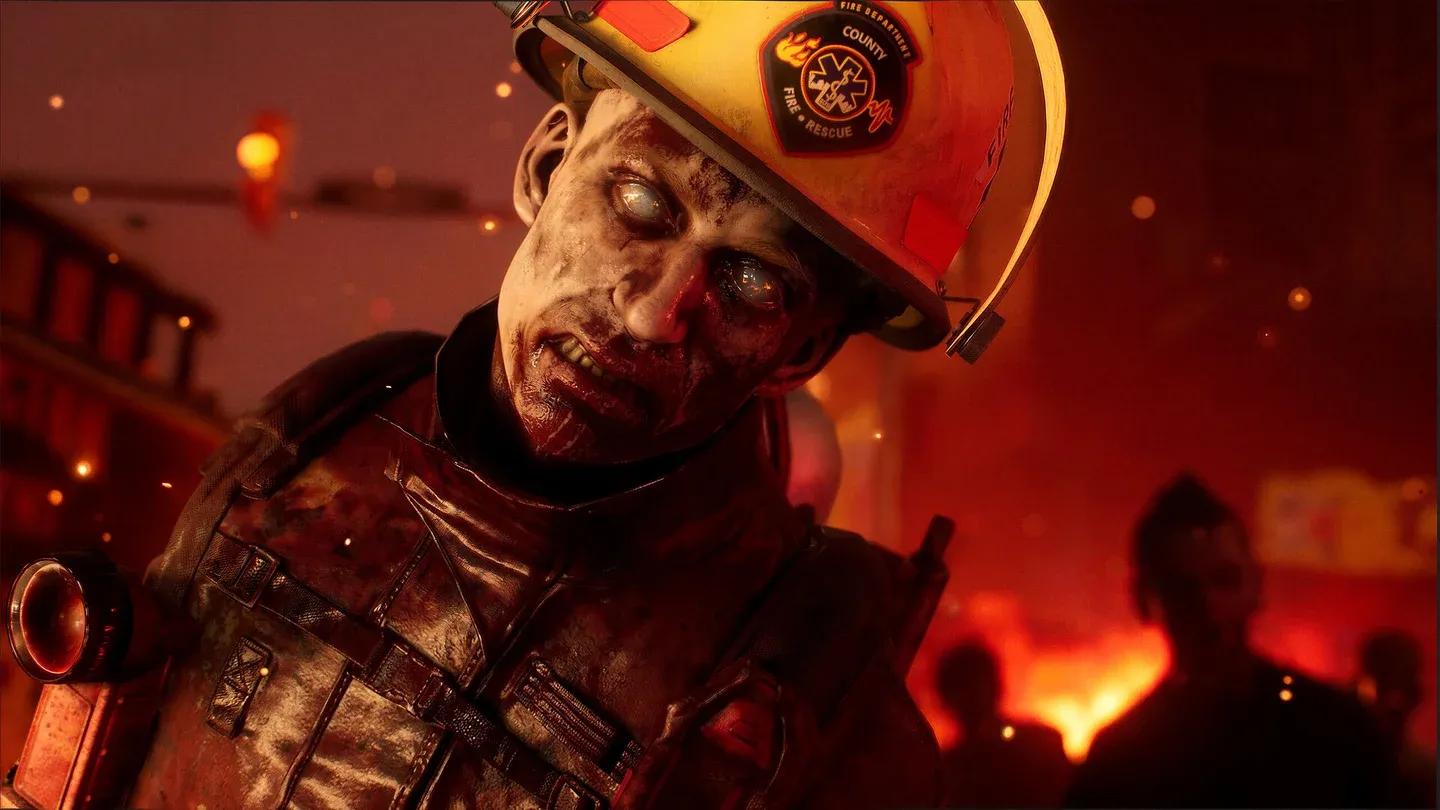
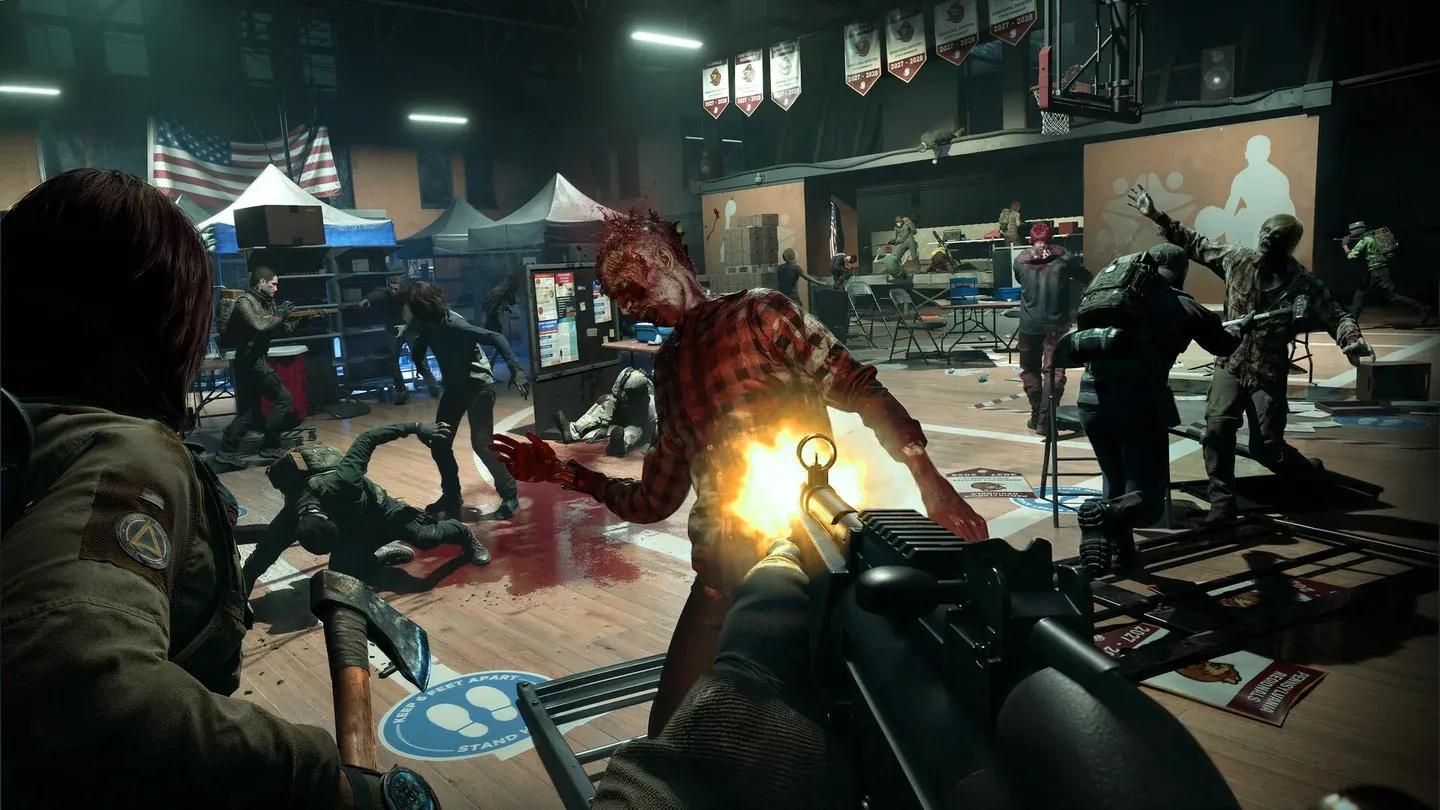
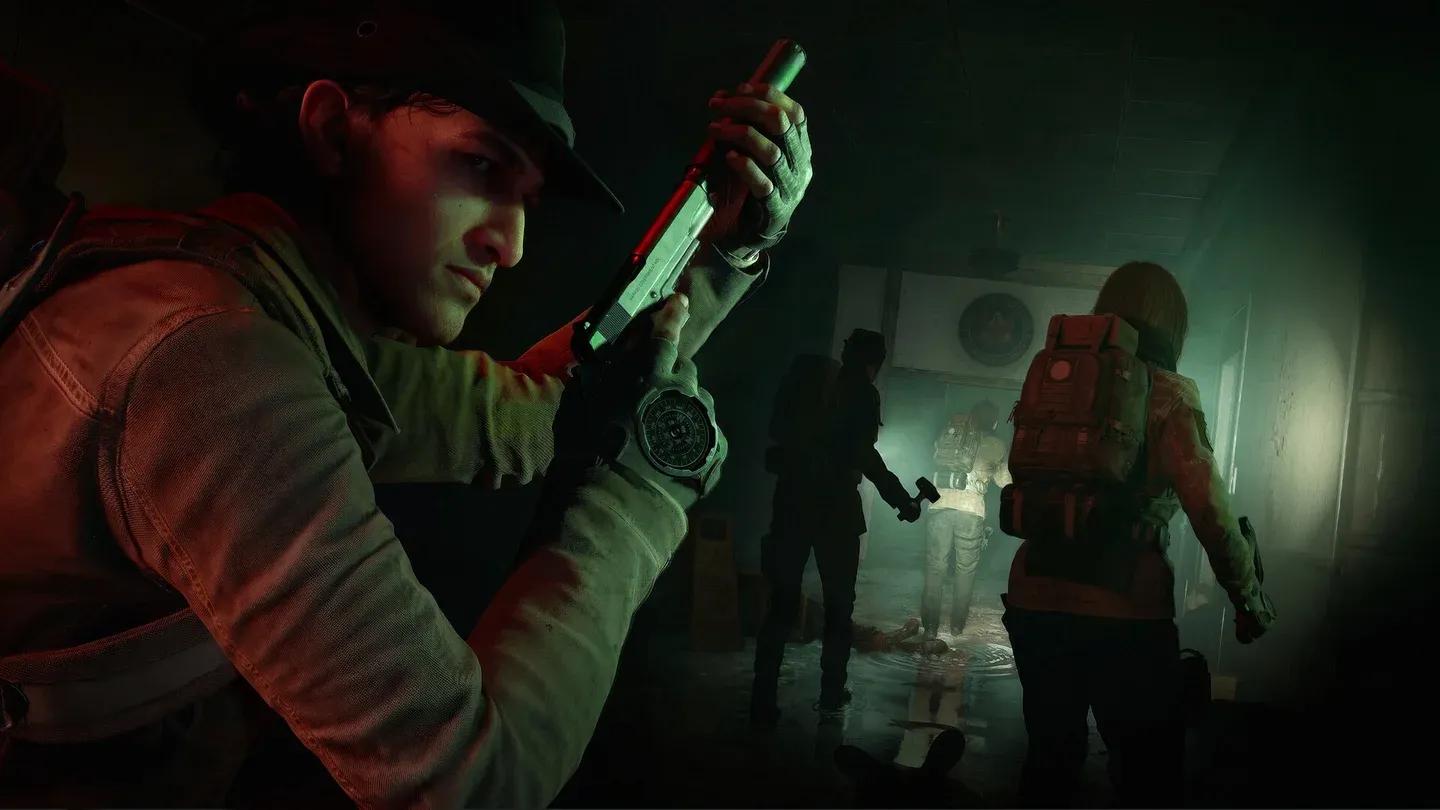
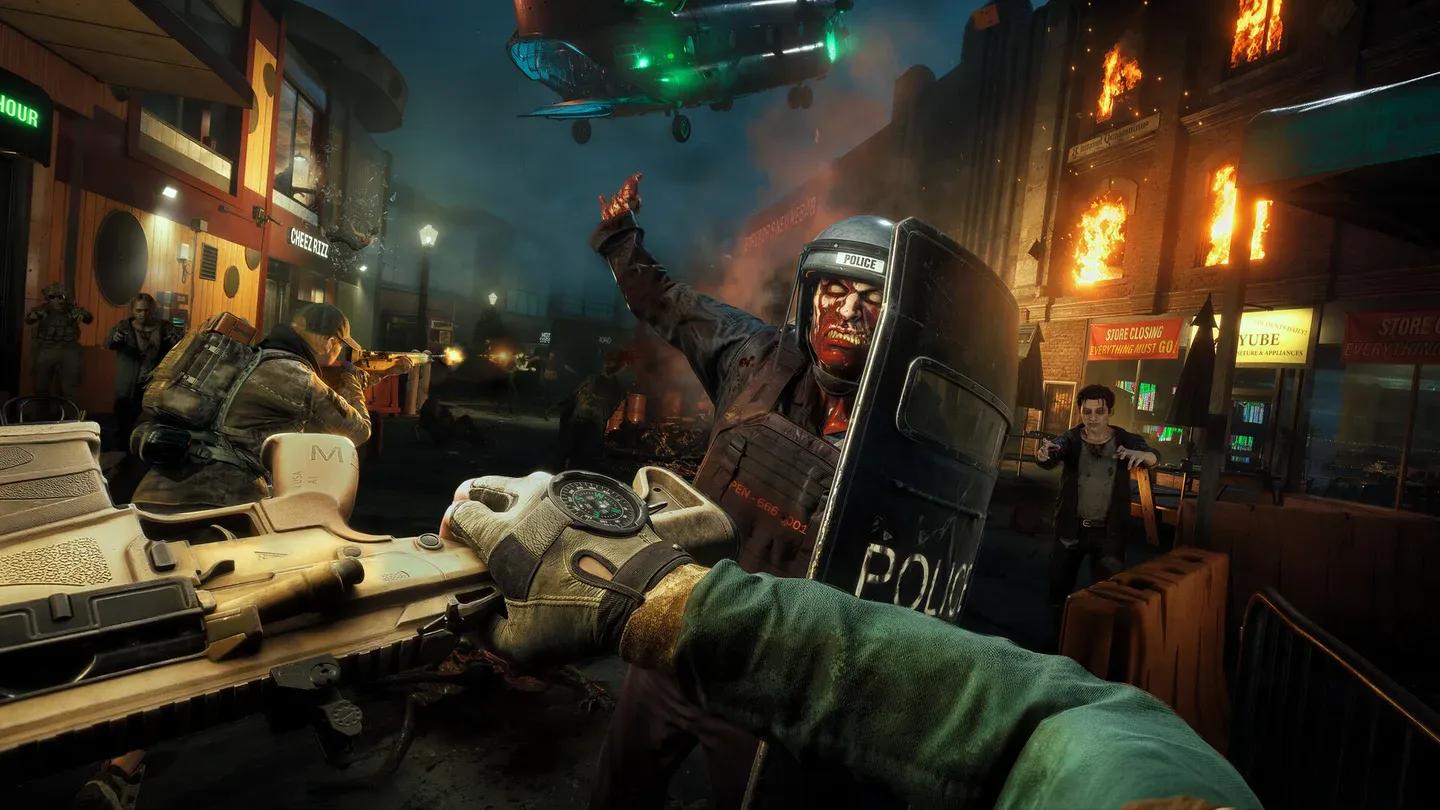
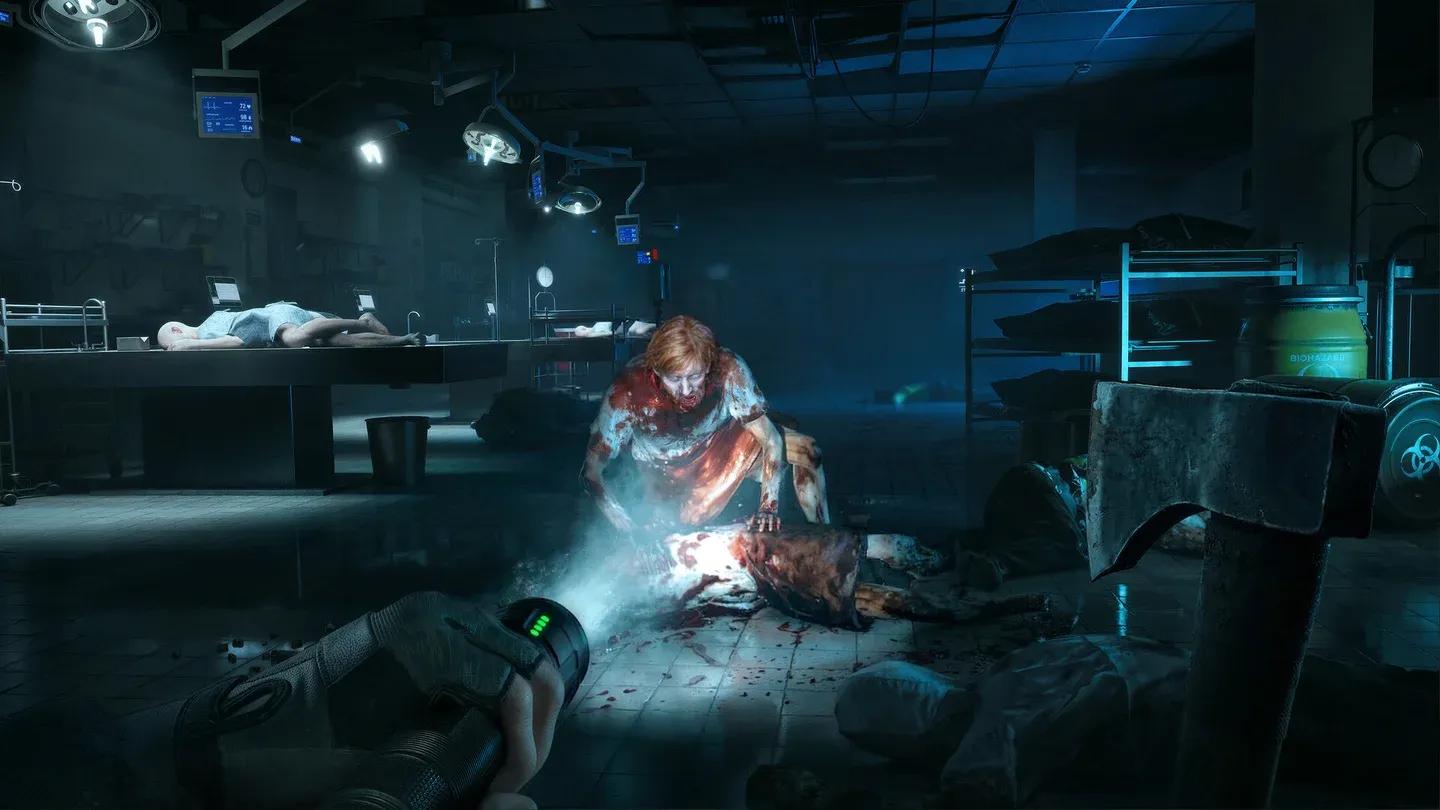
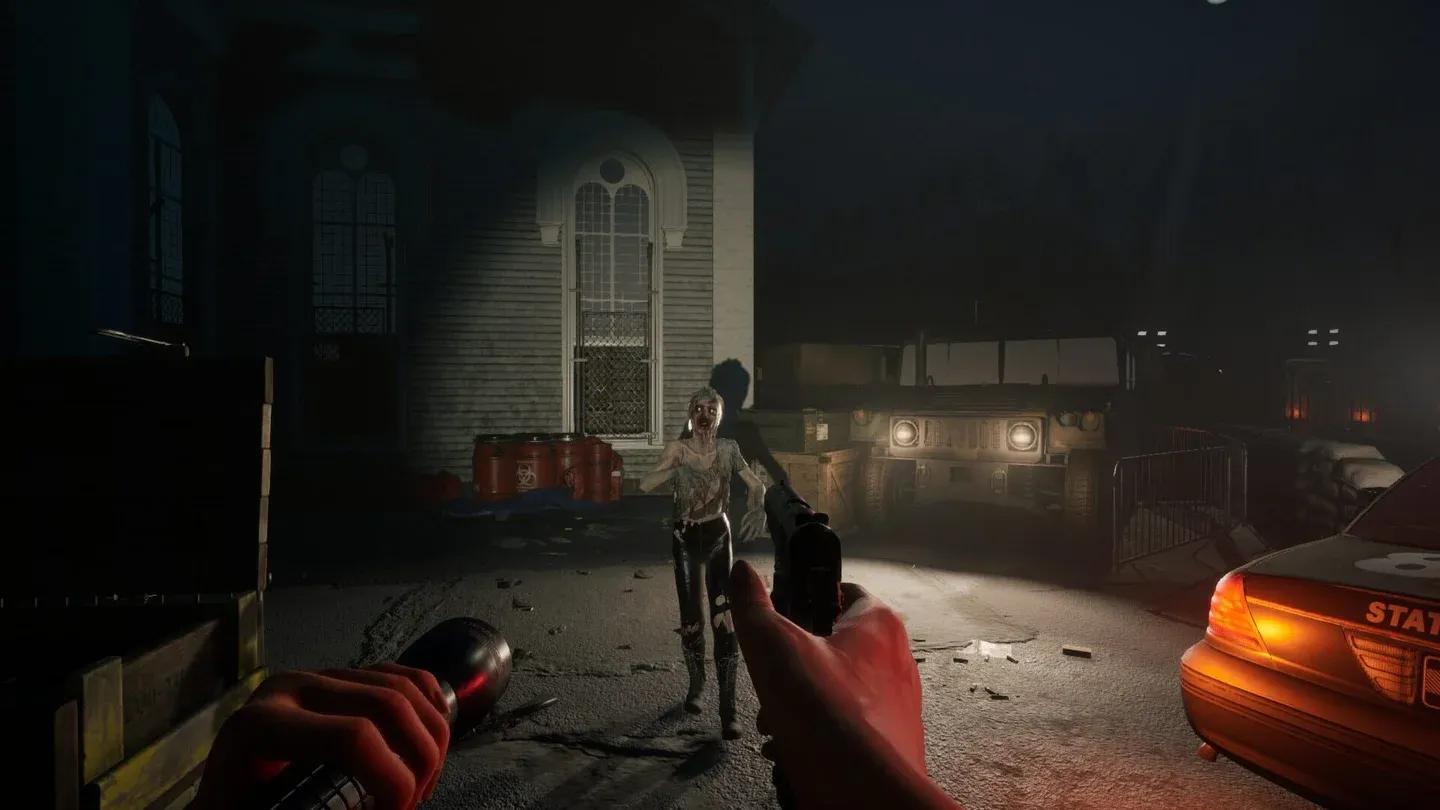
No More Room in Hell 2 is a co-op survival horror game from Torn Banner Studios, the team behind Chivalry 2, built around a simple but punishing premise: up to 8 players deploy into zombie-infested locations, complete objectives, scavenge supplies, and try to extract before the horde overwhelms them. The catch is that death here is permanent. Lose your Responder on a mission and that character, along with all their earned perks and gear upgrades, is gone.
The game sits in the same genre space as Left 4 Dead and Back 4 Blood but plays with noticeably higher stakes. Resources are scarce enough that sharing isn't optional, and the reactive horde system means a single noise can spiral a quiet corridor into a full firefight. Proximity voice chat keeps communication grounded in the moment, so coordination feels earned rather than menu-driven.

Permadeath and infection: what makes the stakes real
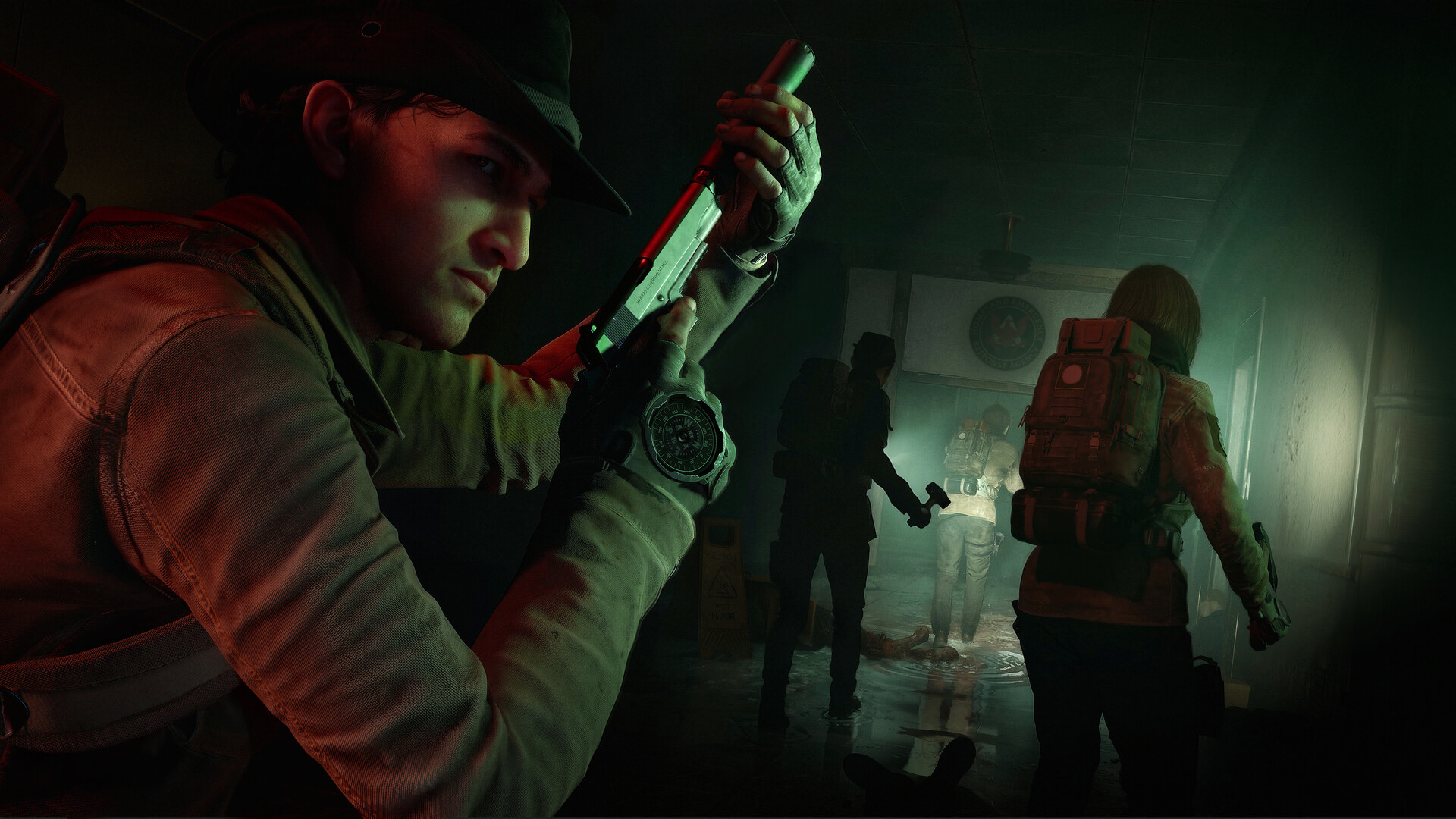
The infection mechanic is where No More Room in Hell 2 separates itself from most co-op shooters. Getting bitten doesn't kill you instantly. Instead, it starts a countdown. Infected Responders need to find pills or a gene therapy cure before the infection completes its course, or they turn and become a threat to the squad. The core features driving this tension include:
- Permanent character death on failed extractions
- Infection timer requiring active treatment
- Responder perks and gear lost on death
- Rewards scale with how many squadmates extract
- Upgraded starting gear earned through successful missions
This creates genuine decisions: do you push deeper to find a cure, or do you extract early and preserve what you have? Saving a downed teammate increases the reward payout, but it also means more time in the field.
World and setting
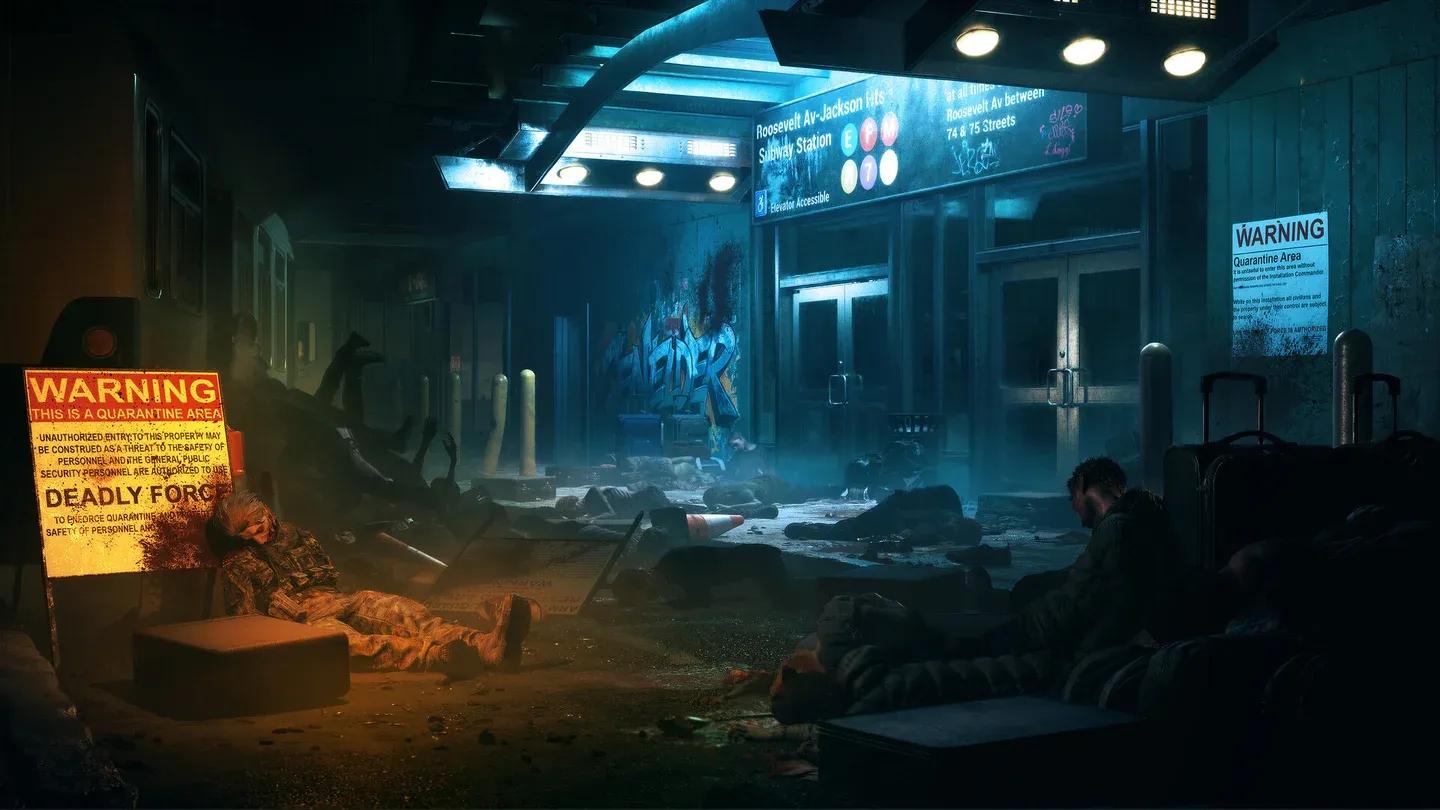
Scenario Mode takes place across 6 maps set on the Northeast Coast of the United States, tracing the immediate aftermath of the outbreak. The locations cover Lewiston in Maine, Broadway in New York, industrial sites in Pennsylvania, Beaulieu Hospital, and a government Bunker. Each map runs at a different time of day and carries its own set of objectives themed around that location.
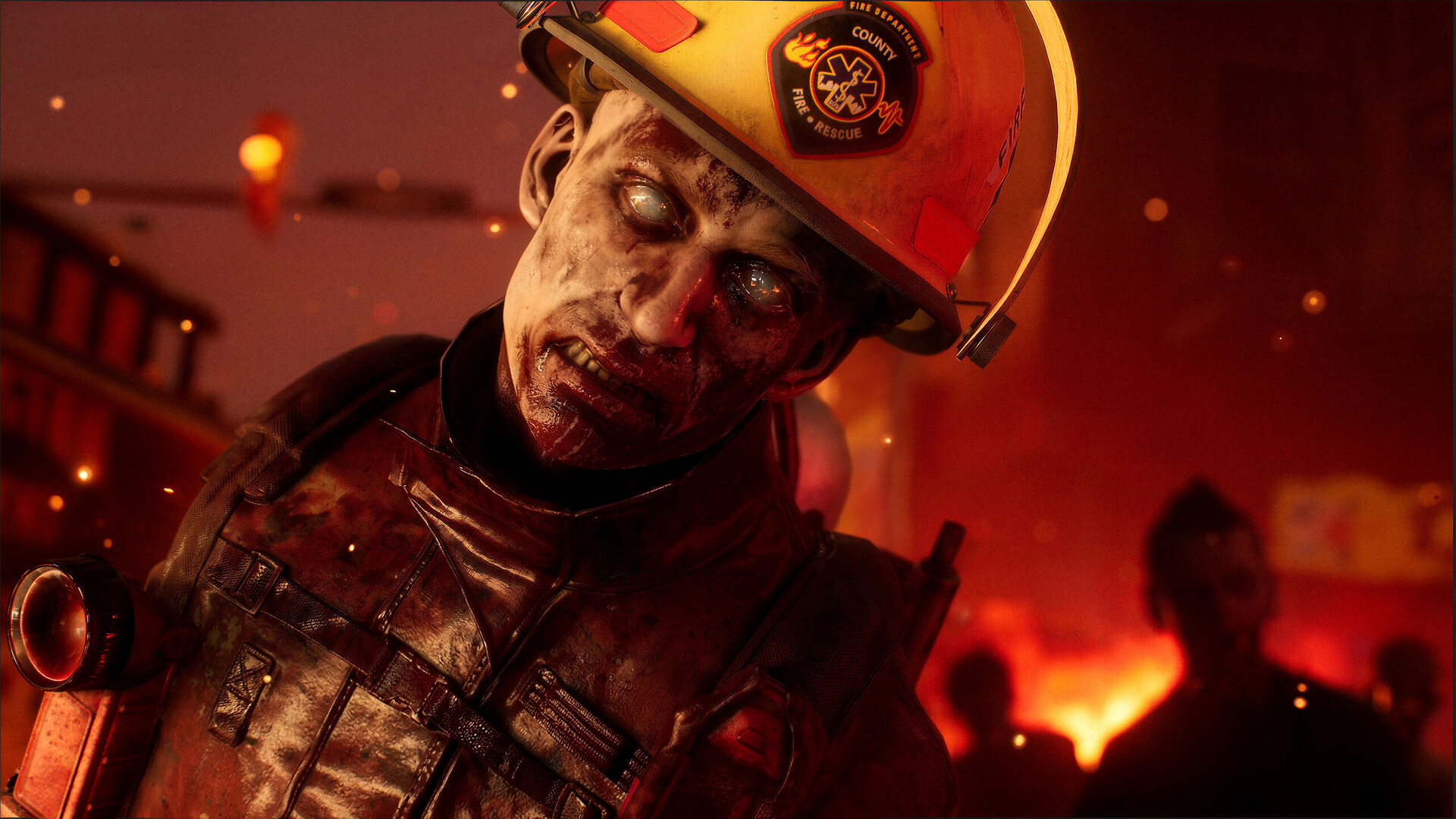
The variety matters because it keeps the atmosphere from going stale across multiple sessions. A hospital at night plays differently from an urban street in the early morning, both in visibility and in the kinds of threats likely to appear. The geography of each map also shapes how the horde responds, since the reactive AI tracks sound and adjusts accordingly.
Building your arsenal and Responder
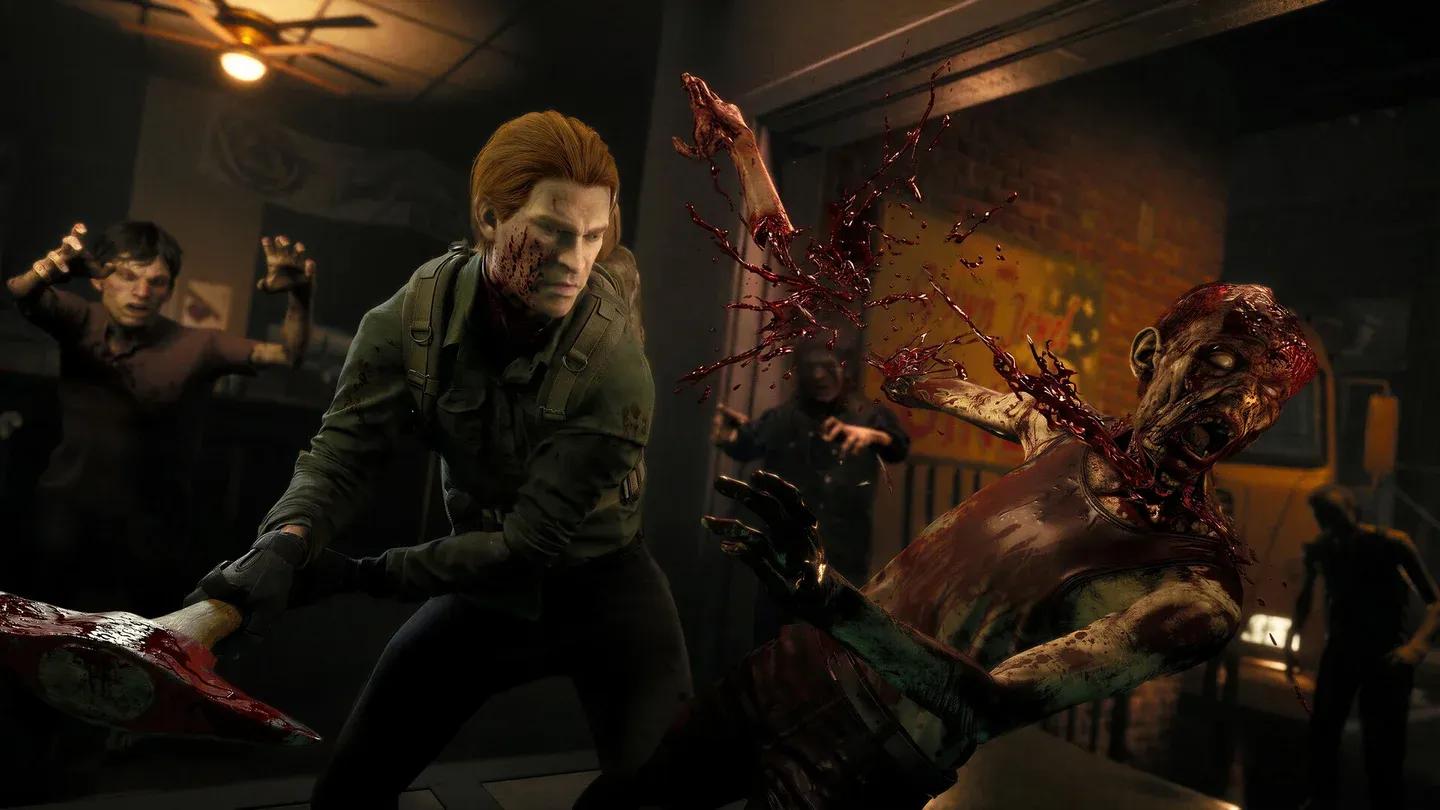
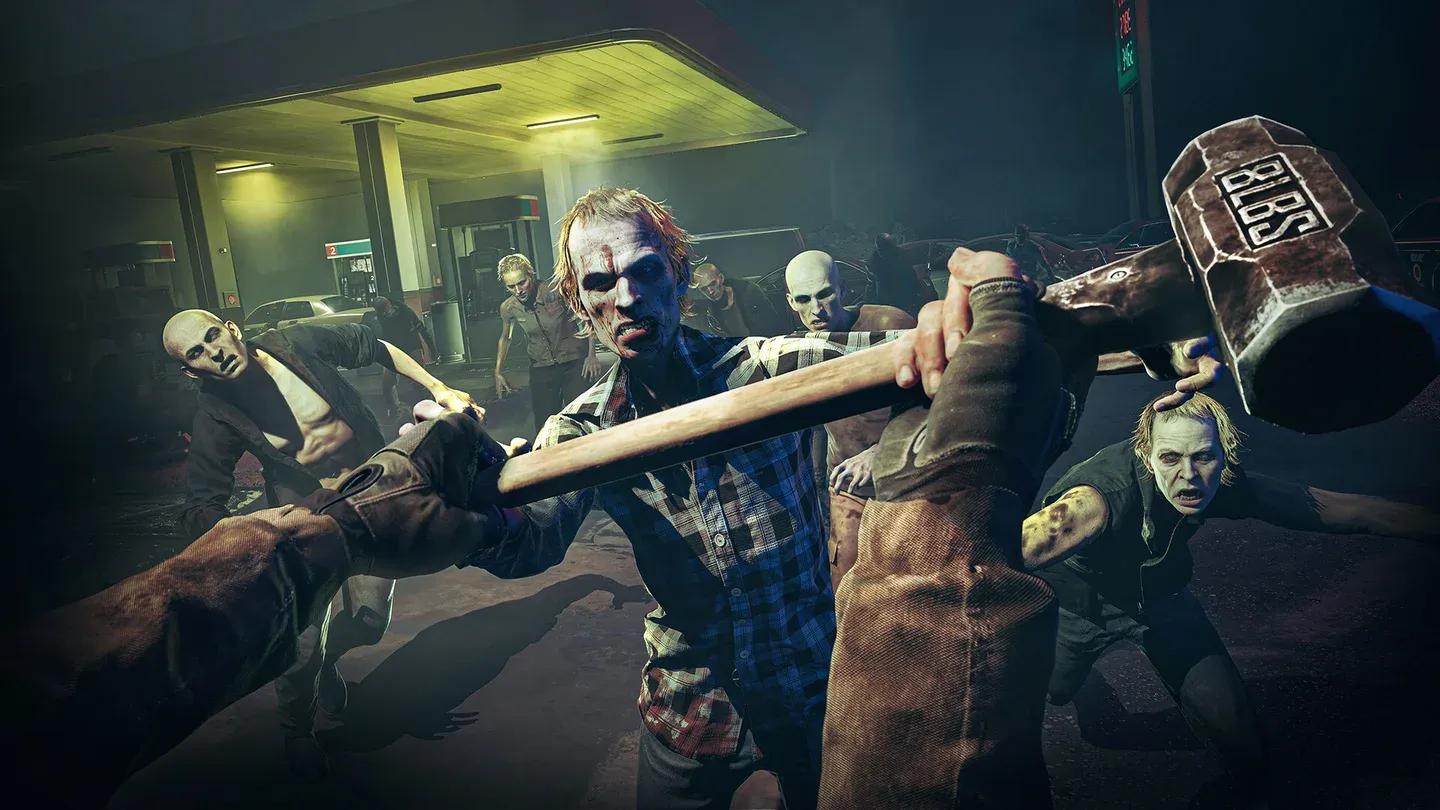
Weapons range from professional firearms to improvised tools, and ammo scarcity means melee combat stays relevant even late into a run. A crowbar to the skull remains a legitimate option when shotgun shells run dry. Weapon attachments including scopes, suppressors, and sights let players tune their loadouts, and tools like proximity bombs and molotov cocktails reward players who think tactically rather than just shooting at everything.
The progression system ties directly to survival. Each successful extraction builds out a Responder's skillset, unlocking perks and improving starting gear for future deployments. The result is a character that feels meaningfully different after several missions, which makes losing one to permadeath genuinely sting. A dynamic gore system adds physical feedback to every hit, making combat feel weighty in a way that pure damage numbers rarely achieve.
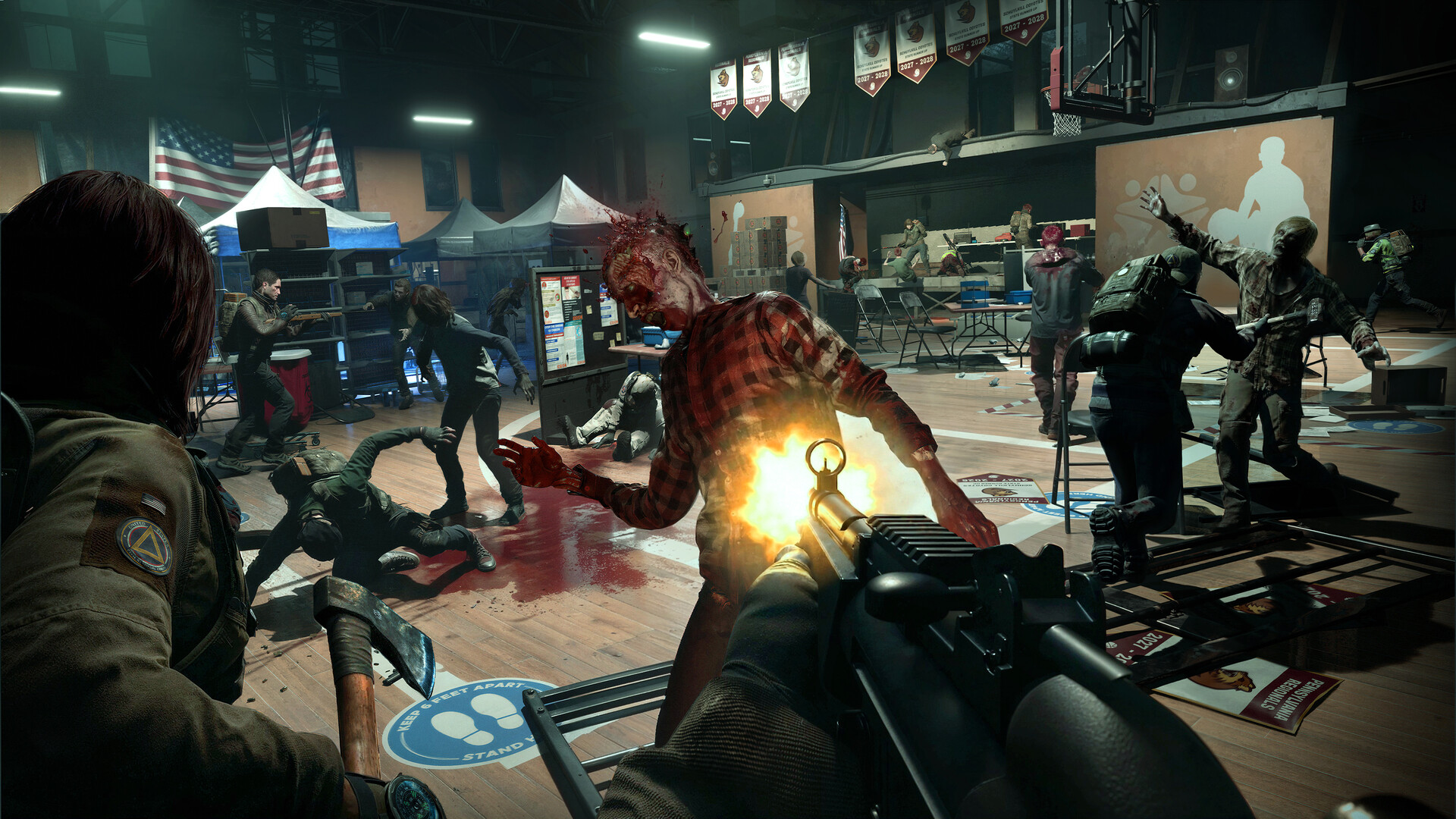
No More Room in Hell 2 is available on PC via Steam and Epic Games Store, Xbox, and PlayStation, bringing the full 8-player co-op zombie survival experience to all major platforms.
System Requirements
| Requirement | Minimum | Recommended |
|---|---|---|
| OS | Windows 10, 64-bit | Windows 10, 64-bit |
| Processor | Intel Core i5-6600 or Ryzen 3 1200 | Core i7-10700K or Ryzen 5 5500GT |
| Memory | 12 GB RAM | 16 GB RAM |
| Graphics | GeForce GTX 1650 (4 GB) or Radeon RX 570 (4GB) or Intel Arc 580 | GeForce RTX 2070 (8 GB) or Radeon RX 5700 XT (8 GB) |
| DirectX | Version 12 | Version 12 |
| Network | Broadband Internet connection | Broadband Internet connection |
| Storage | 35 GB available space | 35 GB available space |