
Overview
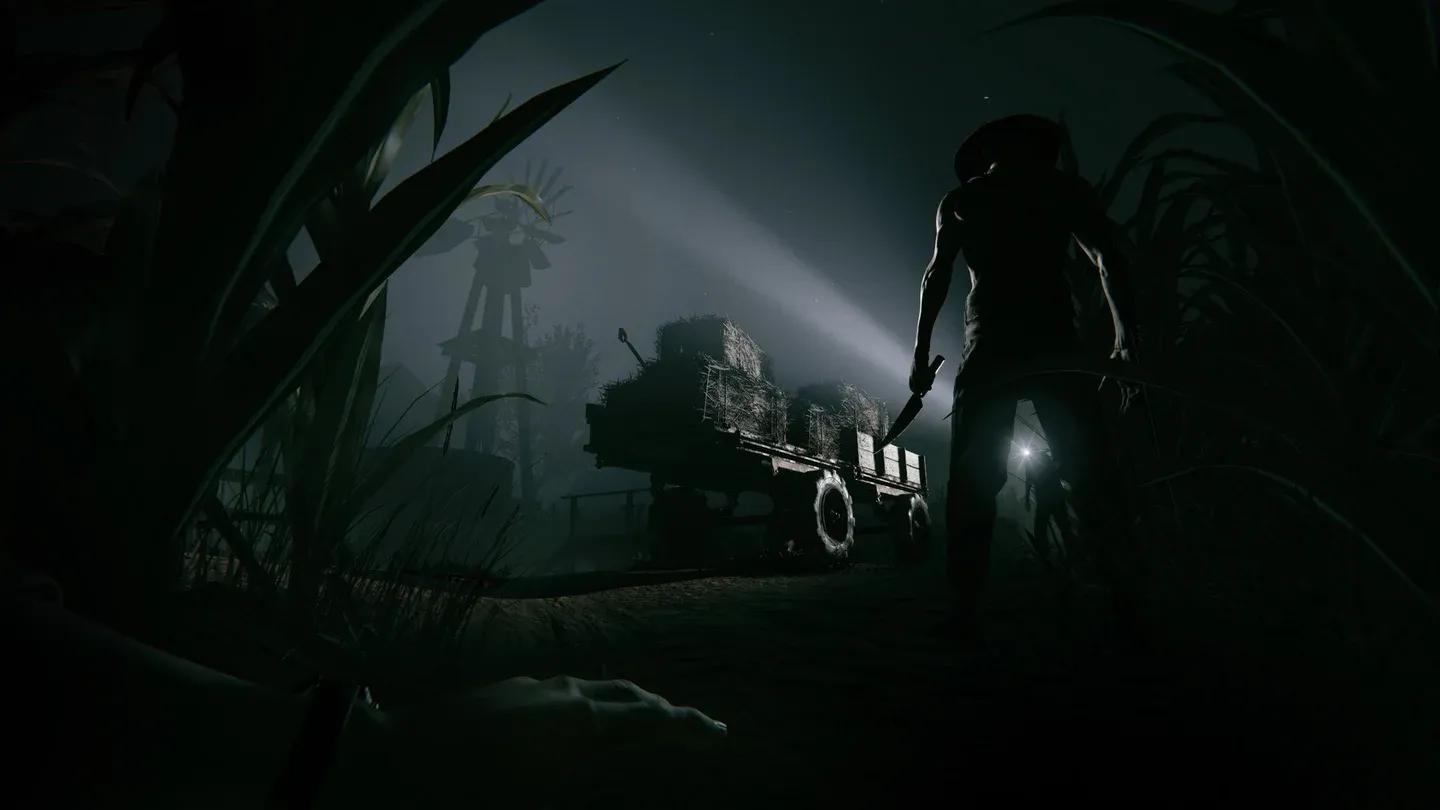
Outlast 2 is a first-person survival horror game developed and published by Red Barrels, released on April 24, 2017. It builds on the foundation of the original Outlast but moves the setting from a psychiatric facility to the sun-scorched wilderness of Arizona, where an isolated religious cult called Temple Gate has taken root. Blake Langermann arrives there chasing the trail of an unsolved murder and quickly discovers that the investigation is the least of his problems.
The game shares its universe with Outlast but introduces entirely new characters and a self-contained story. Sullivan Knoth, the cult's fanatical leader, has convinced his followers that the apocalypse is imminent, and their methods of preparation are as brutal as they are disturbing. Blake's wife Lynn is separated from him almost immediately, and the entire game becomes a desperate, terrifying attempt to survive long enough to find her.
Outlast 2 content image
Gameplay and mechanics
Outlast 2 keeps the core design philosophy that defined the original: you cannot fight back. Blake carries a camcorder and nothing else. The key mechanics revolve entirely around evasion and stealth.

Outlast 2 content image
- Camcorder night vision for low-light navigation
- Battery management as a core resource loop
- Hiding in lockers, under beds, and in tall grass
- Crawling and crouching to avoid detection
- Audio cues to track enemy positions
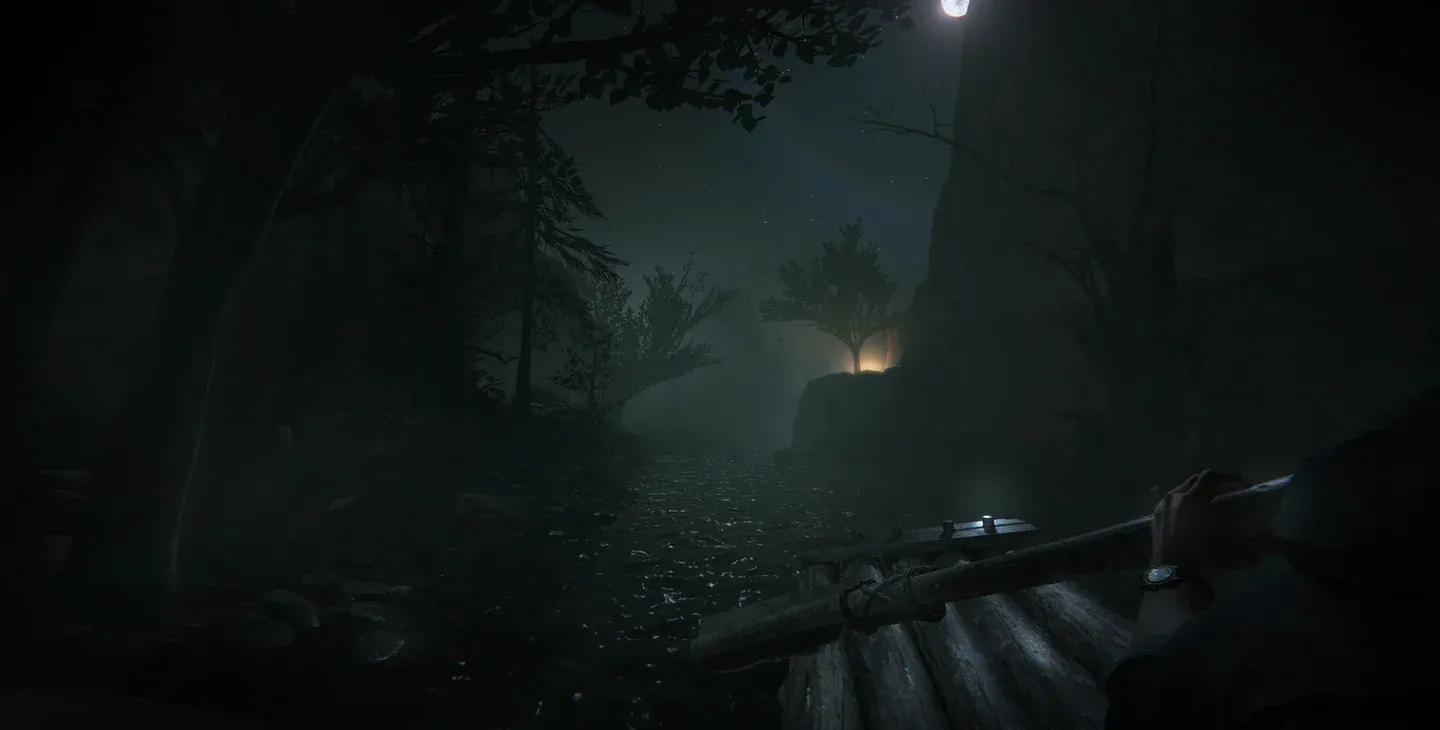
The camcorder's microphone functions as a directional sound tool, letting Blake pinpoint threats before they spot him. Battery conservation becomes a genuine tension driver because running the night vision drains power fast, and finding fresh batteries in pitch-dark environments while something hunts you is exactly as stressful as it sounds. The game also introduces swim sequences and more varied outdoor environments than the first game, which opens up the stealth options but also increases the sense of scale and vulnerability.
World and setting
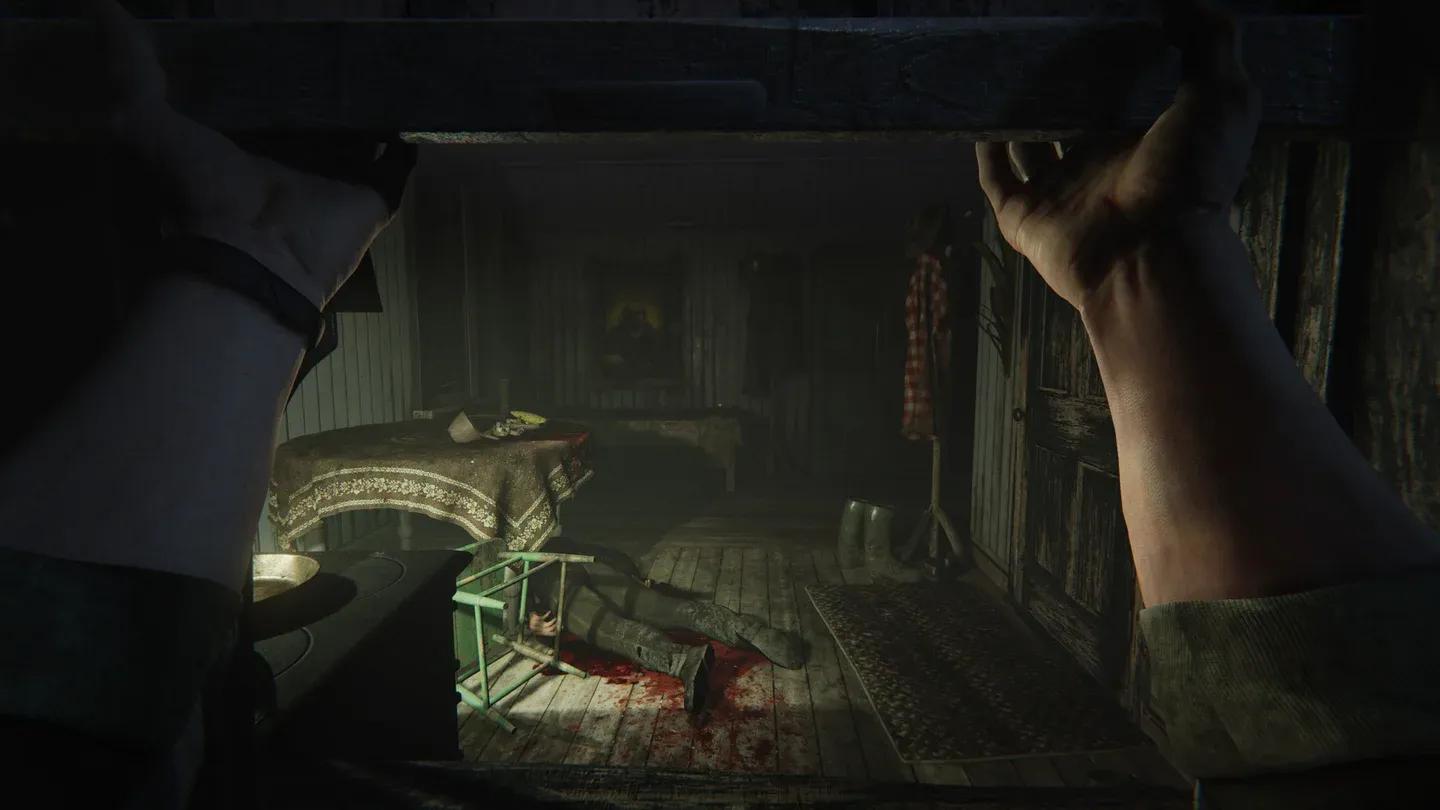
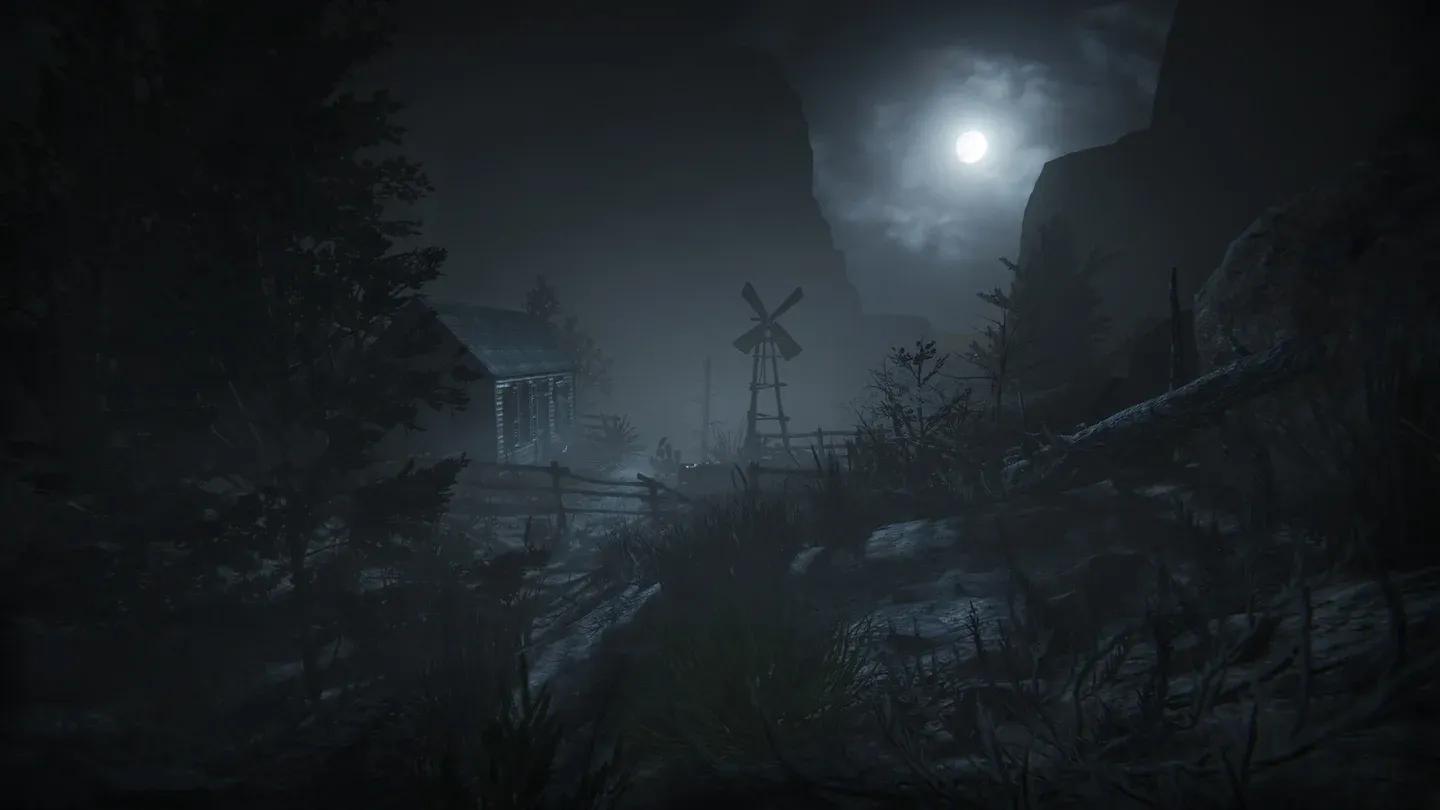
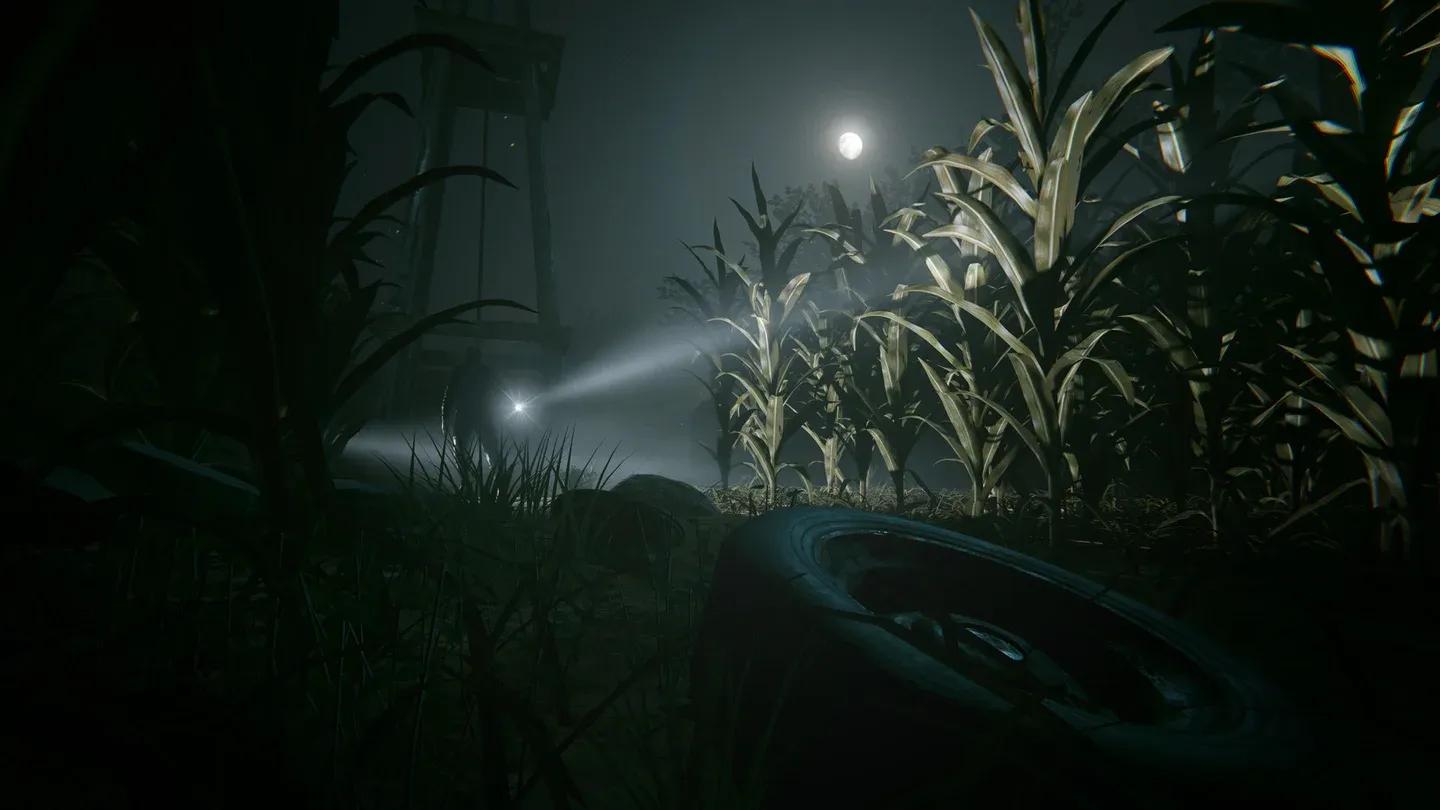
Temple Gate is one of the more unsettling locations in recent survival horror. The settlement sits deep in the Arizona desert, cut off from civilization, and every corner of it reflects the cult's warped theology. Wooden structures, crude religious iconography, and evidence of the community's violence are layered throughout the environment in a way that tells the story without any exposition.

Outlast 2 content image
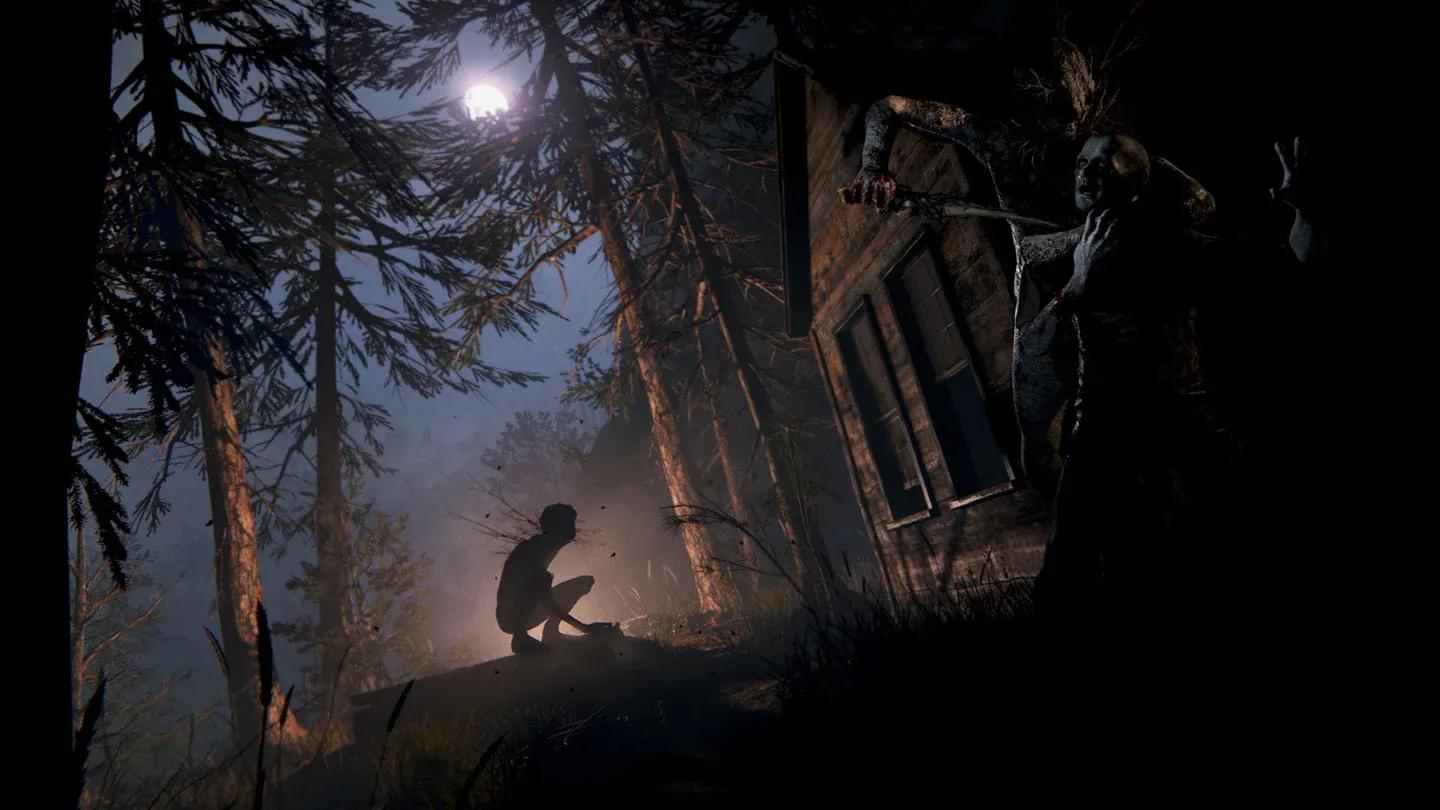
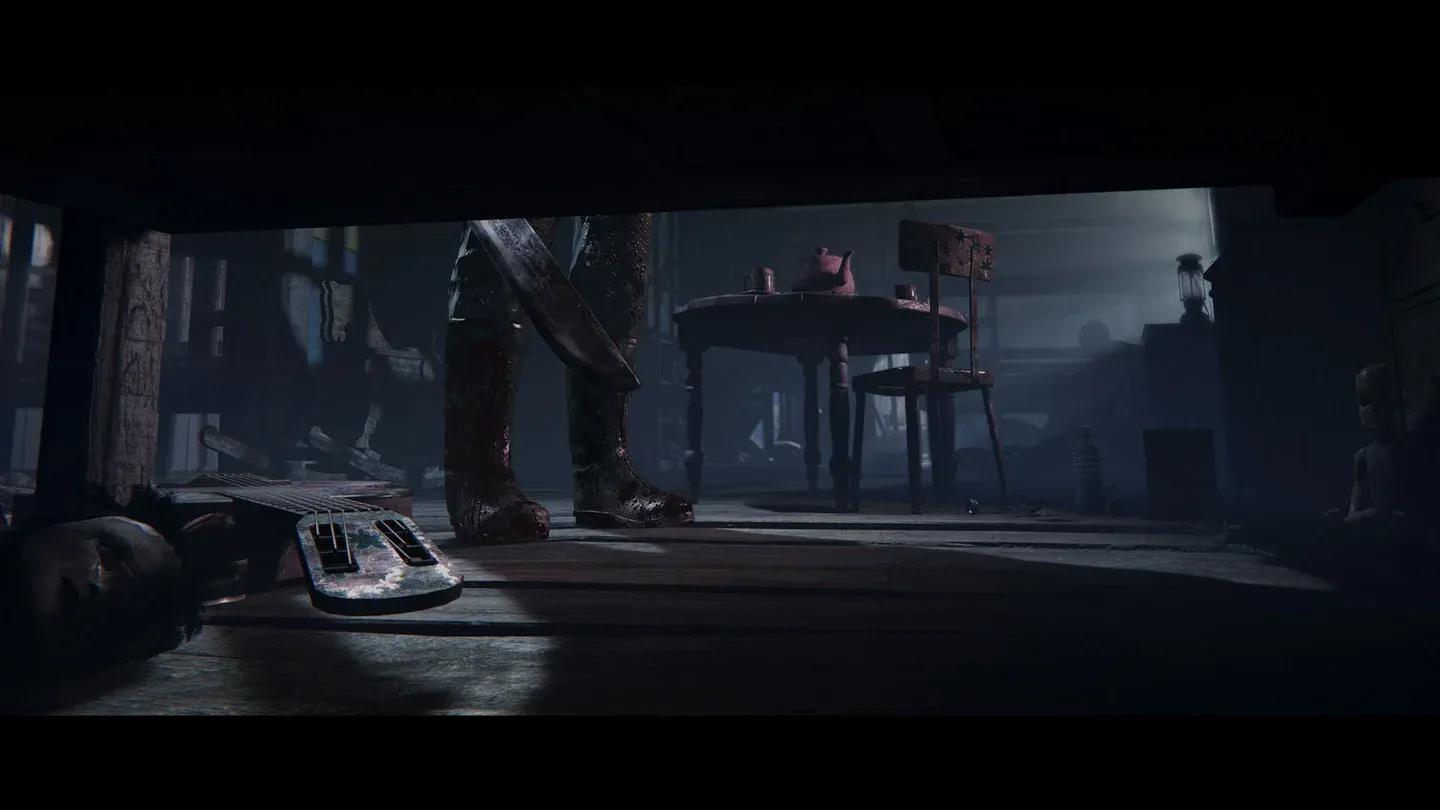
The game alternates between Blake's present-day ordeal in Temple Gate and fragmented flashback sequences set in a Catholic school from his childhood. These school sections arrive without warning and blur the line between memory and hallucination, making it difficult to trust what you're seeing. That unreliability is intentional. Outlast 2 is as much about psychological horror as it is about physical danger, and the two timelines feed each other in ways that become clearer as the story progresses.
Visual and audio design
The camcorder framing gives Outlast 2 a found-footage aesthetic that suits the material. Most of the game takes place at night or in enclosed spaces, and the visual contrast between the night vision's green glow and the surrounding darkness is used deliberately to keep players disoriented. Red Barrels built environments that feel genuinely rural and isolated, a significant departure from the clinical corridors of the first game.
The audio design carries a lot of weight. The score shifts between ambient dread and sudden, dissonant surges that coincide with enemy encounters or story revelations. Playing with headphones is not just recommended, it changes the experience in measurable ways. Directional audio is tied directly to a core mechanic, so the sound design is functional as well as atmospheric.
Outlast 2 content image
System Requirements
| Requirement | Minimum | Recommended |
|---|---|---|
| Processor | Intel Core i3-530 | Intel Core i5 |
| Memory | 4 GB RAM | 8 GB RAM |
| Graphics | 1GB VRAM, NVIDIA Geforce GTX 260 / ATI Radeon HD 4870 | 1.5GB VRAM, NVIDIA Geforce GTX 660 / ATI Radeon HD 7850 |
| DirectX | Version 10 | Version 11 |
| Storage | 30 GB available space | 30 GB available space |