
Overview
Pathogenic is a 2D roguelike twin-stick shooter developed by Aberrant Labs and published by Slug Disco. Its protagonist is a parasite, and the human body is both the battleground and the target. Combat feeds directly into character building: defeated cells supply organelles that the parasite grafts onto itself, changing how it moves and attacks.
The objective is to infect the host, but survival depends on adapting the parasite's capabilities as it fights. That makes biological assembly central to the action, rather than leaving the cellular theme as background decoration. Pathogenic is available on Windows and macOS through Steam.
How does parasite building work?
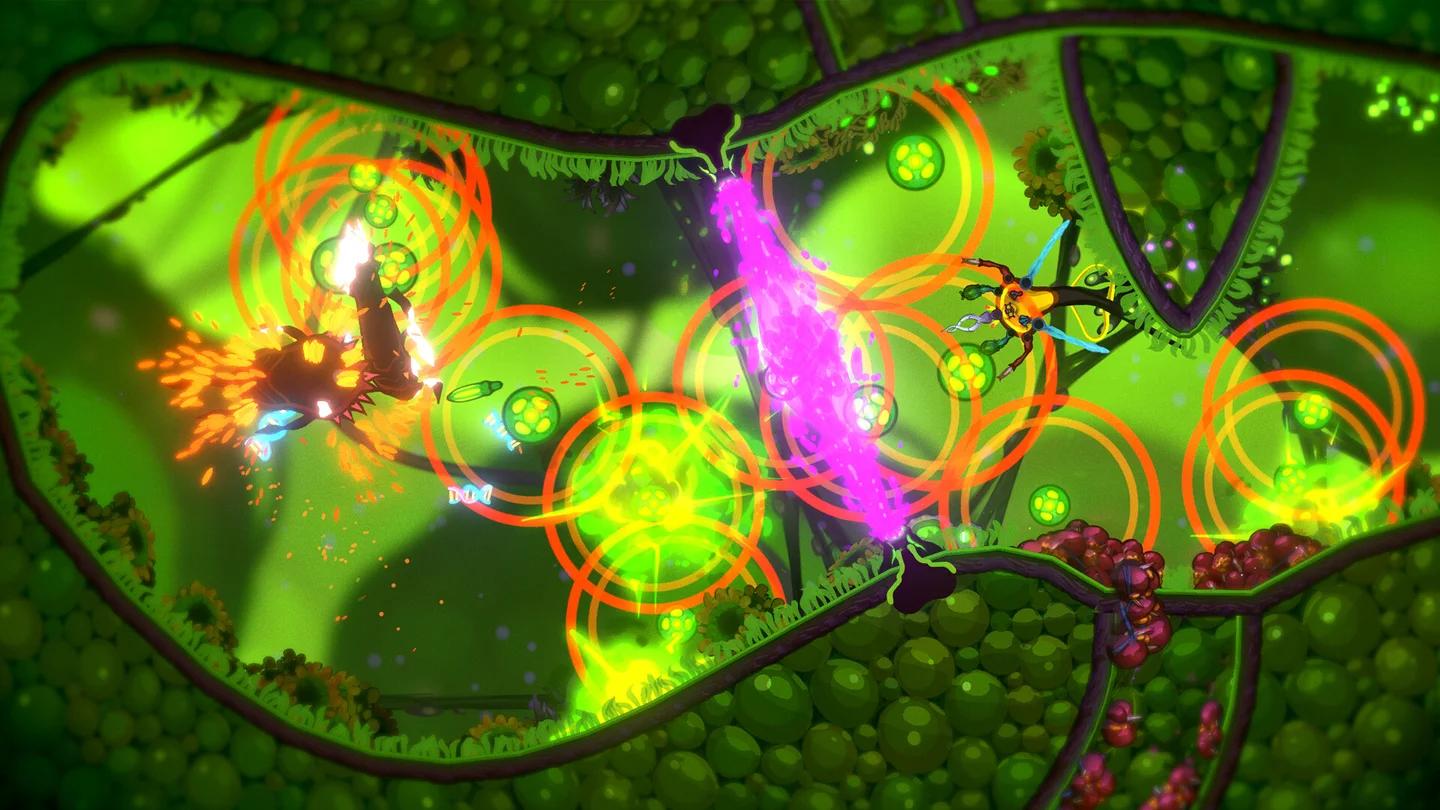
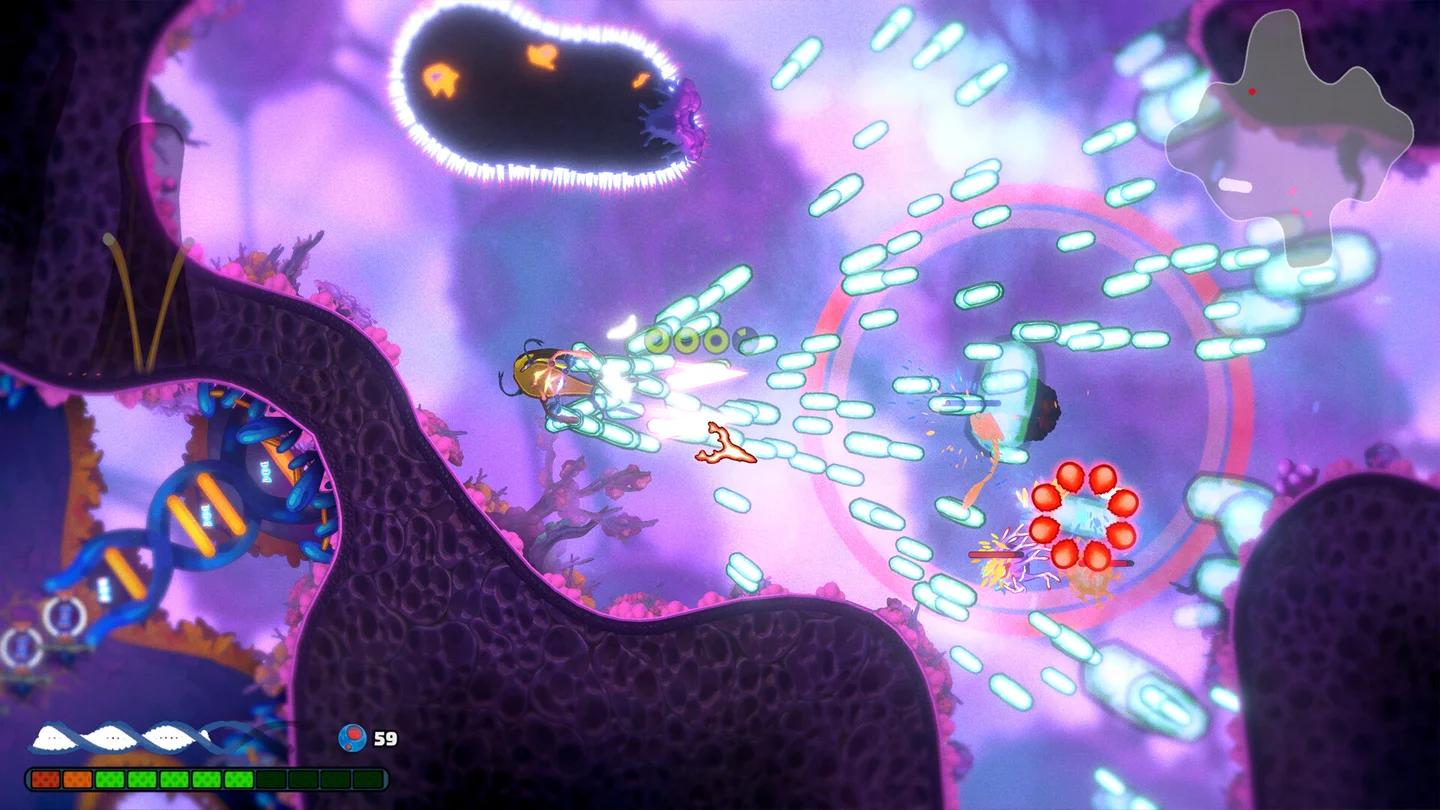
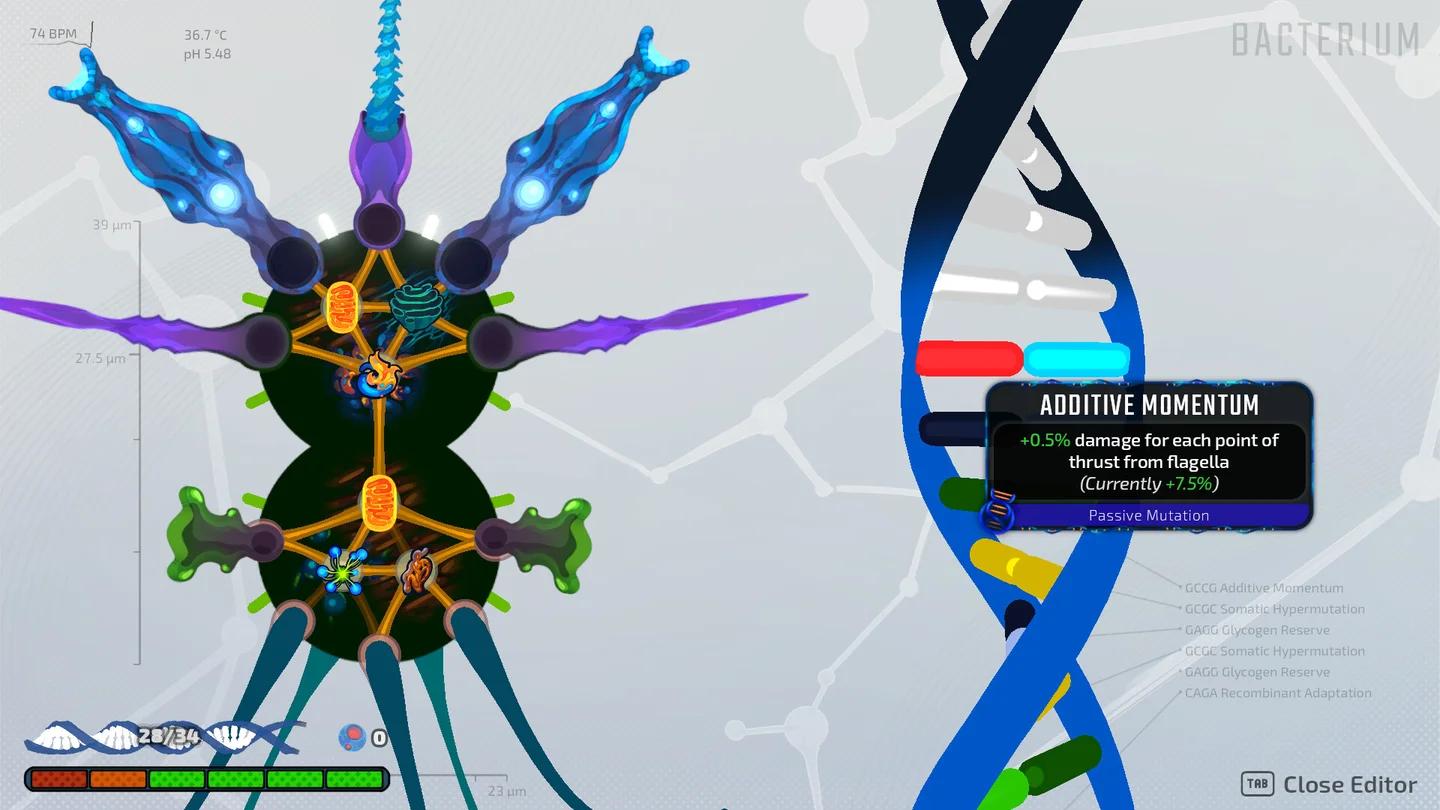
Pathogenic's build system centers on collecting organelles and grafting them onto the parasite. Dozens of components provide different functions, turning character customization into the construction of a fighting organism. Four organelle types establish the basic options:
- Flagella support movement
- Mitochondria provide power
- Secretors enable ranged attacks
- Spikes handle melee combat
The interesting part is how those functions combine. Secretors and spikes offer different attack methods, while flagella and mitochondria support the body carrying them. Organelle effects can chain together, making the relationships between components an important part of build experimentation. An individual pickup matters for its function and for how it works with the existing organism.
Organelle grafting gives Pathogenic its modular parasite builds.
Inside a body that fights back
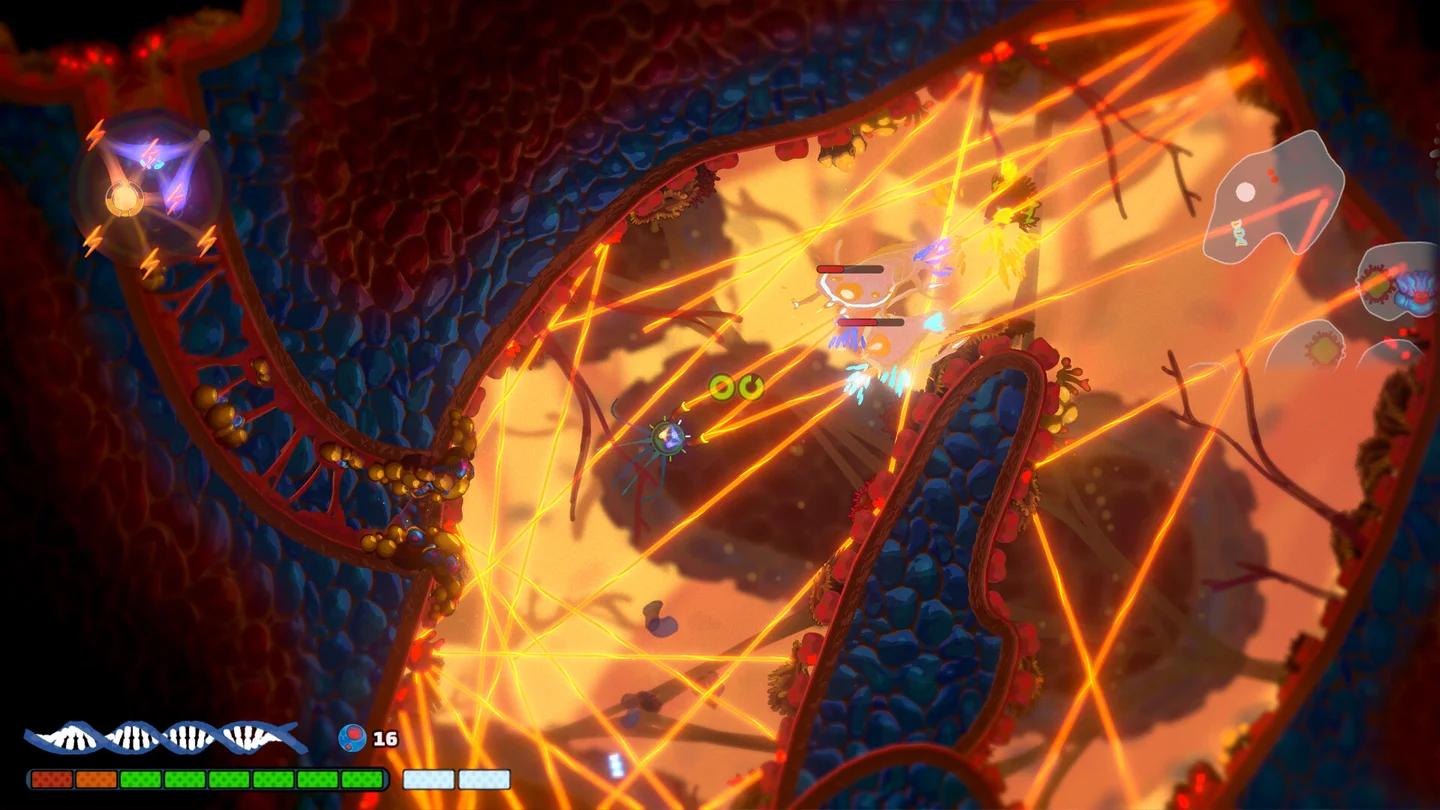
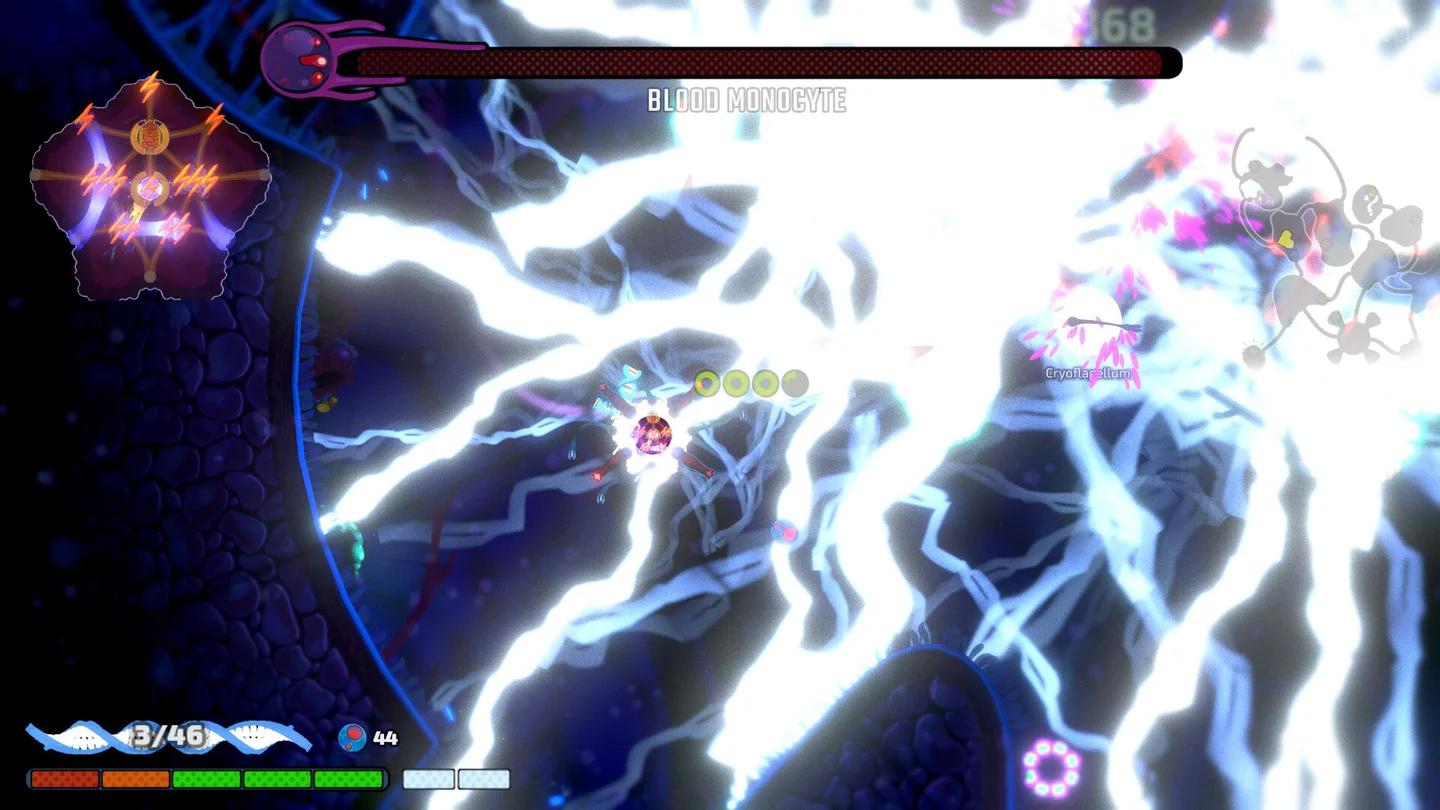
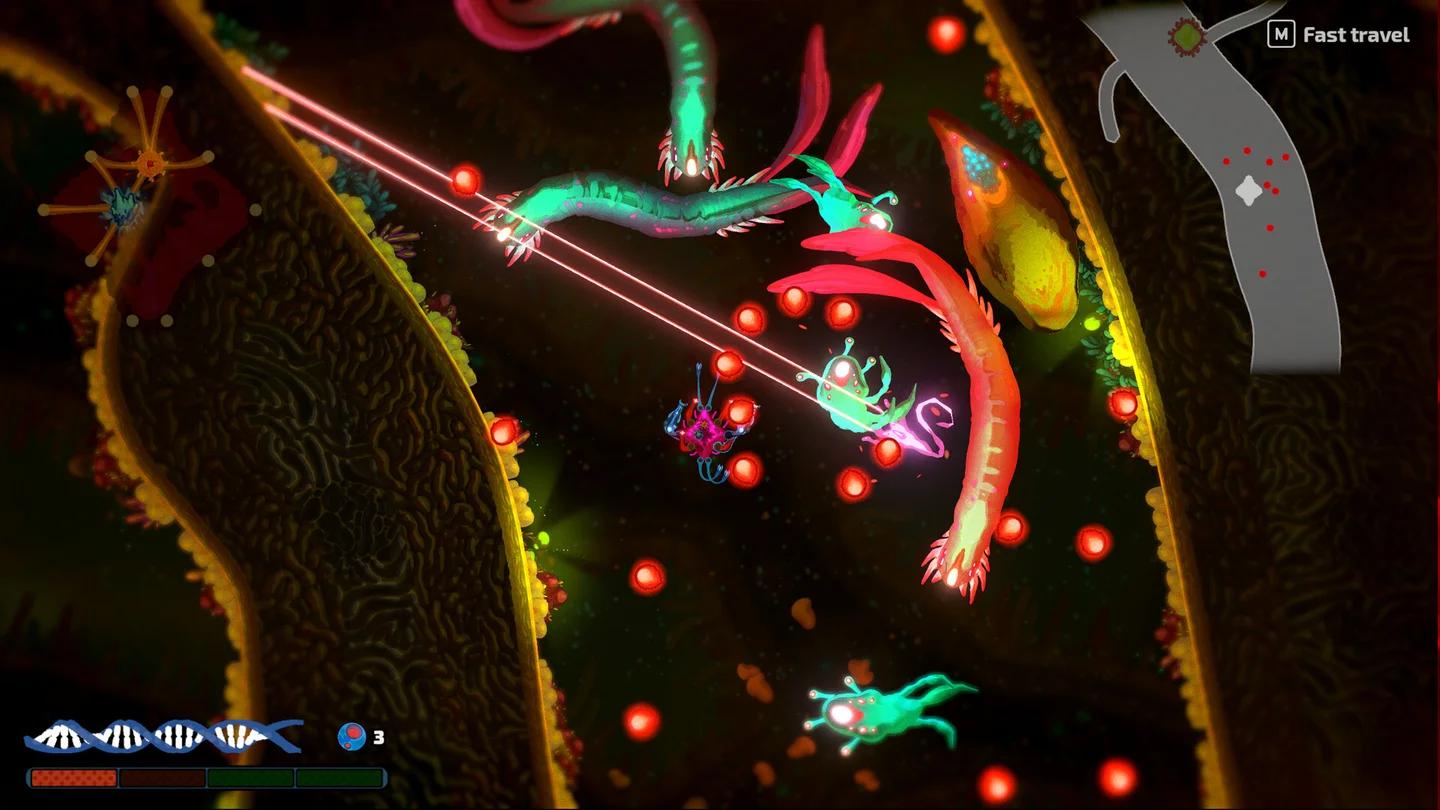
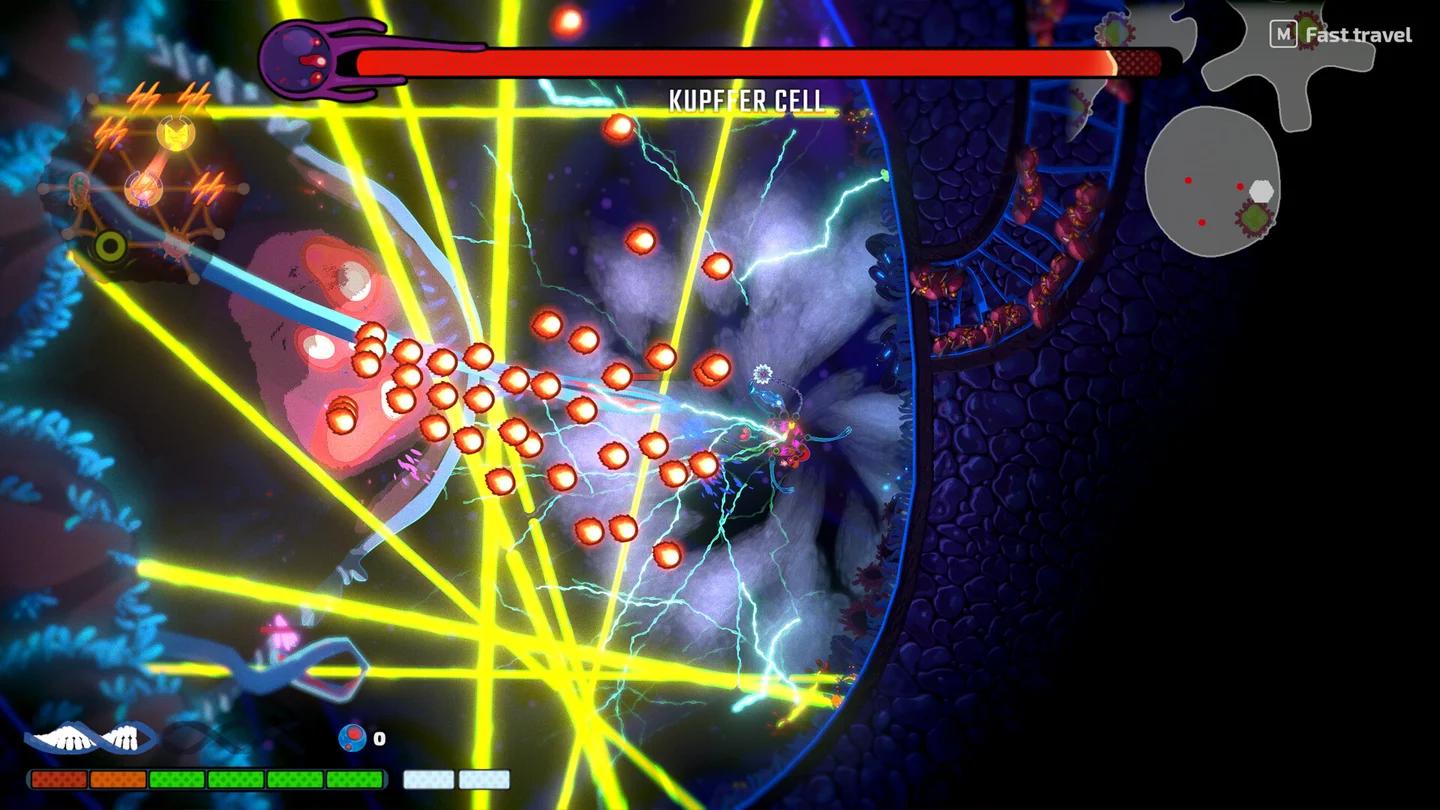
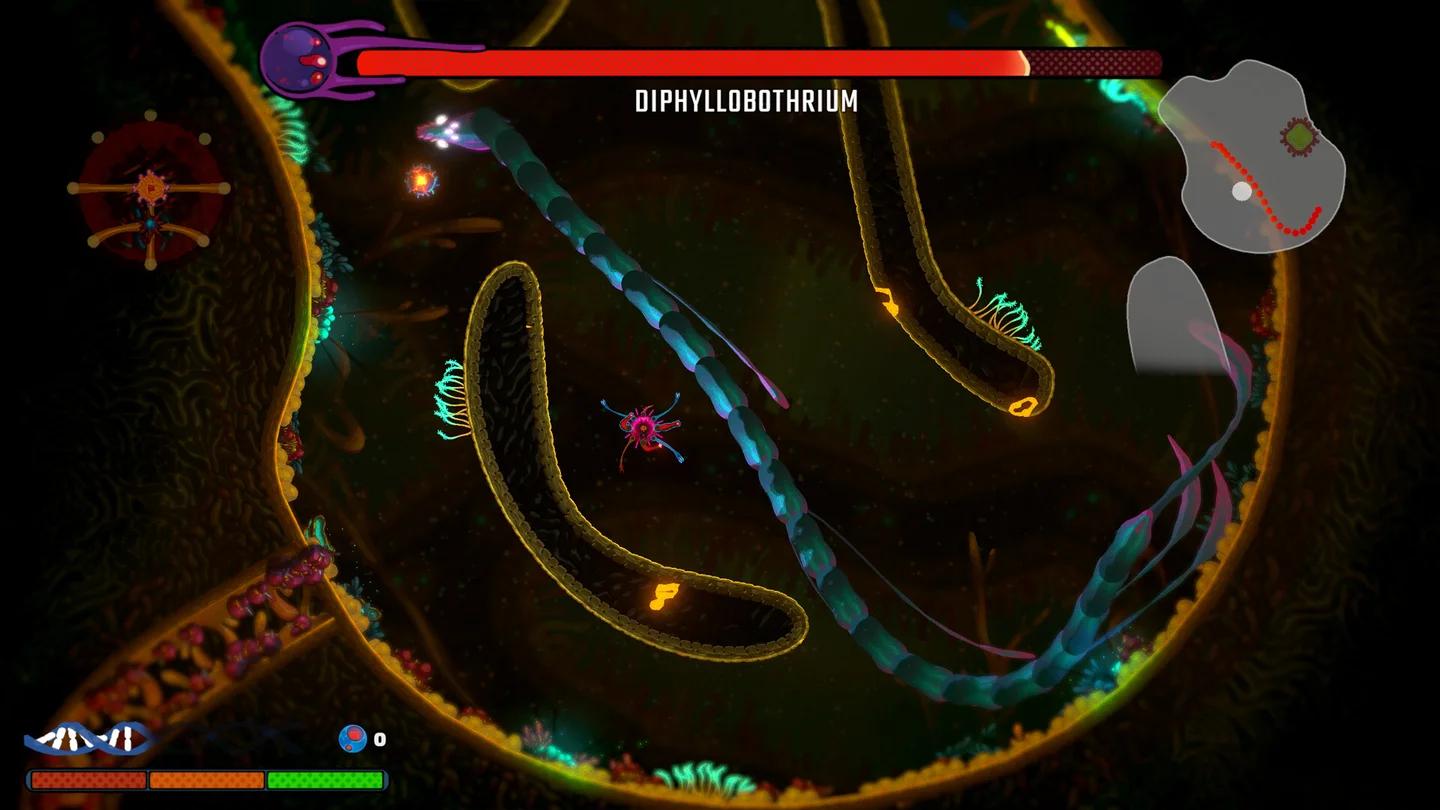
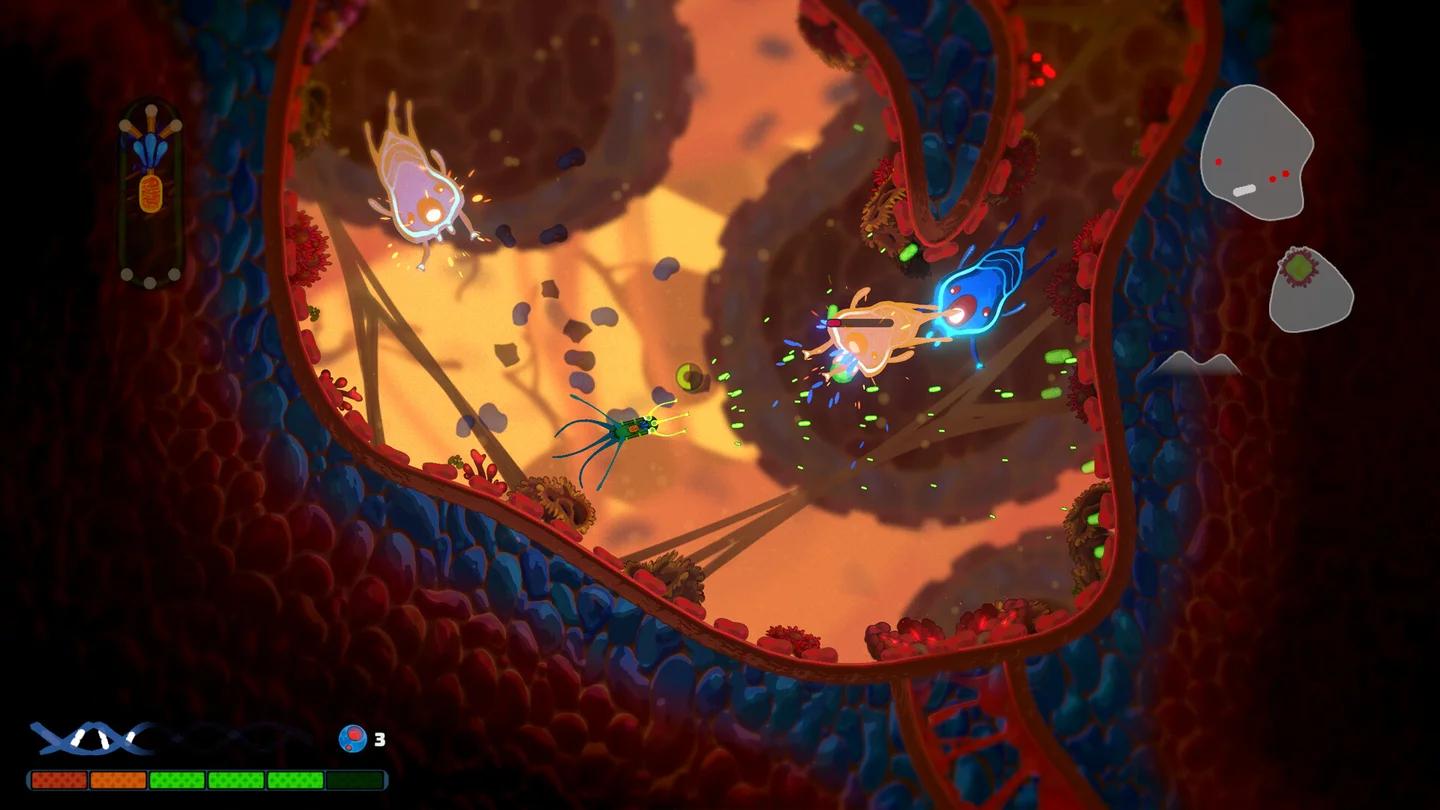
Macrophages and T cells form part of the opposition, but the host's defenders are not the only threat. Rival parasites, including tapeworms and protozoa, also appear, while bosses occupy the organs. The enemy roster gives the microscopic setting a clear identity: the parasite faces both an immune response and other organisms living inside the host.
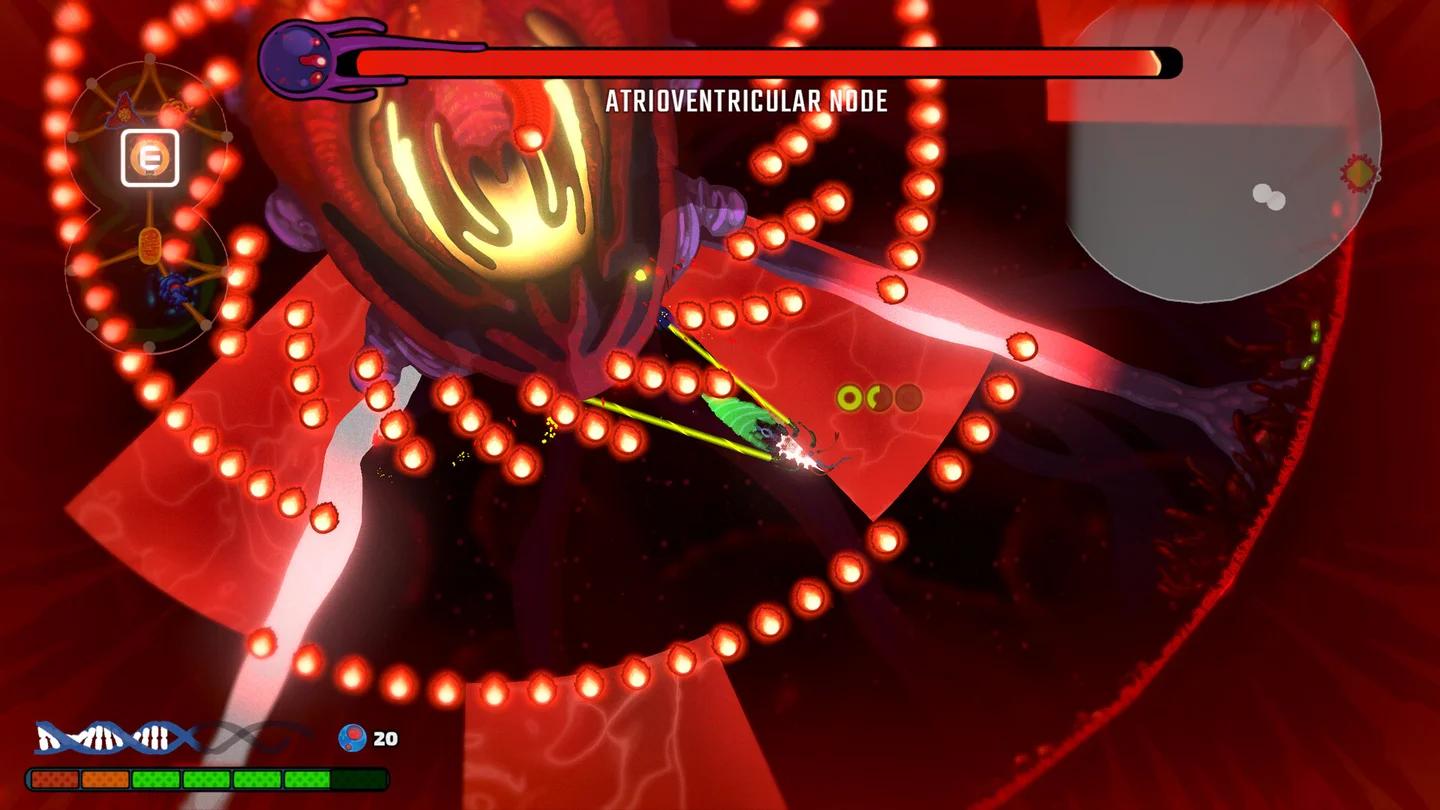
Procedural generation shapes the routes through distinct organ biomes. The lungs feature branching pathways, while the heart's chambers and the brain's neural networks provide different anatomical settings. Hand-crafted design works alongside that generation, grounding the environments in recognizable parts of the body rather than treating the host as one interchangeable arena.
Soft-body physics extends across cells, enemies, and projectiles. That simulation supports the organic presentation throughout combat, tying the movement of the action to Pathogenic's biological subject matter.
The lungs, heart, and brain provide distinct settings for cellular combat.
What carries between runs?
Plasmid fragments provide permanent progression through the parasite's plasmid tree. Collecting them gives repeated attempts a lasting upgrade track alongside the organelle-based build system. The distinction matters: organelle combinations shape the parasite's combat capabilities, while plasmid upgrades provide development between runs.
Pathogenic pairs that persistent progression with procedurally generated environments and components whose effects can work together. Its roguelike replayability rests on developing the parasite across repeated attempts while exploring different movement and attack combinations. The cellular premise carries the mechanics: organelles serve as equipment, and the host's own defenses supply the opposition.