
Overview
Pokémon SoulSilver is a role-playing game developed by Game Freak and published by The Pokémon Company, originally released for the Nintendo DS in 2009. It reimagines the 2000 Game Boy Color classic Pokémon Silver with updated visuals, touch-screen integration, and a suite of new features that make the Johto region feel alive in ways the original hardware never could. The core loop stays true to what made the series iconic: travel across towns and routes, catch wild Pokémon, build a team of six, and challenge the eight Gym Leaders before taking on the Elite Four.
What separates SoulSilver from a straight port is the sheer density of additions. The Pokéwalker peripheral lets players transfer Pokémon to a pedometer and earn experience through real-world steps. The Pokéathlon introduces a series of mini-game competitions. The Safari Zone returns with expanded customization. And the post-game access to the Kanto region, all 16 badges, and a climactic battle with Red near the summit of Mt. Silver give SoulSilver more content than almost any other entry in the mainline series.
Gameplay and mechanics
Key features of SoulSilver's gameplay:
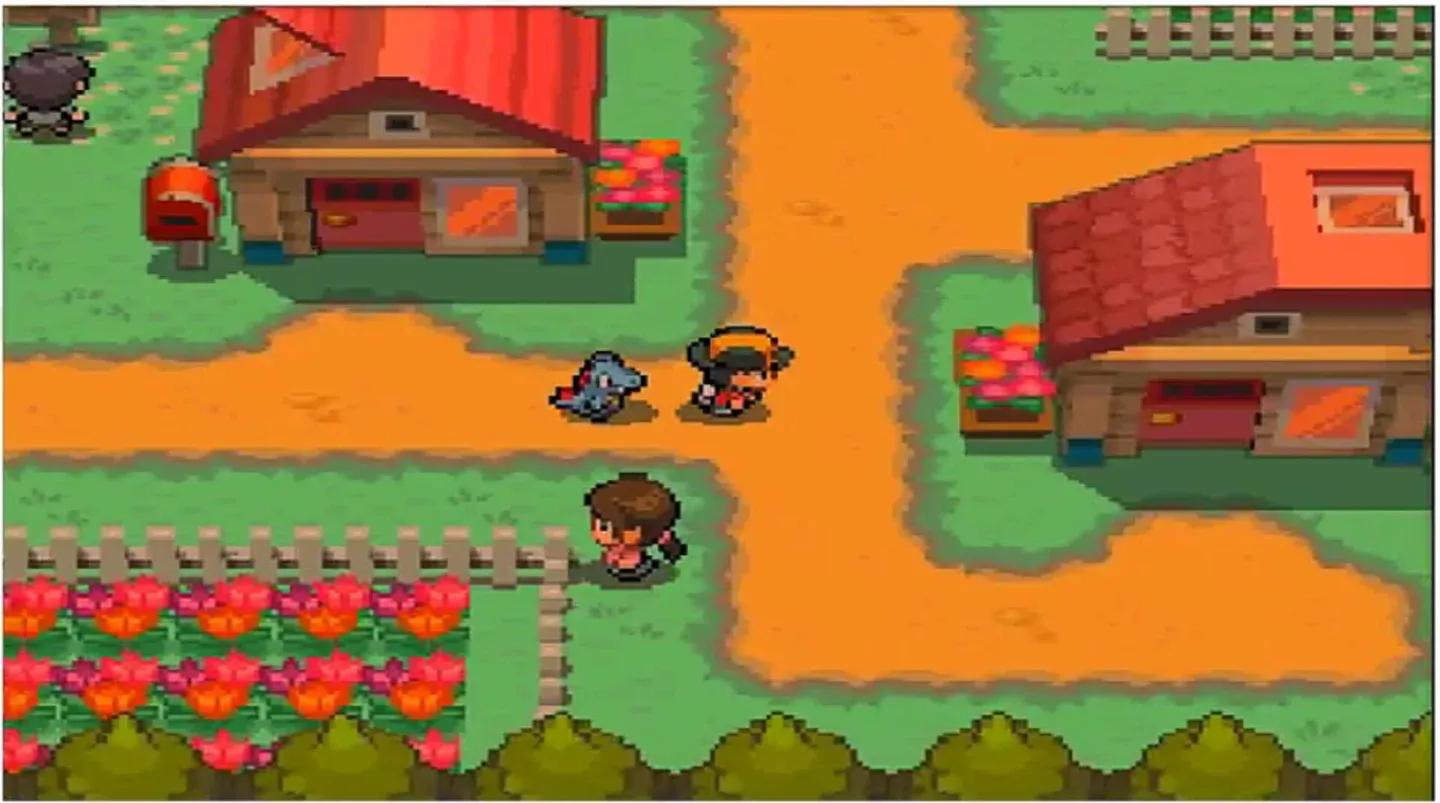
Pokémon SoulSilver Version content image
- Turn-based battles with 493 available Pokémon
- Eight Johto Gyms followed by the Kanto region
- Pokémon following the player on the overworld
- Touch-screen Pokétch app system
- Pokéwalker peripheral support
The overworld-following feature deserves particular attention. Any Pokémon in the lead slot walks behind the player character, and tapping it triggers a short reaction dialogue that changes based on location, mood, and species. It is a small mechanic with an outsized effect on how attached players get to their team. Game Freak removed this feature in subsequent generations, which is part of why SoulSilver still attracts dedicated players years after release.

Pokémon SoulSilver Version content image
World and setting
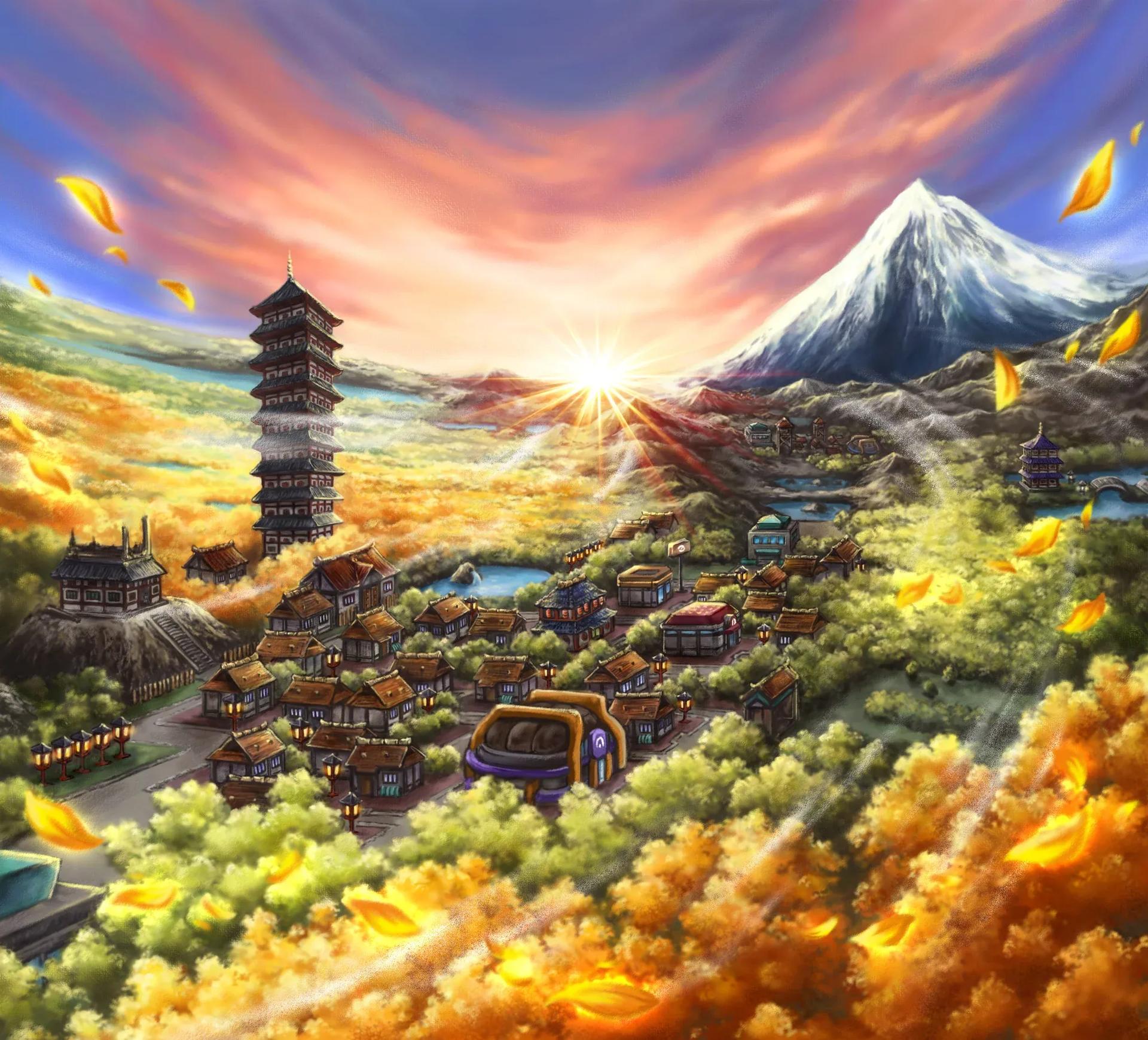
Johto is compact by modern open-world standards, but the region is designed with a density that rewards exploration. Ecruteak City sits at the cultural heart of the map, its twin towers carrying genuine story weight. Goldenrod City hums with activity. The Ice Path and Mt. Mortar are short dungeons that feel purposeful rather than padded. Every town has a distinct identity tied to a specific type or theme, which gives the journey a rhythm that many later entries in the series lost.
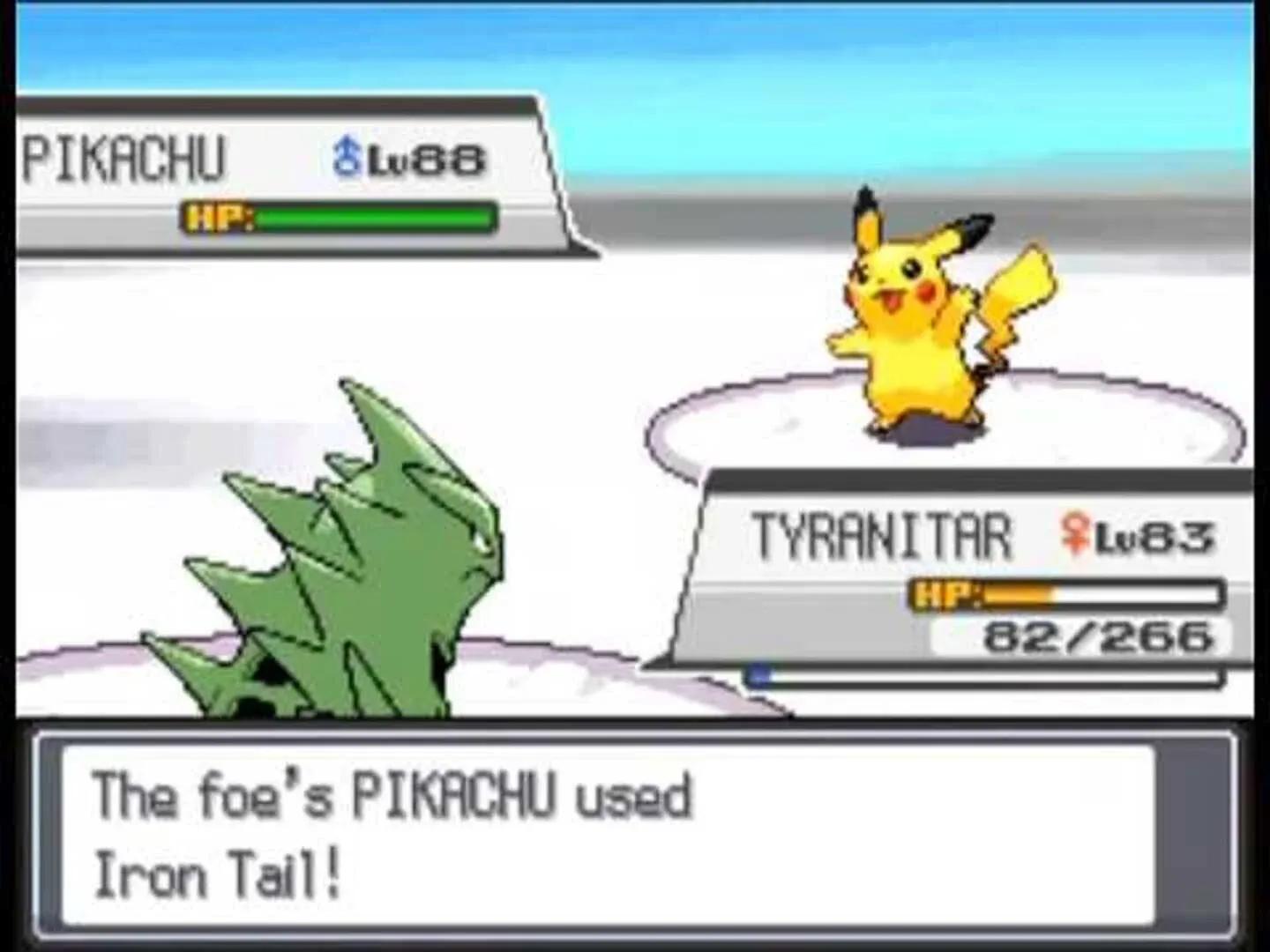
Pokémon SoulSilver Version content image
The transition into Kanto midway through the post-game is one of the most satisfying moments in franchise history. Stepping off the S.S. Aqua and recognizing Vermilion City from Pokémon FireRed hits differently when you have already spent 30 hours in Johto. The two regions are connected by geography and lore, and SoulSilver earns that connection.

Pokémon SoulSilver Version content image
Visual and audio design
The DS-era sprite work holds up better than you might expect. Character overworld sprites are expressive, battle animations are clean, and the day-night cycle shifts the color palette in ways that make towns feel different depending on when you play. The soundtrack, arranged by Junichi Masuda and Go Ichinose, takes the original chiptune compositions and gives them a fuller, orchestrated quality without losing the melodies that made them memorable. Ecruteak City's theme, the Gym Leader battle music, and the Rival encounter track are all legitimately excellent arrangements.
Impact and legacy
SoulSilver sits alongside its counterpart HeartGold as the most critically praised remakes the Pokémon franchise has produced. The combination of a beloved source game, thoughtful mechanical additions, and the Pokéwalker novelty made it a commercial and critical success at launch. For turn-based RPG fans returning to the series or experiencing Johto for the first time, SoulSilver remains the gold standard of what a Pokémon remake can achieve when the developer respects both the original and the player's time.