Overview
Potato Please is a first-person simulation game built around an unusually specific assignment: preparing a mountain of potatoes. Its progression connects the physical work of handling food with the broader challenge of making that work more efficient, keeping a familiar kitchen chore at the center of the experience.
Golden Horn Studios develops and publishes the game, which is available for Windows through Steam. The premise keeps attention on one ingredient, allowing the methods used to prepare it to become the main source of variety.
How does potato peeling work?
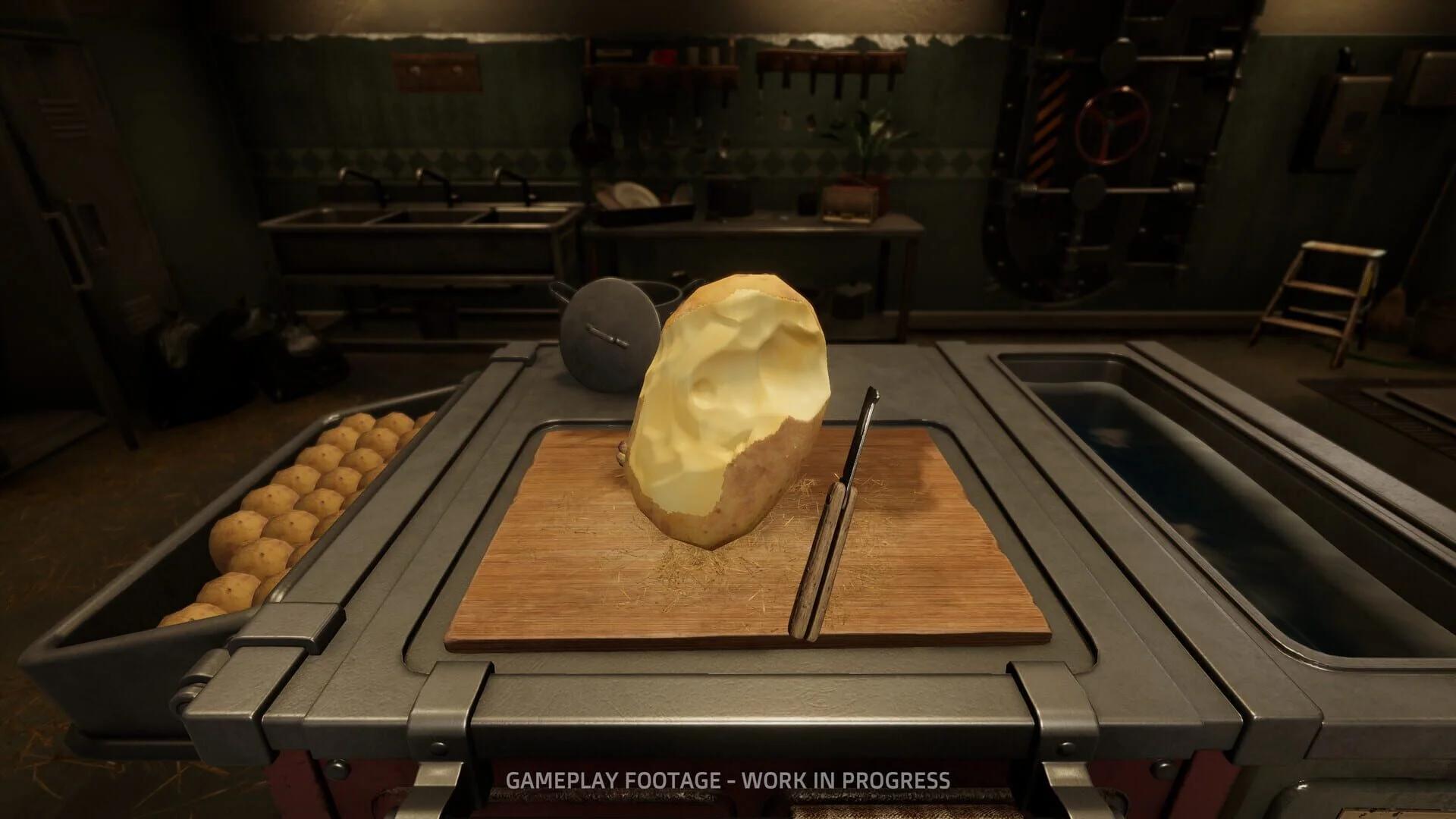
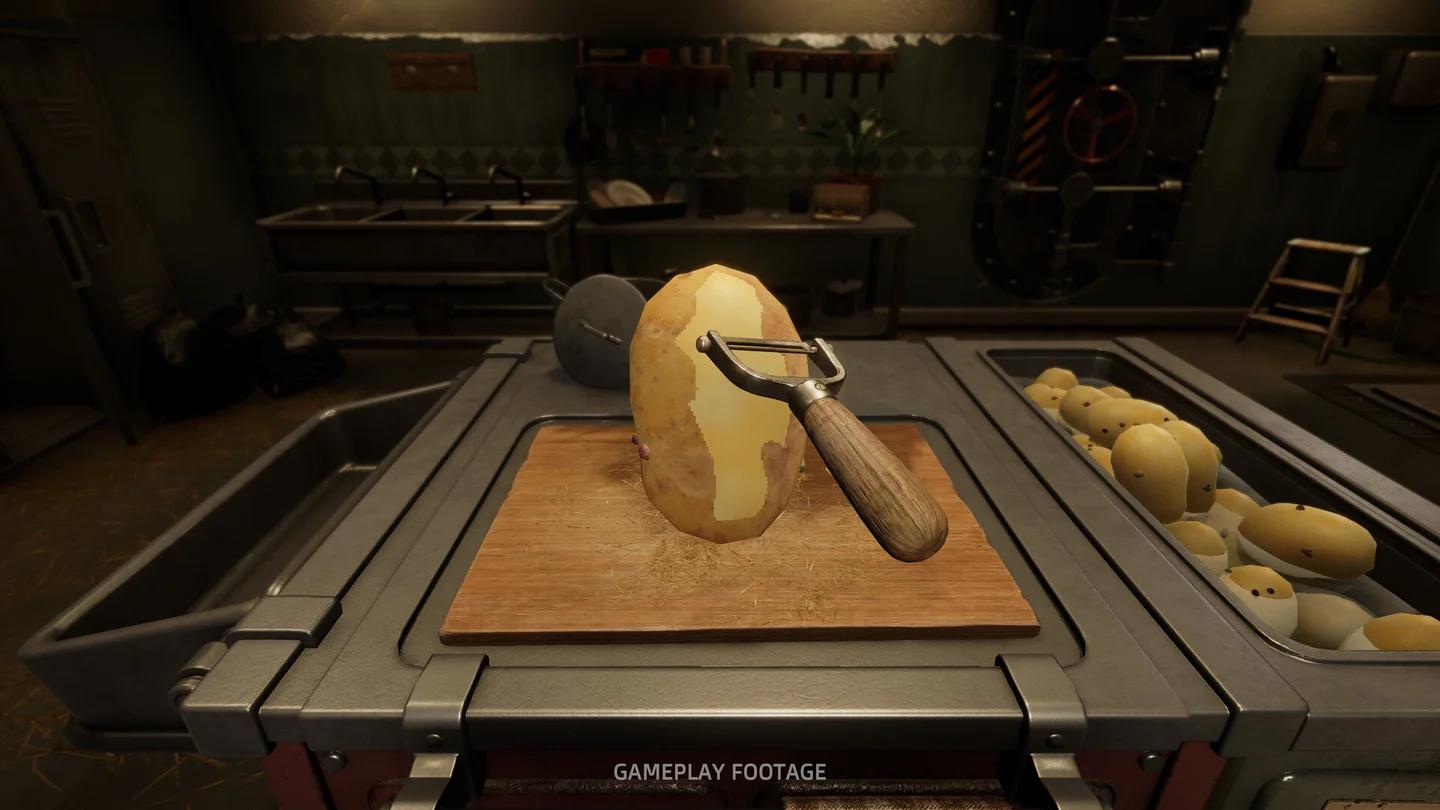
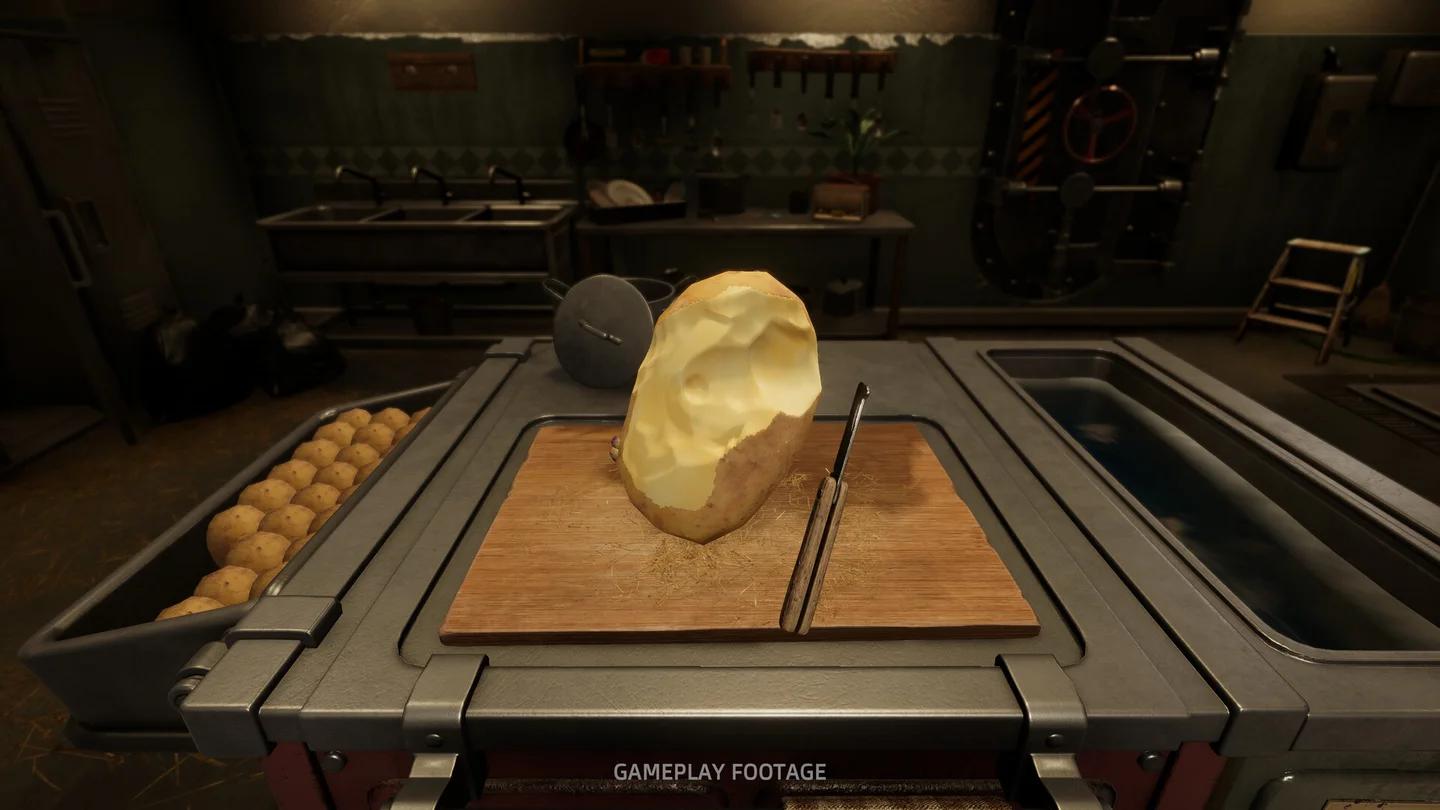
Players begin by processing potatoes individually through a hands-on, physics-based routine. The basic sequence is straightforward, with each stage involving direct interaction with the food and equipment:
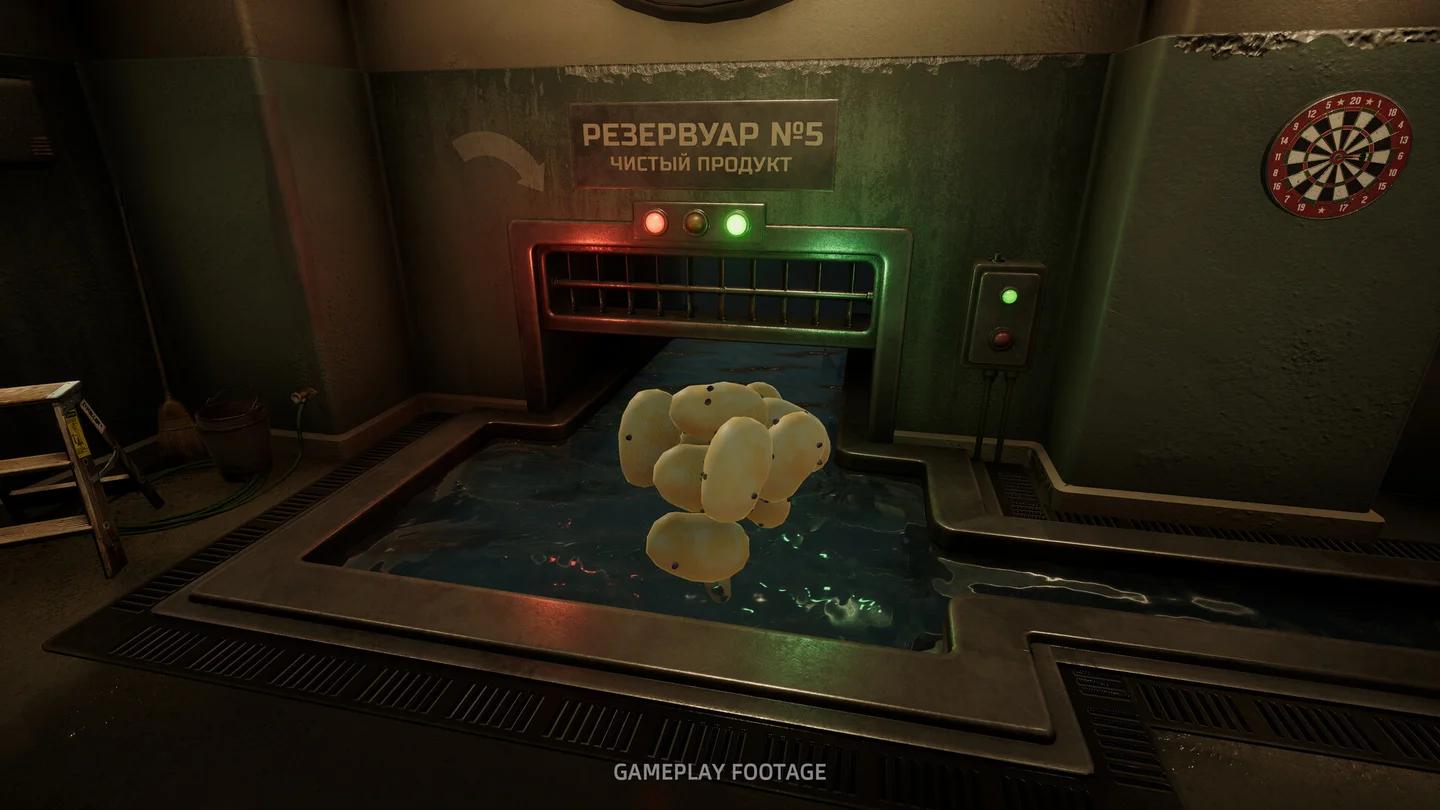
- Pick up individual potatoes
- Peel with a knife
- Place them into water
Careful cutting matters. The aim is to remove the skin in thin slices while preserving the potato underneath, making waste reduction part of the task. The focus rests on how the ingredient is handled, as well as getting through the remaining supply.
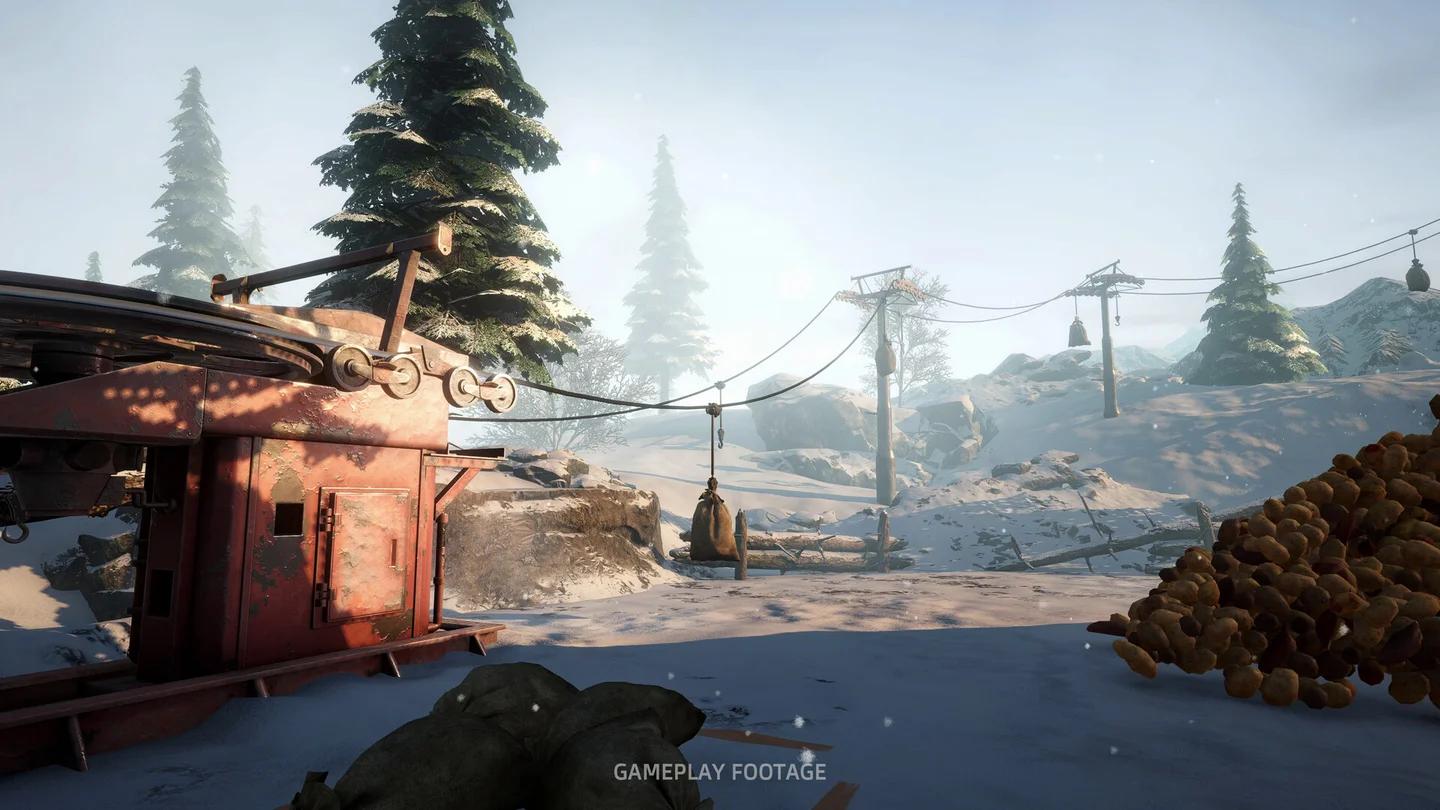
The knife-and-bucket setup gives the opening work a concrete scale. Each finished potato represents a small part of a much larger job, establishing the repetitive labor that later improvements address.
Better tools and growing automation
Better tools are available to buy, tying progression to equipment with a practical purpose. Improvements grow out of the starting activity: the worker needs more effective ways to complete the preparation already underway.
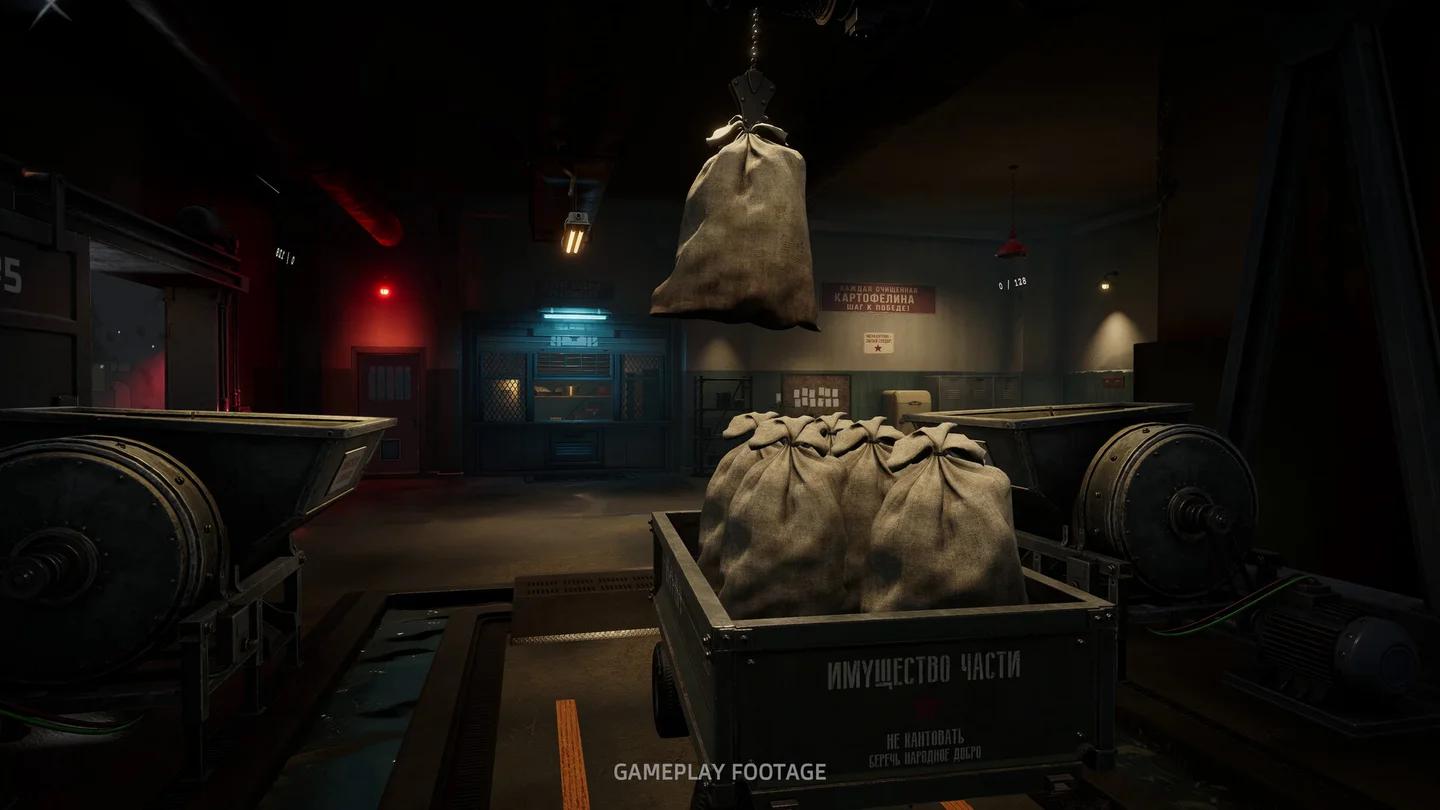
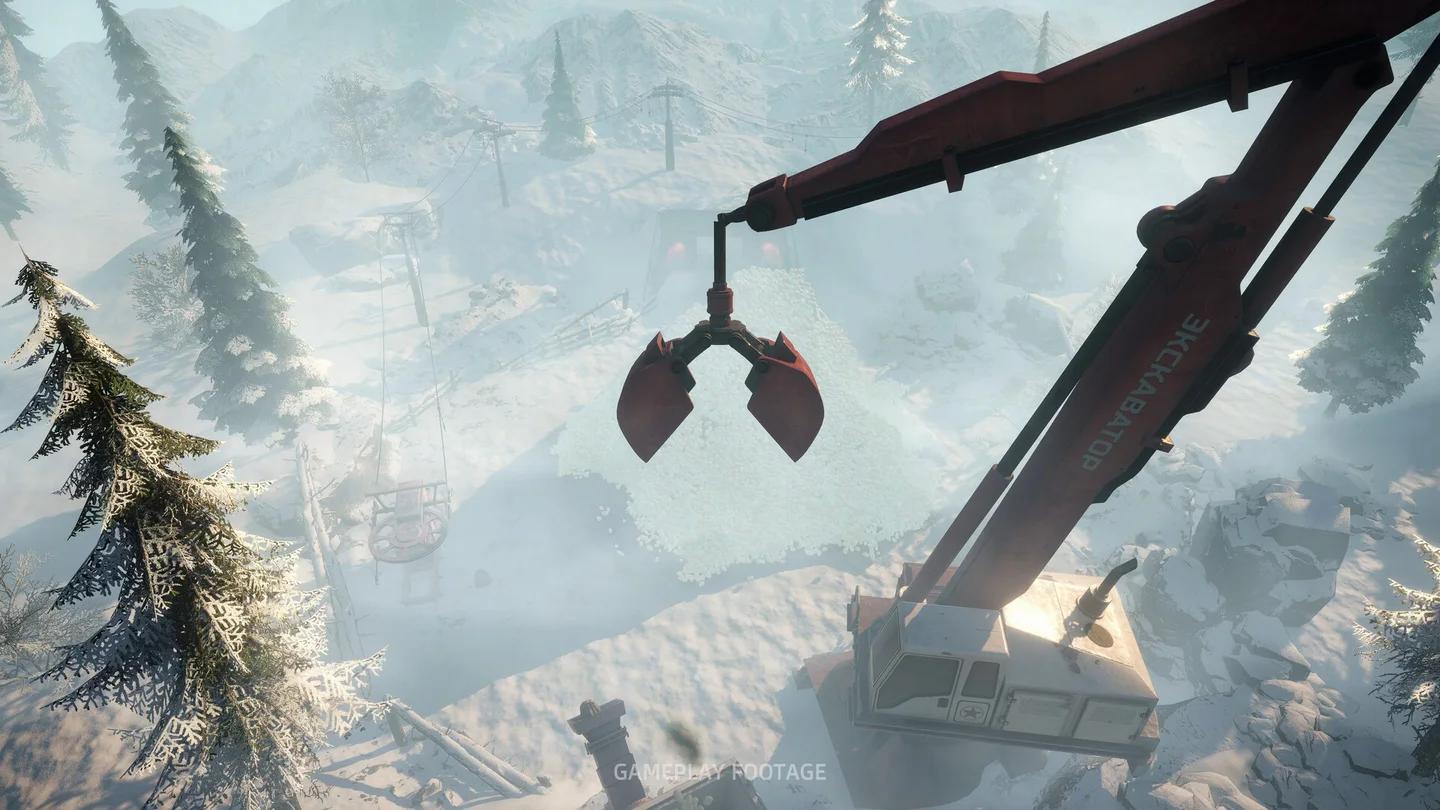
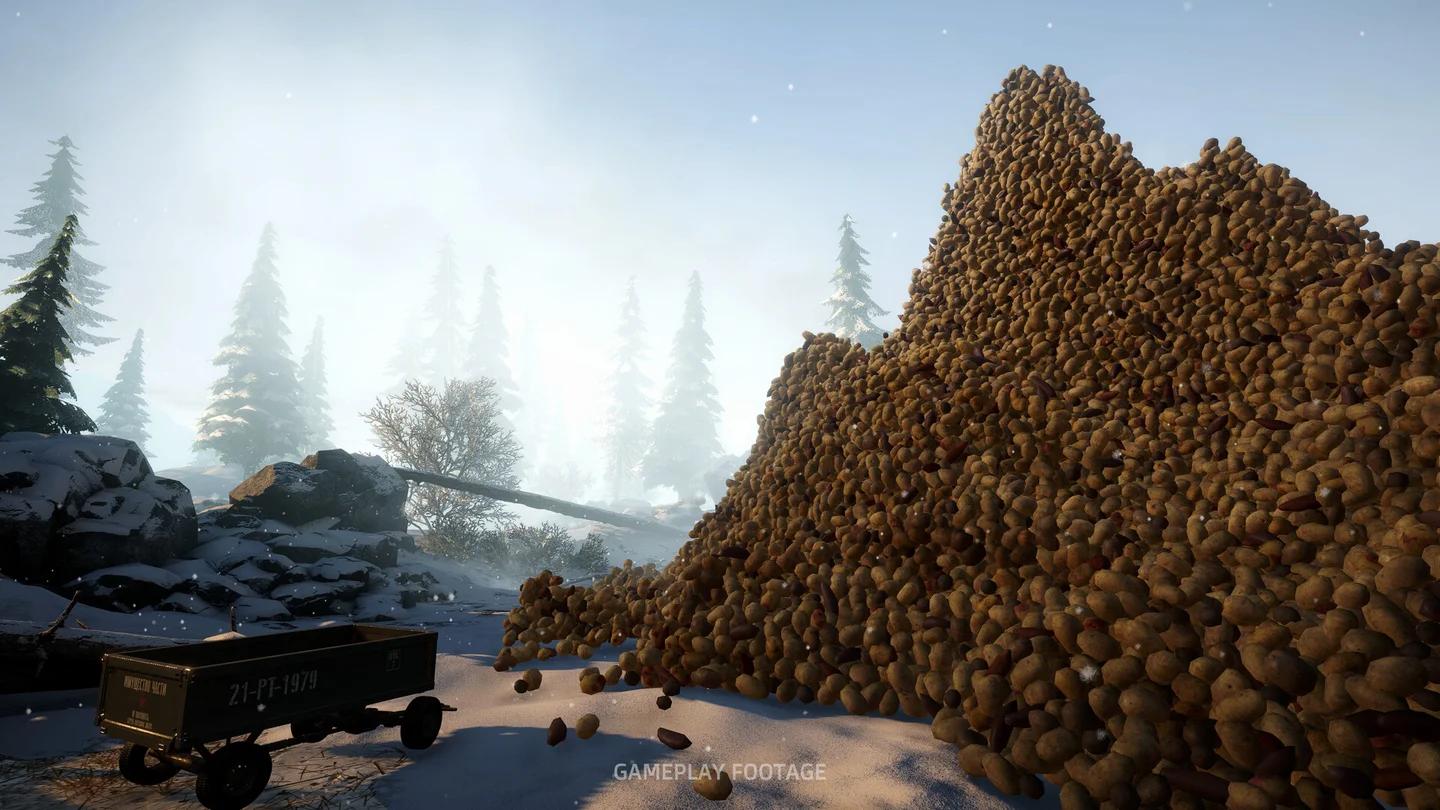
Bulk collection expands the amount of food handled together, while machines take on processing duties. Automation covers more of the workload as the operation grows, shifting attention from individual pieces toward the preparation process as a whole.
The meaningful change is the scale of the work. Manual peeling asks for attention to a single object; machinery addresses the larger pile. Potato Please connects those two levels through a shared objective, so the move toward automation remains grounded in a task established from the opening moments.
Kitchen duty in service of the nation
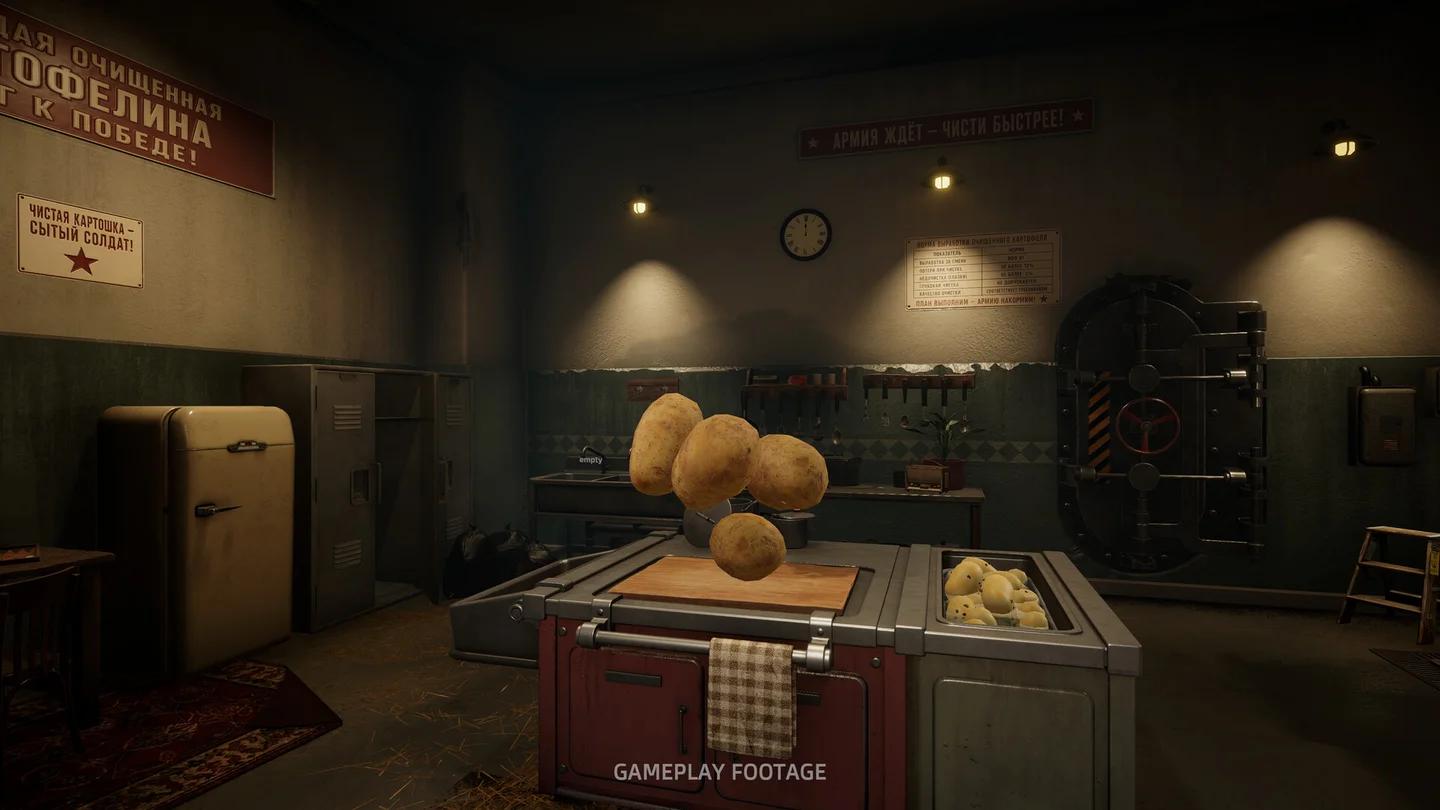
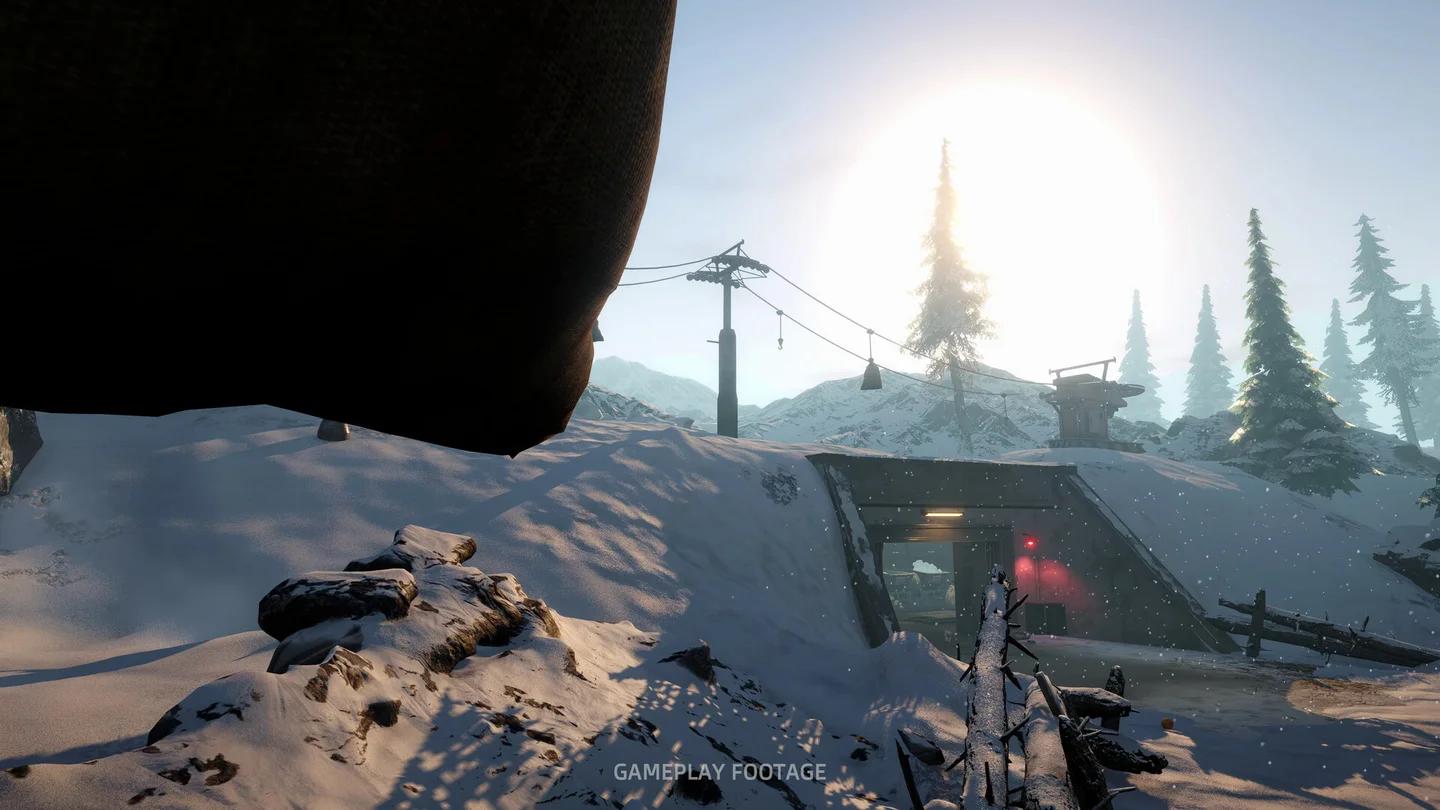
The setting casts the worker as a comrade responsible for helping feed an army. National service supplies the motivation, and efficiency becomes part of an official assignment with hungry soldiers at the other end of the supply chain.
The formal language creates a comic contrast with the humble ingredient. A message about serving the greater good accompanies potato preparation, giving an ordinary chore an exaggerated sense of responsibility without needing a complicated premise.
Military logistics takes a small, tangible form here. This casual simulation approaches supplying an army through kitchen labor, with a first-person perspective that keeps the assignment close to the worker's hands.