Overview
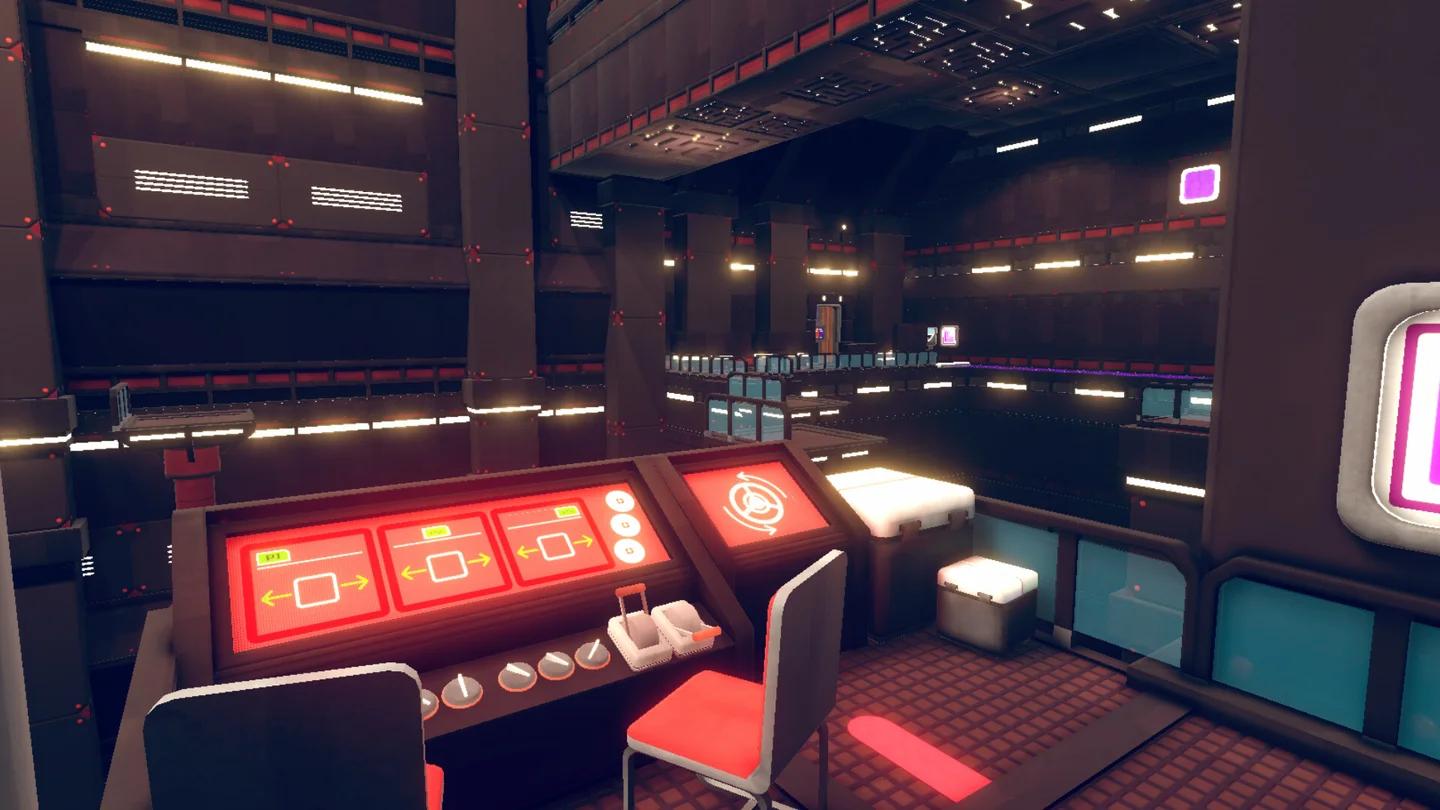
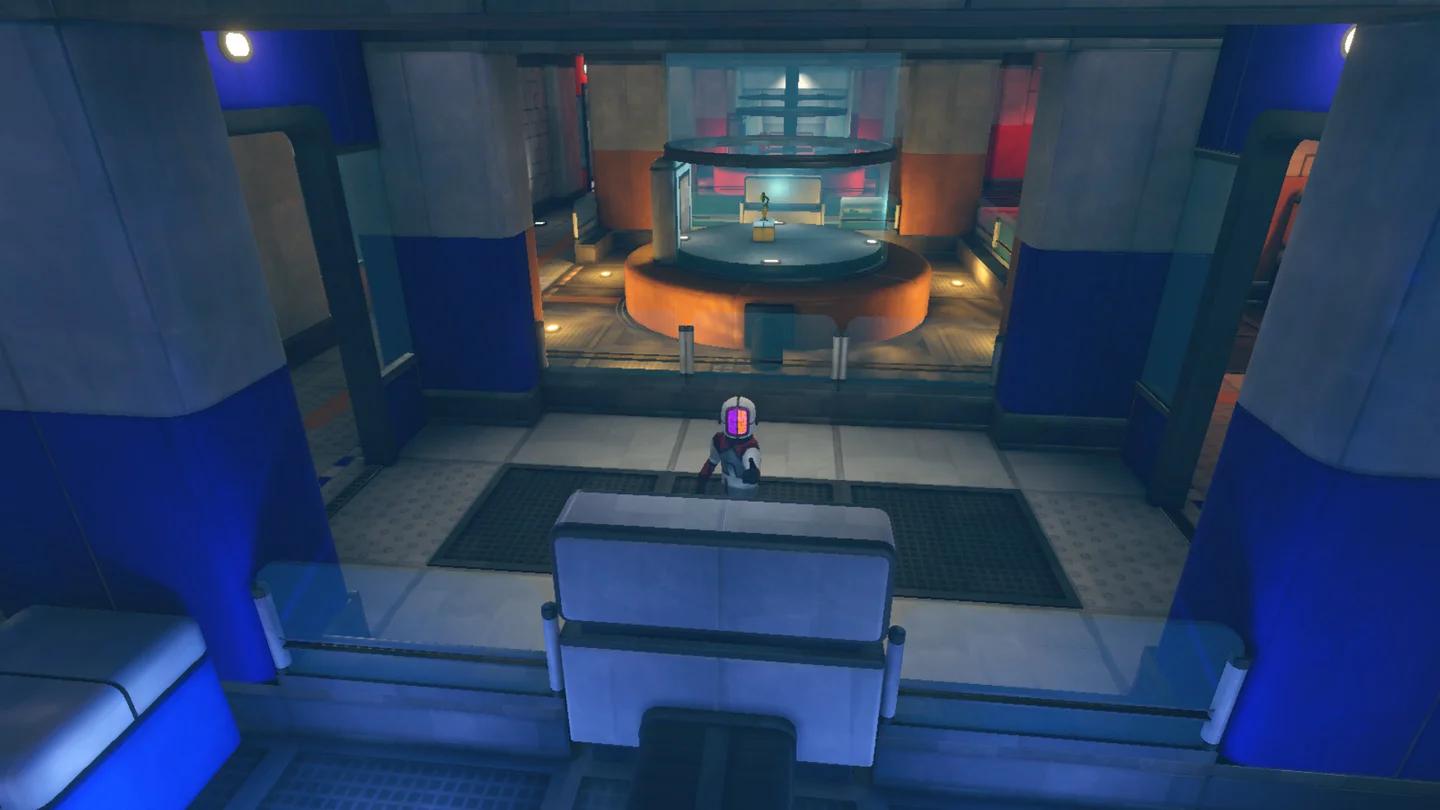
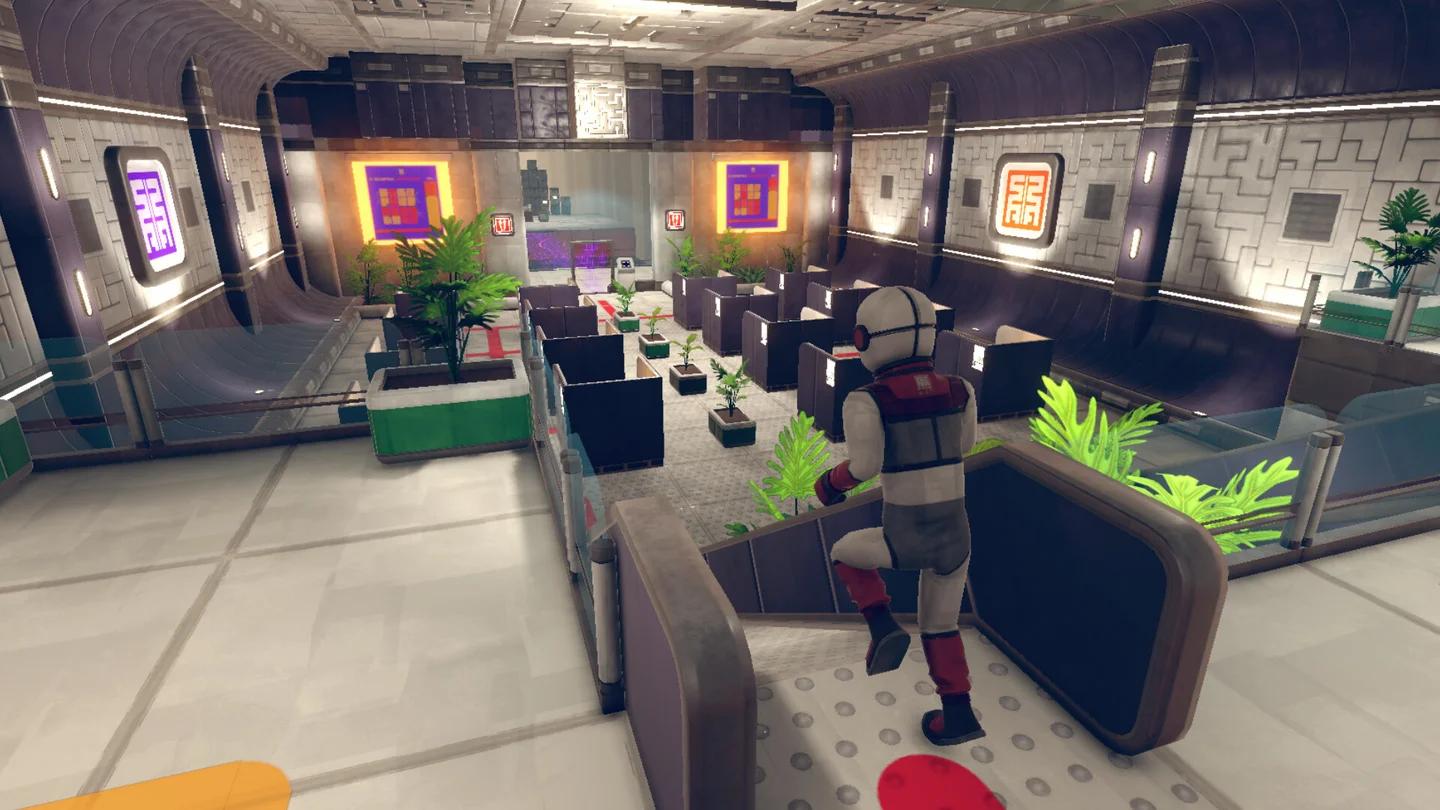
Split Brain Samsara is a cooperative puzzle adventure developed and published by Kusa Games. Its central predicament connects the controls to the story: two minds occupy one body, and their unusual condition forms part of the mystery surrounding an enormous station.
The game is available for Windows through Steam. Exploration and riddles drive the adventure, with progress built around information divided between its participants. The central challenge involves understanding how separate perspectives fit together, then using that understanding to act.
How does shared-character co-op work?
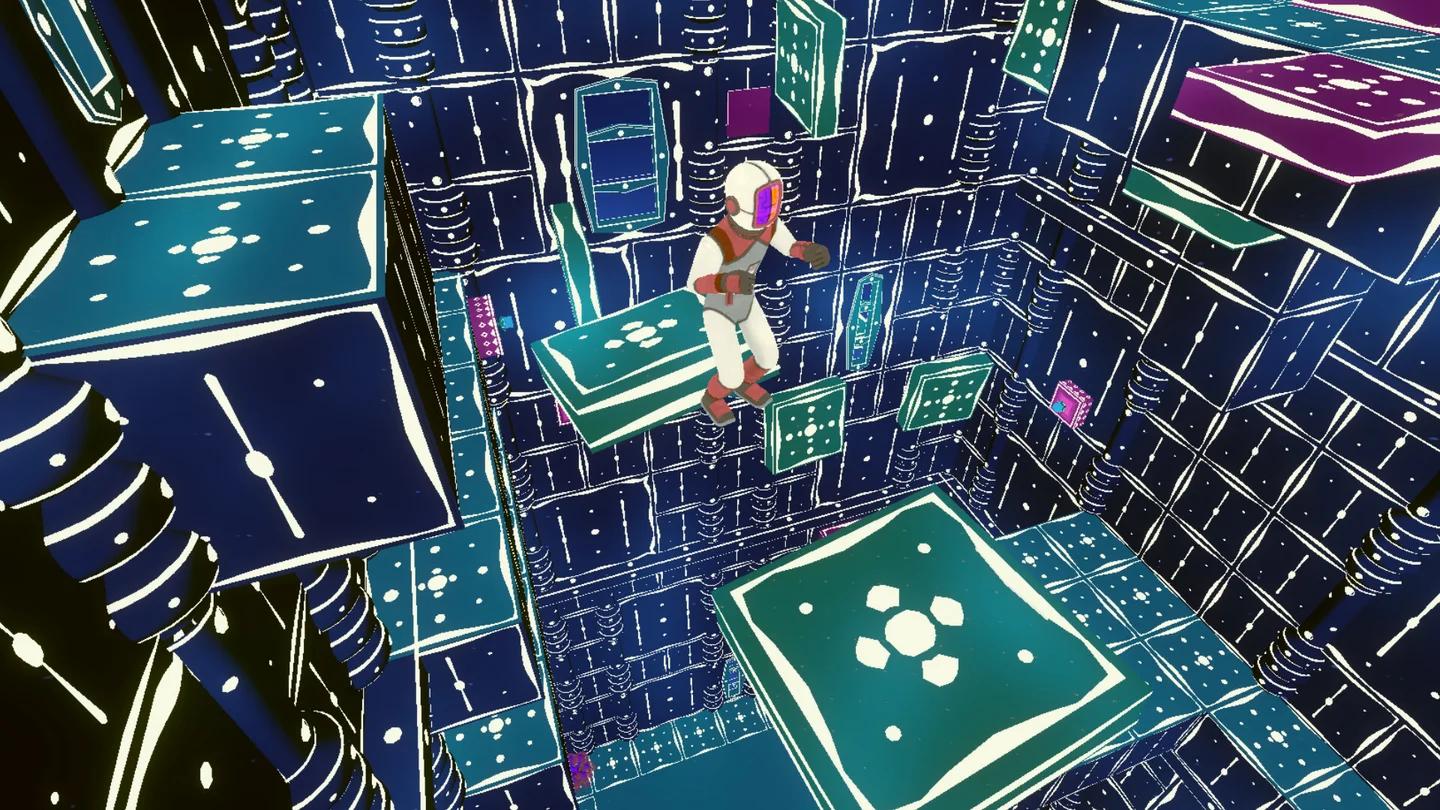
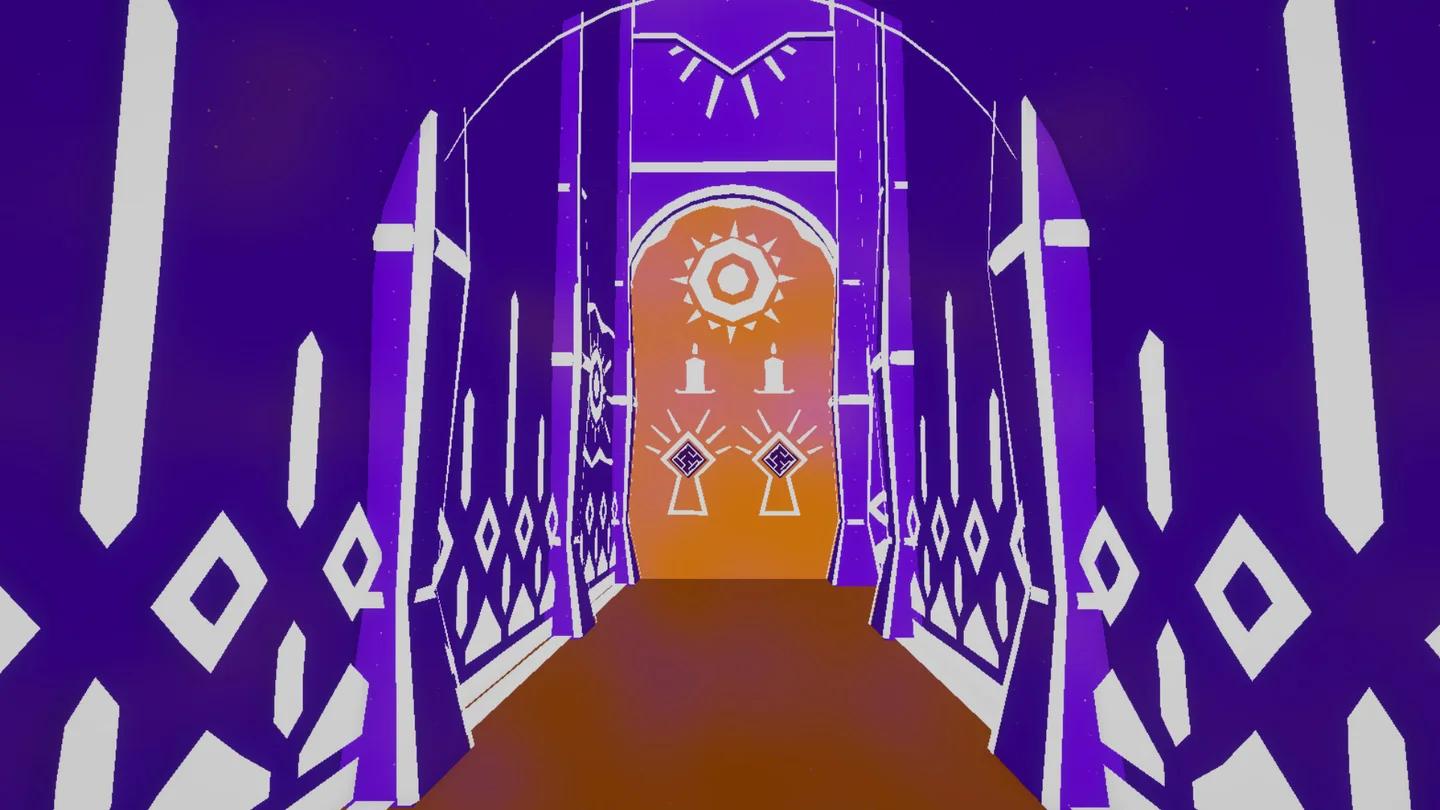
Split Brain Samsara divides control of one character between 2 players: one handles movement and interactions in the physical world, while the other sees different things and interacts with the spiritual realm.
This asymmetric setup separates the ability to move through the environment from access to all its information. The participant controlling the body therefore depends on more than their own view when interpreting a situation. Their partner contributes a different kind of interaction, making the division more substantial than simply offering advice from the sidelines.
The core mechanics include:
- Shared control of one character
- Physical and spiritual interactions
- Clue-based puzzles and riddles
- Exploration across two worlds
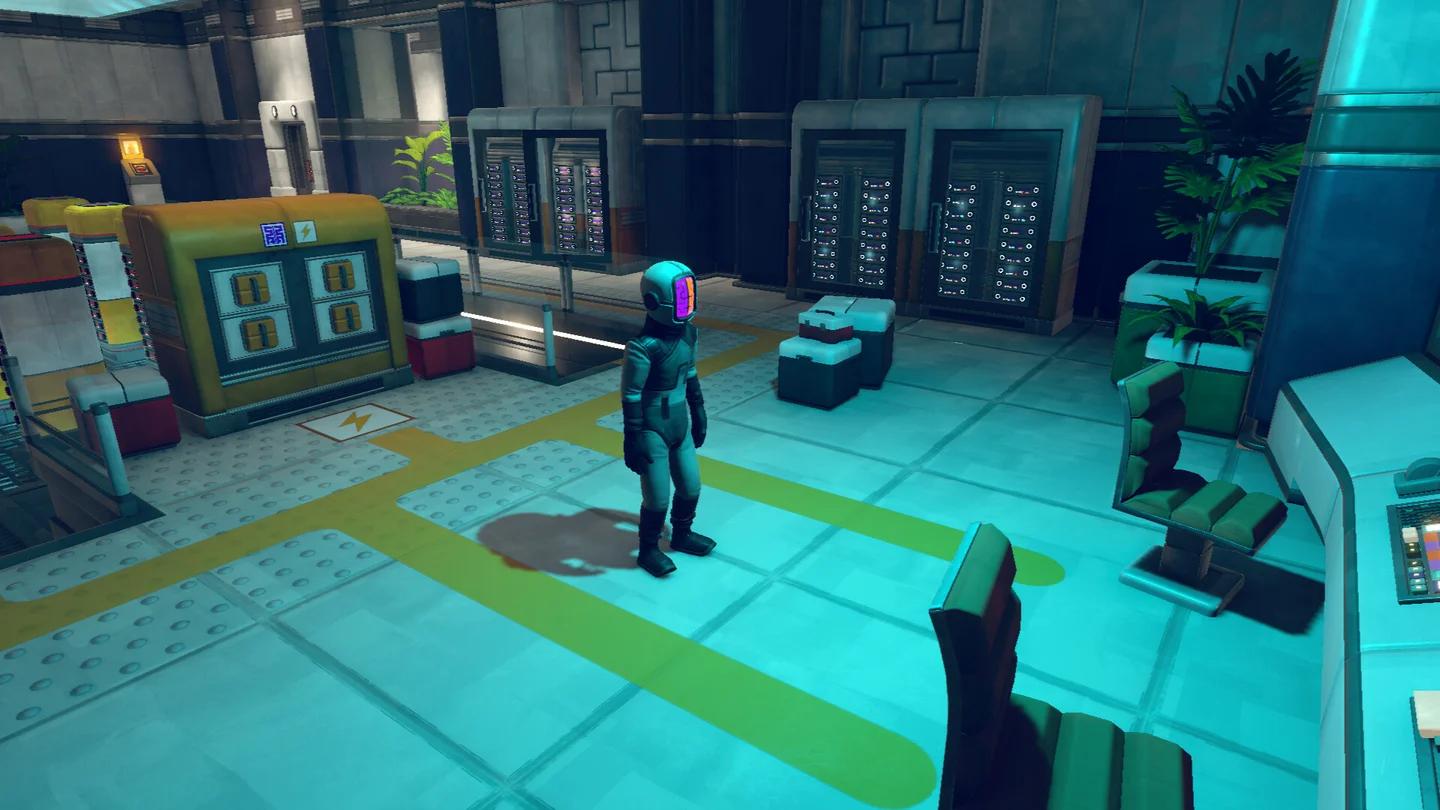
Inside the Samsara station
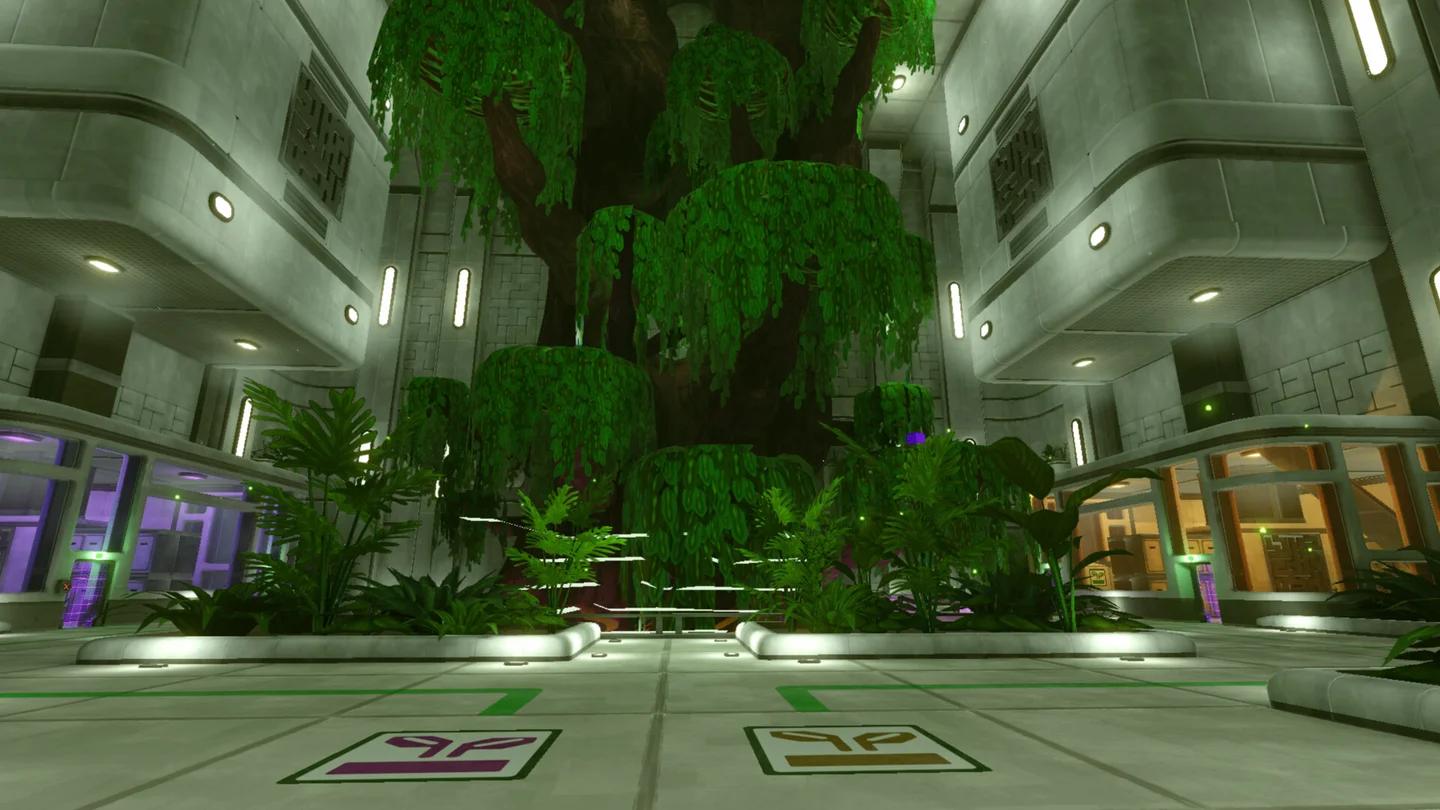
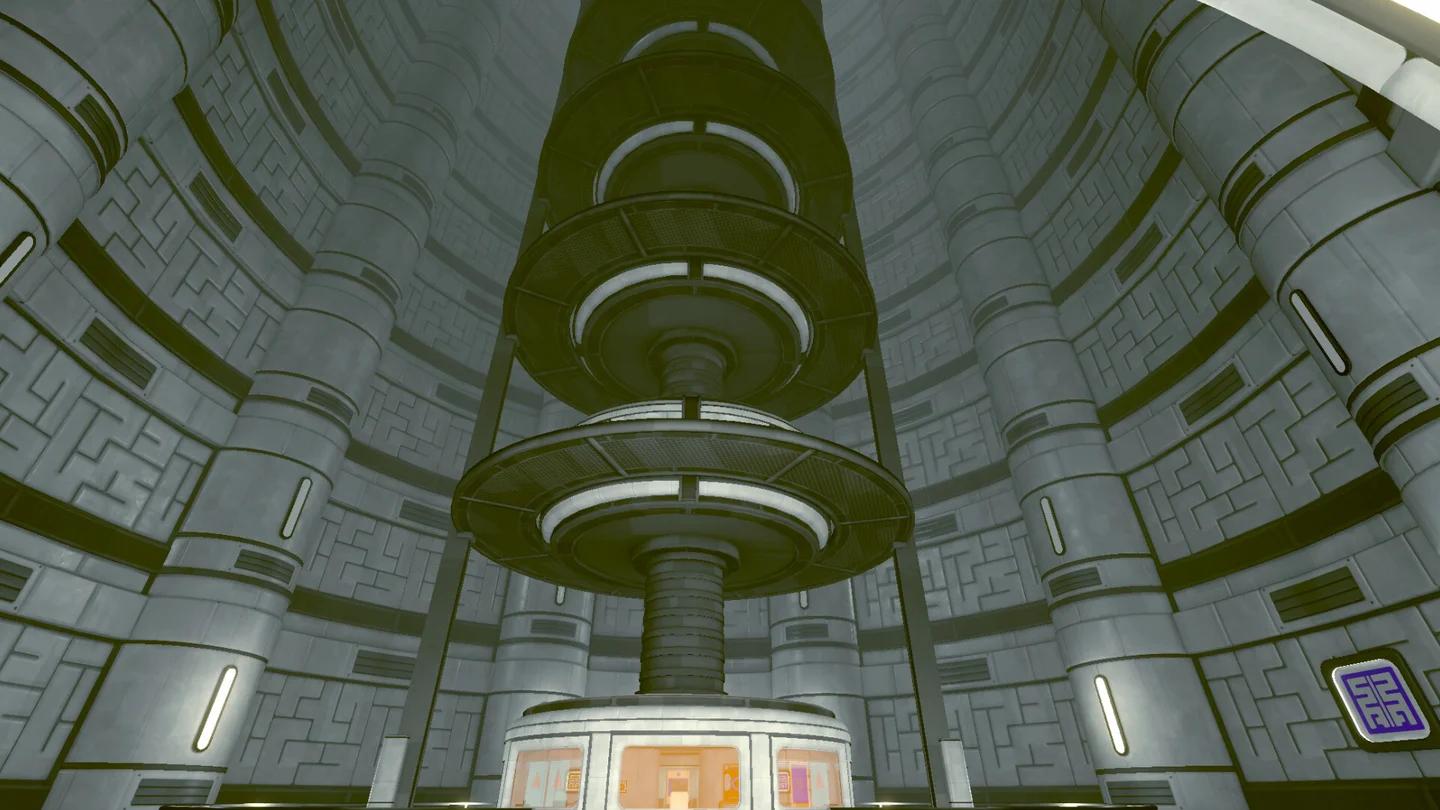
The Samsara station supplies the adventure's larger investigation. Questions surround the whereabouts of its former inhabitants, the protagonist's purpose there, and the cause of the shared-body predicament. Escaping the structure means pursuing a personal mystery within a much larger place.
The spiritual realm occupies a space between reality and the unconscious, where fragments of memory can surface. Its connection to the protagonist's past gives this second world a narrative role alongside its contribution to puzzle-solving.
Every environment and level is handcrafted. The objective extends beyond reaching an exit to choosing the character's fate. The shared-body premise consequently serves two purposes: it determines how the partners play, and it gives them something to investigate within the fiction.
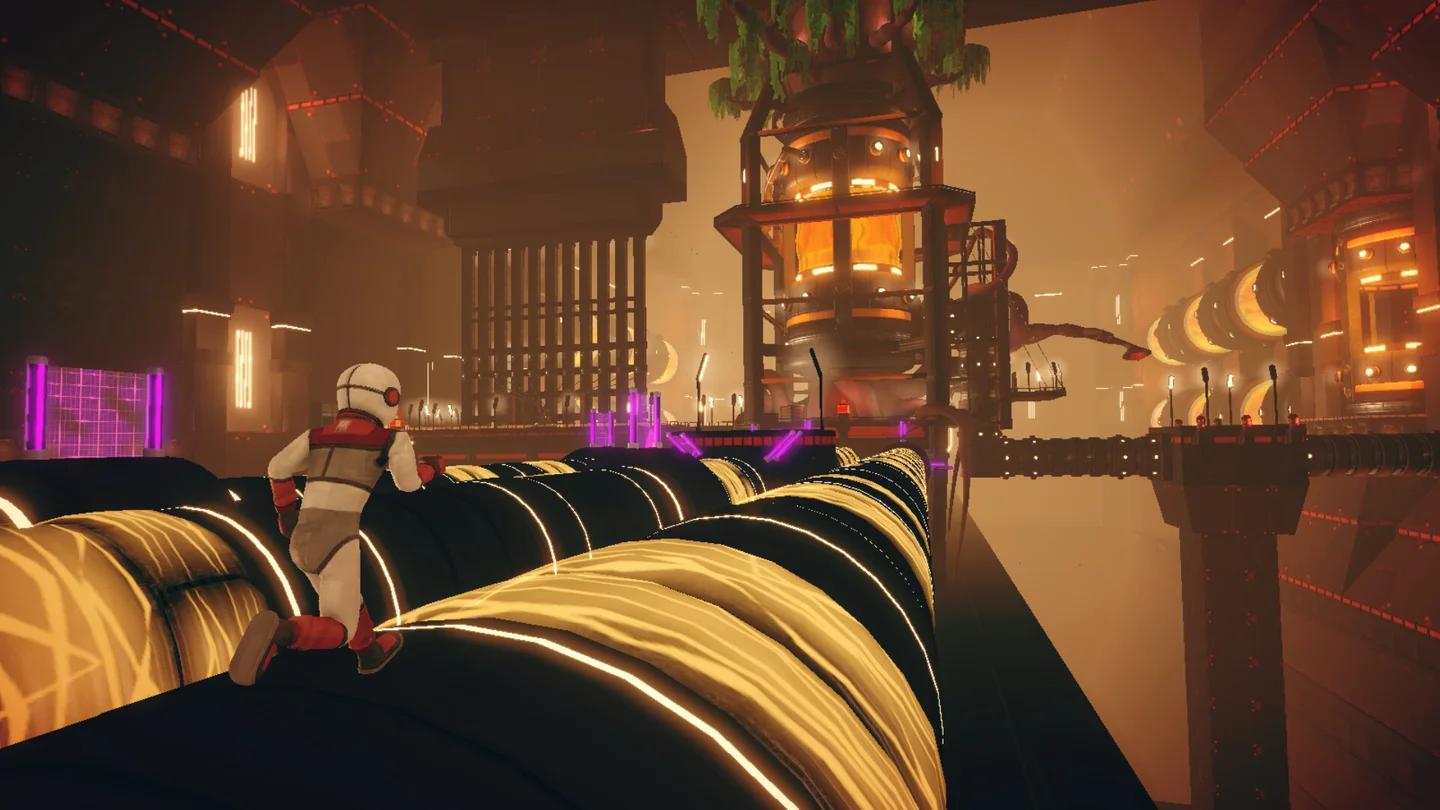
Communication as a puzzle mechanic
Split Brain Samsara requires online play and communication between both participants. Its puzzles ask the pair to analyze clues visible from their respective perspectives, so exchanging observations forms part of the actual problem-solving process.
Useful cooperation depends on explaining what each participant perceives and relating those observations to the other perspective. An observation gains practical value when the pair understands how it connects to their current problem. The challenge involves both interpreting clues and making that interpretation clear enough for a partner to act on.
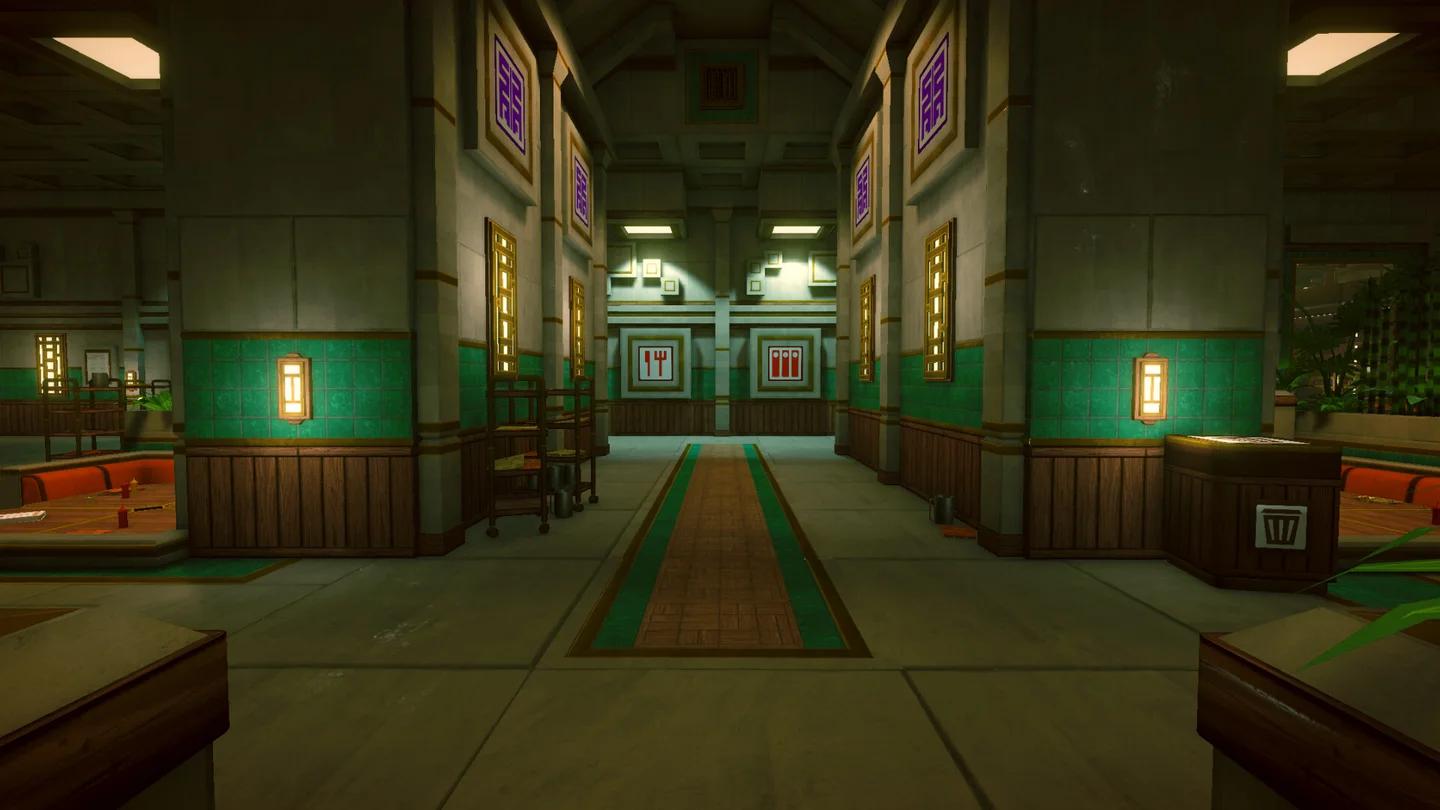
The co-op puzzle design places responsibility on both sides of the conversation. Movement, spiritual interaction, and shared reasoning contribute different pieces of the solution, keeping the partnership tied to concrete actions throughout the station's mysteries.