Overview
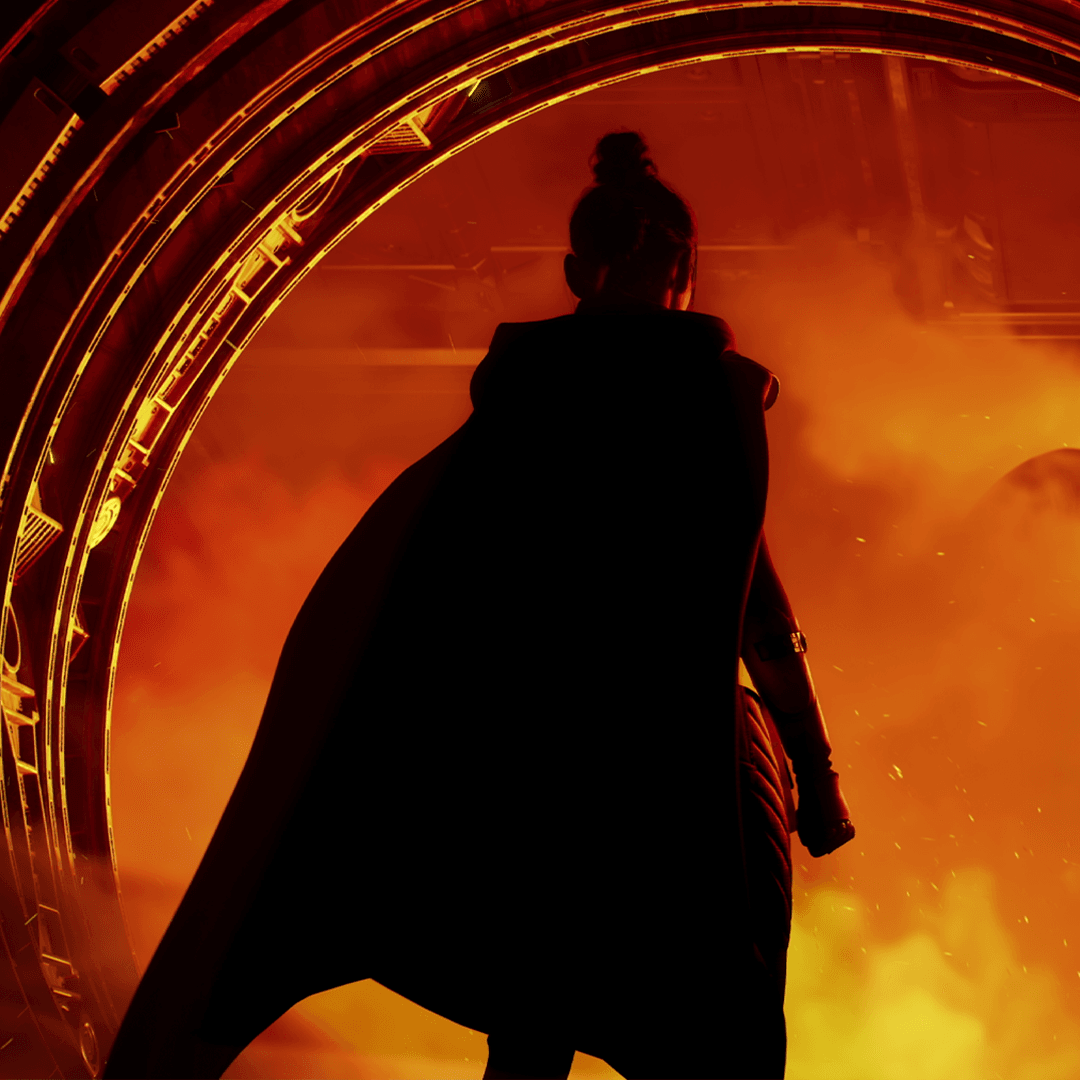
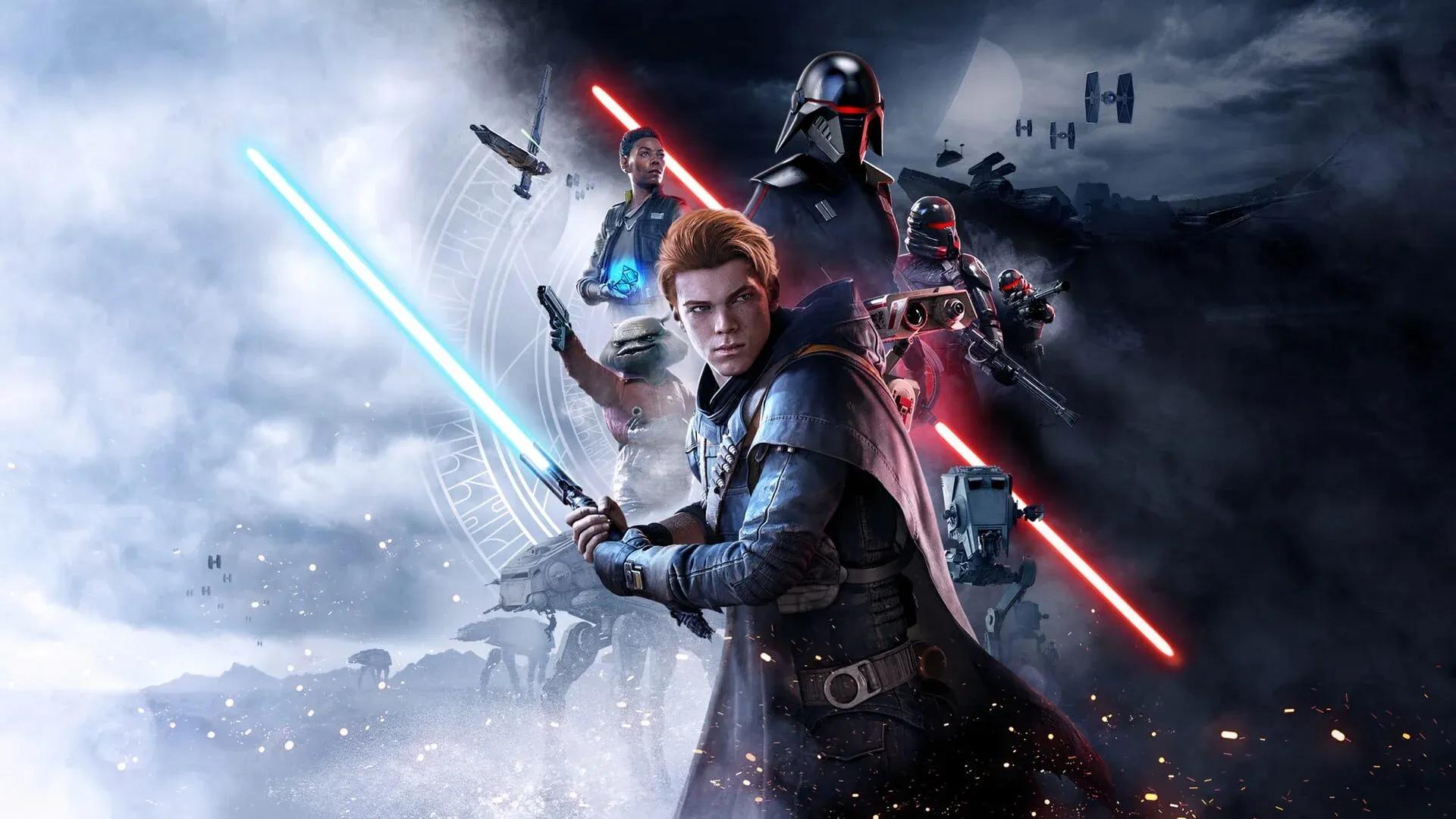
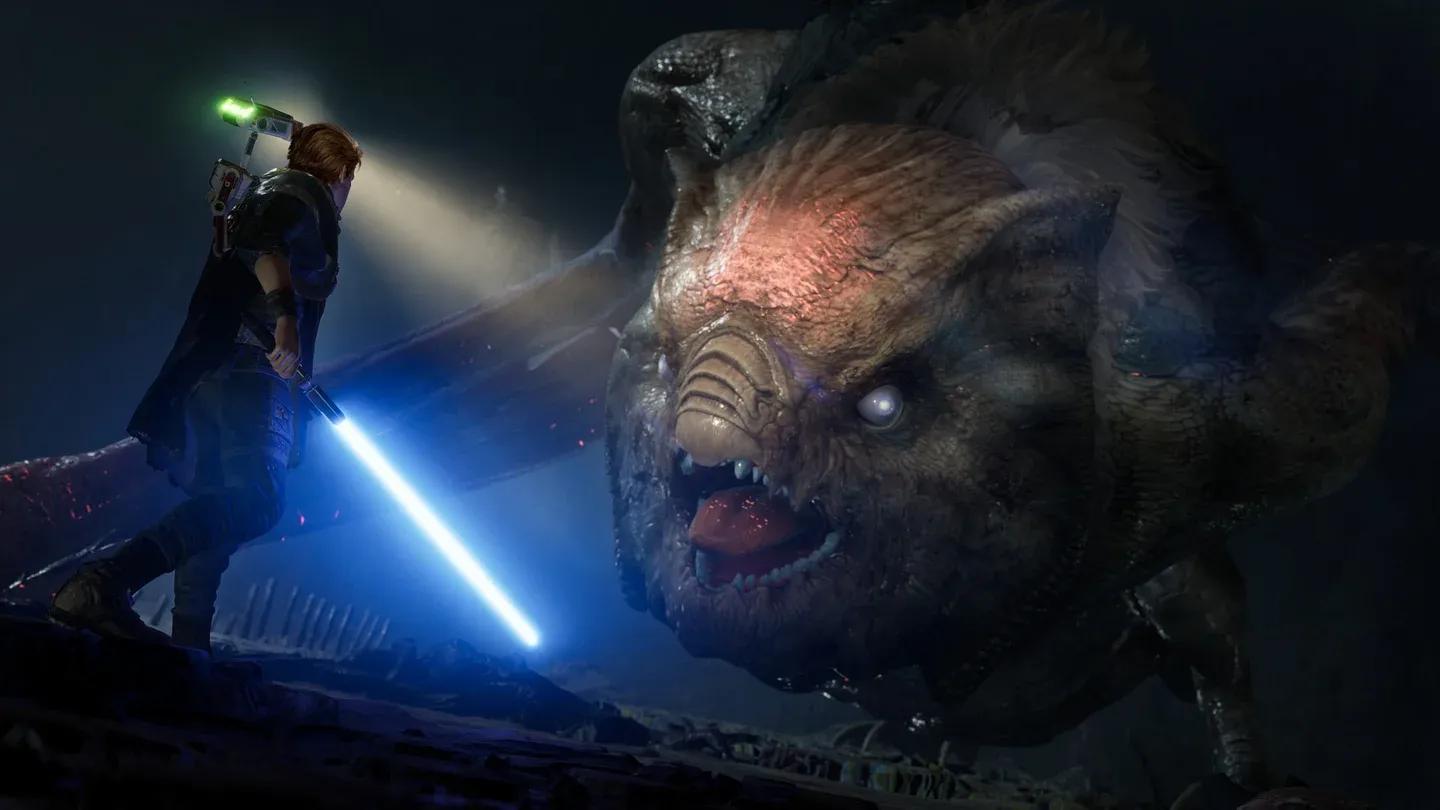
Released in November 2019, Star Wars Jedi: Fallen Order is Respawn Entertainment's take on the Star Wars action-adventure genre, and it lands considerably better than most licensed games dare to. Set in the years following Episode III: Revenge of the Sith, the game follows Cal Kestis, a Jedi Padawan who survived the Emperor's Order 66 purge by burying his abilities and working as a scrapper on Bracca. When his Force powers surface at the wrong moment, the Empire's Inquisitors come for him, and a years-long life in hiding collapses overnight.
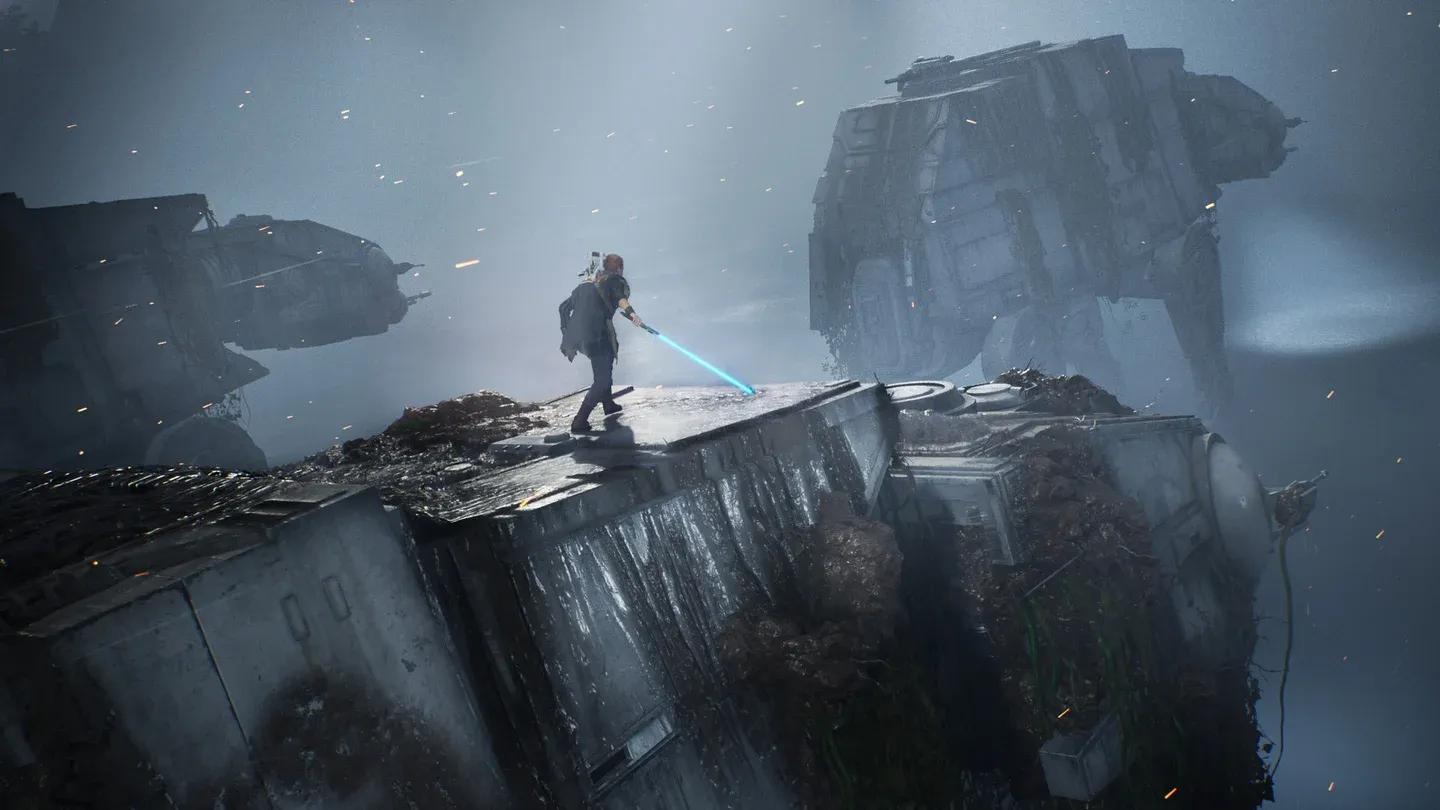
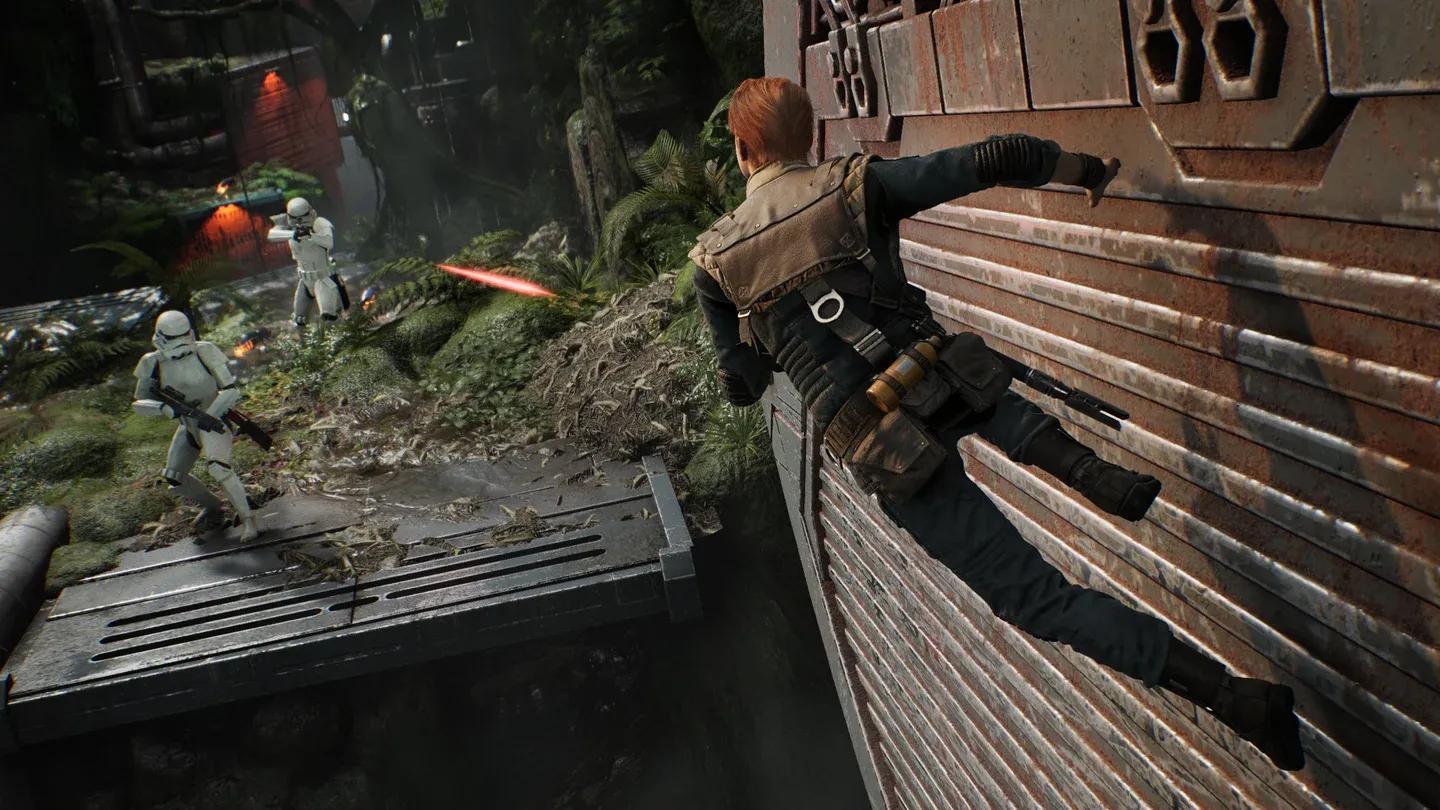
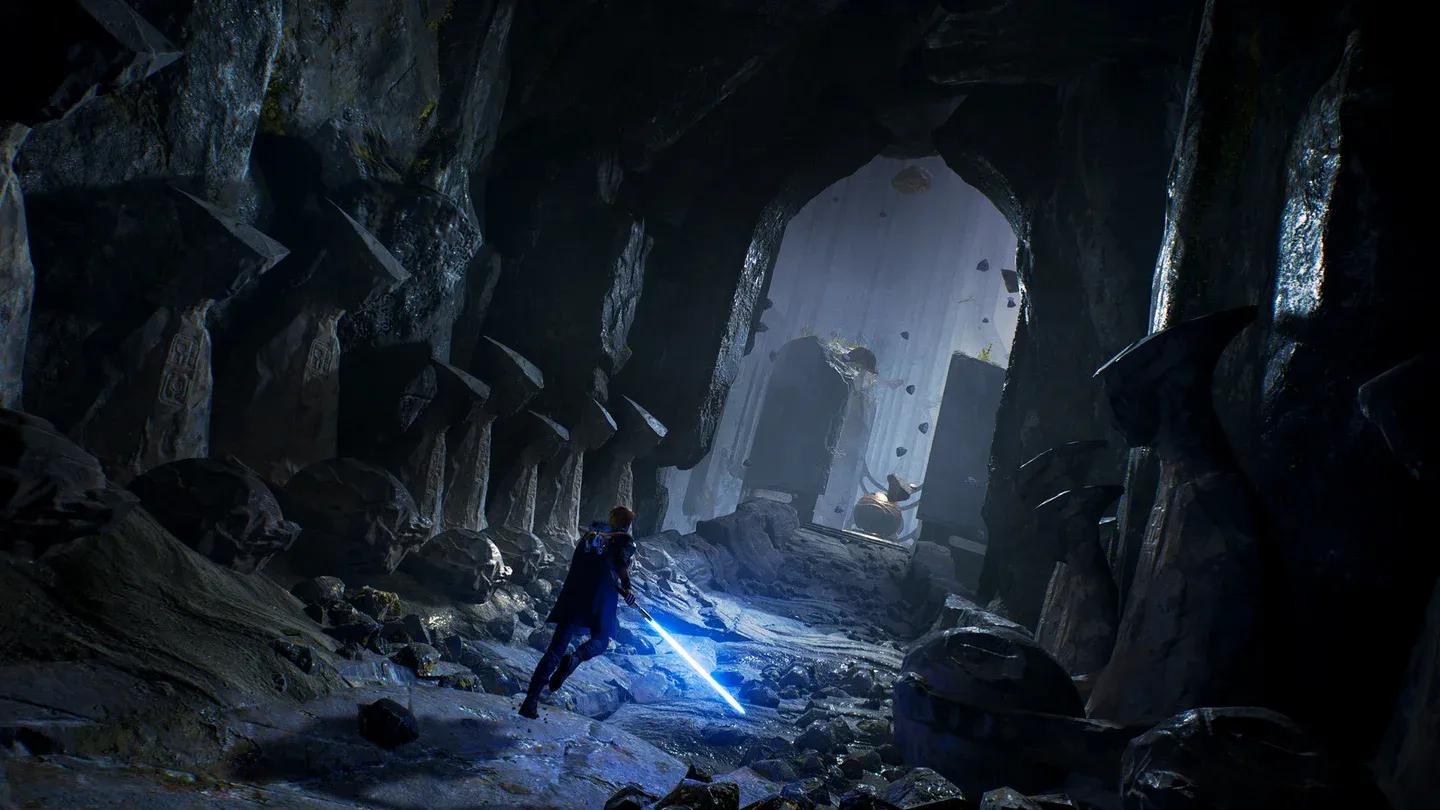
What follows is a story-driven single-player campaign that threads together lightsaber duels, Force-powered traversal, and environmental puzzle-solving across multiple planets. Cal isn't a fully trained Jedi at the start. His skills are fragmented, his confidence is shaken, and the game's progression system reflects that honestly. New Force abilities unlock gradually, and those abilities then open up previously inaccessible areas on planets you've already visited, rewarding players who backtrack.
Gameplay and mechanics: how does the combat actually feel?
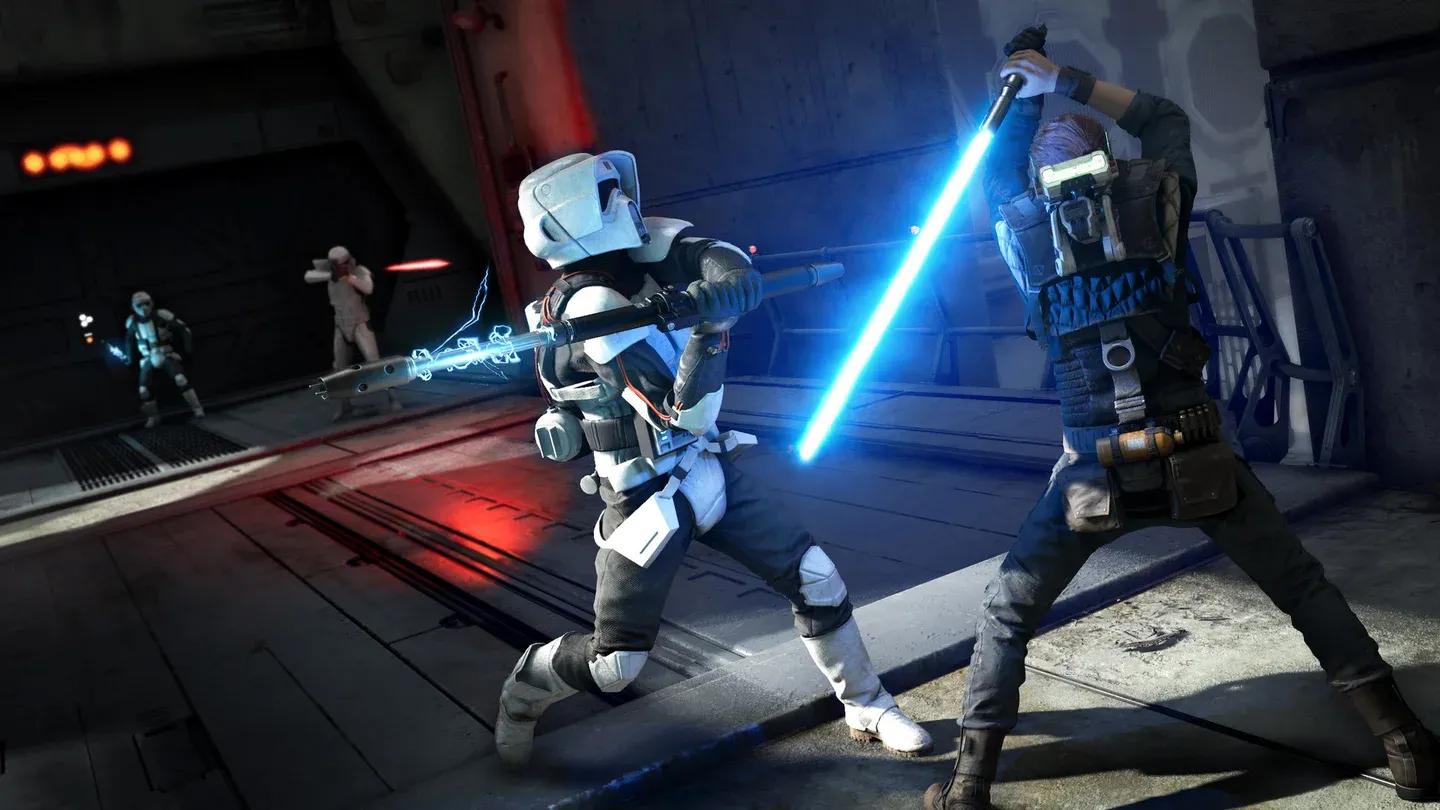
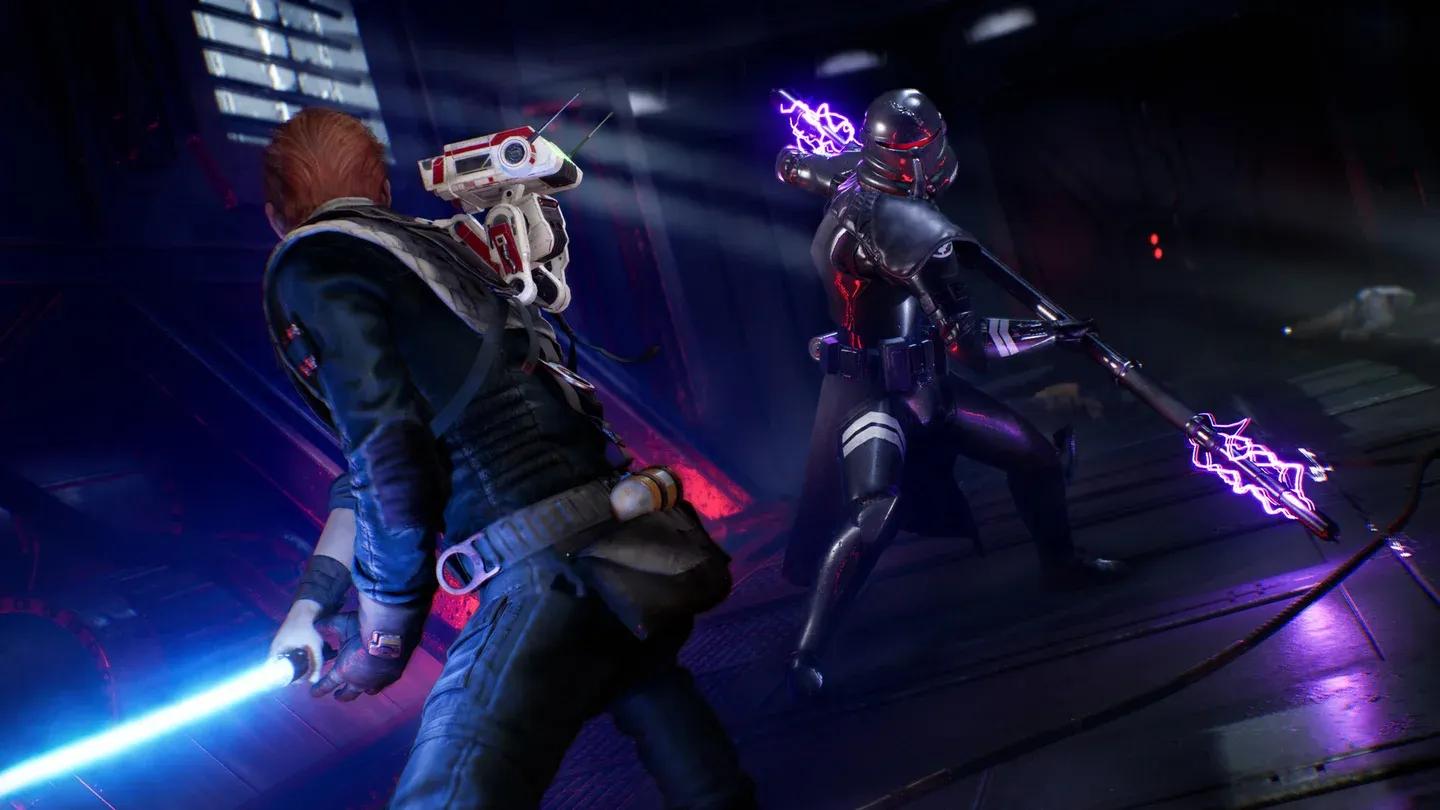
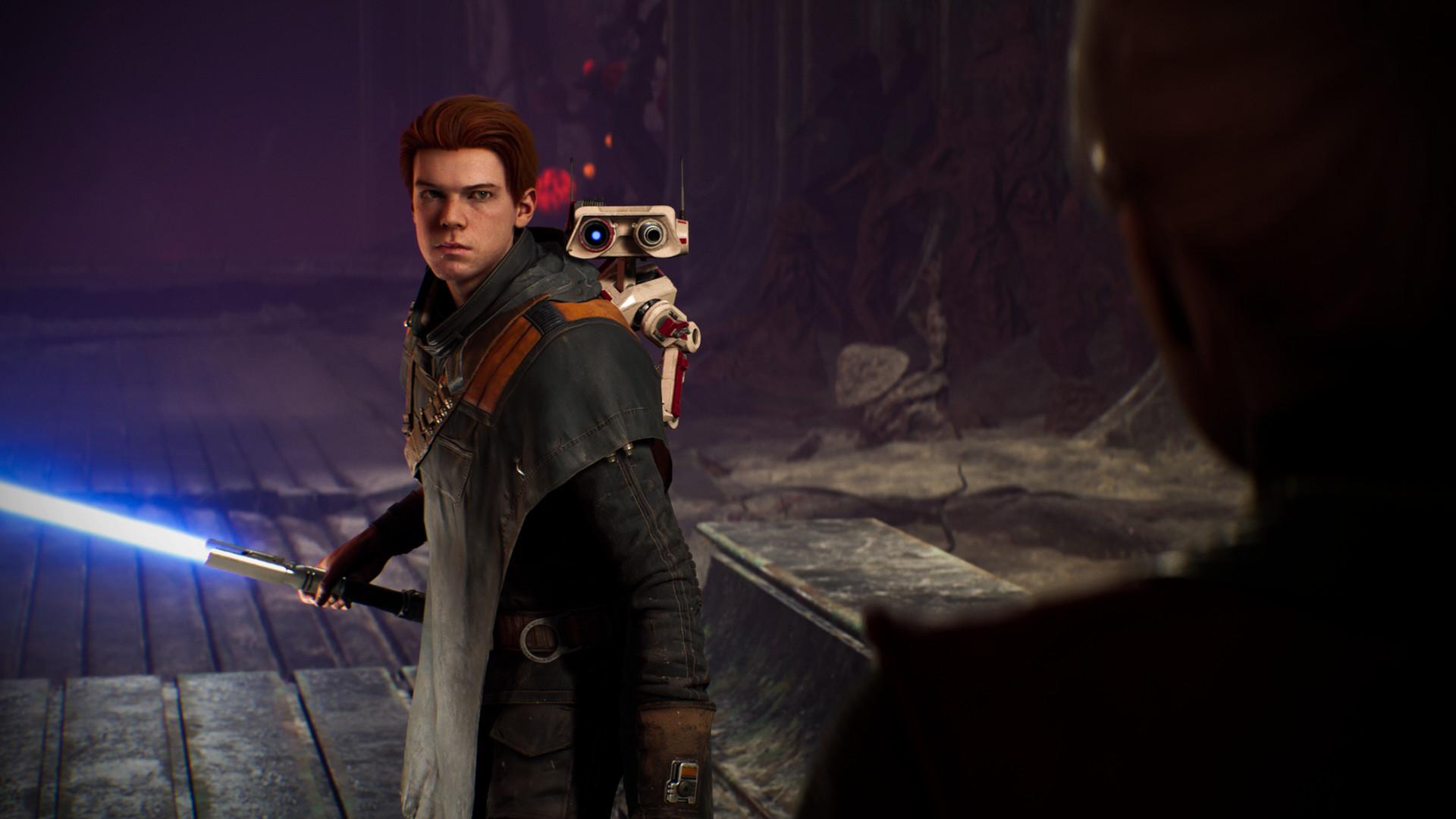
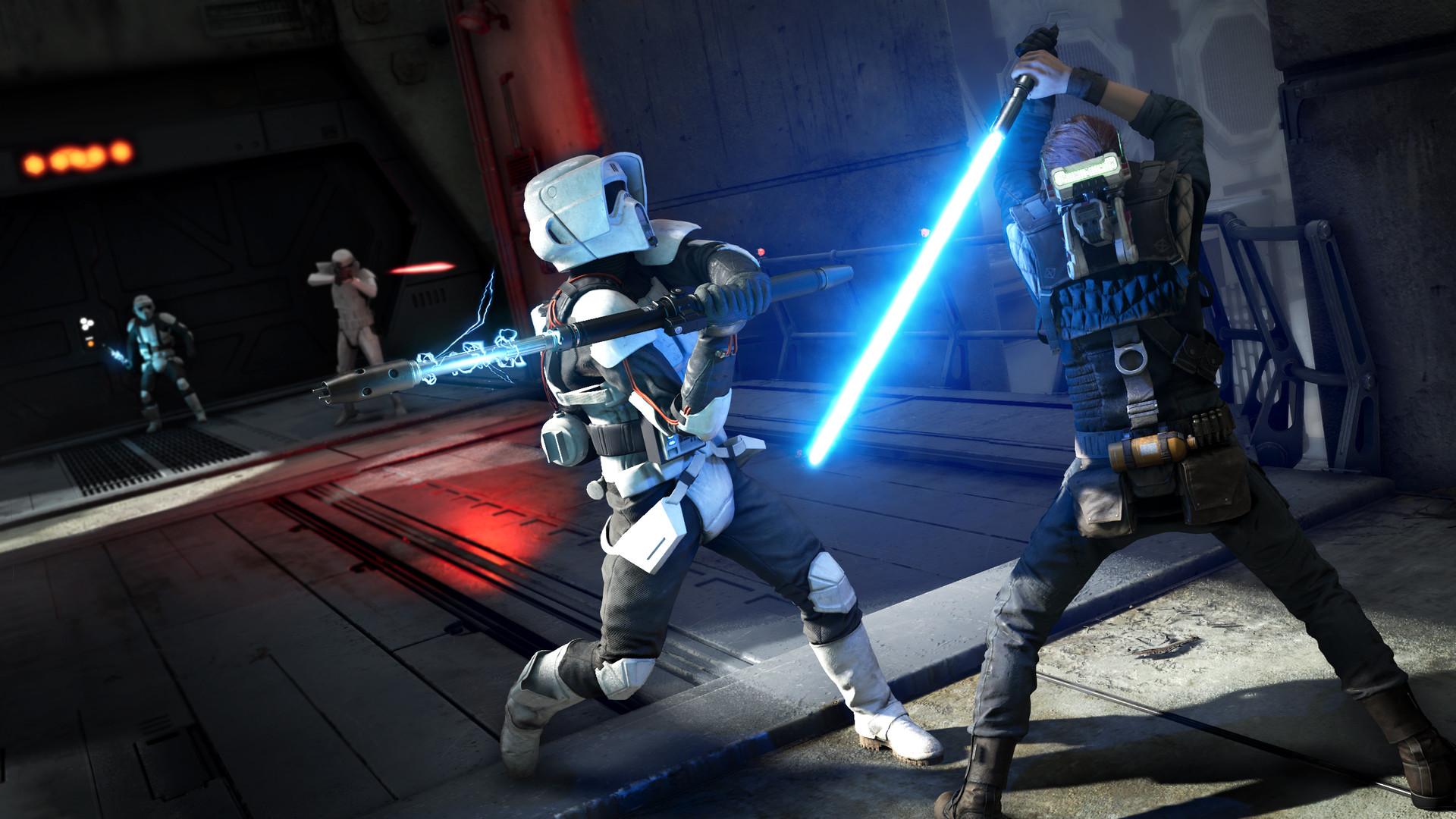
Fallen Order's combat draws obvious inspiration from the Dark Souls school of design. Blocking, parrying, and reading enemy attack patterns matter far more than button-mashing. The lightsaber isn't a magic wand that cuts through everything; Stormtroopers with shields require specific approaches, and the game's tougher enemies demand patience and positioning.
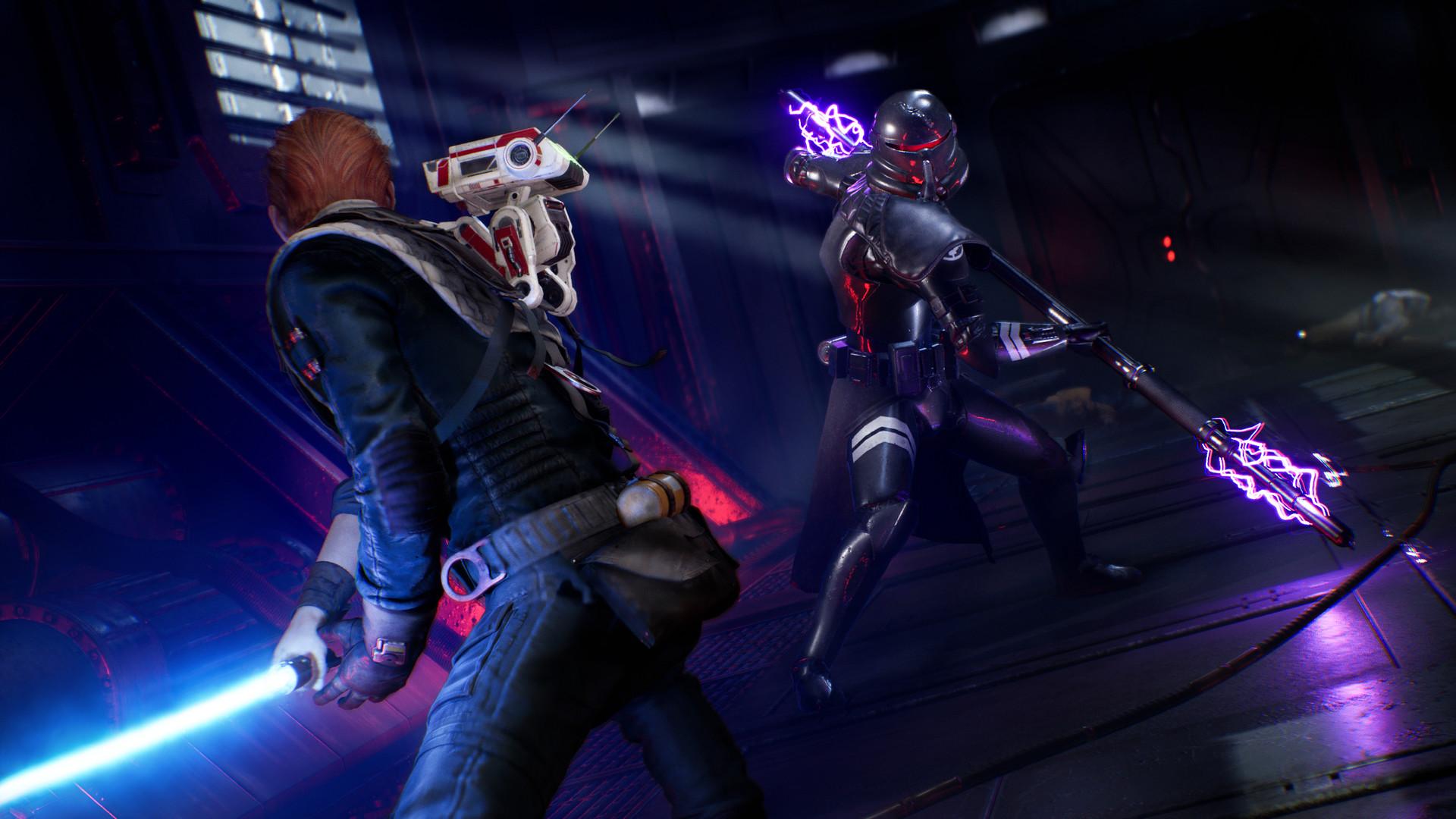
Core combat mechanics include:
- Parry timing to deflect blaster bolts and melee strikes
- Force Slow to freeze enemies mid-action
- Force Push and Pull for environmental kills
- Lightsaber throws for ranged pressure
- Dodging and stamina management against elite enemies
Difficulty options range from Story Mode to Jedi Grandmaster, making the experience accessible without forcing players into punishing encounters if that's not what they're after.
World and setting
The planets in Fallen Order each carry a distinct identity. Kashyyyk is dense jungle and Imperial occupation, Dathomir is hostile and unsettling, and Zeffo introduces the game's central archaeological mystery around an extinct civilization called the Zeffo. The map design is genuinely layered, with shortcuts and hidden paths that reveal themselves as Cal's abilities expand.
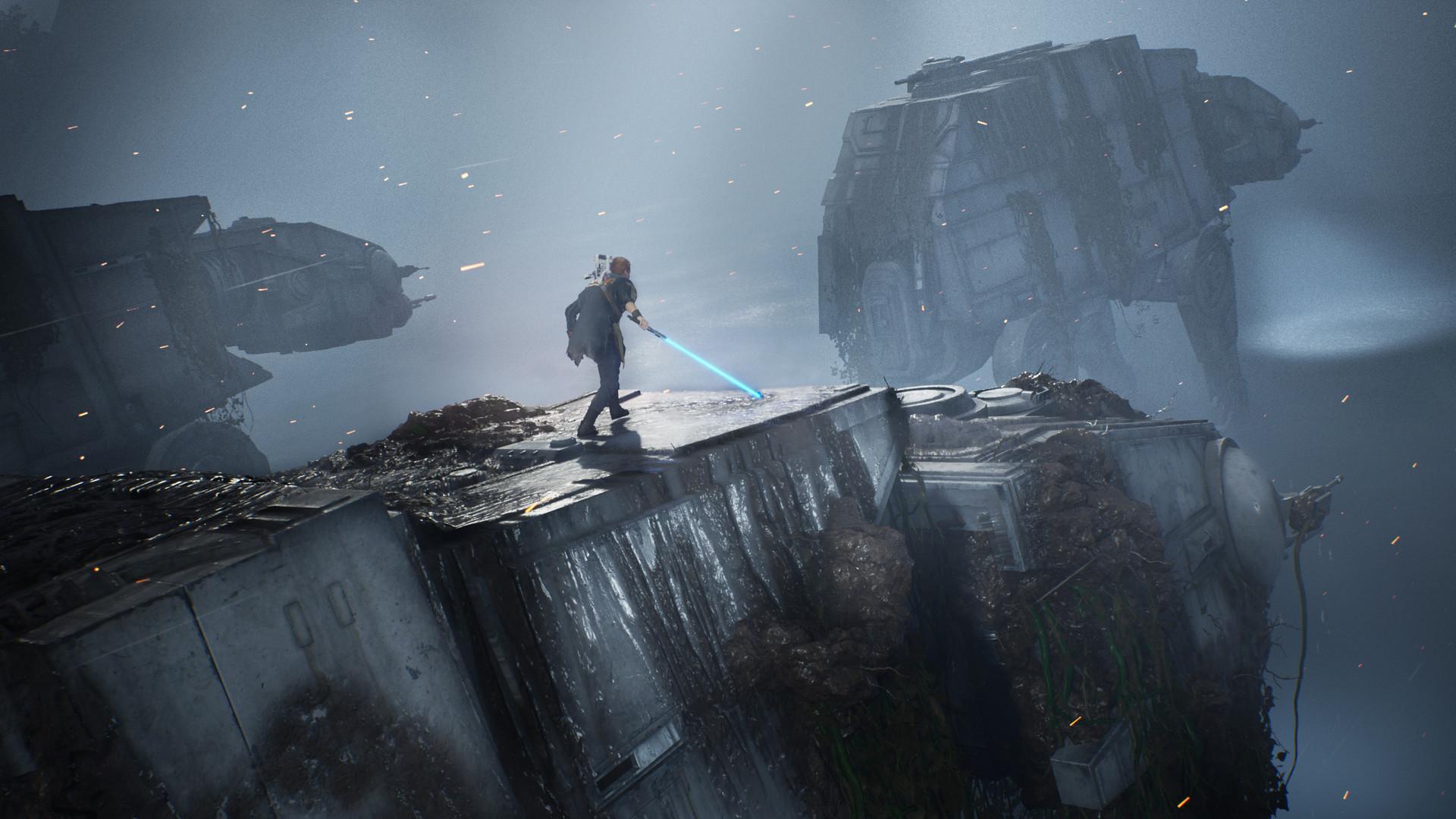
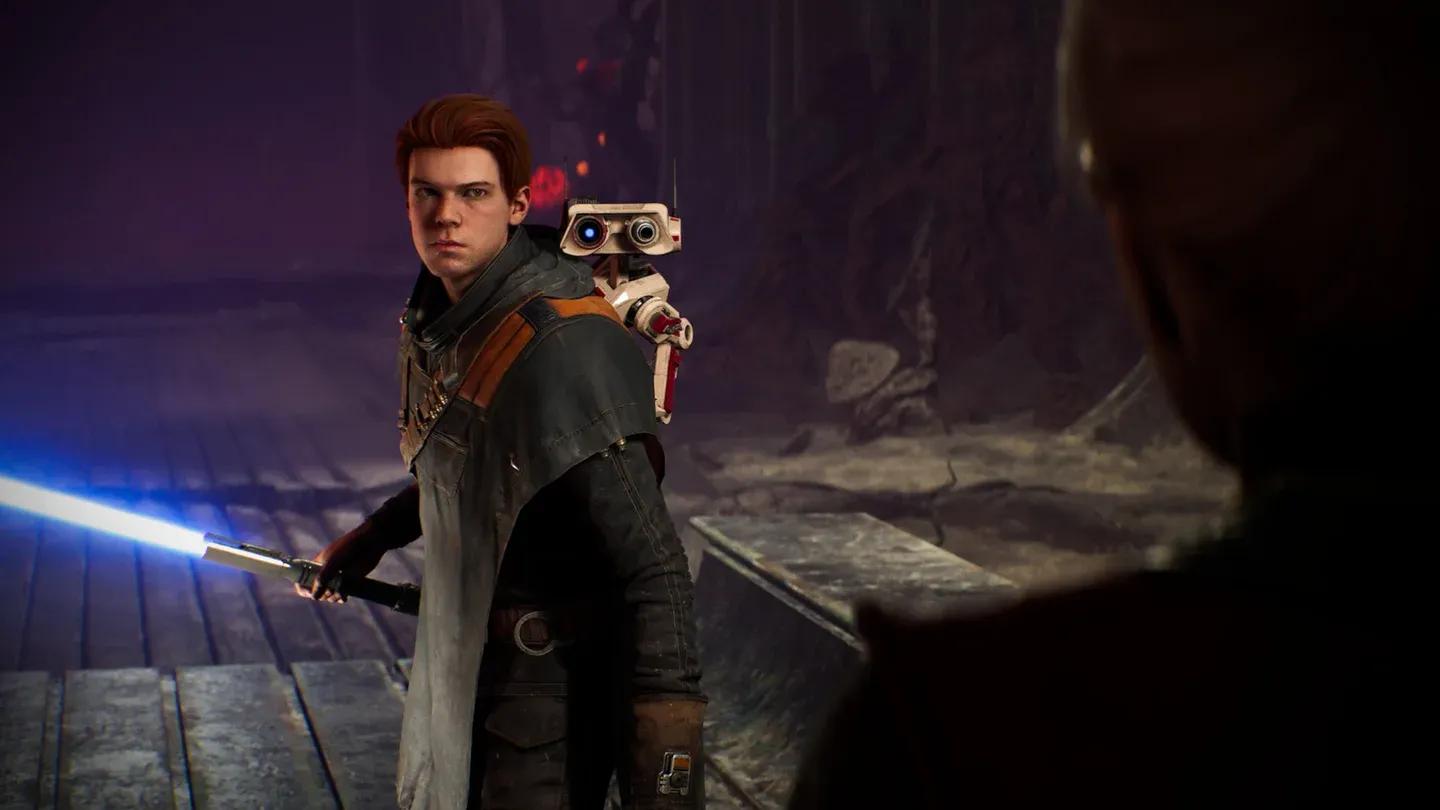
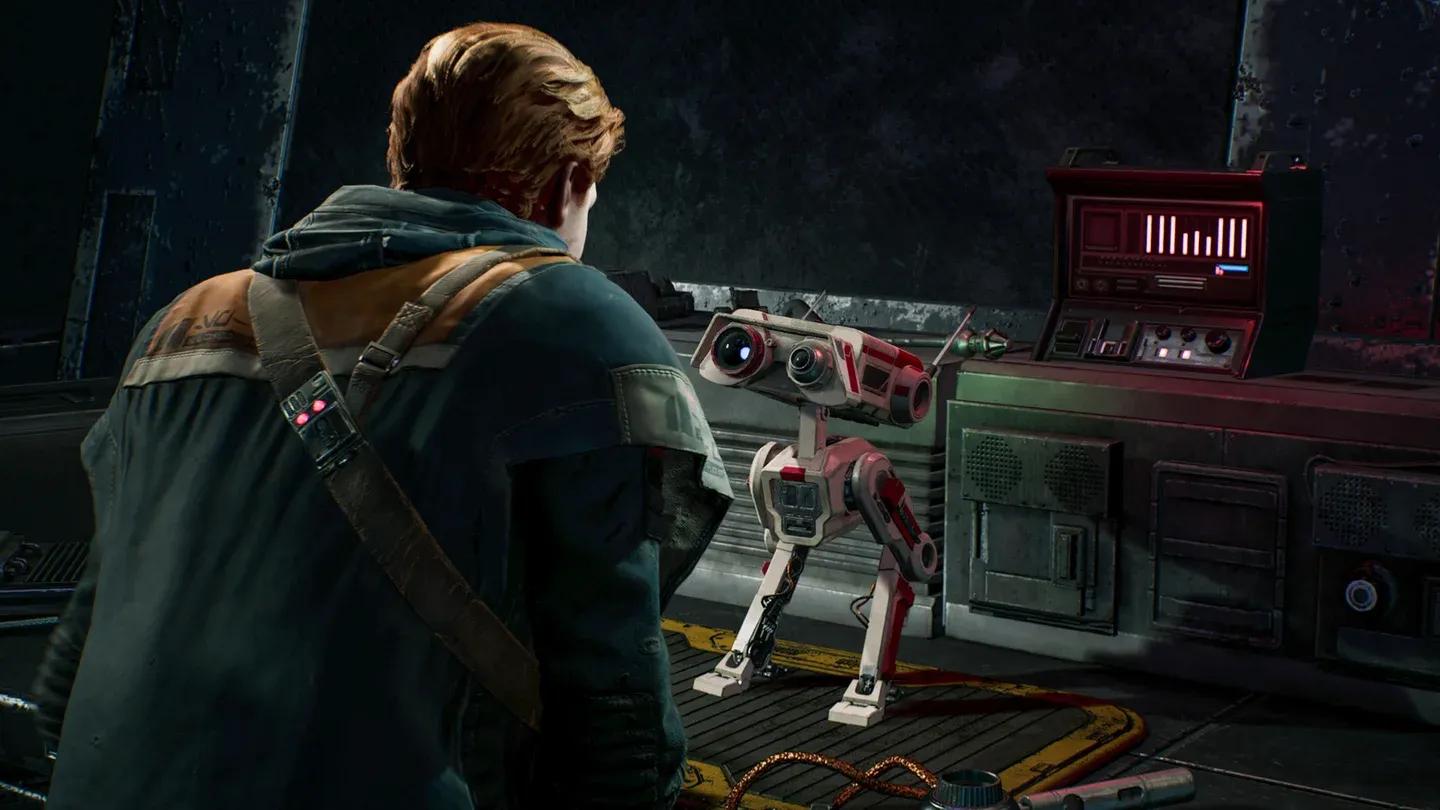
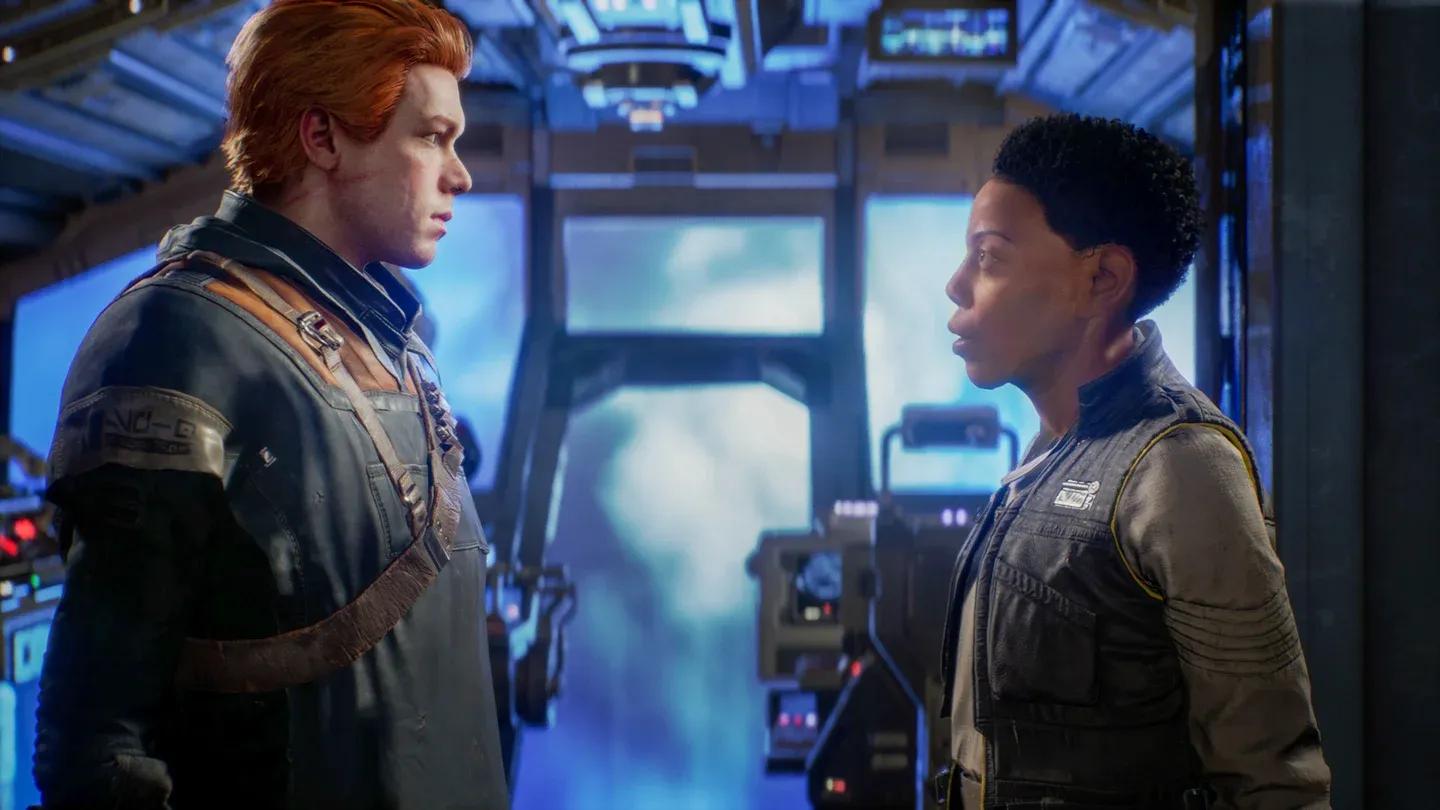
Companions add texture to the journey. Cere Junda, a former Jedi Knight carrying her own trauma, provides the mission's direction and some of the game's most honest character writing. BD-1, Cal's droid companion, handles scanning, healing stims, and map data, and manages to be endearing without being annoying. The Stinger Mantis serves as the crew's ship and home base between missions.
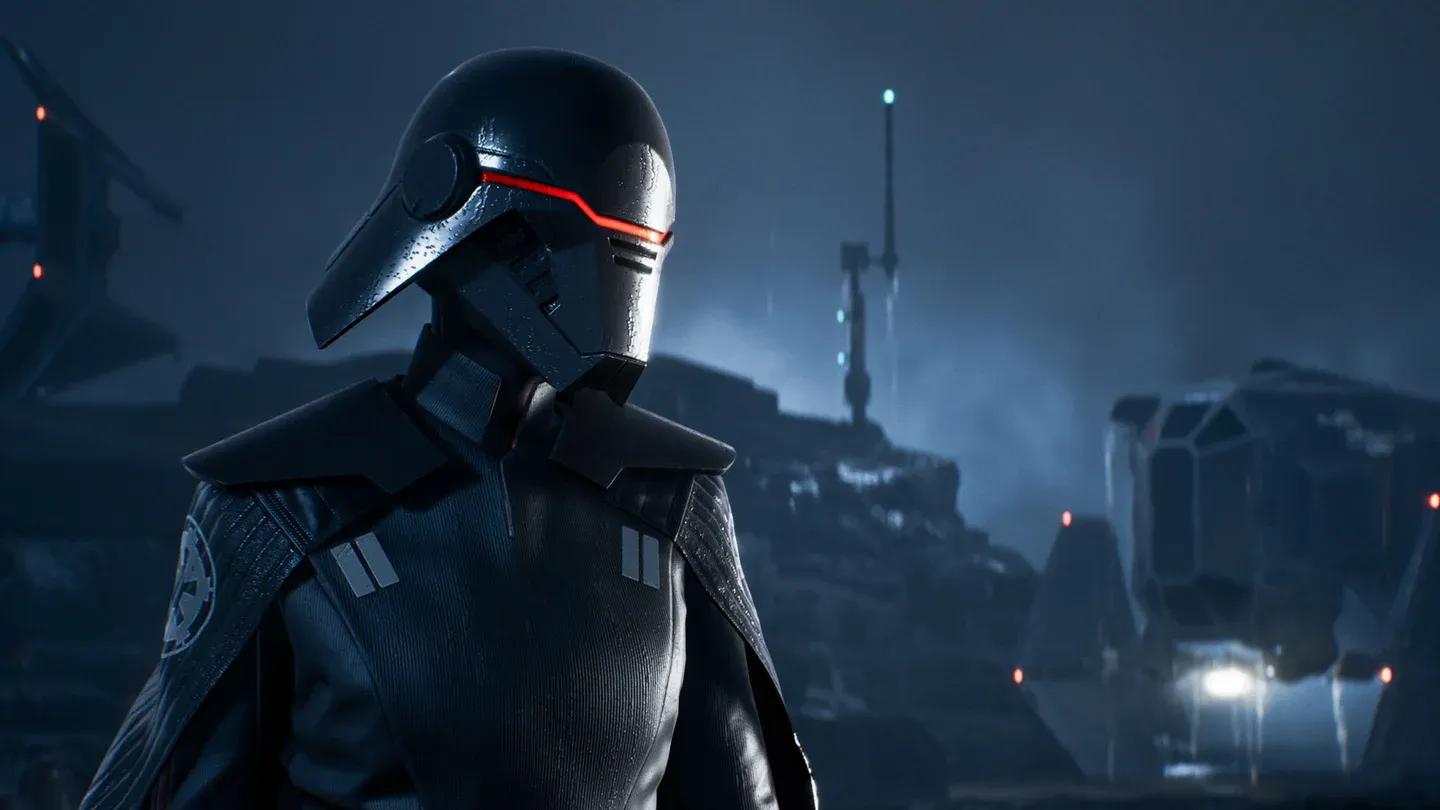
The story fits cleanly into the established Star Wars timeline without leaning entirely on nostalgia. Familiar faces and locations appear, but the core cast is original, and the main villain, the Second Sister, is one of the more memorable antagonists the franchise has produced outside of film.
Content and replayability
A full playthrough runs roughly 15 to 20 hours depending on how thoroughly players explore. Collectibles include lightsaber customization parts, cosmetic skins, and Force echoes that expand the lore. The Deluxe Edition adds cosmetic skins for BD-1 and the Stinger Mantis, a digital art book, and over 90 minutes of behind-the-scenes footage.
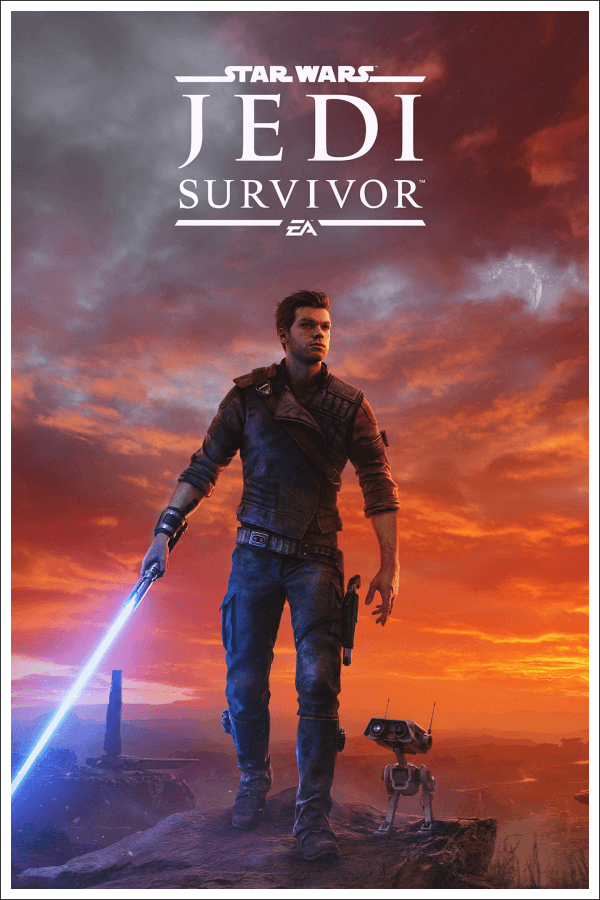
Fallen Order doesn't have multiplayer or a new-game-plus mode, so its replayability is limited to difficulty runs and completionist goals. What it does offer is a well-paced single-player experience that respects the Star Wars setting while building a protagonist worth following into its 2023 sequel, Star Wars Jedi: Survivor.
System Requirements
| Requirement | Minimum | Recommended |
|---|---|---|
| Processor | AMD FX-6100/Intel i3-3220 or Equivalent | AMD Ryzen 7 1700/Intel i7-6700K or Equivalent |
| Memory | 8 GB RAM | 16 GB RAM |
| Graphics | AMD Radeon HD 7750, NVIDIA GeForce GTX 650 or Equivalent | AMD RX Vega 56, Nvidia GTX 1070/GTX1660Ti or Equivalent |
| DirectX | Version 11 | Version 11 |