Advertisement

Overview
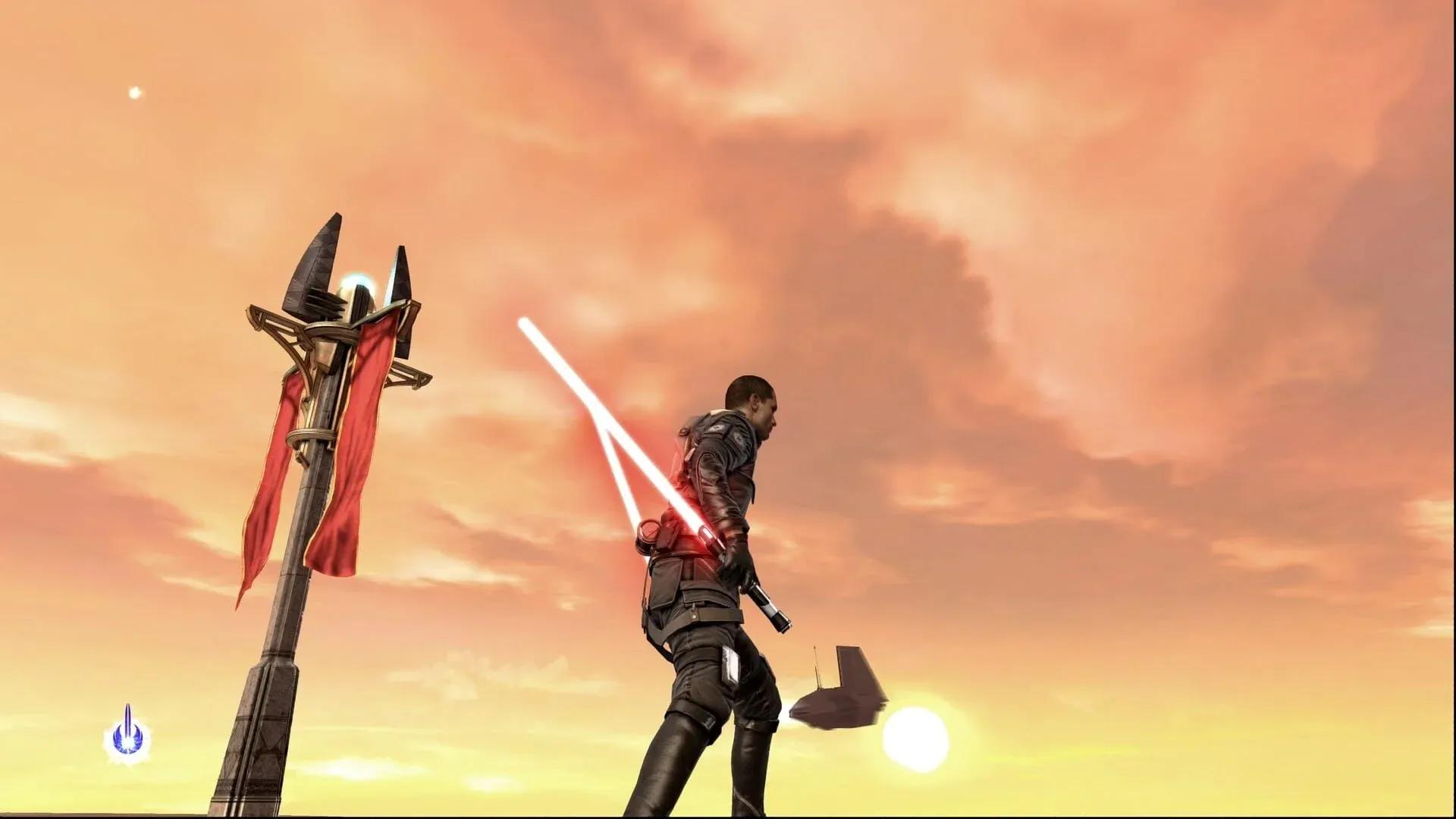
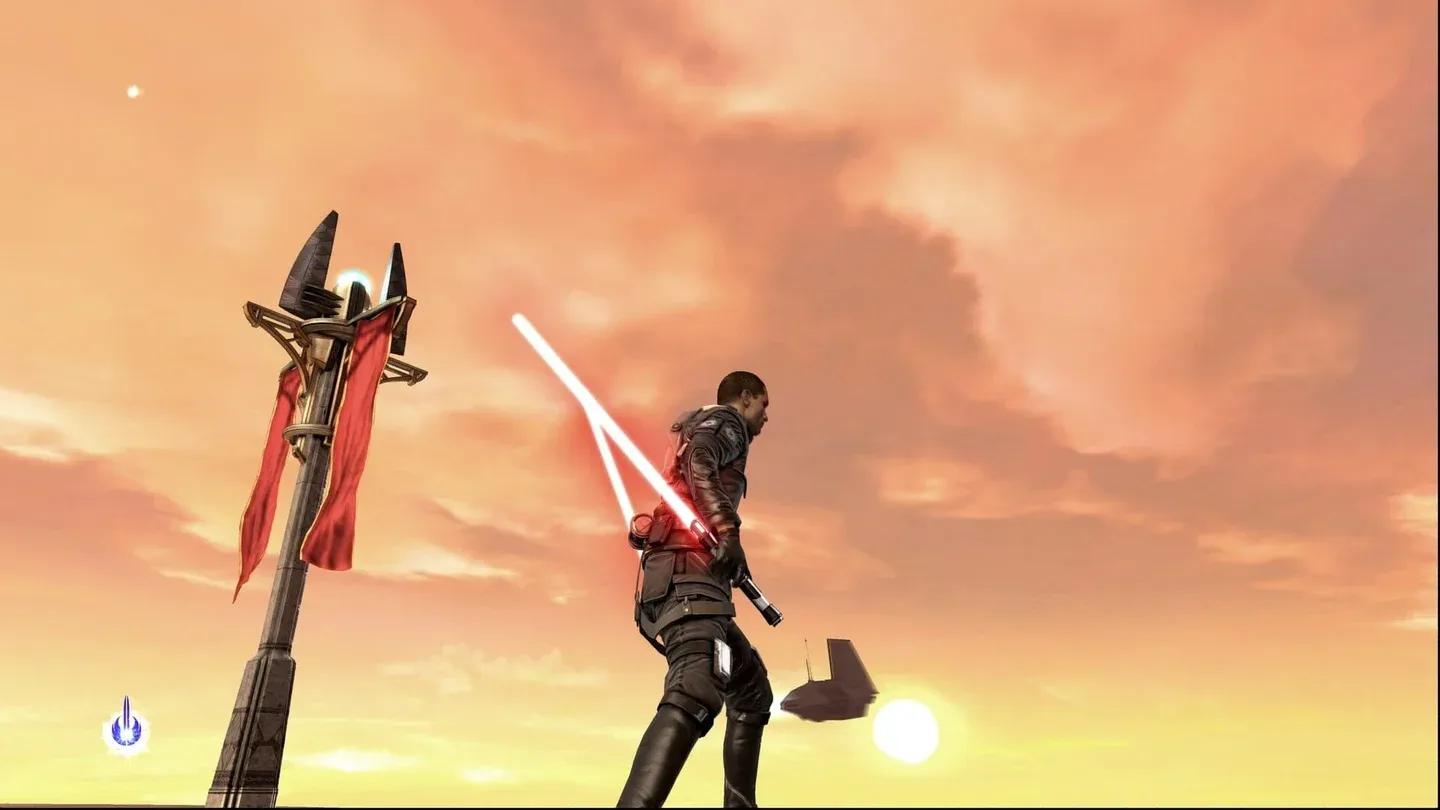
Star Wars: The Force Unleashed II picks up where its predecessor left off, but the stakes feel sharper this time. Starkiller, Darth Vader's former secret apprentice, may or may not be the original. Vader has been cloning him, trying to manufacture the perfect Sith weapon, and the version players control escapes that program before it's finished. What follows is a chase across multiple Star Wars movie locations, driven by the search for Juno Eclipse and the truth about what Starkiller actually is.
The first game sold over seven million copies and established Starkiller as a genuinely compelling original character in the Star Wars universe. The sequel leans harder into his internal conflict, trading some of the first game's sprawling scope for a tighter, more emotionally focused campaign. The result is a shorter experience, but one with more personality per hour.
Star Wars: The Force Unleashed II content image
Gameplay and mechanics
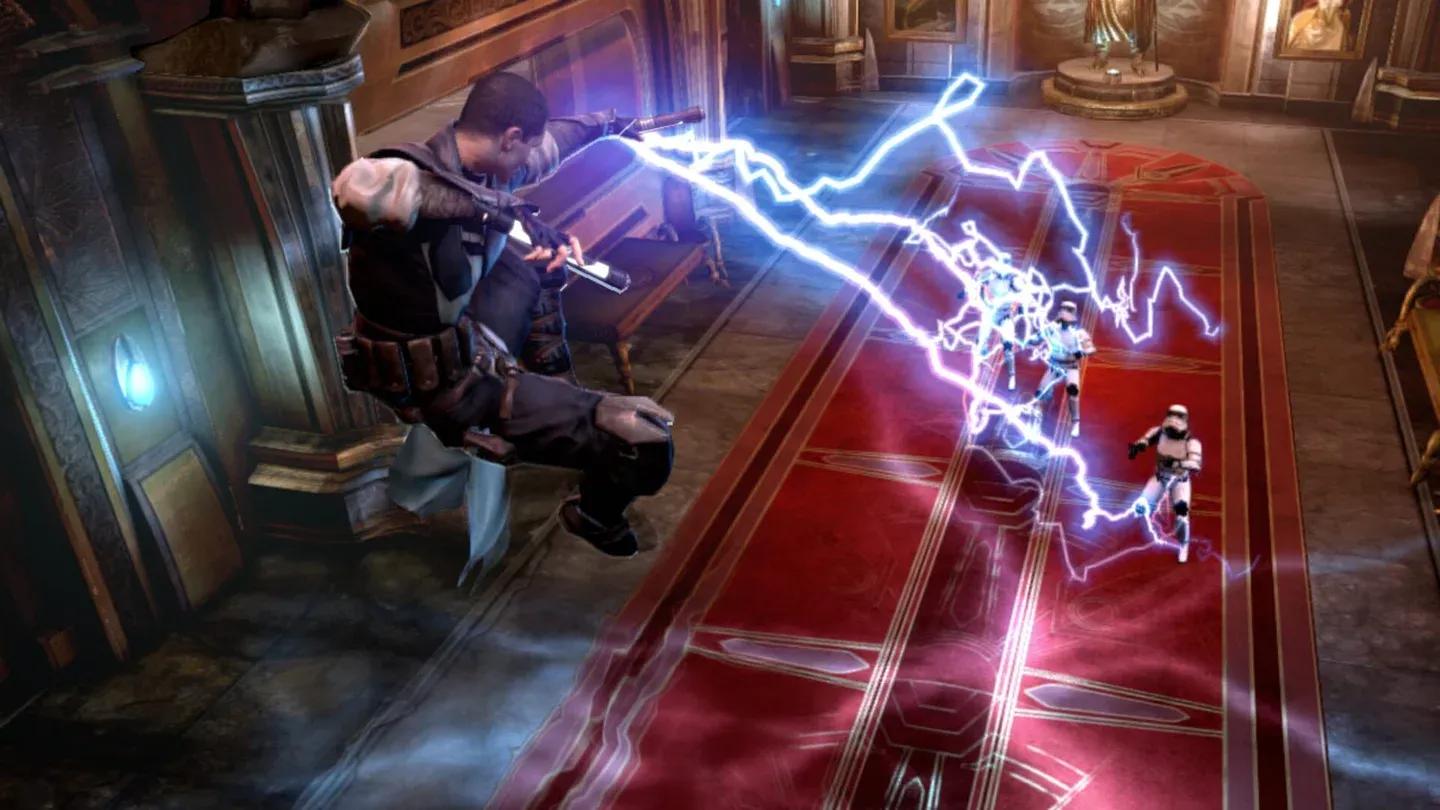
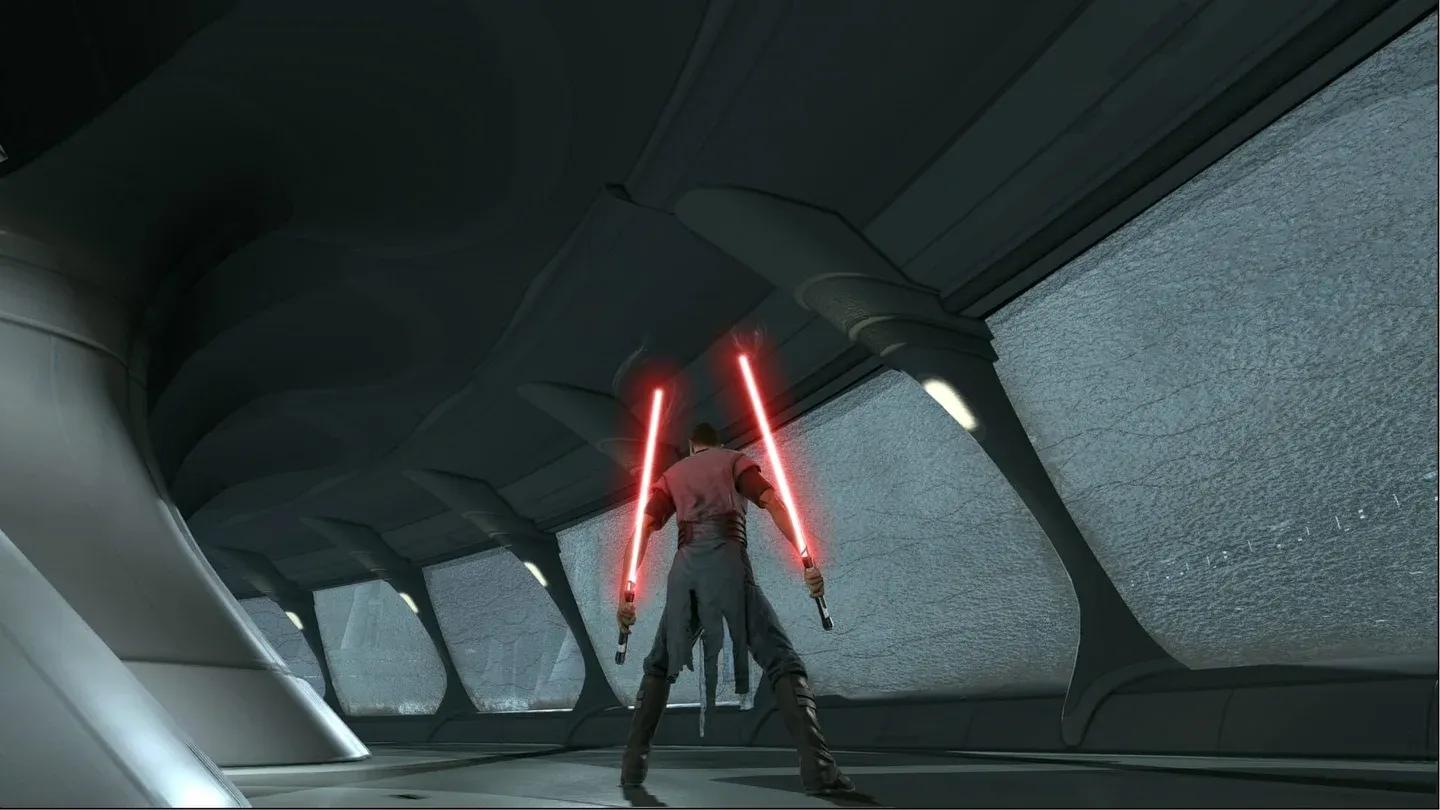
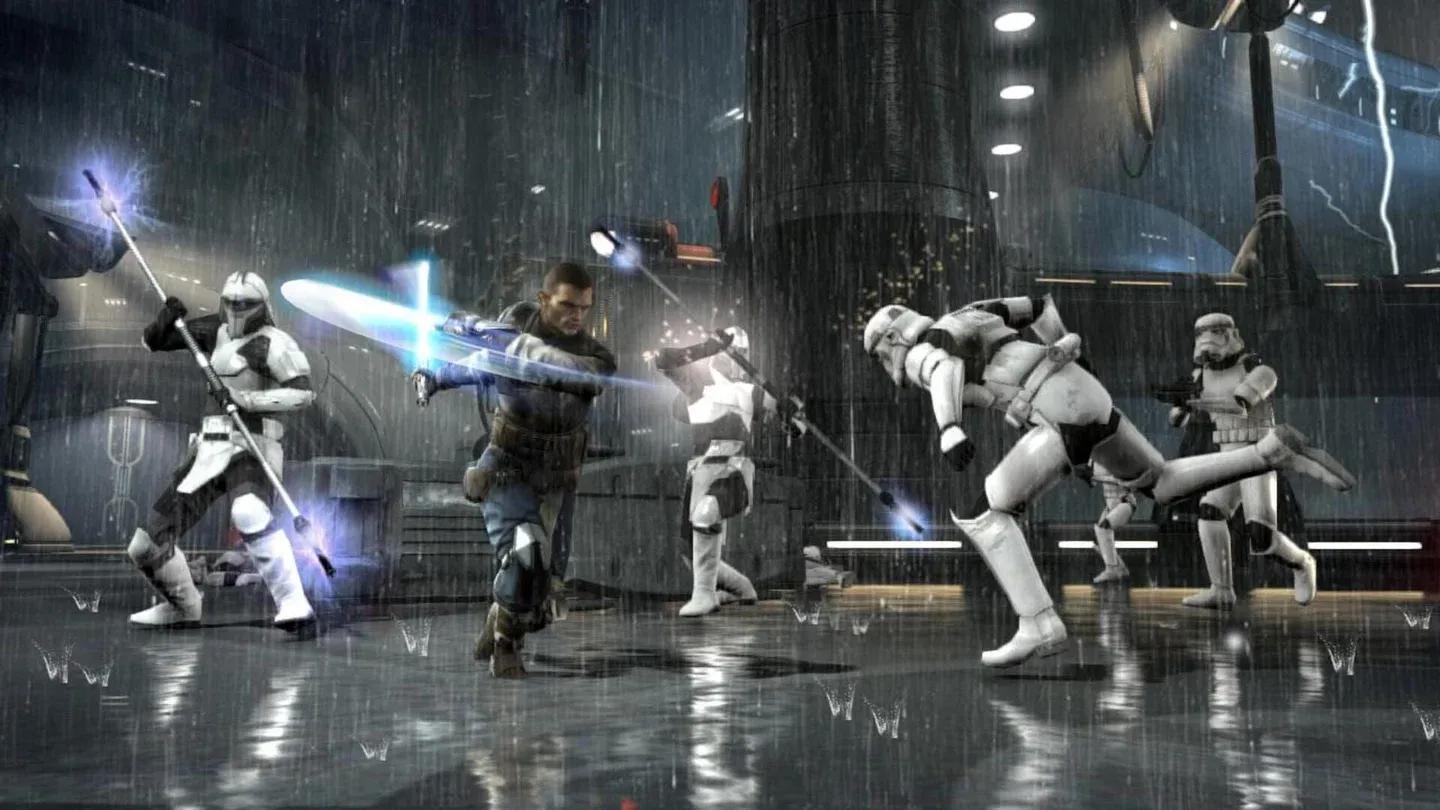
The core loop of The Force Unleashed II centers on moving through linear levels while dismantling everything in your path using Force powers and lightsaber combat. The sequel's defining addition is dual lightsabers, giving Starkiller two blades that open up faster, more aggressive combo chains than the single-saber style of the original.
Star Wars: The Force Unleashed II content image
Key mechanics include:
- Dual lightsaber combat with expanded combo chains
- Force Grip for throwing enemies and environmental objects
- Force Lightning with upgraded area-of-effect reach
- Force Repulse for clearing groups of enemies
- Jedi Mind Trick to turn enemies against each other
Power progression happens through experience points collected from combat, which unlock new Force abilities and upgrade existing ones. The system rewards aggressive play and experimentation, pushing players to chain Force powers together rather than relying on a single move.
Star Wars: The Force Unleashed II content image
World and setting
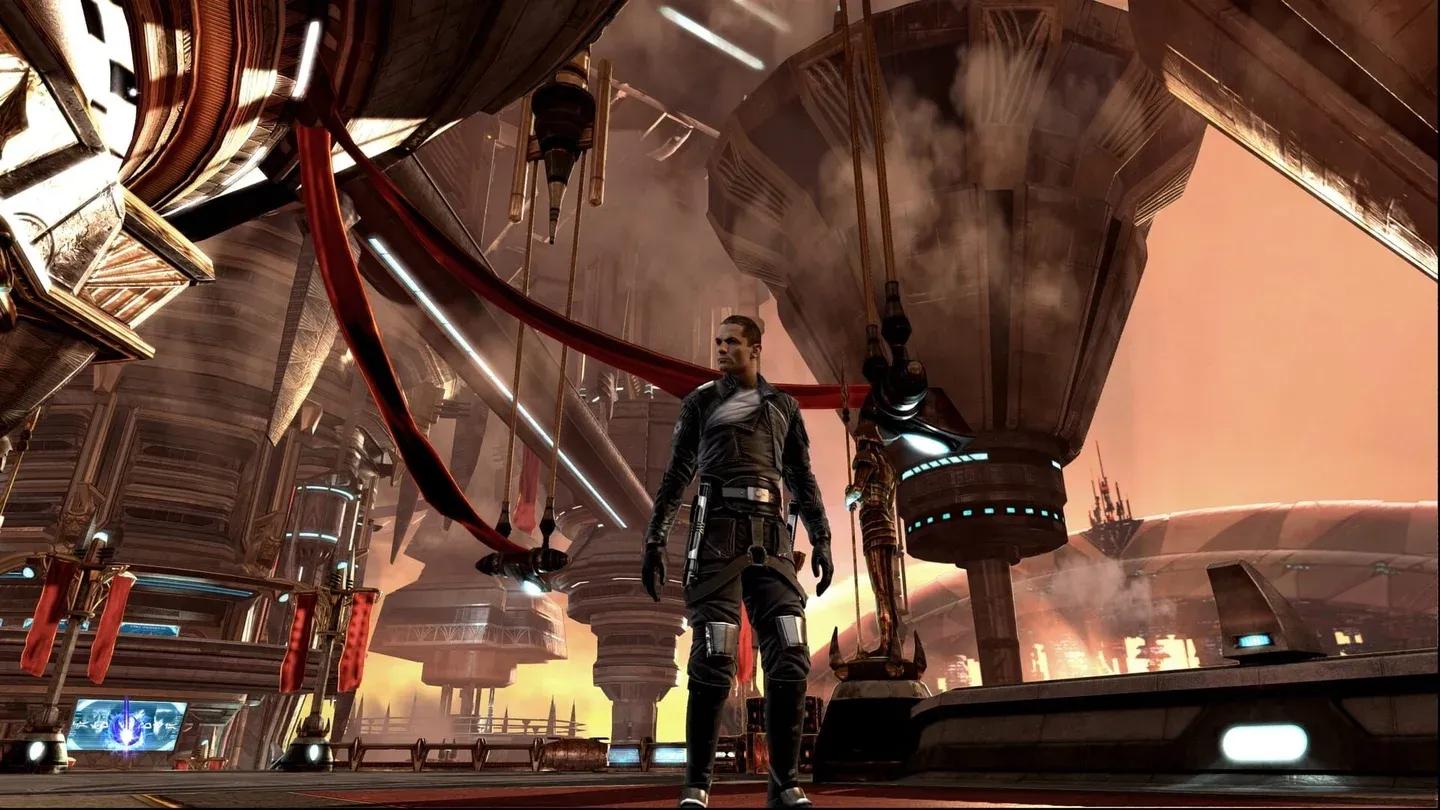
The game visits several locations pulled directly from the Star Wars films, including Kamino, the ocean-covered cloning planet where Starkiller's story begins. Each environment is built to feel distinct, shifting between the sterile white corridors of Imperial facilities and the chaotic urban sprawl of Cato Neimoidia. LucasArts used the Ronin engine to push detailed character models and destructible environments, and the visual fidelity holds up as a snapshot of what the hardware could do at the time.
The story threads through these locations with a focus on Starkiller's psychology. His obsession with Juno Eclipse and his uncertainty about his own origins give the game an emotional anchor that separates it from a straightforward hack-and-slash. Yoda, Boba Fett, and other recognizable faces appear, grounding the original narrative inside the broader Star Wars timeline.
Does The Force Unleashed II hold up as a Star Wars action game?
For players who want a Star Wars power fantasy with genuine combat depth, the answer is yes. The dual lightsaber system gives the fighting a momentum that the first game's single-blade style couldn't match, and the Force ability upgrades keep the pacing from going stale. The campaign runs shorter than many action games of its era, sitting around six to eight hours on a standard playthrough, which drew criticism at launch. But the density of spectacle within that runtime is hard to argue with.
Star Wars: The Force Unleashed II content image
The Force Unleashed II is available on PlayStation, Xbox, PC via Steam, Nintendo Switch, and iOS, making it accessible across a wide range of platforms for anyone returning to it or discovering it for the first time. The Switch version in particular benefits from the portability, given the game's level-based structure suits shorter play sessions. For Star Wars fans who want lightsaber combat that actually feels like it has weight, this remains one of the cleaner examples the franchise has produced.