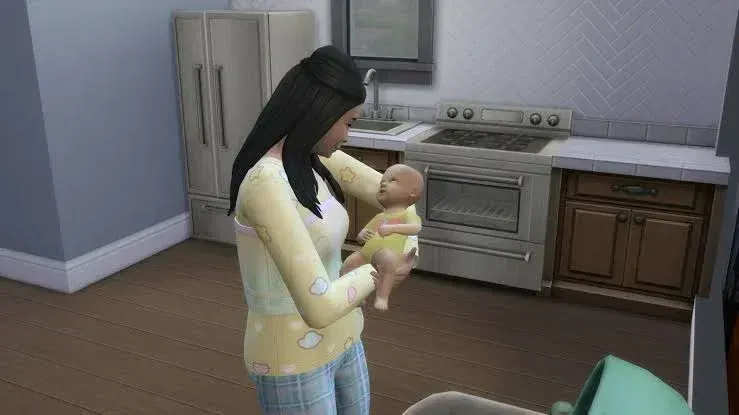


A complete Sims 4 infant guide covering milestones, quirks, and gear like the play mat and infant carrier to help raise a baby Sim right.
Raising an infant in The Sims 4 isn't as simple as it used to be. Since the Growing Together expansion added the infant life stage overhaul, babies no longer sit up or crawl the moment they age up from a newborn. They have to earn those skills through milestones, and they'll pick up random quirks along the way that make caregiving more of a juggling act. Here's how to raise an infant Sim without losing a whole afternoon to it.
How Milestones Work
Milestones are split into five categories: Gross Motor, Fine Motor, Life, Social, and Firsts. Gross Motor and Fine Motor are the ones that actually matter for gameplay, since they unlock new abilities and independence for the infant. Life, Social, and Firsts milestones are more for flavor and usually happen naturally just by playing normally.
The info panel always shows the next milestone an infant is working toward, greyed out until it's reached. Hovering over it gives a hint on how to get there, making it easy to stay on track without guessing.
Gross Motor Milestones
Gross Motor milestones give a Sim a head start on the Movement skill once they age into a toddler. They must be hit in order, starting with Lifted Head and working through Rolled Over to Back, Rolled Over to Tummy, and Learned to Creep , all of which come from practicing Tummy Time (found under Friendly > Activities).
After that comes Learned to Sit Up, unlocked through Practice Sitting, which also opens up the Fun motive and lets the infant sit in a high chair. Learned to Dance can be picked up by playing music near the infant or teaching them to dance at a stereo, and it's optional , infants can skip straight from sitting up to Learned to Crawl through Practice Crawling.
The final milestone, Pulled to Stand, comes from Practice Standing.
Fine Motor Milestones
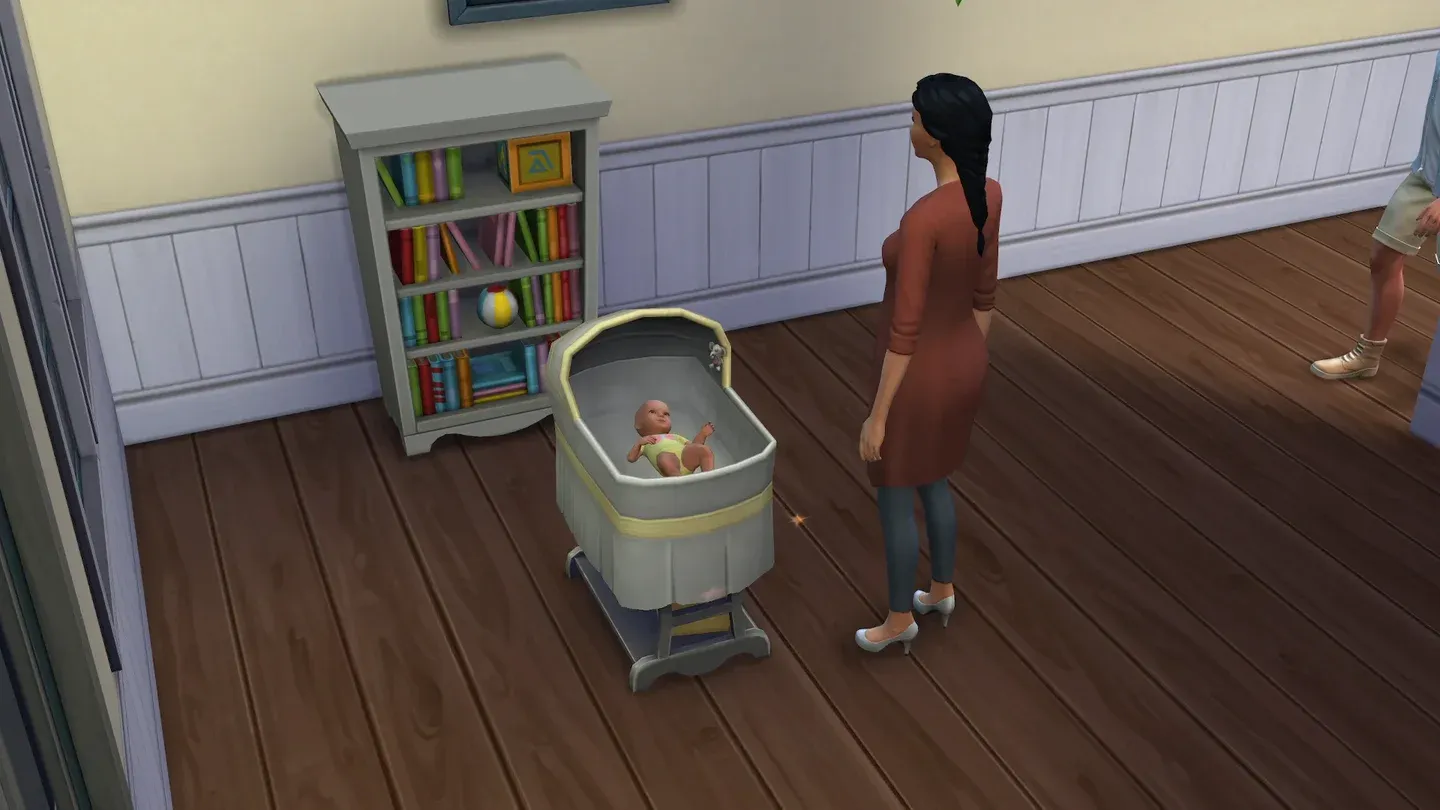
Fine Motor milestones set an infant up with early progress in the Thinking skill. Learned to Reach and Learned to Grab both come from using the infant play mat, and reaching Grab unlocks toy interactions on the mat itself. Put Toe in Mouth tends to happen while playing with toy box toys, dollhouses, blocks, or the play mat.
Learned Pincer Grasp comes from exploring mashed baby foods in a high chair, and it unlocks finger foods afterward. Learned to Clap and Learned to Wave can happen in either order, both driven by regular talking and playing with the infant.
Social Milestones
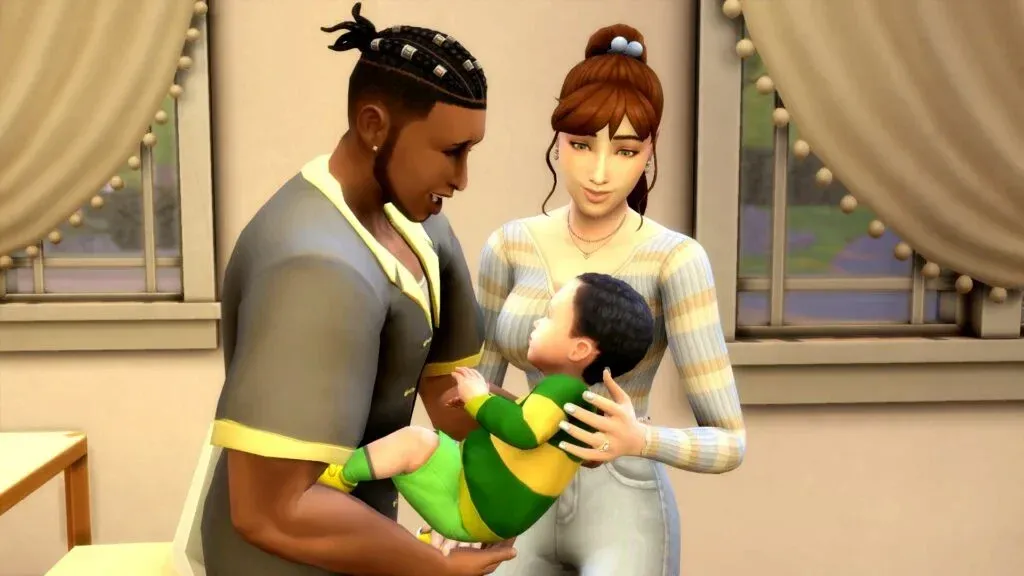
Social milestones build up early communication skill and mostly progress through consistent interaction. First Smiled happens automatically right when the infant ages up. From there, talking frequently leads to Learned to Coo, Learned to Babble, and eventually Said First Word. Learned to Laugh tends to show up after the Grab milestone once toys are in the mix. Learned to Blow a Raspberry and Learned to Blow a Kiss can happen somewhat randomly, though demonstrating the action helps. Learned Peek-a-Boo just needs the peek-a-boo interaction played regularly.
Life and Firsts Milestones
These two categories aren't required for unlocking anything , they're there to mark memorable moments. Life milestones cover events like being Born or Born at a Hospital, plus family changes like a new sibling or pet. Firsts milestones include things like First Visitors, First Family Visit, First Trip to the Park, First Bath, First Baby Food, and even random ones like First Diaper Blowout or Peed on Caregiver.
Slept Through the Night is worth chasing early since it makes nighttime routines a lot smoother once it's unlocked.
Infant Quirks
On top of milestones, infants can pick up random quirks through regular gameplay , up to three at a time. Some are just charming habits, like Loves Being Held or Little Babbler, while others make caregiving trickier, like Gassy or Frequently Hiccups. There's no way to force a specific quirk, since they develop naturally based on what the infant experiences. Knowing what to expect helps players plan around them , for example, using a back carrier for a Snuggly Sleeper infant who struggles to nap anywhere else.

Gear Worth Getting
A few objects make infant care noticeably easier. Here's a quick breakdown of the most useful items:
Raising an infant takes patience, but working through the milestones in order and keeping the right gear on hand makes the whole process a lot less chaotic. Once the Gross and Fine Motor milestones are cleared, the infant is ready to age up into a toddler with a solid head start already built in.