



Biggest discounts, free games, and limited-time offers across every major gaming store.
Never pay full price again.
Overview
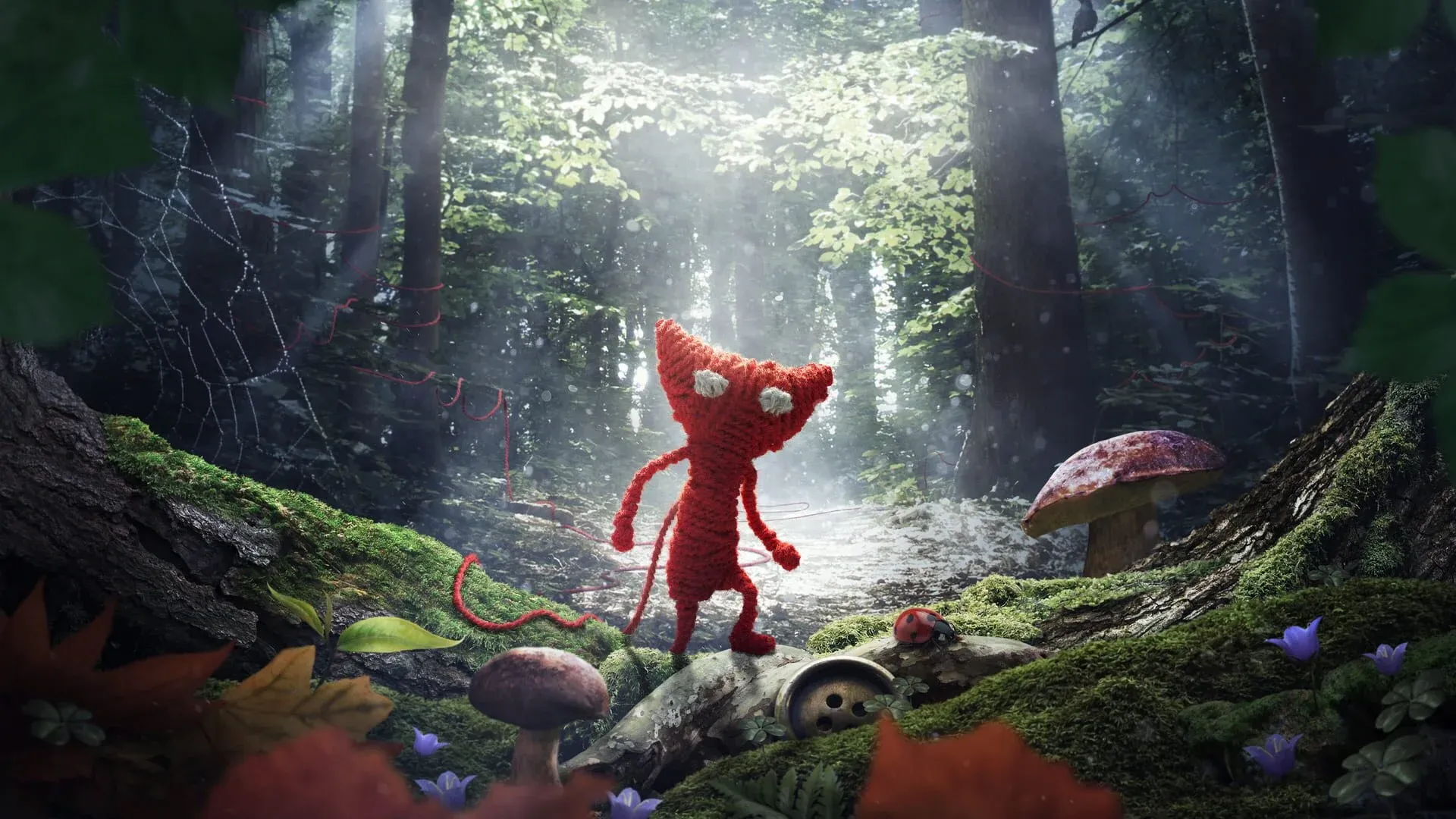
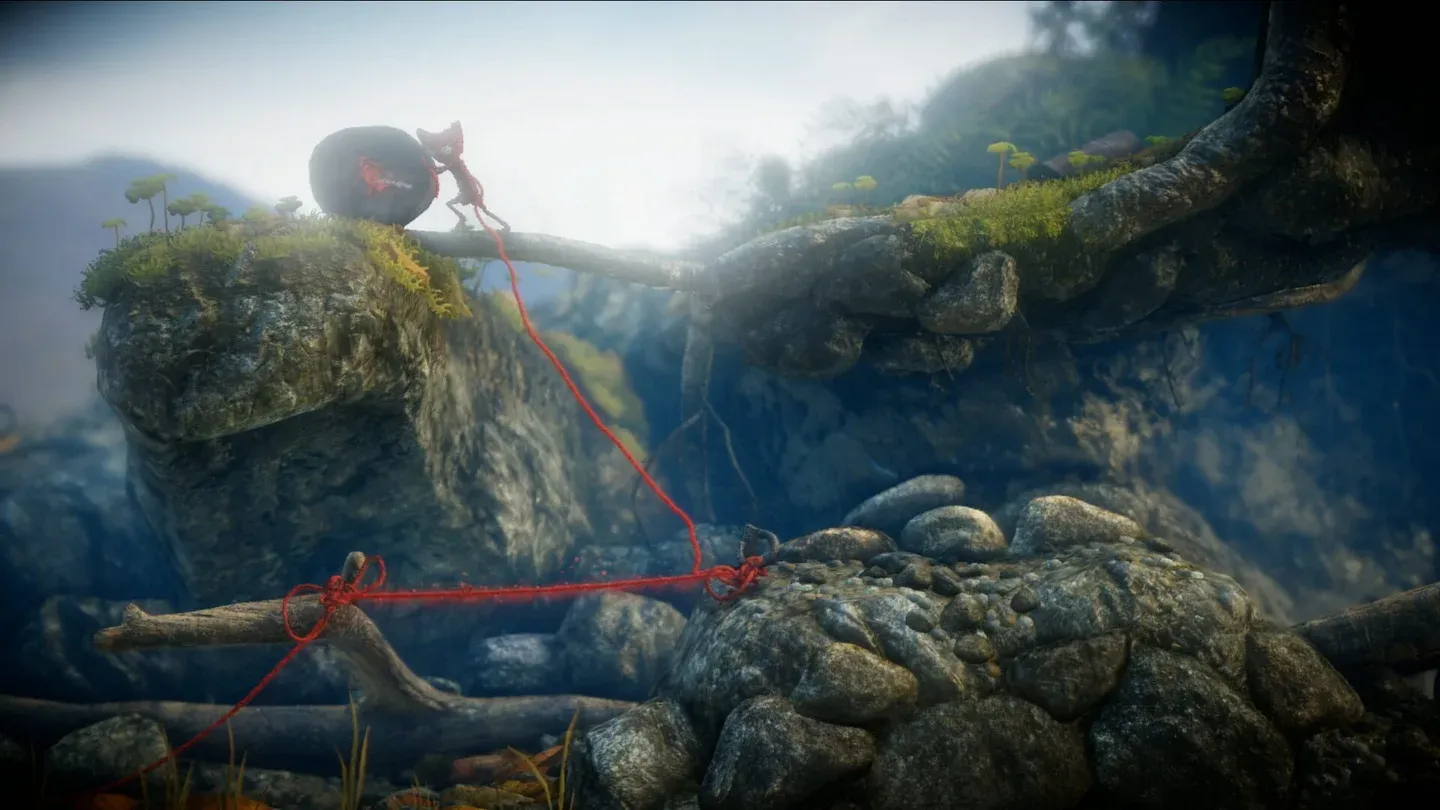
Unravel puts you in control of Yarny, a small figure literally stitched together from a single red thread. The premise sounds simple, but Coldwood Interactive built an entire puzzle platformer around that thread, using it as a rope, a lasso, a bridge, and a lifeline depending on what each level demands. The game draws visual and emotional inspiration from Northern Scandinavia, and that influence shows in every mossy rock, frozen lake, and sun-dappled forest path.
The story unfolds without dialogue. Yarny moves through a series of environments tied to memories of a family, each level representing a chapter in a life. There are no cutscenes with talking heads, no text dumps. The emotion comes entirely from the environments, the music, and the way Yarny physically reacts to the world around him. It is a quieter kind of storytelling that lands harder than most games with full voice casts.

Unravel content image
Gameplay and mechanics
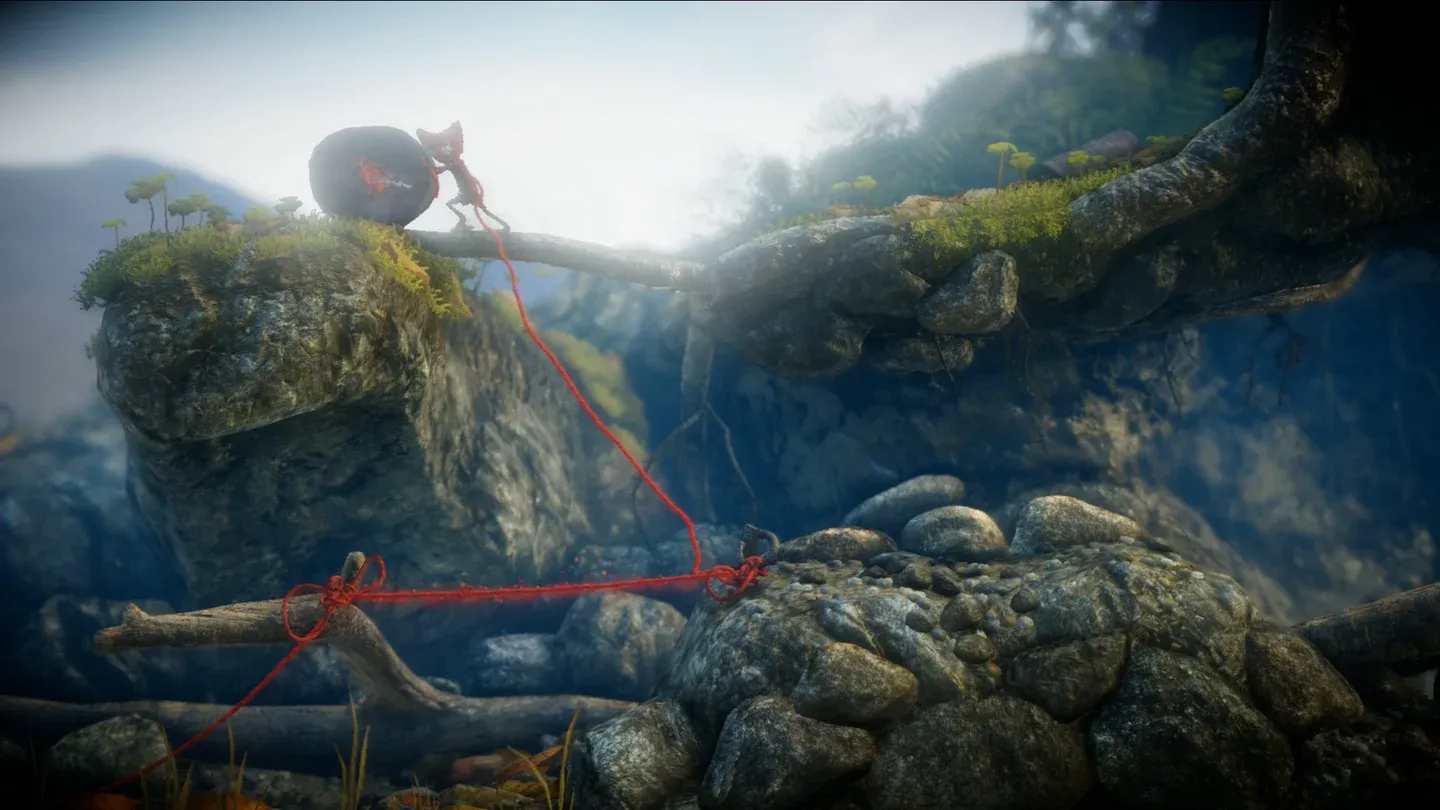
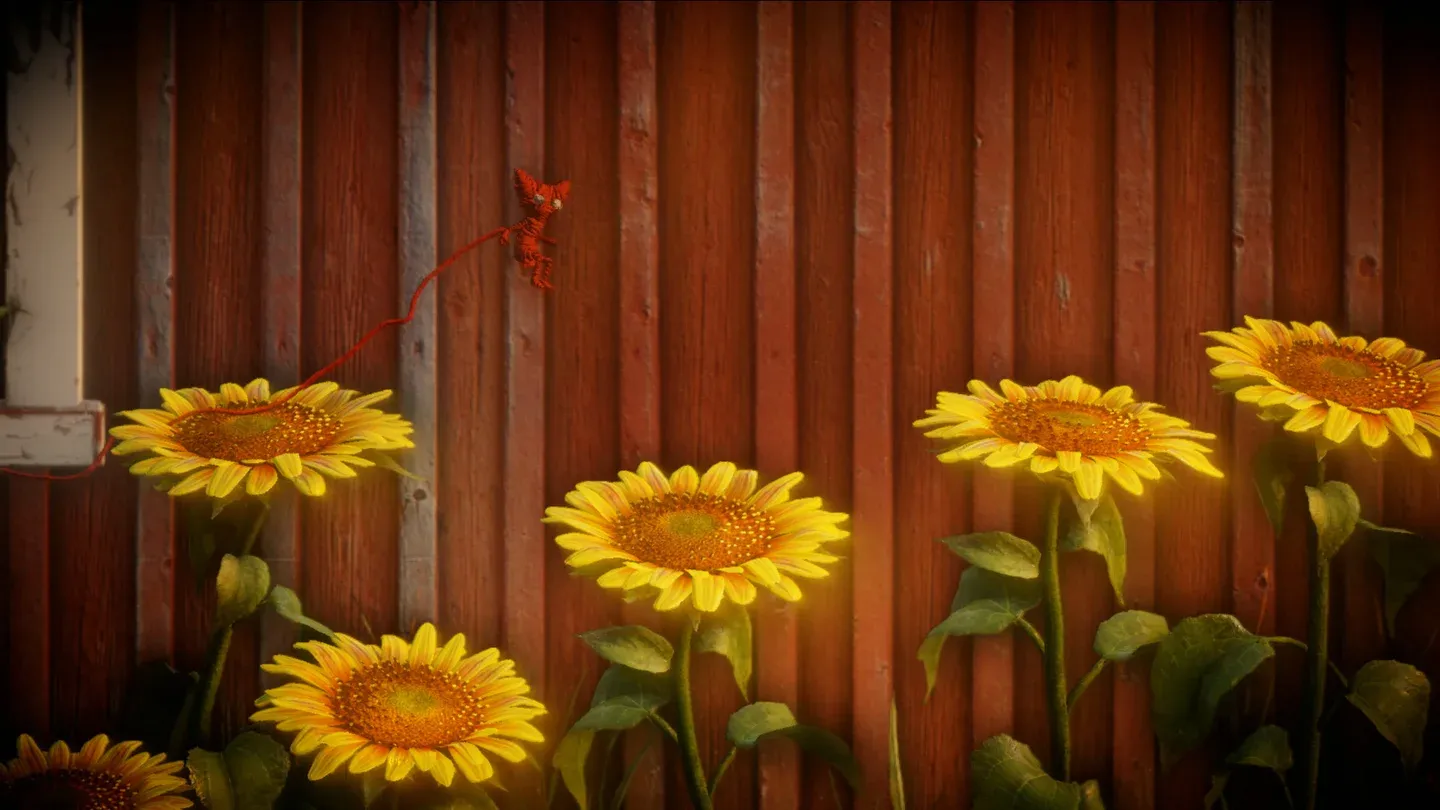
The thread system is the core of everything Unravel does. As Yarny moves through a level, he leaves a trail of yarn behind him, and that trail has a finite length. Running out of thread means backtracking to collect yarn pickups scattered through the environment. The mechanic creates a natural tension without ever feeling punishing.
Unravel content image
Key gameplay elements include:
- Thread as a physics rope for swinging
- Yarn bridges built between anchor points
- Pulling and bundling objects to solve puzzles
- Momentum-based platforming across natural terrain
- Memory fragments collected to progress the story
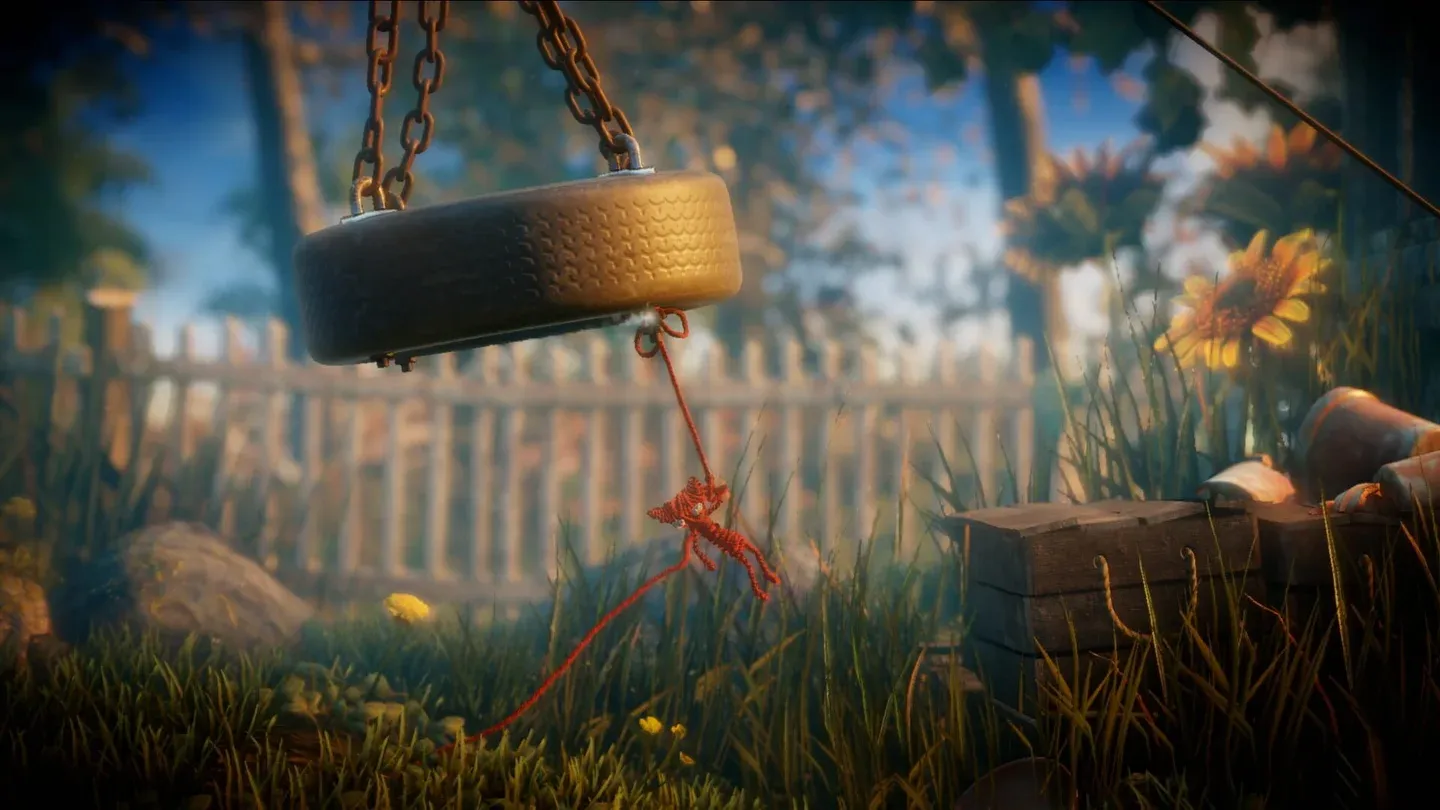
The physics feel deliberate rather than floaty. Yarny has real weight, and the thread behaves consistently enough that solutions to puzzles feel earned rather than accidental. The difficulty sits comfortably in approachable territory, making it accessible without being trivial.
Unravel content image
World and setting
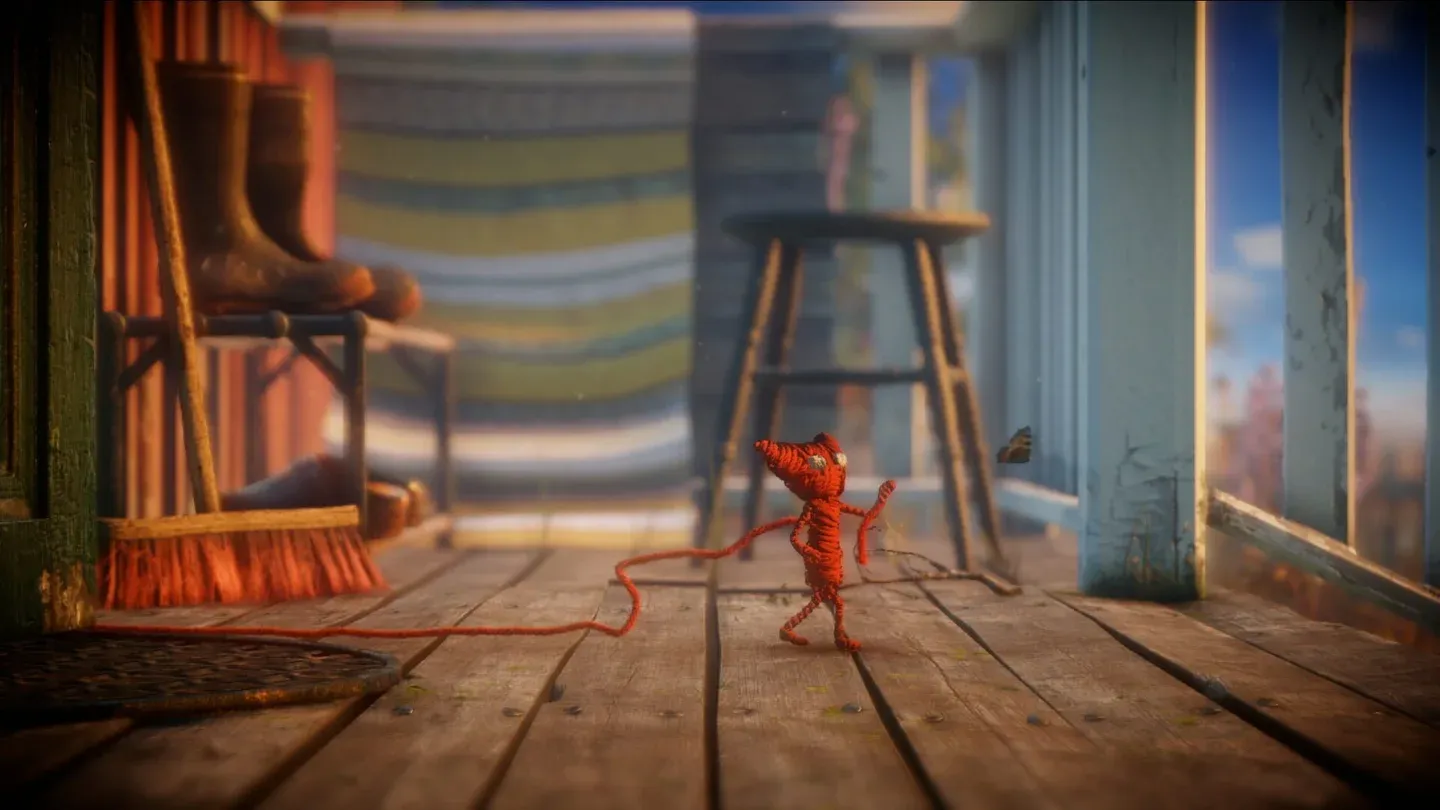
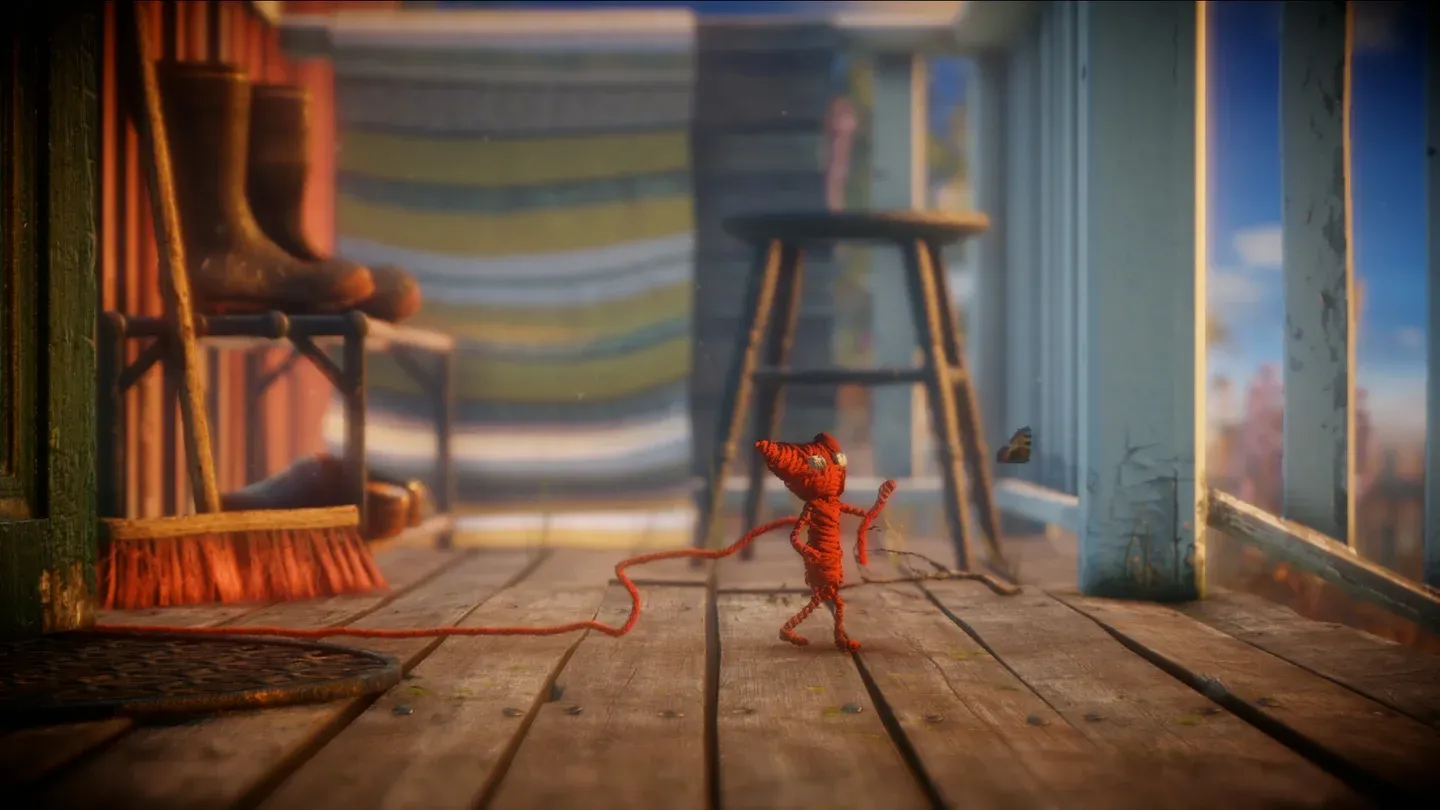
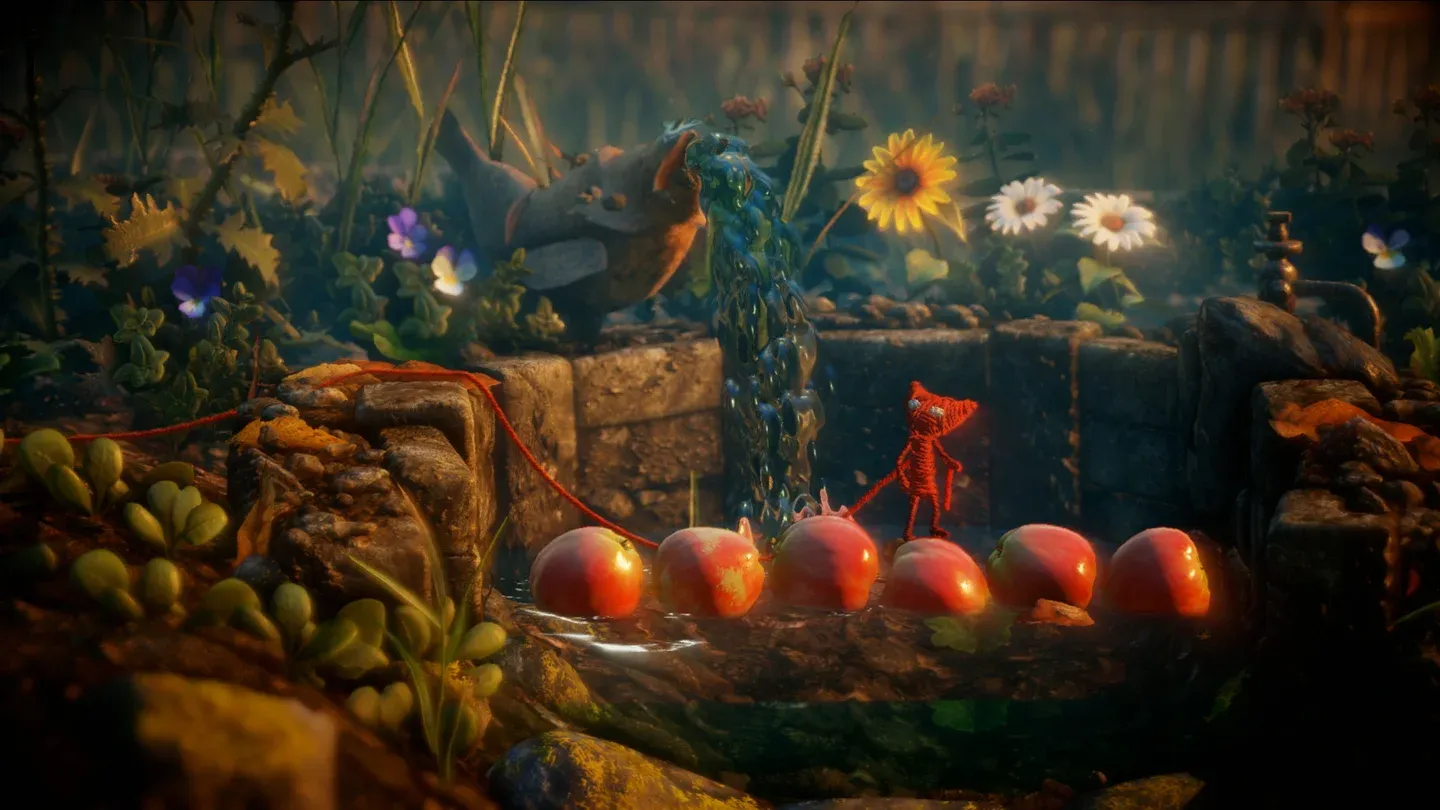
Northern Scandinavia is not a common setting for platformers, and Unravel uses it well. Levels move through seasons and landscapes, from summer meadows thick with grass to icy winter scenes where Yarny slips across frozen surfaces. The scale is worth noting: everything is enormous relative to Yarny, turning a backyard fence into a towering obstacle and a puddle into a genuine hazard.
Unravel content image
The art direction leans on real-world photography as reference, and the result is environments that feel grounded rather than fantastical. Rocks look like rocks. Water behaves like water. That naturalism gives the game a distinct personality compared to the more stylized visuals common to the genre.
Visual and audio design
The soundtrack, composed to match the Nordic setting, uses folk-influenced instrumentation that shifts in tone alongside the on-screen action. Quiet moments get sparse, melancholic pieces. More active sequences pick up in energy without ever becoming intrusive. The audio design overall treats silence as a tool, which suits the wordless storytelling approach.
Visually, Unravel holds up across its platforms. The lighting in particular does heavy lifting, casting long shadows through forest canopies and giving indoor scenes a warm, lamp-lit quality. Yarny himself is expressive despite being made of yarn, with subtle animations that communicate exhaustion, curiosity, and determination without a single line of dialogue.
Is Unravel worth playing in 2026?
Unravel remains one of the more distinctive puzzle platformers in EA's catalog, available on PlayStation, Xbox, PC via Steam and Epic Games Store, and Nintendo Switch. The physics-based thread mechanics hold up, the environments are still genuinely beautiful, and the emotional storytelling through environmental design is something few games in the genre have matched. At its current PlayStation Store price point, it represents strong value for anyone who has not played it. The runtime sits around five to six hours for a standard playthrough, which is compact but focused, with no padding.