Overview
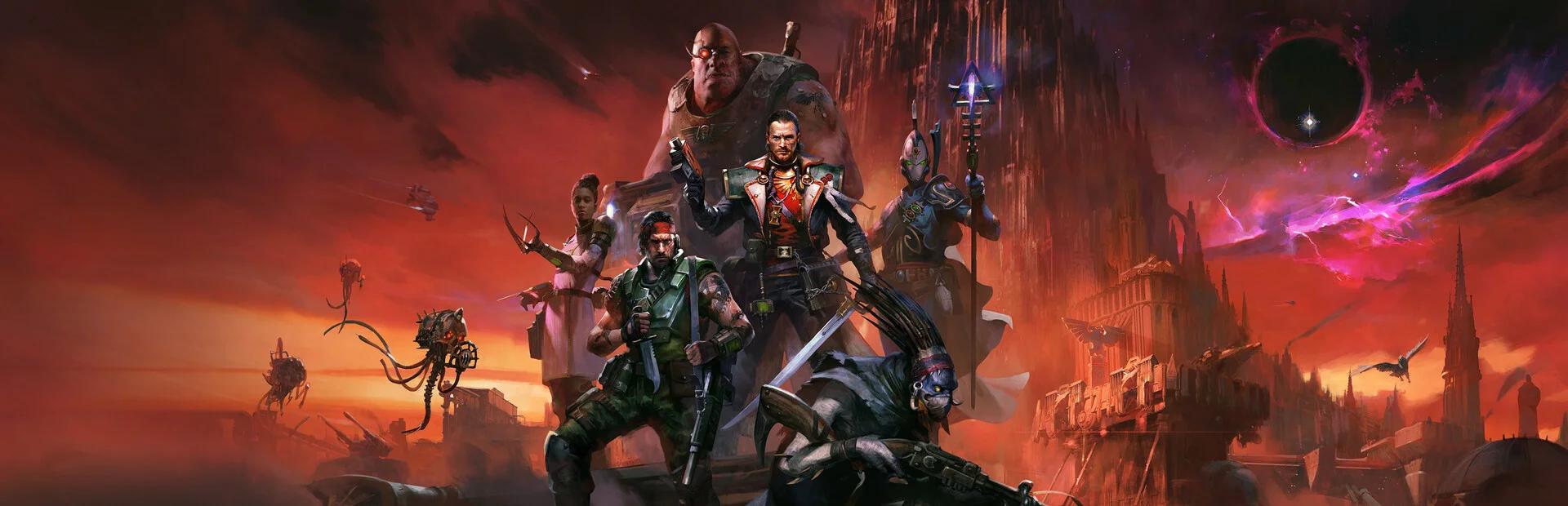
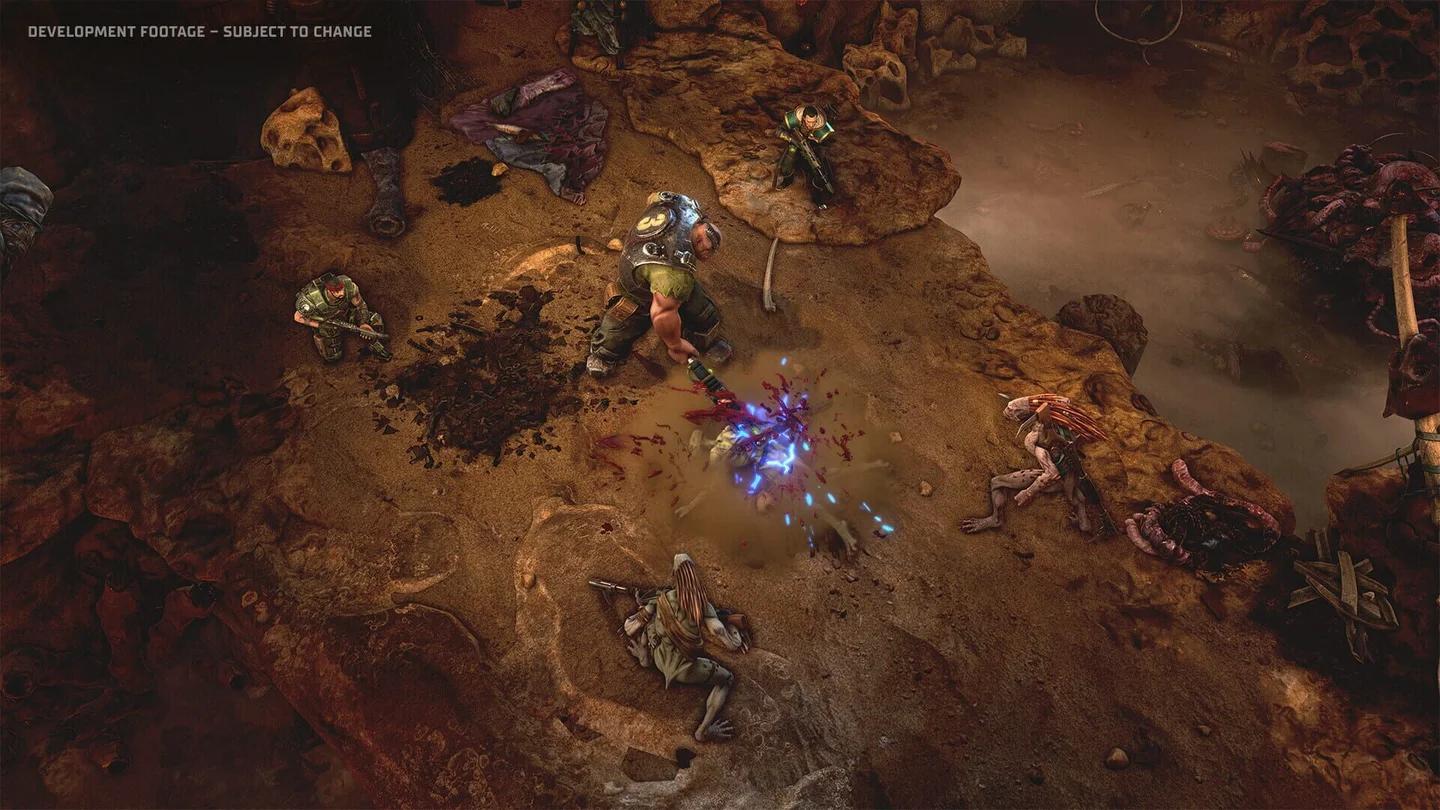
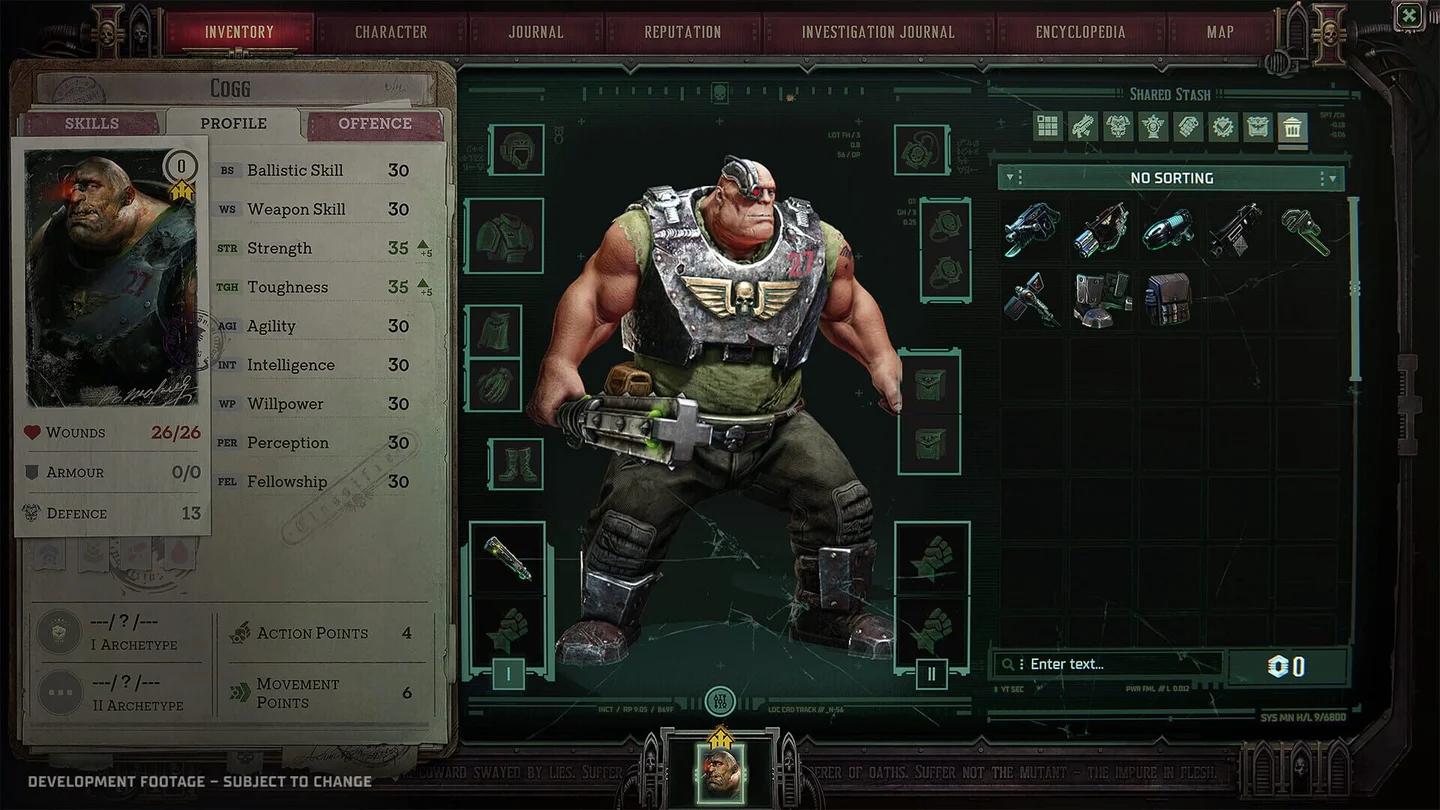
Warhammer 40,000: Dark Heresy is a party-based CRPG developed and published by Owlcat Games. The campaign begins with an acolyte serving the Inquisition, placing the protagonist inside an Imperial institution that treats humanity’s survival as justification for extreme measures.
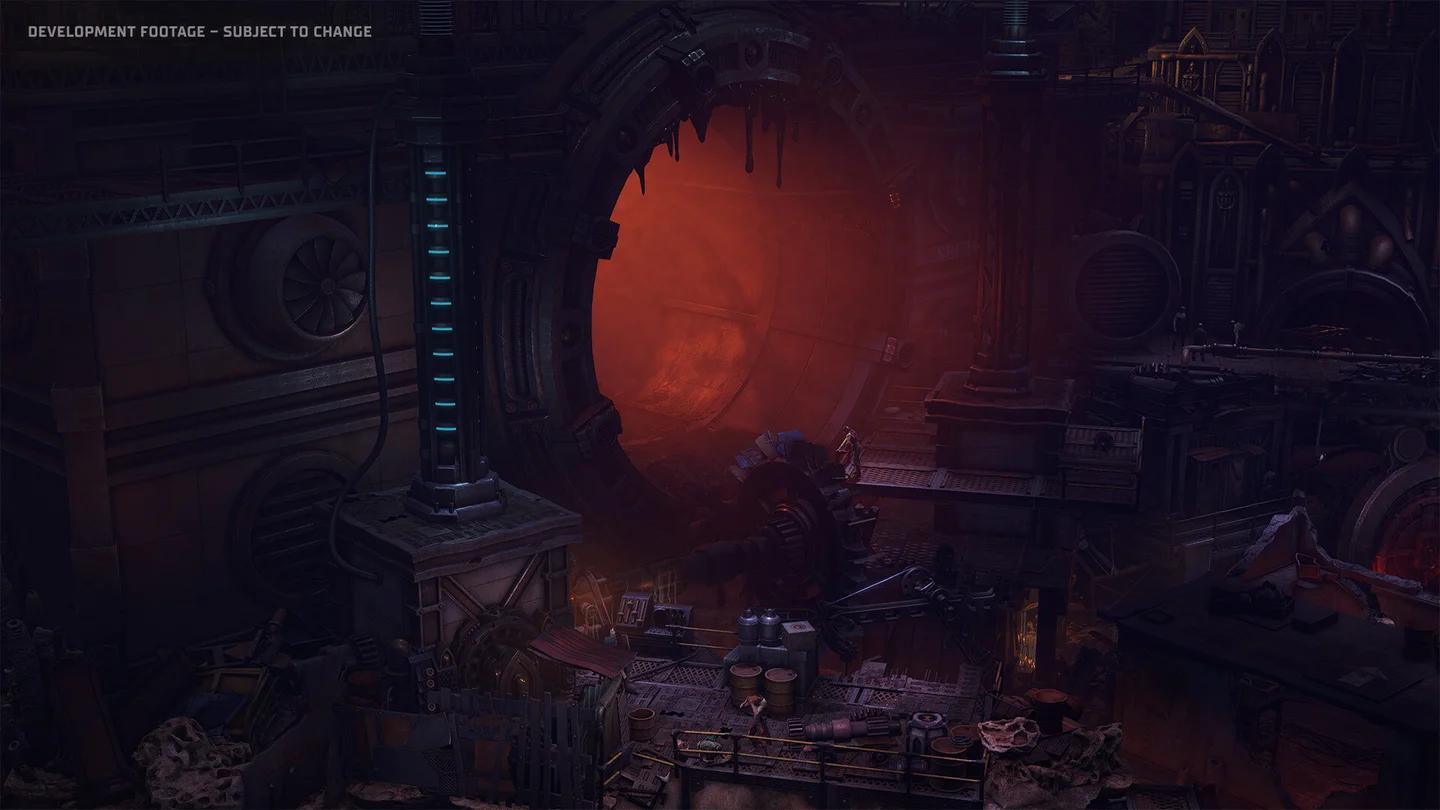
The Calixis Sector provides the setting, with the horrors of the Noctis Aeterna threatening an already desperate region. The mysterious Tyrant Star adds another thread to a story concerned with threats that extend beyond an ordinary military campaign.
The Inquisition itself receives close attention. Its bureaucracy, competing interests, and internal conflicts complicate the exercise of Imperial authority. The organization commands enormous power, but its members do not operate as a single, united force with an uncontested purpose.
How do investigations work?
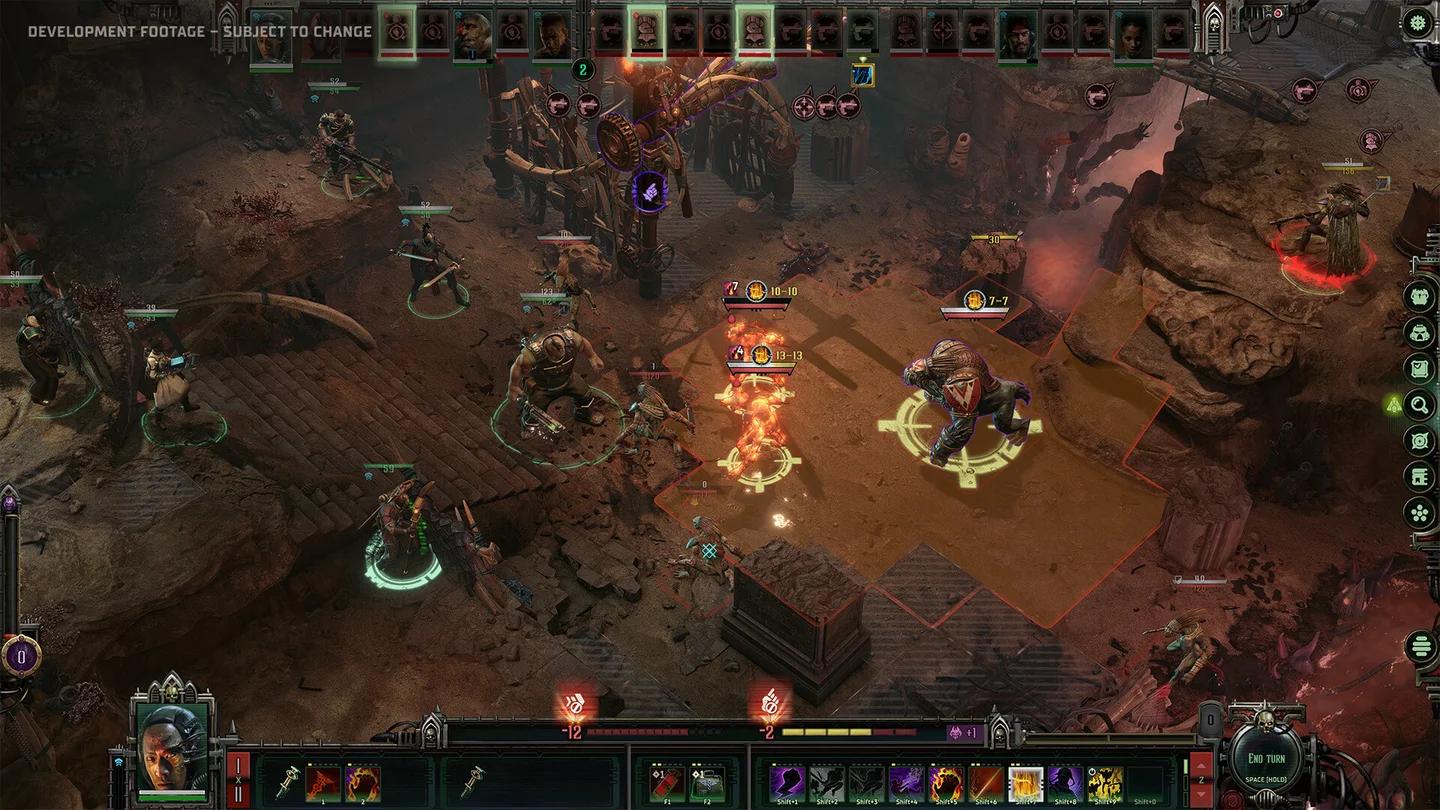
Dark Heresy uses a dedicated investigative system to make exposing hidden threats a central part of its role-playing campaign. Its investigative activities include:
- Interrogating suspects
- Uncovering concealed plots
- Connecting conspiracies
Questioning serves a different purpose from defeating an opponent in battle. The investigator needs to uncover what is happening beneath the surface, pursuing enemies whose influence is not necessarily visible at first. Suspicion and interpretation belong alongside the warband’s weapons.
Story decisions carry consequences within this work. The protagonist acts under a mandate to protect the Imperium from heretics, mutants, and xenos, while confronting the harm that its methods permit. Imperial duty supplies a purpose, without supplying a fair or humane standard of justice.
Companions across Imperial boundaries
The warband includes a veteran Guardsman from Catachan and a Kroot mercenary. Their backgrounds place an Imperial soldier beside an alien ally, creating a concrete tension between the institution’s hostility toward outsiders and the company its agents keep.
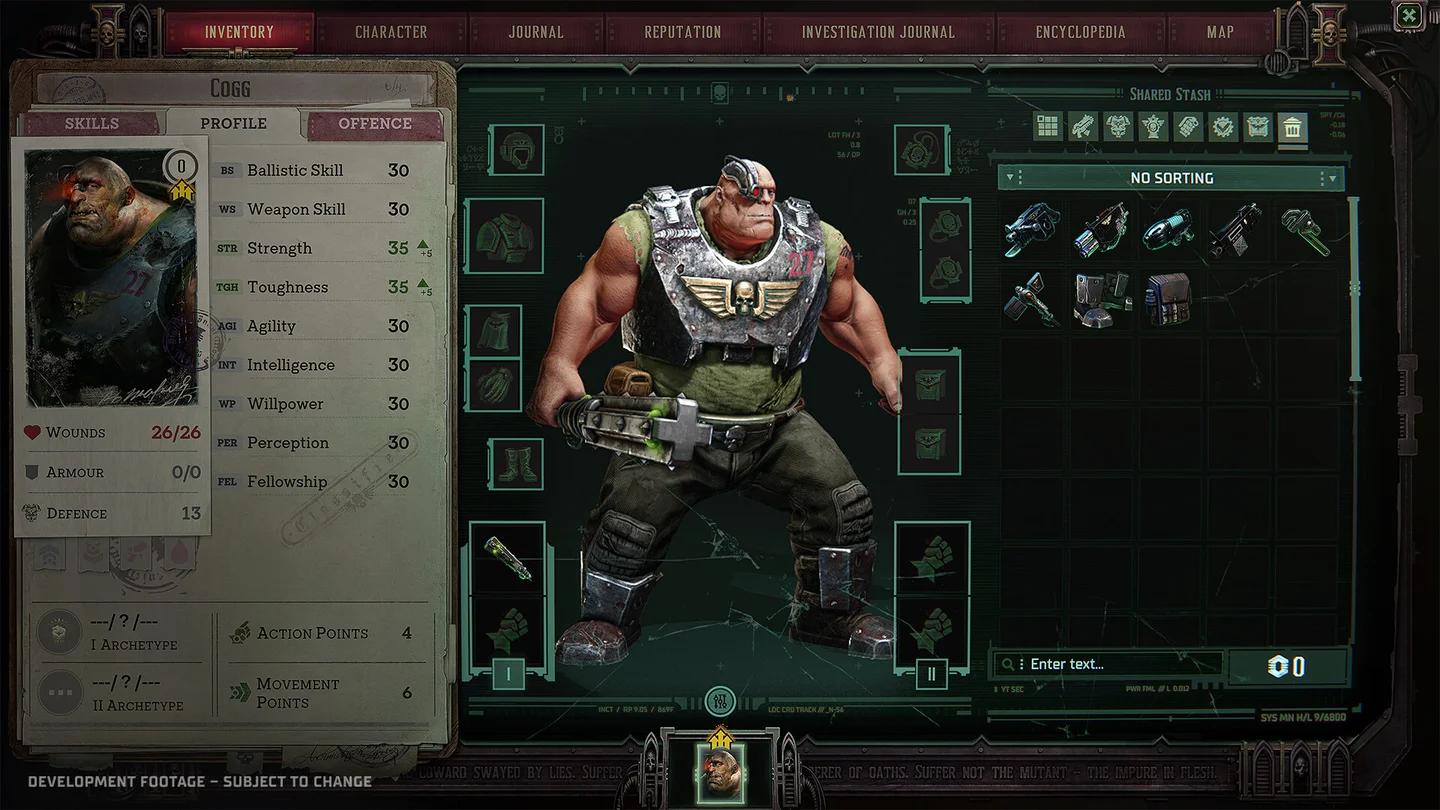
Companions bring distinct gameplay contributions and different perspectives on the story. Party composition therefore has both a mechanical and a narrative dimension: the characters involved matter as combatants and as participants with their own views of events.
Fully voiced companion dialogue gives those perspectives a spoken presence. The group’s identity comes from the contrast between its members, keeping the cast connected to the setting’s divisions instead of treating every recruit as another expression of Imperial loyalty.
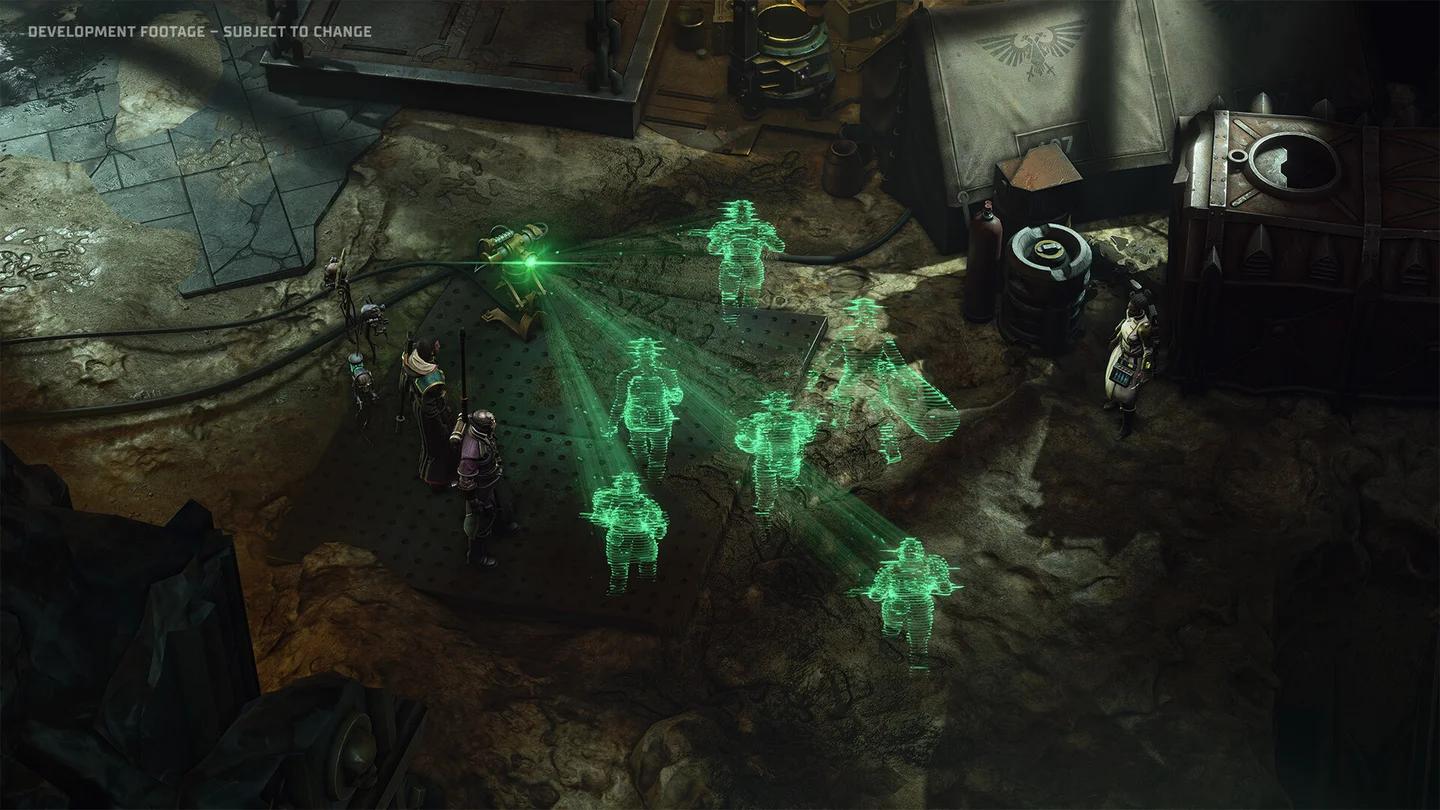
Turn-based combat and individual morale
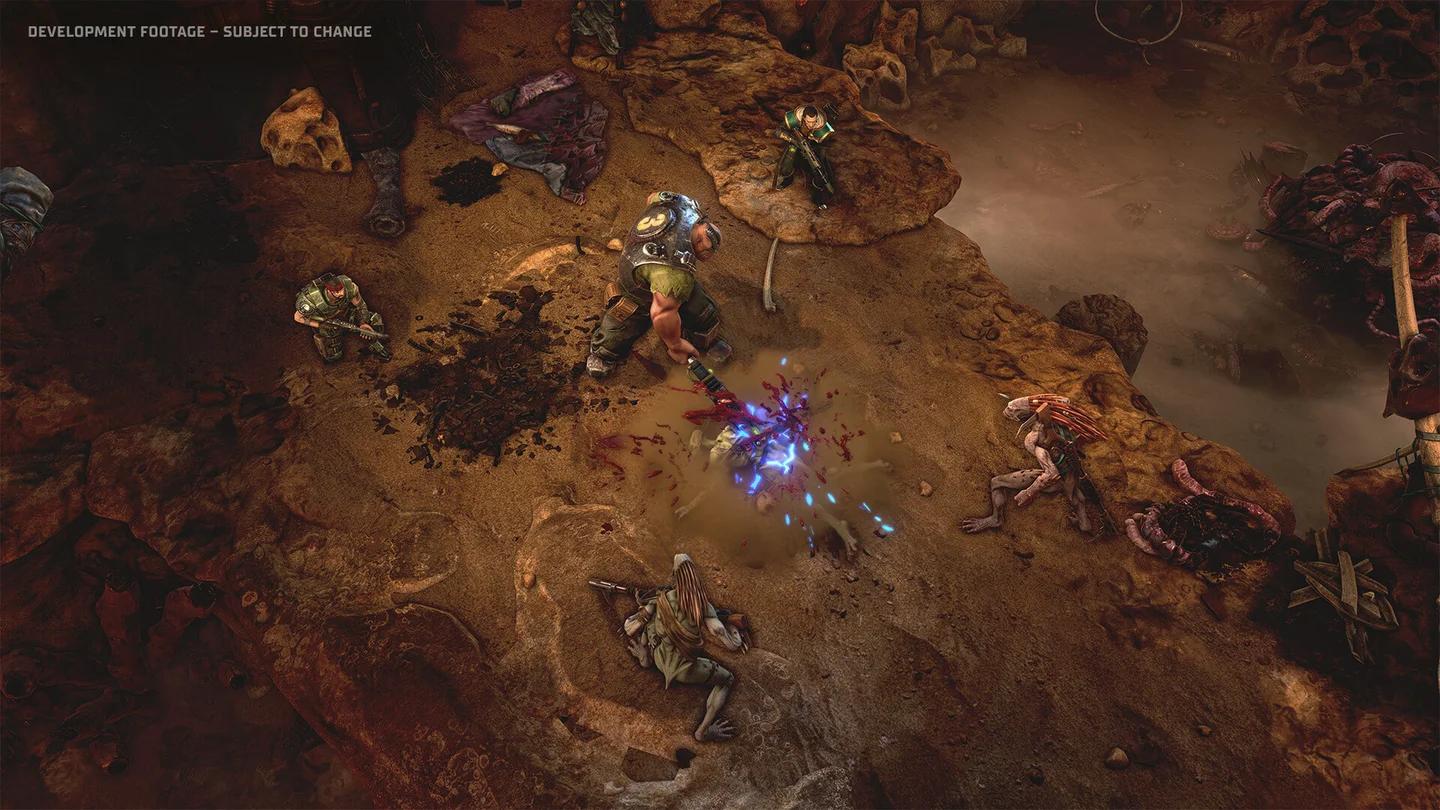
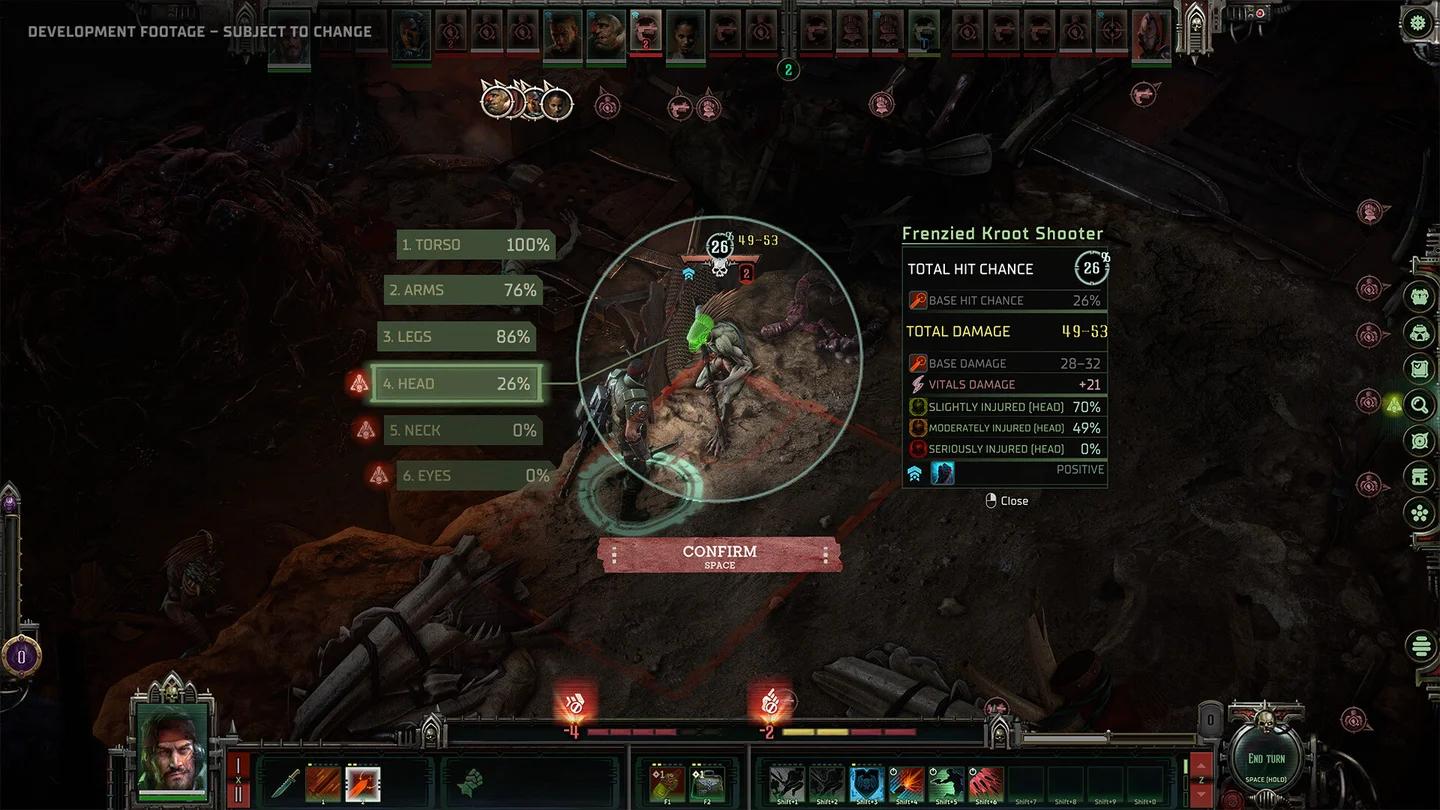
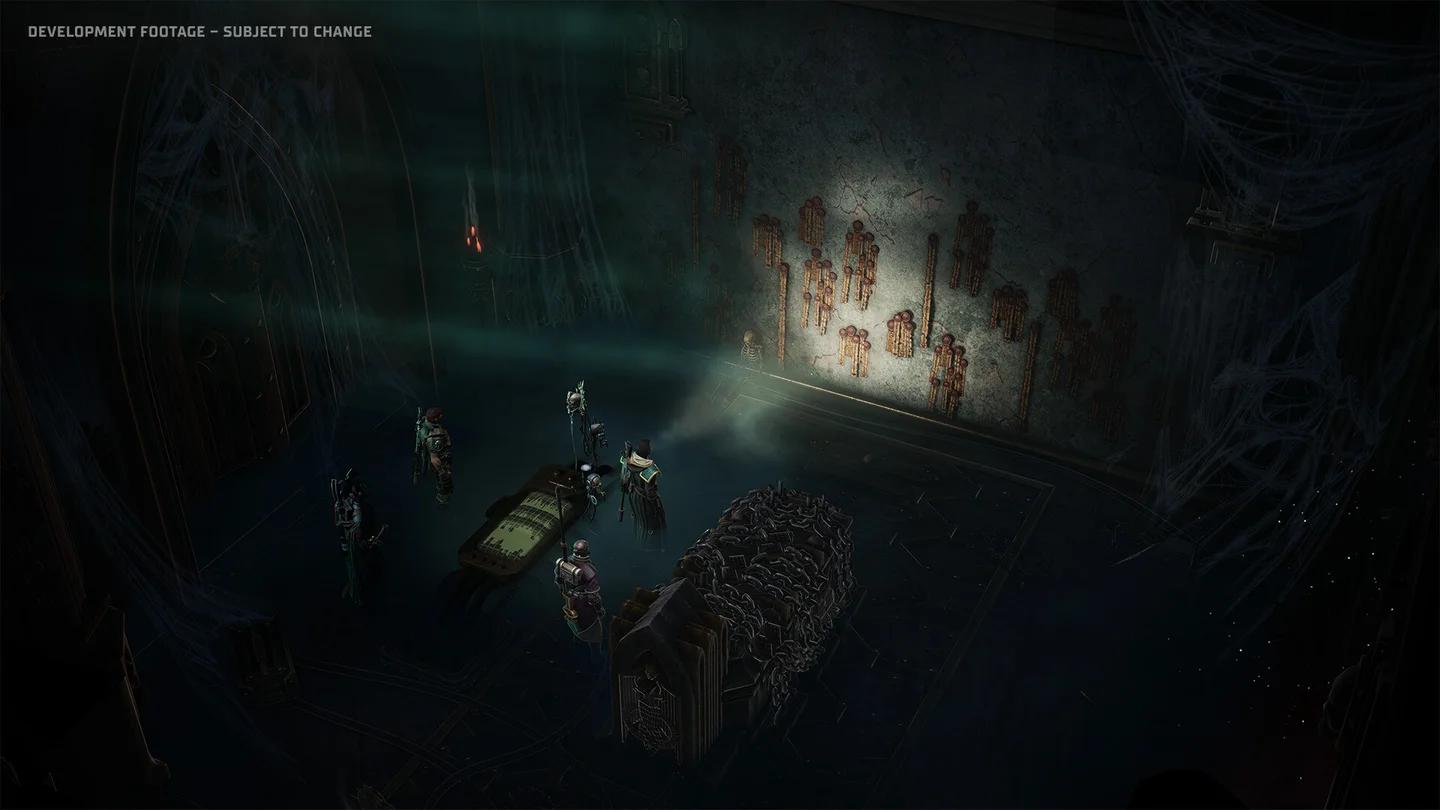
Combat follows a turn-based structure that emphasizes deliberate attacks. Enemy weak points offer specific vulnerabilities to target, making attack selection part of the tactical problem. The objective is to identify where the warband can apply force most effectively.
Morale operates at the individual party-member level. Keeping each fighter’s morale high improves combat potential, adding a management concern that sits alongside offensive decisions. A warband’s effectiveness depends on the condition of its members as well as the opportunities presented by its opponents.
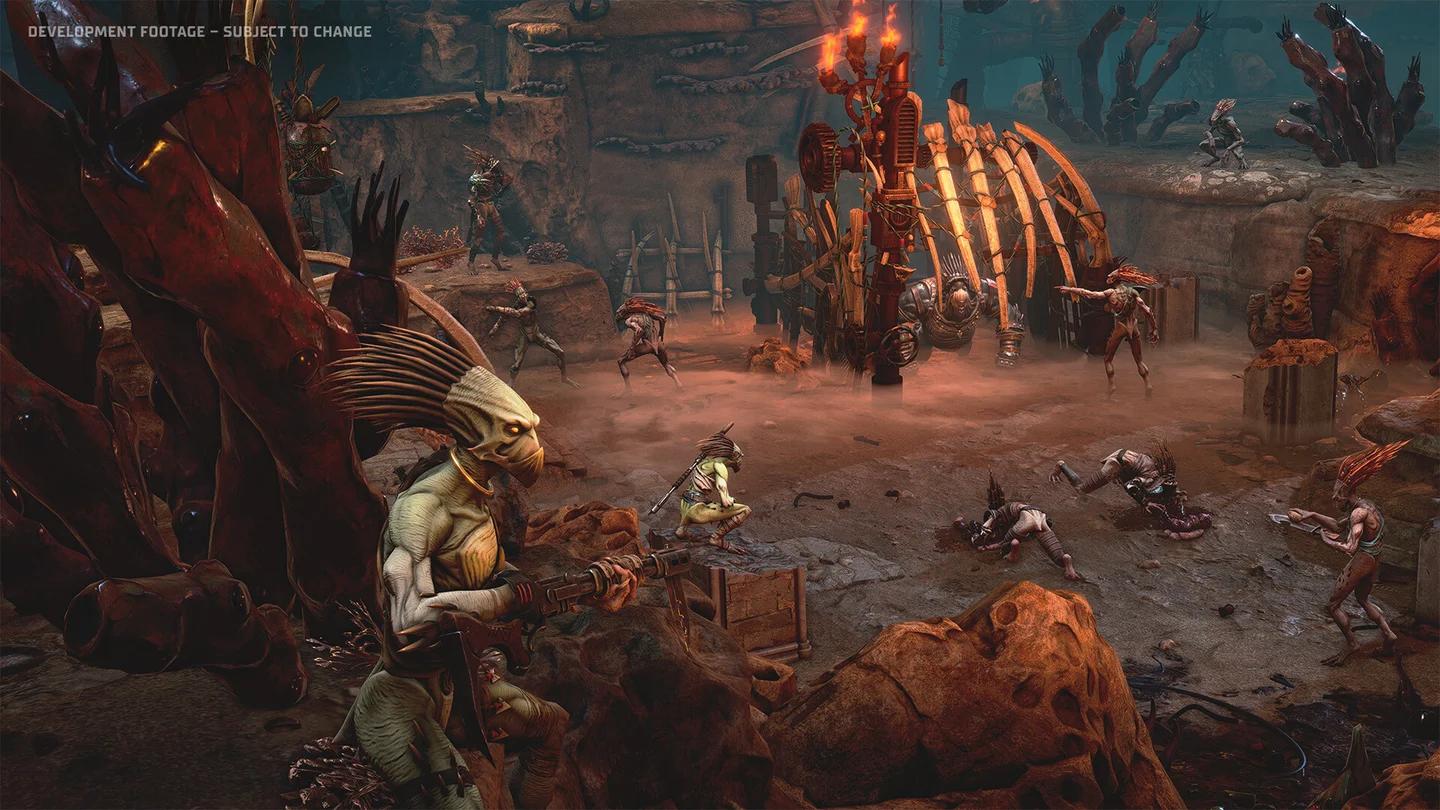
These mechanics connect the companion-driven campaign to its tactical RPG battles. The cast remains central when conversations end: individual fighters require attention, and commanding the group involves balancing its condition against opportunities to exploit the enemy.