
Biggest discounts, free games, and limited-time offers across every major gaming store.
Never pay full price again.
Overview
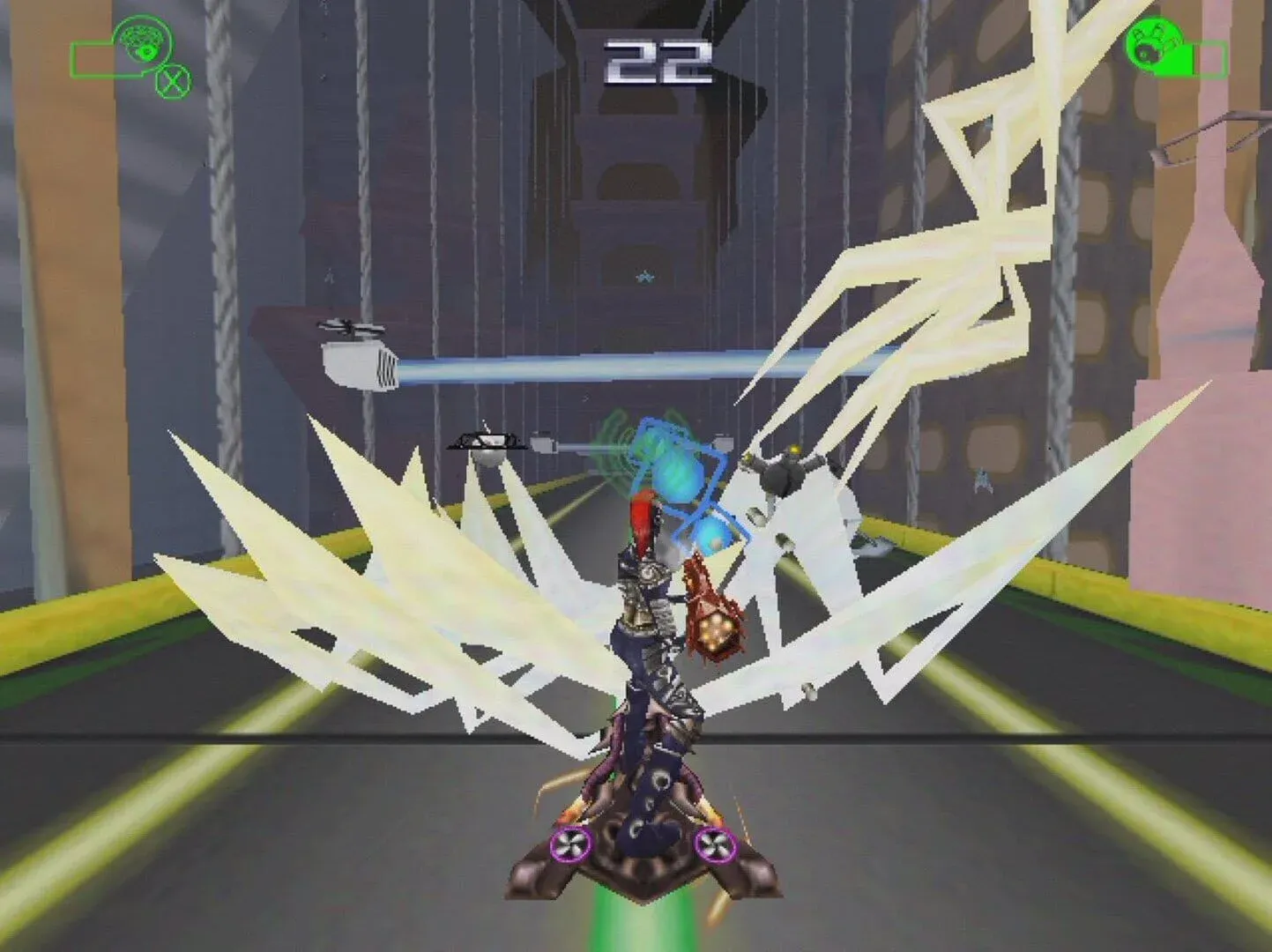
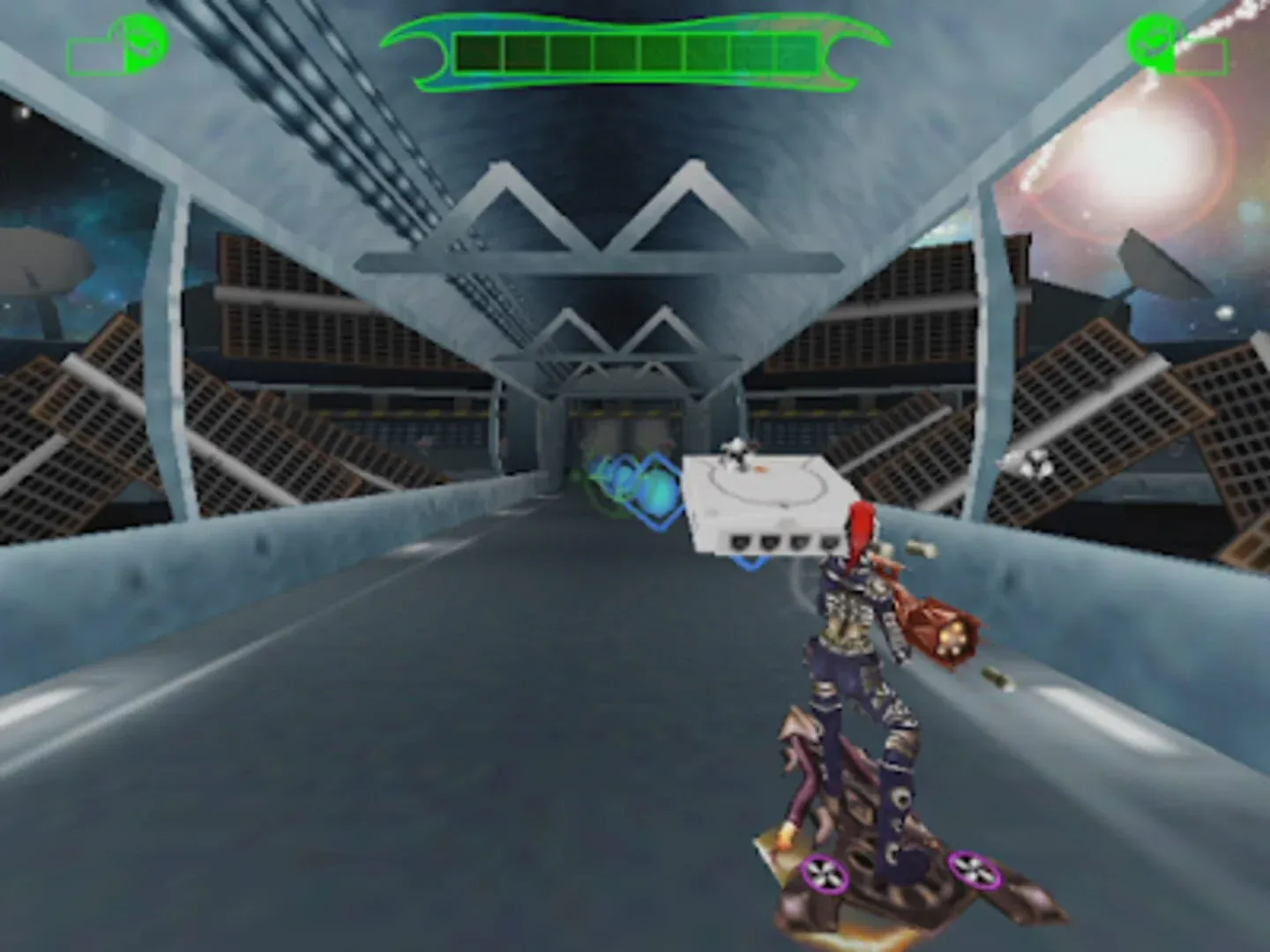
Xenocider is an on-rails shooter developed and published by Retro Sumus, originally conceived as a Dreamcast homebrew project before landing on Steam, Nintendo Switch, PlayStation, and Android. The game strips the genre back to its fundamentals: a fixed camera path, waves of enemies, and the constant pressure to react faster than you think you can. That simplicity is the point.
Retro Sumus was a small indie studio that wore its influences openly. Xenocider sits squarely in the tradition of games like Panzer Dragoon and Space Harrier, where the rail is the stage and your only job is to survive it. The Dreamcast connection is not just aesthetic nostalgia either; the game was genuinely developed as homebrew for that hardware before being ported to modern platforms, which gives it a texture that most retro-inspired shooters never quite capture.
Xenocider content image
Gameplay and mechanics
The core loop in Xenocider is exactly what the on-rails shooter format demands:
Xenocider content image
- Lock-on targeting for groups of enemies
- Dodge mechanics tied to spatial awareness
- Score multipliers built through consecutive hits
- Wave-based enemy patterns that escalate in density
- Boss encounters that test pattern recognition
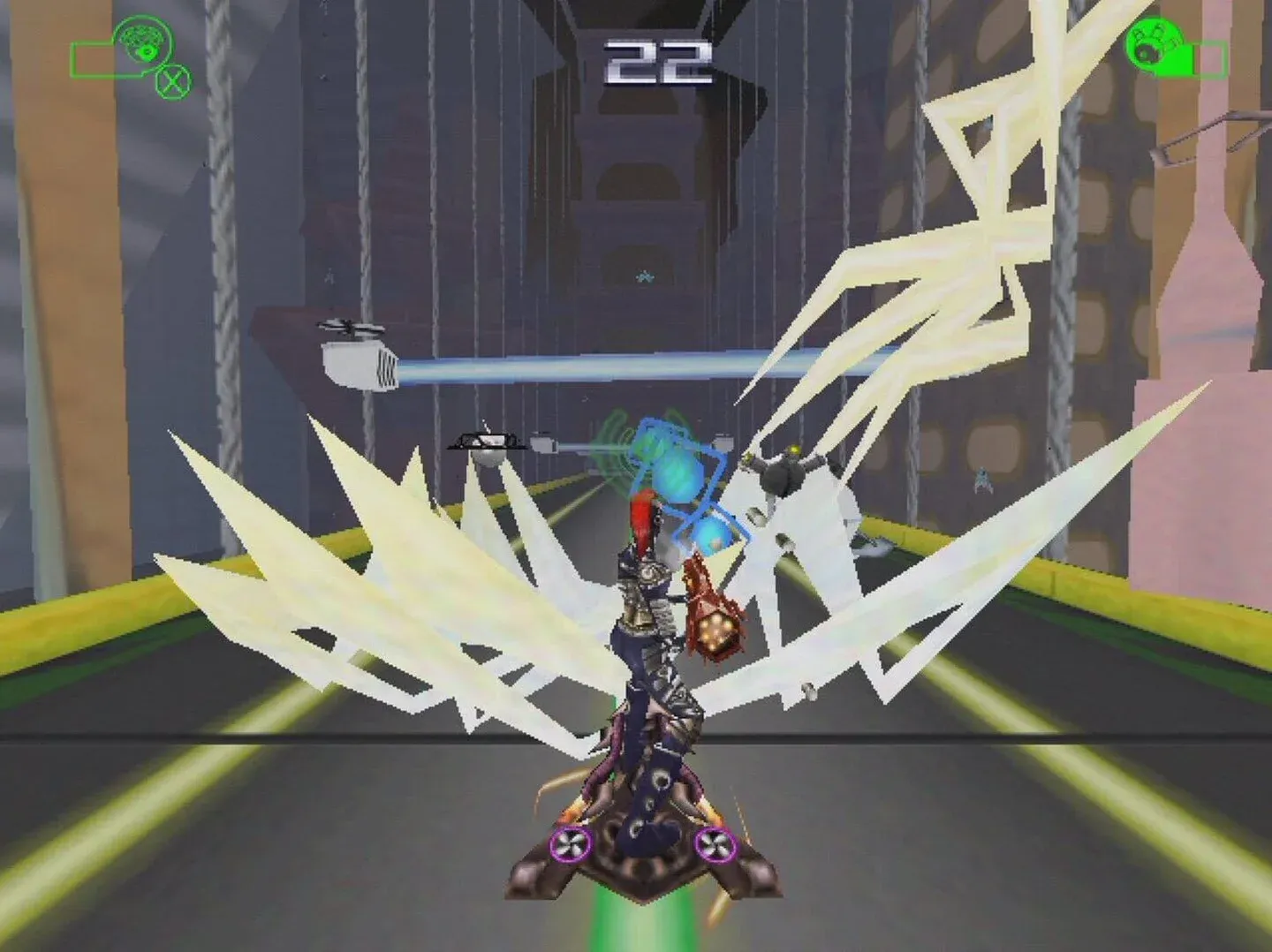
The lock-on system is where the game earns its identity. Rather than rewarding spray-and-pray shooting, Xenocider pushes you to queue up targets efficiently and release volleys at the right moment. Getting that rhythm right feels genuinely satisfying, and losing it under pressure feels like your fault rather than the game's.
Xenocider content image
What makes Xenocider different from other indie shooters?
Most indie shooters that call themselves retro-inspired are really just using pixel art as a shortcut. Xenocider has a more specific pedigree. Starting life as a Dreamcast homebrew project means the game was designed under real hardware constraints, and those constraints shaped decisions that carry over into the modern versions. The result is a game that feels tighter and more deliberate than its small footprint suggests.
The multi-platform release across PC, Switch, PlayStation, and Android also means the control scheme had to work across very different input methods. On Switch in handheld mode, the game translates reasonably well, and the mobile version on Android keeps the core mechanics intact rather than watering them down for touch controls.
Visual and audio design
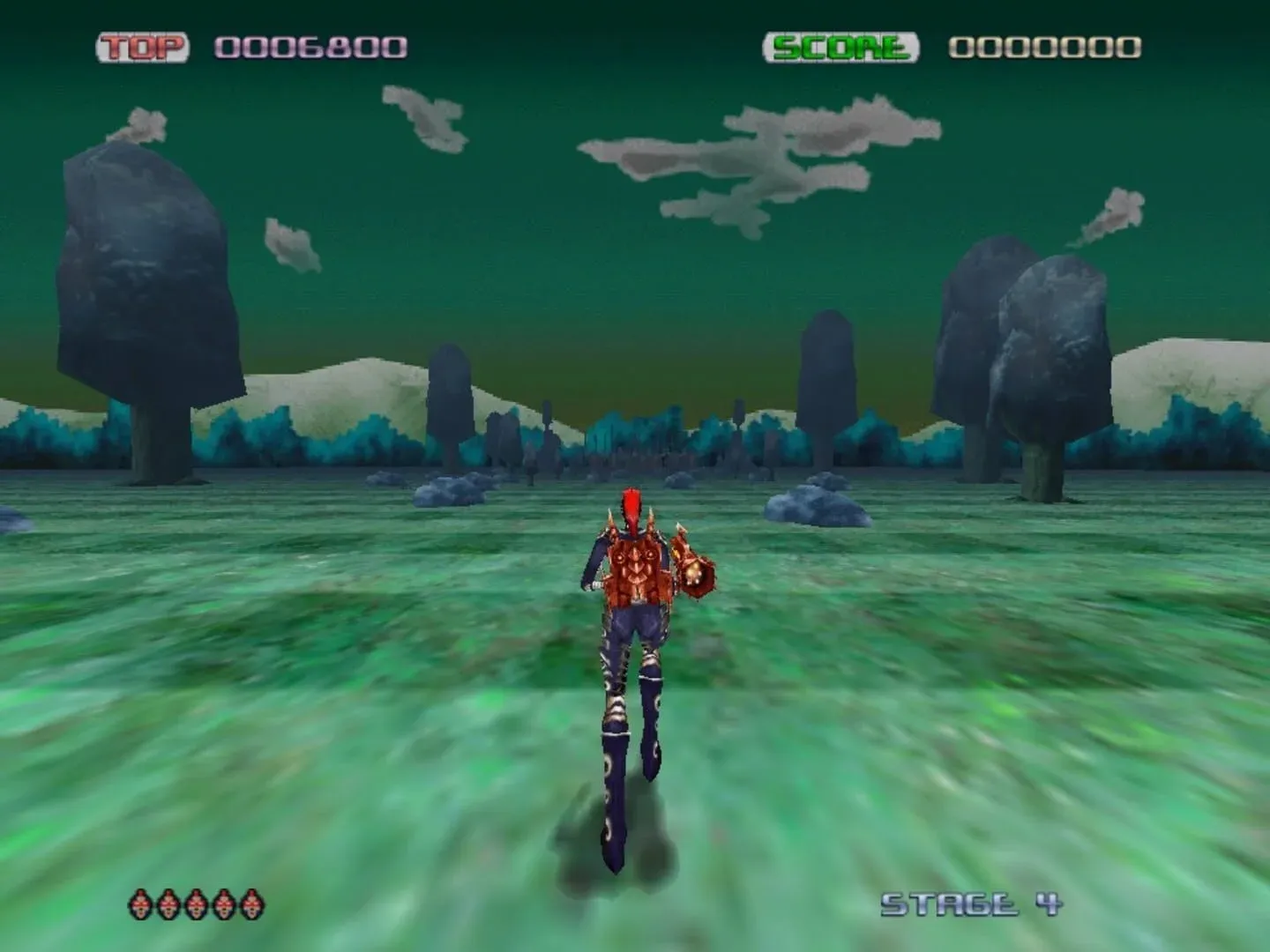
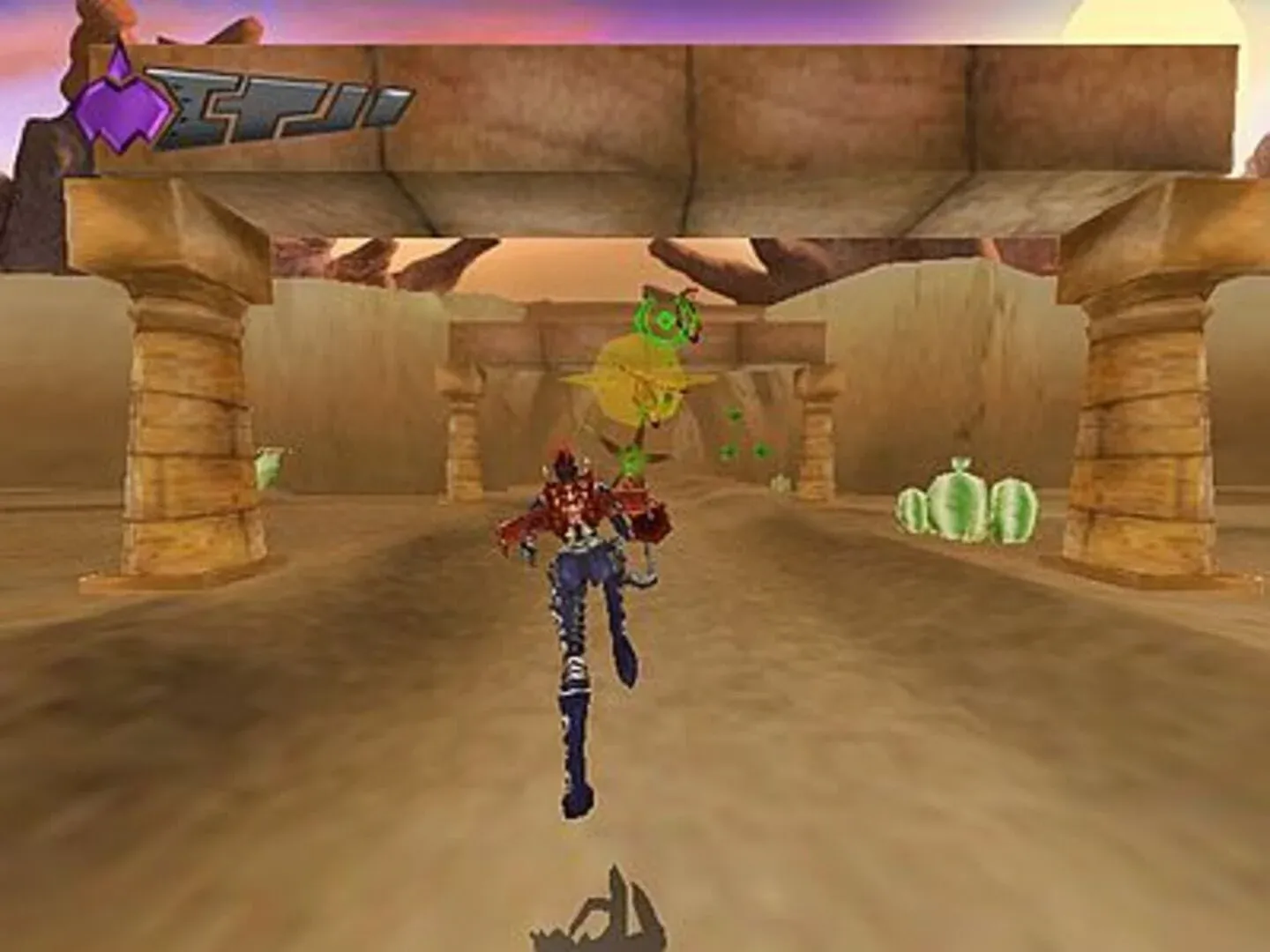
Xenocider's visual style leans into the late-1990s 3D aesthetic without apologizing for the polygon counts. The environments have that specific kind of stark, geometric quality that Dreamcast-era games carried, and Retro Sumus leans into it rather than smoothing it out. It is a deliberate choice, and it works in the game's favor because it reinforces the arcade authenticity the whole project is built around.
Xenocider content image
Impact and legacy
Retro Sumus has since disbanded, which gives Xenocider an added layer of significance for anyone who played it during the studio's active years. The game stands as the studio's completed work, released January 25, 2021, and available across five platforms. For fans of arcade-style on-rails shooters looking for something that respects the genre's origins rather than just borrowing its look, Xenocider delivers a focused, uncompromising experience that knows exactly what it is trying to be.