
The skill system in Zero Parades: For Dead Spies is the backbone of everything. Every dialogue branch, every locked door, every tense negotiation traces back to one of 15 operant skills split across three faculties: Action, Relation, and Intellect. Pick the wrong spread and your spy becomes a generalist who can't reliably do anything. Pick a focused build and the game opens up in ways that feel earned. This guide breaks down all 15 skills, explains when each one pays off, and tells you exactly how to spend your points without wasting them.
What are the three skill faculties in Zero Parades?
Every skill in the game belongs to one of three faculties, each representing a different style of operating.
Action covers the physical side of spycraft: awareness, movement, precision, and immediate threat response. If your spy solves problems by noticing things others miss or by acting before thinking, Action is your faculty.
Relation governs the social dimension: reading people, manipulating situations, navigating faction politics, and building personal bonds. Recruitment, tense negotiations, and dialogue-heavy encounters all lean hard on Relation skills.
Intellect handles the analytical layer: logic, memory, pattern recognition, and technical knowledge. Deciphering codes, crafting the improvised gun, and connecting hidden networks all sit here.
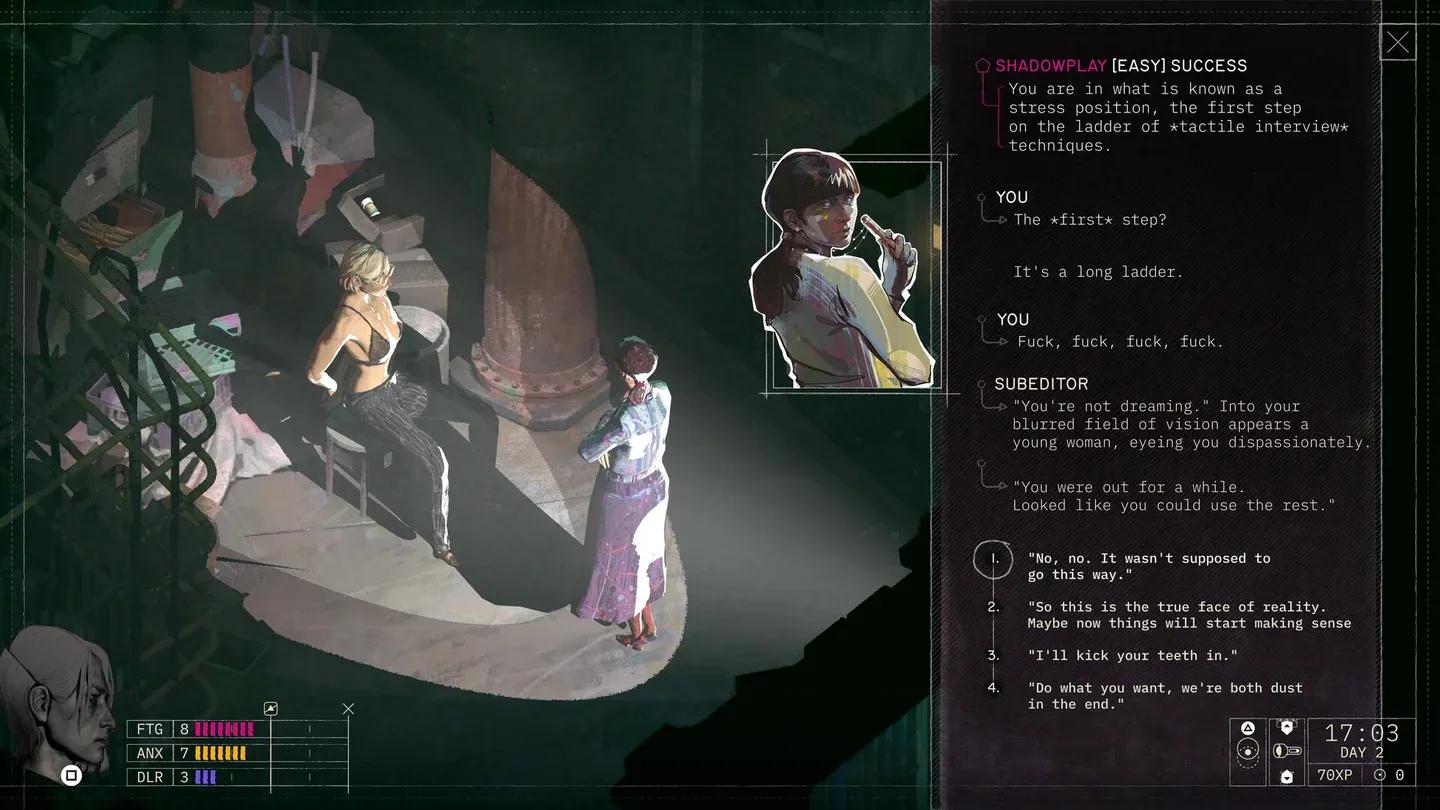
Three faculties, one spy identity

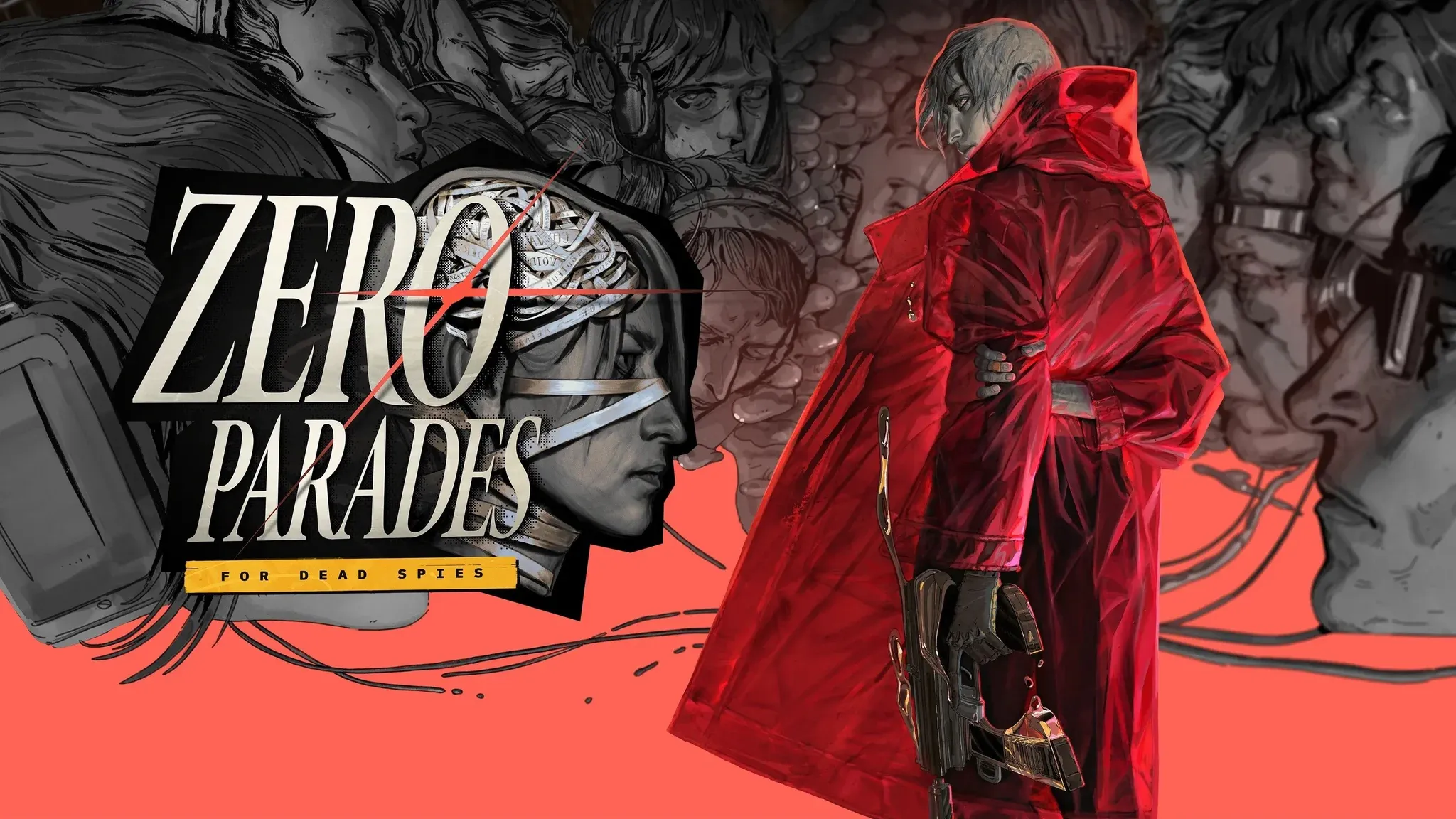
All 15 operant skills broken down
Faculty of Action
| Skill | Role | First-Run Priority |
|---|---|---|
| Coordination | Precision, timing, motor control | High — environmental awareness |
| Doppelgäng | Disguise, blending, infiltration | Medium — situational |
| Instincts | Threat detection, gut reactions | High — danger avoidance |
| Sensors | Perception, surveillance, noticing details | High — finding clues |
| Shadowplay | Stealth, evasion, moving unseen | Medium — situational |
Sensors is the standout Action skill for first runs. It surfaces hidden objects and clues that other builds simply walk past. Instincts pairs well with it by flagging danger before it becomes a skill-check crisis. Coordination handles environmental precision and is worth a point early if you're seeing a lot of physical interaction prompts. Doppelgäng and Shadowplay are both situational; they're not bad skills, but they reward players who already know the route.
Faculty of Relation
| Skill | Role | First-Run Priority |
|---|---|---|
| Blueprints | Planning, organizational understanding | Medium — strategic routes |
| Cold Read | Reading reactions, micro-expressions | High — social encounters |
| Nerve | Courage, intimidation, composure | High — tense negotiations |
| Personalism | Social manipulation, personal bonds | High — recruitment, allies |
| Statehood | Politics, power structures, factions | Medium — late-game value |
Personalism is the recruitment skill. If you want to bring characters like Karolina or Ramses into your network (see the Karolina recruitment walkthrough and the Ramses recruitment guide for the full details), Personalism does a lot of the heavy lifting. Cold Read unlocks social dialogue options that would otherwise stay locked, making it the best cross-faculty backup skill regardless of your primary build. Nerve carries tense negotiations where tone matters more than logic. Statehood pays off later once faction politics become central, so don't rush it.
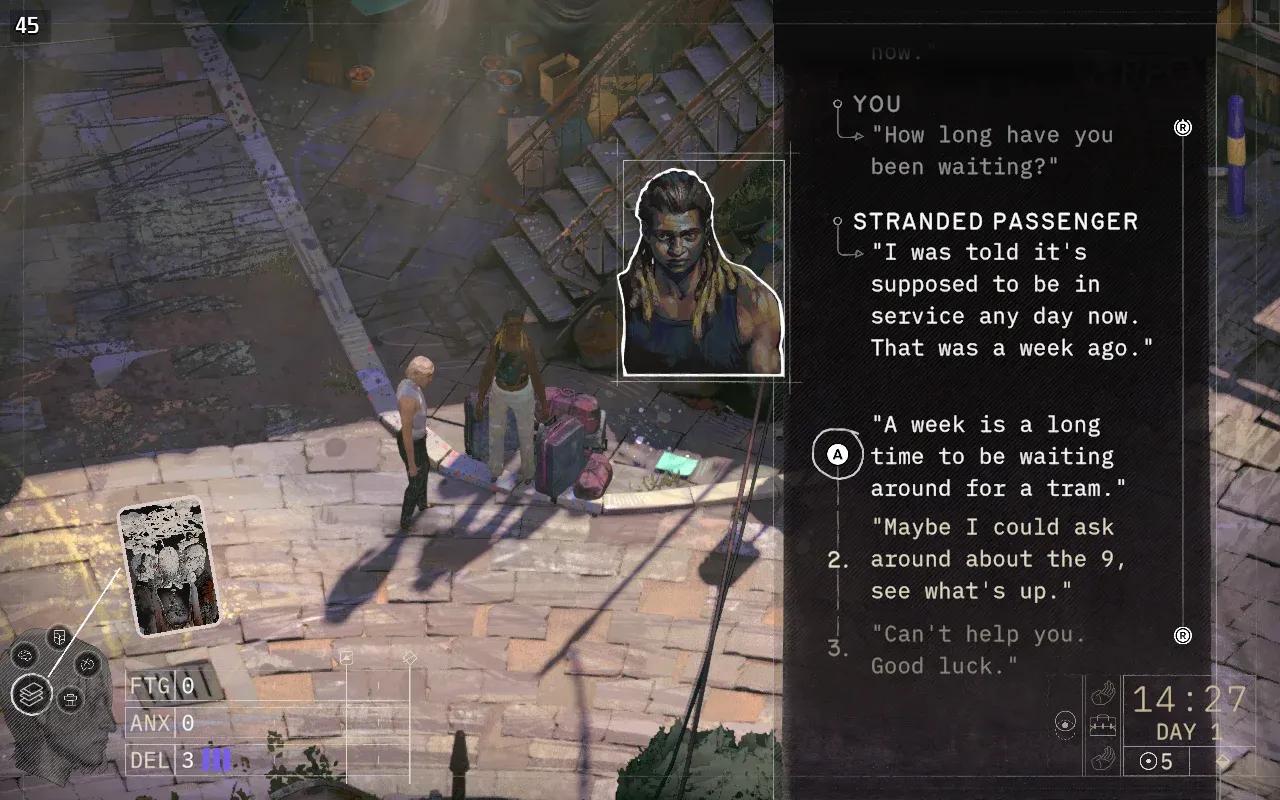
Personalism drives recruitment checks
Faculty of Intellect
| Skill | Role | First-Run Priority |
|---|---|---|
| Entanglement | Complex connections, hidden networks | Medium — puzzle routes |
| Grey Matter | Raw logic, analysis, puzzles | High — problem solving |
| Poetics | Artistry, metaphor, hidden meanings | Low — niche routes |
| Records | Memory, documentation, history | Medium — information recall |
| Technoflex | Technology, gadgets, mechanical | High — gun craft, tech checks |
Grey Matter is the go-to Intellect skill for analysis and puzzle-solving. Technoflex is the one you need if you want to craft the improvised gun at Foto 24 and skip the 100 sol buy from Goat Eyes at Quisach. Records supports information recall and pairs naturally with Grey Matter on an investigation build. Poetics is the most niche skill in the game for a first run; it's not useless, but it's the last Intellect skill you should invest in early.
What's the best build for a first run?
Three focused presets cover most first-run situations:
Kinetic build (Action primary): Centers on Coordination, Sensors, and Instincts. Environmental awareness prevents missed clues, and Instincts reduces the chance of being caught flat-footed. Add Cold Read as your cross-faculty backup. This is the safest first-run choice.
Social build (Relation primary): Personalism, Cold Read, and Nerve. Talks through problems, recruits allies, and navigates faction encounters without needing physical solutions. Strong for players who want dialogue to do the work.
Investigation build (Intellect primary): Grey Matter, Sensors, and Records. Finds hidden content, deciphers codes, and connects past information to present situations. Add Entanglement if network puzzles start appearing frequently.
Technical build: Technoflex, Grey Matter, and Records. The standout benefit here is crafting the improvised gun for free rather than spending 100 sol. Visiting Foto 24 early changes which Intellect checks appear, so route order matters with this build.
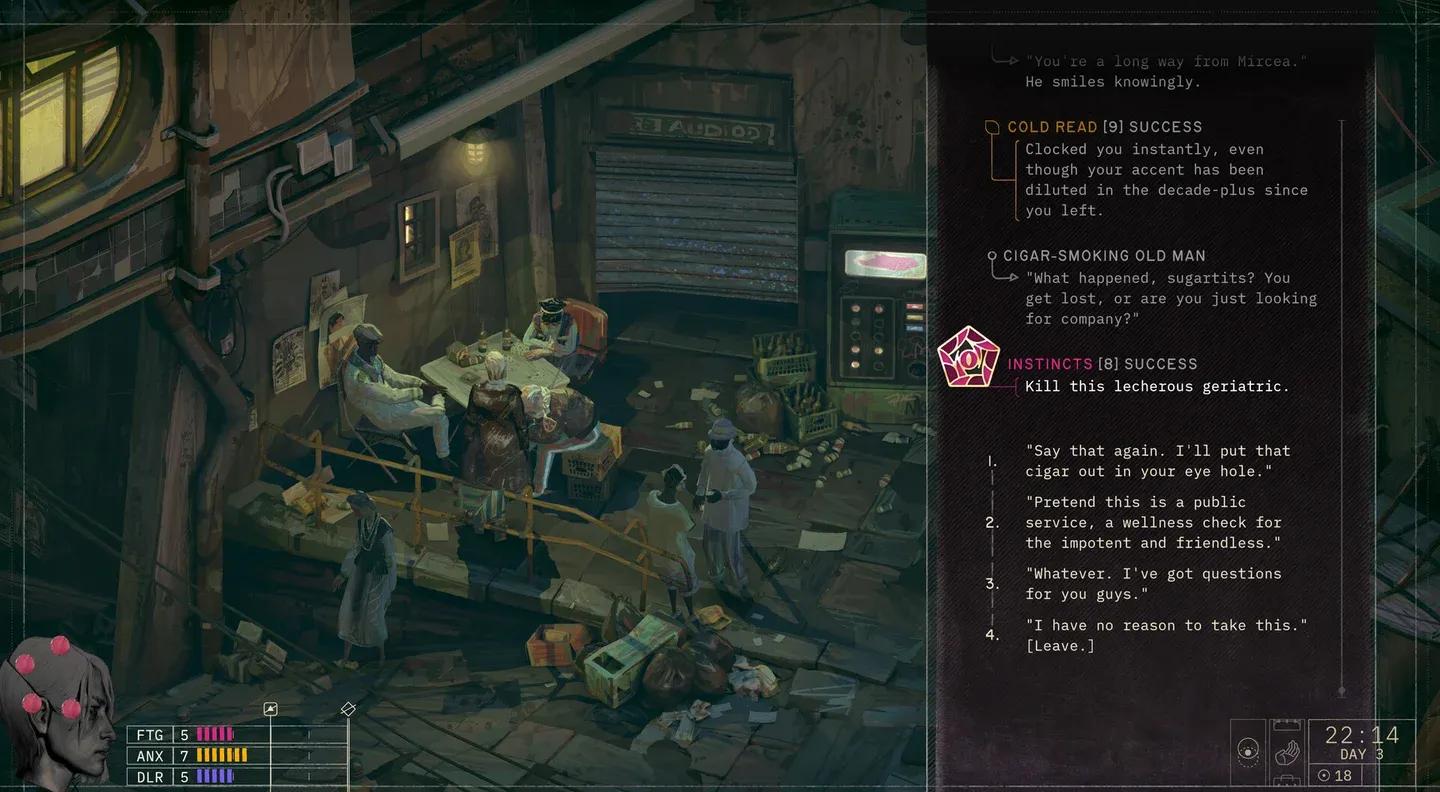
Build presets at game start
How do skill checks actually work?
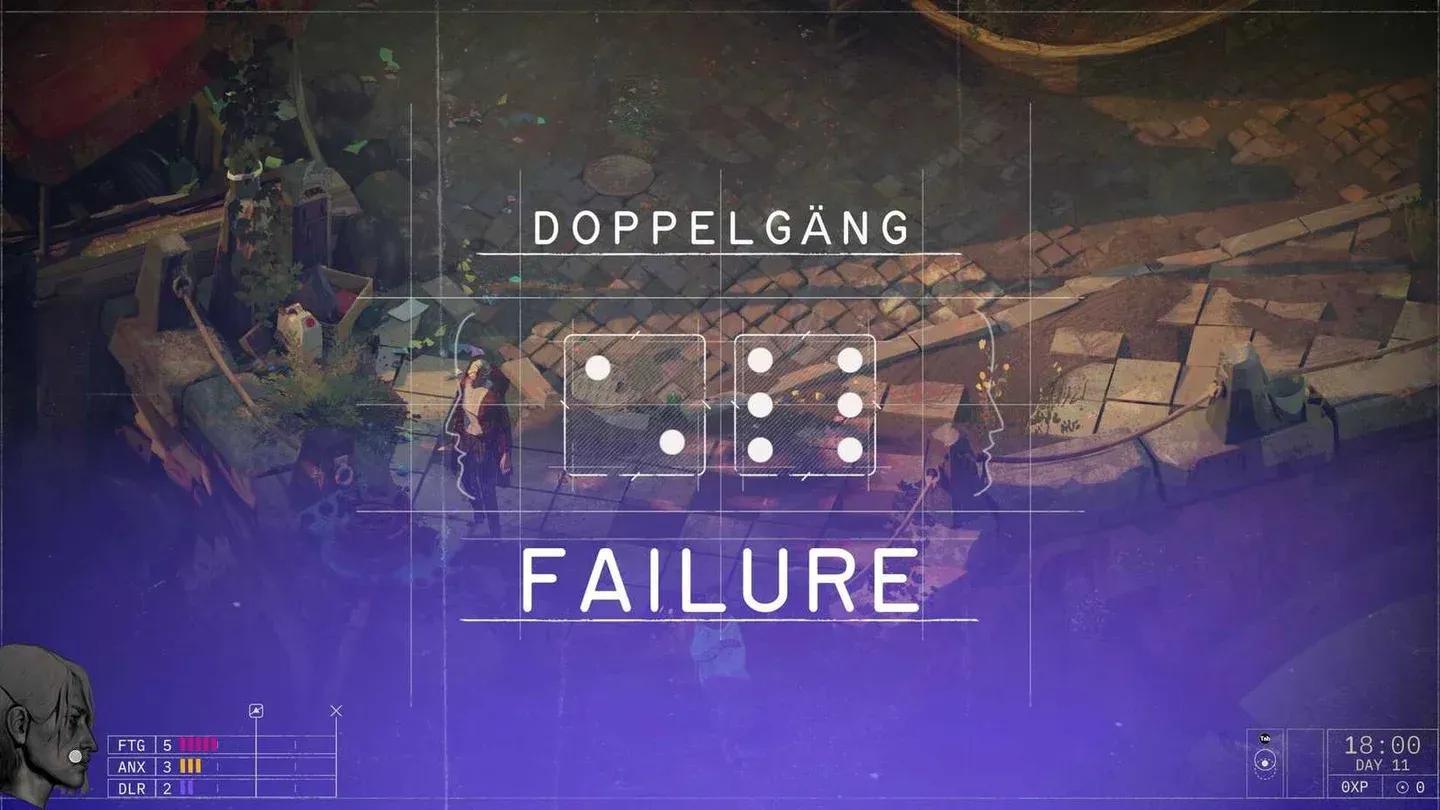
Checks in Zero Parades are pressure tests, not binary pass/fail gates. A failed check can still yield useful information: NPC suspicion levels, alternate dialogue, or route hints that a success would have bypassed. Treat every failure as data before deciding whether to reload.
Exertion can push a dice result past what your base skill would normally achieve, but pushing too hard risks lasting damage. Use it selectively on checks that genuinely block a goal, not on every marginal roll.
Conditioning changes can also alter how skills behave, so it's worth re-evaluating your spread after major story beats rather than locking in a plan from the opening hour.
Exertion pushes difficult checks
Common skill-building mistakes to avoid
- Spreading points evenly across all three faculties so nothing becomes reliable
- Investing in Doppelgäng or Shadowplay as primary skills without a supporting route
- Ignoring equipment: the Operant Toolkit covers Technoflex gaps, and route order can make certain Intellect checks easier without extra investment
- Assuming every locked check must be cleared immediately (some doors in the Old Docks require chain cutters you pick up later)
- Rushing Statehood before faction politics become relevant to your current task
How should I time my skill upgrades?
The short answer: wait. Spending 2-3 hours before committing points is not wasteful; it's the correct strategy. Once a skill has appeared in multiple checks along your route, you have real evidence it deserves investment. Before that point, you're guessing.
For late-game quests like the Cupbearer recruitment, specific skill thresholds become important. The Make a Deal with Transnational Capital quest guide covers exactly which checks come up there and how to prepare your build in advance.
For everything else in the game, including builds, recruitment walkthroughs, and item locations, the full Zero Parades: For Dead Spies guide collection has you covered.