

Biggest discounts, free games, and limited-time offers across every major gaming store.
Never pay full price again.
Overview
Beholder 2 is a narrative-driven simulation and strategy game developed by Warm Lamp Games and published by Alawar Entertainment, released on October 22, 2018. Set in a bleak totalitarian state, the game casts you as a new intern at the Prime Ministry, the nerve center of an authoritarian government. The career ladder stretches above you, and how you climb it, or whether you survive trying, depends entirely on the choices you make.
Unlike the first Beholder, which focused on surveillance in a residential building, Beholder 2 shifts the action to the corridors of power. The Ministry is a place of whispered conversations, forged documents, and carefully placed knives in backs. The tone is dark, the humor is dry, and the consequences are real. Multiple endings branch from the decisions you accumulate over the course of the game, making each playthrough feel like a distinct moral experiment.
Beholder 2 content image
The game is available across a wide range of platforms including Windows, macOS, iOS, Android, PlayStation, Xbox, Nintendo Switch, Steam, and the Epic Games Store, making it one of the more accessible indie titles in the dystopian simulation genre.
Gameplay and mechanics
At its core, Beholder 2 is a resource management and decision-making game dressed in the clothes of a political thriller. Players navigate daily tasks at the Ministry, each of which carries ethical weight. Key mechanics include:
Beholder 2 content image
- Completing assignments to earn promotions
- Gathering compromising information on colleagues
- Managing relationships with superiors and rivals
- Choosing between loyalty, corruption, and resistance
- Balancing personal survival against moral integrity
The game operates on a time-pressure system, where tasks expire and consequences stack. Ignoring a superior's request can cost you your position. Helping a colleague might earn trust or create a liability. Every interaction is a small gamble.
Beholder 2 content image
What kind of story does Beholder 2 tell?
Beholder 2 tells a story about complicity. The protagonist isn't a hero dropped into a bad situation; he's someone who chose to enter the machine. The Ministry is populated with colleagues who each carry their own agendas, secrets, and survival strategies. Some are true believers in the regime. Some are quietly desperate. A few might be allies, if the price is right.
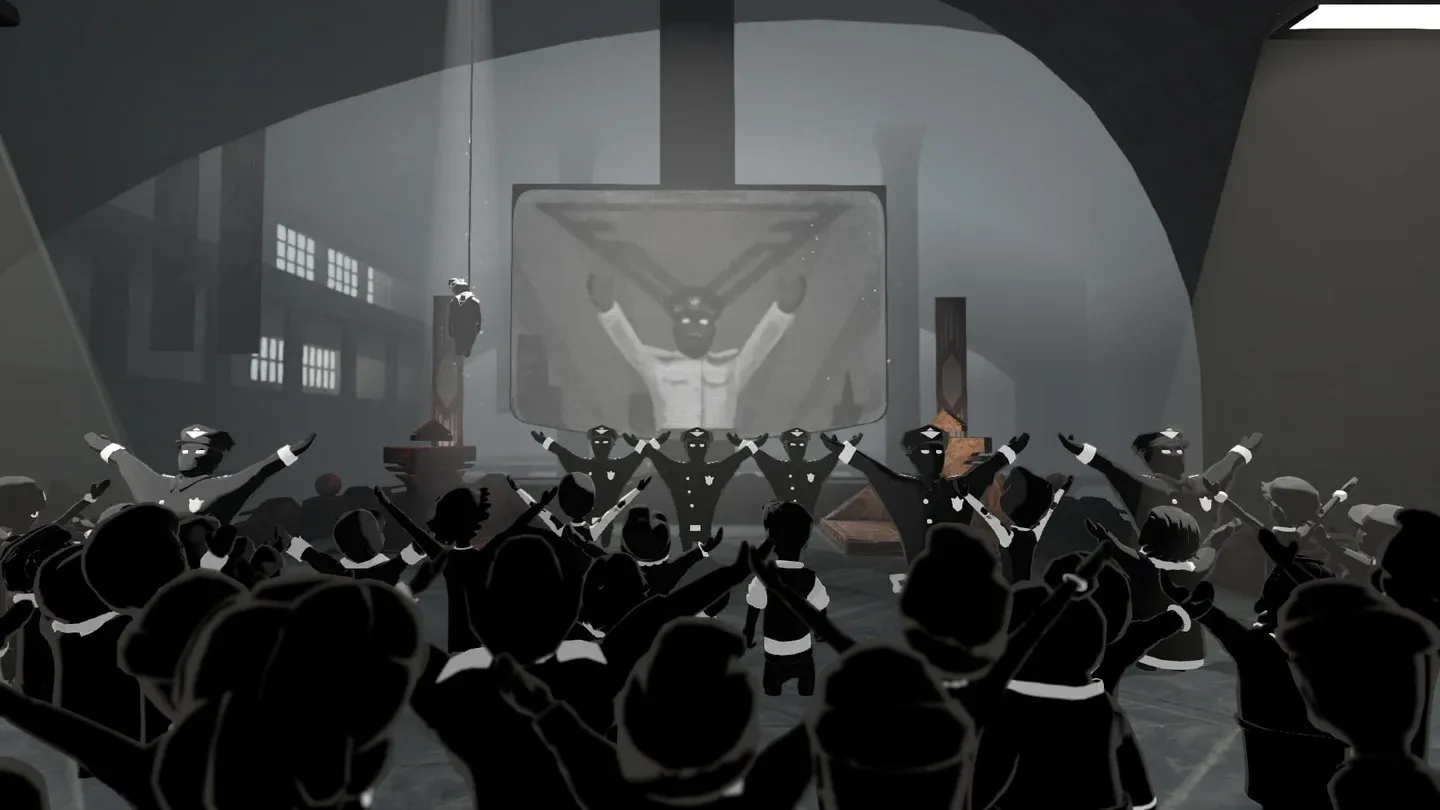
The writing leans into the absurdity of bureaucratic authoritarianism without losing its edge. Forms must be filed. Stamps must be obtained. And somewhere in that paperwork, a person's fate gets decided. The game draws obvious inspiration from the aesthetic of Soviet-era governance, filtered through a darkly comic lens that keeps the experience from becoming purely grim.
Visual and audio design
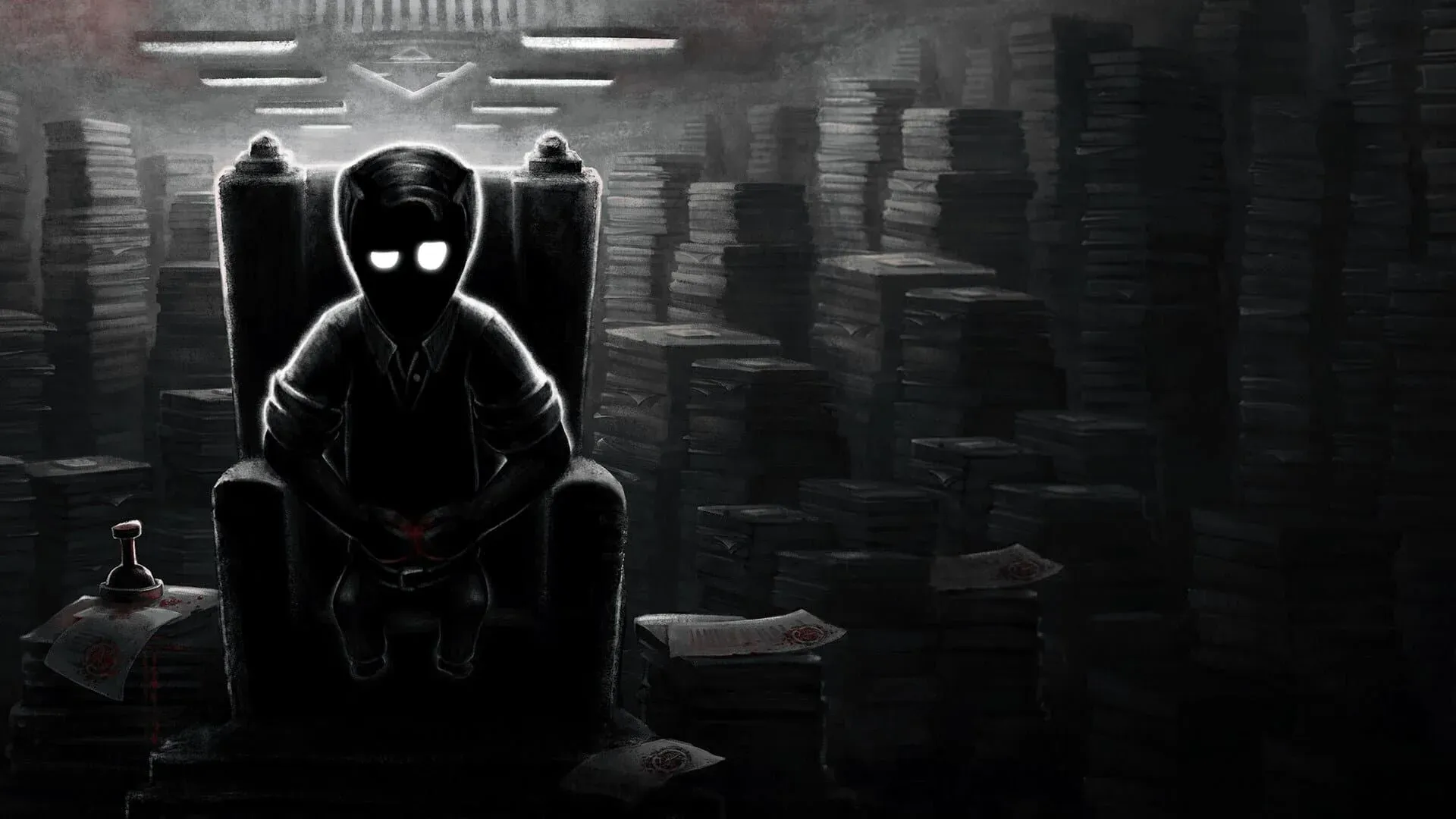
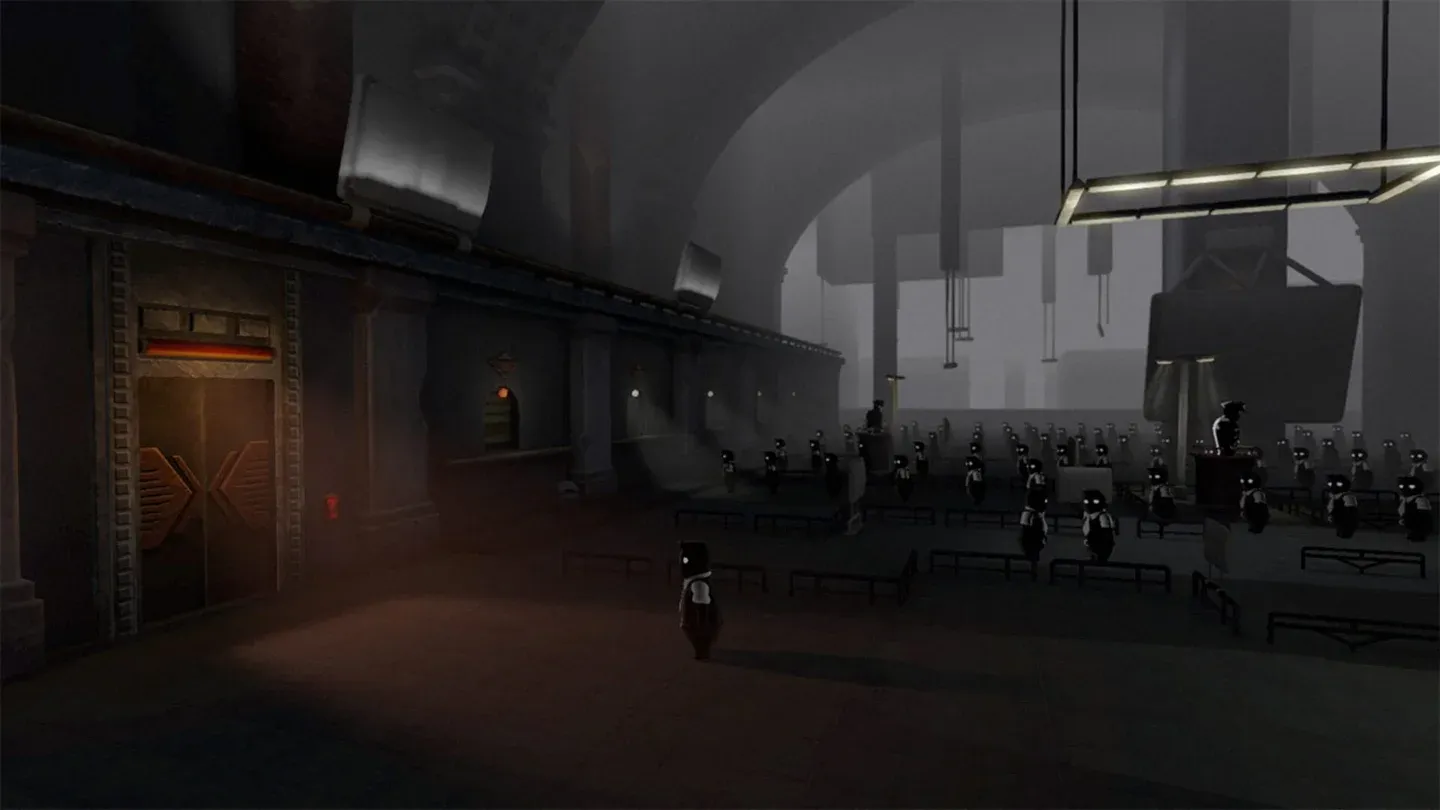
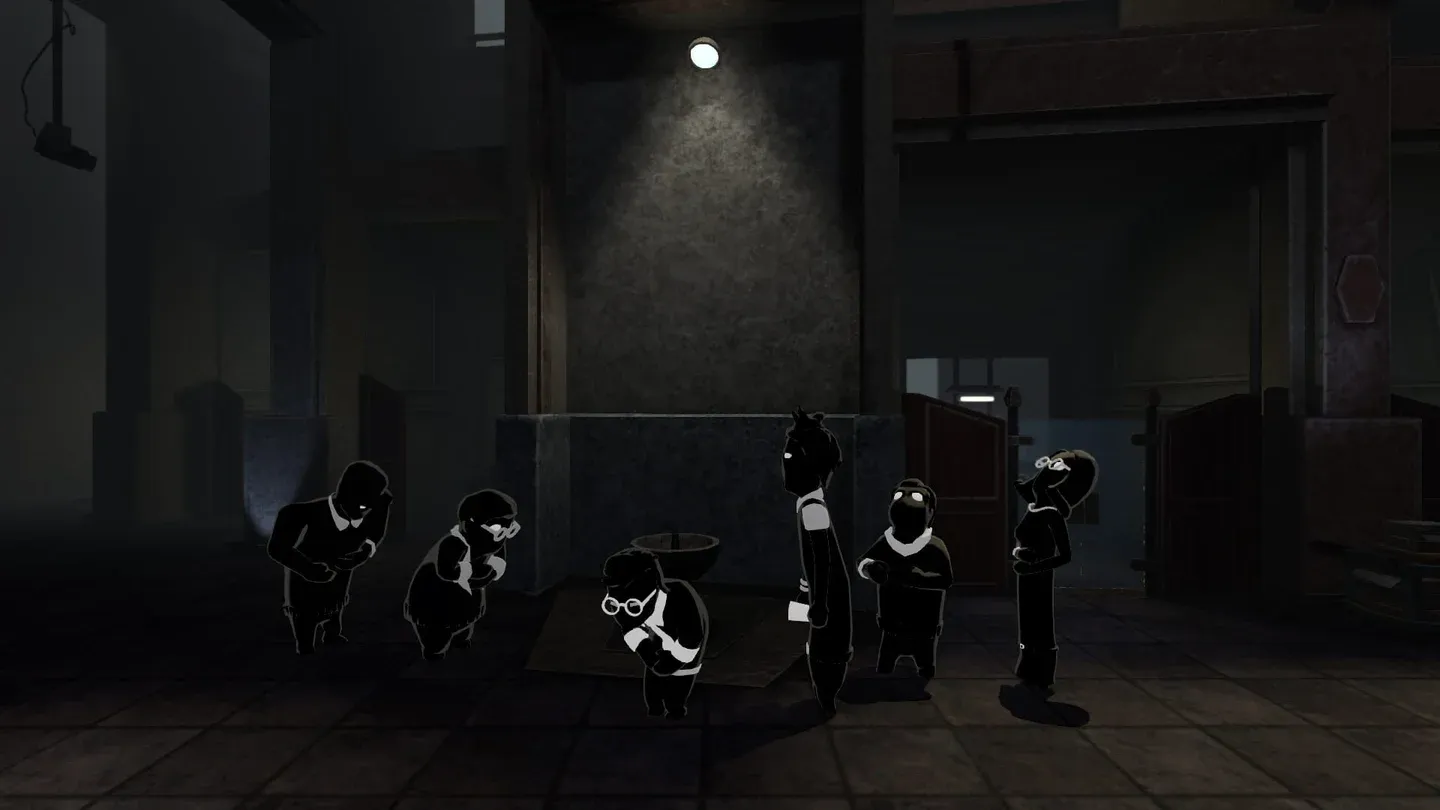
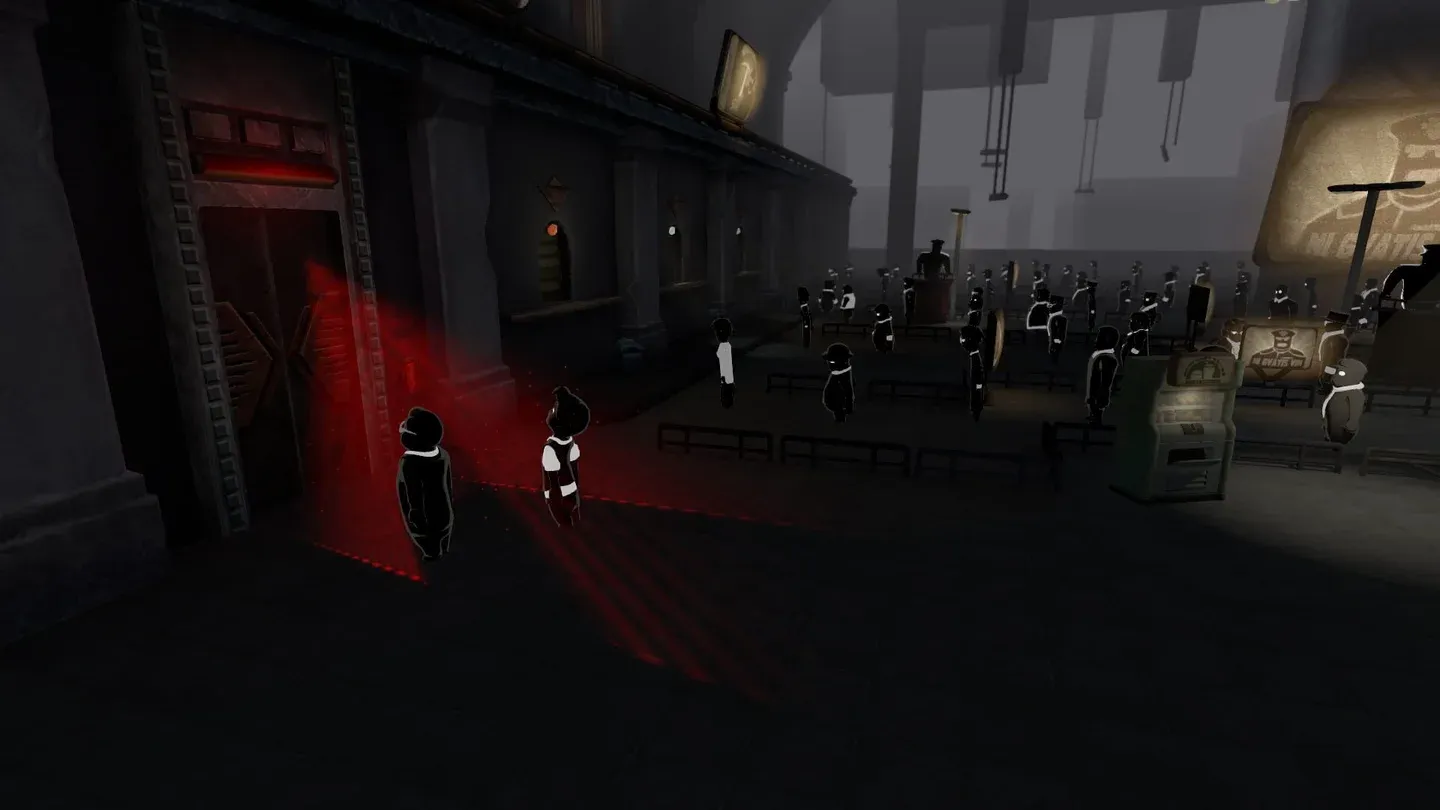
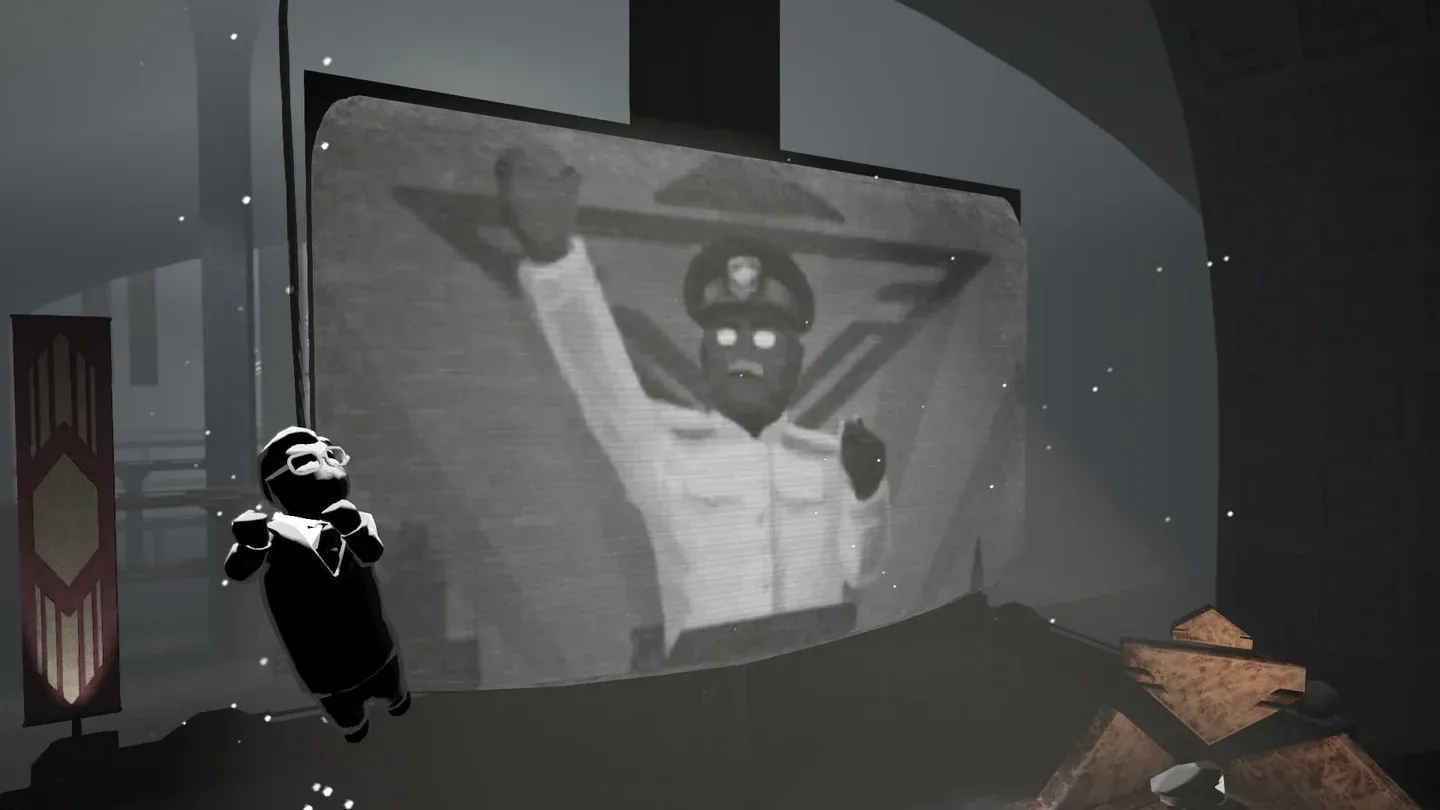
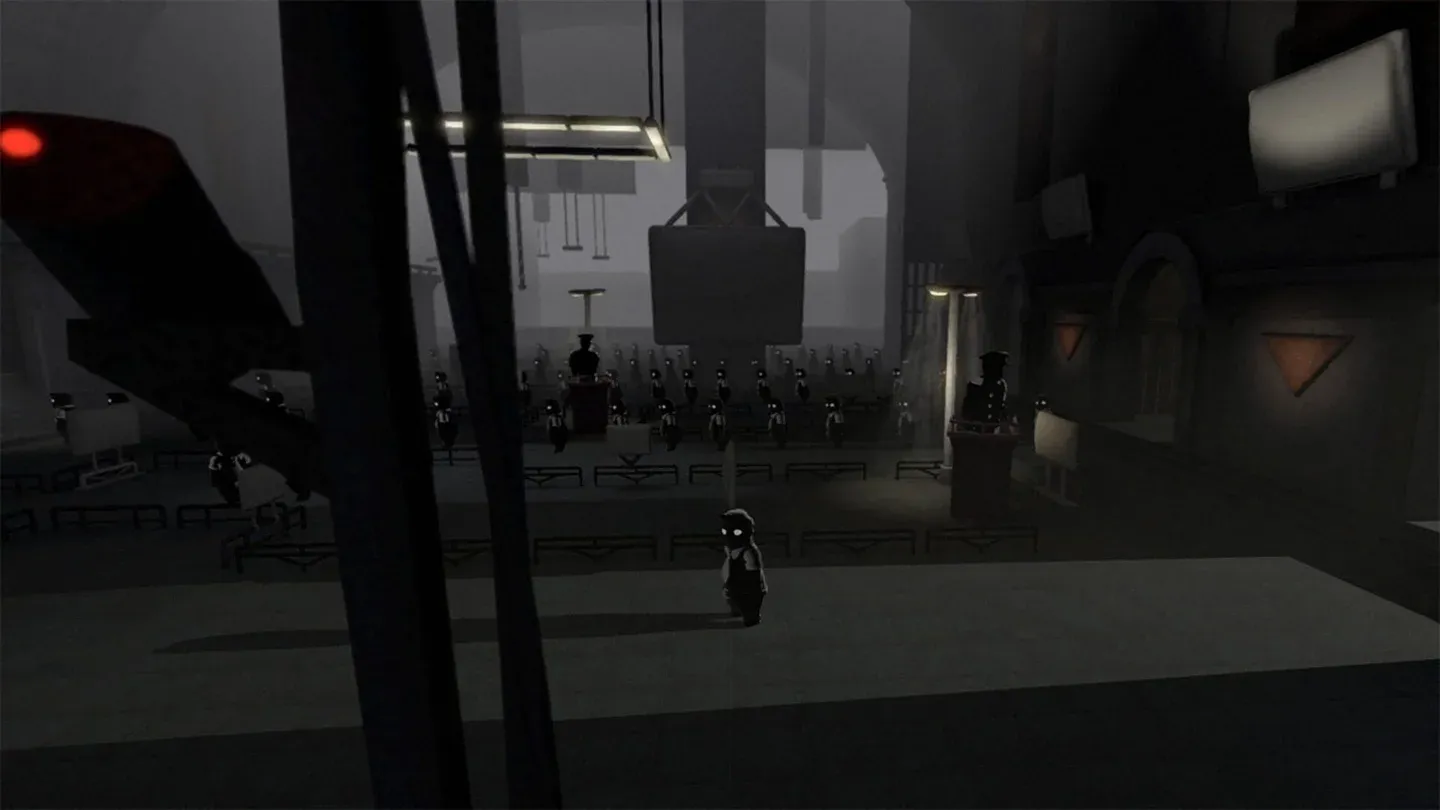
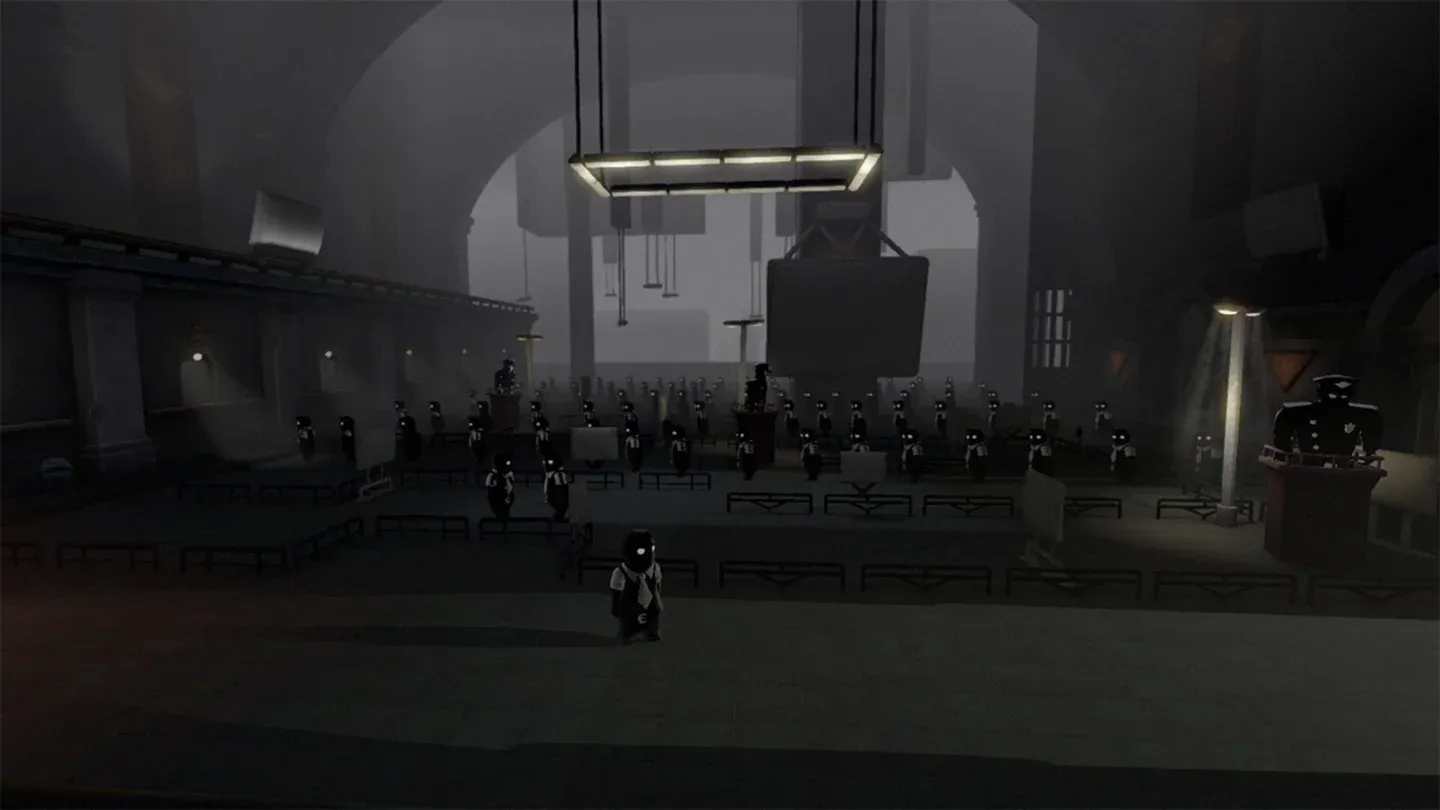
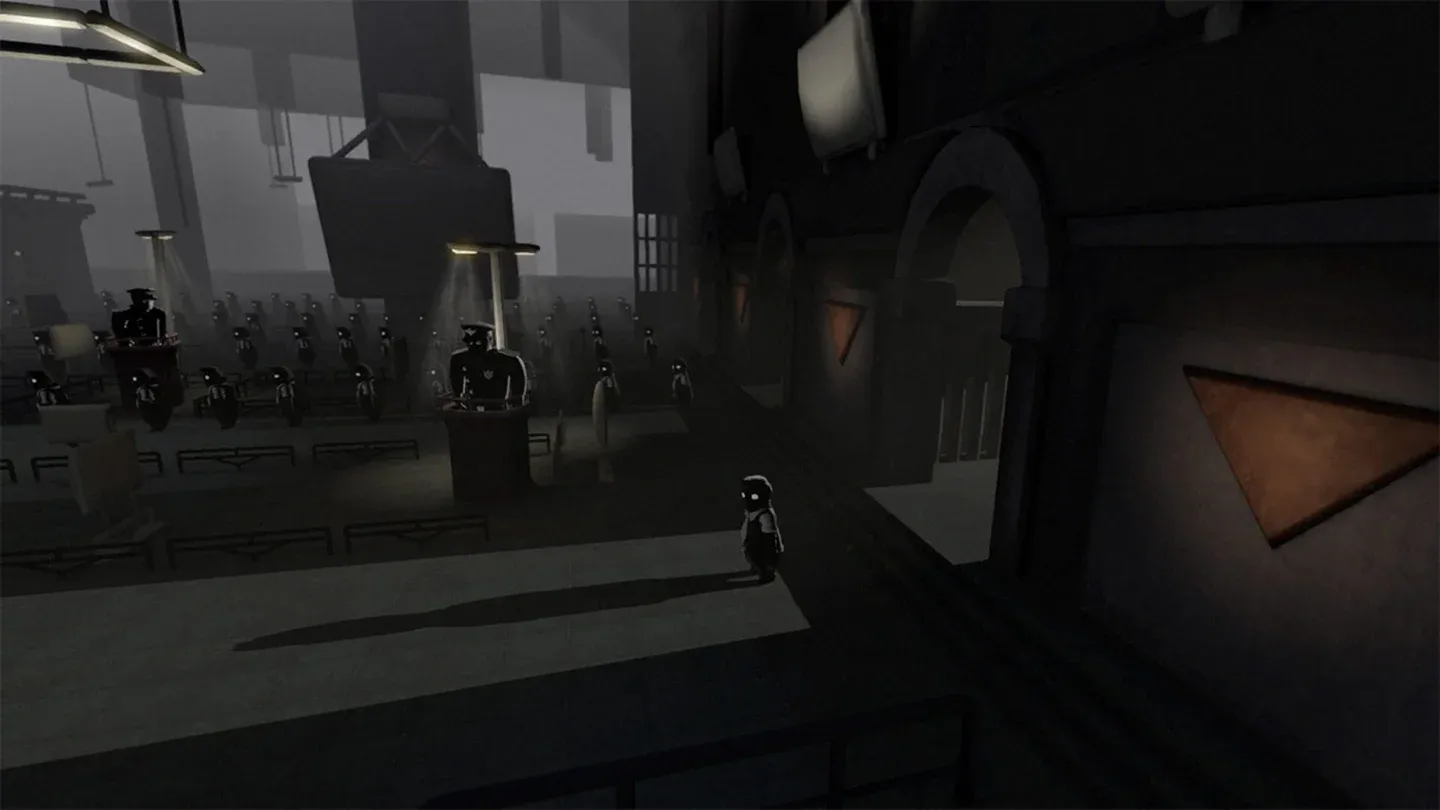
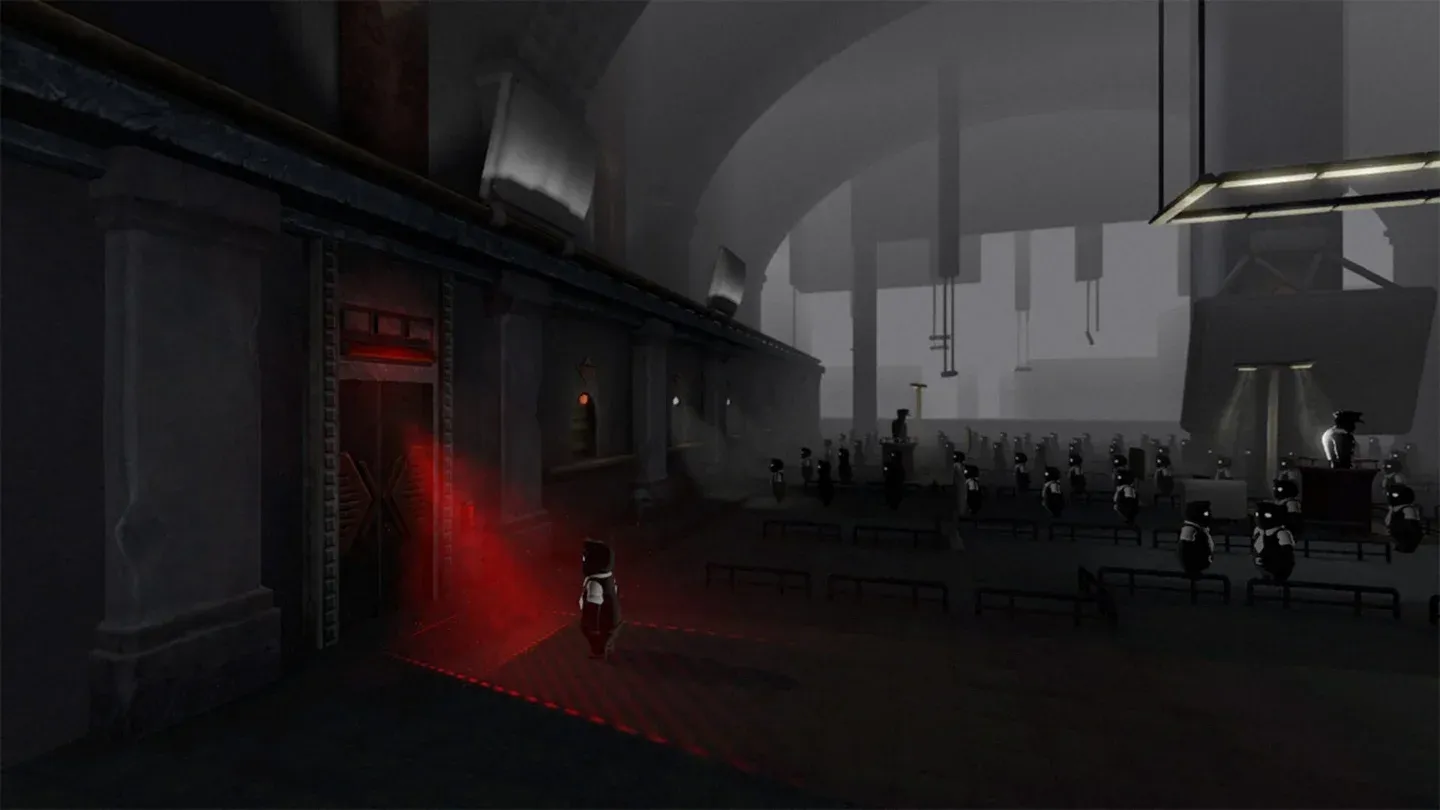
Warm Lamp Games carries over the hand-drawn art style from the original Beholder, giving Beholder 2 a distinctive silhouette-heavy visual identity. Characters are rendered as shadowy figures against muted backgrounds, reinforcing the sense of anonymity and surveillance that runs through the entire game. The Ministry itself feels oppressive by design, all grey walls and fluorescent lighting.
The audio design matches the visual mood. Ambient sounds of shuffling papers and distant footsteps fill the office floors, while the score stays understated, punctuating tense moments without overplaying them.
Content and replayability
Beholder 2's branching narrative structure is its strongest argument for multiple playthroughs. Three broad character paths, the loyal officer, the ruthless careerist, and the whistleblower, lead to meaningfully different experiences and endings. Decisions made in early chapters reshape what options are available later, so a second run with a different moral compass genuinely changes the story rather than just its surface details. For fans of choice-driven simulation games with political themes, the game offers enough variation to justify returning to the Ministry more than once.
Beholder 2 content image