

Advertisement

Overview
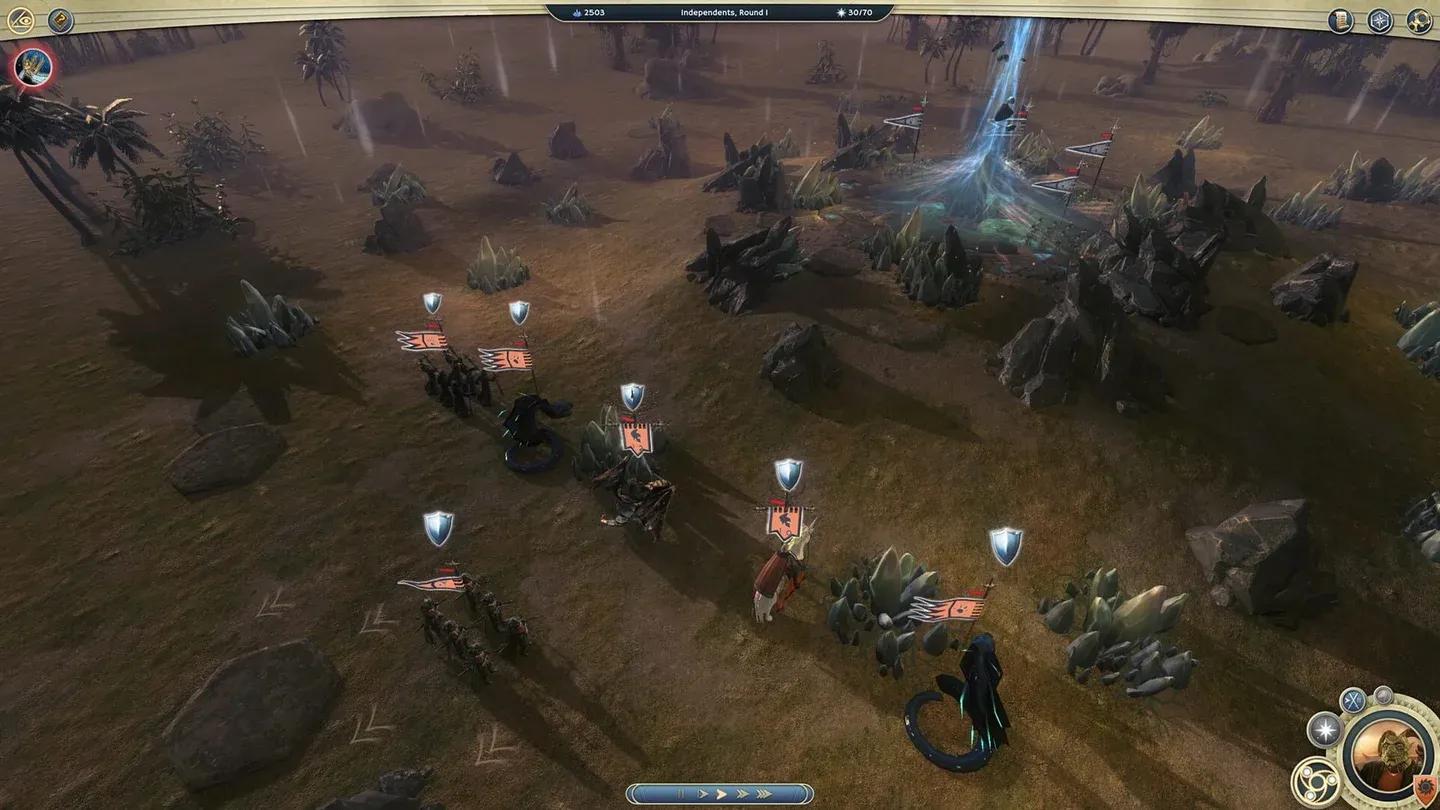
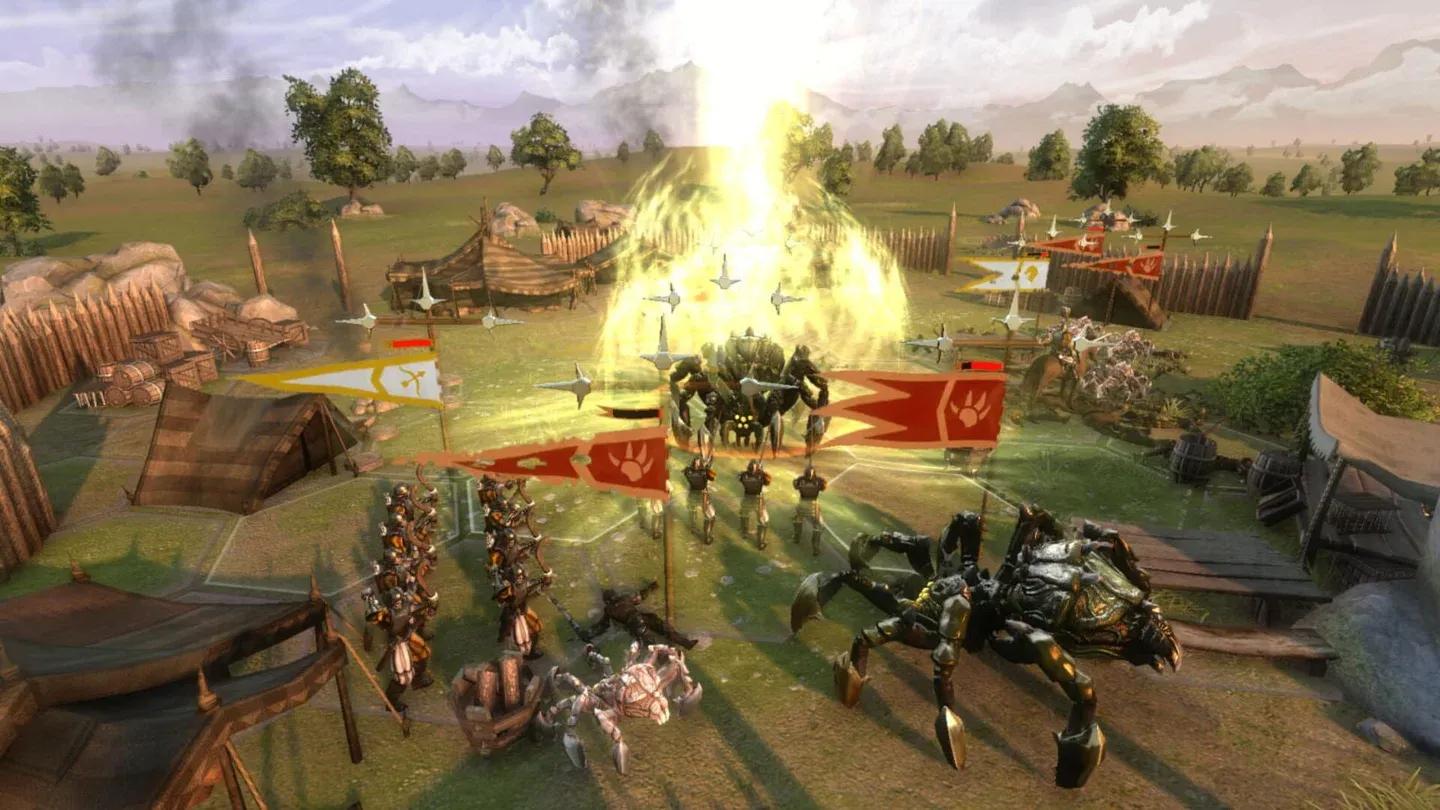
Age of Wonders III is a turn-based 4X strategy game developed and published by Triumph Studios, released in March 2014. Players take the role of a political and military leader in a high fantasy setting, managing an empire through exploration, colonization, warfare, and diplomacy. The shift from the series' previous isometric 2D presentation to full 3D marked a visual overhaul that matched the game's expanded mechanical ambitions.
The game's story splits across two campaigns: the human-centric Commonwealth Empire and the Court of the High Elves. The Commonwealth's drive to assimilate the world through technology and commerce puts it on a collision course with the Elven Court, which seeks to rally older races against imperial expansion. Playing both sides reveals distinct perspectives on the same conflict, and the lore stretches back through centuries of elven civil war and human colonization.
Age of Wonders III content image
Leader classes and RPG customization
The biggest departure from earlier Age of Wonders games is the class-based leader system. Before a single unit moves, players build their leader by selecting a race from six options (humans, draconians, high elves, dwarves, orcs, and goblins) and then pairing that with one of six leader classes:
Age of Wonders III content image
- Sorcerer: magic, enchantments, and summoning
- Theocrat: holy warriors and religious zealotry
- Rogue: stealth, manipulation, and dark magic
- Archdruid: nature magic and wild creature allies
- Dreadnought: steampunk machinery, cannons, and tanks
- Warlord: direct combat with non-magical units
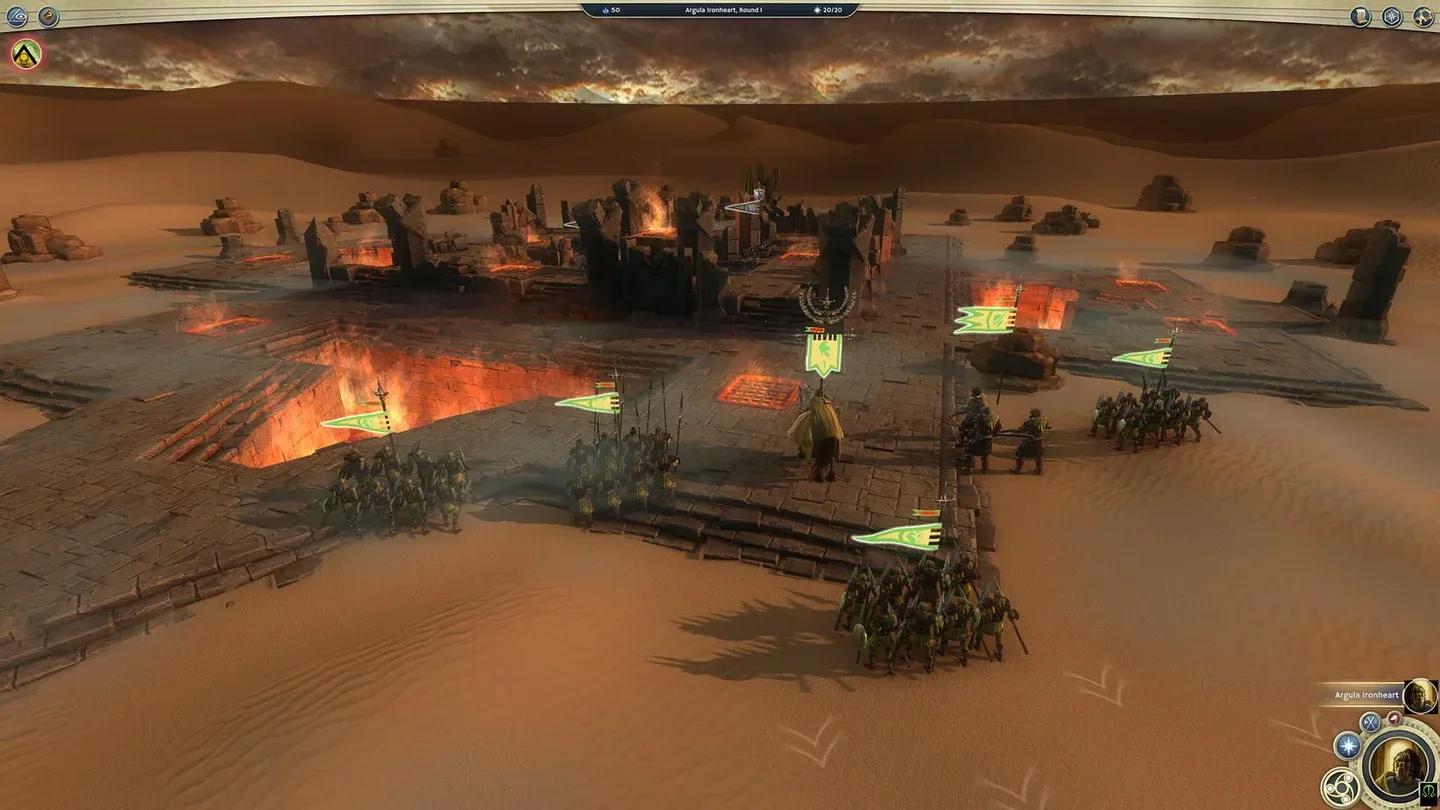
Each class brings unique units whose visual appearance changes based on the chosen race, so a Dreadnought Dwarf looks and plays differently from a Dreadnought Orc. Leaders and separately recruited hero units gain experience, level up, and equip new gear over the course of a campaign.
Empire-building and the world map
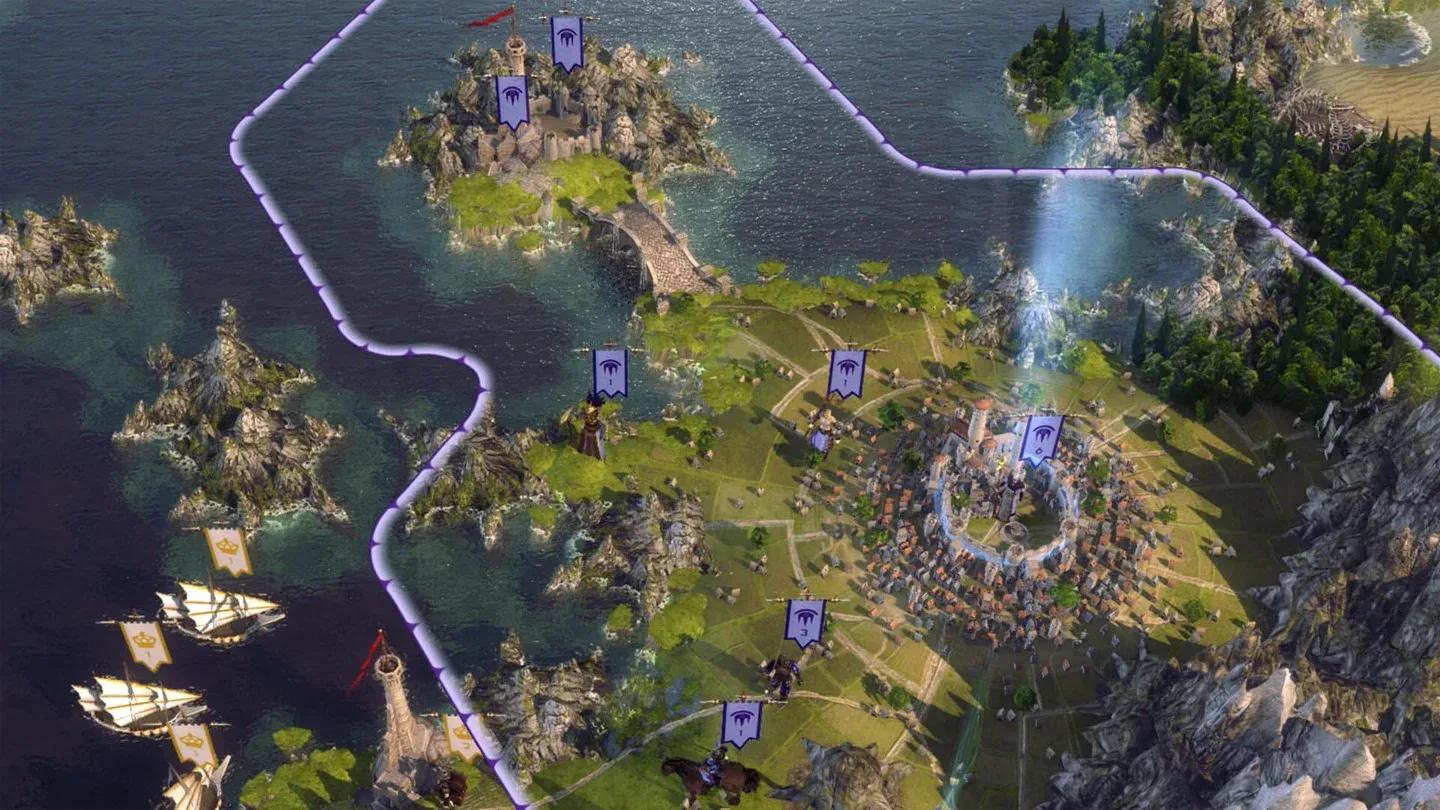
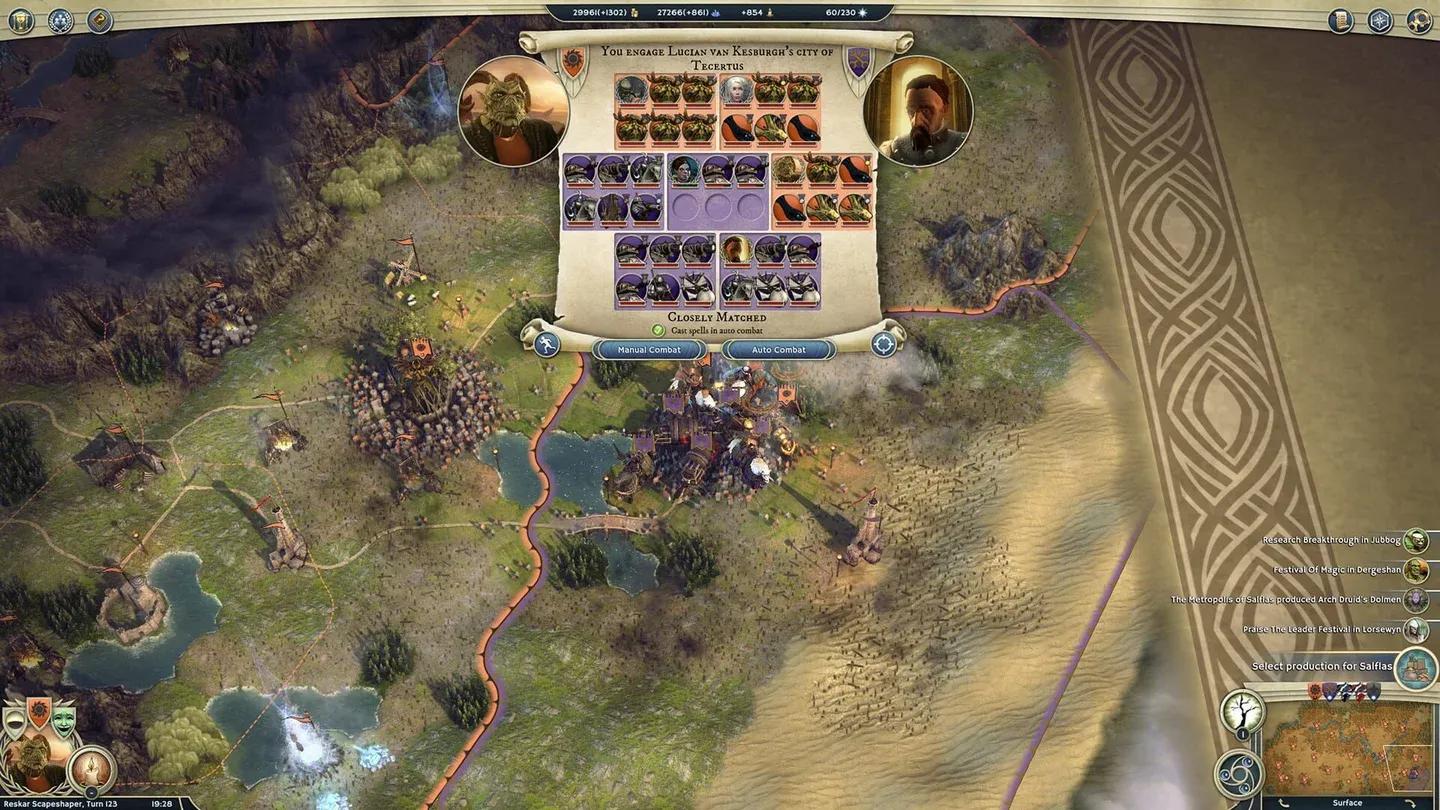
Cities are the backbone of any empire in Age of Wonders III, generating resources, infrastructure, and unit recruitment options. The world map also includes independent settlements that aren't always traditional cities. A Giant's Keep, for example, produces unique units tied to that location. These holdings can be taken by force or absorbed diplomatically through tribute and alignment standing.
Age of Wonders III content image
Alignment itself shifts based on player actions and the cultures absorbed into an empire rather than being locked to a race, which opens up meaningful choices about how to grow. Independent factions hand out quests ranging from clearing wild units to capturing rival cities, with rewards like gold, equipment, or military support. The random map generator and map editor extend the game well beyond its campaign content, while online multiplayer adds a competitive dimension that rewards the same careful build-planning the single-player game demands.
Content and replayability
Beyond the dual-sided story campaign, Age of Wonders III includes standalone single-player scenarios, online multiplayer, random map generation, and a full map editor. The combination of six races crossed with six leader classes produces 36 distinct starting configurations before factoring in skill specializations and alignment paths.
Age of Wonders III content image
That breadth is where the turn-based strategy RPG loop holds its long-term appeal. No two runs play out the same way when a Theocrat High Elf empire operates on fundamentally different logic than a Rogue Goblin one. The game rewards players who learn the edges of each class and race pairing, and the map editor ensures the community has continued generating new scenarios well past the original release window.