Overview
Crusader Kings III stands as Paradox Development Studio's most refined entry in its celebrated medieval strategy series, released on September 1, 2020. The game spans a meticulously constructed map stretching from the Iberian Peninsula to the Indian subcontinent, and from Scandinavia down to Central Africa. Players govern noble houses across this vast world, managing everything from county-level disputes to continent-spanning empires, all while keeping their dynasty alive through the unpredictable currents of medieval politics.
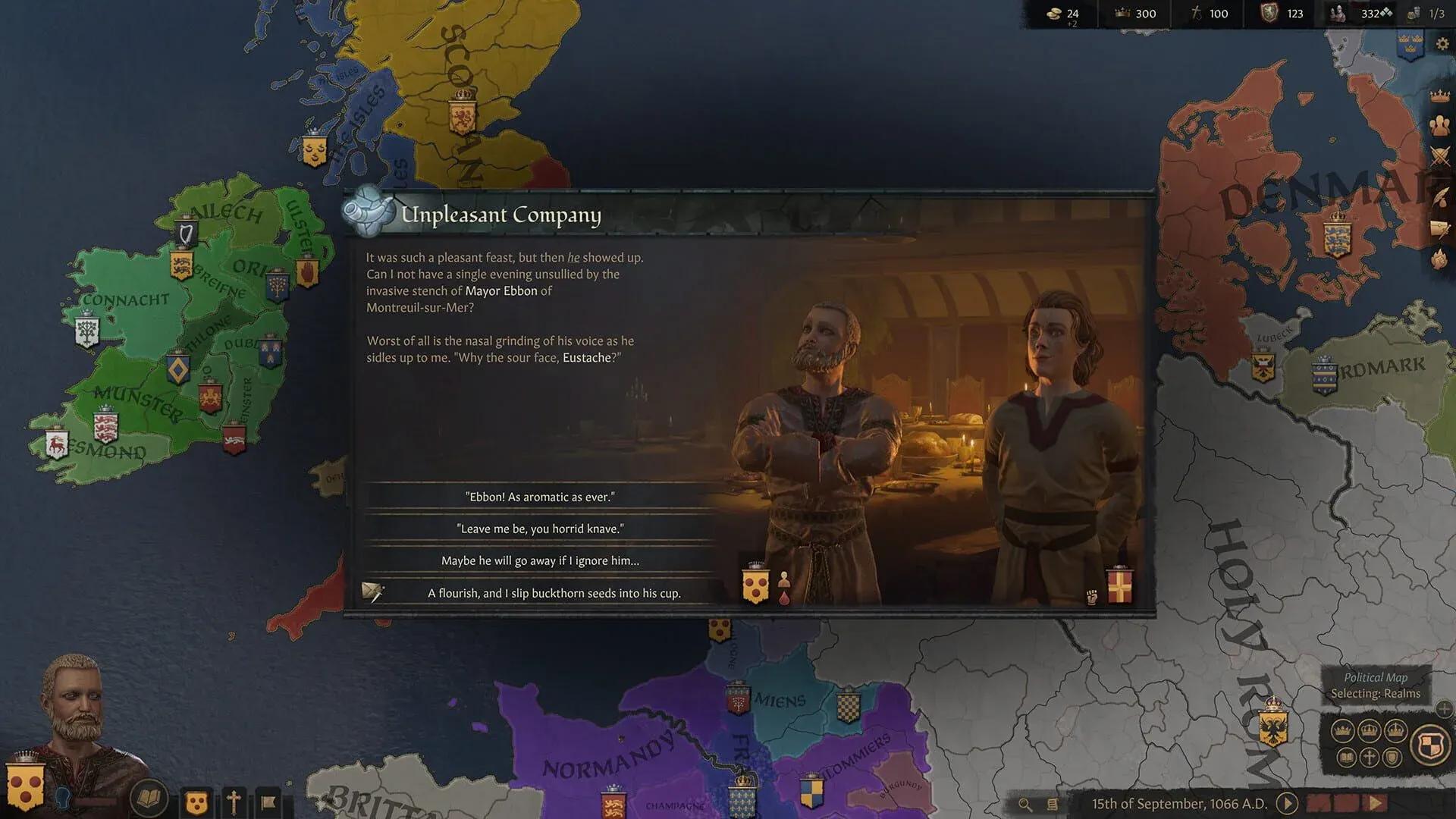
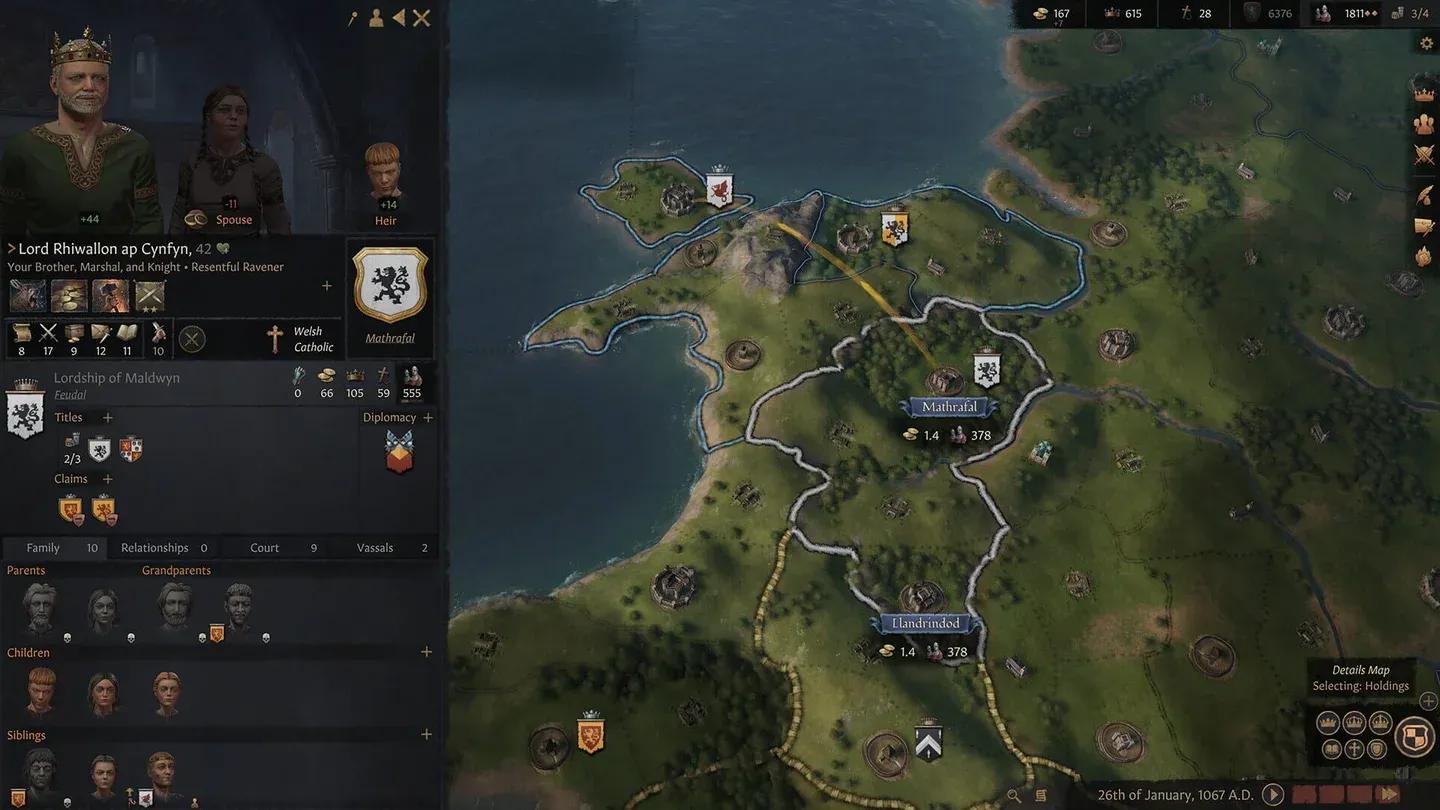
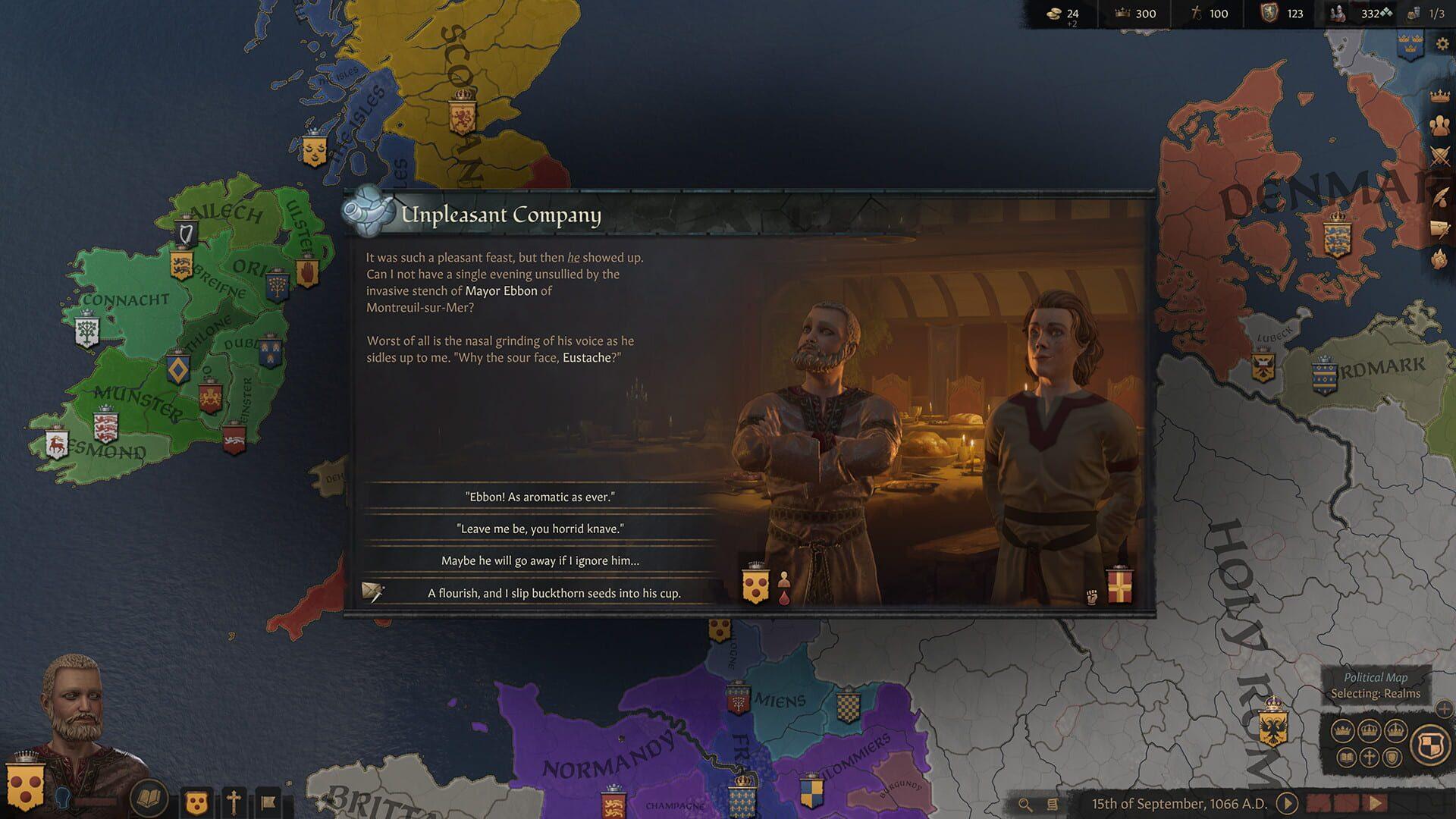
What separates Crusader Kings III from conventional strategy titles is its fundamental emphasis on characters rather than territories. Every ruler, vassal, and rival is a fully realized individual with traits, skills, relationships, and personal ambitions. A brilliant military commander might be a disastrous administrator; a charming diplomat could secretly harbor treasonous intent. The interplay between these personalities drives a narrative engine that generates genuinely surprising stories in every session.
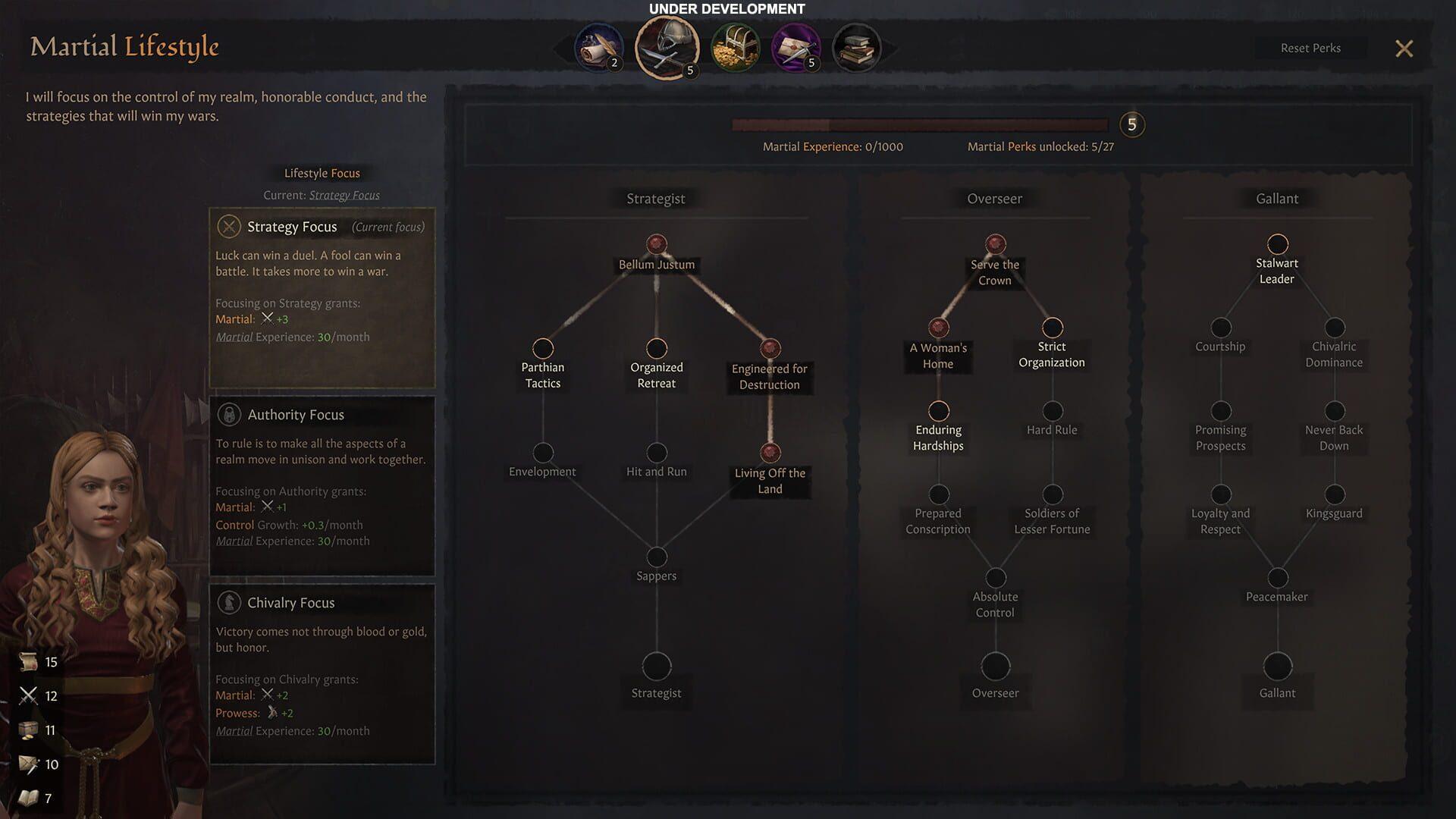
The game earns its RPG credentials through its lifestyle and skill progression system. As a ruler ages and governs, players direct their character's personal development across five distinct skill trees: Diplomacy, Martial, Stewardship, Intrigue, and Learning. Choices within these trees unlock new abilities and events, shaping not only the ruler's effectiveness but the flavor of their reign.
Gameplay and Mechanics: How Does Crusader Kings III Actually Play?
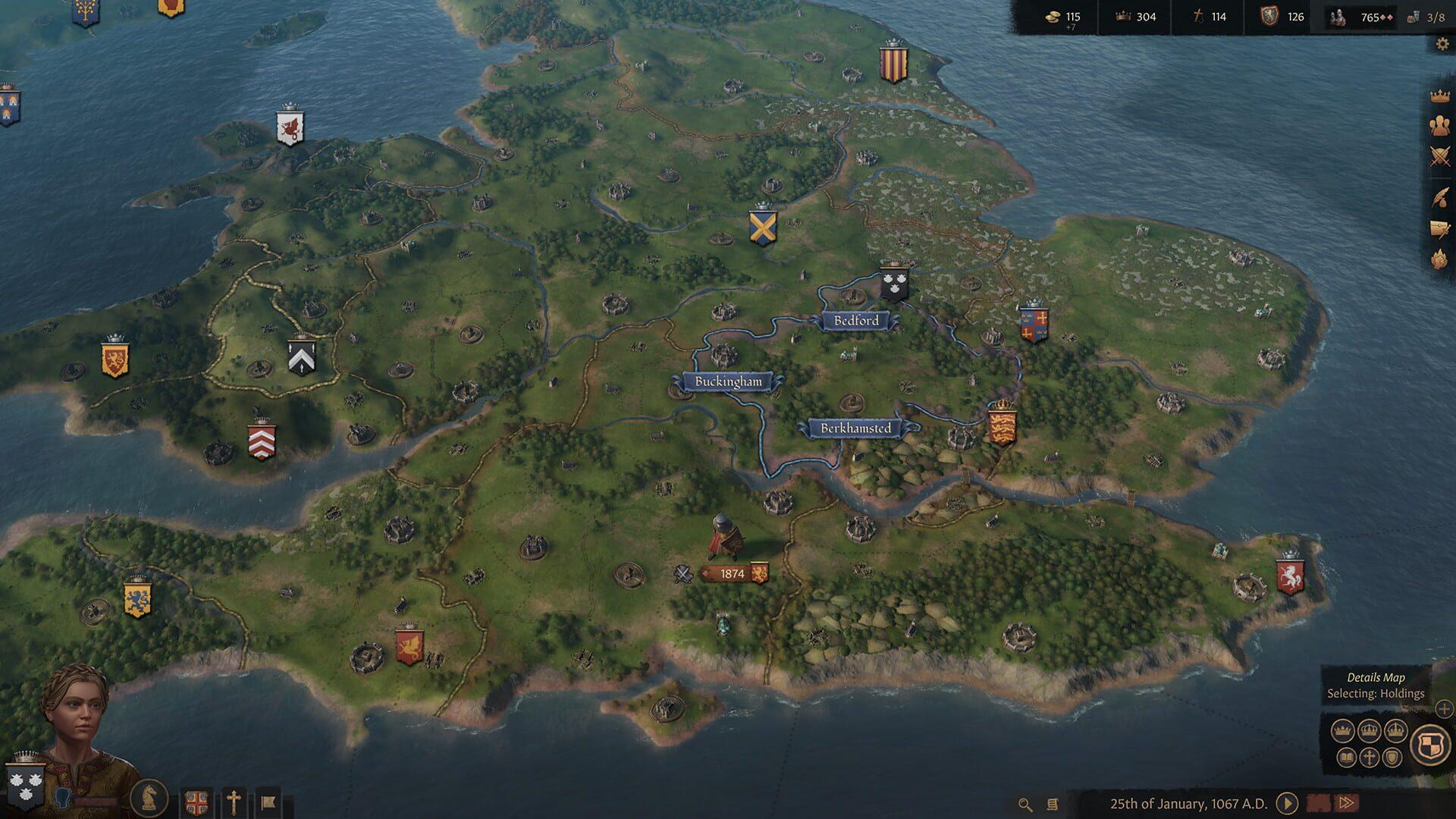
Crusader Kings III operates on multiple interconnected layers of strategy, each demanding a different kind of attention. At its core, the game asks players to balance three fundamental pressures: expanding their realm, securing their dynasty, and managing the ambitions of everyone around them.
Key mechanics that define the experience include:
- Realm management through council politics and vassal relations
- Marriage diplomacy to forge alliances and secure succession
- Military campaigns backed by levies and mercenary forces
- Intrigue schemes including seduction, assassination, and blackmail
- Faith and religious authority as tools of legitimacy and control
The succession system alone generates extraordinary complexity. Depending on the culture and religion of a realm, inheritance laws vary dramatically, meaning a powerful empire can fracture across multiple heirs upon a ruler's death. Planning for succession becomes as strategically vital as any military campaign, pushing players to think across generations rather than just the current reign.
World and Setting: A Living Medieval Tapestry
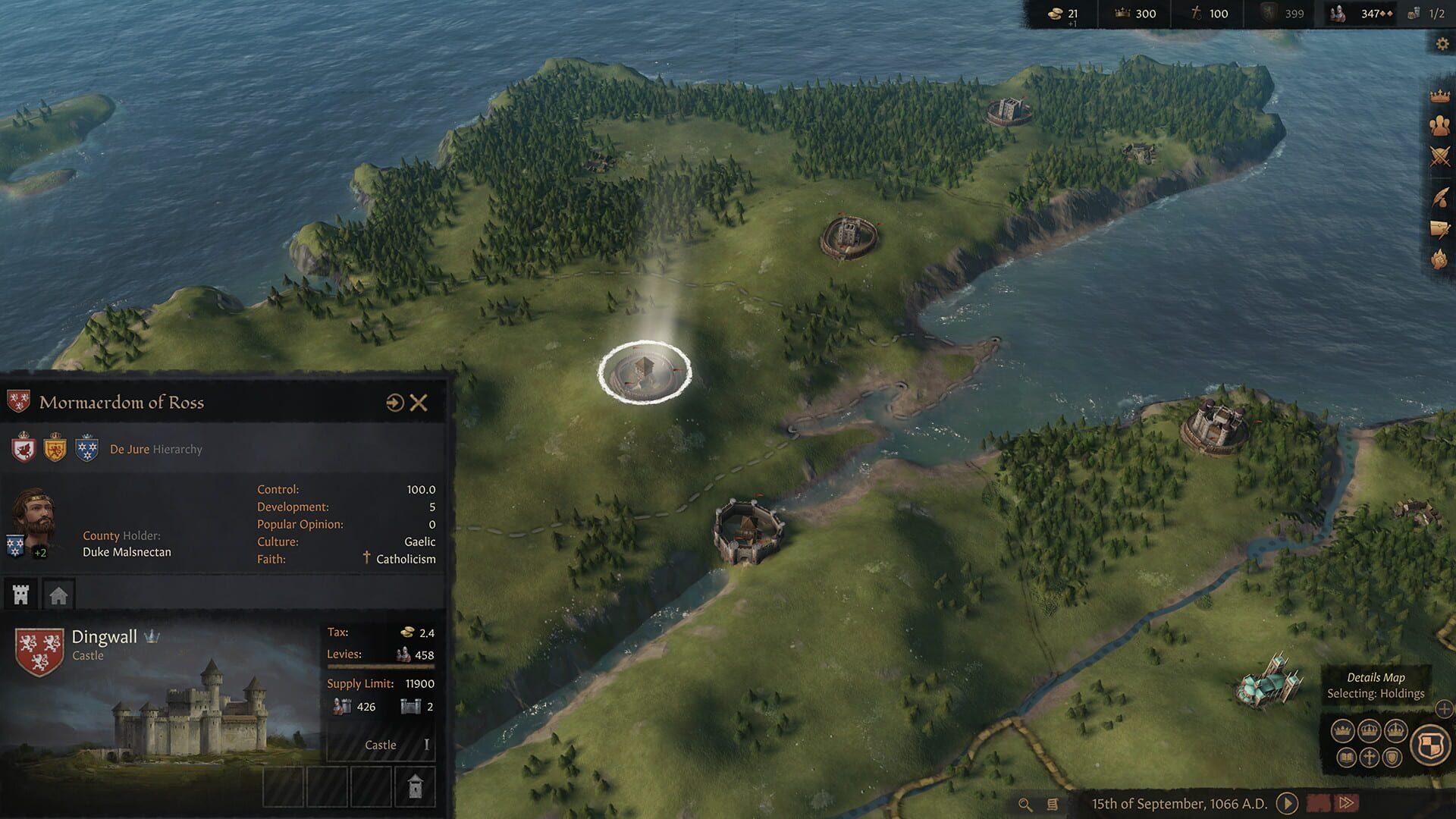
The historical backdrop of Crusader Kings III provides a rich foundation without rigidly constraining player actions. The game draws from the medieval period roughly spanning the 9th through 15th centuries, populating its world with authentic cultural identities, religious traditions, and political structures. Kingdoms rise and collapse; faiths splinter and reform; cultures blend along trade routes and borderlands.
Religious mechanics add particular depth to this world. Players can found entirely new faiths by accumulating enough piety and influence, reshaping the spiritual landscape of their realm and triggering reactions from established religious powers. This system turns theology into a genuine strategic resource.
Content and Replayability: Does It Stay Fresh?
Few strategy games match the replayability of Crusader Kings III. The combination of a massive map, hundreds of unique starting positions, procedurally generated characters, and branching event chains ensures that no two campaigns unfold identically. A Norse jarl's playthrough bears almost no resemblance to a Byzantine emperor's campaign or a West African king's dynasty-building journey.
The game also supports up to 12 players in online multiplayer, allowing friends to carve up the medieval world together or scheme against one another across continents. The Steam Workshop further extends longevity with a thriving modding community that adds new scenarios, total conversions, and quality-of-life improvements.
Conclusion
Crusader Kings III represents the pinnacle of medieval grand strategy role-playing, delivering a game where political cunning, dynastic planning, and character-driven storytelling intersect with remarkable depth. Whether commanding a modest county or a sprawling empire, the game rewards patience, creativity, and strategic thinking at every turn. Available across PC, PlayStation, Xbox, and macOS, it remains one of the most compelling and replayable entries in the strategy RPG genre.