Overview
BLOODLETTER presents a unique twist on the deck-building genre by casting players as medieval healers operating in a world where conventional medicine falls short against otherworldly maladies. Developed by ALDAMAMI GAMES, this indie strategy title combines the tactical depth of card-based gameplay with the atmospheric tension of treating patients whose ailments defy natural explanation.
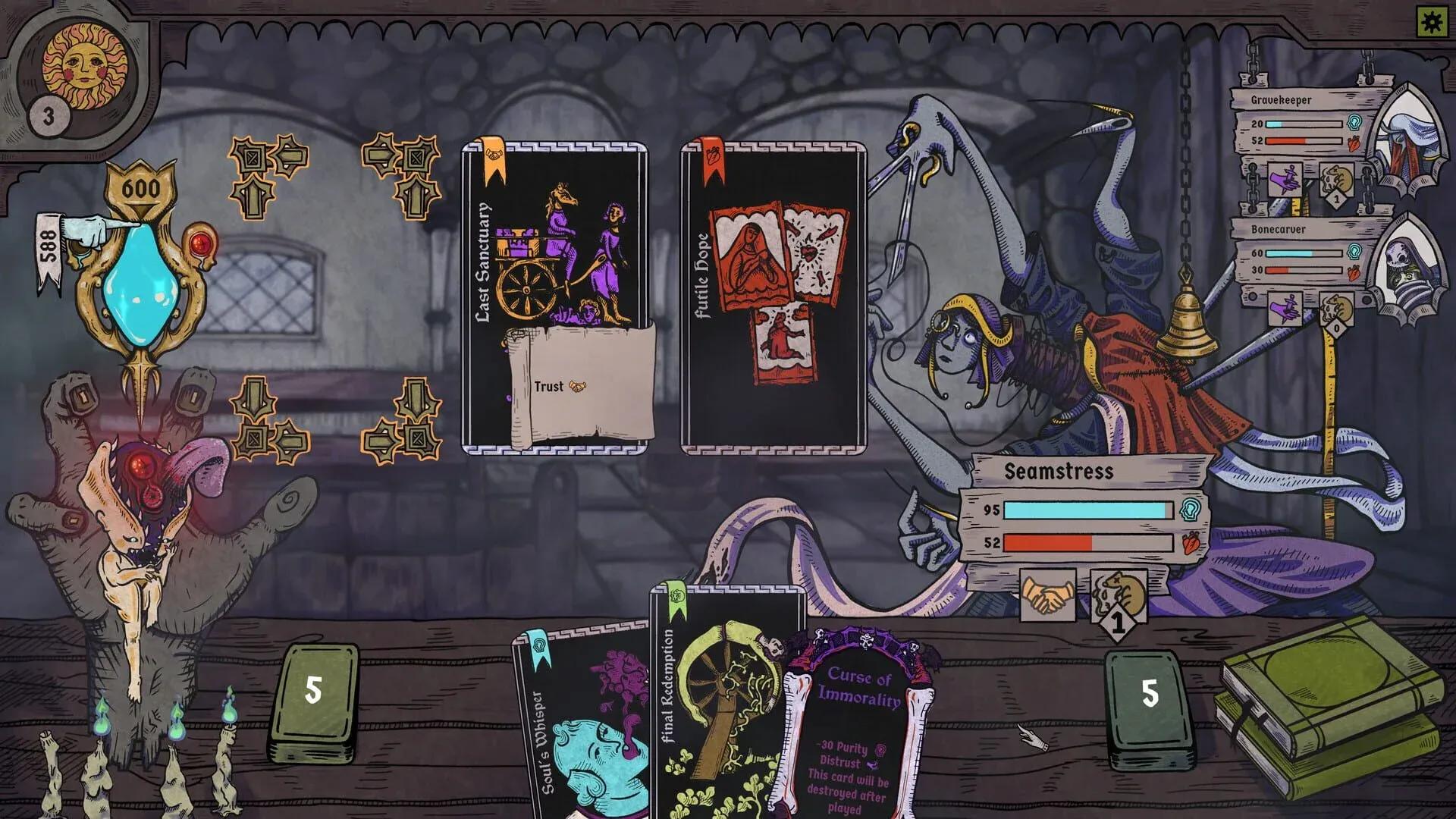
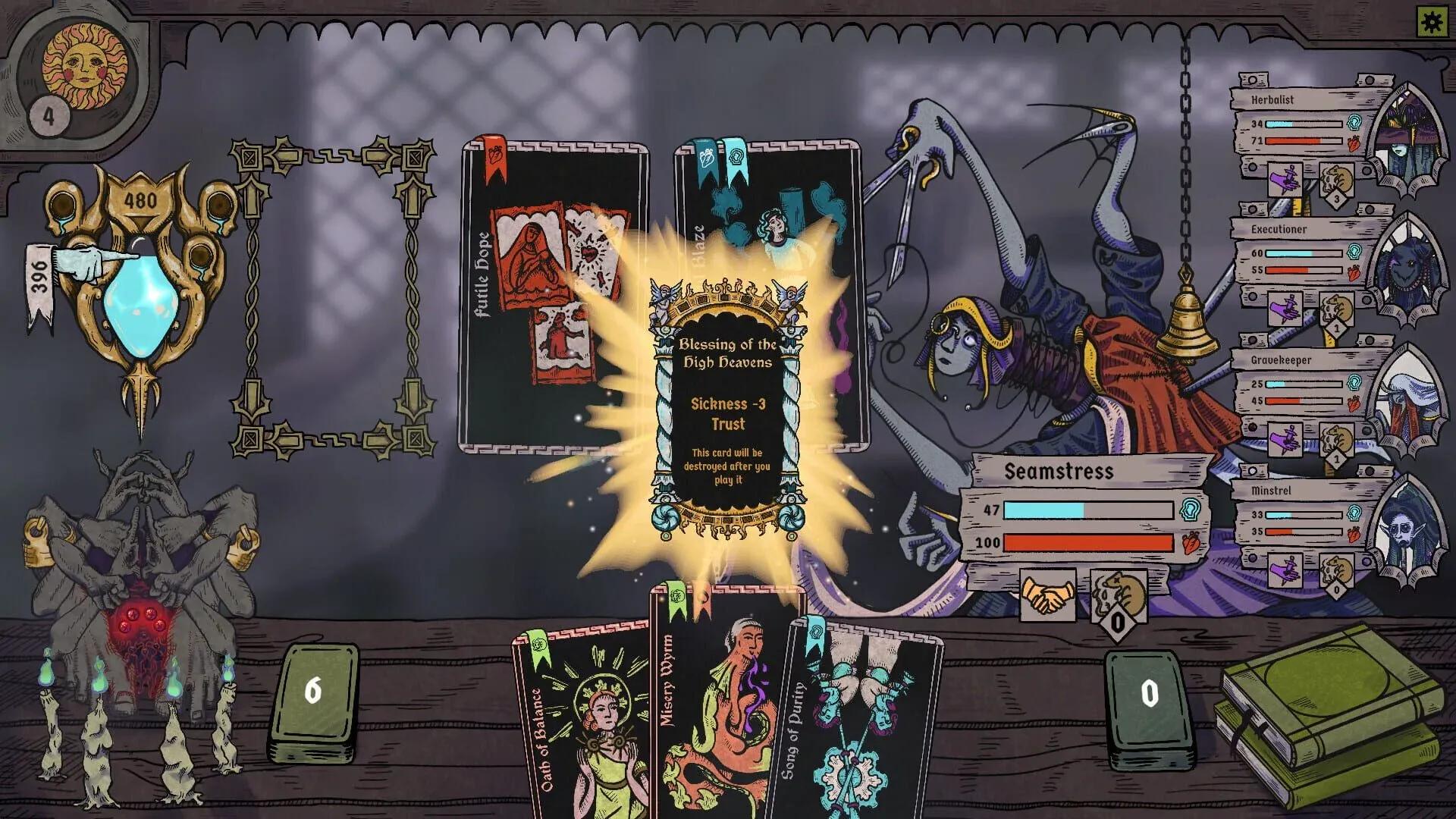
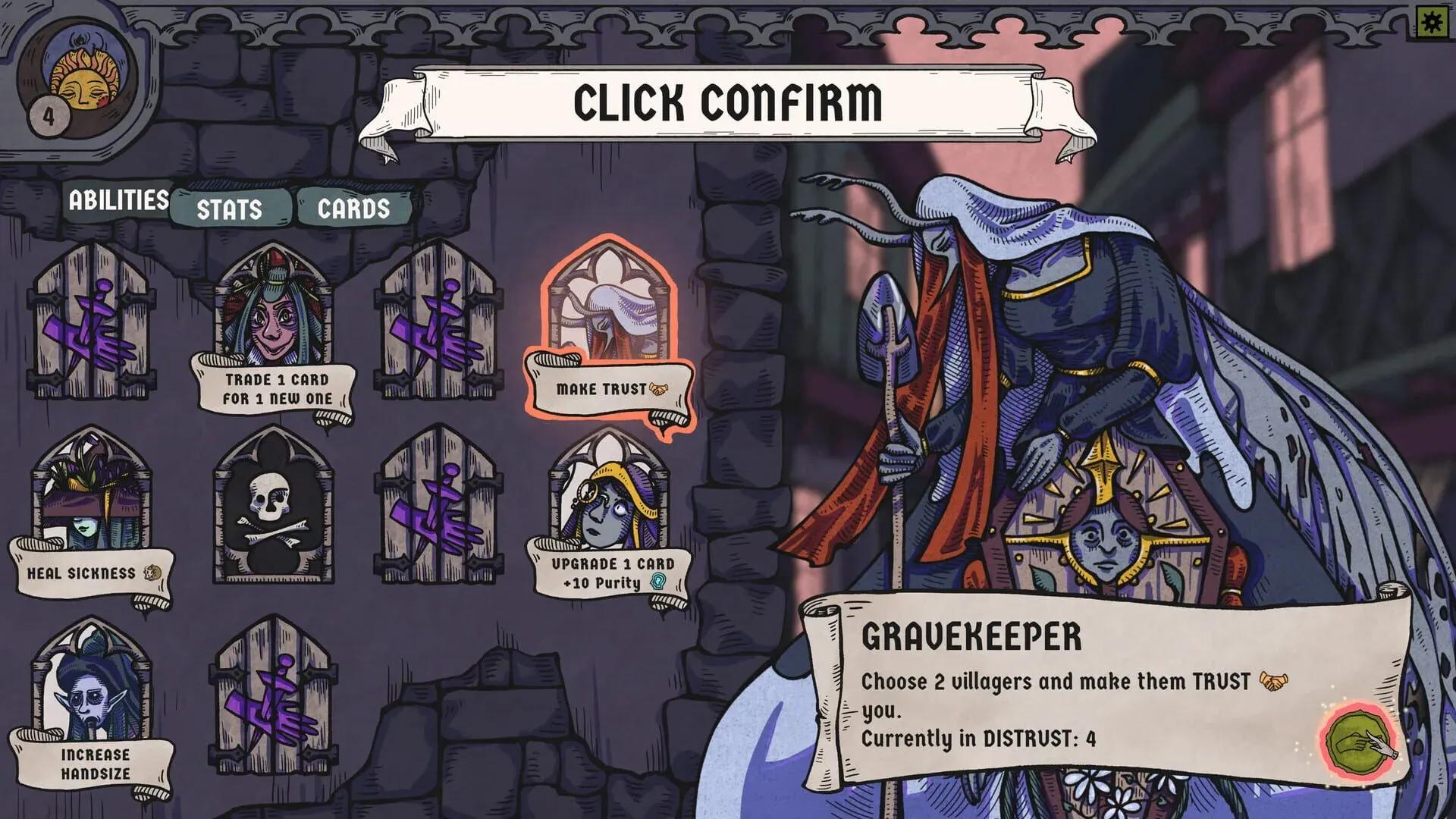
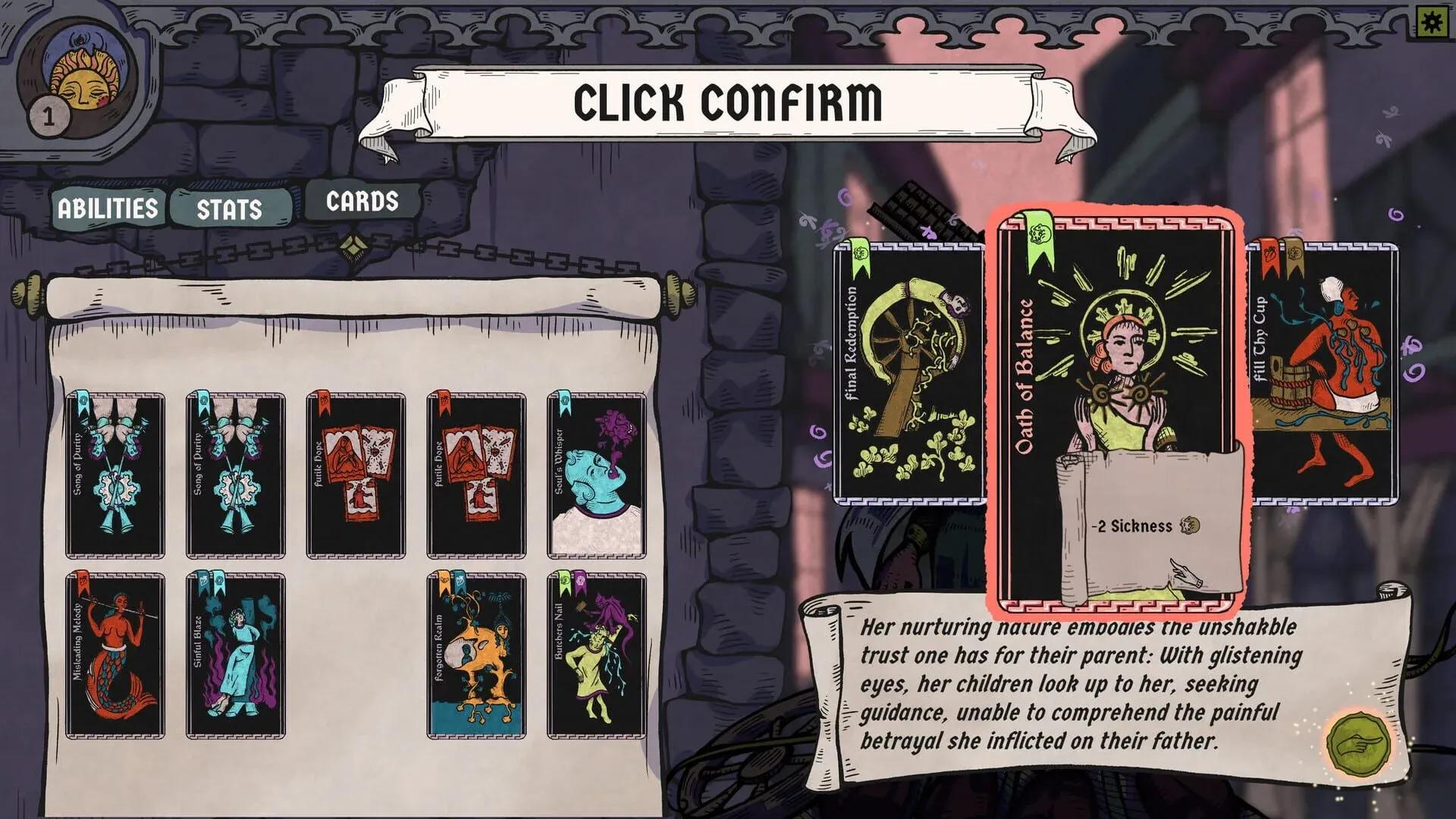
The game's core mechanics revolve around assembling and customizing decks of healing cards, each representing different medical techniques ranging from traditional remedies to more questionable practices. Players encounter a variety of villagers suffering from both physical and psychological torment inflicted by mysterious entities, requiring careful consideration of which treatments to apply and when.
What sets BLOODLETTER apart from other deck builders is its focus on the healing profession within a medieval fantasy setting. Rather than conquering enemies through combat, success depends on understanding patient symptoms, managing limited resources, and making difficult decisions about treatment methods that may blur ethical lines.
Gameplay Mechanics and Strategic Depth
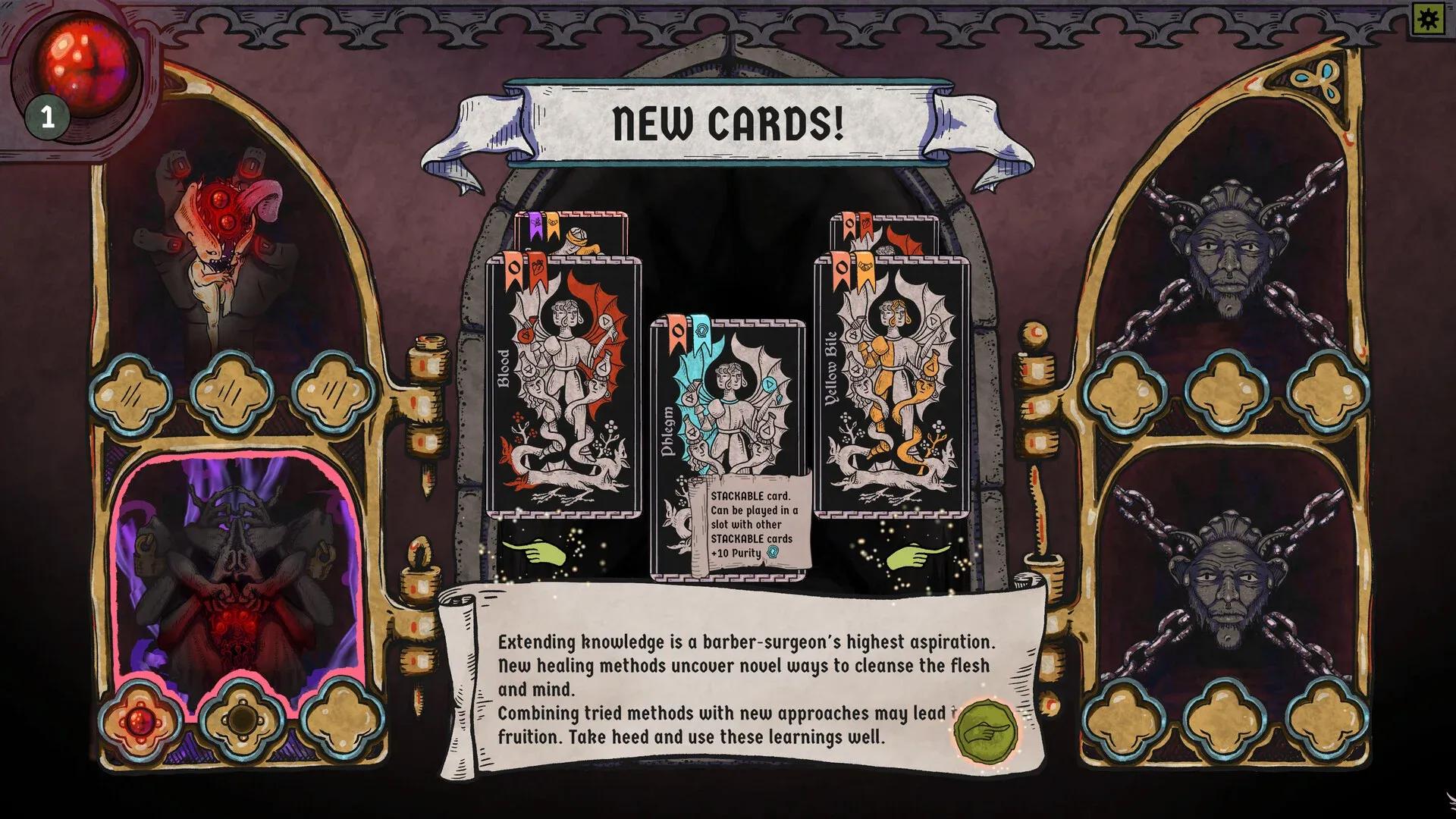
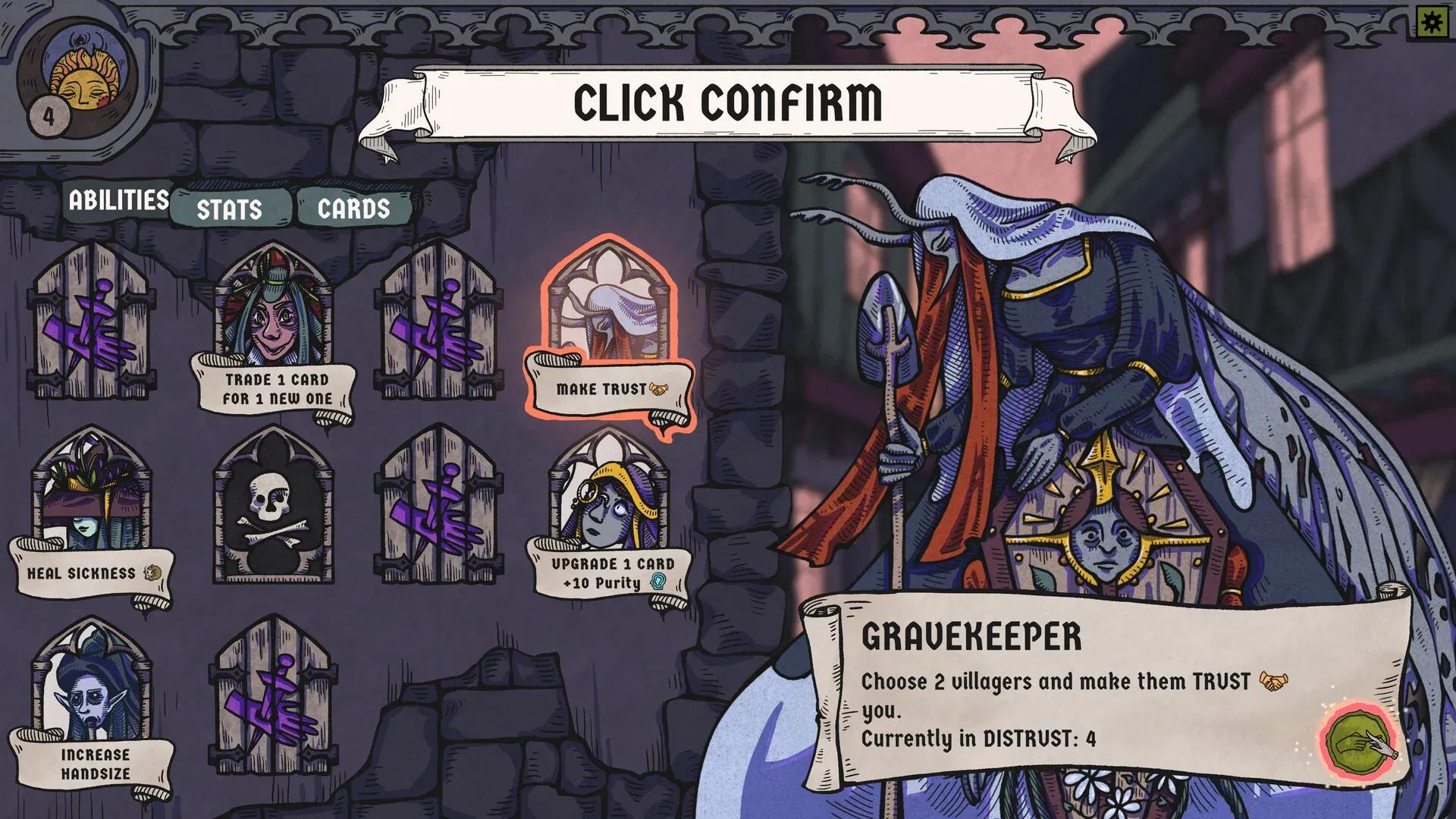
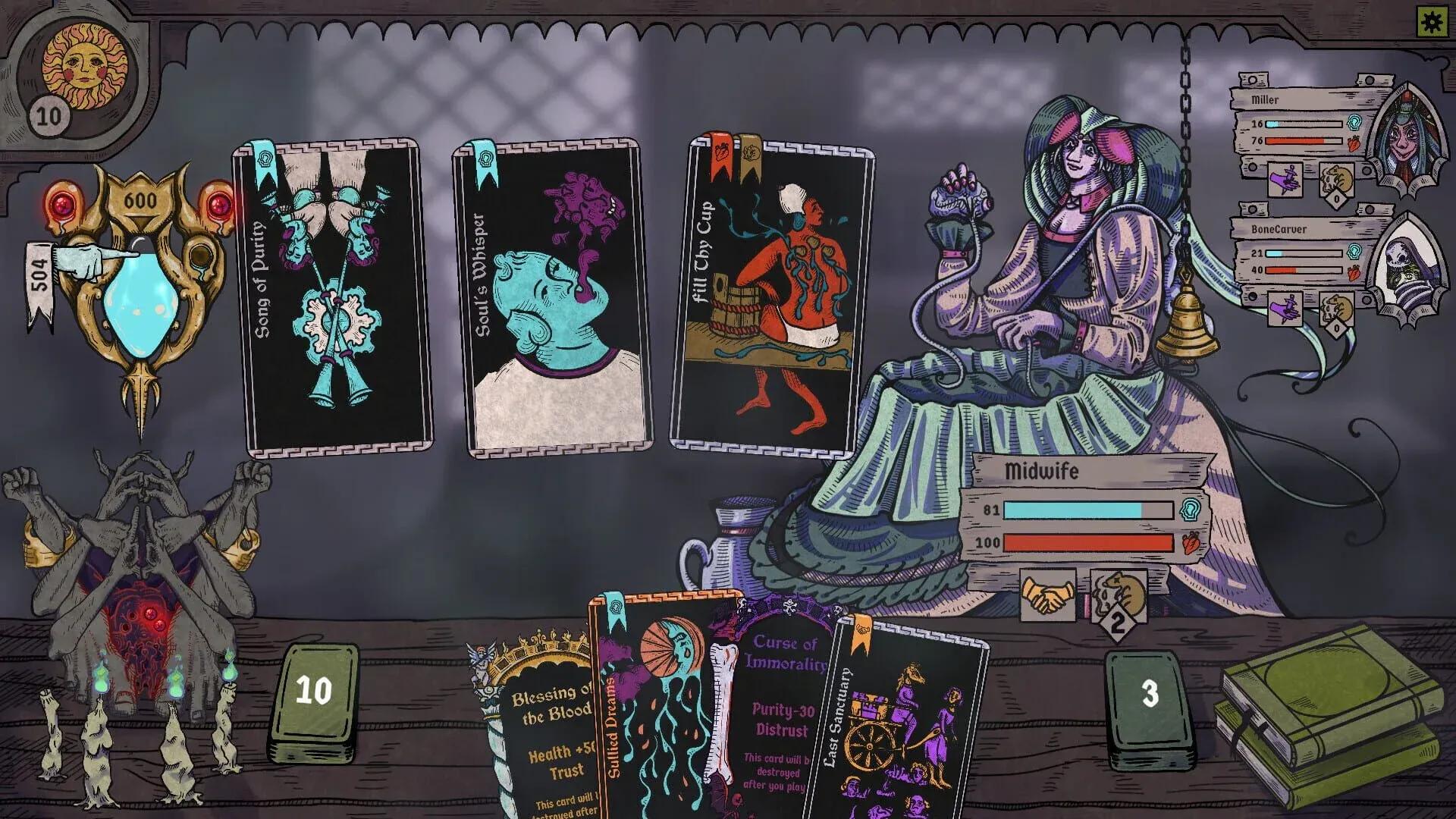
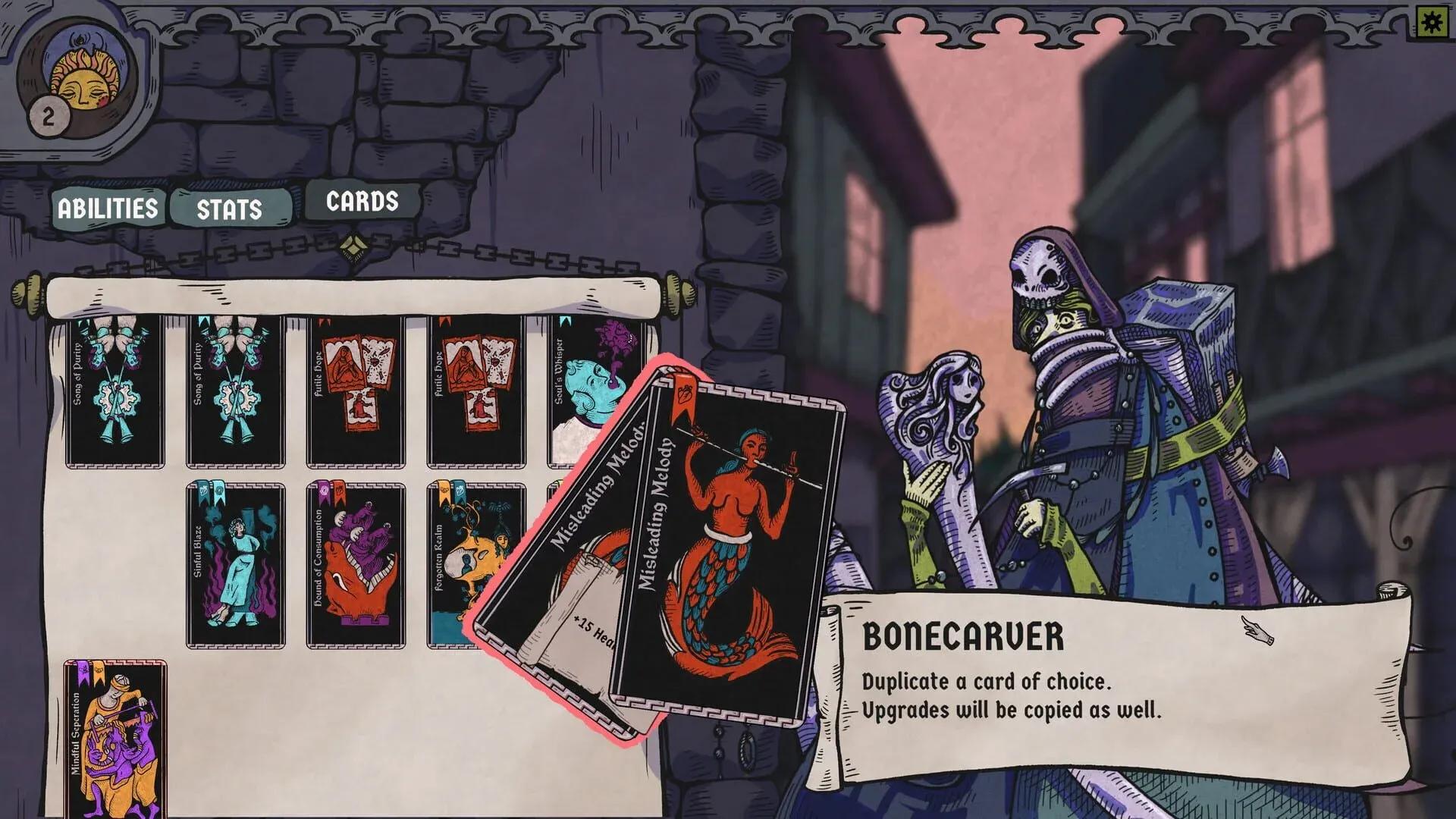
The deck-building system in BLOODLETTER operates on multiple layers of complexity that reward both tactical thinking and long-term planning. Players begin each session with a basic collection of healing cards and gradually expand their repertoire through successful treatments and discoveries.
Key gameplay elements include:
- Card synergy systems for complex healing combinations
- Patient diagnosis mechanics requiring careful observation
- Resource management for rare medical supplies
- Moral choice systems affecting treatment outcomes
- Progressive deck enhancement through experience
BLOODLETTER
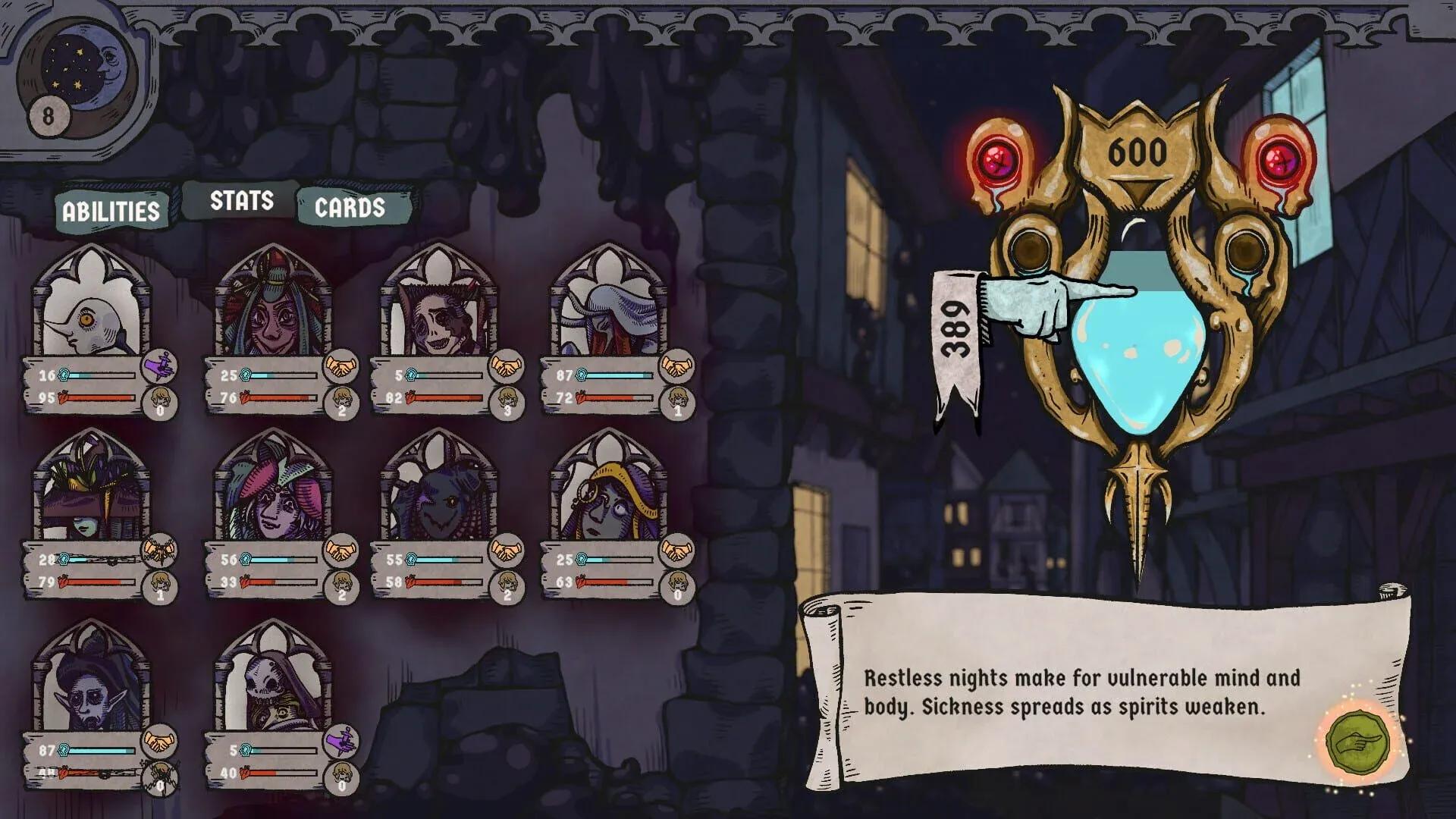
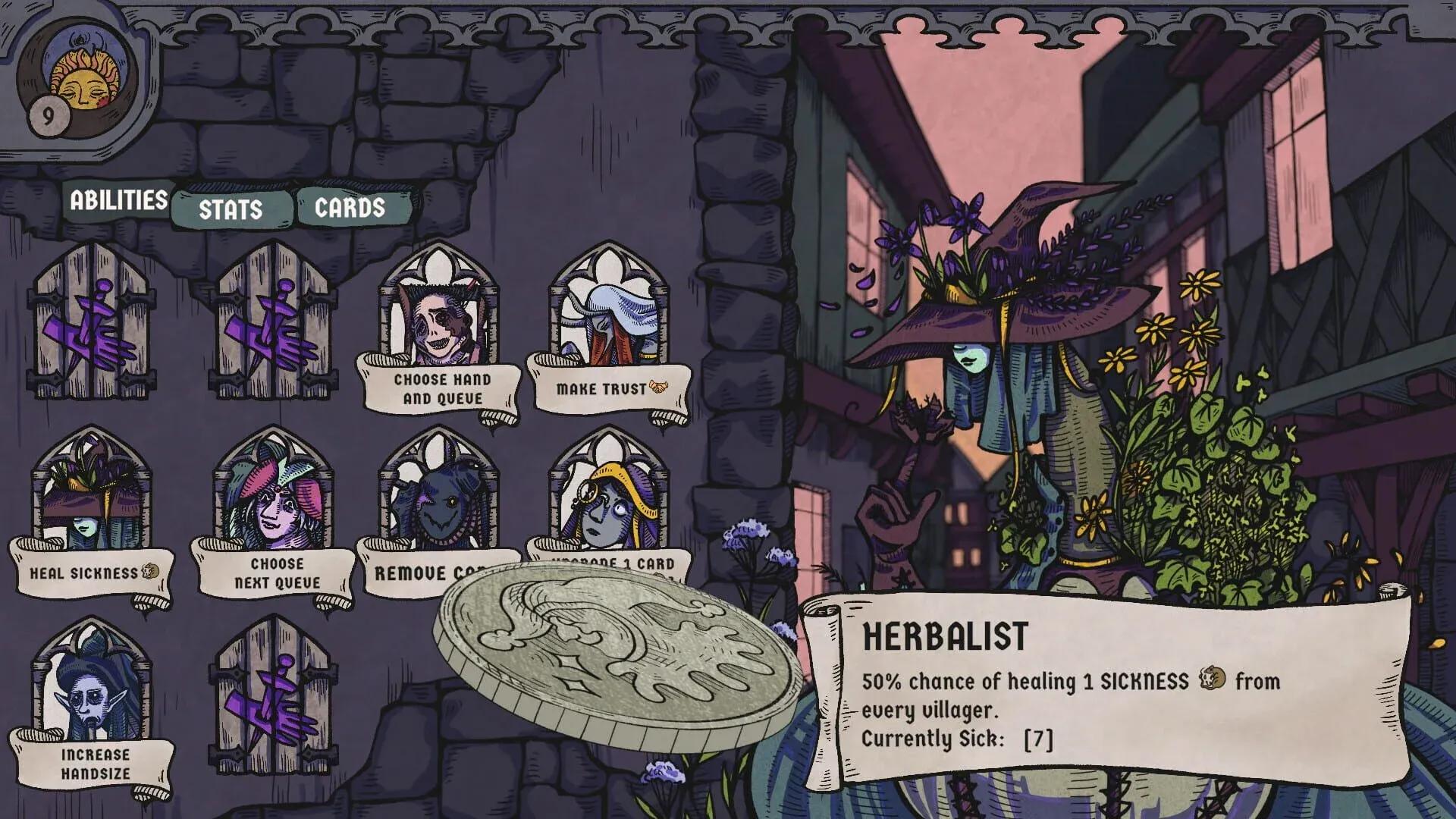
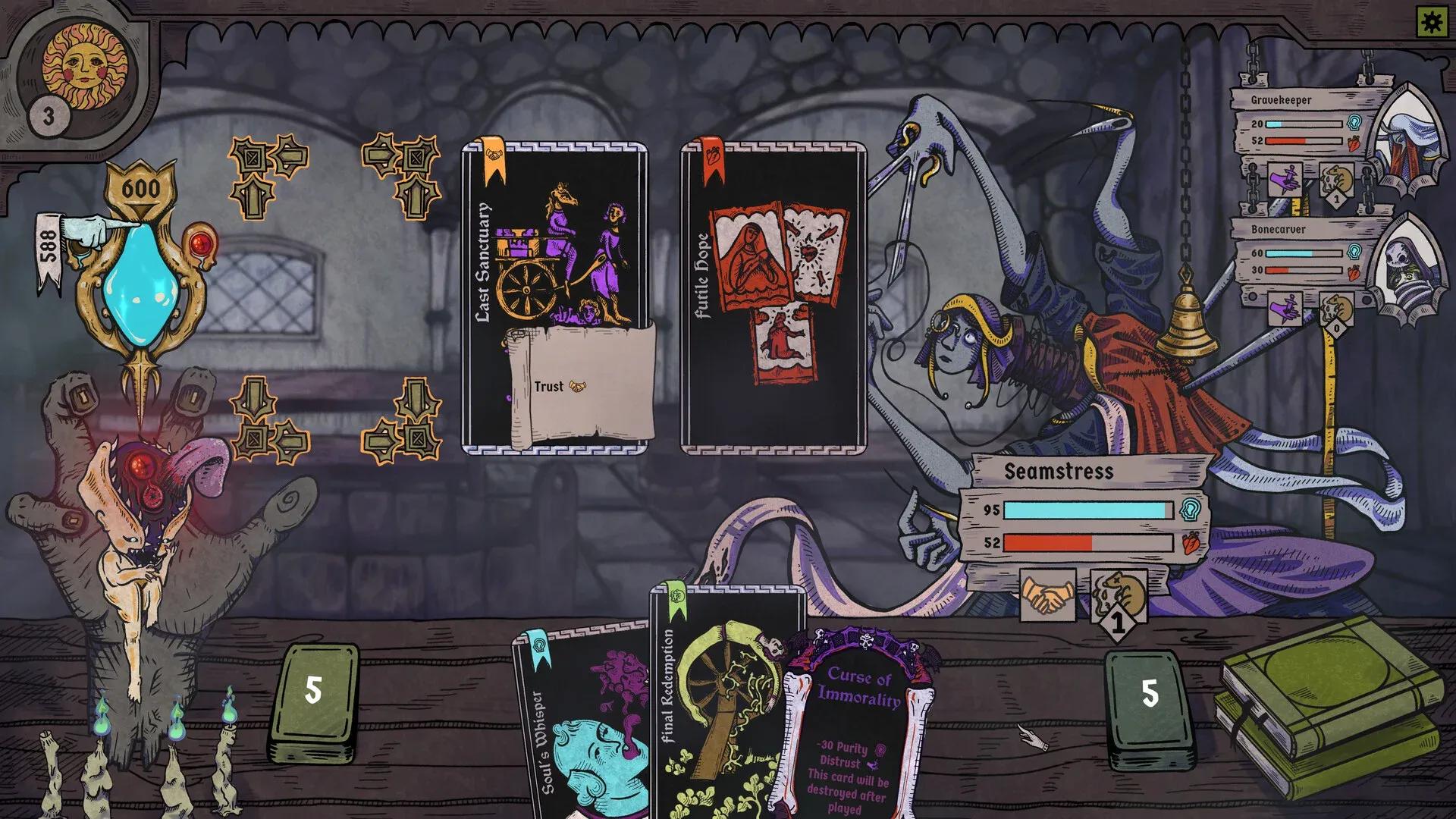
Each patient presents unique challenges that demand specific approaches. Some villagers arrive with visible physical wounds, while others suffer from mental afflictions that require more subtle intervention. The game's simulation aspects come into play as players must consider factors like patient constitution, treatment compatibility, and potential side effects of their chosen methods.
The strategic depth emerges from the interplay between different card types and the need to adapt healing approaches based on patient responses. Success often requires experimenting with unconventional combinations while managing the risks associated with more aggressive treatments.
What Makes BLOODLETTER's Healing System Unique?
Traditional deck builders focus on defeating opponents, but BLOODLETTER inverts this concept by making preservation and restoration the primary objectives. The healing mechanics incorporate elements of medical simulation, requiring players to understand cause-and-effect relationships between treatments and patient outcomes.
BLOODLETTER
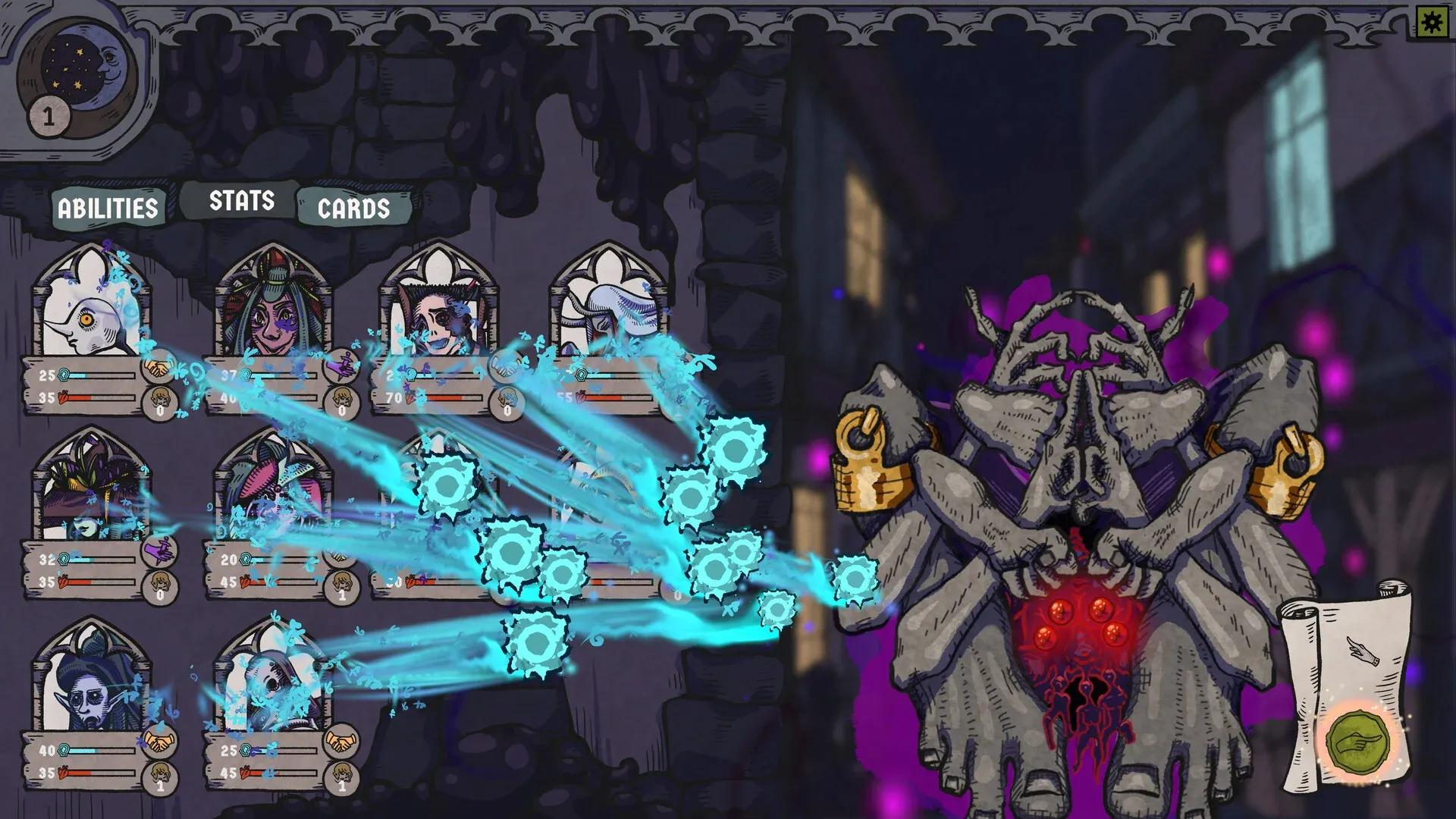
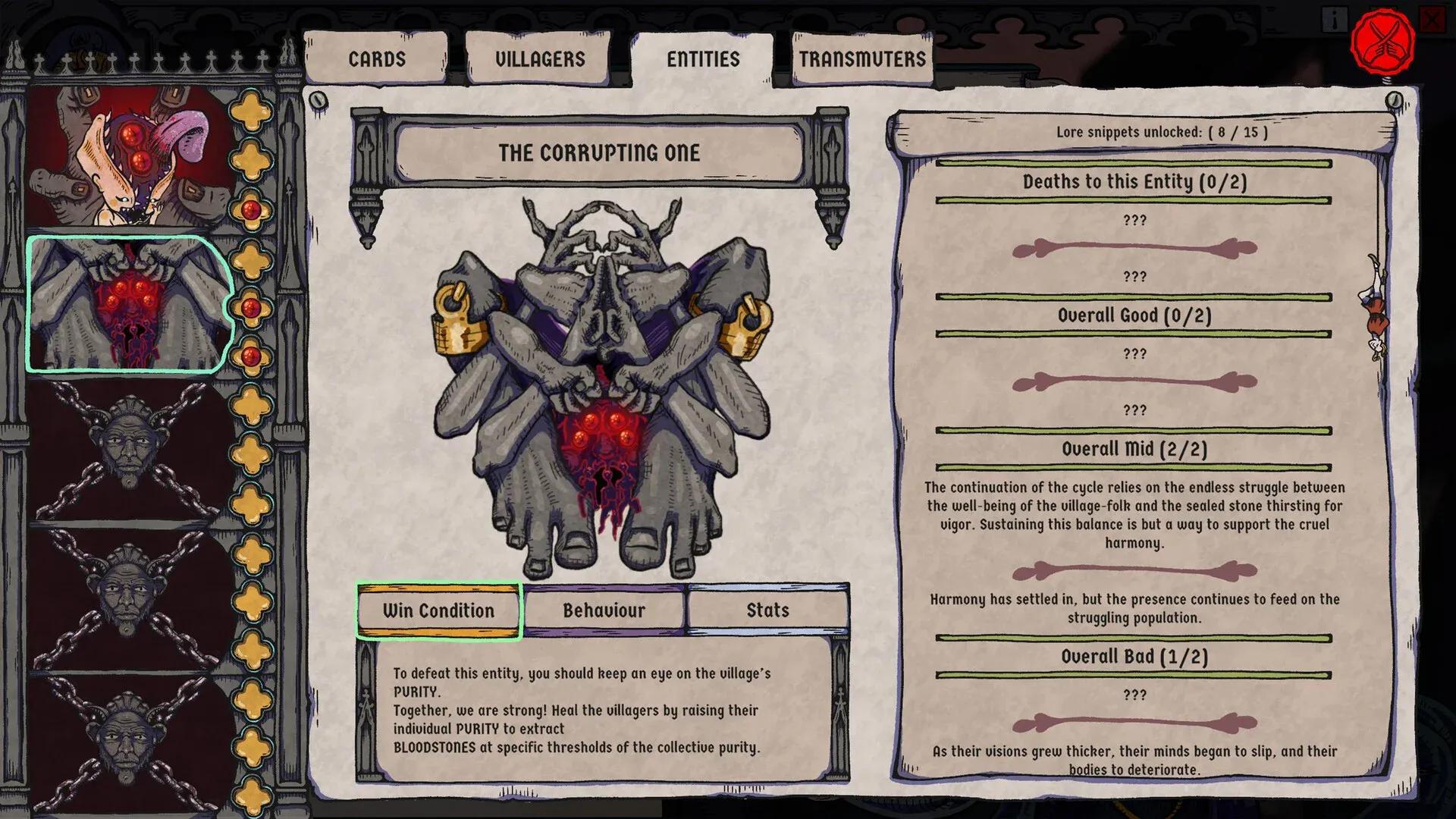
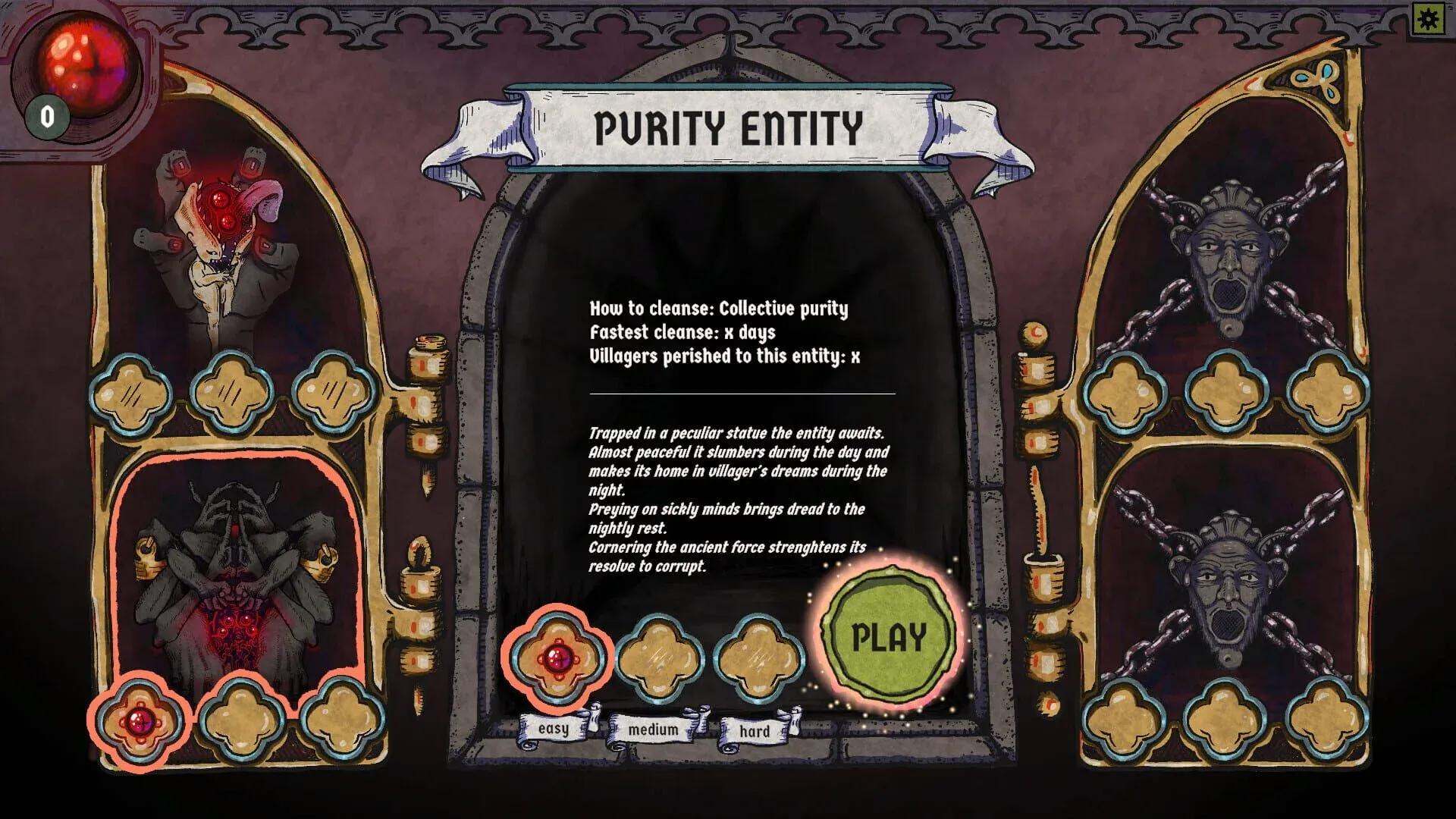
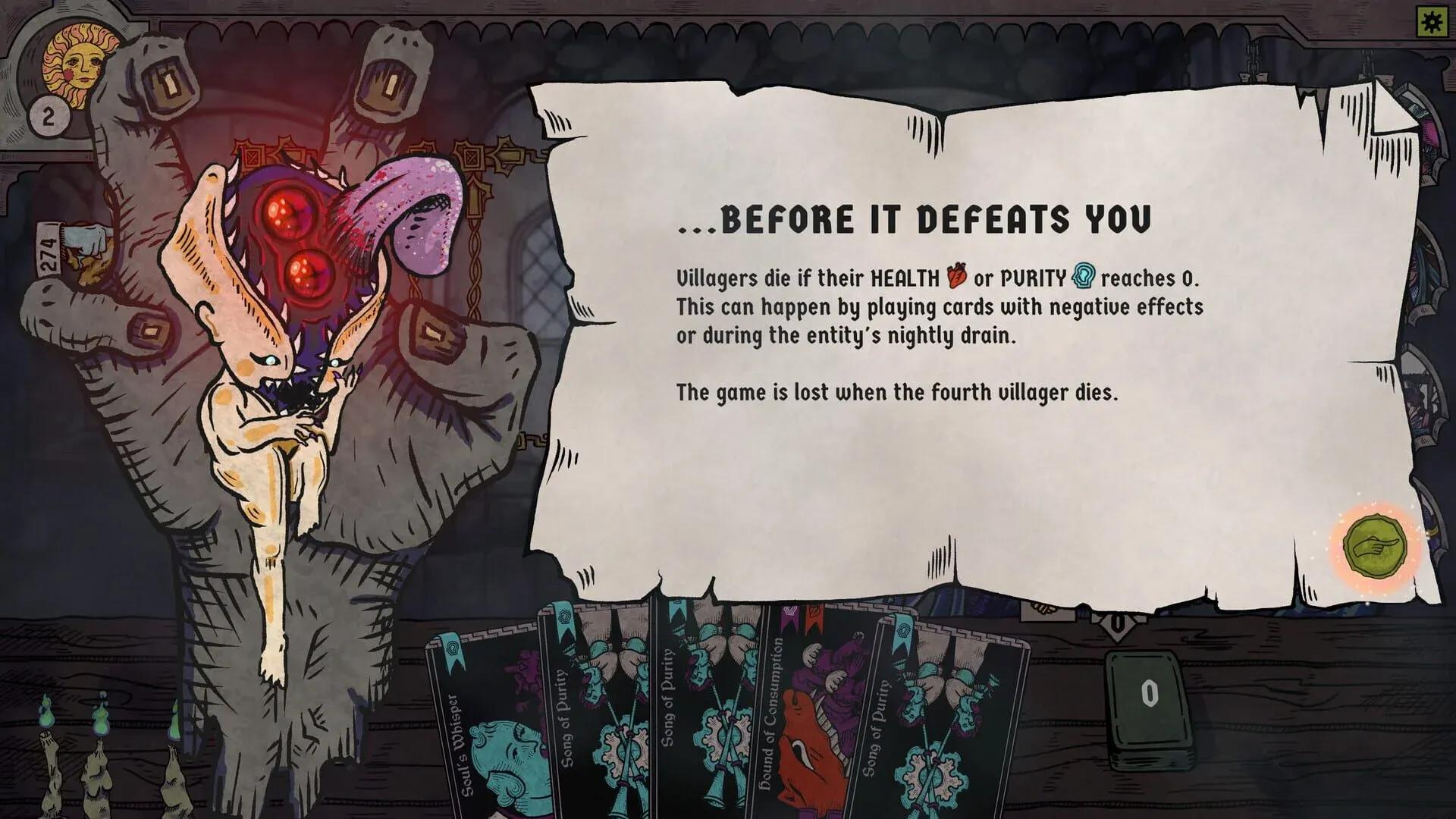
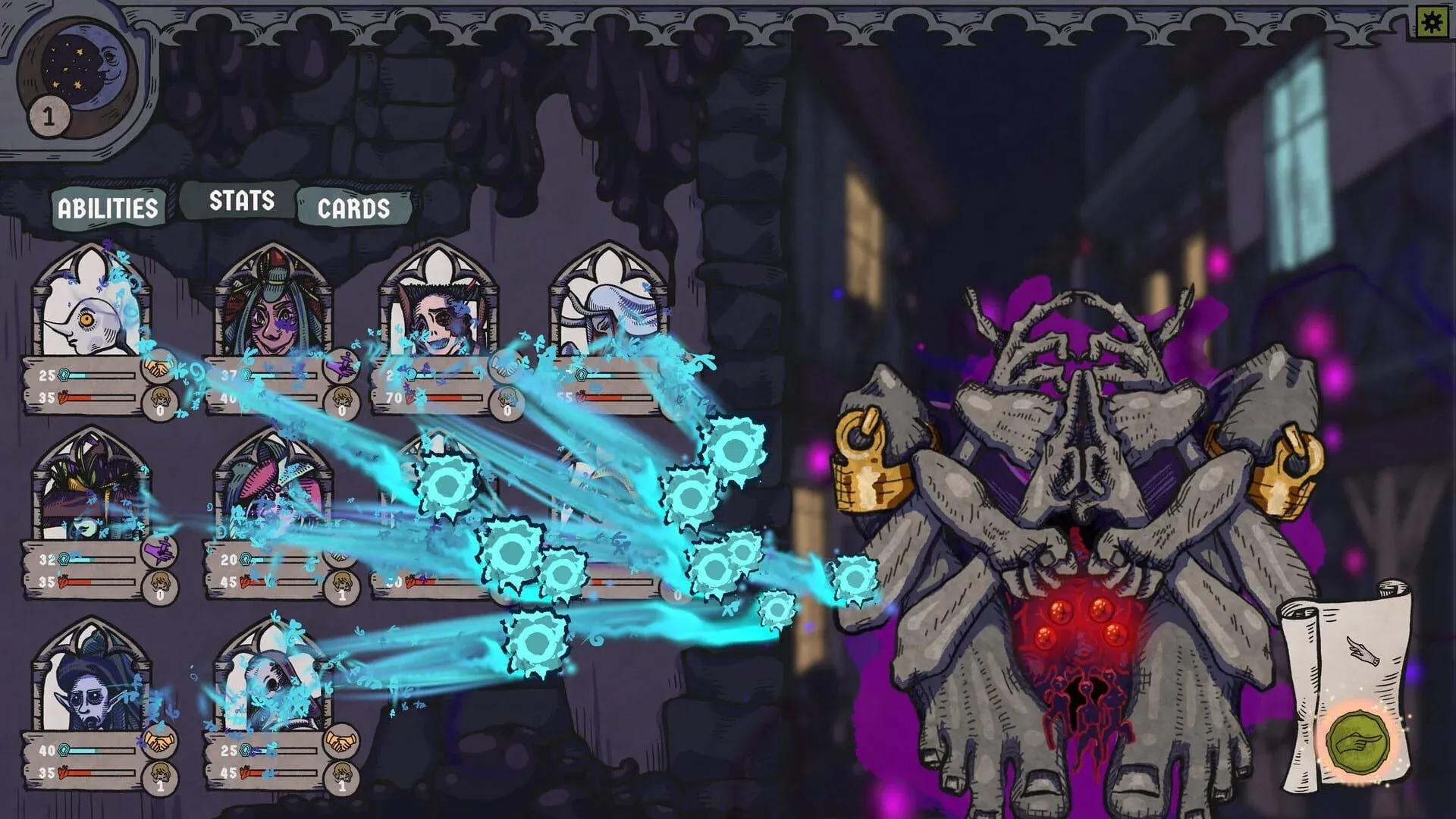
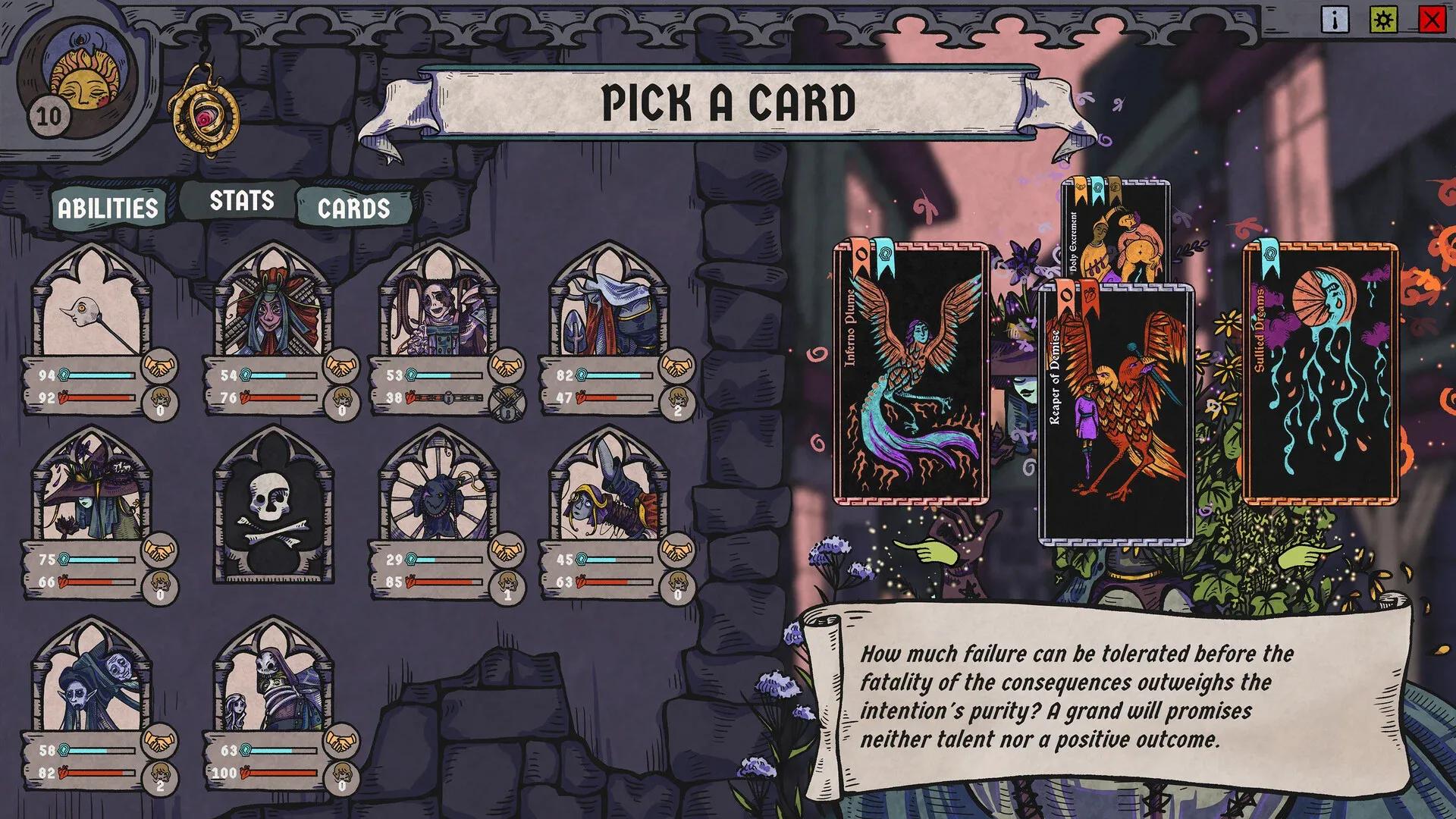
The mysterious entities that afflict the villagers introduce supernatural elements that challenge players to think beyond conventional medical knowledge. These otherworldly influences create scenarios where standard healing practices prove insufficient, forcing players to explore darker, more experimental approaches that may carry significant risks.
The game's medieval setting influences both the available treatments and the moral framework within which players operate. Historical medical practices, folklore remedies, and period-appropriate superstitions all factor into the available card pool, creating an authentic atmosphere that grounds the fantasy elements in recognizable historical context.
Visual Design and Atmospheric Presentation
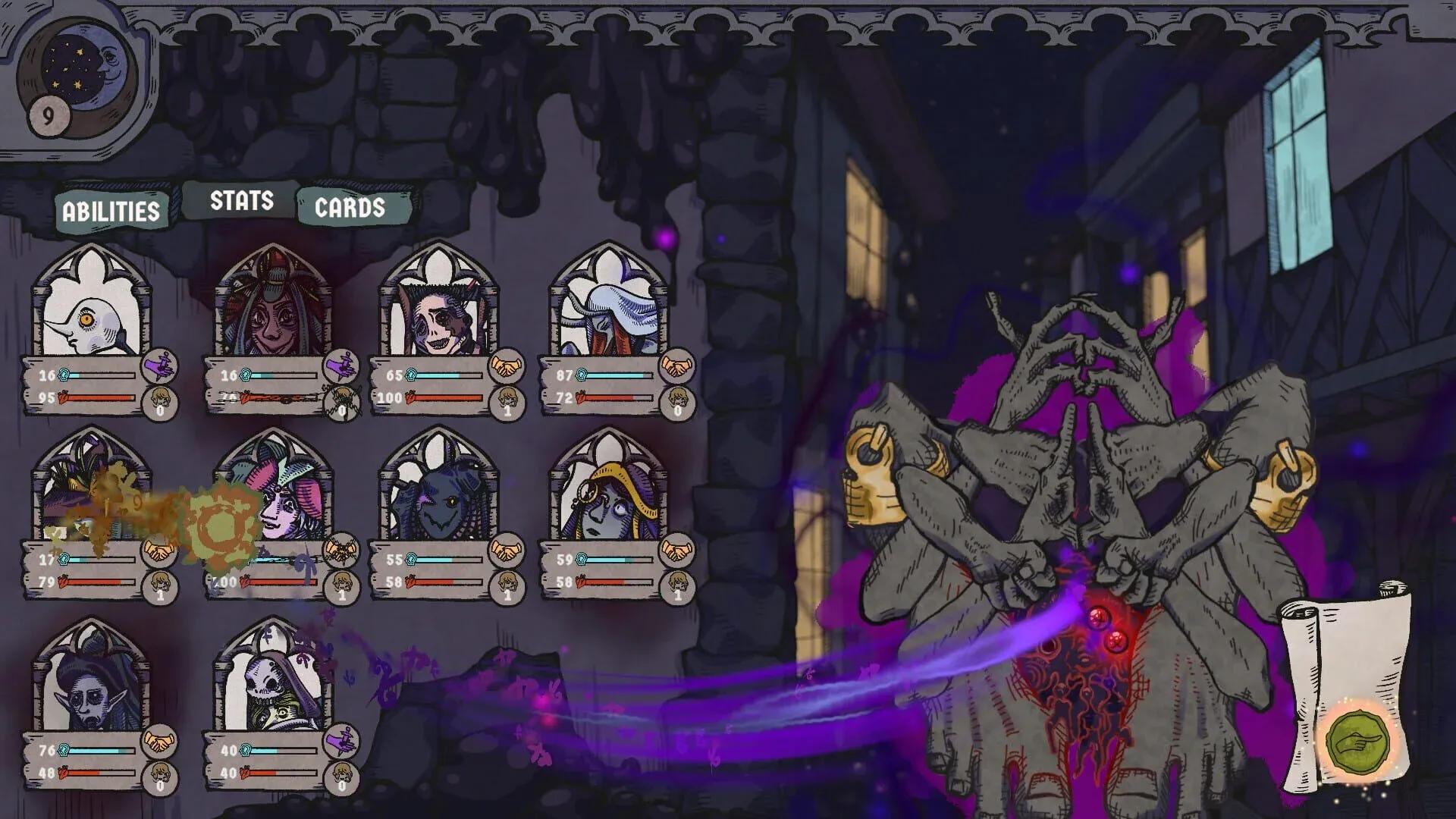
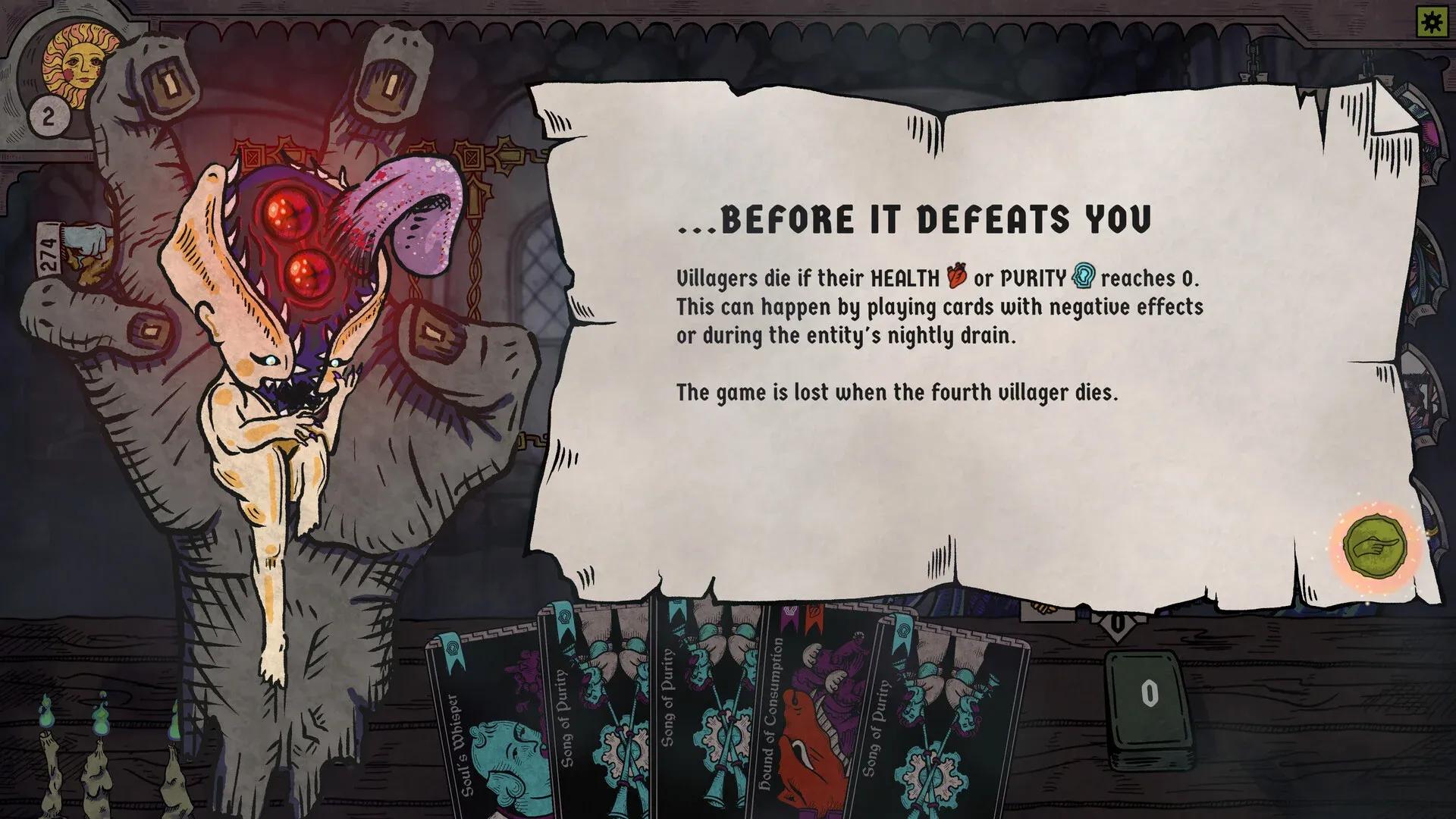
BLOODLETTER employs a distinct visual style that captures the gritty reality of medieval medical practice while incorporating supernatural horror elements. The art direction emphasizes the contrast between the healer's noble intentions and the often disturbing nature of the treatments required to combat otherworldly afflictions.
BLOODLETTER
The card artwork reflects the game's thematic focus on healing and restoration, with detailed illustrations that convey both the medical techniques being employed and their potential consequences. Patient character designs effectively communicate their various ailments and the progression of their conditions based on treatment success or failure.
Environmental design supports the medieval atmosphere through authentic period details in treatment settings, from humble village hovels to more elaborate healing chambers. The visual presentation maintains a careful balance between historical accuracy and fantasy elements, ensuring that supernatural aspects feel integrated rather than jarring.
Content Variety and Replayability
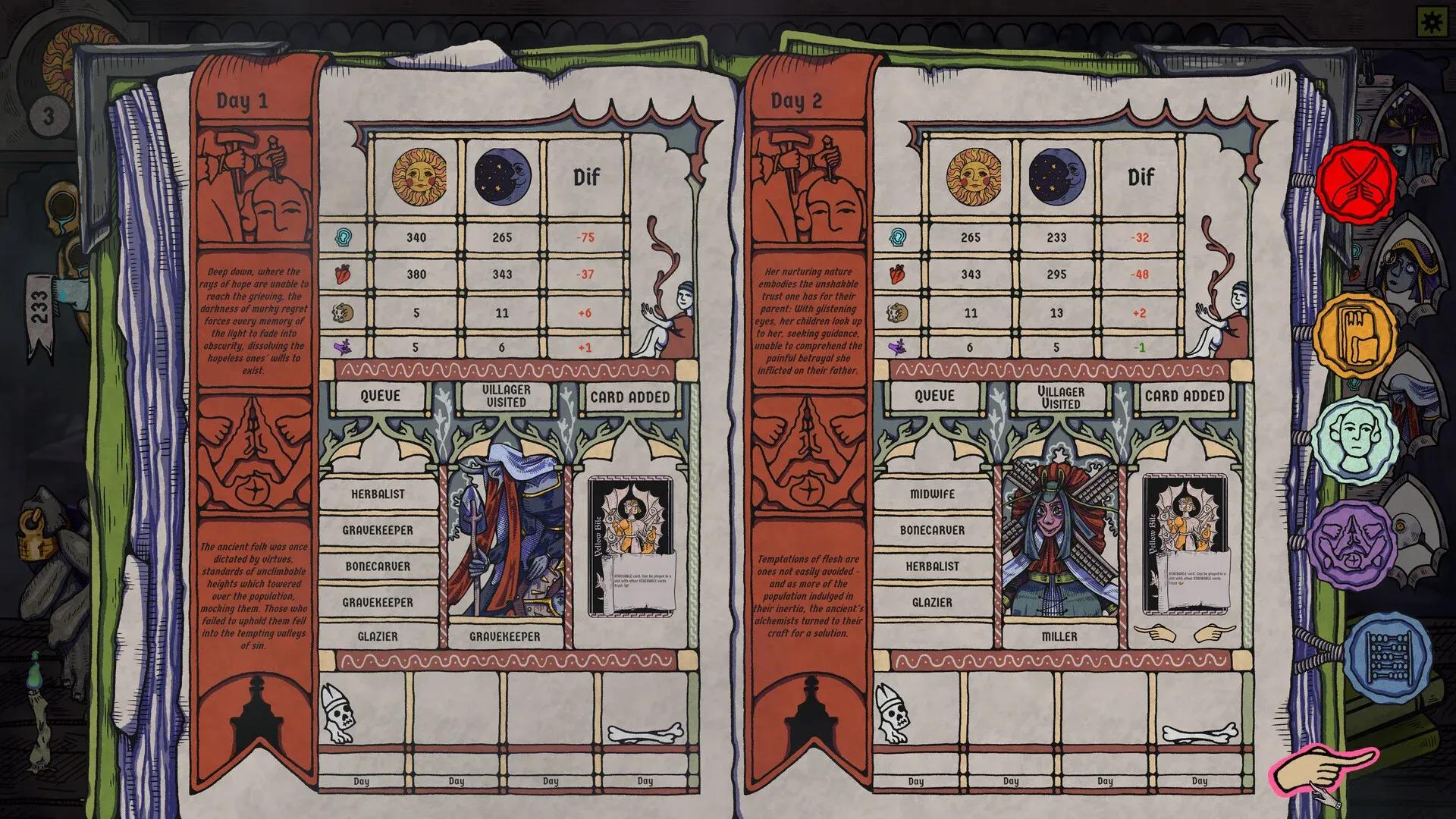
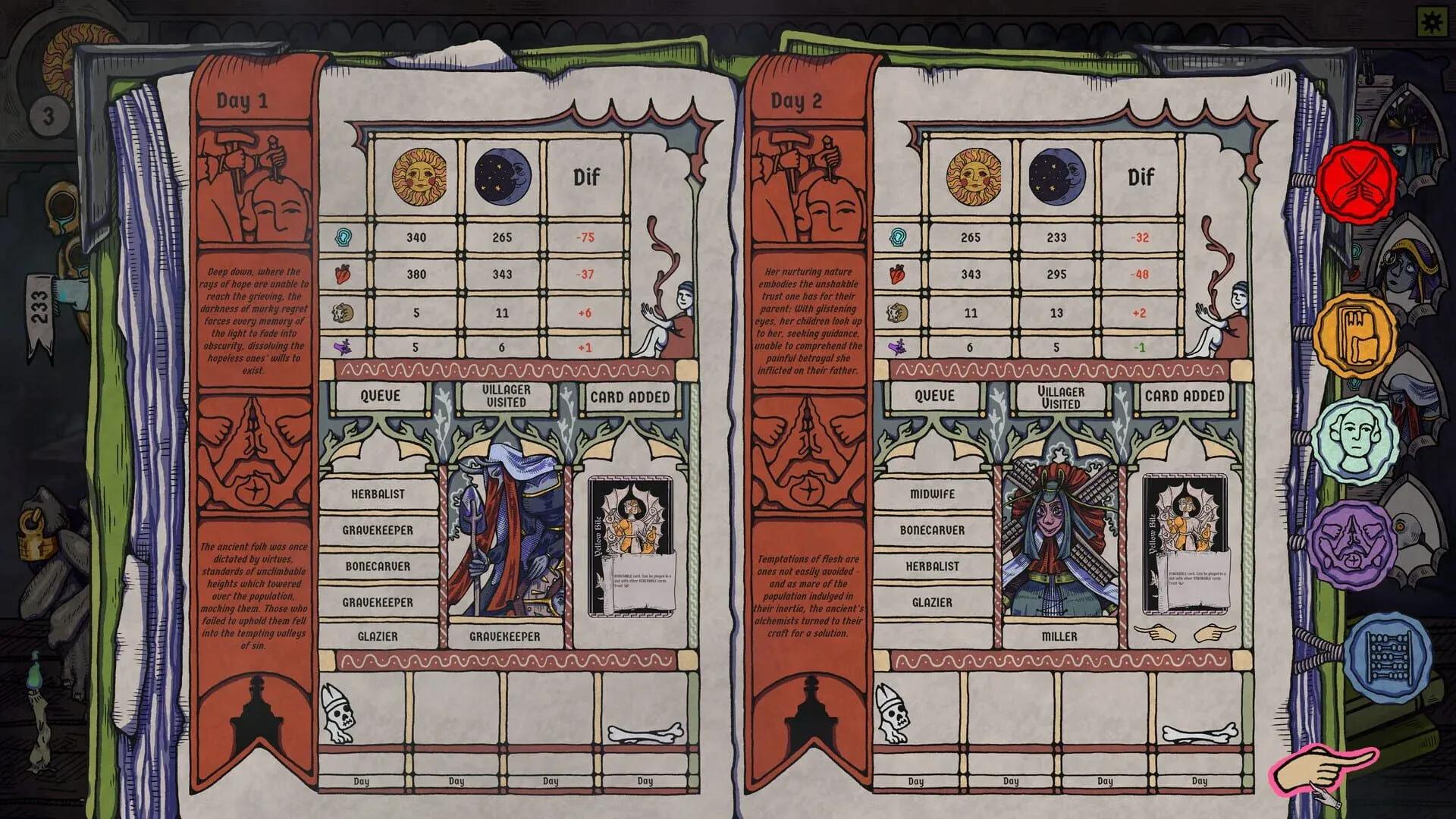
The simulation aspects of BLOODLETTER provide substantial replay value through procedurally generated patient cases and the extensive customization options available for deck construction. Each playthrough presents different combinations of patients, ailments, and available treatments, ensuring that successful strategies from previous sessions may not always prove effective.
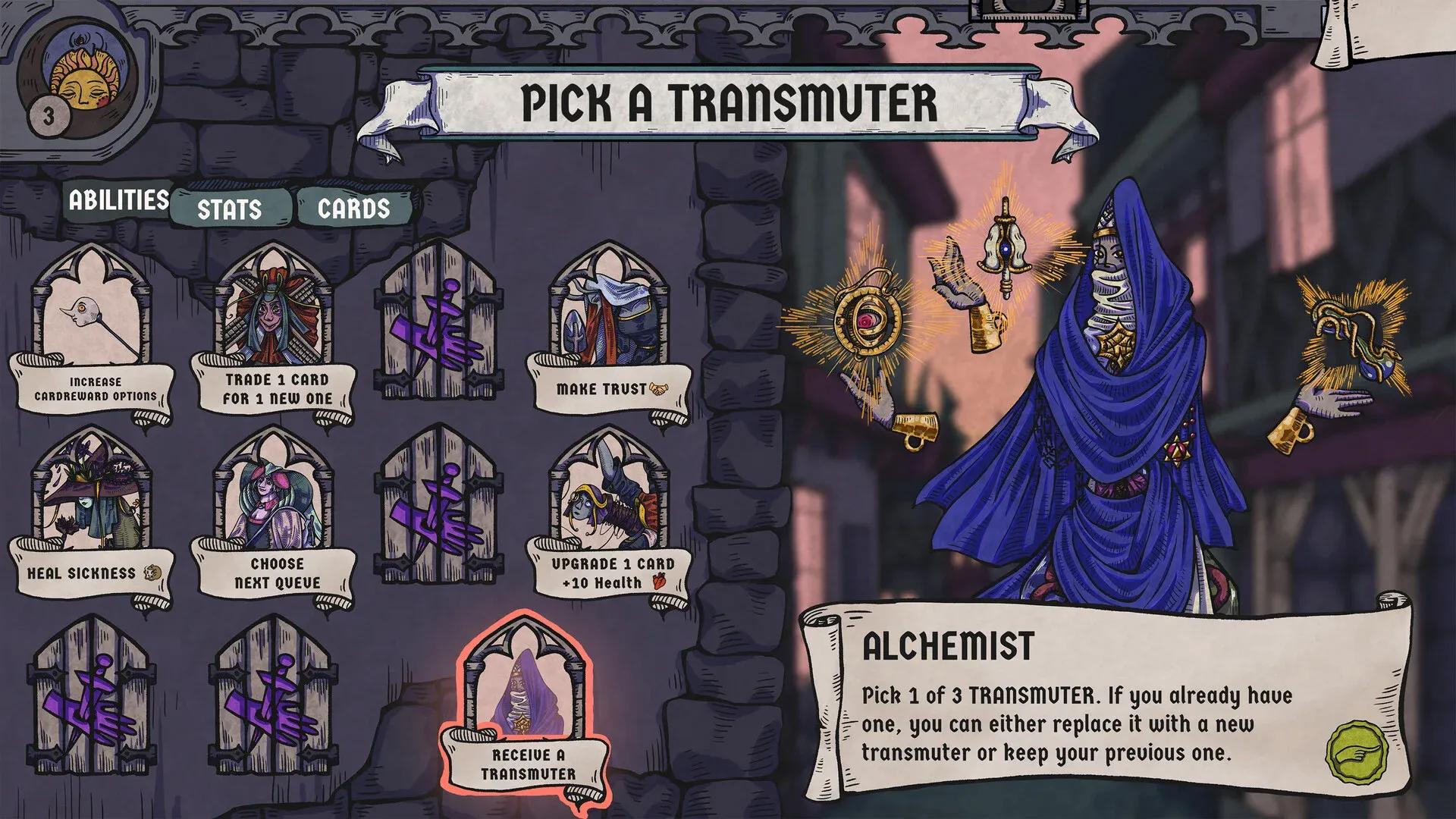
BLOODLETTER
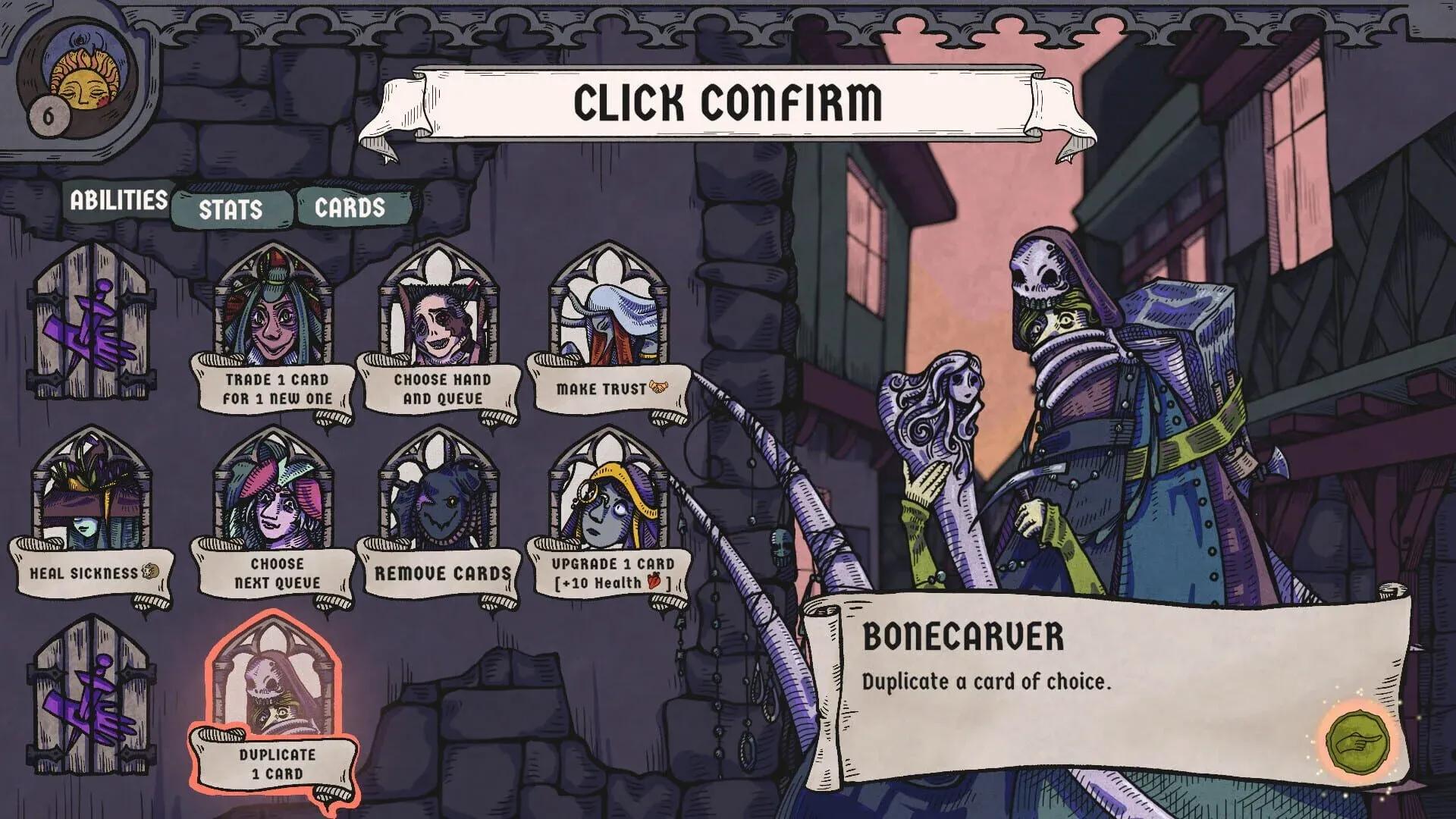
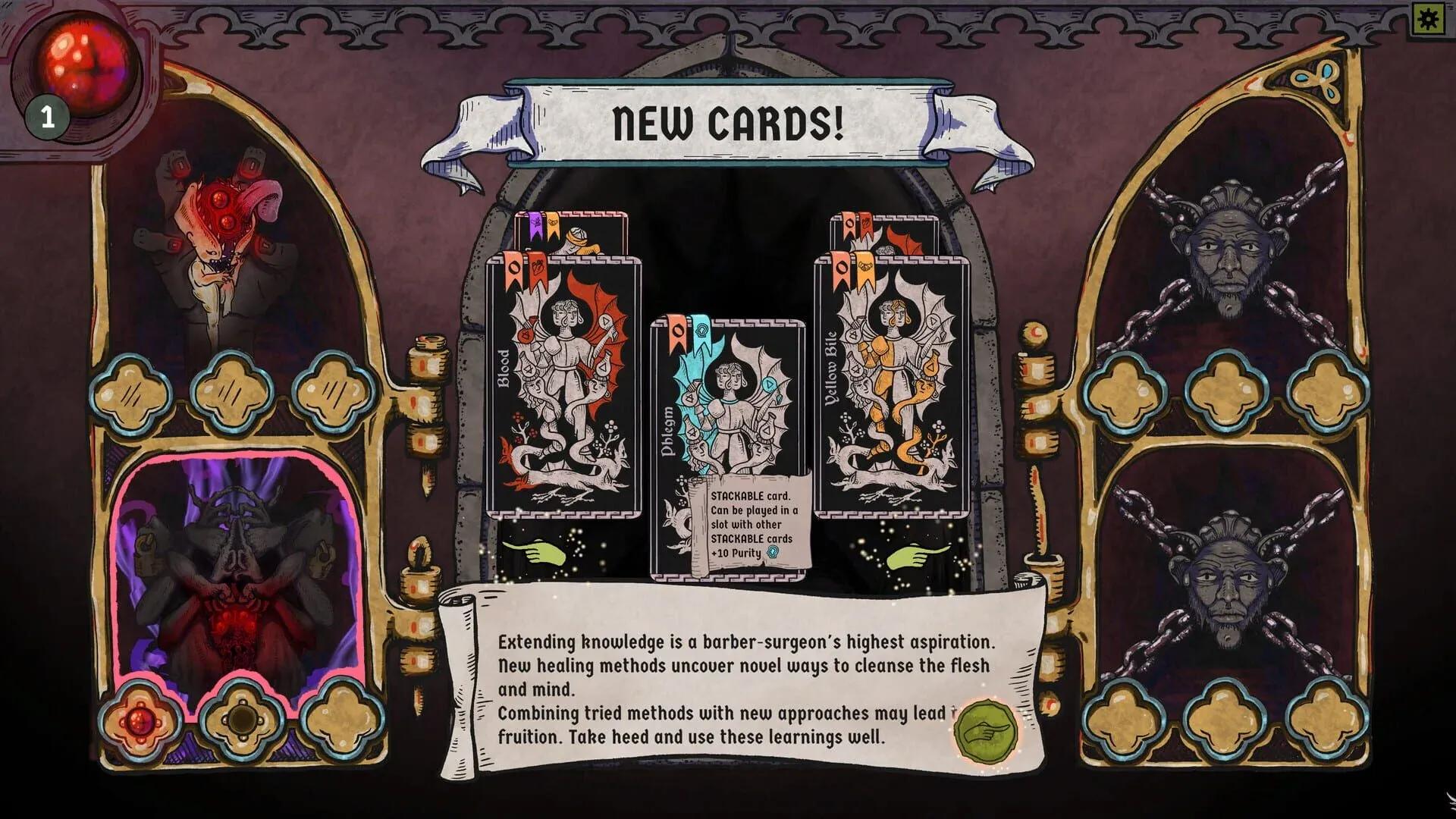
The variety of healing approaches available through the card system encourages experimentation with different medical philosophies and treatment methodologies. Players can focus on traditional herbal remedies, embrace more aggressive surgical techniques, or explore the darker arts of blood-letting and other controversial practices that give the game its title.
Progressive unlocks and deck enhancement options provide long-term goals that extend beyond individual patient encounters. The game rewards both successful treatments and learning from failures, creating multiple paths for character development and strategy refinement.
BLOODLETTER successfully carves out a distinctive niche within the crowded deck-building landscape by focusing on healing rather than destruction. The medieval medical theme provides rich material for both strategic gameplay and atmospheric storytelling, while the supernatural elements add layers of complexity that prevent the experience from becoming routine. This unique combination of simulation mechanics, card-based strategy, and dark medieval atmosphere creates an engaging experience that appeals to players seeking something different from traditional deck builders.