
Overview
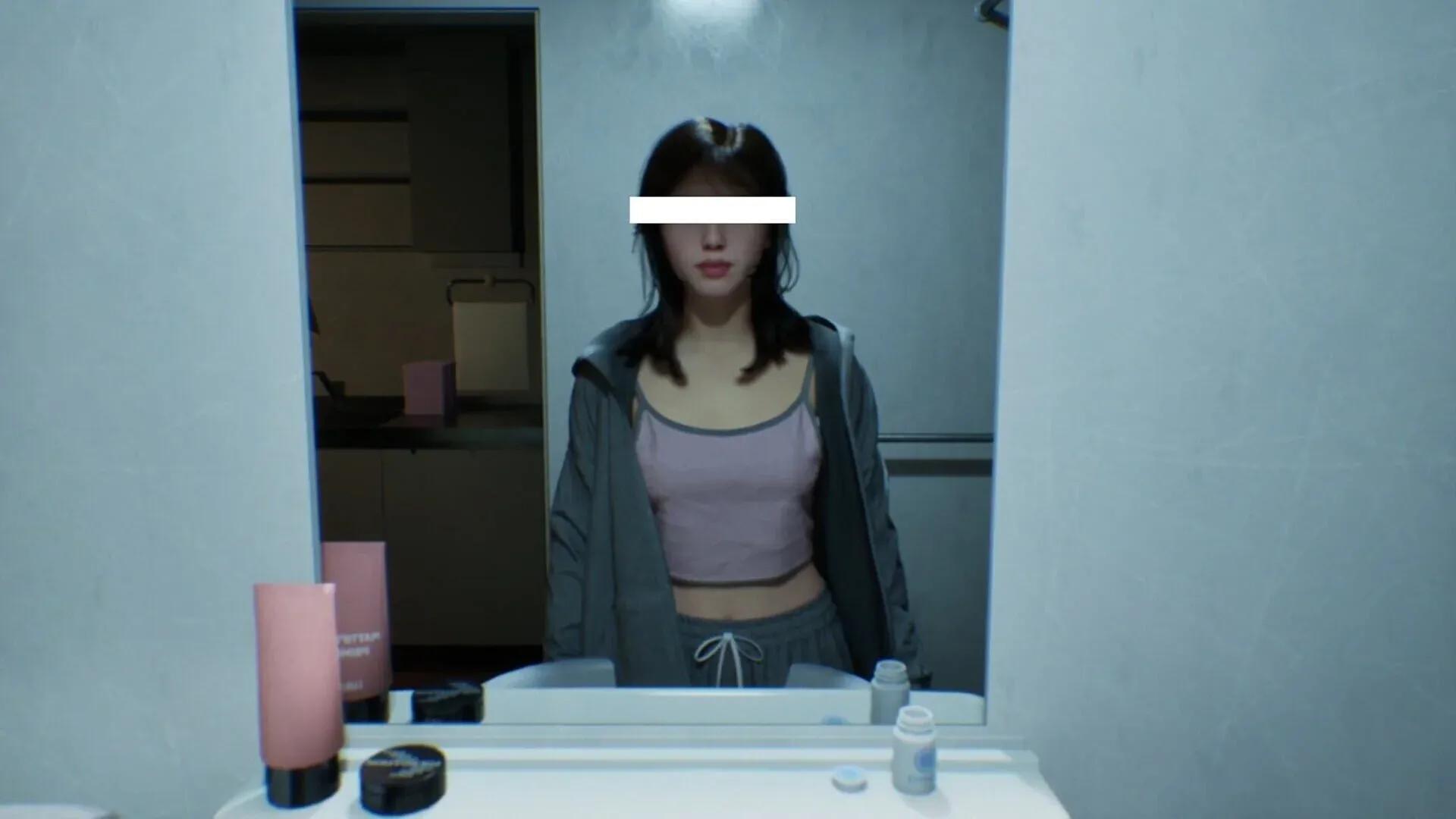
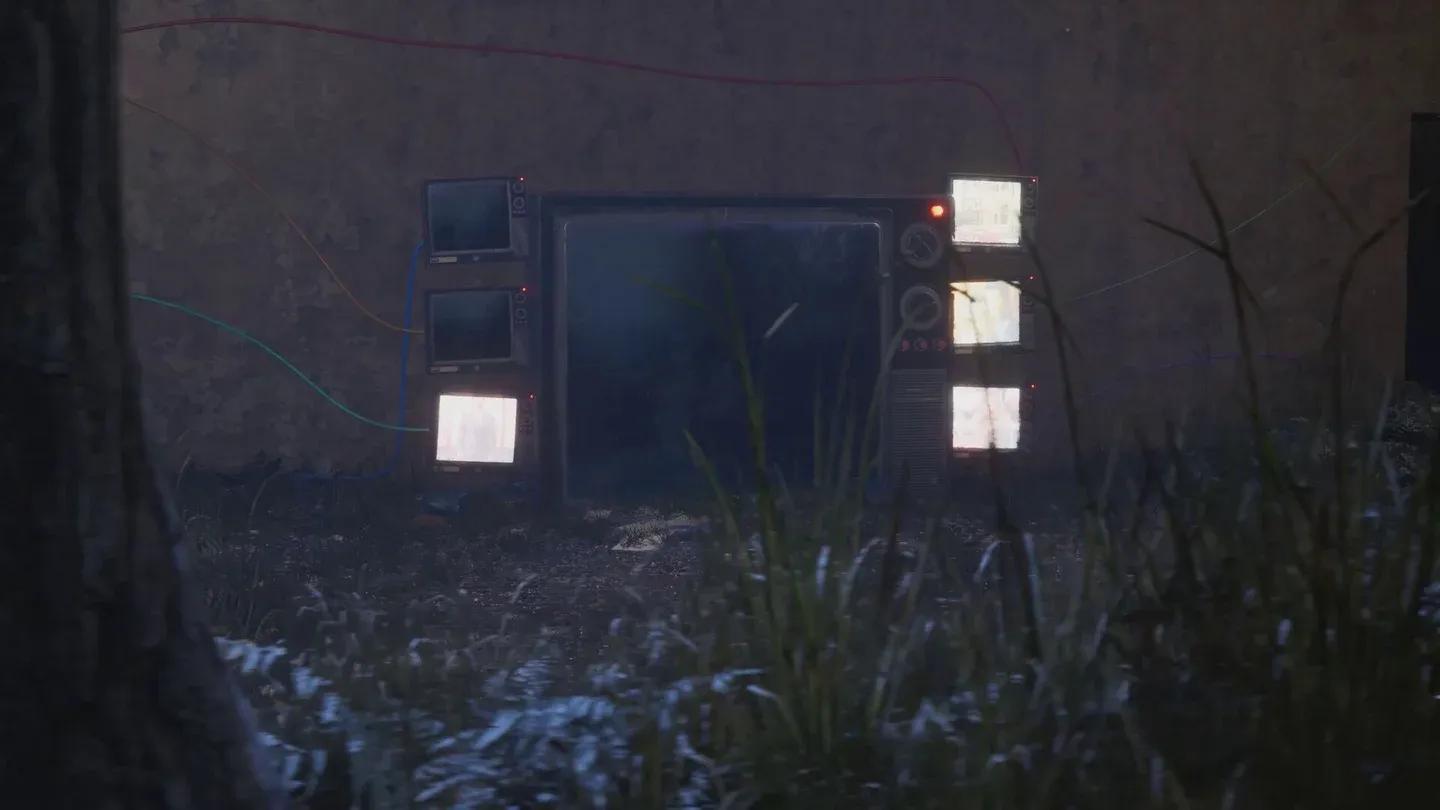
BrokenLore: DON'T LIE centers on Junko, a hikikomori whose self-imposed isolation begins to collapse when memories she has spent years suppressing start bleeding back into her present. Serafini Productions and Wired Productions frame this as a slow-burn psychological horror experience, one that prioritizes paranoia and perception over conventional action. The apartment Junko has turned into a sanctuary becomes the game's primary stage, and it does not stay familiar for long.
This is a standalone entry in the BrokenLore series, connected thematically to DON'T WATCH but fully playable without prior knowledge of the series. The game draws on Japanese psychological horror sensibilities, placing players inside a grounded, claustrophobic world where the horror is personal rather than supernatural in any obvious sense. Lies, medication, and fractured bonds between people are the real antagonists here.
Gameplay and mechanics
The core loop in DON'T LIE revolves around confined exploration and careful observation. Key mechanics include:
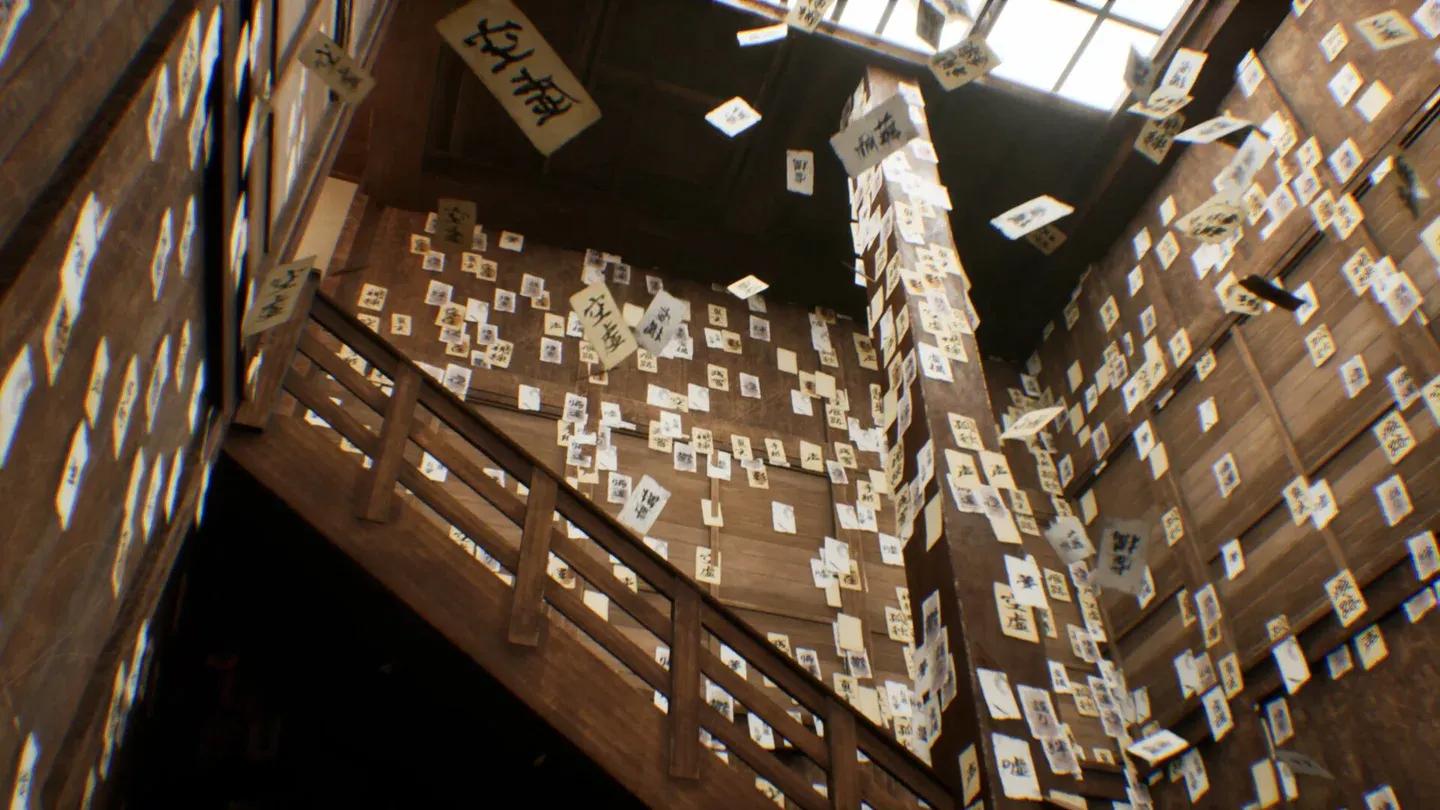
- Reading messages and examining files
- Searching environmental clues for hidden truths
- Avoiding detection by an unseen presence
- Navigating distorted spaces shaped by memory
- Piecing together Junko's past through layered storytelling
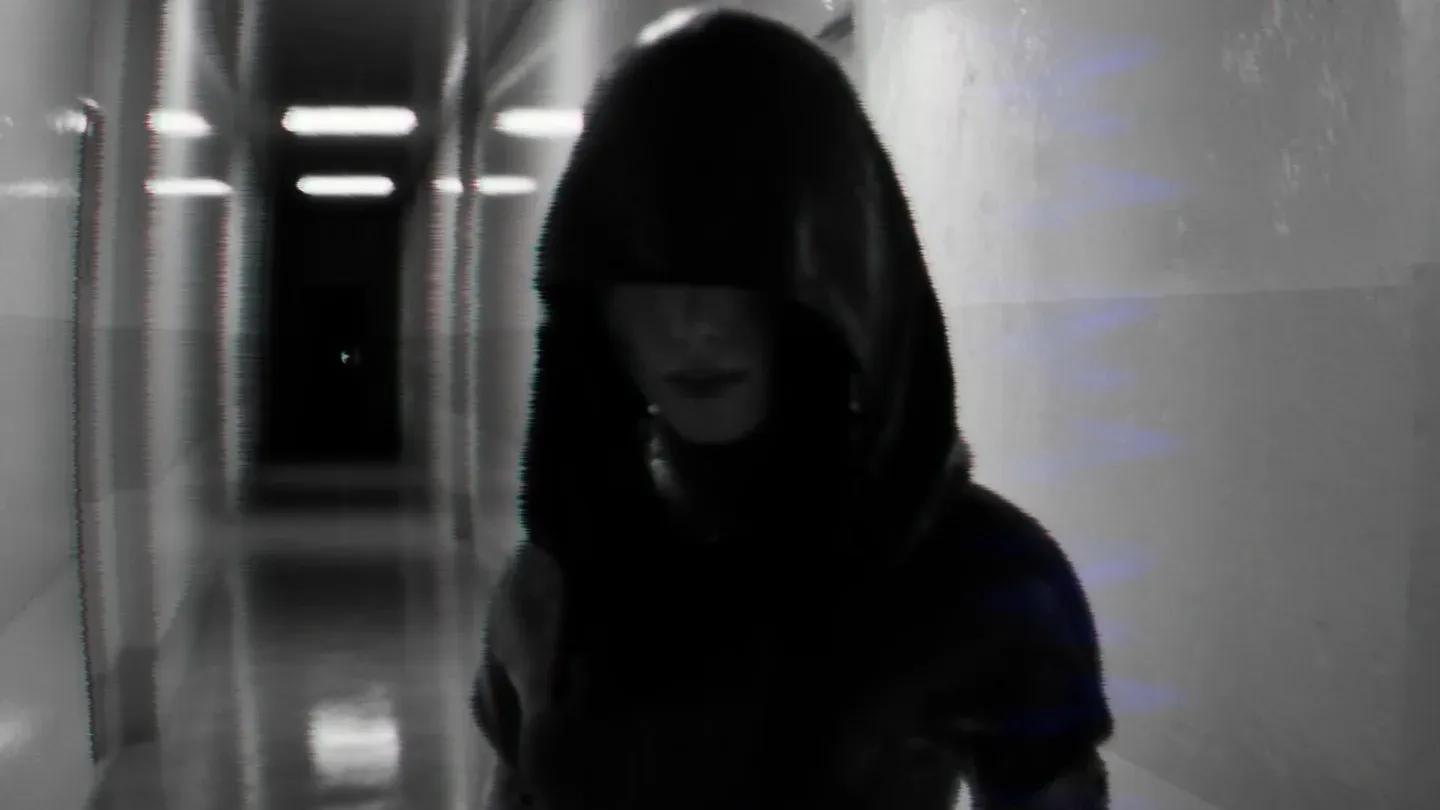
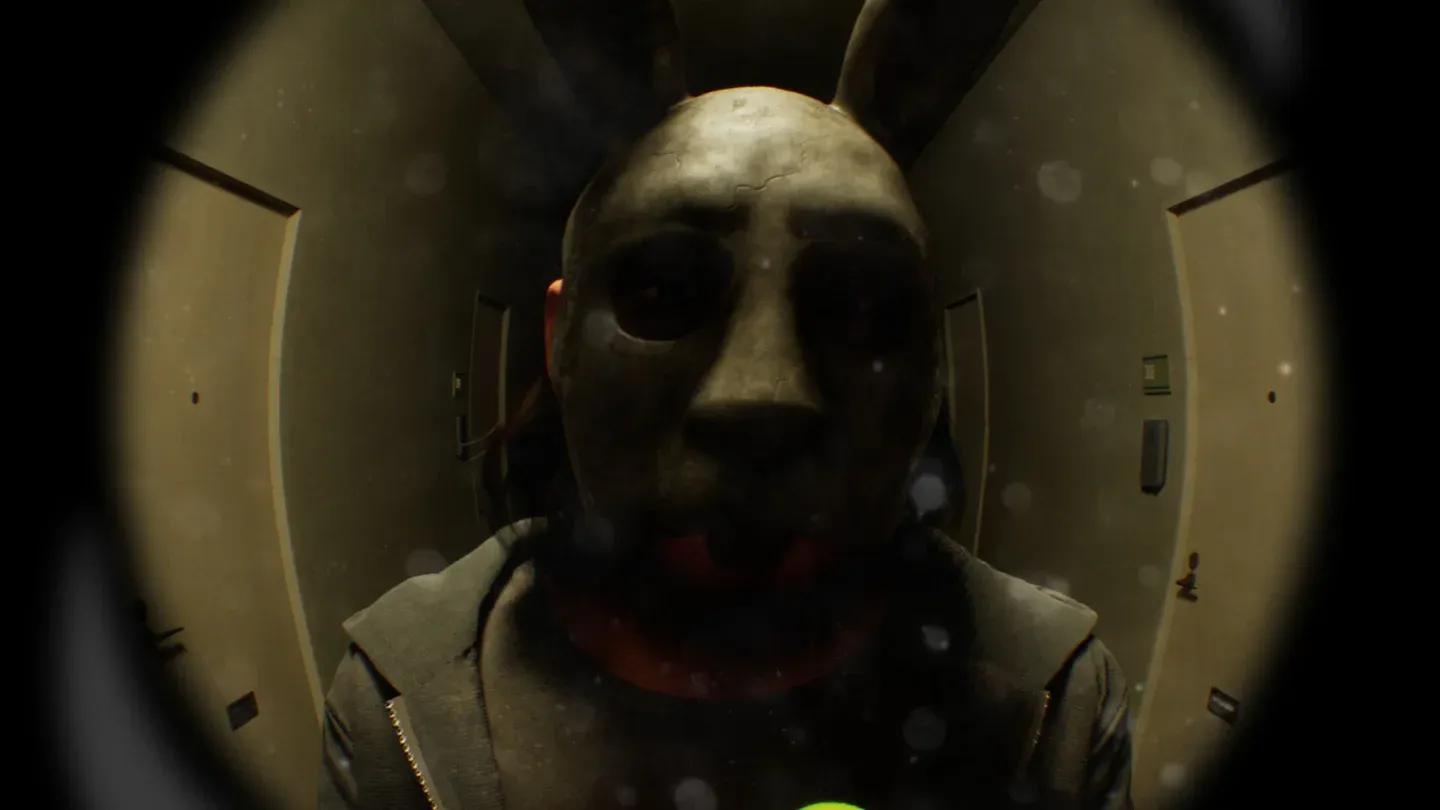
Movement is deliberate, and staying out of sight matters. An unseen entity tracks player behavior, which means carelessness has consequences. The tension is not built through combat or loud events but through the constant awareness that something is watching and the game is paying attention to how you move through it.
What makes DON'T LIE different from other horror games?
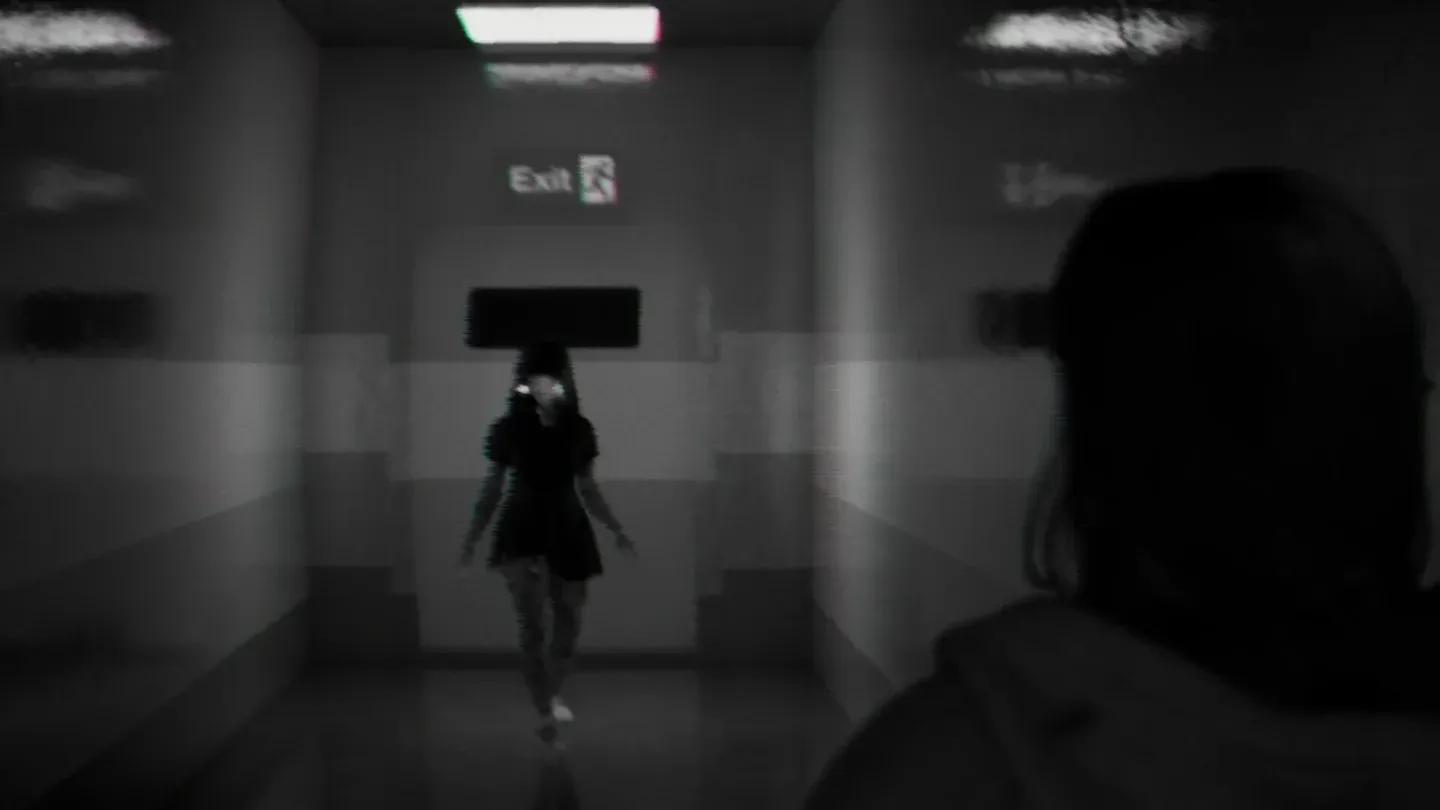
Most first-person horror games use darkness and sudden audio cues as their primary tools. DON'T LIE takes a different approach: the horror comes from watching a familiar space warp into something that reflects Junko's psychological state. Liminal spaces, those transitional, in-between environments that feel wrong without being obviously threatening, shift based on her memories and fears. The apartment is not just a location. It is a character.
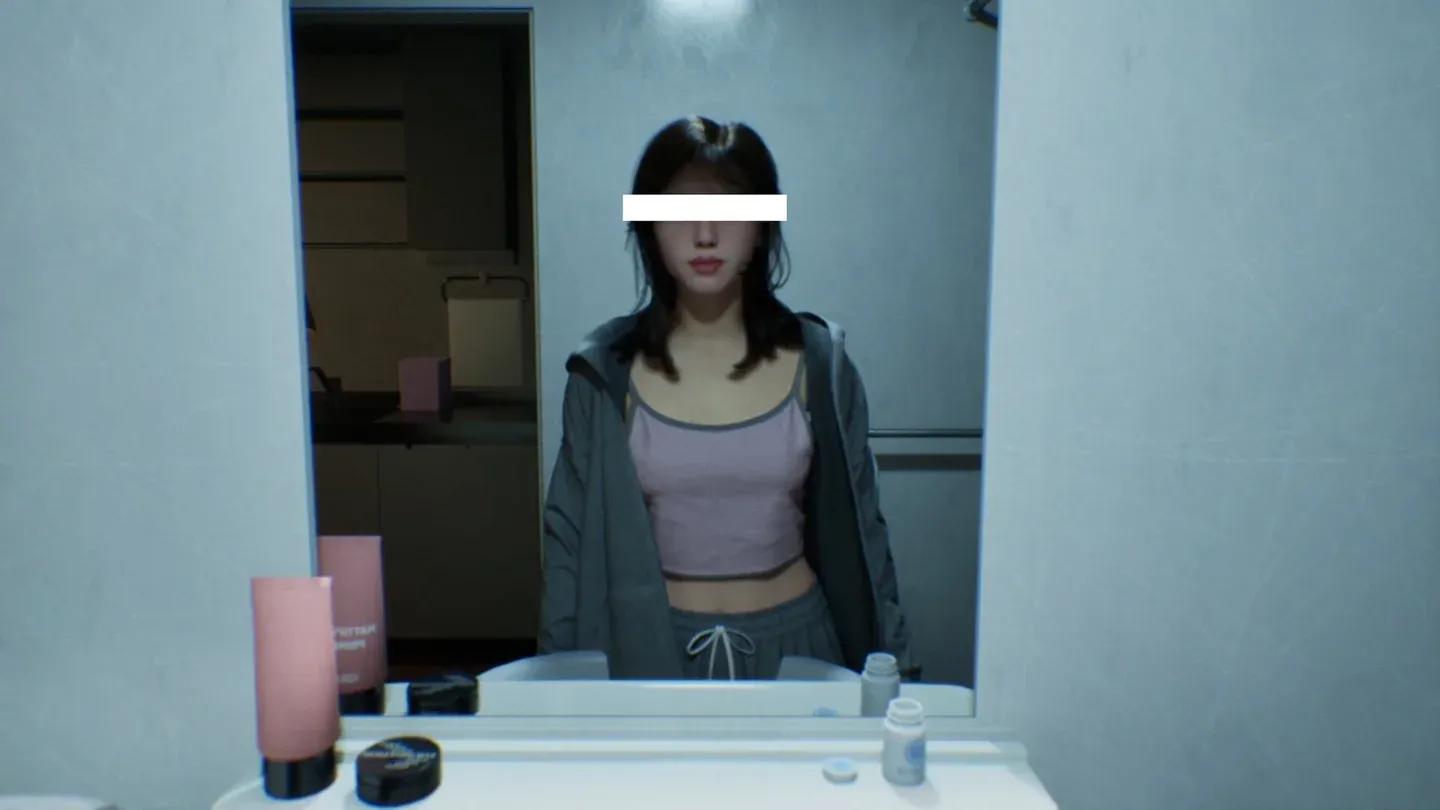
The game's Japanese psychological horror framing also separates it from Western genre peers. The cultural specificity of hikikomori social withdrawal gives Junko's isolation a texture that feels earned rather than convenient. Her backstory, shaped by an emotionally absent father and early experiences of rejection, grounds the horror in recognizable human damage.
World and setting
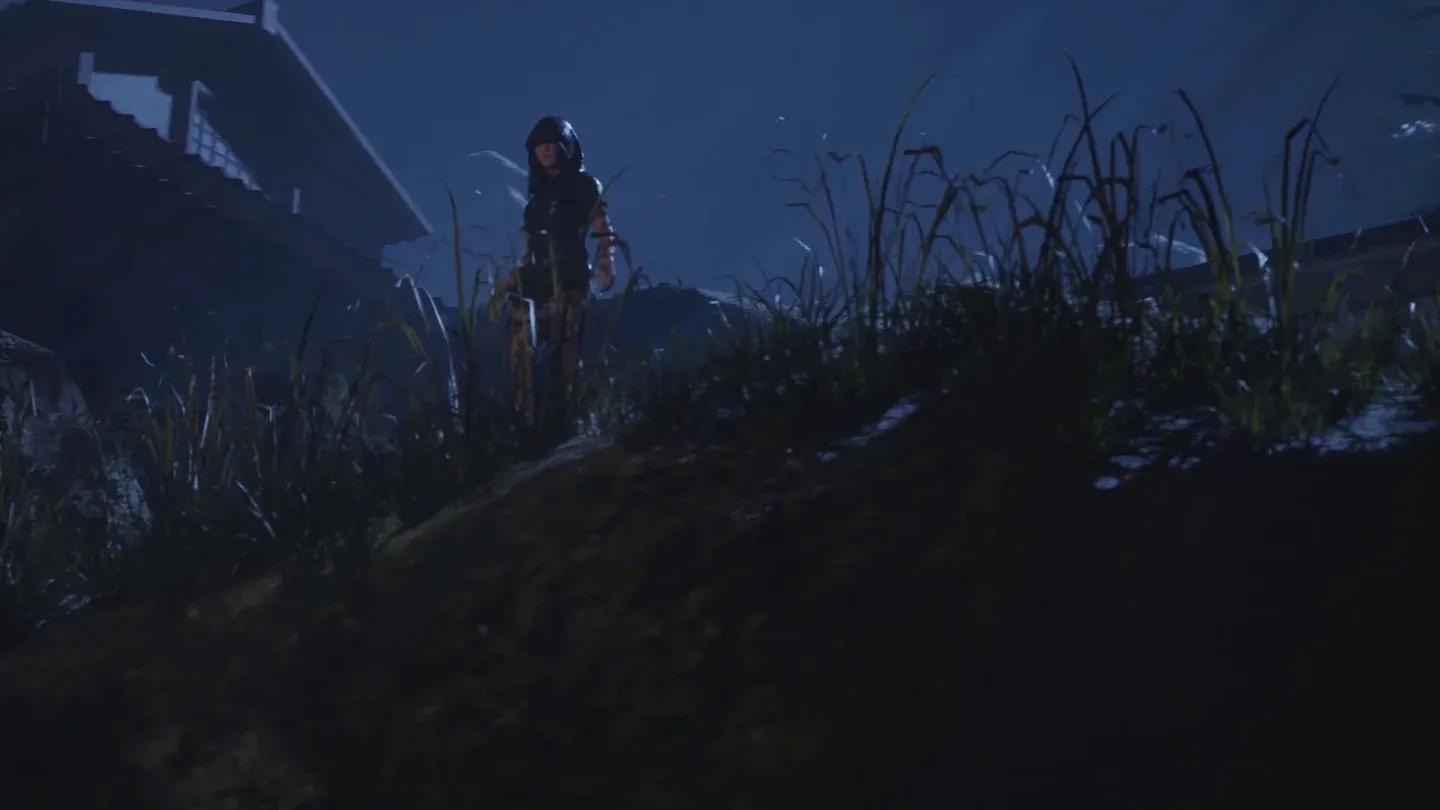
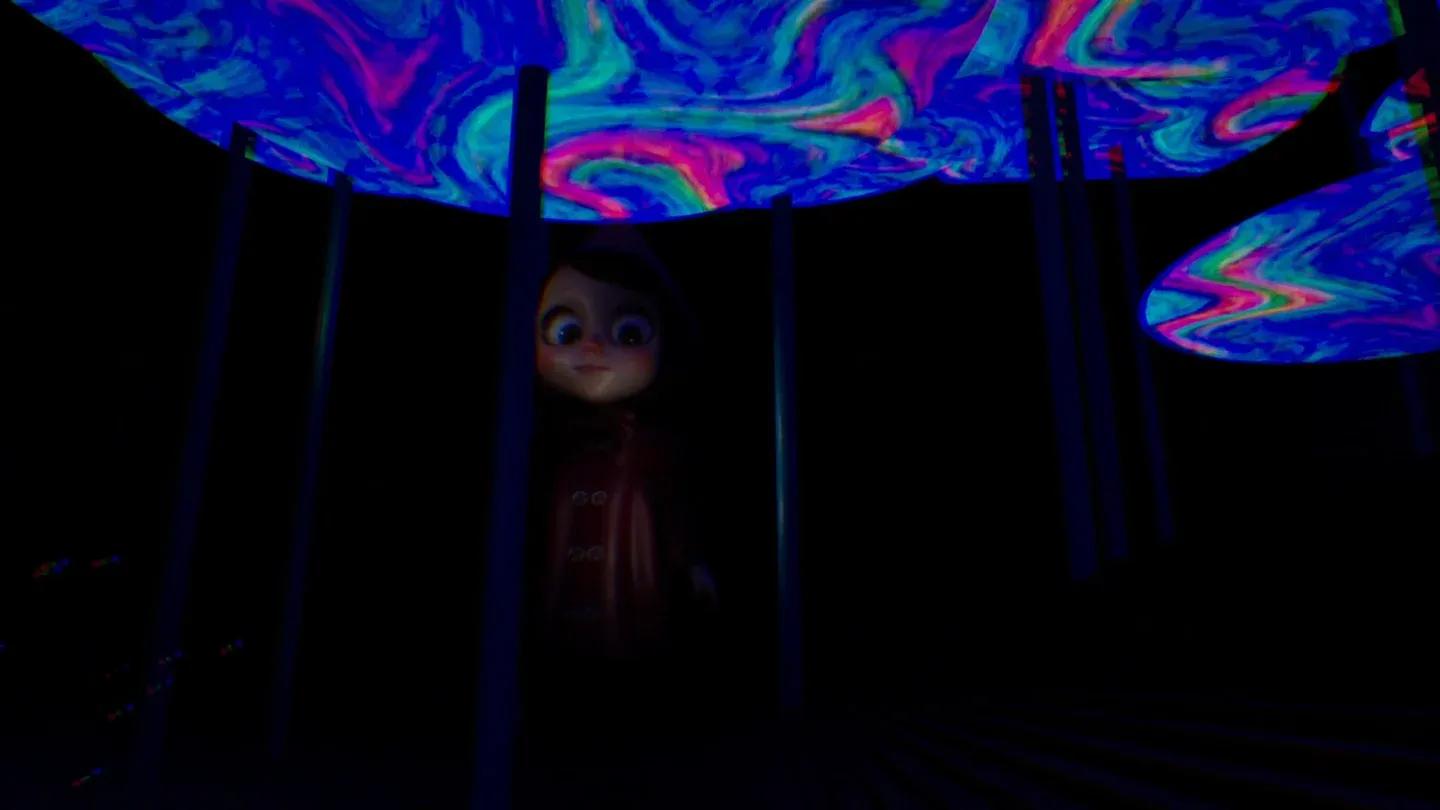
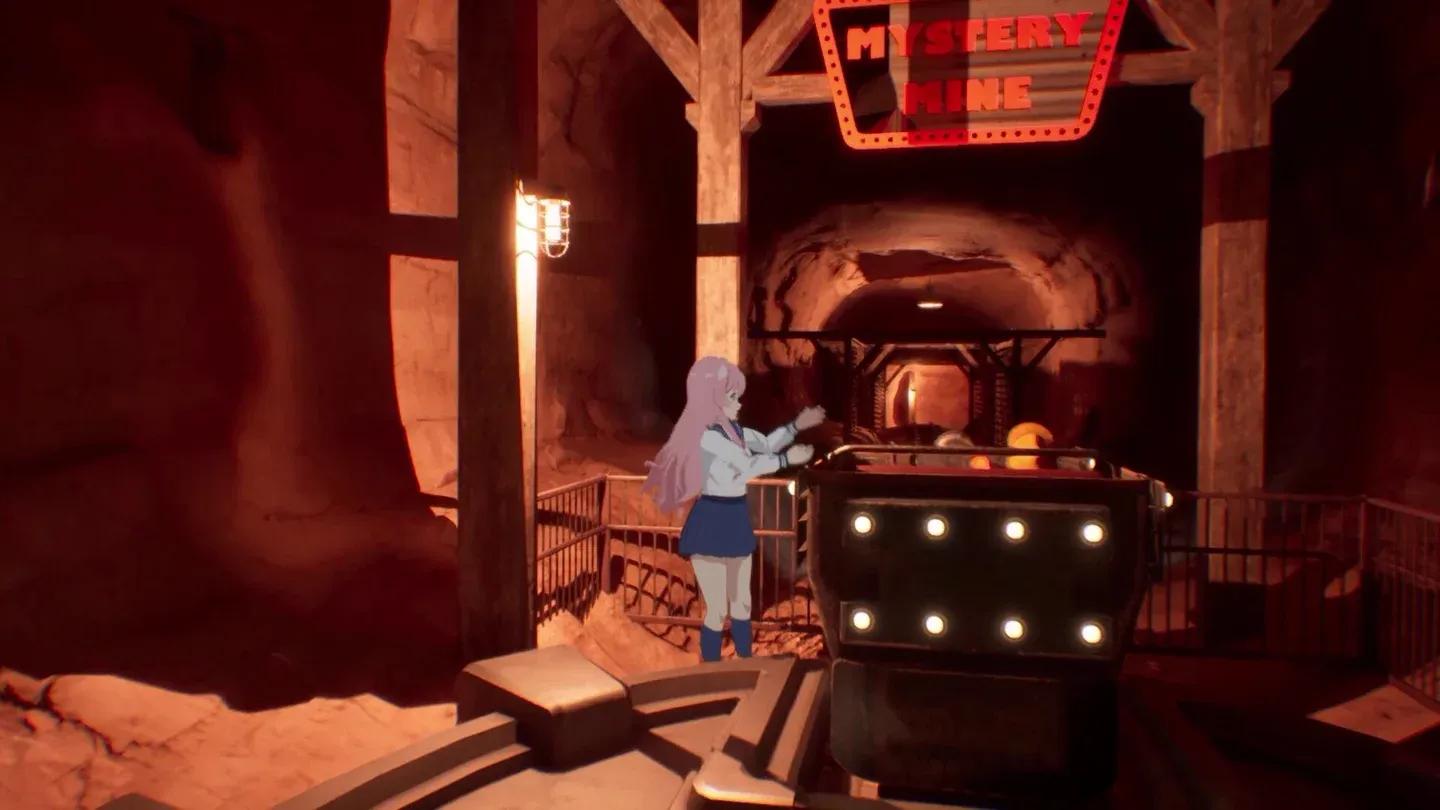
Junko's apartment starts as a controlled, understandable space and gradually transforms as the boundaries between memory and reality fracture. Familiar rooms become reflections of past experiences. Environments shift into warped versions of themselves, pulling players through moments Junko would rather forget.
BrokenLore: DON’T LIE content image
The game does not explain every transition. Some spaces simply exist as manifestations of psychological pressure, and players are expected to interpret rather than be told. That interpretive quality is where DON'T LIE earns its psychological horror classification. The narrative unfolds through exploration rather than cutscenes, rewarding players who pay attention to what the environment is saying rather than waiting for explicit story beats.
Content and replayability
As a narrative-driven psychological horror game, DON'T LIE is built around a single cohesive story rather than repeatable systems. The BrokenLore series structure means each entry functions as its own complete experience, which makes DON'T LIE accessible to players who have never encountered DON'T WATCH. The focus is depth over breadth: one story told carefully, with enough environmental detail and layered storytelling to reward players who explore thoroughly rather than rush toward resolution. For fans of slow-burn horror with strong character writing, that trade-off is exactly the point.
| Requirement | Minimum | Recommended |
|---|---|---|
| OS | Windows 10 64 bits | Windows 11 64 bits |
| Processor | Intel Core i5 | Intel Core i7 |
| Memory | 6 GB RAM | 8 GB RAM |
| Graphics | RTX 3060 | RTX 4070 |