Advertisement

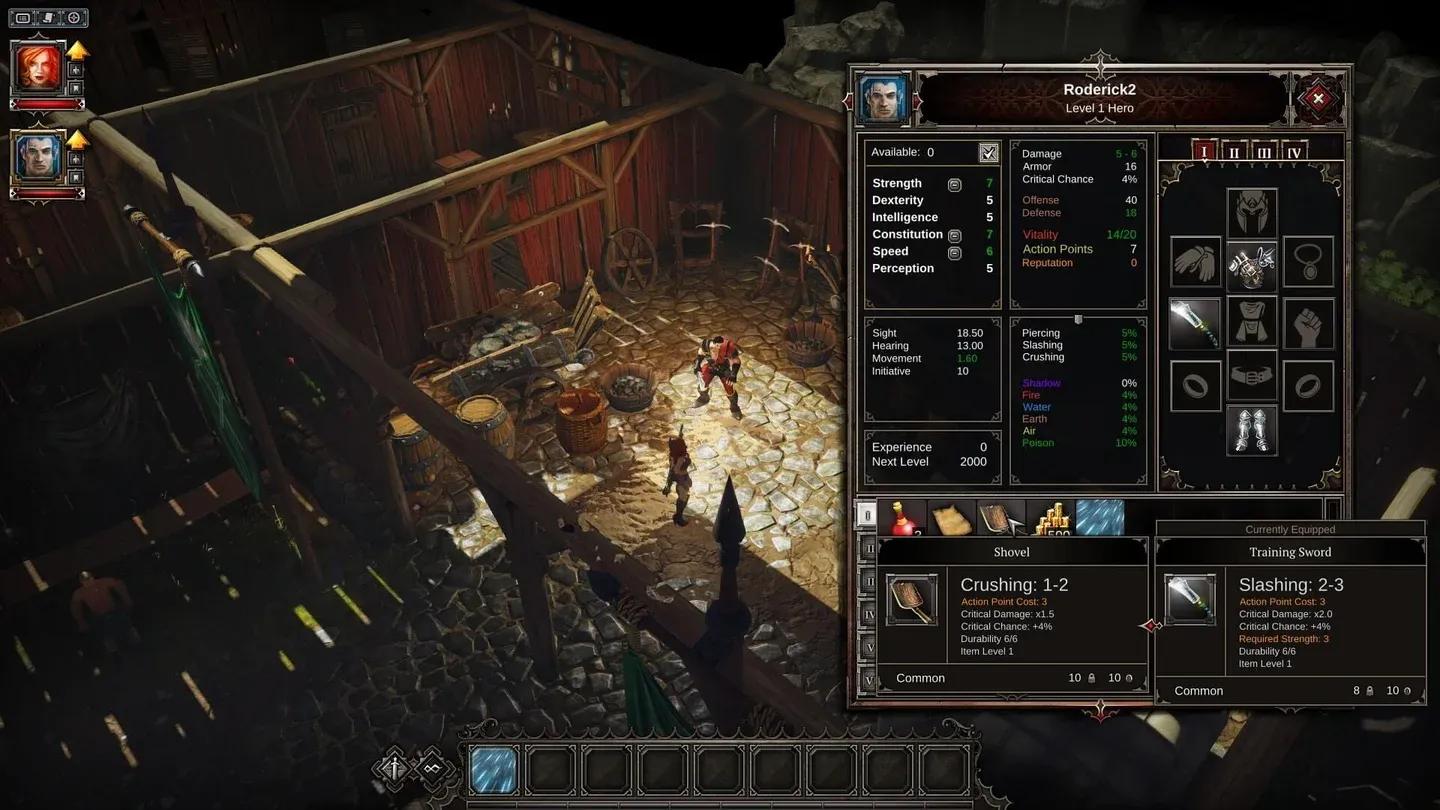
Overview
Divinity: Original Sin puts players in the boots of two Source Hunters, agents tasked with rooting out dangerous magic called Source. What starts as a routine murder investigation in the city of Cyseal quickly spirals into a conspiracy that touches the foundations of time itself. The world is fully explorable from the start, and the game rarely tells you where to go or what to do next.
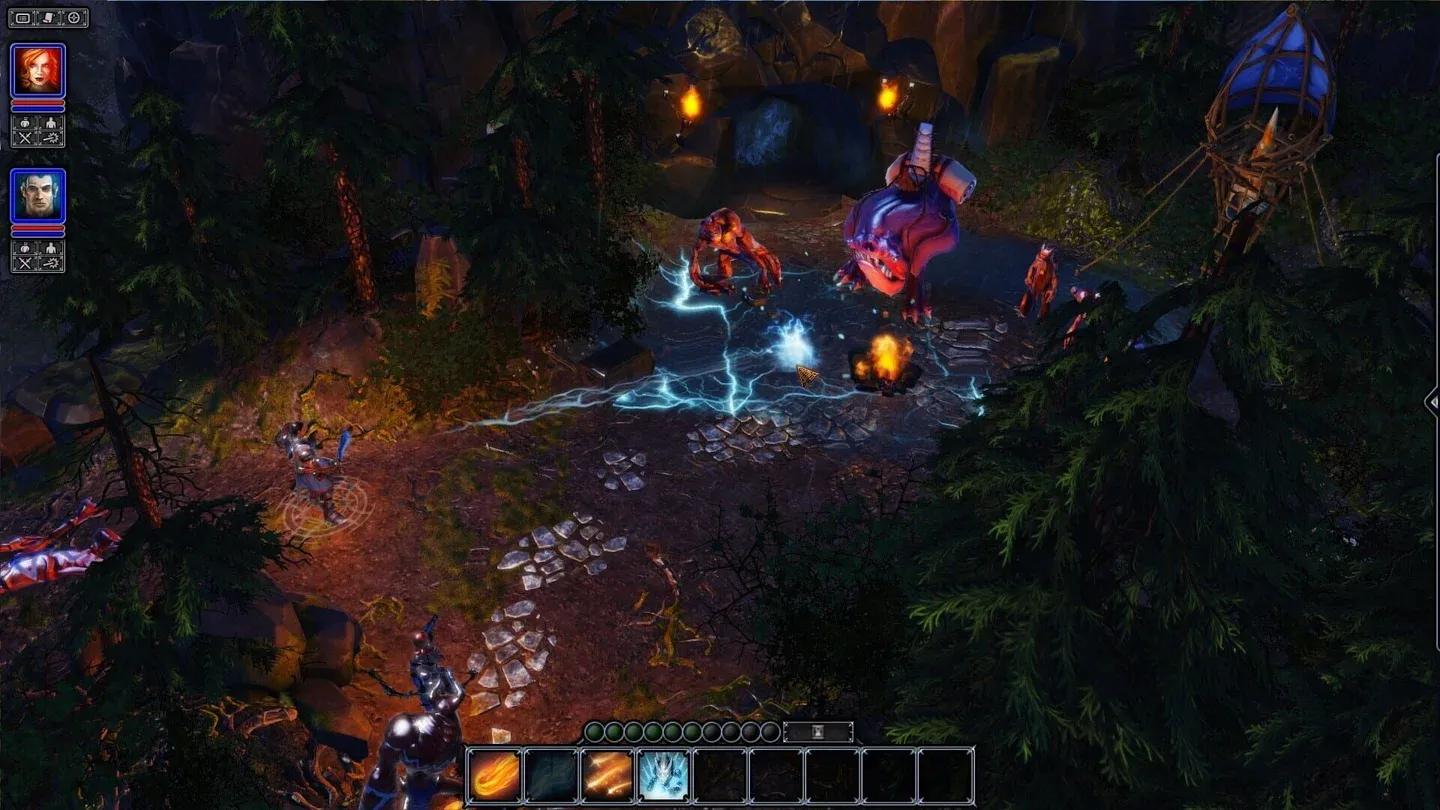
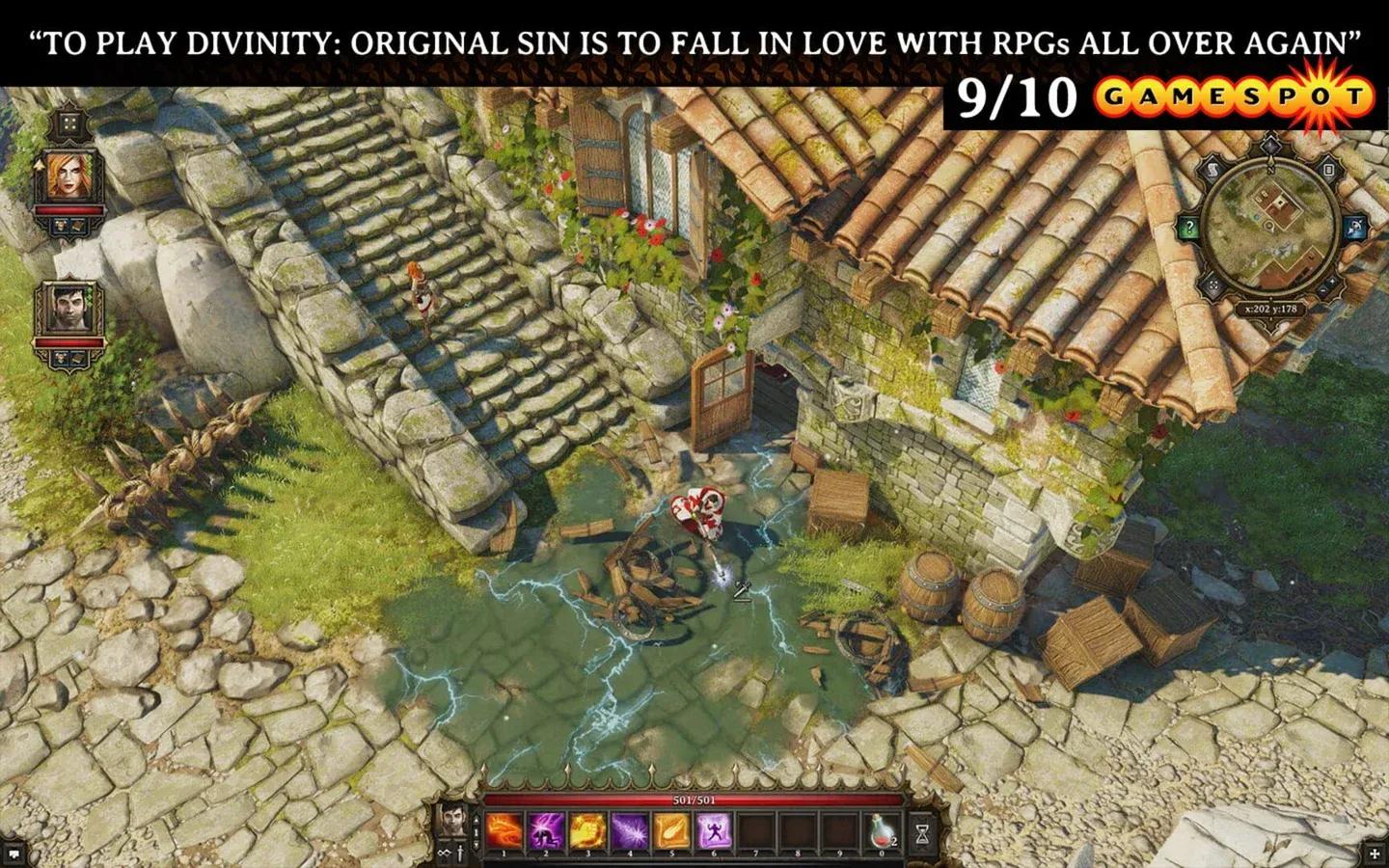
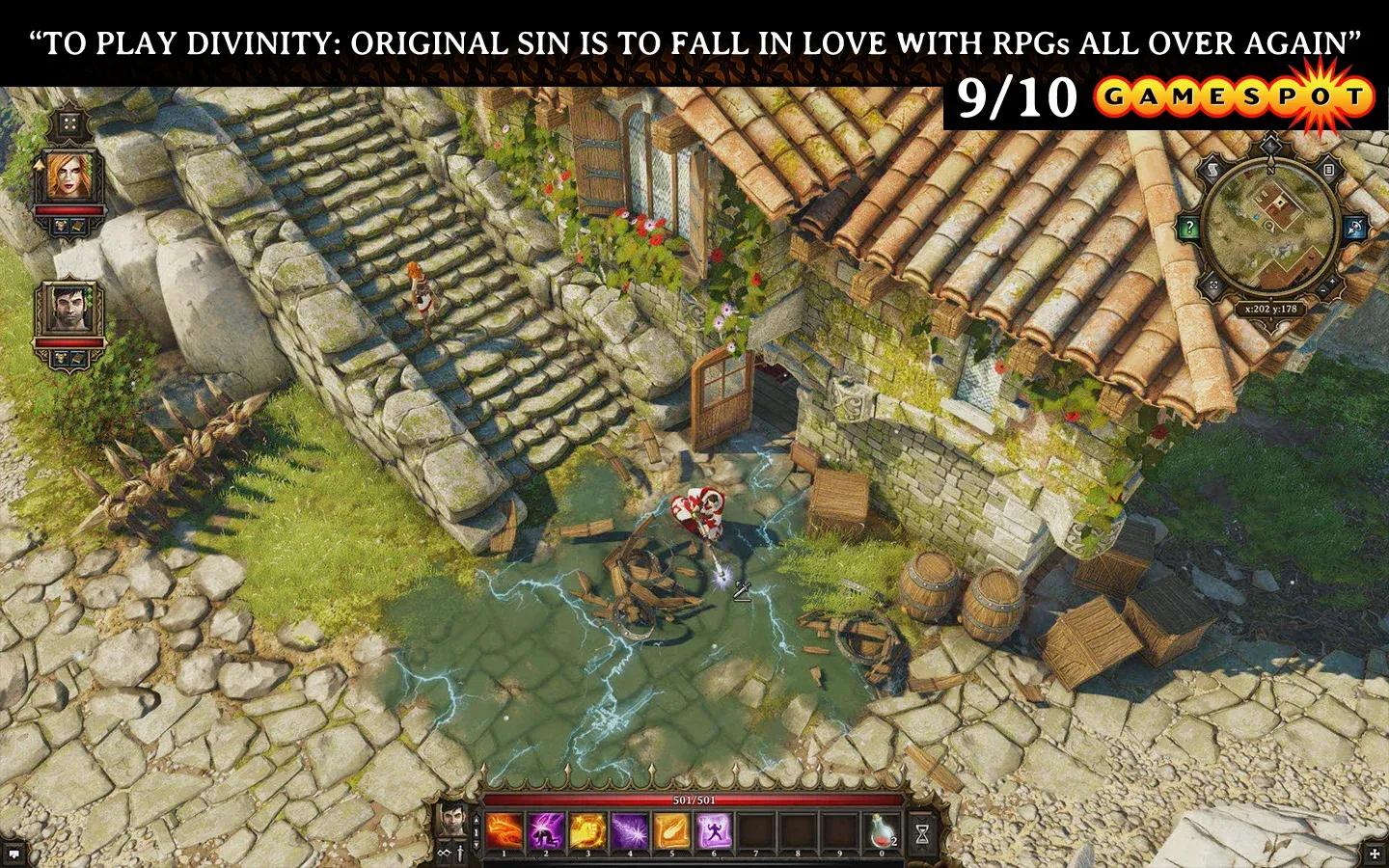
Larian built the game on a principle of systemic freedom. Nearly every object in the world can be interacted with, moved, or weaponized. Combine fire and oil barrels and you have an inferno. Freeze a water surface and enemies slide into each other. The environment is not just a backdrop but an active participant in every fight and puzzle.
Divinity: Original Sin (Classic) content image
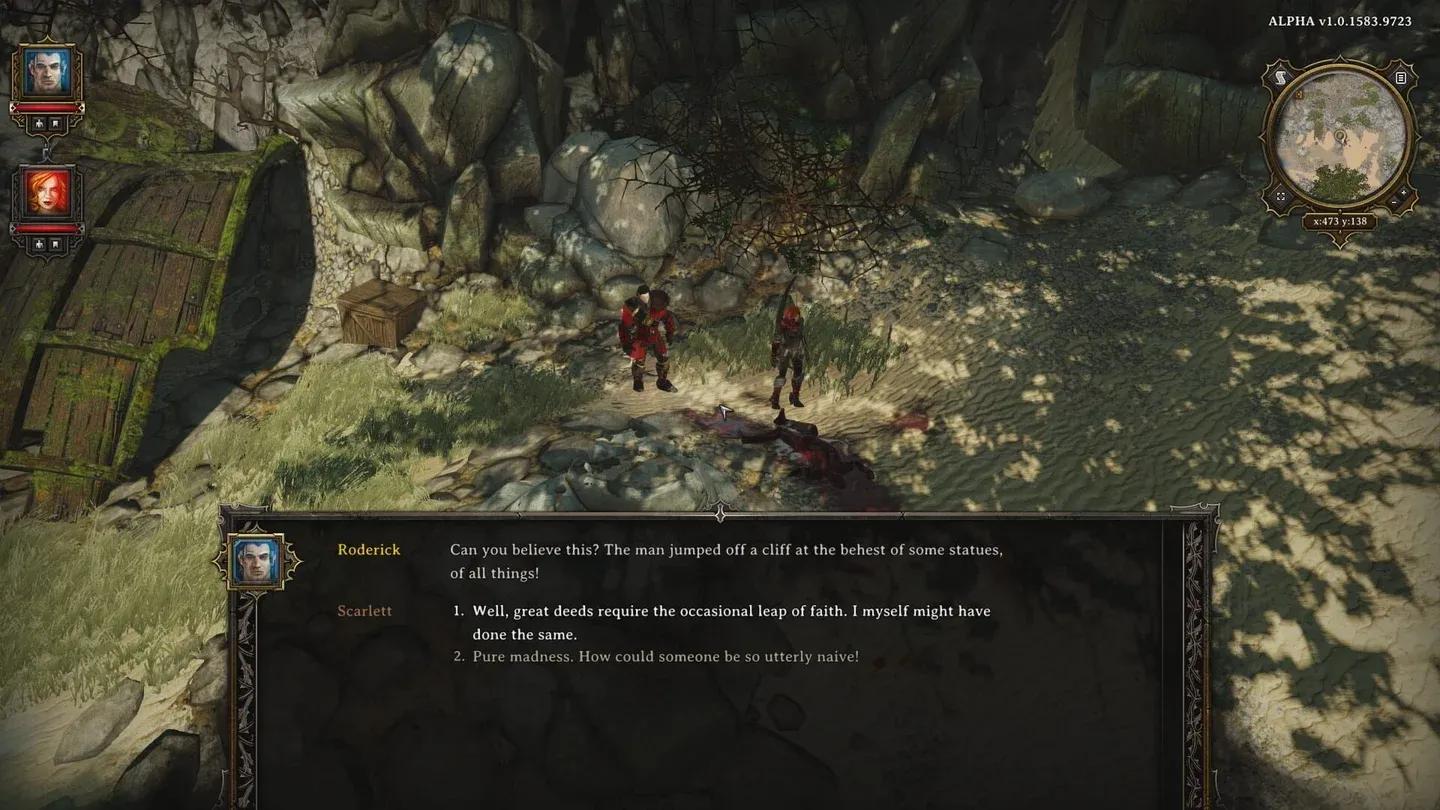
The story unfolds through dialogue trees that carry real weight. Companions have opinions, and when two players disagree on a decision in co-op, the game resolves the conflict through a rock-paper-scissors minigame. It is a small mechanic but one that captures exactly what kind of game this is: one that takes its systems seriously while never forgetting to have fun.
Gameplay and mechanics
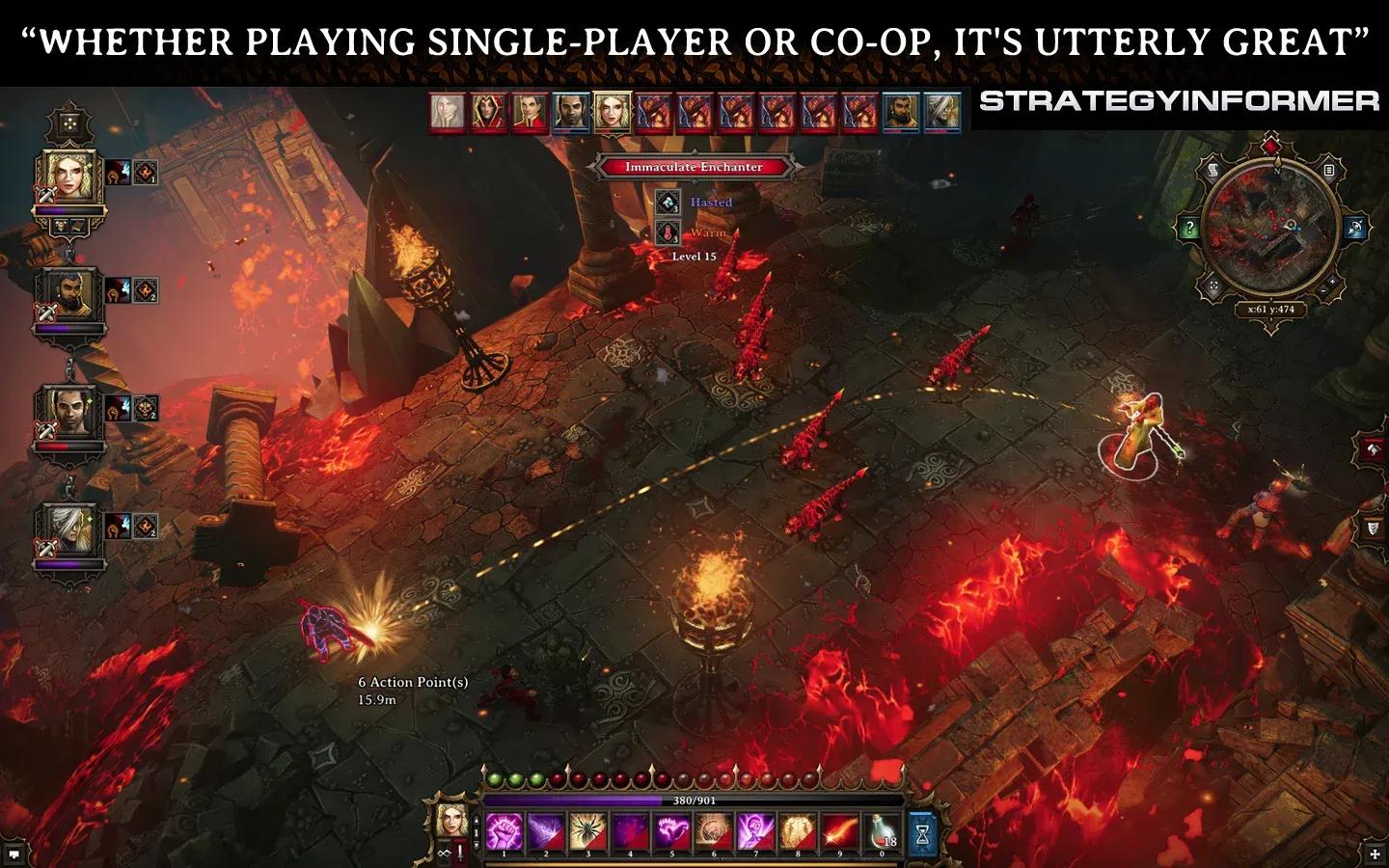
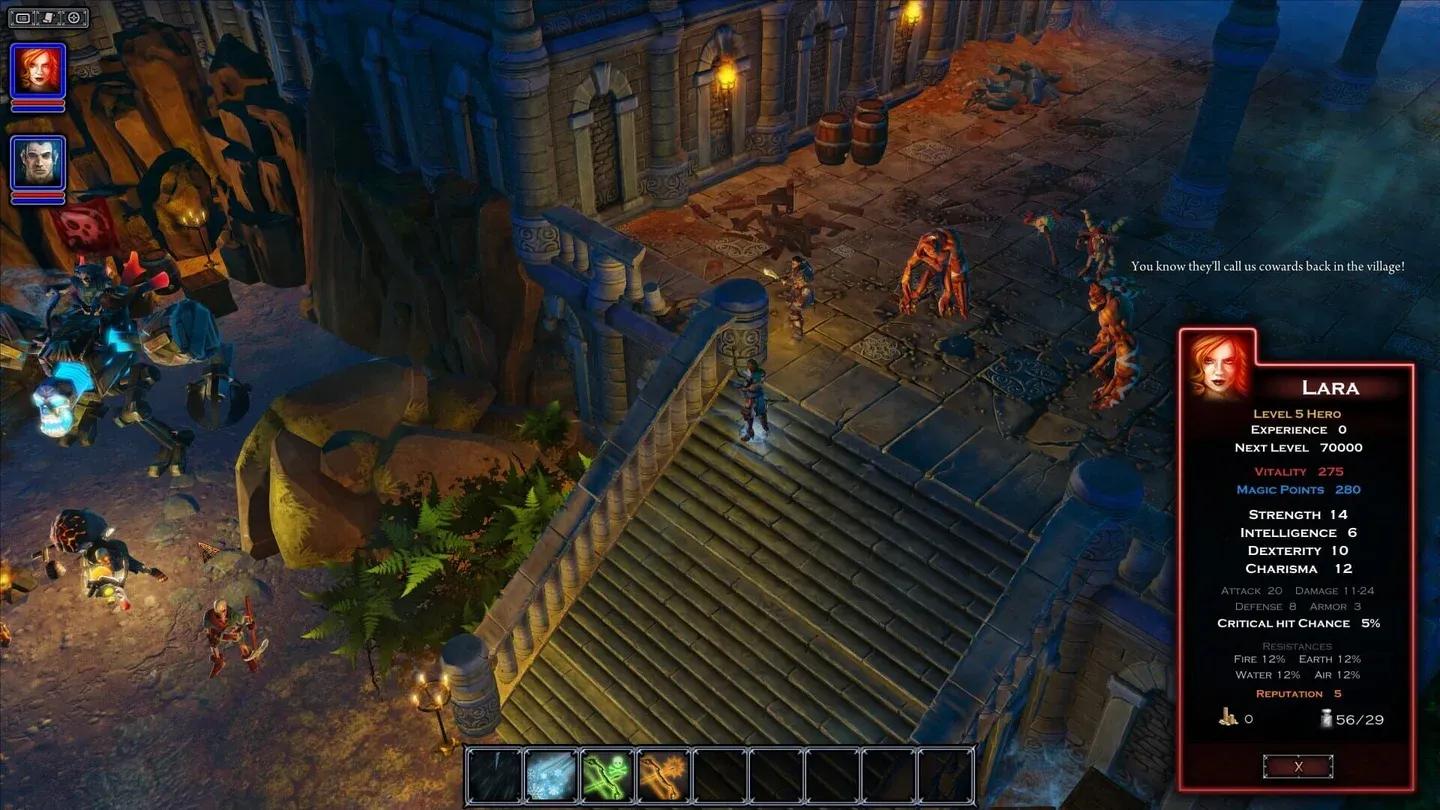
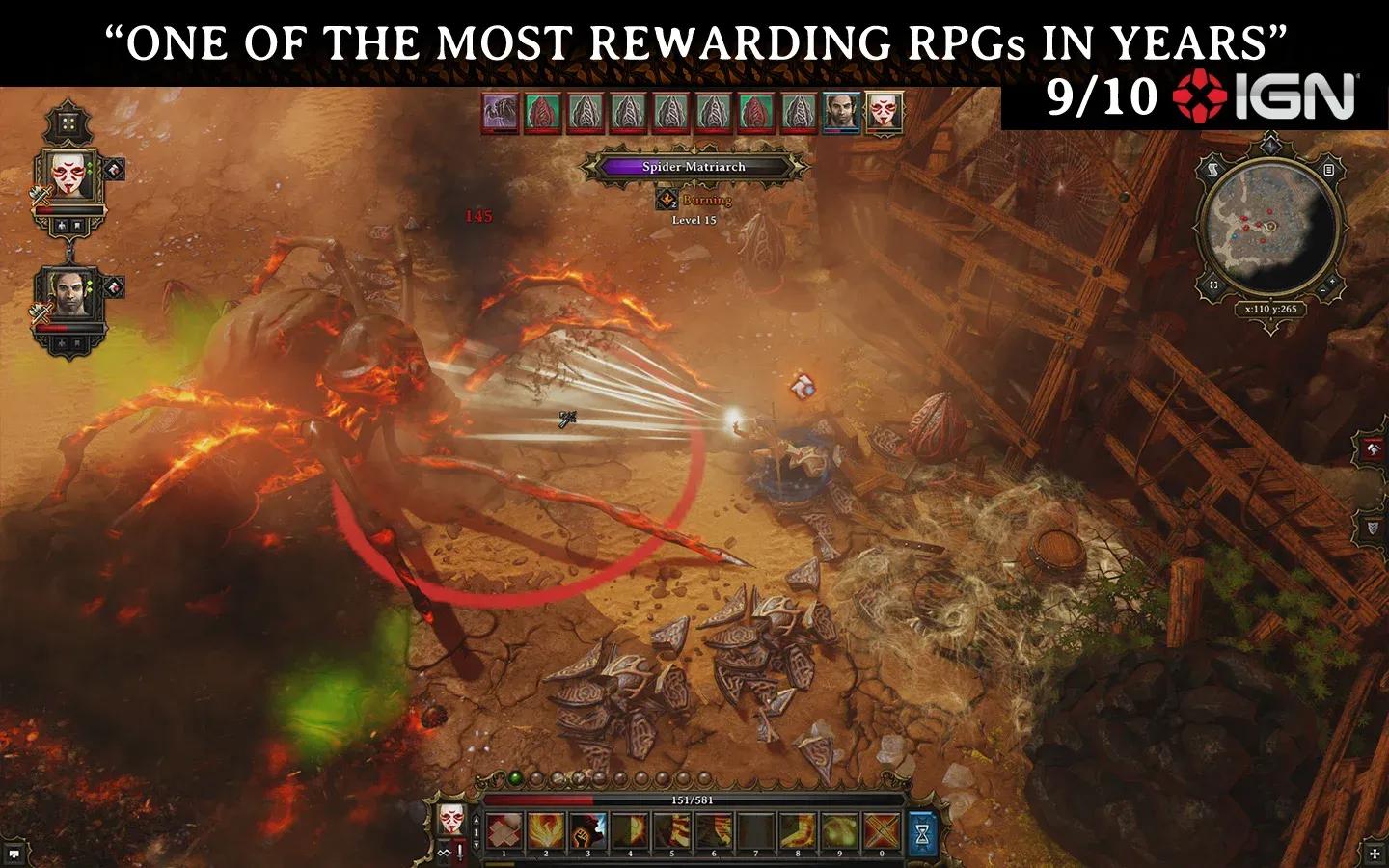
Combat in Divinity: Original Sin is turn-based and built around positioning, elemental interactions, and action point management. Key mechanics include:
Divinity: Original Sin (Classic) content image
- Elemental surface combinations (fire, water, oil, electricity)
- Action point system governing movement and abilities
- Status effects that chain across multiple enemies
- Terrain manipulation through spells and items
- Stealth and backstab mechanics for rogues
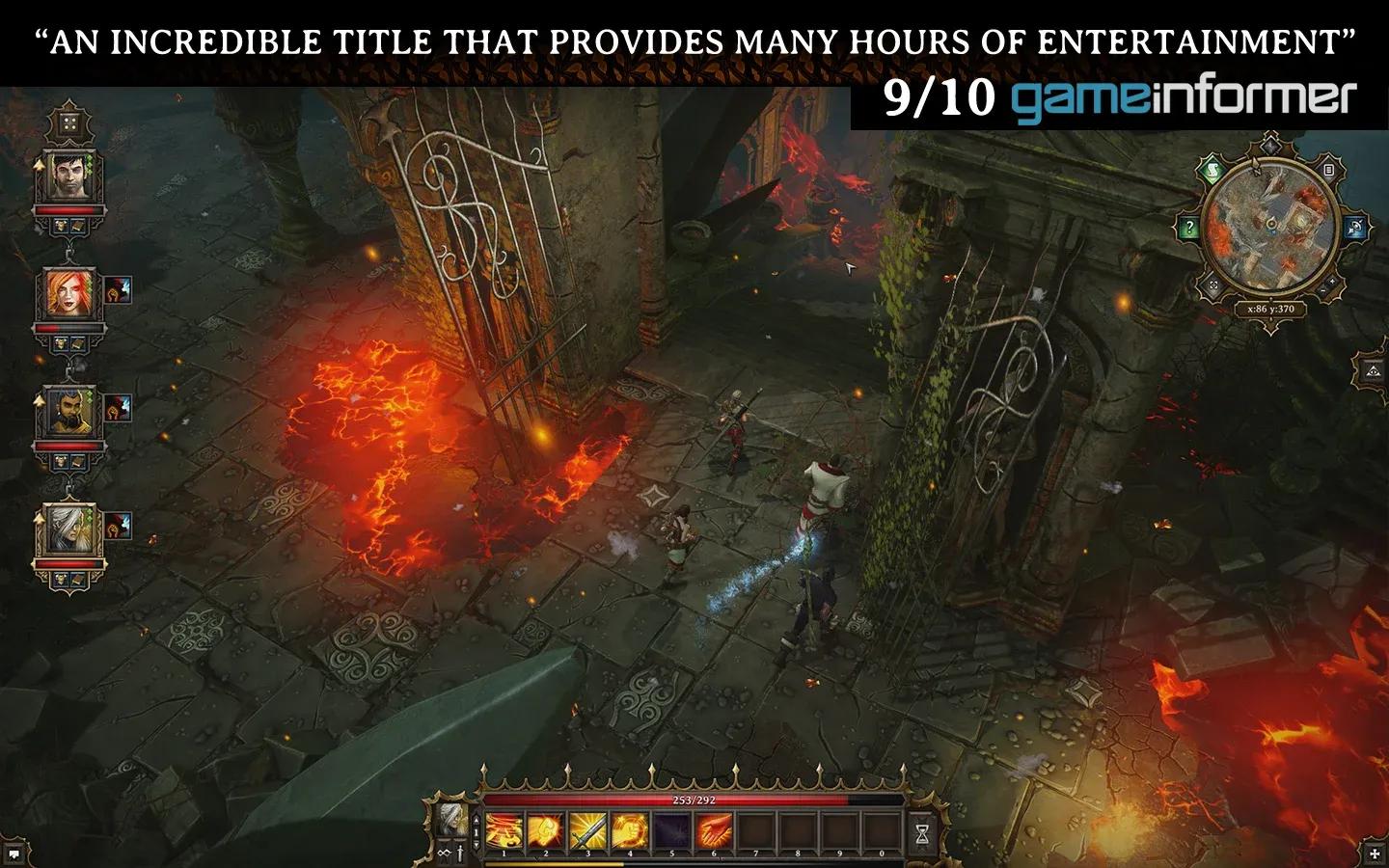
Building a party requires real thought. Characters level up through a classless system where any skill can be learned by any character, which means builds can be tailored or broken in interesting ways. The game does not hold back when punishing underprepared parties, particularly in the early hours around Cyseal.
Divinity: Original Sin (Classic) content image
Is co-op the best way to play?
Yes, and by a significant margin. Divinity: Original Sin supports both online and local split-screen co-op for 2 players, with each player controlling one of the two main Source Hunters. The co-op design is not a tacked-on feature. The disagreement system, the shared inventory management, and the way quests split across both characters all suggest Larian designed this experience with a partner in mind first. Solo play is still strong, but co-op adds a layer of chaos and negotiation that makes the game genuinely memorable.
World and setting
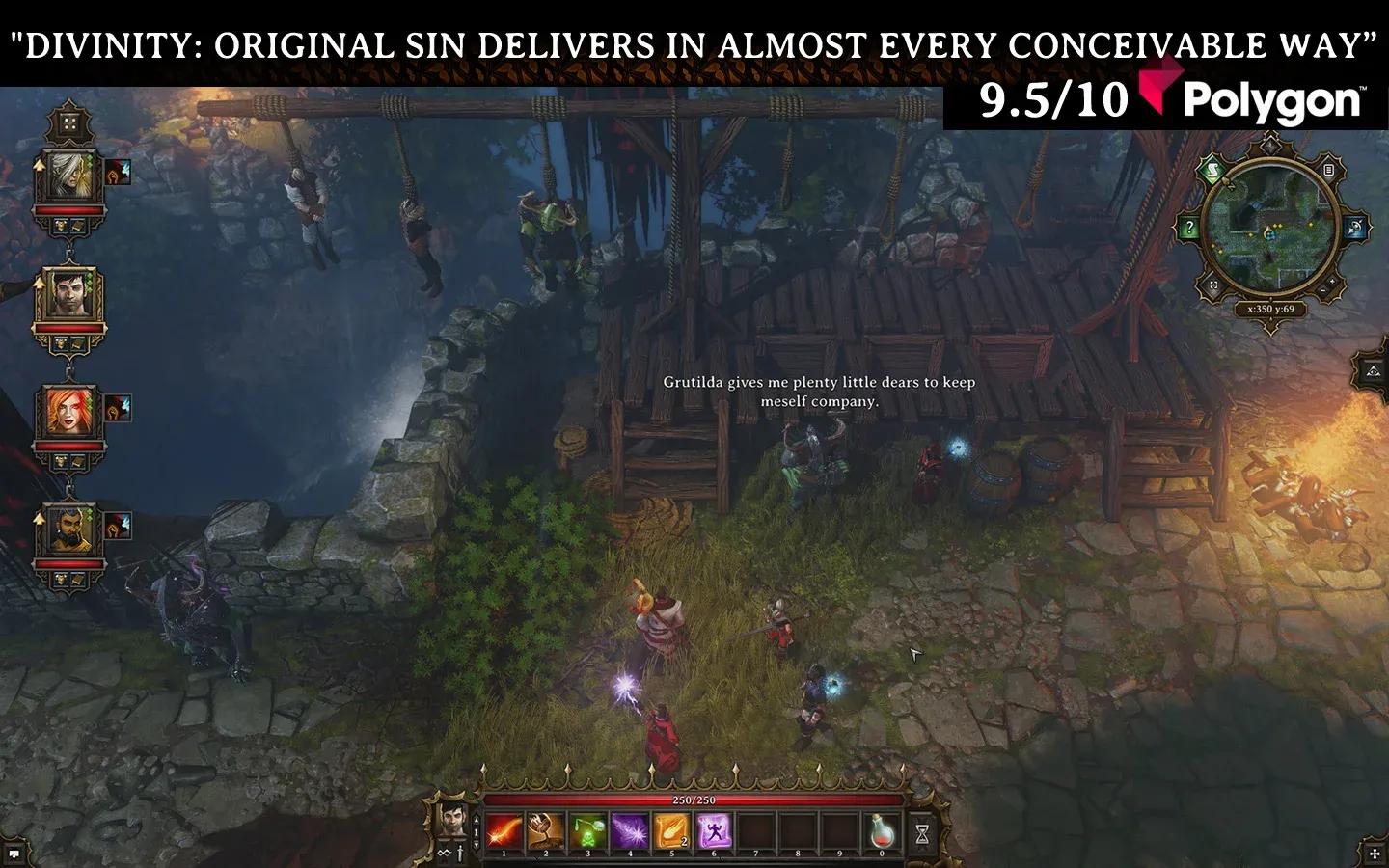
Cyseal is a coastal city under siege by undead, and it serves as the game's opening hub for a substantial portion of the runtime. The world draws from classic fantasy tropes but applies them with enough specificity to feel lived-in. Merchants have schedules, NPCs react to player actions, and the lore of the Divinity universe runs deep for those willing to read item descriptions and environmental storytelling.
The Source Hunter premise gives the narrative a moral edge. Source magic is feared and outlawed, but the game regularly forces players to question whether that fear is justified. Those questions do not always have clean answers, which is part of what made this game stand out in 2014 and still gives it staying power today.
Divinity: Original Sin (Classic) content image
Impact and legacy
Divinity: Original Sin picked up PC Game of the Year honors from multiple outlets in 2014 and scored 9/10 or higher across major publications. More than that, it directly established the design language that Larian carried into Divinity: Original Sin 2 and eventually Baldur's Gate 3. The systemic combat, co-op structure, and emphasis on player agency over scripted sequences all trace back to what this game proved was possible. The Classic version on Steam is the original 2014 release, distinct from the Enhanced Edition that followed in 2015, and it remains the purest form of that original vision.
| Requirement | Minimum | Recommended |
|---|---|---|
| Processor | Intel Core2 Duo E6600 or equivalent | Intel i5 2400 or higher |
| Memory | 2048 MB RAM | 4096 MB RAM |
| Graphics | HD Intel Graphics 4000 or NVIDIA® GeForce® 8800 GT (512 MB) or ATI™ Radeon™ HD 4850 or equivalent | NVIDIA® GeForce® GTX 550 ti 1GB ram or or ATI™ Radeon™ HD 6XXX or higher |
| DirectX | Version 9.0c | Version 9.0c |
| Storage | 10 GB available space | 10 GB available space |